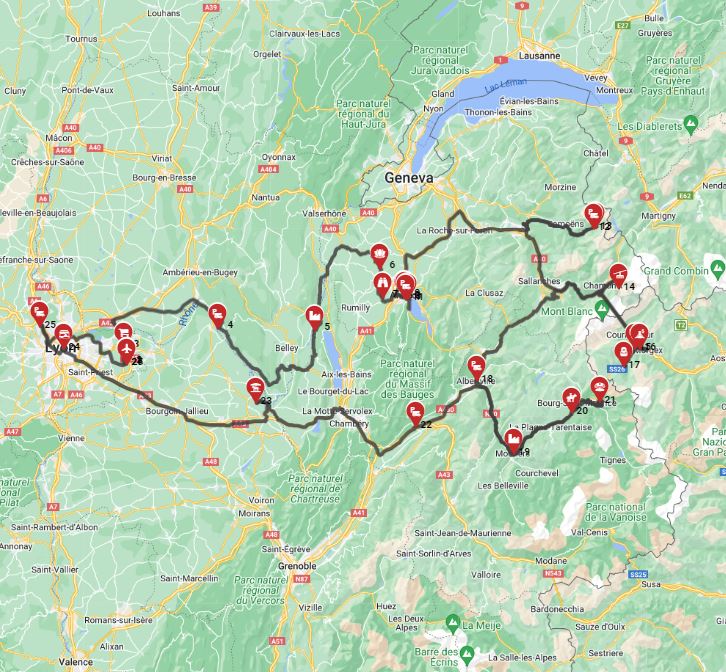
For live availability and current prices, start with our RV Rental Lyon - Complete Guide 2026 guide.
In This Guide
- Can You Drive an RV in Lyon? License & Age Rules
- Road Conditions & Terrain in Lyon
- RV Size Limits, Bridges & Restricted Zones
- Fuel: Diesel vs. Petrol & Cost per 100 km
- Tolls, Vignettes & Border Rules
- Driving Tips for rv rental deals Travelers
- Recommended RV Class for Lyon Roads
- Should I Choose a Compact Van Instead of a Large RV in Lyon?
- Can I Park Anywhere? Free & Wild Camping Rules in Lyon
- Can I Drive an RV Into the City Center? Heights, Tunnels & Local Signage
- What do I need to drive my camper in France?
- Do you need a special license to rent and drive an RV?
- What are the rules for driving a motorhome in France?
- Do I need a car in Lyon, France?
- Do I need speed stickers on my motorhome in France?
- Is France camper friendly?
- Do you have to get a license for renting an RV?
- What do I need to rent a class A RV?
- How much does RV rental insurance cost?
- Where to buy RV rental insurance?
Can You Drive an RV in Lyon? License & Age Rules
Driving an RV in Lyon is entirely feasible for most standard license holders, though specific categories apply for vehicles exceeding 3,500 kg. A standard Category B license is sufficient for RVs with a Maximum Authorized Mass (MAM) of up to 3,500 kg. For RVs weighing between 3,500 kg and 7,500 kg, a Category C1 license is generally required. Non-EU license holders should carry an International Driving Permit (IDP) alongside their national license for smooth navigation and compliance. Rental companies typically enforce minimum driver ages, often 21, but some may require drivers to be 25 for larger Class A motorhomes, along with a certain number of years of driving experience.
Road Conditions & Terrain in Lyon
Roads in Lyon and the surrounding Rhône-Alpes region are generally well-maintained, but urban areas can experience congestion. City centers may feature narrower streets and cobblestones, requiring careful RV navigation. Highways, known as 'autoroutes', offer excellent, often tolled, routes for longer distances, making inter-city travel efficient. Beyond the city, terrain varies from flat plains to rolling hills and mountainous areas, presenting diverse scenic drives for your exploration. RV driving always requires attention to vehicle dimensions for safe maneuvering, particularly on winding rural roads or in dense urban traffic.
RV Size Limits, Bridges & Restricted Zones
When driving an RV in Lyon, it's crucial to be aware of vehicle height and weight restrictions, low bridges, and environmental zones. Always pay close attention to height limit signs, often marked as 'gabarit', for tunnels, underpasses, and multi-story car parks, as RVs are significantly taller than standard cars. Observe weight limits (PTAC - Poids Total Autorisé en Charge), which correlate with your driving license category. Lyon is a Low Emission Zone (ZFE), requiring a Crit'Air vignette sticker for all vehicles, including RVs, to circulate within designated areas during specific hours. Larger RVs like Class C (Bandana's global fleet average 7.5m) or Class A (Bandana's global fleet average 7.5m) will demand extra caution in tight city streets.
Fuel: Diesel vs. Petrol & Cost per 100 km
Most RVs available for rent, including those in Bandana's global fleet, are diesel-powered, a fuel type widely available across France. Bandana's Class SI (Semi-integrated) RVs typically consume 10-11 Liters/100 km. Class C (Alcove) RVs from Bandana's global fleet average 10-12 Liters/100 km, while Class B (Camper Van) RVs typically use 8-10 Liters/100 km. Class A (Integrated) RVs average 8-12 Liters/100 km. Assuming an average diesel price of €1.80/liter (please verify current local prices for accuracy), a Class SI RV would cost approximately €18-€20 per 100 km. Fuel stations are plentiful, but it's wise to check opening hours in more rural areas. Some RV rental deals may even include fuel discount cards, enhancing cost-efficiency.
Tolls, Vignettes & Border Rules
France operates an extensive toll road (autoroute) system, which RV drivers will frequently encounter around Lyon and across the country. RV tolls are categorized based on height and weight, typically falling into Class 2 or 3 for motorhomes. A Crit'Air vignette (environmental sticker) is mandatory for driving in designated Low Emission Zones (ZFEs) like Lyon's city center; it's advisable to purchase this online in advance. If your itinerary includes crossing borders into neighboring countries, be aware of their specific road rules, mandatory equipment (e.g., in Switzerland or Italy), and any additional vignettes or tolls required. On the routes offered through RV PLANET routes, you can itemize and track every expense along the way for easy budgeting.
Driving Tips for rv rental deals Travelers
**Families:** Plan for frequent stops every 2-3 hours at well-equipped rest areas (aires de repos) or campsites to keep everyone comfortable. **Budget Travelers:** Consider using non-toll roads (routes nationales/départementales) to save on costs and take advantage of your RV's kitchen to cook meals. **Luxury Travelers:** Opt for RVs with automatic transmissions and pre-book premium campsites with extensive amenities for a more relaxed journey. **General Safety:** Always carry mandatory safety equipment like a hi-vis vest and warning triangle, and strictly adhere to speed limits, which are often lower for RVs. **Navigation:** Utilize an RV-specific GPS if possible, and always be mindful of your vehicle's dimensions when navigating urban areas or narrow country roads. For ideas you can prep on the road, watch our RV-friendly recipes playlist on YouTube.
Recommended RV Class for Lyon Roads
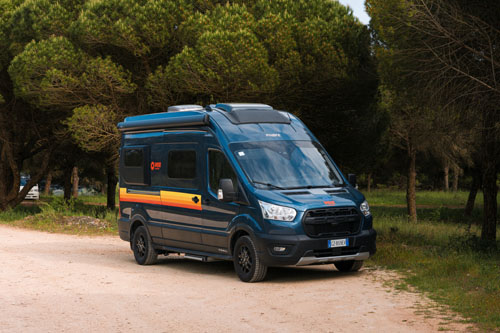
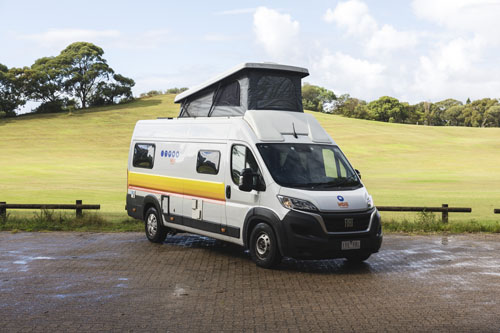
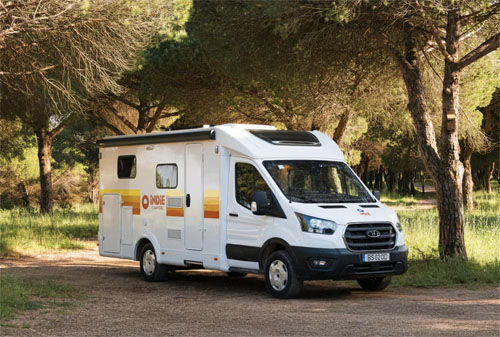
For navigating Lyon's blend of urban and scenic routes, a Class B Camper Van or a Class SI Semi-integrated RV is often recommended, as they balance maneuverability with comfort. A Class B Camper Van, with an average length of 5.8m across Bandana's global fleet, offers easy parking and navigation on narrower city streets and rural lanes. The Class SI Semi-integrated RV provides a good compromise, averaging 6.9m in length across Bandana's global fleet, offering more living space and amenities while remaining relatively agile for regional travel around Lyon. Larger RVs such as Class C (Alcove) and Class A (Integrated) models (both averaging 7.5m in Bandana's global fleet) offer extensive space but can be more challenging for city parking and very narrow roads.
Should I Choose a Compact Van Instead of a Large RV in Lyon?
While a compact van offers superior maneuverability in very tight urban centers or extreme mountain passes, most RV sizes can be driven around Lyon and its region without major issues. The added comfort and interior space of a larger RV, like a Class SI, often outweigh the slight ease of navigation offered by a smaller vehicle. A Compact Van (Class B) offers advantages like easier parking, better fuel efficiency, and can be less intimidating for first-time RVers, making it ideal for very narrow roads. Conversely, Larger RVs (Class SI, C, A) provide significantly more living space, dedicated sleeping and dining areas, larger kitchens and bathrooms, and ample storage, making them better suited for extended trips or families. Consider a compact van primarily if your itinerary focuses heavily on driving *within* the historic core of Lyon or very remote, tiny villages; otherwise, a larger RV typically provides a more comfortable travel experience.
Can I Park Anywhere? Free & Wild Camping Rules in Lyon
In France, including the areas around Lyon, wild camping or free overnight RV parking is generally tolerated in certain areas but strictly prohibited in others, particularly within city limits and protected natural sites. It is always safest and most compliant to utilize designated motorhome service areas ('aires de services') or official campsites. Wild camping is generally illegal on private land without permission and in most urban or coastal areas. Aires de services are widespread throughout France, offering parking, water, and waste disposal facilities, often for a small fee or even free. Look for specific RV parking signs (marked with the 'P + camping-car' symbol) which indicate permissible overnight spots. It's always best to check local municipal regulations (arrêtes municipaux) and follow local laws before parking overnight.
Can I Drive an RV Into the City Center? Heights, Tunnels & Local Signage
Yes, you can generally drive an RV into Lyon's city center, but it requires careful attention to specific local signage, including height restrictions for tunnels and parking garages, environmental zone requirements, and designated residents-only streets. Lyon has several tunnels and underpasses with strict height and width restrictions; always check the displayed 'gabarit' signs. The Crit'Air vignette is mandatory for driving in Lyon's Low Emission Zone (ZFE), which encompasses much of the city center. Parking within the historic core is challenging and often limited to standard car sizes; it's advisable to seek peripheral RV-friendly parking or utilize park-and-ride facilities. Watch for 'Sauf Riverains' (Residents Only) signs or restricted access zones, often indicated by electronic panels. Consider parking your RV on the outskirts at an aire de services or campsite and utilizing Lyon's excellent public transport network (tram, metro, bus) to explore the city center.
What do I need to drive my camper in France?
To drive a camper in France, you need a valid driving license appropriate for the vehicle's weight: Category B for those under 3,500 kg, and Category C1 for vehicles between 3,500 kg and 7,500 kg. An International Driving Permit (IDP) is recommended or legally required for non-EU license holders, to be carried alongside your national license. Mandatory safety equipment includes a high-visibility vest for each occupant and a warning triangle. An environmental Crit'Air vignette sticker is required for circulation in designated Low Emission Zones (ZFEs) like Lyon. Always carry your vehicle registration documents, proof of insurance, and rental agreement.
Do you need a special license to rent and drive an RV?
You generally do not need a 'special' license if the RV's Maximum Authorized Mass (MAM) is 3,500 kg or less, as a standard Category B car license is sufficient. For RVs exceeding the 3,500 kg weight threshold, such as most Class A integrated models and some Class C alcoves, a Category C1 license is required. Always verify the specific MAM of the RV you plan to rent to ensure your license covers it. Rental companies also typically enforce minimum age requirements, often 21 or 25, and driving experience criteria for all renters.
What are the rules for driving a motorhome in France?
Driving a motorhome in France involves adhering to general French road laws, including specific speed limits for heavier vehicles. Speed limits are often lower for RVs over 3,500 kg (e.g., 90 km/h on motorways instead of 130 km/h for cars); always check signage carefully. Mandatory safety equipment includes a high-visibility vest and a warning triangle. An environmental Crit'Air vignette is required for driving in Low Emission Zones (ZFEs) in cities such as Lyon. Rules regarding parking and overnight stays mean using designated 'aires de camping-cars' or campsites is highly recommended, as wild camping is often prohibited or restricted.
Do I need a car in Lyon, France?
You typically do not need an additional car to navigate Lyon itself, as the city boasts an excellent public transport system and is highly walkable. Lyon's TCL network (metro, tram, bus) provides efficient and extensive coverage throughout the city and surrounding areas. Parking an RV in the city center is challenging and often expensive; it's recommended to park on the outskirts and use public transport. Many of Lyon's key attractions, such as Vieux Lyon and Presqu'île, are best explored on foot. Renting a small car for specific day trips from your RV base might be considered if you plan to visit very remote areas inaccessible by RV or public transport.
Do I need speed stickers on my motorhome in France?
Yes, if your motorhome's Gross Vehicle Weight Rating (GVWR) exceeds 3,500 kg, you are legally required to display specific speed limit stickers on the rear of your vehicle in France. These round stickers indicate the lower speed limits applicable to heavy goods vehicles, typically 80 km/h and 100 km/h (and potentially 90 km/h for certain roads). The specific stickers needed depend on the RV's weight and class. Rental companies typically provide these stickers for applicable RVs; confirm this with your provider. Non-compliance with displaying these stickers can result in fines.
Is France camper friendly?
France is widely considered one of the most camper-friendly countries in Europe, featuring an extensive network of designated motorhome service areas ('aires de services'). The country offers a diverse range of campsites, from basic municipal sites to private resorts, catering to various RV traveler needs. Infrastructure is generally excellent, with well-maintained roads and clear signage for RVs. RV travel is popular among both French and international tourists, leading to good acceptance and dedicated facilities. While wild camping is restricted, the abundance of designated 'aires' and campsites makes planning overnight stays relatively easy.
Do you have to get a license for renting an RV?
Yes, you must hold a valid driver's license to rent an RV, specifically one that corresponds to the vehicle's maximum authorized mass (MAM). For most standard RVs up to 3,500 kg (e.g., Bandana's Class B Camper Vans and Class SI Semi-integrated RVs), a Category B (standard car) license is sufficient. For RVs between 3,500 kg and 7,500 kg, a Category C1 license is required. Non-EU license holders typically need an International Driving Permit (IDP) in addition to their national license. Rental companies also enforce minimum age (often 21 or 25) and driving experience requirements for all renters.
What do I need to rent a class A RV?
To rent a Class A RV, you will typically need a Category C1 driver's license (or equivalent), as these larger, integrated motorhomes almost always exceed the 3,500 kg maximum authorized mass (MAM) limit for a standard B license. Rental companies often require a minimum age of 25 and 3-5 years of driving experience for Class A vehicles (Bandana's global fleet average length for Class A is 7.5m). Comprehensive insurance coverage specific to large RVs is crucial and should be arranged at the time of booking. Be prepared for a thorough vehicle familiarization briefing from the rental company due to the size and complexity of Class A RVs. Maneuvering and parking a large Class A RV requires significant skill and awareness, especially in urban environments.
How much does RV rental insurance cost?
RV rental insurance costs vary widely based on the coverage level, rental duration, RV type, and renter's profile, typically ranging from €15-€40 per day for basic additional packages. All rentals include basic third-party liability insurance, which is legally mandatory in France. Collision Damage Waiver (CDW) options are available to reduce your financial liability for damage to the RV, often with a high deductible (excess). Optional full coverage or zero-deductible packages significantly reduce or eliminate your deductible but increase the daily premium. Additional coverage options, such as roadside assistance, personal effects coverage, or tire/windshield protection, can also add to the cost.
Where to buy RV rental insurance?
RV rental insurance can primarily be purchased directly from the rental company at the time of booking or pickup. Rental companies offer various packages (basic, premium, zero-deductible) directly tailored to their vehicles and local regulations. Independent third-party travel insurance providers often specialize in 'rental excess insurance' or 'deductible reduction insurance,' which can sometimes be more cost-effective than the rental company's premium options. Some premium credit cards offer rental car insurance benefits, but always confirm if RVs are covered, as they are often excluded. Comprehensive travel insurance policies might include rental vehicle excess coverage, but specific RV inclusion should always be verified.
What You Shouldn't Miss
- Explore Vieux Lyon, a UNESCO World Heritage site, with its charming traboules (hidden passageways).
- Take a scenic drive along the Rhone River valley, stopping at vineyards in the Northern Rhône.
- Visit the Basilica of Notre-Dame de Fourvière for panoramic city views.
- Immerse yourself in the vibrant atmosphere of Les Halles de Lyon Paul Bocuse market.
- Experience the Fête des Lumières if your visit coincides with this spectacular December event, planning RV parking in advance.
- Discover the city's Roman heritage at the Ancient Theatre of Fourvière.
Final Thoughts
Renting an RV and exploring Lyon and its captivating surroundings offers a unique blend of freedom and immersion. By understanding the driving regulations, opting for the right vehicle, and utilizing the excellent French infrastructure, your journey can be both comfortable and adventurous. Remember to book in advance, especially during peak seasons, to secure the best deals and ensure your preferred vehicle is available.
Bandana Caravan is here to support your journey from the initial planning stages to your final destination. We pride ourselves on being true RV specialists, ensuring you get the most out of your motorhome rental experience. Discover top destinations, planning tips, and everything you need in one place!
Find Motorhome Rentals in Lyon