In This Guide
- Can You Drive an RV in Ireland? License & Age Rules
- Road Conditions & Terrain in Ireland
- RV Size Limits, Bridges & Restricted Zones
- Fuel: Diesel vs. Petrol & Cost per 100 km
- Tolls, Vignettes & Border Rules
- Driving Tips for RV Rental Travelers
- Recommended RV Class for Ireland Roads
- Should I Choose a Compact Van Instead of a Large RV in Ireland?
- Can I Park Anywhere? Free & Wild Camping Rules in Ireland
- Can I Drive an RV Into the City Center? Heights, Tunnels & Local Signage
Can You Drive an RV in Ireland? License & Age Rules
In Ireland, you can typically drive a rental motorhome (RV) up to 3,500 kg (Category B license) with a standard car license, making most campervans and many Class C motorhomes accessible to a wide range of travelers. Vehicles exceeding this weight, particularly larger Class A or some Class C models between 3,500 kg and 7,500 kg, generally require a Category C1 license, while those over 7,500 kg demand a Category C license. Bandana RV focuses on providing rental motorhomes that typically fall within the standard Category B license requirements, so there's usually no need for special permits or Commercial Driver's Licenses (CDL). The minimum driver age for most RV rentals in Ireland is 21, and we're proud to offer rentals without young driver surcharges or vehicle class restrictions based on age, a significant benefit compared to many other destinations. International Driving Permits (IDPs) are highly recommended for non-EU license holders, especially if your national license is not in English, to ensure smooth communication with authorities. We recommend checking with your specific rental supplier to confirm their exact licensing requirements and the gross vehicle weight (GVW) of your chosen motorhome, ensuring you're fully prepared for your Irish adventure. Our dedicated team of true RV specialists is here to assist with any questions you might have, providing 24/7 support for your planning and booking needs.Road Conditions & Terrain in Ireland
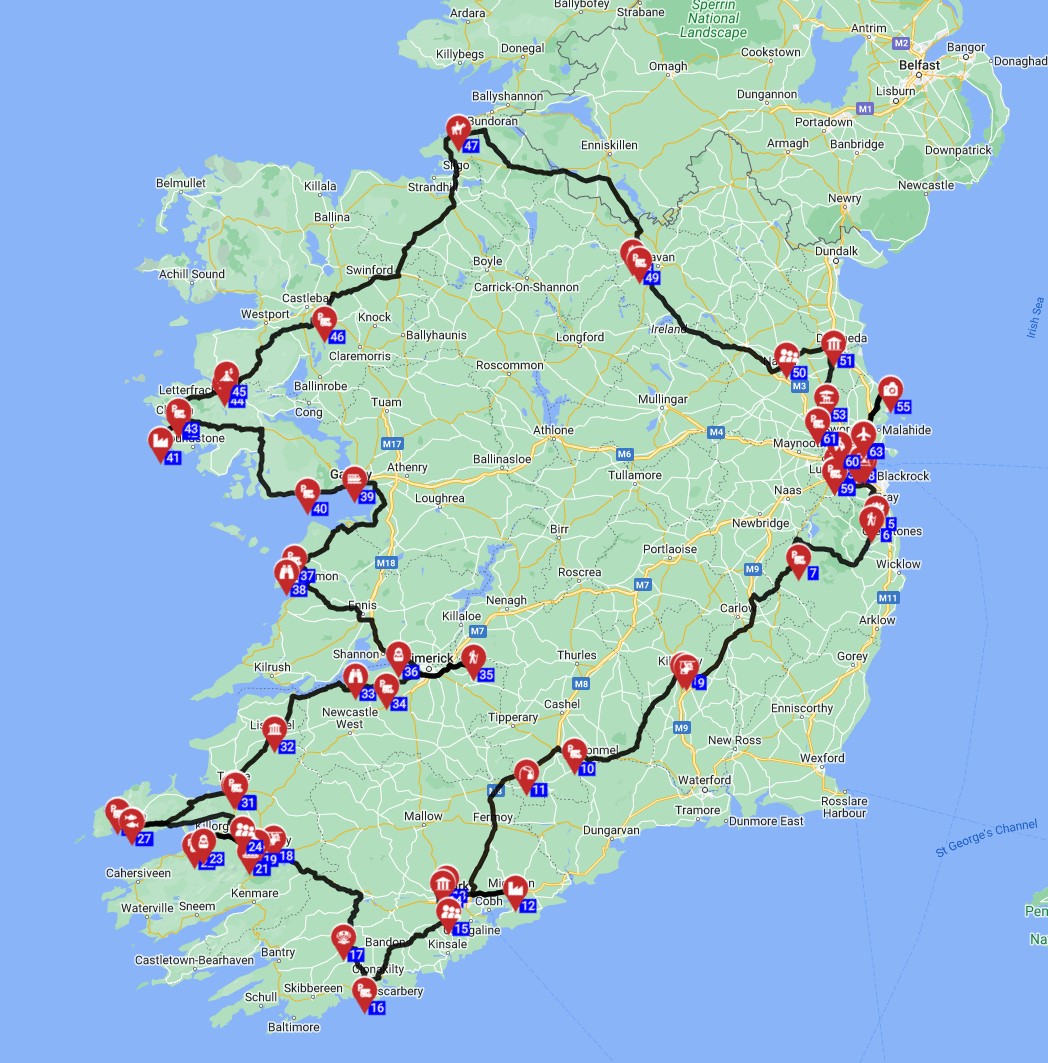
Ireland's road network offers varied conditions, from well-maintained motorways (M-roads) connecting major cities like Dublin, Cork, and Belfast to narrower, winding regional (R-roads) and local (L-roads) routes, which are common when exploring scenic areas and reaching popular sites such as the Cliffs of Moher. Expect terrain to range from relatively flat in the midlands to mountainous and hilly along the coast, particularly in the southwest (e.g., Ring of Kerry, Dingle Peninsula), where roads can be steep and twisty. Navigating smaller towns and villages with a larger rented RV requires caution due to narrow streets, parked cars, and sometimes limited turning space, necessitating slower speeds and careful planning. You can drive almost anywhere without issues, just use common sense and pay attention. During peak seasons, popular sites can have crowded access roads and parking, so arriving early is advisable; a rented RV allows flexibility to visit off-peak or stay nearby. We always recommend slow travel, averaging a maximum of 100-150 km per day. This allows you ample time to truly feel the place, connect to the culture, savor the food, and soak in the breathtaking scenery. By taking your time, you'll uncover the authentic charm of Ireland that many rushed travelers miss.RV Size Limits, Bridges & Restricted Zones
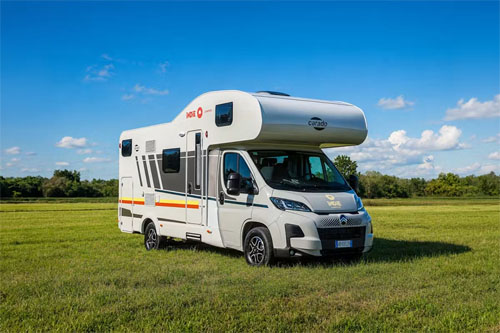
While Ireland does not have a universal maximum rental RV length limit, practical considerations like narrow roads and tight parking often favor motorhomes under 7.5 meters for easier navigation. Drivers should pay close attention to local signage for height restrictions, especially when entering tunnels, multi-story car parks, or approaching historic bridges; while low bridges are less common on main routes, they can appear on older, local roads in destinations like Belfast. There are currently no significant environmental or low-emission zones in Ireland that restrict RV access in the same way as some mainland European cities, but this could change, so checking local regulations is always wise for your RV rental in Ireland. When planning ferry travel, especially for popular routes to the Aran Islands or across the Irish Sea, the declared length and height of your rented motorhome are critical for booking and pricing; ensure your declared dimensions are accurate to avoid issues at the port. Many Class C motorhomes, like the Cruise America example Explorer with a length of 7.1m, fit well within practical considerations for Irish roads. Our commitment to full transparency means we ensure you have all the necessary information, so there are no surprises about your chosen vehicle’s dimensions.Fuel: Diesel vs. Petrol & Cost per 100 km
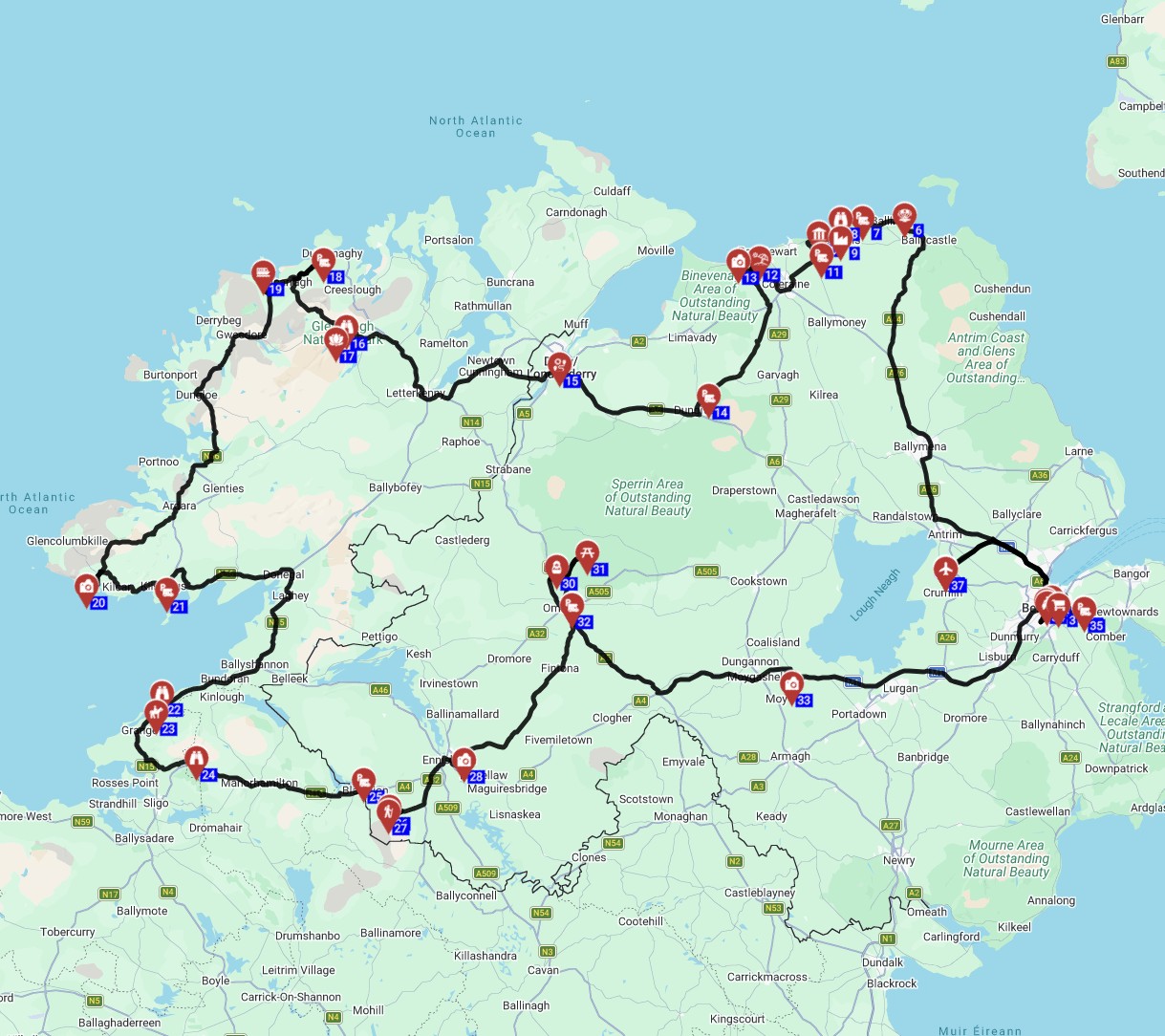
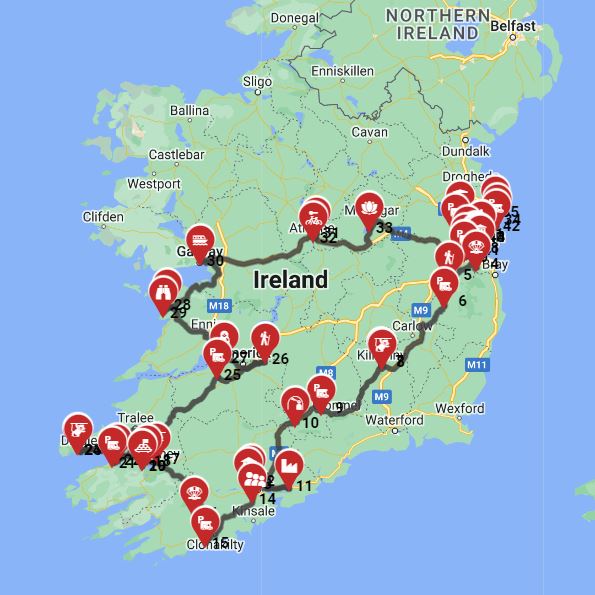
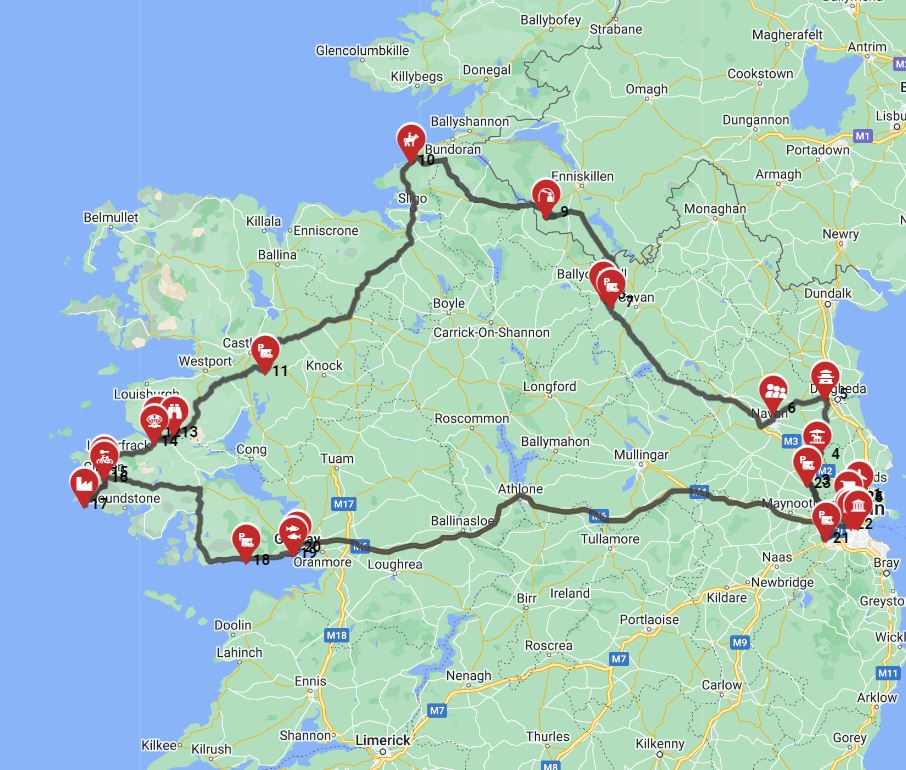
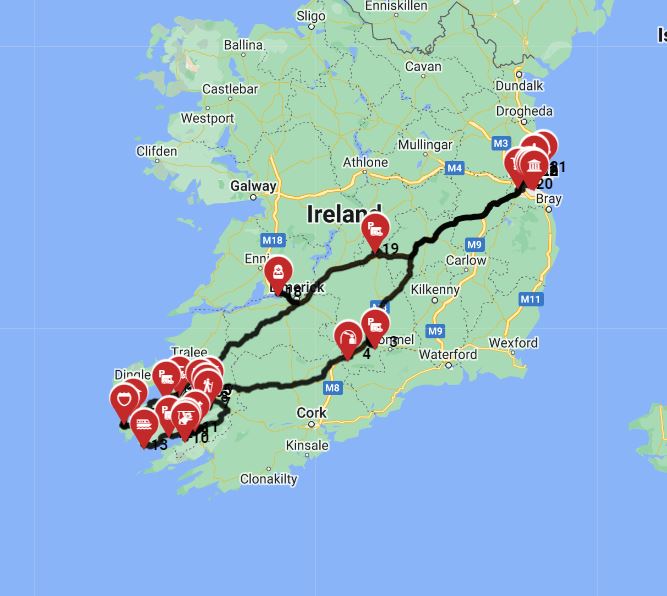
The vast majority of RVs available for rental in Ireland, including Bandana's fleet, run on diesel fuel, which is widely available across the country from numerous service stations. Fuel prices in Ireland are generally higher than in many other European countries and significantly higher than in the US, so budgeting for this expense is crucial for your overall trip cost. For a common Class SI - Semi-integrated RV, Bandana's fleet typically consumes around 10-11 Liters/100 km, while a larger Class C (Alcove) might use 10-12 Liters/100 km. Camper vans (Class B) are more fuel-efficient, generally consuming 8-10 Liters/100 km; always factor current fuel prices into your overall budget beyond just the rental cost. You can easily track these costs and other daily expenses for your trip when planning with RV PLANET routes, which helps you itemize every expense along the way. While some rental companies may offer fuel discount cards or loyalty programs, inquire about these options when booking your rented RV, but don't count on major savings. Being prepared for fuel costs is part of being a savvy RV traveler, and we help you anticipate these details with full transparency.Tolls, Vignettes & Border Rules
Ireland operates a barrier-free toll system on several motorways, particularly around Dublin (like the M50 orbital motorway) and other key routes, meaning you drive through without stopping to pay at a booth. For most Irish toll roads, payments must be made online, by phone, or at designated retail outlets (such as post offices or Payzone stores) by 8 PM the day after your journey, or fines will apply. The M50 uses an electronic toll system called 'eFlow'; many rental RVs are pre-registered, but always confirm with your rental provider whether tolls are included or if you need to manage payments yourself to avoid penalties. There are no vignettes (pre-paid passes covering a period) required for driving a rented motorhome in Ireland, nor are there border rules or checkpoints when crossing between the Republic of Ireland and Northern Ireland (part of the UK); however, ensure your RV rental agreement permits cross-border travel and that your insurance covers both jurisdictions. Our 24/7 support team is available to help clarify these details before your trip, providing peace of mind as you plan your adventure across the island. For detailed routes including toll estimations, consider using the RV PLANET platform.Driving Tips for RV Rental Travelers
Driving a rented motorhome in Ireland is a fantastic way to see the country, and with a few simple tips, you’ll navigate its roads like a pro. First and foremost, always remember to drive on the left-hand side of the road and give way to traffic from the right at roundabouts. Ireland’s scenic routes, especially smaller regional roads, are best enjoyed at a leisurely pace; lower speeds provide more time to react to narrow sections, oncoming traffic, or sudden turns, ensuring a relaxed experience. Regularly check your side mirrors, especially with a larger Class C motorhome like the "MHC28" which is 7.3m long, as roads can narrow unexpectedly, and hedgerows often line rural lanes, creating blind spots. If traveling with family, plan regular breaks every 2-3 hours at designated rest stops or scenic viewpoints to avoid driver fatigue and keep passengers comfortable. Before visiting popular attractions or towns like Dingle, Cliffs of Moher, or ancient sites, research RV-friendly parking options or designated large vehicle parking areas to save time and avoid stressful maneuvers in tight spaces. Taking time to enjoy meals in your motorhome's kitchen is part of the charm; if you're looking for inspiration for cooking on the road, check out our RV-friendly recipes playlist.Recommended RV Class for Ireland Roads
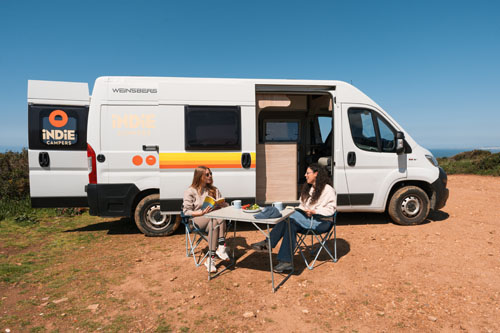
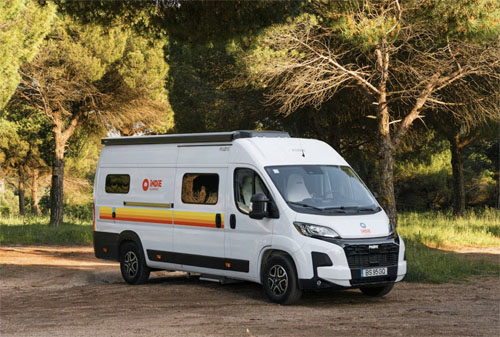
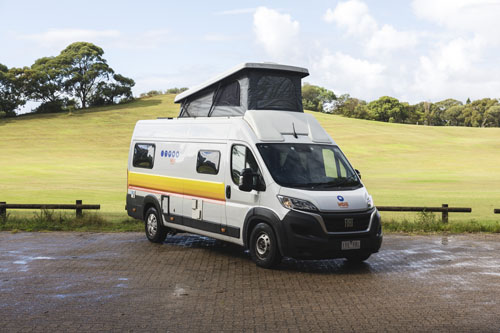
For navigating Ireland's diverse road network, the Class SI - Semi-integrated and Class B - Camper Van are generally the most recommended RV classes. A Class SI - Semi-integrated RV, with an average length of 6.9 meters, such as the "Active Standard Auto" or "2 Berth Tamar" offers a good balance of interior comfort and maneuverability. This makes it suitable for both motorways and many regional roads without feeling excessively large or difficult to handle. For ultimate flexibility, especially on Ireland's narrower and more winding coastal routes, a Class B - Camper Van (average length 5.8 meters), like the "V3" or "Condo", is ideal. These compact campervans allow easier access to smaller villages, challenging parking spots, and more remote natural areas, perfect for couples or solo travelers. While larger RVs like Class C (Alcove) at 7.5m or Class A (Integrated) at 7.5m can also be driven, their increased length and width may require more careful planning and slower speeds on secondary roads, particularly when encountering oncoming traffic or navigating historic towns. Remember, "Drive slowly and carefully, and you can drive almost anywhere without issues. No need to stress - just use common sense and pay attention."Should I Choose a Compact Van Instead of a Large RV in Ireland?
While compact camper vans (Class B) offer superior maneuverability and are often easier to park in city centers or navigate very narrow country lanes, larger RVs (Class SI, Class C) still present no insurmountable issues on most Irish roads and often provide significantly more comfort and living space. Choosing a compact van genuinely helps if your primary goal is to explore every nook and cranny of historic villages with extremely tight streets, or tackle very challenging mountain passes without concern for width. A rental campervan like the "Condo" is perfect for agile travel. However, for many travelers, the added indoor space, dedicated washroom facilities, and larger kitchens of a semi-integrated or alcove RV offer a better trade-off for comfort, especially on longer trips or during inclement weather. For instance, a Class C such as the "24' Class C Motorhome" provides ample room and amenities. Consider your travel style: if you prioritize stealth camping, quick movements, and minimalist living, a compact van is excellent; if you value spaciousness, cooking amenities, and a comfortable base for a family, a larger RV like a semi-integrated is often preferred, with only minor adjustments needed for driving. Our true RV specialists can help you compare final prices and features of various models to find the perfect fit for your Family RV Rental in Ireland - Pricing Guide 2026 needs.Can I Park Anywhere? Free & Wild Camping Rules in Ireland
While often romanticized, official 'wild camping' or boondocking with a rented RV in Ireland is generally not widely or legally permitted on public land without explicit permission, unlike in some other countries, and is a common misconception. Overnight parking in public car parks or on roadside lay-bys is often discouraged and can lead to fines or being moved on by local authorities, as most areas lack the necessary facilities for waste disposal. We strongly recommend against it to avoid any disruptions to your trip. The safest and most legal option for overnight stays is to utilize Ireland's extensive network of commercial campsites and caravan parks, which offer essential amenities like electricity, fresh water, and waste disposal. Some private landowners may grant permission for overnight parking if asked politely; look for signs at pubs, restaurants, or farms that explicitly welcome motorhomes. Rules vary by region and municipality - always check local regulations and follow local law, including posted signs, before parking overnight, and always leave no trace. For finding campsites and campgrounds during your trip, we recommend using RV PLANET (rvplan.net) - a great resource for locating available spots along your route, ensuring you'll find a spot, if not at the first campground, then the next one.Can I Drive an RV Into the City Center? Heights, Tunnels & Local Signage
Yes, you can generally drive a rented RV into most Irish city centers; however, it requires paying close attention to local signage, especially concerning height restrictions, narrow streets, and parking availability. Most main roads leading into city centers accommodate larger vehicles, but once within the historic core, streets can become significantly narrower, and turning circles might be limited, particularly in bustling cities like Dublin, Galway, or Cork. Drive slowly and carefully, and you can drive almost anywhere without issues. No need to stress - just use common sense and pay attention. Always be aware of specific height limits for multi-story car parks, underpasses, and tunnels; while major routes are usually clear, smaller access roads might have lower clearances. Watch out for local signage indicating residents-only streets, pedestrian zones, or environmental restrictions that might temporarily or permanently restrict larger vehicle access; adherence helps avoid fines and keeps traffic flowing. It's often recommended to park your rented motorhome on the outskirts of major cities at designated RV-friendly car parks or campsites and use public transport to explore the city center, which can be more convenient and stress-free. For more city-specific tips, explore our guides for "RV Rental Belfast - City Guide 2026" or "RV Rental Cork - City Guide 2026".What You Shouldn't Miss
- **Drive the Wild Atlantic Way:** This 2,500 km scenic coastal route offers dramatic cliffs, stunning beaches, and charming villages. Plan at least two weeks to experience its full grandeur in your rented campervan.
- **Explore the Ring of Kerry:** A 179 km loop in County Kerry, showcasing majestic mountains, ancient monuments, and picturesque towns. Allow 2-3 days for leisurely stops and explorations.
- **Visit the Cliffs of Moher:** Stand atop these iconic 214-meter high cliffs in County Clare for unparalleled views of the Atlantic Ocean. Arrive early or late in the day to avoid peak crowds.
- **Wander through the Burren National Park:** Discover a unique limestone landscape in County Clare, rich with rare flora and ancient sites. Designated parking for RVs is available at the visitor center.
- **Experience Dublin's Historic Heart:** Park your motorhome on the city outskirts and use public transport to explore Trinity College, Grafton Street, and the Guinness Storehouse.
- **Discover Giant's Causeway:** Although technically in Northern Ireland (check your cross-border insurance!), these basalt columns are a geological marvel and a UNESCO World Heritage site, easily accessible via a scenic drive.
🎬 Video coming soon
Final Thoughts
Embarking on a rented RV adventure in Ireland is an incredible way to experience the Emerald Isle's legendary beauty and charm. From navigating its scenic roads to discovering cozy campsites and historic sites, a motorhome provides the flexibility and comfort to create truly unforgettable memories. Don't let questions about driving or local regulations hold you back; with common sense, careful planning, and our comprehensive support, your Irish road trip will be a breeze. At Bandana RV, we're passionate about helping you craft the perfect journey. Our team of true RV specialists is here to guide you through every step, ensuring you have all the information and support you need. So, why wait? Imagine yourself traversing ancient lands, pulling over for impromptu picnics with stunning views, and sharing laughter around your mobile home. Discover top destinations, planning tips, all in one place!On the routes offered through RV PLANET routes, you can itemize and track every expense along the way for easy budgeting.