In This Guide
- Can You Drive an RV in France? License & Age Rules
- Road Conditions & Terrain in France
- RV Size Limits, Bridges & Restricted Zones
- Fuel: Diesel vs. Petrol & Cost per 100 km
- Tolls, Vignettes & Border Rules
- Driving Tips for rv rental deals Travelers
- Recommended RV Class for France Roads
- Should I Choose a Compact Van Instead of a Large RV in France?
- Can I Park Anywhere? Free & Wild Camping Rules in France
- Can I Drive an RV Into the City Center? Heights, Tunnels & Local Signage
France, a country celebrated for its diverse landscapes, rich history, and culinary delights, offers an unparalleled experience for travelers exploring by rented motorhome or campervan. Imagine waking up to the smell of fresh croissants from a local boulangerie, with views of rolling vineyards or the sparkling Mediterranean Sea right outside your window. An RV adventure in France gives you the freedom to craft your perfect itinerary, discovering hidden gems and iconic landmarks at your own pace. For live availability and current prices, start with our RV Rental France - Complete Guide 2026 guide, designed to help you navigate your journey with ease.
At Bandana RV, we believe that the best journeys are built on transparency, support, and genuine expertise. We are true RV specialists, not just a travel agency side department, offering full transparency with no hidden fees and real people behind you 24/7 to support your pre-booking questions and coordination needs. We've been helping tens of thousands of travelers explore the world by RV since 2001, working directly with over 50 leading RV suppliers worldwide, including trusted names like Apollo and Britz.
Can You Drive an RV in France? License & Age Rules
Most RVs under 3,500 kg Gross Vehicle Weight (GVW) can be driven in France with a standard Category B driving license, which is the common car license held by most international travelers. For rented motorhomes exceeding 3,500 kg GVW, a Category C1 or C license is typically required; however, the vast majority of commonly rented Class B, Class C, and Class A motorhomes in Bandana's fleet in Europe fall under the 3,500 kg threshold. Rental companies in France generally mandate a minimum driver age of 21 years, with no young driver surcharges and no vehicle class restrictions based on age, ensuring accessibility for a wide range of adventurers. Non-EU drivers are strongly advised to carry an International Driving Permit (IDP) alongside their national license, as it is legally required for some nationalities and provides a translated document that can simplify interactions with local authorities.🎬 Video coming soon
Understanding these regulations is the first step towards a stress-free trip. Whether you are looking for an RV Rental in France for Seniors - Pricing 2026 or exploring options for young couples, the licensing requirements are straightforward. It's always a good idea to confirm any specific licensing requirements directly with your chosen supplier during the booking process through Bandana RV, where we offer transparent comparisons across many vehicles, such as the comfortable 'Active Compact Select' or the versatile 'Camper Van Plus - V600'.
Road Conditions & Terrain in France
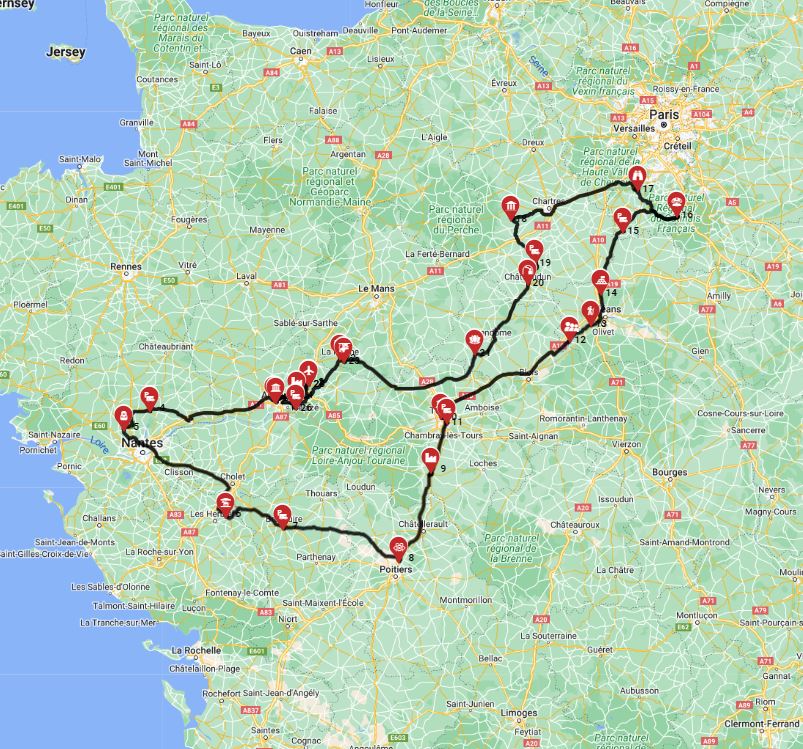
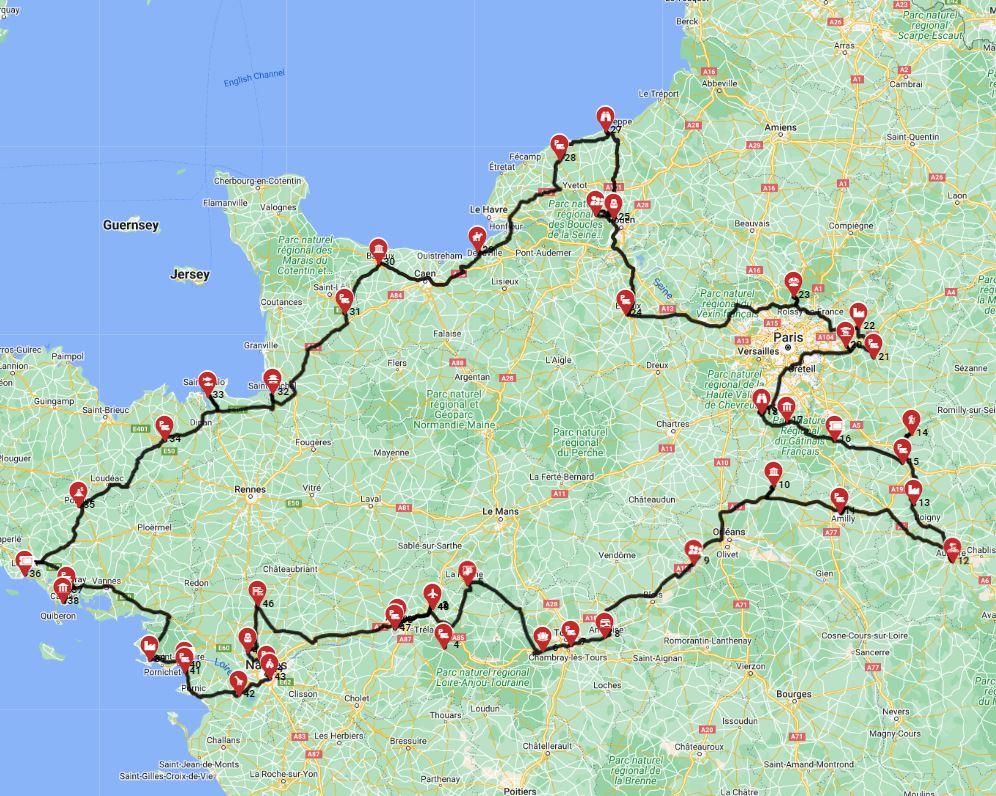
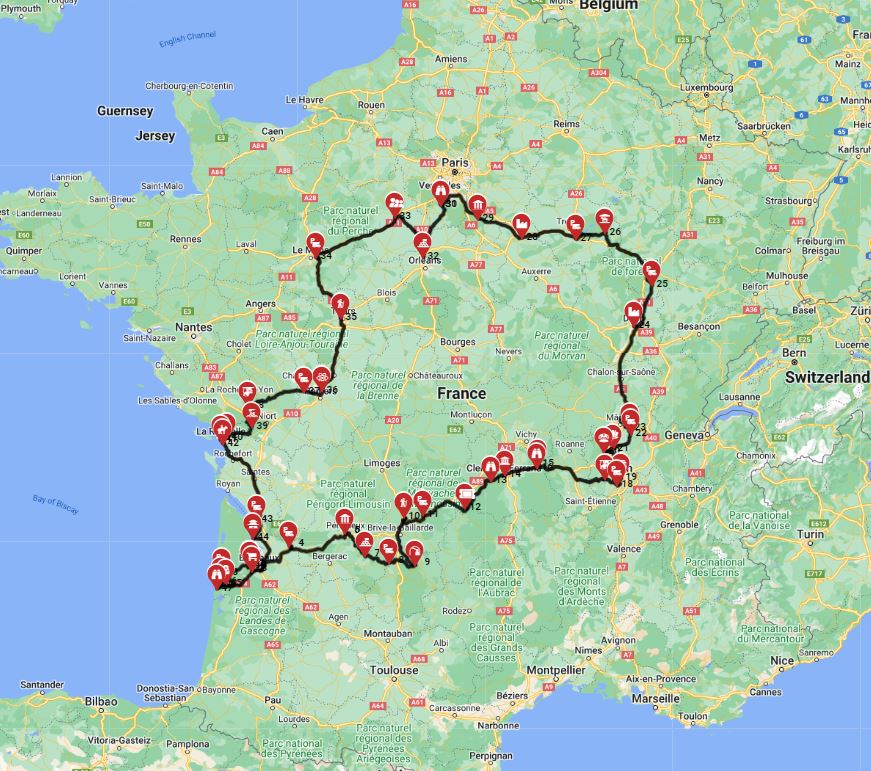
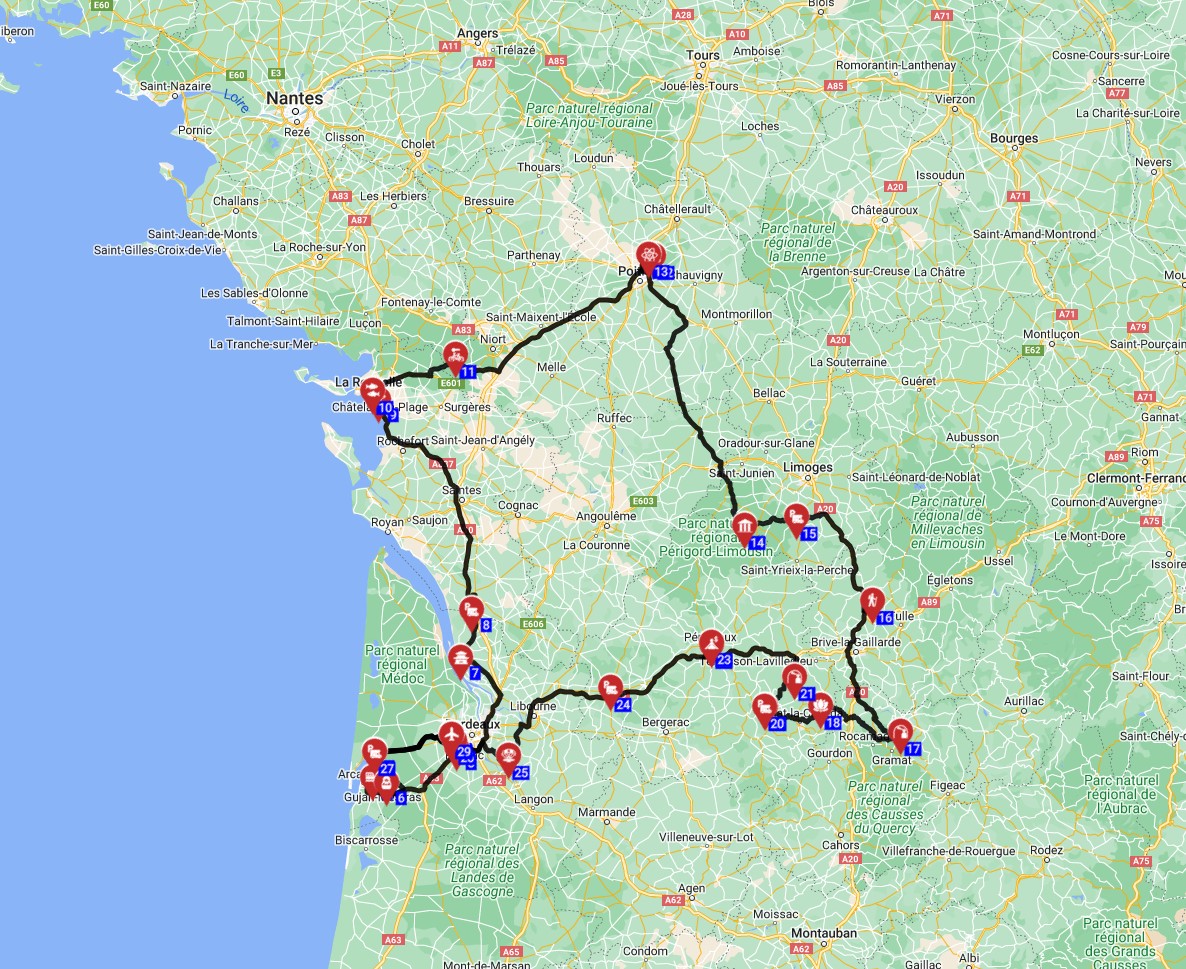
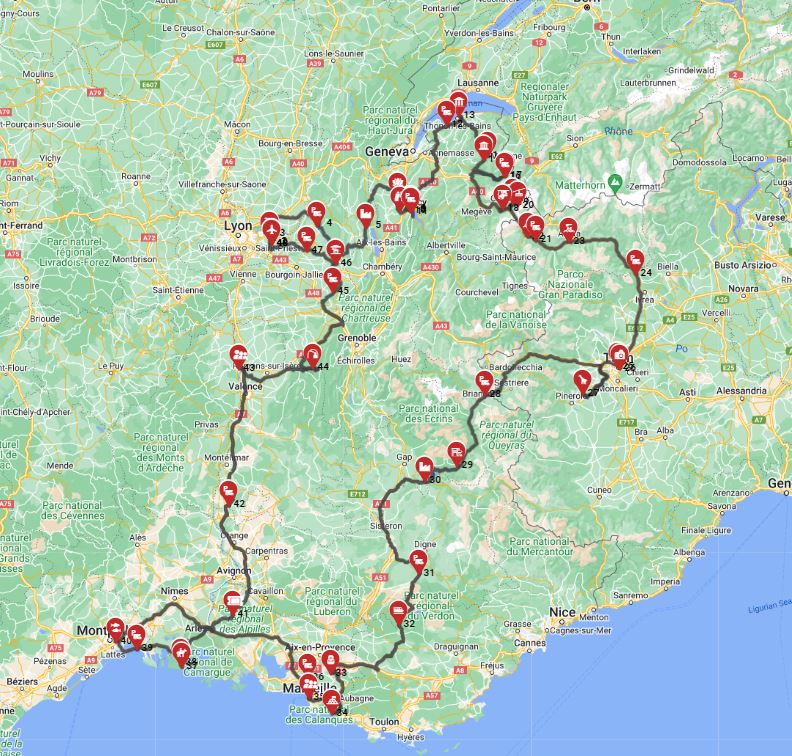
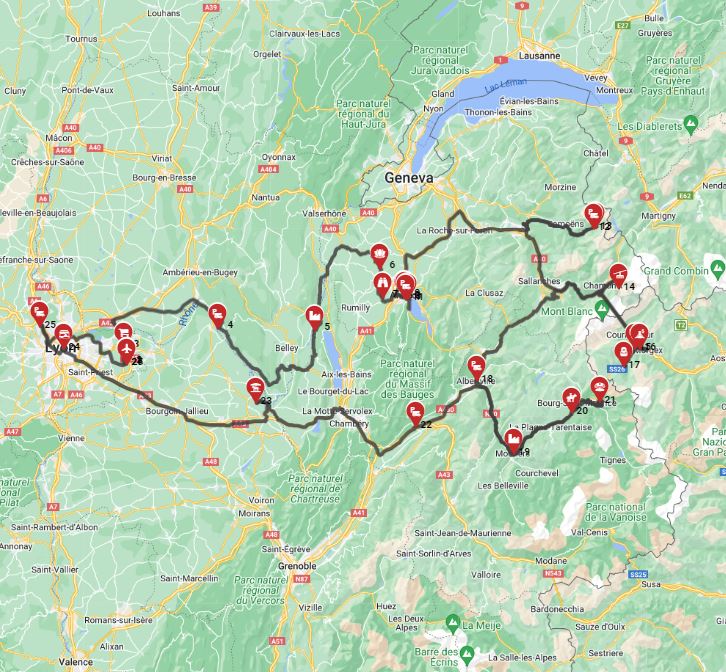
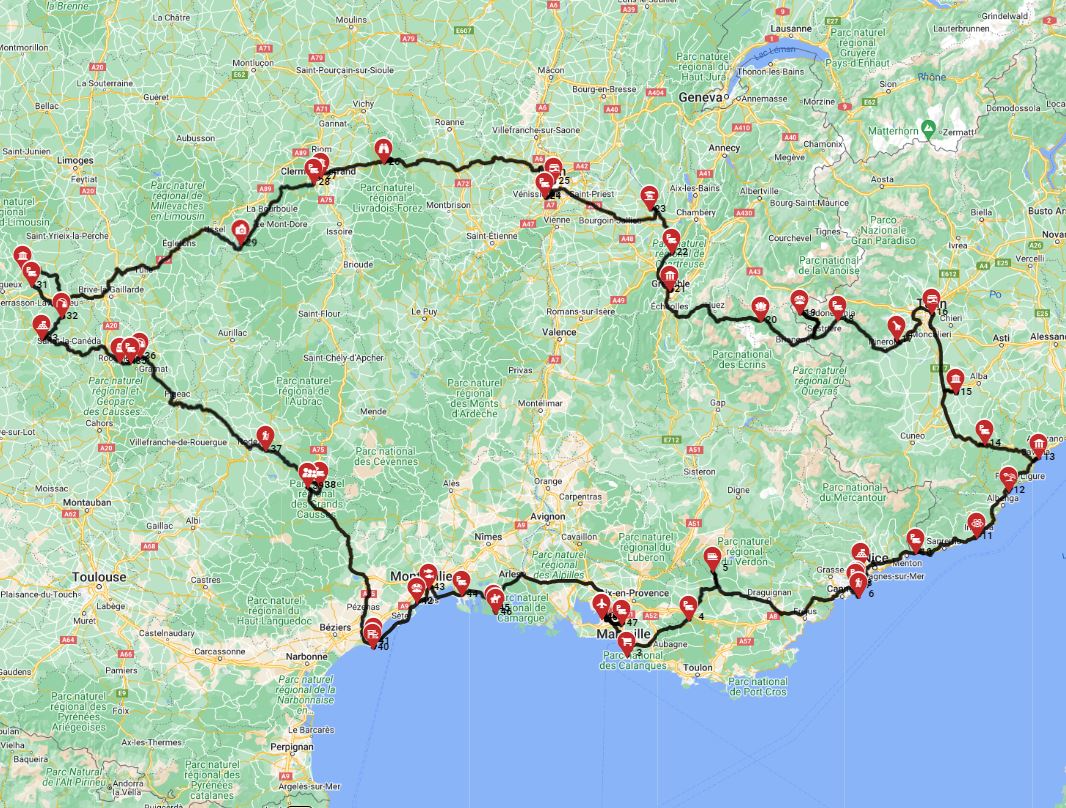
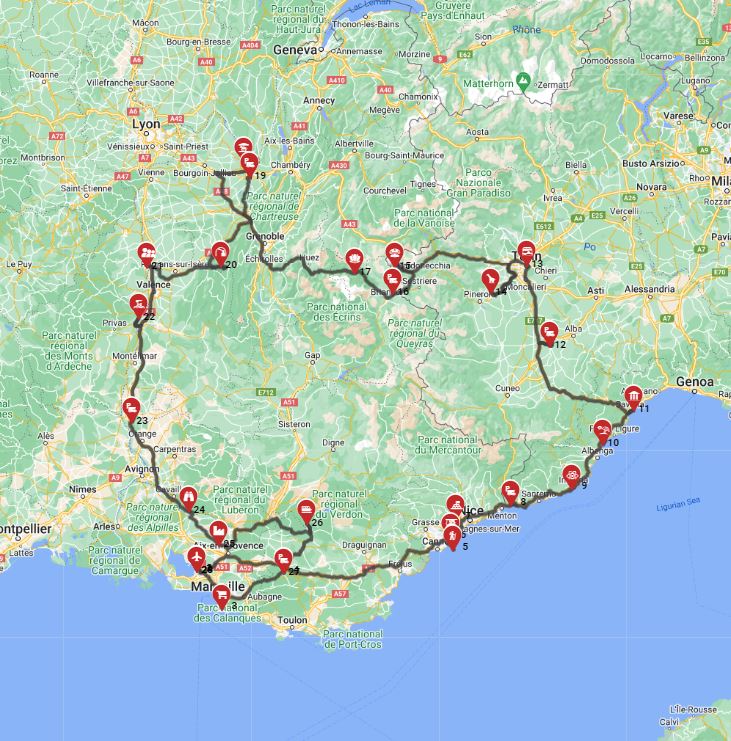
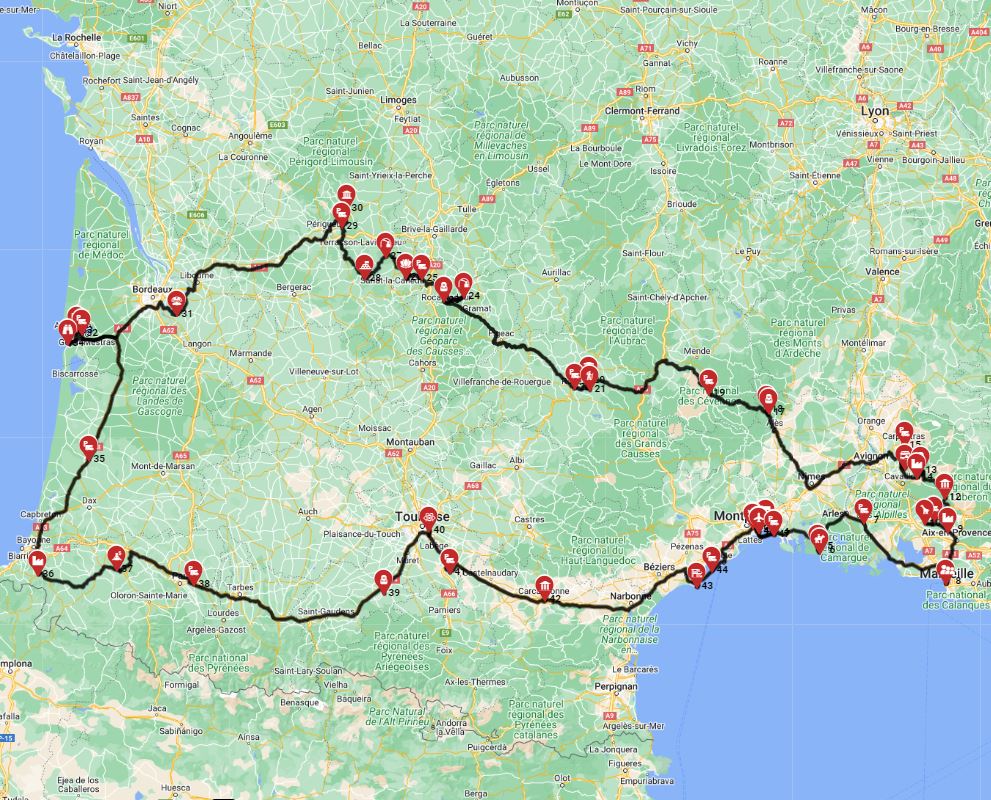
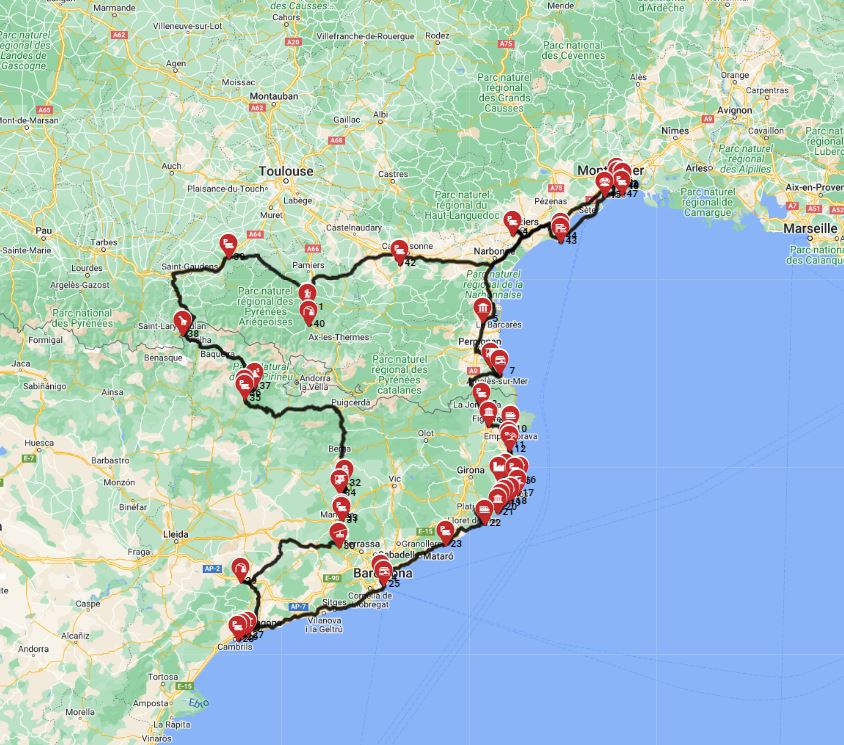
France boasts an excellent network of well-maintained roads, encompassing both efficient motorways (autoroutes) and picturesque rural routes, which are highly suitable for rented RV travel. High-quality, often tolled motorways provide quick transit between major cities like Paris, Lyon, and Marseille, while national (N) and departmental (D) roads offer scenic, slower journeys through diverse landscapes. Expect varied terrain across regions, from the flat plains and coastal roads of Western France and the French Riviera to the winding, mountainous passes found in the Alps, Pyrenees, and Massif Central. Many historic villages and towns feature narrow streets that require careful navigation for larger motorhomes; however, driving slowly and carefully allows you to drive almost anywhere without issues. No need to stress - just use common sense and pay attention.For those planning an extended road trip, consider exploring options like our "RV Rental in France - Prices and Best Deals 2026" guide to help budget for various routes and durations. Traveling slowly, averaging a maximum of 100-150 km per day, allows you to truly feel the place, connect to the culture, the food, and the scenery. Imagine enjoying an al-fresco lunch prepared in your RV's kitchen, perhaps using fresh produce purchased from a local market. Don't forget to check out our RV-friendly recipes playlist for delicious meal ideas on the go! On the routes offered through RV PLANET routes, you can itemize and track every expense along the way for easy budgeting.
RV Size Limits, Bridges & Restricted Zones
RV drivers in France must be aware of specific size limits, particularly concerning vehicle height for low bridges and tunnels, and environmental zones for urban access. Most standard rented motorhomes (typically under 3.5 meters in height) can generally pass under common bridges, but drivers must always observe posted height restriction signs, which are clearly marked. France operates Environmental Zones (Zones à Faibles Émissions - ZFEs) in major urban areas, including Paris, Lyon, and Grenoble, which require vehicles to display a Crit'Air sticker based on emission levels. Obtaining a Crit'Air sticker in advance is mandatory for driving in these zones to avoid fines, with rules varying by city and day/time; foreign vehicles must purchase these online from the official French government website before arriving.Navigating these zones is a key part of planning your RV trip through France. Many of our partner suppliers, like El Monte and Cruise America, offer a range of campervans and motorhomes, from compact Class B options averaging 5.8m in length to more spacious Class C motorhomes, ensuring there's a vehicle to suit your travel style and comfort needs. For more details on budgeting and potential costs related to driving in these zones, explore RV PLANET routes, where you can itemize and track every expense for easy budgeting.
Fuel: Diesel vs. Petrol & Cost per 100 km
The vast majority of RVs available for rent in France, including Bandana's fleet, run on diesel fuel, which is widely available at fuel stations across the country. Bandana's Class SI - Semi-integrated RVs, like the "B 2 - Classic" with a 90 Liter fuel tank, typically consume 10-11 Liters/100 km, while Class C - Alcove RVs, such as the "MIC" with its 90 Liter fuel tank, average 10-12 Liters/100 km. Compact Class B - Camper Vans from Bandana's fleet, like the "V2L" or "Combi Van", generally achieve better fuel economy, consuming 8-10 Liters/100 km thanks to their smaller engines (e.g., Fiat Ducato 2.3L/115HP). When budgeting, travelers should factor in current diesel prices (e.g., €1.80/L) multiplied by estimated consumption per 100 km to calculate fuel costs; some rental companies may offer fuel discount cards, and prices can vary. Prices for fuel, like rental rates, are dynamic and subject to daily changes based on global markets and local taxation.To help manage overall trip costs, our platform offers tools that let you compare not just vehicle prices, but also estimate ancillary expenses like fuel. For more detailed insights into planning your trip budget, including fuel costs and other expenses, you might find valuable information in our "RV Rental in France - Prices and Best Deals 2026" itinerary.
Tolls, Vignettes & Border Rules
France primarily uses a distance-based toll system (péages) on its extensive motorway network, unlike some neighboring countries that require vignettes. Tolls can be paid with cash, major credit cards, or through an electronic toll collection system using a Liber-t tag (known as a "Télépéage" tag), which is often available pre-purchased through rental providers like Apollo or Britz to streamline travel and avoid queues. There is no national vignette required for driving a rented RV in France, but travelers planning to visit neighboring countries like Switzerland or Austria will need to purchase their respective vignettes upon entering those countries. Within the Schengen Area, border crossings into neighboring countries are generally open with minimal checks, but it is always essential to carry valid passports/IDs and all vehicle documentation from your rental company.Traveling across Europe by rented RV is an incredible experience, offering seamless transitions between countries. If your France adventure is part of a larger journey, our "RV Rental Europe - Complete Guide 2026" offers comprehensive advice on cross-border travel. Always ensure you understand your insurance coverage for international travel, and consider upgrading to a top-level deductible for extra peace of mind, a service we proudly facilitate for our customers.
Driving Tips for rv rental deals Travelers
Planning frequent stops every 2-3 hours is crucial, especially for families on an extended road trip, to utilize France's well-equipped 'aires de repos' (rest areas) for breaks and stretching. Budget-conscious travelers can save on costs by prioritizing scenic national and departmental roads to avoid tolls and by utilizing rented RV facilities for cooking meals, which can significantly reduce daily expenses. Always pay close attention to local signage, especially in urban or historic areas, for height restrictions, one-way streets, and 'priorité à droite' (priority to the right) rules, where traffic from the right has precedence at intersections without clear signage. When navigating narrow village streets or parking in busier areas, take your time, use mirrors and spotters, and practice slow, deliberate maneuvers with your motorhome; remember, you can drive almost anywhere without issues with common sense and attention.For finding campsites and campgrounds during your trip, we recommend using RV PLANET (rvplan.net) - a great resource for locating available spots along your route. It's especially useful for spontaneous travelers who prefer to book day-to-day, though pre-planners will find it invaluable too. Many national and state parks reserve only 25-30% of spots for advance booking, with the rest being first-come-first-serve, so you'll always find a spot. If not at the first campground, then the next one. Just call ahead before driving.
Recommended RV Class for France Roads
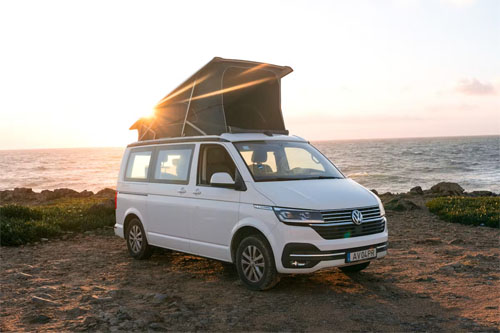
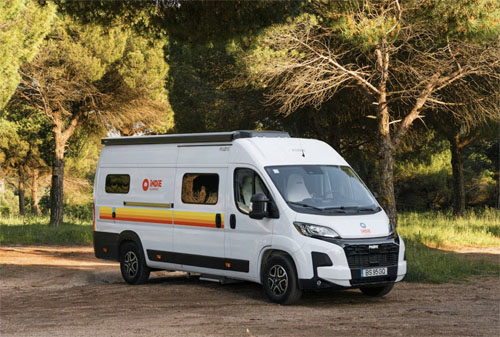
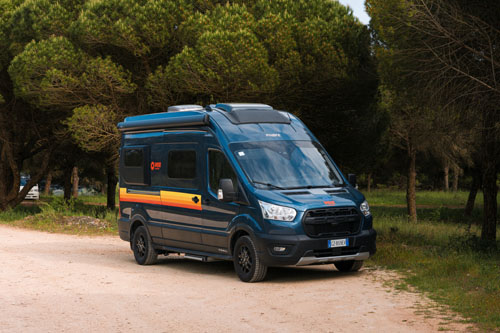
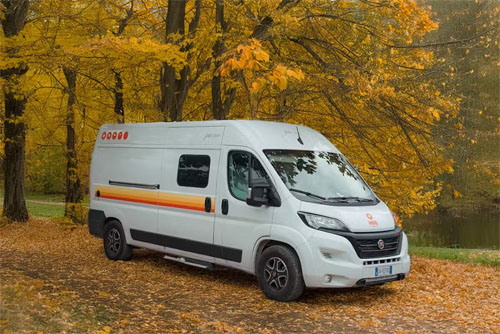
For most RV travel in France, a Class SI - Semi-integrated RV or a Class B - Camper Van from Bandana's global fleet offers an optimal balance of comfort, amenities, and maneuverability. Bandana's Class B - Camper Vans, like the "V3" or "Active Standard" models, averaging 5.8m in length with 8-10 Liters/100 km fuel consumption, are highly recommended for their agility in navigating narrow village streets and finding parking, ideal for 2-3 adults (e.g., avg. 2.7 adults, 3.2 sleeping places). Bandana's Class SI - Semi-integrated RVs, such as the "K3E" or "Comfort Standard", with an average length of 6.9m and 10-11 Liters/100 km fuel consumption, provide more spacious living areas and amenities, suiting families or longer trips with 3-4 adults (e.g., avg. 3.4 adults, 3.8 sleeping places) while remaining manageable on most French roads. Both classes generally possess adequate ground clearance and power for France's varied terrain, including both coastal routes and mountain passes.Choosing the right vehicle ensures maximum enjoyment and minimum stress. Our detailed comparisons for "RV Rental in France for Couples - Pricing 2026" and "RV Rental in France for Seniors - Pricing 2026" can help you select the perfect motorhome to match your group size and travel preferences. We pride ourselves on attention to the smallest details to make a big difference in your travel experience.
Should I Choose a Compact Van Instead of a Large RV in France?
While a compact van offers superior maneuverability for tight historic centers and very narrow mountain passes, a larger RV generally provides significantly more comfort and living space without major driving issues on most French routes. Compact vans, such as Bandana's Class B - Camper Van (averaging 5.8m in length, like the "Combi Van" or "Active Standard Select"), excel in urban environments and quaint villages where parking and navigating can be challenging for bigger vehicles. Larger RVs, like a Class SI - Semi-integrated, offer dedicated sleeping areas, integrated bathrooms, and full kitchens, enhancing comfort for extended trips and making them suitable for families (e.g., avg. 3.4 adults, 3.8 sleeping places). For itineraries focusing on major routes, larger towns, and dedicated campsites, the added space and amenities of a bigger RV often outweigh the marginal maneuverability benefits of a compact van.When selecting your rented motorhome, consider the duration and scope of your trip. A week-long trip focused on a specific region might benefit from a nimble campervan, while a two-week adventure across several regions might be more comfortable in a larger Class C motorhome like the "Explorer" or "Family Sleeper (FS)". Regardless of your choice, remember that with full transparency, what you see is what you pay, with no surprise fees at pickup.
Can I Park Anywhere? Free & Wild Camping Rules in France
While generally tolerated in specific designated areas, wild camping (camping sauvage) with a rented RV in France is largely restricted and often prohibited, particularly in protected natural areas, coastal regions, and private lands. France has an extensive and well-developed network of 'aires de service' (RV service areas) and 'Camping Car Park' sites, which offer designated overnight parking with services (water, waste disposal, sometimes electricity) for a small fee or sometimes for free. Overnight parking and wild camping are typically illegal in national parks, nature reserves, on beaches, near classified historic sites, and within 200 meters of a water source. Many local municipalities (communes) have specific by-laws prohibiting or regulating overnight RV parking outside of official campsites or 'aires', making prior research essential.It's always best to plan your overnight stops in advance, particularly during peak season. Programs like France Passion offer a unique opportunity to park for free overnight at hundreds of farms and vineyards, providing an authentic French experience. This is a great alternative to traditional campgrounds and allows for immersive slow travel. Utilize resources like RV PLANET (rvplan.net) to find these 'aires' and campgrounds along your chosen route plans.
Can I Drive an RV Into the City Center? Heights, Tunnels & Local Signage
Yes, you can generally drive a rented RV into most French city centers, but it is crucial to pay close attention to local signage indicating height restrictions, environmental zones, and resident-only access. Major cities have main thoroughfares and access roads that are typically open to RVs, but underground parking garages frequently have height limits (often below 2.0-2.2m) unsuitable for motorhomes. Many city centers operate Environmental Zones (ZFEs) requiring a Crit'Air sticker, without which entry is prohibited or incurs fines, emphasizing the need for prior planning. Finding suitable and legal parking for an RV in a dense city center can be challenging; often, the best approach is to park on the outskirts and utilize efficient French public transportation, such as trams or buses.Driving slowly and carefully, and using common sense and paying attention, will allow you to drive almost anywhere without issues, including city centers. For example, in a city like Paris, it's often more practical to park your rented motorhome at a designated RV parking area on the periphery and take public transport into the heart of the city to explore landmarks like the Eiffel Tower or the Louvre Museum. Our expertise comes from over two decades of helping travelers, ensuring you have the knowledge for a smooth journey.
Top Cities for RV Rental in France
France offers numerous excellent starting points for your RV adventure. Here are a few top cities:
- Paris: As the capital, Paris provides access to major international airports and a wide selection of RV rental suppliers. While city driving requires care, it's a gateway to all of France.
- Lyon: Located in the Auvergne-Rhône-Alpes region, Lyon is a fantastic base for exploring the French Alps or the picturesque Rhône Valley.
- Marseille: For those dreaming of Mediterranean beaches and Provençal charm, Marseille on the south coast offers convenient pickup locations and stunning coastal routes.
- Bordeaux: The heart of France's wine country, Bordeaux is ideal for a week-long trip through vineyards and historic towns.
- Nice: On the French Riviera, Nice offers a glamorous starting point for exploring the Côte d'Azur and venturing into the Maritime Alps.
- Agen: A quieter, yet strategic, option in the southwest, ideal for exploring the Lot-et-Garonne region's rural beauty.
- Nantes: In Western France, Nantes is a great launchpad for exploring the Loire Valley châteaux or the Atlantic coastline.
- Strasbourg: Positioned in Alsace near the German border, Strasbourg is perfect for a cultural itinerary that blends French and German influences.
Whether you choose to pick up your rented motorhome from Agen, Ajaccio - Corsica, Alencon, Angers, Angoulême, Annecy, or any of the other numerous locations across France, Bandana RV helps you compare the best deals from trusted suppliers.
What You Shouldn't Miss
- Driving the Alsace Wine Route: Explore picturesque villages like Colmar and Riquewihr with your rented campervan, sampling local wines and enjoying Franco-Germanic architecture.
- Exploring the Loire Valley Châteaux: Visit iconic castles like Chenonceau and Chambord, parking your motorhome at nearby campsites or France Passion locations.
- Hiking in the French Alps: Base your RV at a mountain campground near Chamonix and embark on breathtaking trails with stunning panoramic views.
- Relaxing on the Côte d'Azur: Drive your rented campervan along the stunning coastal roads from Nice to Saint-Tropez, enjoying vibrant towns and beautiful beaches.
- Discovering Provence's Lavender Fields: In summer, witness the spectacular lavender blooms in regions like Valensole, with plenty of RV-friendly parking spots available.
- Cycling the Canal du Midi: Park your RV near Carcassonne and enjoy leisurely bike rides along this UNESCO-listed canal, stopping at charming waterside villages.
- Looking for expert insights from Avi Bandana? Top 5 Adventures - recommendations from Avi Bandana
Final Thoughts
Embarking on a rented RV adventure through France promises an unforgettable journey filled with breathtaking scenery, cultural immersion, and incredible flexibility. From navigating historic city streets with a compact campervan to exploring expansive wine regions in a spacious motorhome, France is uniquely suited for discovery on four wheels. With a solid understanding of local driving rules, parking options, and the diverse terrain, you're well-equipped for an enjoyable and stress-free trip.Remember that planning is key, but so is embracing the spontaneous moments that make RV travel so special. We encourage you to travel slowly, savor each destination, and create lasting memories. Whether you're a seasoned RVer or a first-timer, Bandana RV is here to support you every step of the way, ensuring your dream trip to France becomes a reality.
Discover top destinations, planning tips, all in one place! Compare Motorhome Prices for France now and start planning your perfect French escapade.