In This Guide
- Can You Drive an RV in Dublin? License & Age Rules
- Road Conditions & Terrain in Dublin
- RV Size Limits, Bridges & Restricted Zones
- Fuel: Diesel vs. Petrol & Cost per 100 km
- Tolls, Vignettes & Border Rules
- Driving Tips for RV Rental Deals Travelers
- Recommended RV Class for Dublin Roads
- Should I Choose a Compact Van Instead of a Large RV in Dublin?
- Can I Park Anywhere? Free & Wild Camping Rules in Dublin
- Can I Drive an RV Into the City Center? Heights, Tunnels & Local Signage
- Do you have to get a license for renting an RV?
- What licence do you need to drive a camper van in Ireland?
- Do you need a different licence to drive a campervan in Ireland?
- What licence do you need for a motorhome in Ireland?
- What insurance covers RV rentals?
- How much does it cost to insure a rental RV?
- Will my US car insurance cover me in Ireland?
- Why is Ireland excluded from rental car insurance?
Embarking on an RV adventure from Dublin offers unparalleled freedom to explore Ireland's stunning landscapes and vibrant culture at your own pace. With Bandana Caravan, you're tapping into over 25 years of experience, ensuring transparent pricing and expert advice for your journey. For live availability and current prices, start with our RV Rental Dublin - Complete Guide 2026 guide.
Can You Drive an RV in Dublin? License & Age Rules
A standard Category B license is sufficient for driving most rental RVs in Dublin and throughout Ireland, provided the vehicle's Maximum Authorised Mass (MAM) does not exceed 3,500 kg. This covers a wide range of motorhomes and campervans, making RV travel accessible for many international visitors. For those planning to rent a larger motorhome exceeding 3,500 kg MAM, a Category C1 license is required, though most rental fleet options fall within the Category B limit. Rental companies in Dublin typically require drivers to be at least 21 years old and have held their license for 1-2 years, with no young driver surcharges at Bandana Caravan. Non-EU/EEA drivers are strongly recommended to carry an International Driving Permit (IDP) in conjunction with their national license, although it is not mandatory in all cases, it eases communication and verification.
Understanding these requirements upfront ensures a smooth start to your RV rental in Dublin. We make sure there are no surprises; what you see is what you pay, a core tenet of our full transparency promise. We partner with over 50 leading RV suppliers worldwide, including trusted names like Apollo and Britz, to offer you the best selection.
Road Conditions & Terrain in Dublin
Dublin's main roads and motorways, such as the M50 orbital route, are generally well-maintained and highly suitable for driving a rented RV. However, venturing outside the immediate city and onto Ireland's famed rural roads, particularly along coastal routes or into mountainous regions, requires careful attention due to varying conditions. These roads can become significantly narrower, more winding, and may feature steeper gradients than drivers from other countries are accustomed to. Always drive slowly and carefully, and you can drive almost anywhere without issues. No need to stress - just use common sense and pay attention. The terrain around Dublin itself offers a mix of flat coastal plains and gentle rolling hills, but further afield into Wicklow Mountains National Park, you'll encounter more challenging inclines and curves.
RV Size Limits, Bridges & Restricted Zones
While Dublin itself has few explicit RV size limits beyond standard vehicle regulations, drivers of rented motorhomes must remain highly aware of potential height restrictions. Specifically, multi-story car parks and some older urban underpasses or tunnels often have height barriers, typically ranging from 2.0-2.3 meters, which are usually too low for most RVs. Always check local signage for low bridges, especially on secondary roads outside the main city, and be vigilant for any environmental or low emission zones that might apply in parts of the city center or other European cities if you plan to travel further. If your adventure includes ferry travel, for example to the Aran Islands or across the Irish Sea, confirm the RV's exact length and weight limits with the ferry operator well in advance to avoid any unexpected issues.
Fuel: Diesel vs. Petrol & Cost per 100 km
Rented RVs in Dublin are predominantly diesel-powered, a fuel type that is readily available at petrol stations across Ireland. Bandana Caravan's diverse fleet typically consumes between 8-12 Liters per 100 km, with smaller Class B Camper Vans averaging 8-10 Liters/100 km and larger Class C Alcove motorhomes using 10-12 Liters/100 km. For example, a "cruise america example Explorer" with a 75 Liter fuel tank might cover approximately 600-700 km on a full tank. While fuel costs are variable based on global prices, they represent a significant portion of any rv rental trip budget, so strategic planning of fuel stops is highly advisable. When considering the total trip cost, remember that on RV PLANET routes, travelers can itemize and track every expense along the way for easy budgeting. On the routes offered through RV PLANET routes, you can itemize and track every expense along the way for easy budgeting.
Tolls, Vignettes & Border Rules
Dublin's M50 orbital motorway operates a barrier-free electronic toll system, meaning there are no toll booths to stop at. RV renters must pay these tolls online via eFlow or at designated payment points (like Payzone outlets) by 8 PM the day following their journey to avoid fines. Several other toll roads exist throughout Ireland, including sections of the M1, M3, M4, M7, and M8, which usually have manual barriers where you can pay by cash or card. Fortunately, vignettes are not used in Ireland for road access, simplifying travel. A significant convenience for many travelers is that there are no physical border rules or passport checks when traveling between the Republic of Ireland and Northern Ireland (part of the UK), although different currencies (Euro vs. Pound Sterling) and some minor regulations apply.
Driving Tips for RV Rental Deals Travelers
When driving your rented RV in Dublin and across Ireland, always remember that traffic drives on the left side of the road. Planning your route in advance is crucial, especially for larger motorhomes, utilizing a GPS navigation system that can account for vehicle dimensions and help you avoid excessively narrow lanes or challenging turning points. Allow ample extra time for journeys, as average speeds on winding Irish roads can be lower than anticipated, and you'll want to stop frequently for scenic views. In rural areas, be prepared for 'passing places' on very narrow routes; simply pull over to allow oncoming traffic to pass. Familiarize yourself with waste disposal (grey/black water) and fresh water refill points, which are commonly found at official campsites, to maintain your RV's facilities. For finding campsites and campgrounds during your trip, we recommend using RV PLANET (rvplan.net) - a great resource for locating available spots along your route.
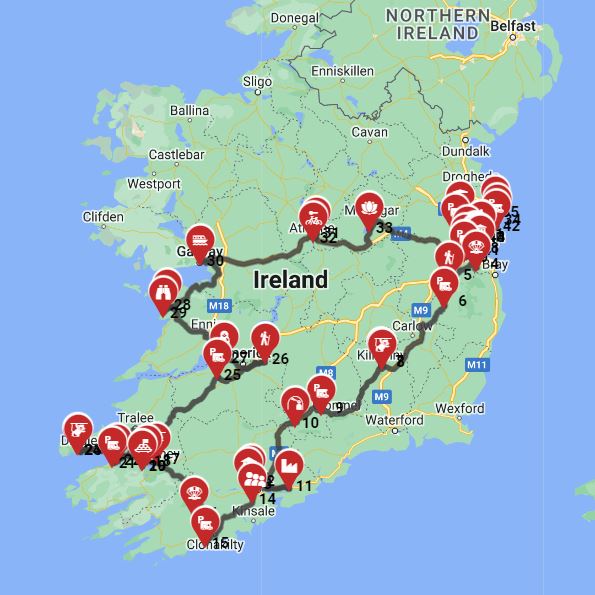
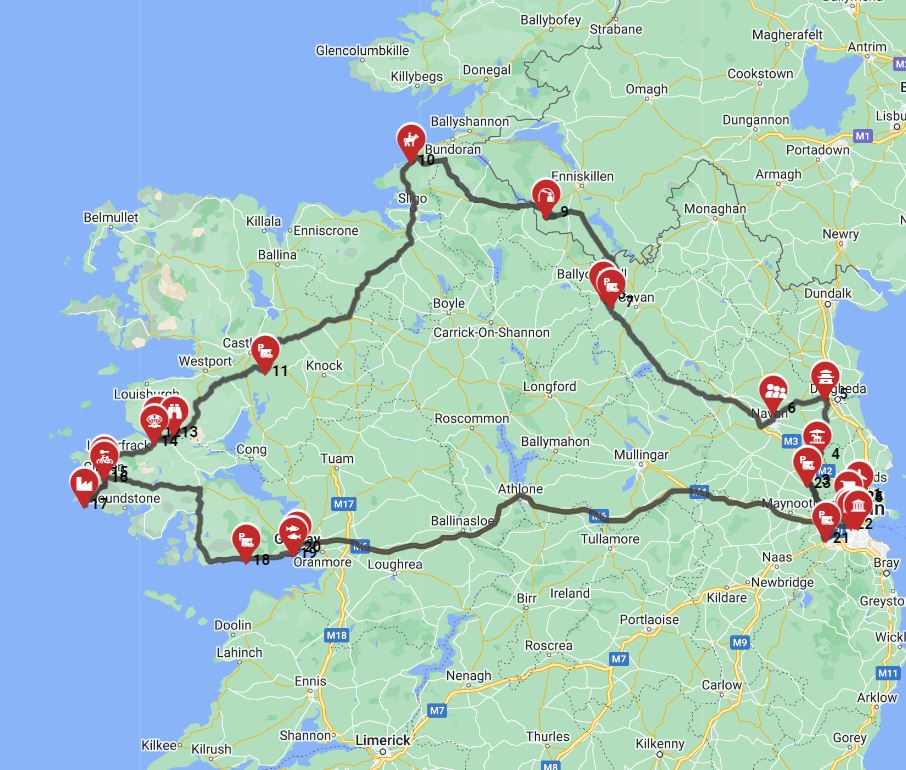
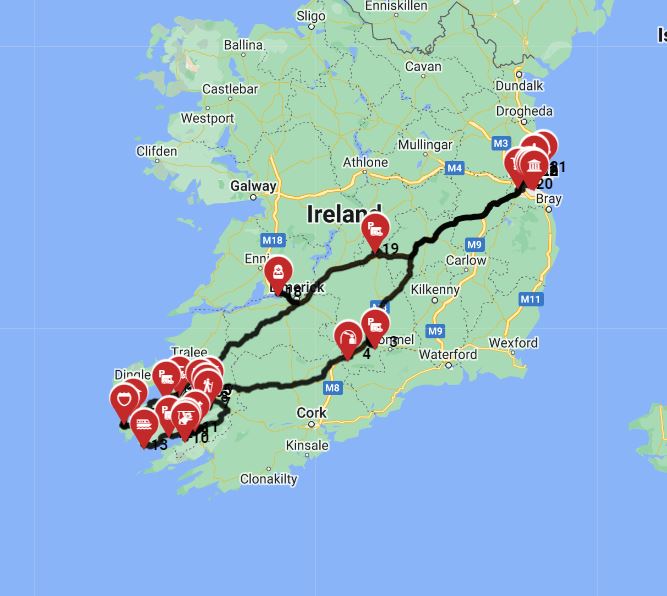
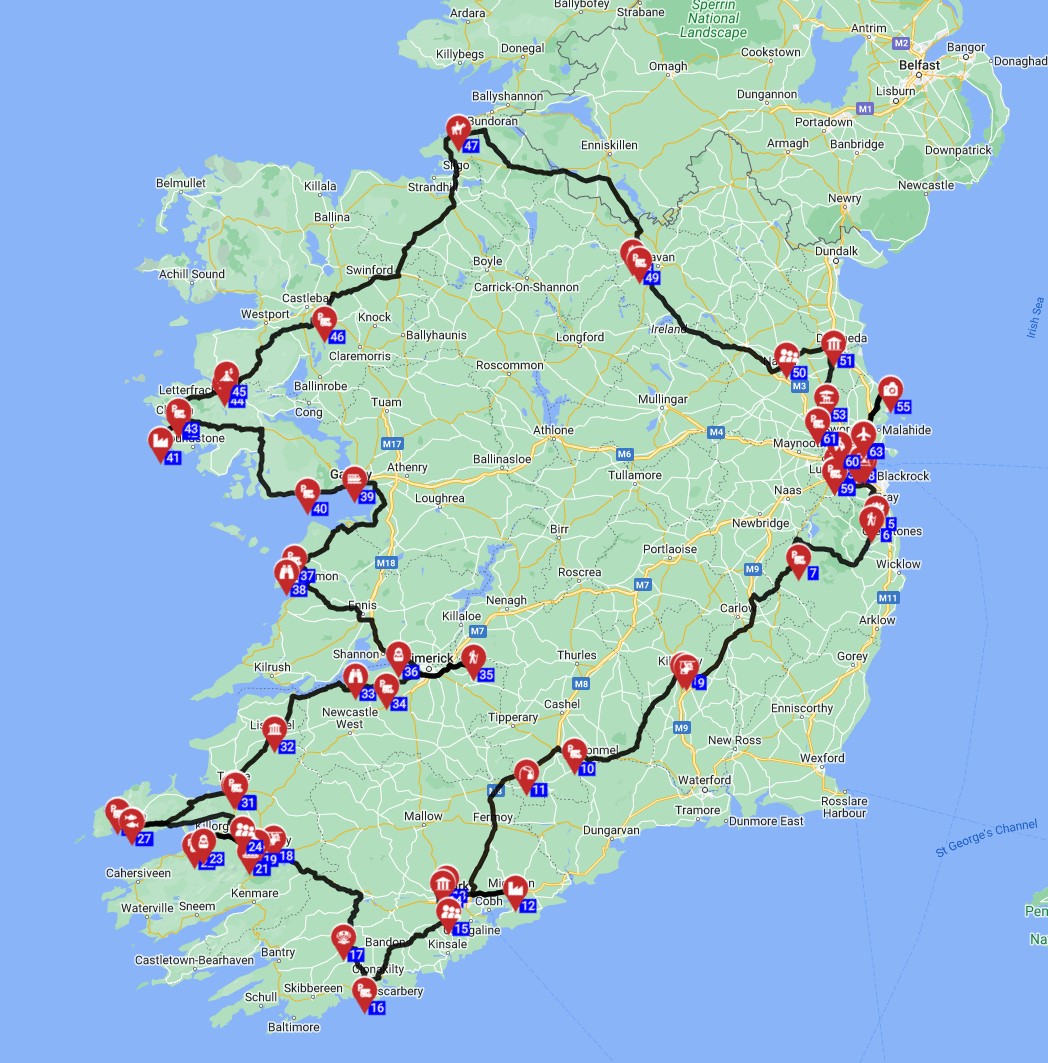
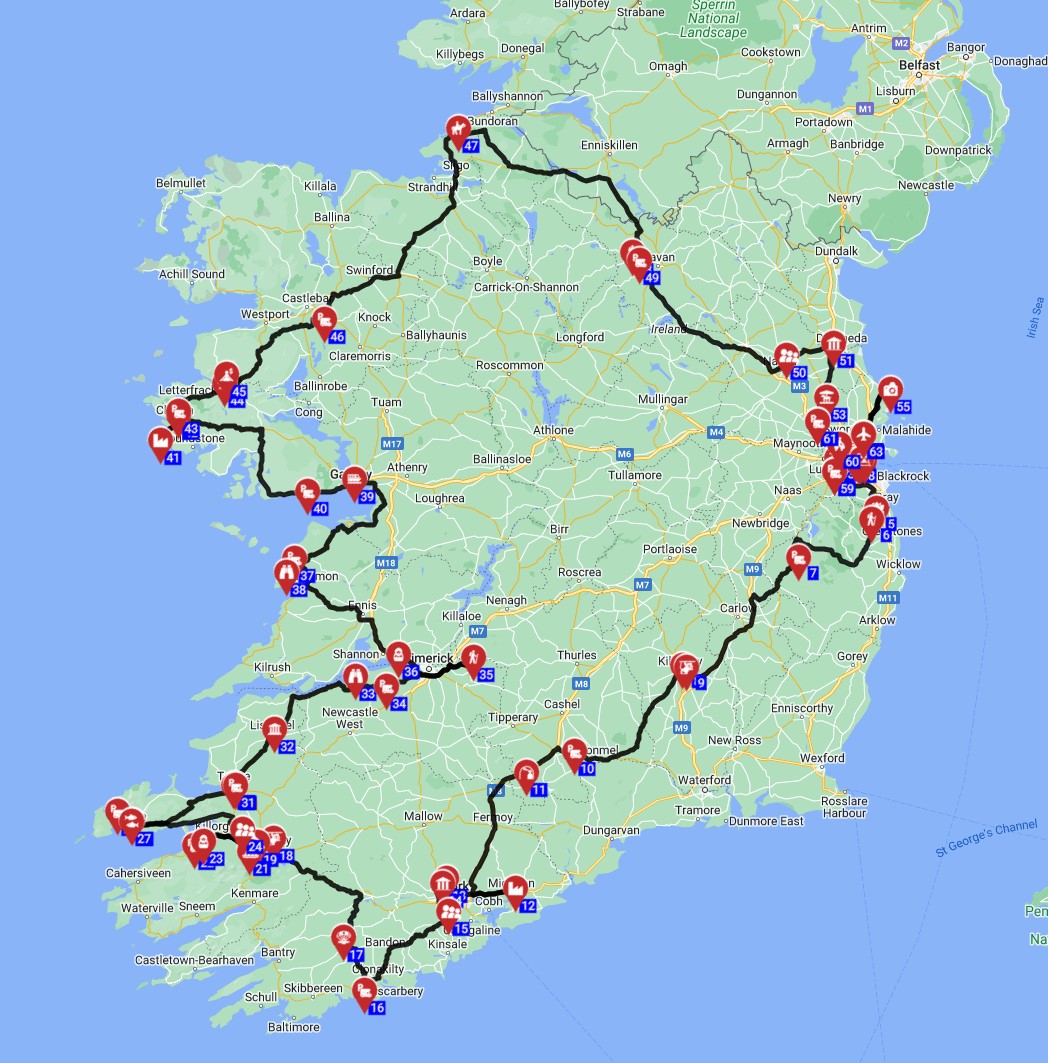
A good route plan like the "Dublin Roundtrip - Ring of Kerry" (8 days, 986 km) includes 1 hiking area and 1 scenic route, helping you balance driving with exploration. Another fantastic option, especially for extended adventures, is the "
Recommended RV Class for Dublin Roads
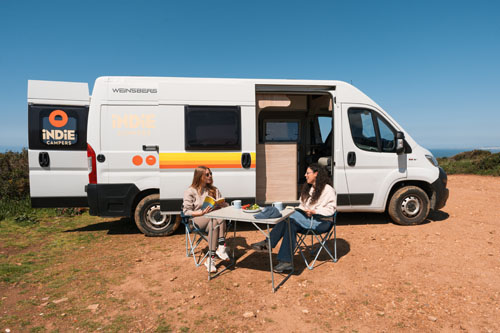
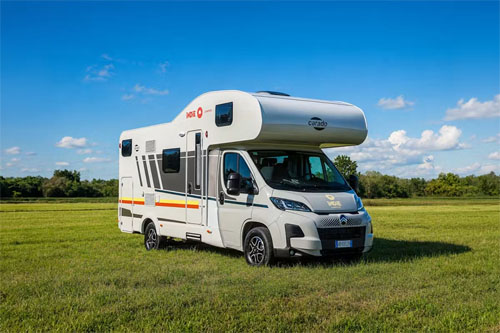
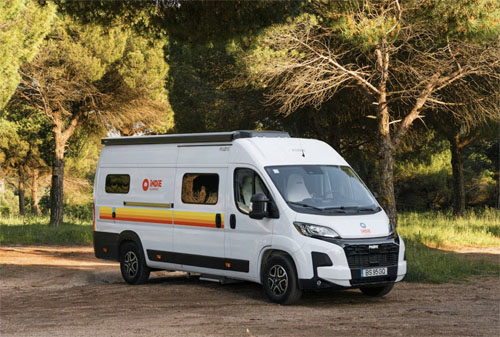
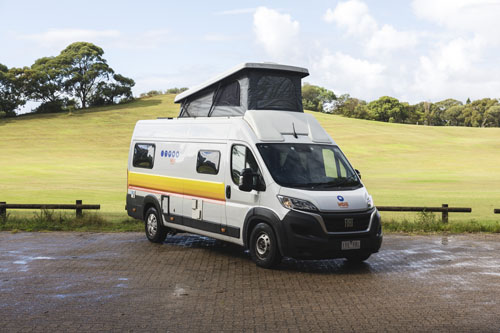
For navigating Dublin's unique blend of urban streets and the winding rural roads of the Irish countryside, a Class B Camper Van or a Class SI Semi-integrated RV is generally recommended. These vehicle classes strike an excellent balance between maneuverability and comfortable living space. A Class B Camper Van, often averaging around 5.8 meters in length (like the "Active Compact Select" or "VW California Ocean"), offers superb agility, making it ideal for tighter spots and easier parking in towns and villages. For those desiring more indoor space and amenities without the bulk of the largest motorhomes, a Class SI Semi-integrated RV, with an average length of 6.9 meters (such as the "Category Medium" or "Elnagh Baron 579"), provides additional comfort while remaining manageable on most Irish routes. Larger Class C Alcove (averaging 7.5 meters) or Class A Integrated motorhomes (also averaging 7.5 meters or more) are certainly suitable for main roads and motorways, but might present challenges on very tight country lanes, particularly on scenic routes like the Ring of Kerry, or in congested city areas where parking can be scarce. Remember, you can always compare Class C motorhome and campervan prices for Dublin quickly and transparently with Bandana Caravan.
Should I Choose a Compact Van Instead of a Large RV in Dublin?
The choice between a compact van and a larger motorhome for your Dublin adventure largely depends on your travel priorities and comfort needs. A compact campervan, such as the "Combi Van" or an "Active Bunk Auto," offers superior maneuverability, making it significantly easier to navigate Dublin's tight city streets, bustling historic centers, and the extremely narrow country lanes that define much of rural Ireland. This ease of driving also translates into less stress finding parking in towns or at popular attractions. However, a larger RV, such as a Class C Alcove motorhome like the "Euro Deluxe" or "Nexus Triumph 29T," provides significantly more comfort, expansive indoor living space, and a fuller range of amenities like dedicated full bathrooms and larger kitchens, which are invaluable for extended trips. For most major tourist routes and well-established campsites across Ireland, standard RV sizes are perfectly manageable, so the added comfort of a larger vehicle is often preferred by families or groups. Ultimately, the decision hinges on whether you prioritize maximum driving ease and parking flexibility (compact van) or enhanced living comfort and on-board facilities (larger RV).
Can I Park Anywhere? Free & Wild Camping Rules in Dublin
Free camping, often referred to as wild camping or informal overnight parking, is generally restricted and discouraged for RVs in Dublin and across most of Ireland, especially in urban or populated areas. Local authorities actively enforce regulations to prevent unauthorized overnight stays, which can lead to fines or being asked to move on. Instead, official campsites and designated RV parks are the primary legal and recommended options for overnight stays when you have a rented RV. These facilities, like Camac Valley Tourist Caravan & Camping Park near Dublin, offer essential services such as waste disposal points for grey/black water and fresh water refill stations, crucial for a comfortable RV trip. Rules and attitudes towards informal parking vary by region, so always check local regulations and adhere to common sense and local law before parking overnight, particularly concerning private land or protected natural areas. Planning ahead by booking campsites ensures peace of mind and access to necessary amenities.
Can I Drive an RV Into the City Center? Heights, Tunnels & Local Signage
Yes, it is generally possible to drive a rented RV into Dublin city center, but travelers must exercise extreme caution and pay very close attention to local signage regarding vehicle restrictions. Be particularly vigilant for height limits, especially at the entrances to multi-story car parks (which are almost universally too low for RVs) and some older underpasses or tunnels. Many central areas may also have environmental zones or traffic restrictions, such as bus lanes or residents-only streets, which RVs must avoid; always adhere strictly to posted signage to prevent fines. Due to the challenges of parking a larger vehicle directly in the city center, which can be both difficult and expensive, consider utilizing park-and-ride facilities on the outskirts of Dublin and then using the city's excellent public transport system (buses, DART, Luas trams) to explore attractions like Trinity College or the Ha'penny Bridge. This strategy allows you to experience Dublin's heart without the stress of navigating a large vehicle through its narrow, busy streets.
Do you have to get a license for renting an RV?
Yes, a valid driver's license is mandatory for renting an RV in Dublin and anywhere in Ireland, with the specific license category determined by the vehicle's Maximum Authorised Mass (MAM). For most motorhomes up to 3,500 kg MAM, a standard Category B car license, which is the most common driver's license, is sufficient. However, if your chosen rented RV exceeds 3,500 kg MAM but is under 7,500 kg, a Category C1 license is required. Rental companies, including our partners like El Monte and Cruise America, typically have additional requirements beyond the license itself, such as a minimum driver age (often 21 years old) and a minimum number of years (usually 1-2) holding a valid license. Bandana Caravan ensures that all these details are transparently communicated during the booking process.
What licence do you need to drive a camper van in Ireland?
To drive most standard campervans in Ireland, a Category B driving license is sufficient, provided the vehicle's Maximum Authorised Mass (MAM) does not exceed 3,500 kg. This common driver's license covers vehicles with up to 8 passenger seats in addition to the driver's seat and is adequate for popular rental models like the "Juliette 2-3" or a "Happy 1 EX AUTO." For larger, heavier campervans that tip the scales over the 3,500 kg MAM threshold, a Category C1 license becomes necessary. Always confirm the specific MAM of your chosen rented campervan with your rental provider to ensure you possess the correct and valid license category for your Irish adventure.
Do you need a different licence to drive a campervan in Ireland?
Generally, you do not need a *different* license than your standard Category B car license to drive most campervans in Ireland, as long as the vehicle's Maximum Authorised Mass (MAM) remains under 3,500 kg. This applies to a large percentage of rented campervans available in Dublin. However, if you opt for a significantly larger or heavier campervan whose MAM is over 3,500 kg but under 7,500 kg, you would then need a Category C1 license, which is a specific light goods vehicle entitlement. Travelers from outside the EU/EEA should also strongly consider carrying an International Driving Permit (IDP) alongside their national license, as it provides a standardized translation of your license details and is recommended for seamless travel, although often not legally mandatory.
What licence do you need for a motorhome in Ireland?
For motorhomes in Ireland, a Category B license is adequate for vehicles with a Maximum Authorised Mass (MAM) up to 3,500 kg, covering most common rental models offered by Bandana Caravan partners. This ensures that the majority of travelers with a standard car license can enjoy a motorhome rental in Dublin without additional licensing hurdles. Larger motorhomes that exceed the 3,500 kg MAM limit, but stay below 7,500 kg, require a Category C1 license. It's crucial to always confirm the specific MAM of your chosen rented motorhome with the rental provider before booking to guarantee you possess the correct and legally required license category for your unforgettable Irish road trip.
What insurance covers RV rentals?
RV rentals in Dublin, like elsewhere in Ireland, typically include basic third-party liability insurance as mandated by law, which covers damage to other vehicles or property in the event of an accident. Most rental agreements also offer or include a Collision Damage Waiver (CDW) or Loss Damage Waiver (LDW) to cover damage to the rental RV itself, though these usually come with a significant deductible, also known as an excess. For added protection and peace of mind, additional insurance options are often available for an extra fee. These can include deductible reduction, theft protection, personal accident insurance, and coverage for personal effects, which are highly recommended for comprehensive coverage during your RV trip in Ireland. You can upgrade to a top-level deductible for extra peace of mind, ensuring a stress-free adventure.
How much does it cost to insure a rental RV?
The base insurance cost for a rental RV is typically integrated into the overall daily or weekly rental rate in Dublin, offering basic coverage as legally required. However, securing additional comprehensive coverage or opting to reduce your insurance deductible (excess) can add anywhere from €15-€50 per day to your total cost. This additional cost depends on several factors, including the specific rental provider, the class and value of the RV you choose (e.g., a "luxury rv rental example Pickup 16" versus a standard campervan), the duration of your rental, the driver's age, and any specific inclusions such as enhanced roadside assistance or coverage for personal property. Always review the insurance terms thoroughly to understand what is included and what optional coverages best suit your needs for your Dublin motorhome rental.
Will my US car insurance cover me in Ireland?
No, standard US car insurance policies typically do not provide coverage for RV rentals in Dublin or anywhere in Ireland, primarily due to international and vehicle type exclusions. Most US auto insurance is limited to coverage within North America (USA, Canada, Mexico) and often specifically excludes recreational vehicles (RVs) even for domestic travel. Therefore, it is essential for US travelers planning an RV trip to Ireland to purchase specific rental RV insurance directly from the rental company or a specialized travel insurance provider. While some credit cards offer rental car insurance benefits, these rarely extend to RVs, and often exclude Ireland altogether due to unique local insurance market conditions; always verify directly with your card issuer for accurate coverage details.
Why is Ireland excluded from rental car insurance?
Ireland is frequently excluded from many third-party rental car insurance policies, particularly those offered by US credit card companies, primarily due to a historical perception of higher claim rates and unique legal frameworks governing vehicle insurance in the country. Historically, Ireland has faced specific insurance market conditions that led to increased risk for insurers, alongside higher rates of vehicle theft compared to some other European nations. Furthermore, many credit card insurance benefits are specifically tailored for standard passenger cars and often come with explicit exclusions for certain vehicle types like motorhomes or countries deemed higher risk, which has historically included Ireland. This means travelers renting an RV in Dublin should always plan to purchase specific coverage either from the rental supplier or a dedicated travel insurance provider.
What You Shouldn't Miss
- Explore the Cliffs of Moher: A must-see natural wonder on Ireland's west coast, easily accessible with your rented RV from Dublin via the M6 and N67 routes. The "Dublin Roundtrip - Wild Atlantic Way" itinerary covers this spectacular stop and more.
- Drive the Ring of Kerry: This iconic 179 km scenic route offers breathtaking coastal views, charming villages, and ancient sites. Plan to spend at least 2-3 days driving slowly and stopping frequently, enjoying the freedom of your campervan.
- Visit the Rock of Cashel: Located in County Tipperary, this historic site features a stunning collection of medieval buildings perched on a hill, offering panoramic views of the surrounding countryside.
- Discover the Dingle Peninsula: A rugged and beautiful peninsula in County Kerry, known for its dramatic landscapes, sandy beaches, and vibrant Irish culture. The town of Dingle itself offers cozy pubs and fresh seafood.
- Experience the Giant's Causeway: Although a bit further north into Northern Ireland, this UNESCO World Heritage site of interlocking basalt columns is a geological marvel and a fantastic destination for an extended road trip from Dublin.
- Looking for expert insights from Avi Bandana? Top 5 Adventures - recommendations from Avi Bandana.
Final Thoughts
Renting an RV in Dublin opens up a world of discovery across Ireland, offering the perfect blend of freedom and comfort. While navigating city streets and rural lanes requires mindful driving, the rewards of waking up to stunning landscapes and having your home-on-wheels always at hand are immeasurable. Whether you're planning a week-long trip to the Ring of Kerry or a two-week adventure along the Wild Atlantic Way, our extensive range of campervans and motorhomes, backed by transparent pricing and dedicated support, ensures a memorable journey.
We're here to support you every step of the way, from comparing the best deals to coordinating your booking. Remember to travel slowly, averaging 100-150 km per day, allowing yourself time to truly connect with Ireland's culture, food, and breathtaking scenery. Get inspired for your next trip and plan a personalized route itinerary in advance with minimal effort and maximum enjoyment. Your Irish RV adventure awaits!
Find Motorhome Rentals in Dublin