In This Guide
- Can You Drive an RV in Catalonia? License & Age Rules
- Road Conditions & Terrain in Catalonia
- RV Size Limits, Bridges & Restricted Zones
- Fuel: Diesel vs. Petrol & Cost per 100 km
- Tolls, Vignettes & Border Rules
- Driving Tips for RV Travelers in Catalonia
- Recommended RV Class for Catalonia Roads
- Should I Choose a Compact Van Instead of a Large RV in Catalonia?
- Can I Park Anywhere? Free & Wild Camping Rules in Catalonia
- Can I Drive an RV Into the City Center? Heights, Tunnels & Local Signage
- What are the best RV rental deals in Catalonia?
- How much does it cost to rent an RV in Catalonia?
- What is the best time of year to RV in Catalonia?
- Are there specific RV routes or itineraries recommended for Catalonia?
- Where can I find RV campgrounds with amenities in Catalonia?
- How do I choose the right RV rental company in Catalonia?
- What documents do I need to rent an RV in Catalonia?
- Is it safe to RV in Catalonia?
- Can I travel with pets in an RV rental in Catalonia?
- What are the best places to visit in Catalonia by RV?
- How long does it take to drive across Catalonia by RV?
Catalonia, a vibrant region in northeastern Spain, is an incredible destination for a motorhome adventure, offering everything from stunning Mediterranean beaches to the dramatic peaks of the Pyrenees. Imagine yourself on the route, winding through historic villages, savoring local cuisine, and waking up to breathtaking views right outside your rented campervan. With Bandana Caravan, your journey starts with full transparency and unparalleled support, ensuring your RV driving deals in Catalonia translate into a seamless and unforgettable experience.
For live availability and current prices, start with our RV Rental Catalonia - Complete Guide 2026 guide. We've been helping tens of thousands of travelers explore the world by RV since 2001, and our dedication to transparent pricing and expert planning makes discovering Catalonia an absolute joy.
Can You Drive an RV in Catalonia? License & Age Rules
In Catalonia, you can drive most standard RVs, specifically those up to 3,500 kg Maximum Authorized Mass (MAM), with a regular B-category driving license from your home country, provided it has been valid for at least two years. For larger motorhomes or campervans exceeding 3,500 kg MAM, a C1 license (or equivalent) is typically required, though Bandana's fleet in Catalonia primarily features vehicles manageable with a standard license. The minimum driver age for RV rentals in Catalonia is generally 21 years old across our partner suppliers, with no young driver surcharges or vehicle class restrictions based on age, a key advantage for many travelers. Non-EU/EEA license holders are recommended to carry an International Driving Permit (IDP) alongside their national license for legal driving in Spain, although it's not mandatory in all cases. Always confirm specific license requirements with your RV rental provider, as policies can vary.Road Conditions & Terrain in Catalonia
Catalonia offers a diverse range of road conditions, from well-maintained motorways (autopistas) like the AP-7 along the coast and C-32 connecting major cities, to winding mountain roads in the Pyrenees and interior. Road quality is generally high across the region, ensuring a smooth ride, though smaller rural roads or those leading to remote villages and natural parks may be narrower and less perfectly surfaced. The terrain varies significantly, encompassing flat coastal plains near Salou, rolling hills of the Penedès wine region, and the challenging ascents and descents of the Pyrenees mountain range. Driving a rented RV in Catalonia encourages a slow, scenic pace of max 100-150 km per day on average, allowing travelers to appreciate the varied landscapes and cultural sites. Be prepared for diverse conditions, from busy urban stretches near Barcelona to serene country lanes, ensuring a versatile and rewarding RV journey.RV Size Limits, Bridges & Restricted Zones
While there are no universal 'RV size limits' per se in Catalonia, drivers must adhere to general Spanish road regulations regarding vehicle dimensions, with a maximum height of 4 meters, width of 2.55 meters, and length of 12 meters for single vehicles. Awareness of specific height and weight restrictions is crucial, particularly for low bridges, tunnels, and historic city centers, which often have narrower streets and limited access for larger vehicles. Low Emission Zones (ZBE), such as Barcelona's (covering most of the city within the Ronda de Dalt and Ronda Litoral ring roads), restrict access for vehicles based on environmental labels; foreign RVs may need to register and obtain a DGT environmental sticker online to avoid fines. Ferry limits apply for travel to the Balearic Islands or other destinations, where rented RV length and height directly impact pricing and booking options. Always pay close attention to local signage in urban areas like the Gothic Quarter or mountain passes such as the Coll de Nargó, for specific restrictions, which can vary by municipality or road.Fuel: Diesel vs. Petrol & Cost per 100 km
Most RVs available for rent in Catalonia, including Bandana's diverse fleet from suppliers like Apollo and Britz, run on Diesel fuel due to its efficiency and torque, making it the predominant fuel type at service stations along major routes like the AP-7 and smaller roads. Petrol (gasolina) is also widely available, primarily for smaller campervans or personal vehicles. Based on typical motorhome rental consumption, Class B Camper Vans average around 8-10 Liters/100 km, while larger Class SI Semi-integrated and Class A Integrated RVs typically consume 10-12 Liters/100 km, and Class C Alcove models 11-13 Liters/100 km. At an estimated average Diesel price of €1.70 per liter (prices are dynamic like flight tickets, changing daily), the cost per 100 km for a Class B Camper Van would be approximately €13.60-€17.00, for a Class SI/A around €17.00-€20.40, and for a Class C about €18.70-€22.10. Bandana does not offer fuel discount cards or options to pre-purchase fuel packages, encouraging drivers to manage their fuel consumption.Tolls, Vignettes & Border Rules
Spain operates a toll road system, particularly on major motorways (autopistas) in Catalonia like the AP-7, which connects Barcelona to the French border, and the C-32 along the Costa Brava, and does not use a vignette system for passenger vehicles. Tolls are variable, calculated based on distance traveled, vehicle type (RVs are often in a higher category than cars, thus incurring higher fees), and sometimes the time of day. While alternative toll-free (autovía) routes exist, they are generally slower, adding to travel time, but can offer a more relaxed journey as recommended for RV travel. Bandana's fleet in Catalonia does not come equipped with electronic toll devices (Via-T) by default, but some suppliers may offer them as an optional add-on for seamless travel through toll booths and to avoid potential fines. When traveling to neighboring countries from Catalonia, be aware of their specific road payment systems: France uses tolls, while Switzerland and Austria require vignettes, which should be purchased before entering those countries.Driving Tips for RV Travelers in Catalonia
For an enjoyable RV adventure in Catalonia, planning is paramount. Always utilize GPS with RV-specific settings to avoid narrow roads, low bridges, or restricted zones, especially when heading towards historic centers like Girona's Barri Vell or mountain passes in the Pyrenees. Take frequent breaks every 2-3 hours at designated service areas or scenic viewpoints along routes such as the C-31 coastal road, ensuring everyone in your rented campervan is comfortable and rested, aligning with our philosophy to travel slowly. Practice maneuvering and parking in spacious areas before tackling urban environments, and utilize park-and-ride options for city visits to Barcelona or Tarragona. Familiarize yourself with common Spanish and Catalan road signs, including those indicating height/weight restrictions and environmental zones. While Bandana does not directly assist with pre-paying tolls, many local stations offer cash or credit card payments. For additional guidance, consider our RV Travel Guide to Catalonia - Tips and Top Spots 2026.Recommended RV Class for Catalonia Roads
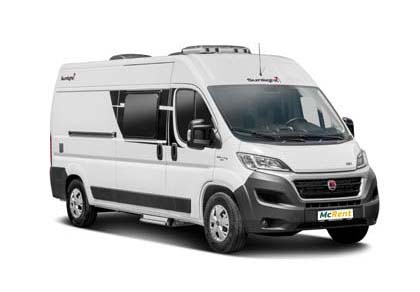
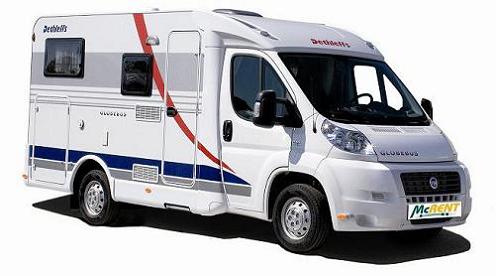
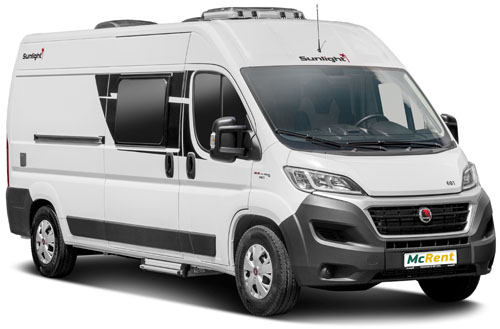
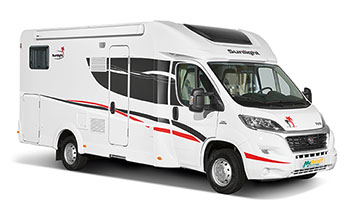
For navigating Catalonia's diverse roads, including bustling urban centers, scenic coastal routes, and winding mountain passes, Class B Camper Vans and Class SI Semi-integrated RVs are highly recommended. Class B Camper Vans, often averaging around 6 meters in length like the 'Category Van' or 'Active Classic' models, offer superior maneuverability and ease of parking, making them ideal for exploring tight village streets in places like Cadaqués and urban environments. Class SI Semi-integrated RVs, averaging 7.3 meters in length, such as a '2 Berth Rover' or 'Active Standard Auto', strike a good balance between comfortable living space for 3-4 adults and manageable driving dimensions. While larger Class A Integrated (e.g., 'Comfort Luxury') and Class C Alcove (e.g., 'Euro Deluxe') RVs provide more interior space, their increased length and height can present challenges in very narrow mountain roads, such as those leading to the Priorat wine region, or busy city centers. Ultimately, the best choice depends on your group size, desired comfort level, and the specific regions of Catalonia you plan to explore.Should I Choose a Compact Van Instead of a Large RV in Catalonia?
In Catalonia, most RV sizes, from a compact 'rv rental denver example Category Van' to a spacious 'rv rentals example Comfort Class', can be driven without significant issues, and often, the comfort and indoor space of a larger RV outweigh the marginal benefits of a compact van for general touring. A compact van, such as a Class B Camper Van, genuinely helps when planning extensive visits to very tight historic city centers (like the Jewish Quarter in Girona or the Roman walls of Tarragona) or navigating extremely narrow mountain passes in more remote Pyrenean areas. For travelers prioritizing maximum maneuverability, easier parking, and a more car-like driving experience, a compact van is an excellent choice. However, for families or those seeking more amenities, dedicated sleeping areas, a larger kitchen, and expanded storage for a week-long trip, sticking with a larger Semi-integrated or Alcove RV offers a better trade-off in comfort and convenience for touring Catalonia's diverse regions. Consider your itinerary: if frequent city parking and very off-the-beaten-path exploration are priorities, a compact van is advantageous; otherwise, a larger RV provides a more comfortable 'home on wheels' for enjoying meals prepared in your own kitchen with our RV-friendly recipes playlist.Can I Park Anywhere? Free & Wild Camping Rules in Catalonia
Wild camping and free overnight parking for RVs are generally prohibited in Catalonia, especially along the heavily regulated Costa Brava and within protected natural parks like Montseny, without explicit local permission. Overnight parking is tolerated in some non-designated areas, particularly industrial zones or larger carparks, if the vehicle is parked like a regular car and no camping behavior (e.g., awnings extended, chairs outside, leveling jacks down) is displayed. Designated campsites and official RV parking areas (áreas de autocaravanas) such as those near Barcelona Sants station or in Sitges, are the safest, most legal, and often best-equipped options for overnight stays, offering essential services like water and waste disposal. Rules vary significantly by municipality and protected area within Catalonia, emphasizing the need to always check local signage and regulations; apps like Park4Night can help identify legitimate overnight spots. Always follow local law and choose designated spots to ensure a stress-free experience.Can I Drive an RV Into the City Center? Heights, Tunnels & Local Signage
Yes, it is generally possible to drive a rented RV into Catalonia's city centers, but doing so requires careful attention to specific local signage, height limits, and environmental restrictions. Barcelona, for instance, operates a Low Emission Zone (ZBE) that restricts access for certain vehicles without a DGT environmental sticker; foreign RVs may need to register online at least 15 days in advance. Drivers must pay close attention to signs indicating height restrictions for tunnels, underground car parks (many are too low for RVs over 2.2 meters), and low bridges, as well as weight limits on certain roads or historic structures in towns like Vic. Many city centers, particularly in historic towns like Girona or Tarragona, feature narrow streets, pedestrianized zones, and residents-only access, making parking and navigation challenging for larger RVs. Utilizing park-and-ride facilities outside city centers, such as those at the edge of Barcelona (e.g., Zona Universitària) which often have good public transport connections, is a highly recommended strategy for visiting urban areas with an RV, allowing you to drive almost anywhere without issues if you drive slowly and carefully, using common sense and paying attention.What are the best RV rental deals in Catalonia?
The best RV rental deals in Catalonia typically emerge during the shoulder seasons (spring, April-May, and autumn, September-October), or by booking well in advance, offering a balance of lower prices and pleasant weather. For instance, booking 90+ days ahead can save an average of 25% on peak-season motorhome rates. Look for special promotions such as early bird discounts, long-term rental incentives (e.g., for a two-week adventure), or last-minute offers often available directly through reputable rental platforms like Bandana Caravan. Comparing different RV classes, from compact campervans like the 'Active Original' to larger integrated models like the 'Explorer', can reveal varying price points and value for money based on your travel needs. Package deals that include amenities like unlimited mileage, bedding kits, or electronic toll passes can sometimes provide overall better value despite a slightly higher base rate. Subscribing to newsletters from RV rental companies in Catalonia can provide alerts for exclusive deals and seasonal discounts, ensuring you find the perfect RV driving deals in Catalonia. For more detailed insights, check out our RV Rental Deals in Catalonia - Latest Offers 2026 and Weekly RV Rental in Catalonia - Pricing 2026 articles.How much does it cost to rent an RV in Catalonia?
The cost of renting an RV in Catalonia varies significantly based on RV class, rental duration, season, and included extras, typically ranging from €80 to €200+ per day for a standard Class C motorhome. Compact Class B Camper Vans are generally the most affordable, while larger Class SI Semi-integrated, Class A Integrated, and Class C Alcove RVs command higher daily rates, with prices being dynamic and changing daily like flight tickets. Beyond the daily rental fee, budget for additional expenses including fuel (an estimated €15-€20 per 100 km for most RVs), tolls (variable, but can add significantly on major routes like the AP-7), and campsite fees (typically €20-€50 per night for a pitch with electricity). Consider other potential costs like optional insurance deductibles (you can upgrade to a top-level deductible for extra peace of mind), one-way fees (which can range from €150-€500 for a one-way RV rental in Catalonia), cleaning charges, and the cost of groceries versus dining out (which can be €30-€60+ per person per day). An in-depth budgeting guide should also account for unexpected expenses like parking fines or higher-than-expected fuel prices, suggesting a contingency fund. For detailed cost breakdowns and to help itemize and track every expense along the way for easy budgeting, explore RV PLANET routes. More pricing details can be found in RV Rental in Catalonia - Prices and Best Deals 2026 and Luxury RV Rental in Catalonia - Premium Prices 2026.What is the best time of year to RV in Catalonia?
The best time of year to RV in Catalonia is generally during the spring (April-May) and autumn (September-October) shoulder seasons, offering pleasant weather, fewer crowds, and often better rental deals compared to peak summer. Spring brings blooming landscapes and mild temperatures perfect for hiking in Montserrat and exploring coastal towns. Autumn offers comfortable weather for wine routes in Priorat and cultural festivals like the Castells in Tarragona. Summer (June-August) is popular but experiences high temperatures (often above 30°C along the coast), significant crowds in Barcelona and Costa Brava beaches, and peak prices for RV rentals and campsites, with many attractions and campgrounds operating at full capacity. Winter (November-March) can be quiet and beautiful, especially for snow activities in the Pyrenees, but coastal areas might be chilly, and some campgrounds or attractions may have reduced hours or be closed. Detailed seasonal planning should consider regional weather variations, crowd levels, and which specific attractions or activities are available, as the experience changes dramatically throughout the year.Are there specific RV routes or itineraries recommended for Catalonia?
Catalonia offers numerous recommended RV routes and itineraries catering to diverse interests, from coastal drives to mountain adventures and cultural explorations. Our sister company, rvplan.net, provides 1,300+ pre-planned routes across 5 continents, including excellent options for Catalonia. Popular routes include the Costa Brava for its stunning beaches and charming villages like Cadaqués and Calella de Palafrugell, the Pyrenees for hiking and nature in destinations like Aigüestortes i Estany de Sant Maurici National Park, and the Penedès or Priorat wine regions for gastronomy. An itinerary could encompass a 'Gothic to Gaudí' cultural immersion, starting in Barcelona and heading to medieval Girona, then exploring the Dali Triangle (Figueres, Cadaqués, Portlligat). For nature lovers, a route through the Parc Natural del Montseny or the tranquil beauty of the Ebro Delta offers breathtaking scenery and outdoor activities. RV-friendly wineries, local markets, and participating in seasonal festivals (e.g., 'castells' human towers) can be integrated into itineraries for authentic cultural immersion. Remember to travel slowly, averaging max 100-150 km per day, to truly feel the place, connect to the culture, the food, and the scenery. For more route inspiration, explore "RV Travel Guide to Catalonia - Tips and Top Spots 2026".Where can I find RV campgrounds with amenities in Catalonia?
RV campgrounds with comprehensive amenities are widely available across Catalonia, from coastal resorts like Camping & Resort Sanguli Salou to inland rural sites near Montserrat, offering a variety of services for travelers. Popular online platforms like ACSI, Camping.info, and Park4Night are excellent resources for locating campgrounds, allowing you to filter by amenities such as electric hook-ups, fresh water refill stations, grey/black water dump stations, WiFi, and LPG availability. Many campgrounds in Catalonia provide modern facilities including swimming pools, restaurants, laundry services, and children's play areas, making them ideal for families. For utilities and connectivity, most established campgrounds offer reliable WiFi, clean water, and waste disposal points, which are crucial for sustainable RVing. It's advisable to book campsites in advance, especially during peak season (June-August), to secure a spot with desired amenities. When looking for campsites and campgrounds during your trip, we recommend using RV PLANET (rvplan.net) - a great resource for locating available spots along your route. You'll find a spot; if not at the first campground, then the next one, but call ahead before driving.How do I choose the right RV rental company in Catalonia?
Choosing the right RV rental company in Catalonia involves evaluating fleet variety, insurance options, customer service reputation, and transparent pricing structures. Look for companies like Bandana Caravan that offer a diverse fleet of well-maintained motorhomes and campervans across various classes (Class B, Class C, Class A) to match your travel needs and budget. We partner with over 50 leading RV suppliers worldwide, including recognized names like El Monte and Apollo, ensuring you have ample choice. Scrutinize insurance policies, understanding deductibles and additional options like roadside assistance; you can upgrade to a top-level deductible for extra peace of mind through Bandana. Read customer reviews and testimonials to gauge the company's reliability, responsiveness, and overall customer satisfaction. Ensure the company provides clear information on pickup/drop-off procedures, included amenities, mileage limits, and full price transparency with no hidden fees or surprises before booking. As true RV specialists, not a travel agency side department, we handle the details, so you can live the journey.What documents do I need to rent an RV in Catalonia?
To rent an RV in Catalonia, you typically need a valid driving license, which must have been held for at least 2 years. If your national license is from outside the EU/EEA or is not in English, an International Driving Permit (IDP) is recommended, though not mandatory in all cases, it significantly eases communication and legal requirements. A passport or national ID card is also essential for identification. A major credit card in the primary driver's name is required for the security deposit, which can range from €700 to €2,000 depending on the RV class (e.g., a 'hire campervan example Paradise S/T' vs. a 'Class C - Alcove') and rental company. You will also need your rental confirmation and potentially a printed copy of your insurance details or any pre-paid services. Ensure all drivers meet the minimum age requirement of 21 and have sufficient driving experience as stipulated by the rental agreement. It's always recommended to confirm the exact documentation requirements with your specific RV rental provider in advance of your pickup.Is it safe to RV in Catalonia?
RVing in Catalonia is generally considered very safe, with well-maintained roads and a robust tourism infrastructure, but like any travel, it requires awareness and adherence to local safety practices. Road safety is high, though caution is advised on narrow mountain roads in the Pyrenees and during heavy city traffic in central Barcelona or Valencia Street. Understanding local signage (both Castilian Spanish and Catalan) and driving challenges is key. The risk of petty theft, particularly in crowded tourist areas like La Rambla and major cities, exists, so it's important to secure valuables and choose well-lit, designated parking areas. Always park overnight in official campsites or designated RV parking areas, which offer better security than unauthorized wild camping spots. Following basic safety precautions, such as keeping doors locked, not leaving valuables visible, and being mindful of surroundings, will ensure a secure and enjoyable RV trip. Bandana Caravan is with travelers before, during, and after their booking to ensure a smooth trip.Can I travel with pets in an RV rental in Catalonia?
Many RV rental companies in Catalonia offer pet-friendly vehicles, allowing travelers to bring their furry companions, although this often incurs an additional cleaning fee, typically ranging from €50-€150. It's crucial to confirm the pet policy directly with your rental provider, as rules regarding pet size, number, and specific breeds may apply. For example, some Class C motorhomes explicitly state "Pet Friendly" in their features. When traveling with pets, research pet-friendly campgrounds in advance, as not all sites accommodate animals, and some may have restrictions on certain breeds or require leashing. Be aware of public transport rules regarding pets in Catalan cities; typically, smaller pets in carriers are allowed on certain services, but larger dogs may have more restrictions. Familiarize yourself with local veterinary services along your route for any unforeseen pet health needs and carry your pet's vaccination records. Popular pet-friendly routes include the Ebro Delta, offering open spaces for dogs to explore.What are the best places to visit in Catalonia by RV?
Catalonia offers an array of captivating destinations perfect for RV travel, from the vibrant cityscape of Barcelona to the serene beaches of the Costa Brava and the majestic Pyrenees mountains. Explore historical gems like Girona's medieval old town, Tarragona's Roman ruins (a UNESCO World Heritage site), and the surreal landscapes of the Dali Triangle (Figueres, Cadaqués, Portlligat). The Penedès and Priorat wine regions provide excellent opportunities for RV-friendly winery visits and gastronomic experiences, offering authentic cultural immersion with local products like Cava and powerful red wines. Nature enthusiasts will appreciate the Parc Natural del Montseny for hiking, the tranquil beauty of the Ebro Delta for birdwatching, or the unique volcanic landscapes of La Garrotxa Volcanic Zone. Consider visiting local markets for fresh produce, participating in regional festivals for an authentic cultural experience, and learning a few basic Catalan phrases to enhance your interactions. Remember our advice: travel slowly, max 100-150 km per day on average, to truly feel the place.How long does it take to drive across Catalonia by RV?
Driving across Catalonia by RV can take anywhere from a few hours to several days, depending on your chosen route, the distance, and the number of stops you plan to make. For example, a direct drive from the French border in the north (e.g., La Jonquera) to the Valencian Community border in the south (e.g., near Sant Carles de la Ràpita) via major motorways like the AP-7 could take approximately 4-5 hours without stops, covering around 300-350 km. However, to truly experience Catalonia's diverse landscapes and attractions, a comprehensive RV journey typically spans 7 to 14 days, allowing for scenic detours to places like the Costa Dorada, cultural visits to towns like Vic, and relaxation at various destinations. Factors such as navigating narrow mountain passes in the Pyrenees, winding coastal roads, city traffic, and roundabouts, as well as understanding local signage, will influence actual driving times. Planning for an average of 150-250 km of driving per day allows for comfortable travel, sightseeing, and avoids feeling rushed. Remember to account for travel time when considering a One-Way RV Rental in Catalonia - Price Guide 2026.What You Shouldn't Miss
- Explore the Dali Triangle: Drive your rented RV to Figueres to visit the surreal Dalí Theatre-Museum, then head to Cadaqués, a charming coastal village with white-washed houses, and finally to Portlligat, where Dalí's whimsical house awaits. These locations are manageable with a smaller Class B Camper Van, but parking will require careful planning in Cadaqués.
- Discover Priorat's Wine Country: Venture into the rugged, mountainous terrain of the Priorat wine region. This is where you'll find ancient terraced vineyards on 'licorella' (slate) soil, producing powerful red wines. RV-friendly wineries offer tastings, though navigating the narrow, winding roads requires attention.
- Birdwatching in the Ebro Delta: Experience an unexpectedly flat and tranquil RV experience in one of Europe's largest deltas. Park your motorhome near the vast rice paddies and lagoons, ideal for birdwatchers and cyclists. Don't miss the unique local cuisine centered around rice and fresh seafood.
- Witness Human Towers (Castells): If your trip coincides with a local festival in summer or fall, especially in towns like Tarragona, try to catch a 'Castells' performance. These UNESCO-recognized human towers are a spectacular, gravity-defying cultural spectacle unique to Catalonia.
- Hike La Garrotxa Volcanic Zone: Head to Catalonia's only volcanic natural park near Olot. Park your RV and hike through ancient, dormant volcanoes and lava flows, offering a unique geological adventure far from typical beach or mountain scenery. Many trails are well-marked and cater to various fitness levels.
- Gothic to Gaudí in Barcelona: While not RV-friendly in the center, park your rented motorhome at a peripheral park-and-ride facility (e.g., Zona Universitària) and use public transport to explore Barcelona's Gothic Quarter, the Sagrada Familia, and Park Güell. This strategy minimizes city driving stress while maximizing cultural immersion.
🎬 Video coming soon
Looking for expert insights from Avi Bandana? Top 5 Adventures - recommendations from Avi Bandana
Final Thoughts
An RV adventure through Catalonia is an unparalleled way to immerse yourself in this diverse region, offering the freedom to chase both mountain vistas and coastal sunsets. From navigating its well-maintained roads to savoring local delights in charming villages, every turn of the wheel promises discovery. Remember our advice to travel slowly, making every kilometer count towards a deeper connection with the culture, food, and stunning scenery. With Bandana Caravan, you’re not just booking an RV; you’re gaining a partner dedicated to transparency, support, and helping you craft the perfect journey. We're here to ensure your RV driving deals in Catalonia are the start of something truly special, handling the details so you can simply live the journey. Get inspired for your next trip and discover top destinations and planning tips, all in one place! Find Motorhome Rentals in CataloniaOn the routes offered through RV PLANET routes, you can itemize and track every expense along the way for easy budgeting.