In This Guide
- Can You Drive an RV in California? License & Age Rules
- Road Conditions & Terrain in California
- RV Size Limits, Bridges & Restricted Zones
- Fuel: Diesel vs. Petrol & Cost per 100 km
- Tolls, Vignettes & Border Rules
- Driving Tips for rv rental Travelers
- Recommended RV Class for California Roads
- Should I Choose a Compact Van Instead of a Large RV in California?
- Can I Park Anywhere? Free & Wild Camping Rules in California
- Can I Drive an RV Into the City Center? Heights, Tunnels & Local Signage
- What is the best time of year to RV in California?
- How much does it cost to rent an RV in California?
- What are the RV laws in California?
- Where can I take my RV in California?
- What are the rules for RV camping in California State Parks?
- Practical RV Logistics in California: Water, Dump, Propane & Groceries
- Safety and Emergency Preparedness for RVing in California
California, with its vast landscapes and iconic attractions, truly is a dream destination for a motorhome adventure. Imagine yourself driving along the Pacific Coast, redwoods towering above, or exploring the dramatic desert scenery, all from the comfort of your own rented mobile home. At Bandana RV, we're dedicated to making your RV journey through California as smooth and enjoyable as possible, offering full transparency with no hidden fees and 24/7 support before and after your booking. For live availability and current prices, start with our RV Rental California - Complete Guide 2026 guide, which covers everything you need to know about navigating this incredible state.
Can You Drive an RV in California? License & Age Rules
A standard Class C driver's license is sufficient for operating most rented RVs in California, specifically those with a Gross Vehicle Weight Rating (GVWR) up to 26,000 pounds and towing a single vehicle up to 10,000 pounds. The minimum age to rent an RV in California is typically 21 years old, with no young driver surcharges or vehicle class restrictions based on age through our extensive network of suppliers. Foreign drivers can use their valid foreign license for up to one year, but an International Driving Permit (IDP) is strongly recommended for seamless travel and translation, ensuring a worry-free experience on California's roads. RVs exceeding 26,000 pounds GVWR or those towing heavier loads may necessitate a non-commercial Class B or Class A license, requiring a specific endorsement, though most rental motorhomes fall under the standard Class C requirement. We are true RV specialists, focused exclusively on RV travel, offering unmatched personal experience and attention to the smallest details to help you navigate these rules with ease.Road Conditions & Terrain in California
California offers diverse road conditions, ranging from excellent interstate highways to winding mountain roads, scenic coastal routes, and occasionally unpaved park access roads, all of which are perfectly navigable with a rented motorhome or campervan. Mountainous regions like the Sierra Nevada (e.g., Yosemite, Sequoia) feature steep grades and switchbacks, demanding careful driving and vehicle preparation, especially for larger RVs; however, with common sense and attention, you can drive almost anywhere without issues. Urban areas, particularly in Los Angeles and the San Francisco Bay Area, can present heavy traffic and narrower streets, making navigation challenging but manageable with a rented RV - just drive slowly and carefully, there's no need to stress. Many scenic byways, such as Highway 1 along the coast, are ideal for slower, more deliberate driving, allowing RV travelers to fully appreciate the views, perfectly aligning with our recommendation for slow travel, averaging 100-150 km per day.RV Size Limits, Bridges & Restricted Zones
California's legal maximum length for a single RV is 40 feet (approximately 12.2 meters), and for an RV combined with a towed vehicle, it is 65 feet (approximately 19.8 meters), which accommodates most rental motorhomes and campervans. Height restrictions are primarily a concern for low bridges and tunnels, which are typically well-marked, but RV drivers should always pay attention to overhead clearances and consult RV-specific navigation for pre-planned routes. There are no statewide "environmental zones" in California that broadly restrict RV access based on emissions, though local regulations may apply in specific areas, so always check local signage. Ferries, such as those traveling to Catalina Island, have stringent size and weight limitations, and most RVs are not accommodated, so planning alternative transport for island excursions is essential.Fuel: Diesel vs. Petrol & Cost per 100 km
Most modern RVs in Bandana's fleet, including Class SI - Semi-integrated, Class C - Alcove, Class B - Camper Van, and Class A - Integrated motorhomes, typically run on either petrol (gasoline) or diesel fuel, which are both widely available across California. Based on Bandana's global fleet averages, a Class SI - Semi-integrated RV typically consumes 10-11 Liters/100 km, a Class C - Alcove 10-12 Liters/100 km, and a Class B - Camper Van 8-10 Liters/100 km, offering diverse options for fuel efficiency. To estimate your fuel cost per 100 km, simply multiply the RV's average consumption by the current fuel price per liter in California, noting that diesel is often slightly more expensive than petrol. Budgeting for these ancillary trip costs is easy with RV PLANET routes, where you can itemize and track every expense along the way.Tolls, Vignettes & Border Rules
California features a limited number of toll roads, bridges (notably in the San Francisco Bay Area), and express lanes, but does not use a statewide vignette system common in some other countries. Tolls are often collected electronically via FasTrak; travelers without an account can typically pay online after their trip or by mail, but prompt payment is crucial to avoid penalties. Bandana works with partner suppliers who offer full transparency, so any options for pre-purchasing toll passes or guidance on toll management will be clearly communicated, preventing fines and streamlining your travel. There are no specific border rules for RVs crossing into neighboring states like Arizona, Nevada, or Oregon beyond standard vehicle registration and insurance requirements, making multi-state adventures straightforward with your rented motorhome.Driving Tips for rv rental Travelers
Always plan your route using RV-specific navigation tools to avoid unsuitable roads, low clearances, and steep grades, ensuring a smooth journey in your rented campervan. Familiarize yourself with your RV's handling, practice turning and braking in a safe area, as motorhomes operate differently than standard vehicles. When driving in mountainous terrain, use lower gears on descents to preserve your brakes and be aware of emergency runaway truck ramps, maintaining a steady, controlled speed. Maintain heightened awareness of blind spots, overhead clearances at gas stations or drive-thrus, and potential high winds, especially with larger Class C or Class A motorhomes. For families, schedule regular stops every 2-3 hours for rest, stretching, and exploration, integrating the journey itself into the vacation experience, as we always recommend traveling slowly to truly connect with the scenery and culture.Recommended RV Class for California Roads
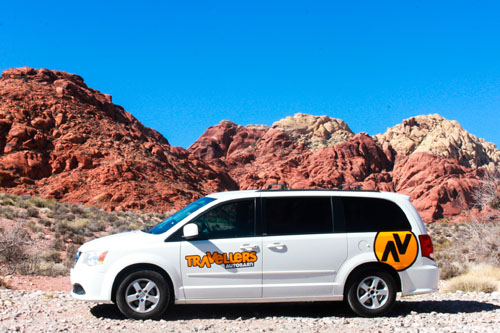
For a balanced experience of comfort and maneuverability across California's diverse roads, Class SI - Semi-integrated and Class B - Camper Van motorhomes are highly recommended. Class SI RVs, averaging 6.9 meters in length within Bandana's global fleet, provide ample living space for 3-4 people while remaining manageable for varied road conditions and many state park access routes. For instance, a "2 Berth Rover" is a Class SI - Semi-integrated option, perfect for couples with its manageable size and amenities. Class B Camper Vans, with an average length of 5.8 meters, excel in navigating tighter coastal roads, urban environments, and offer greater flexibility for parking and accessing smaller, more secluded campgrounds, such as the "Active Standard Auto" or "Juliette 2-3" models which are ideal for a couple. While larger Class C (7.5m average) and Class A (7.5m average) RVs are suitable for major highways and national parks, their size can restrict access to certain scenic drives or popular campgrounds with specific length limitations, so always check ahead.🎬 Video coming soon
Should I Choose a Compact Van Instead of a Large RV in California?
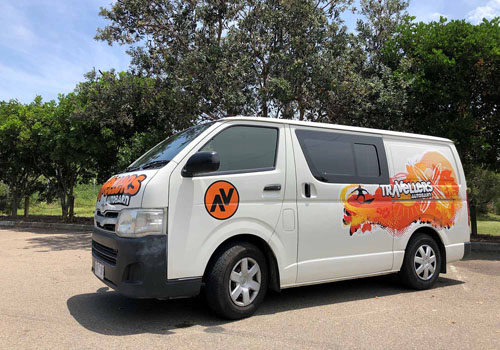
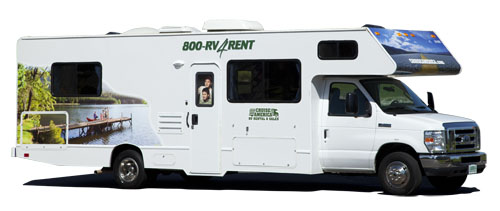
While larger RVs are generally well-suited for California's main roads and numerous parks, a compact van (Class B - Camper Van) offers distinct advantages for specific travel styles and itineraries. A compact van, with Bandana's fleet averaging 5.8 meters in length, is particularly beneficial for navigating tight historic city centers, narrow mountain passes, or when seeking easier parking and greater agility in urban settings. For example, the "Active Bunk" or "Active Small" campervans offer festival-friendly dimensions and agility. For most of California's expansive landscapes, however, the enhanced comfort, generous indoor living space, and comprehensive amenities of a larger motorhome, such as a Class C "29′ Class C Motorhome" with a slide-out, often provide a better overall experience, especially for extended trips or families of 2+2. The decision ultimately hinges on your priorities: prioritize maximum flexibility and city access with a compact van, or opt for superior comfort and amenities for longer, more relaxed journeys with a larger motorhome.Can I Park Anywhere? Free & Wild Camping Rules in California
Free camping, or boondocking, in California is generally permitted on designated public lands managed by the Bureau of Land Management (BLM) and in some National Forests, offering vast opportunities for adventurous RV travelers. Overnight parking for RVs is often prohibited in city limits, private lots, or unauthorized roadside pullouts across California; many cities enforce strict overnight parking bans to manage traffic and local resources. Always seek out official signage, consult local municipal codes, and check land management websites for current regulations on specific areas to avoid fines or towing. Free camping locations are typically remote, requiring rented RVs to be fully self-sufficient with water, power, and waste management facilities, emphasizing the importance of planning your resources. Rules vary significantly by region, so always check local regulations and follow local law before parking overnight, and for finding campsites and campgrounds during your trip, we recommend using RV PLANET (rvplan.net) - a great resource for locating available spots along your route.Can I Drive an RV Into the City Center? Heights, Tunnels & Local Signage
Yes, you can almost always drive an RV into California city centers, but it necessitates careful attention to local signage, particularly regarding height limits, tunnels, low bridges, and potential parking restrictions. Major urban areas like Los Angeles and San Francisco have robust road networks, though some older districts or historic areas may feature narrower streets or specific parking rules for oversized vehicles, but driving slowly and carefully allows you to navigate these without issue. While environmental zones are not a widespread concern for RVs in California, drivers should remain vigilant for "residents-only" parking or time-limited zones that may pose challenges for larger vehicles. Utilizing an RV-specific GPS can help pre-plan routes to avoid unexpected obstacles and ensure smooth navigation within city environments, making your urban explorations stress-free. Remember, there's no need to stress; just use common sense and pay attention.What is the best time of year to RV in California?
Spring (March-May) is ideal for wildflowers, comfortable temperatures, and fewer crowds, particularly in desert regions and for early access to mountains before peak season in California. Summer (June-August) is peak season for national parks and coastal trips, but expect higher inland temperatures, larger crowds, and the need for essential pre-booked reservations; wildfire season can also commence during these months. Fall (September-November) is often considered optimal due to pleasant temperatures, diminishing crowds, vibrant fall foliage in mountainous areas, and active harvest seasons in wine country, with fewer road closures. Winter (December-February) offers unique experiences like snow sports in the Sierra Nevada, desert warmth, and significantly reduced crowds, though be prepared for potential road closures due to snow and chain requirements in higher elevations.How much does it cost to rent an RV in California?
RV rental fees in California typically range from $100-$250+ per night for Class B/C RVs and $200-$400+ for larger Class A models, with summer being the most expensive period due to high demand. Fuel costs in California are generally higher than the national average; based on Bandana's fleet, a Class B Camper Van consumes 8-10 Liters/100 km, while Class SI and C consume 10-12 Liters/100 km, so budgeting for fuel is crucial. Camping fees vary widely, from $25-$75 per night for state/national park campgrounds to $50-$100+ per night for private RV parks often with full hookups. To save money, consider utilizing free camping (boondocking) on designated public lands, cooking meals in your RV using our RV-friendly recipes playlist, and traveling during off-peak seasons for lower rental rates. Additional costs include insurance (you can upgrade to a top-level deductible for extra peace of mind), potential mileage charges, provisioning for food and supplies, attraction entry fees, and possible one-way rental charges, all of which can be managed with RV PLANET routes for comprehensive budgeting. Prices are dynamic like flight tickets, changing daily based on availability, seasonality, and supplier marketing decisions, with the final price set at actual booking time, so early comparison is recommended. For those interested in pricing details, the "RV Rental in California - Prices and Best Deals 2026" guide offers extensive information.What are the RV laws in California?
Most RVs under 26,000 lbs GVWR only require a standard Class C driver's license in California, making motorhome rentals accessible to most drivers (refer to 'Can You Drive an RV in California? License & Age Rules' for more details). The maximum length for a single RV is 40 feet, and for an RV with a towed vehicle, it is 65 feet; some specific roads or parks may have tighter restrictions, such as the 25-foot limit on Glacier Point Road in Yosemite. Overnight street parking is frequently prohibited in many California cities and towns; always consult local ordinances or consider designated public land options for free camping (refer to 'Can I Park Anywhere? Free & Wild Camping Rules in California' for more information). Generator use is typically restricted during designated 'quiet hours' in campgrounds (e.g., 8 PM to 8 AM); always verify specific park rules upon arrival. California frequently implements fire restrictions during dry seasons, which can ban campfires or charcoal grills, allowing only contained propane fires for wildfire prevention, a critical safety measure. It is illegal to dispose of gray or black water anywhere other than at designated RV dump stations, upholding environmental responsibility.Where can I take my RV in California?
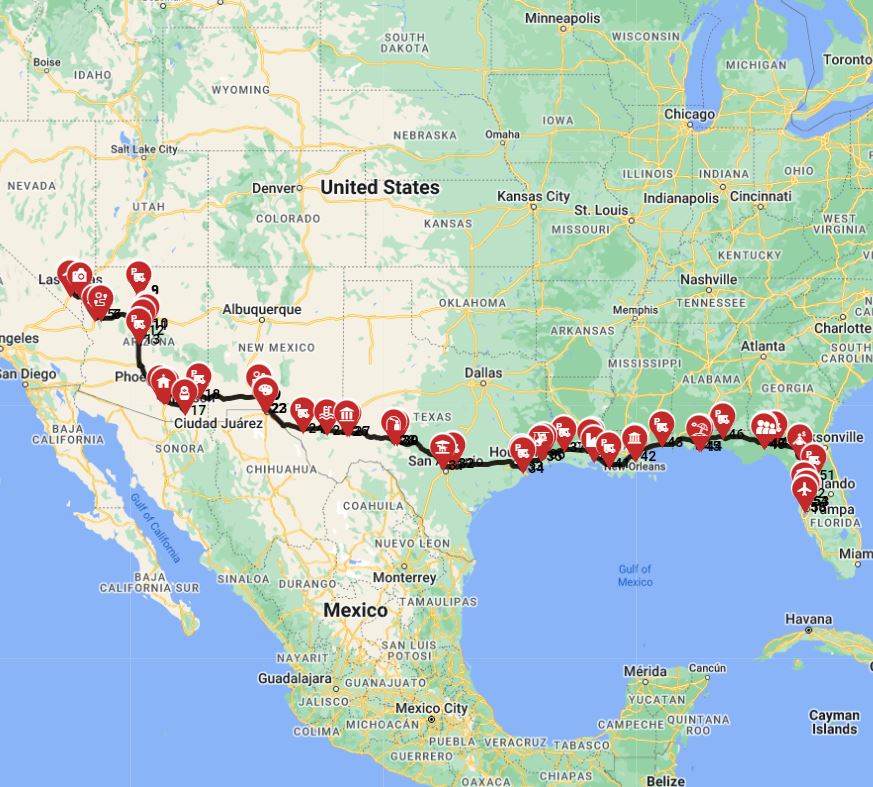
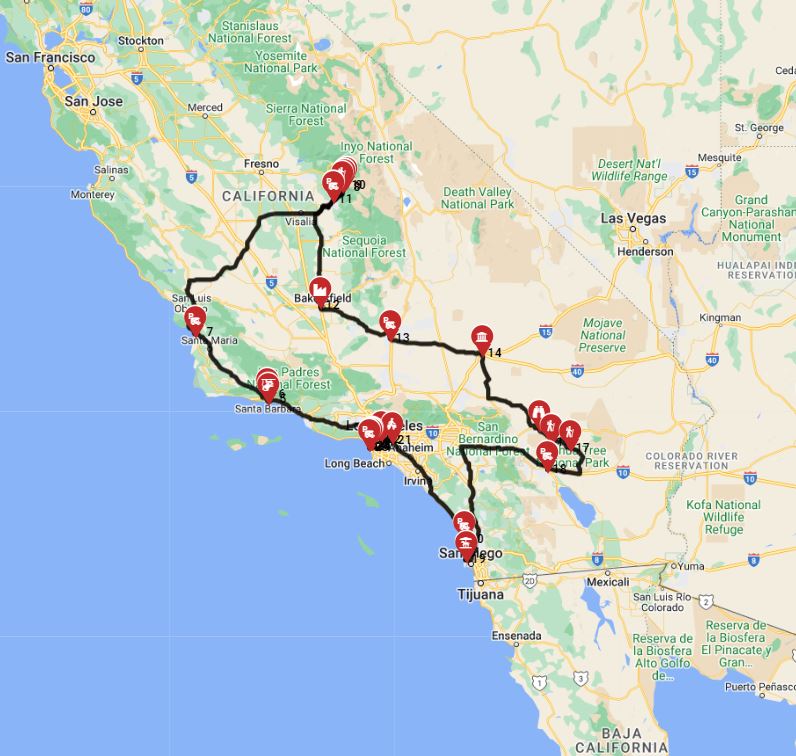
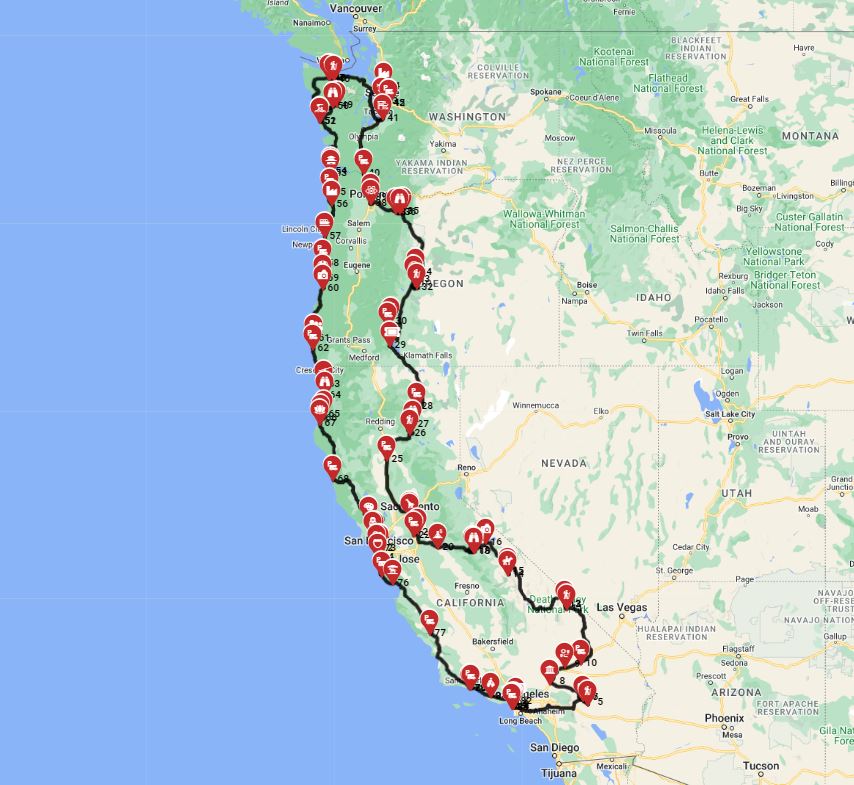
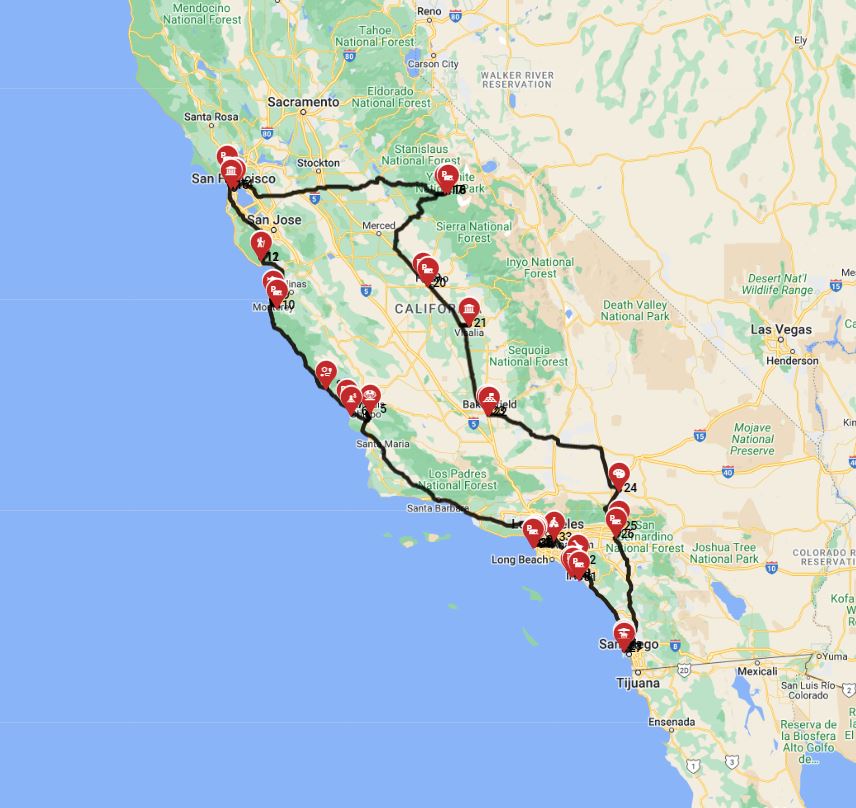
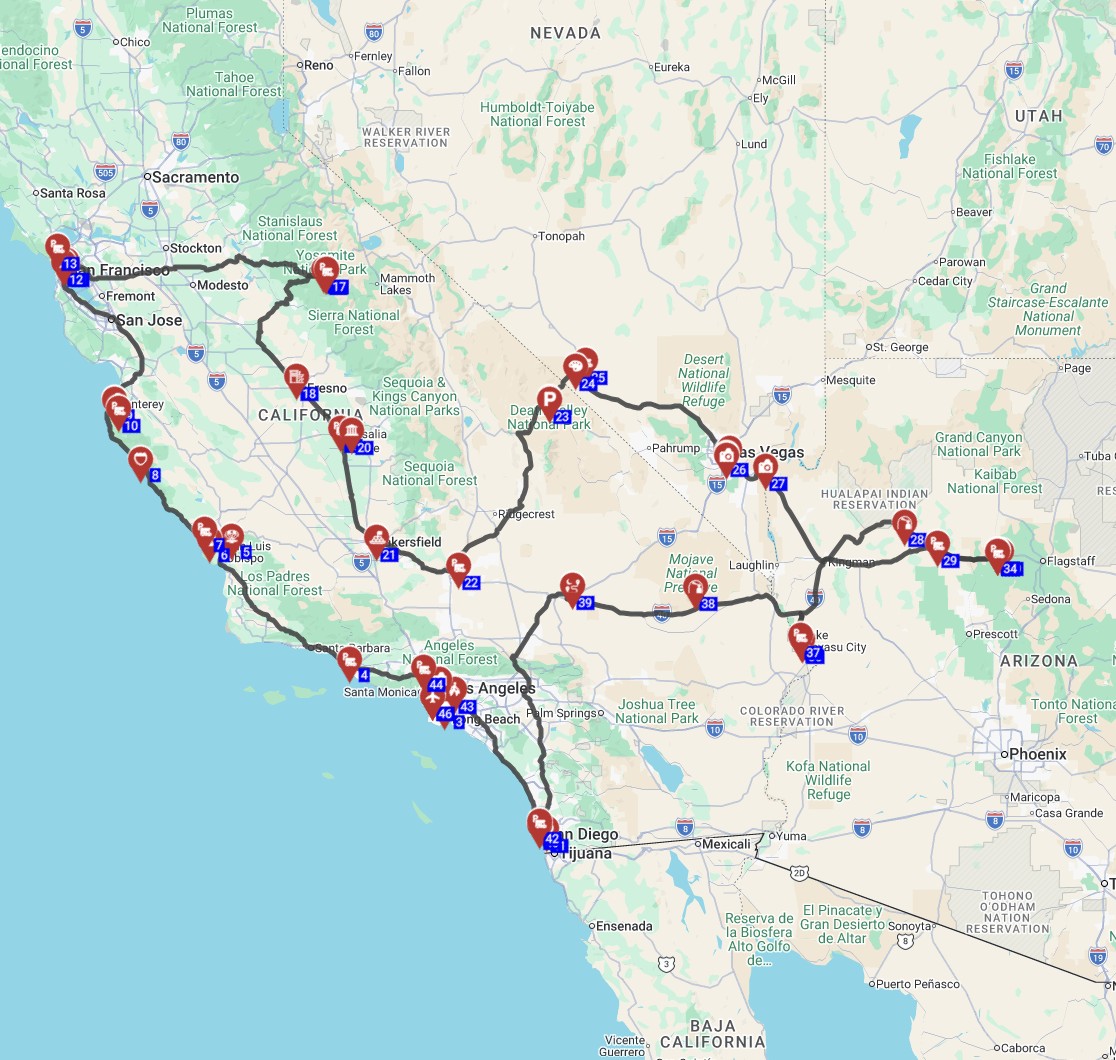
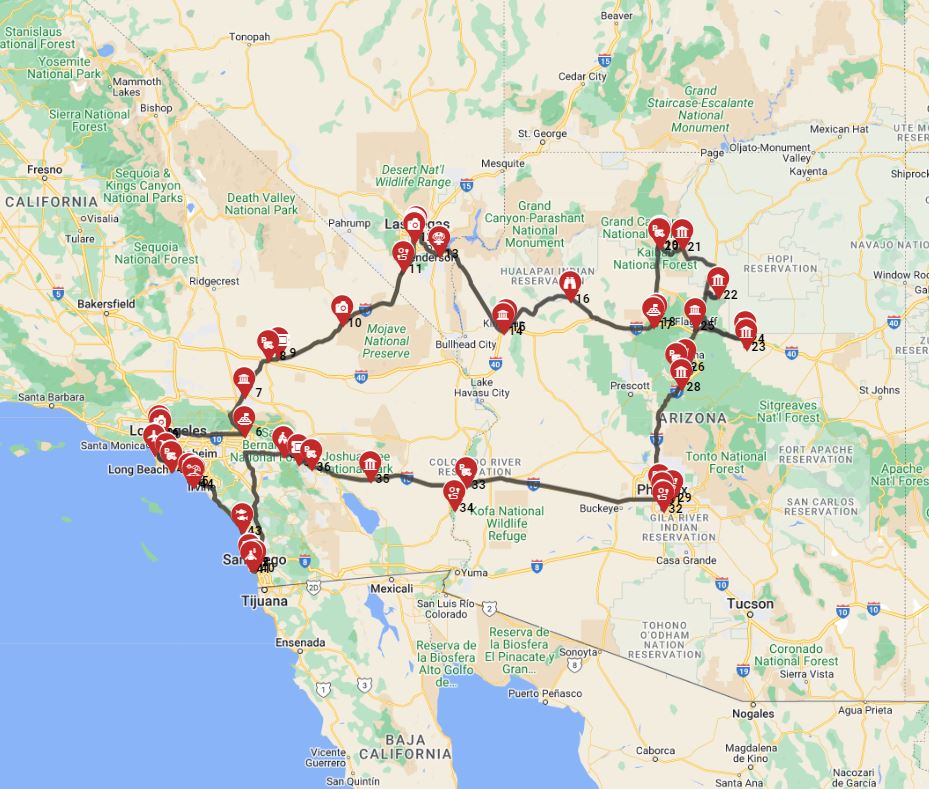
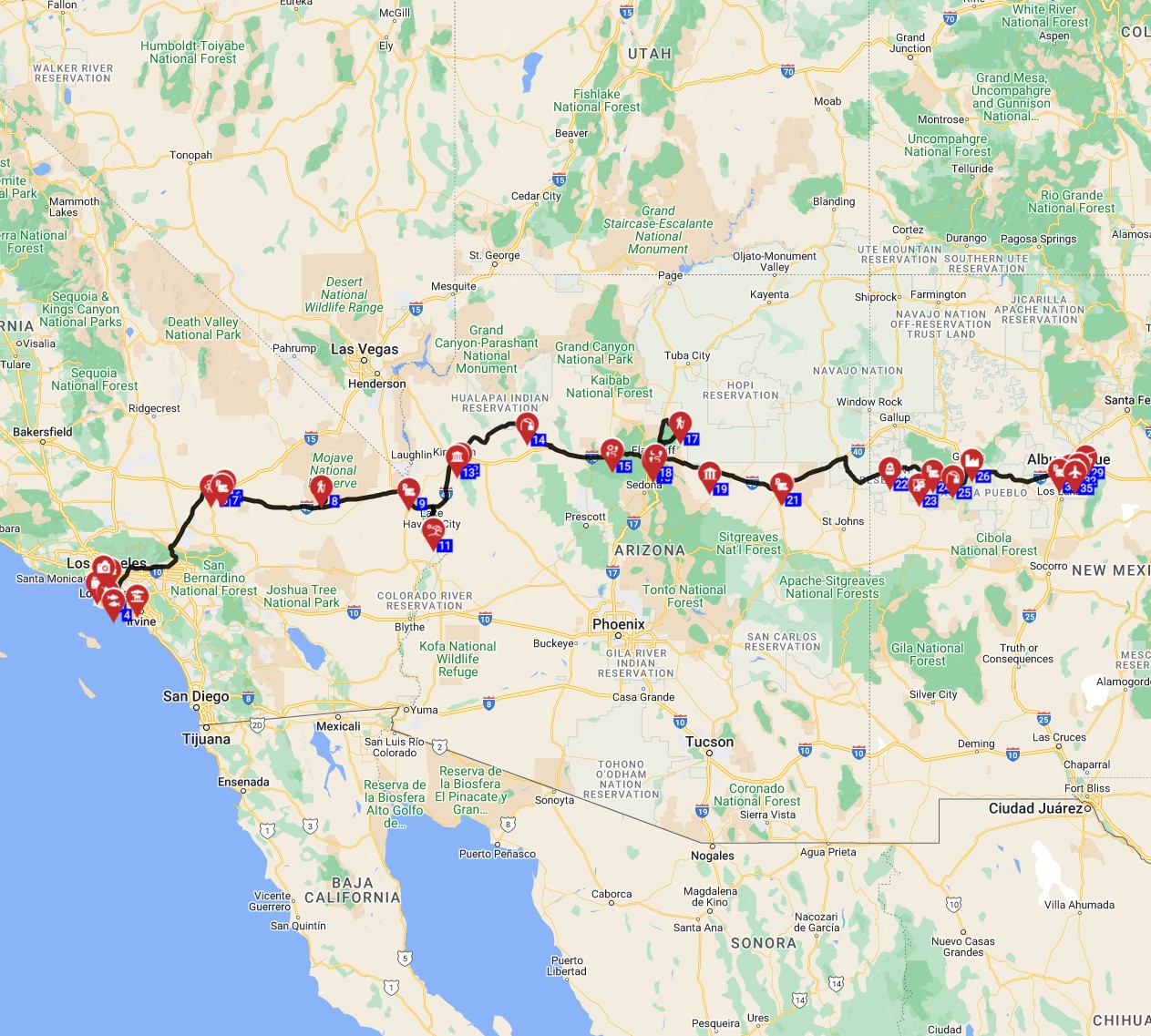
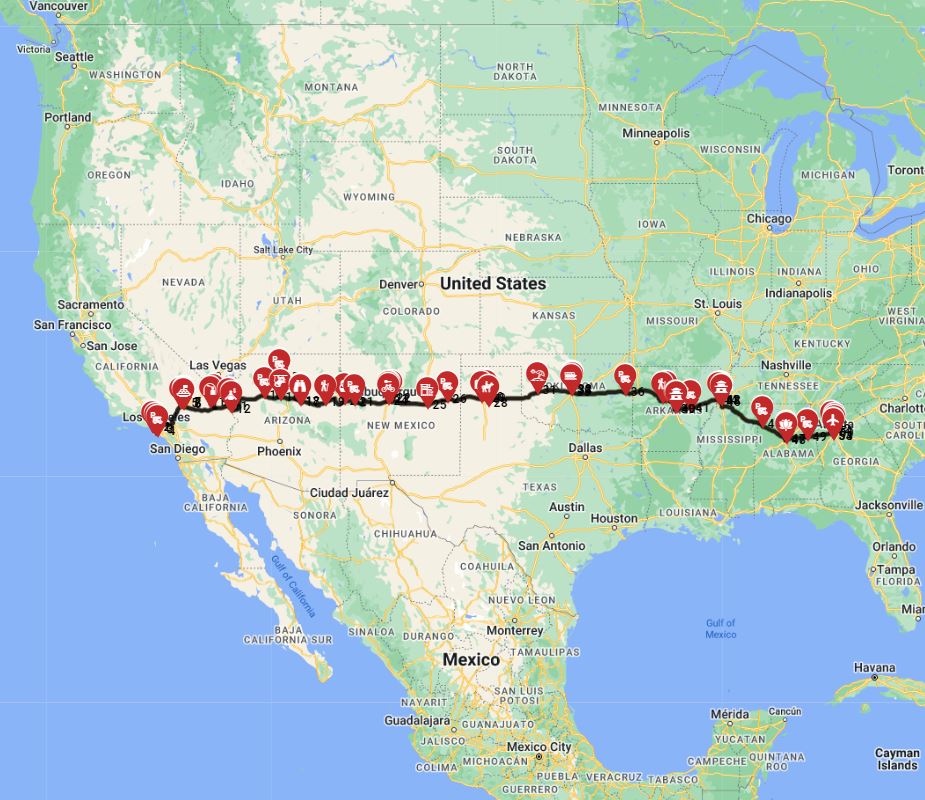
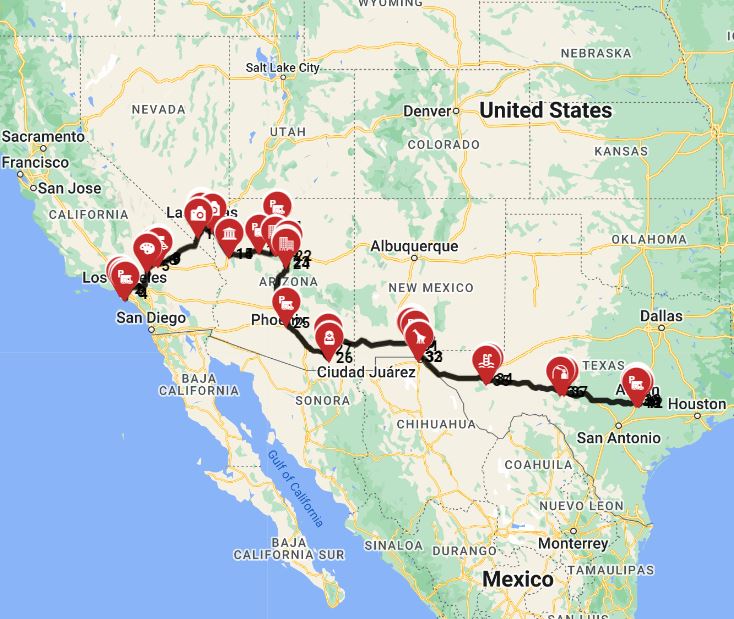
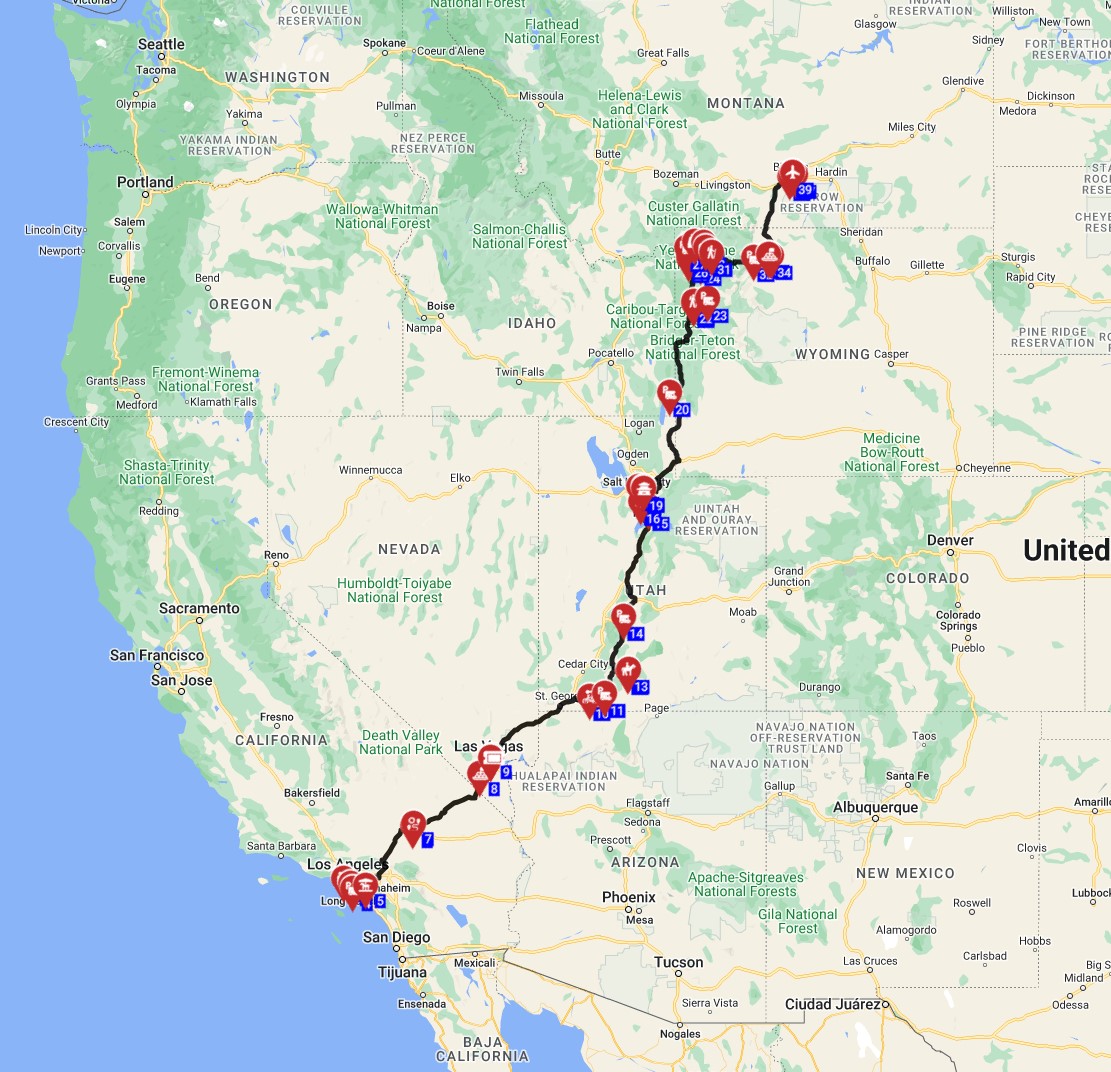
California offers an incredible array of destinations perfect for a rented RV, from stunning coastlines to towering mountains and vast deserts. Iconic National Parks like Yosemite, Sequoia & Kings Canyon, Joshua Tree, and Death Valley are prime RV destinations, but require early reservations for campsites, especially during peak season. The Pacific Coast Highway (Highway 1) offers breathtaking coastal views, with numerous state parks such as Pfeiffer Big Sur and San Simeon State Park providing RV camping options. The Eastern Sierra, including areas around Lake Tahoe and the June Lake Loop, boasts stunning alpine lakes and offers abundant dispersed camping in National Forests like Inyo or Plumas. Beyond Joshua Tree, explore desert gems such as Anza-Borrego Desert State Park for its unique badlands and stargazing, or the scenic Alabama Hills near Lone Pine. Northern California's Redwood National and State Parks offer colossal trees and RV-friendly campgrounds, though some interior roads may have length restrictions. For less-crowded experiences, consider state parks like Humboldt Redwoods State Park, Calaveras Big Trees State Park, or exploring the Modoc National Forest. Our Rent&Plan service can provide pre-planned routes by professionals, helping you discover hidden gems and optimize your journey. A popular 18-day route, "San diego to Seattle - California to the Pacific Northwest", covers 3370.8 km and includes 6 hiking areas, 2 museums, and 1 aquarium, demonstrating the breadth of experiences you can have with a rented motorhome. Another option is the 27-day "What are the rules for RV camping in California State Parks?
Reservations for RV sites in California State Parks are highly recommended, especially during peak season, and can be made up to six months in advance via the ReserveCalifornia website; popular parks often sell out quickly. However, many national and state parks reserve 25-30% of spots as first-come-first-serve, providing opportunities for more spontaneous travelers, so you'll find a spot- if not at the first campground, then the next one, just call ahead before driving. Many state park campgrounds impose specific RV length limits, particularly on older or more winding access roads; always verify site details before booking to ensure your rented motorhome or campervan fits. While many state parks offer RV sites, full hookups (water, electricity, sewer) are not universally available, so be prepared for a mix of full hookup, partial hookup, and dry camping options. State parks strictly enforce quiet hours, typically prohibiting generator use during specific evening and morning periods (e.g., 8 PM to 8 AM), to maintain a peaceful environment for all campers. Only local, heat-treated firewood is permitted to prevent the spread of invasive species, and be aware of seasonal fire restrictions that may ban campfires entirely. Pets are generally allowed in campgrounds and day-use areas but are often restricted from trails and beaches; always check park-specific pet policies before you go. While most bookings are through ReserveCalifornia, some high-demand areas or specific programs might operate via lottery systems or require special permits.Practical RV Logistics in California: Water, Dump, Propane & Groceries
Potable water refill stations are readily available for your rented RV at developed campgrounds, RV parks, and some truck stops across California; apps like iOverlander or RV LIFE Campgrounds can help locate them along your route. Designated RV dump stations for gray and black water are found at most RV parks, many state and national park campgrounds, and some truck stops; always use these facilities responsibly and never illegally dump waste. Propane for cooking and heating in your motorhome can be refilled at RV parks, larger gas stations, hardware stores, and specialized dealers; plan refills strategically before entering remote regions to avoid running out. Major towns and cities across California have supermarkets for grocery shopping, but it's advisable to stock up in larger towns before venturing into remote areas where options are limited and often more expensive, ensuring you can prepare delicious meals on board your rented campervan.Safety and Emergency Preparedness for RVing in California
During wildfire season (late spring through fall) in California, monitor fire conditions, air quality, and potential road closures via official sources like Cal Fire or the National Forest Service; always have an evacuation plan ready and be prepared to change your route if necessary. In the event of an earthquake, secure loose items inside your rented motorhome, pull over if driving to a clear area away from power lines and structures, and follow local emergency instructions via radio or mobile alerts. For mountain driving, use lower gears to control speed on descents and prevent brake overheating; be cautious on switchbacks and blind curves, always driving slowly and carefully. When traveling in deserts during summer, ensure your RV's AC is functional, stay hydrated, avoid strenuous midday activity, and monitor your engine temperature, carrying extra water for emergencies. Always carry a well-stocked first-aid kit, contact information for roadside assistance, basic tools, and a charged cell phone, being aware that cell service can be spotty in remote areas of California. Be mindful of wildlife, especially deer and bears, securing food properly to avoid attracting animals to your campsite, especially in national parks. We offer top-level deductible reimbursement, an optional upgrade you can purchase, for extra peace of mind on your RV adventure.What You Shouldn't Miss
- **Drive the Pacific Coast Highway (Highway 1):** Experience the iconic coastal drive from Big Sur to the redwood forests, stopping at numerous state parks and scenic overlooks.
- **Explore Yosemite National Park:** Witness the grandeur of El Capitan, Half Dome, and Yosemite Falls. Book campsites well in advance or arrive early for first-come, first-serve spots.
- **Wander through Giant Sequoia Groves:** Visit Sequoia and Kings Canyon National Parks to stand among the world's largest trees, such as General Sherman.
- **Discover the Deserts:** Immerse yourself in the unique landscapes of Joshua Tree National Park and the extreme beauty of Death Valley National Park.
- **Taste Wine Country:** Drive your campervan through Napa Valley or Sonoma County, enjoying tastings and culinary delights. Remember to have a designated driver.
- **Stargaze in Anza-Borrego Desert State Park:** Escape city lights for unparalleled dark sky viewing in California's largest state park.
- Looking for expert insights from Avi Bandana? Top 5 Adventures - recommendations from Avi Bandana.
Final Thoughts
California truly offers an unparalleled backdrop for a rented RV adventure, from its sun-drenched beaches to its majestic mountains and serene deserts. With the freedom of your own motorhome or campervan, you can set your own pace, discover hidden gems, and create memories that will last a lifetime. Remember, the journey is just as important as the destination, so take our advice to travel slowly, allowing yourself to fully immerse in the local culture, incredible food, and breathtaking scenery. At Bandana RV, we're here to support you every step of the way, making sure your California road trip is straightforward, enjoyable, and exactly what you dreamed of. We pride ourselves on being true RV specialists, offering full transparency and real human support to help you find the perfect vehicle and plan your ideal itinerary. So, what are you waiting for? Your California adventure awaits!On the routes offered through RV PLANET routes, you can itemize and track every expense along the way for easy budgeting.