In This Guide
- Where to Camp in Texas - Top Options
- Campground Types in Texas (National, Private, Wild)
- Featured RV Park or Campground in Texas
- Hookups & Amenities - What to Expect
- Booking Windows & Reservations in Texas
- Nearby Supermarkets & Resupply Points
- Best RV Class for Camping in Texas
- How to Save on Campgrounds in Texas
- How much does it cost to rent an RV in Texas
- What is the cheapest way to RV in Texas
- Is it worth it to rent an RV in Texas
- Can you boondock in Texas
- What are the RV laws in Texas
- Where can you RV camp for free in Texas
- How much do you spend per day RVing
- What are the best RV resorts in Texas
- Do you need a special license to drive an RV in Texas
- What is the best month to RV in Texas
- What is the most popular RV rental in Texas
Starting an RV adventure in Texas often begins with flying into one of its major airports, such as Dallas-Fort Worth (DFW), Houston George Bush Intercontinental (IAH), or Austin-Bergstrom International (AUS). Finding convenient and comfortable RV camping near these Texas airports is a crucial first step for many travelers. For live availability and current prices, start with our RV Rental Texas - Complete Guide 2026 guide.
Where to Camp in Texas - Top Options
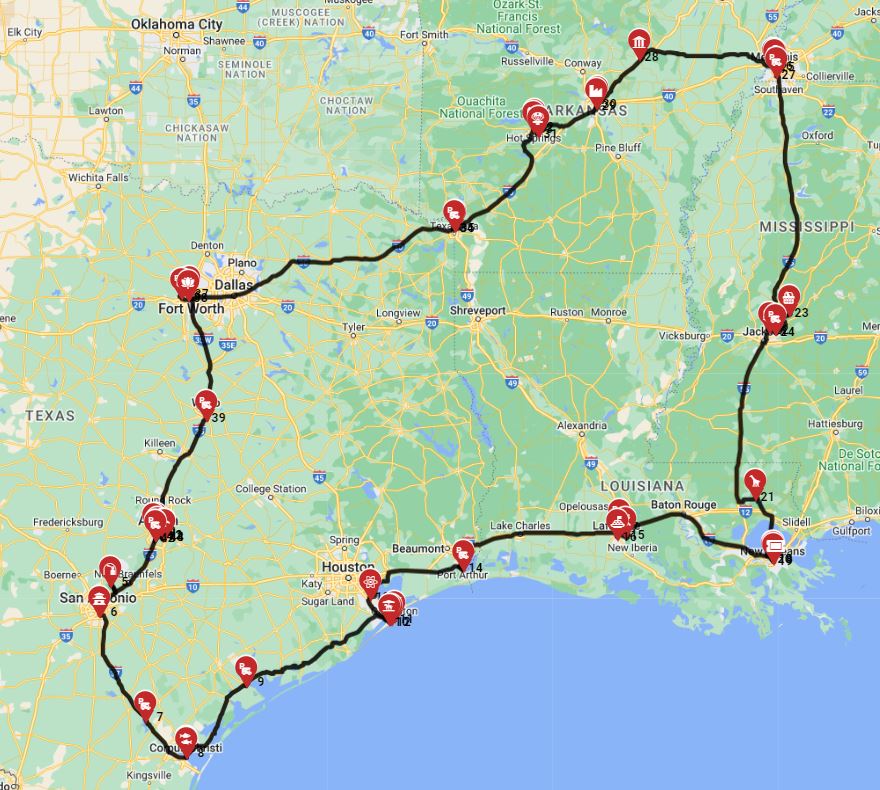
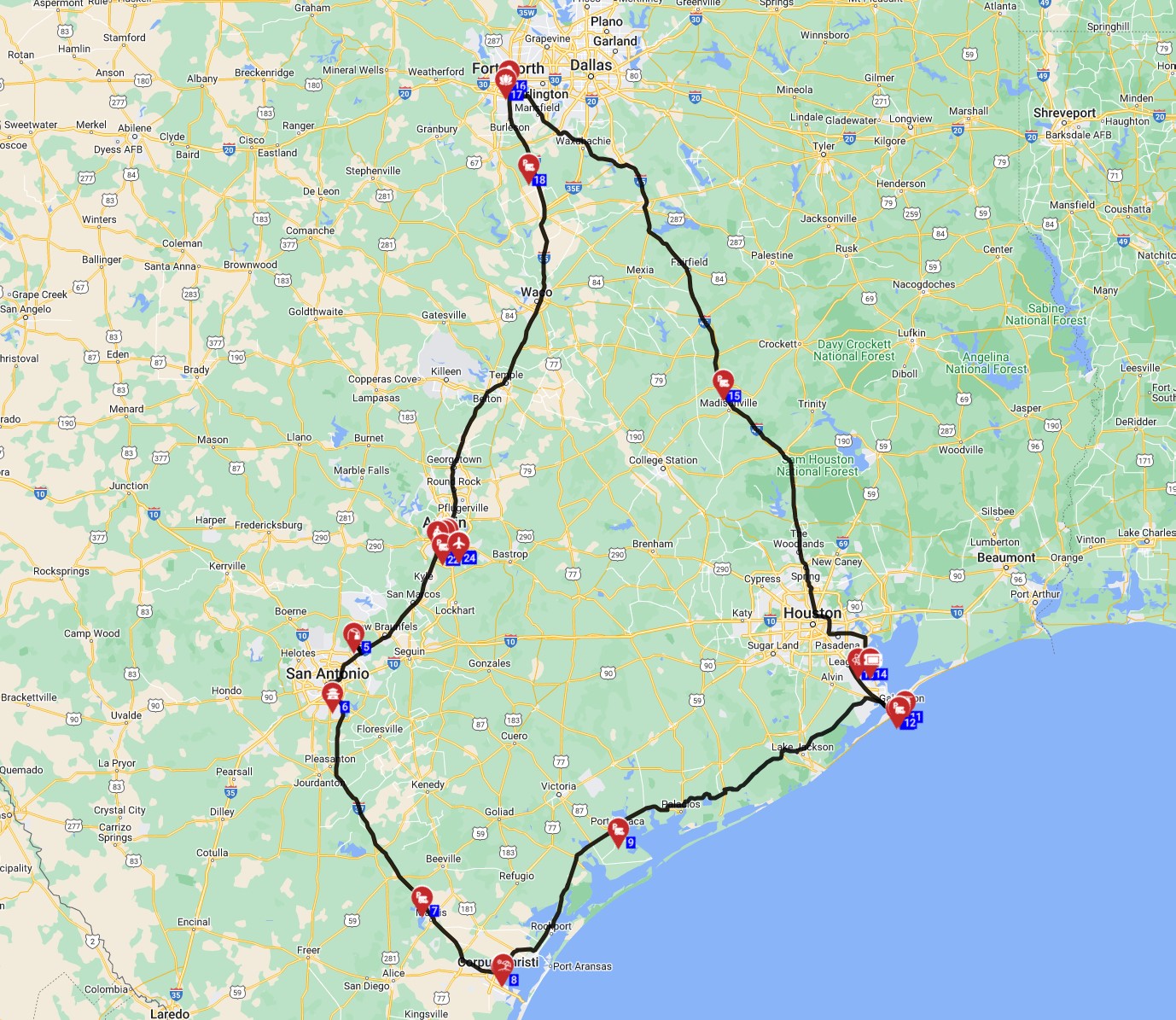
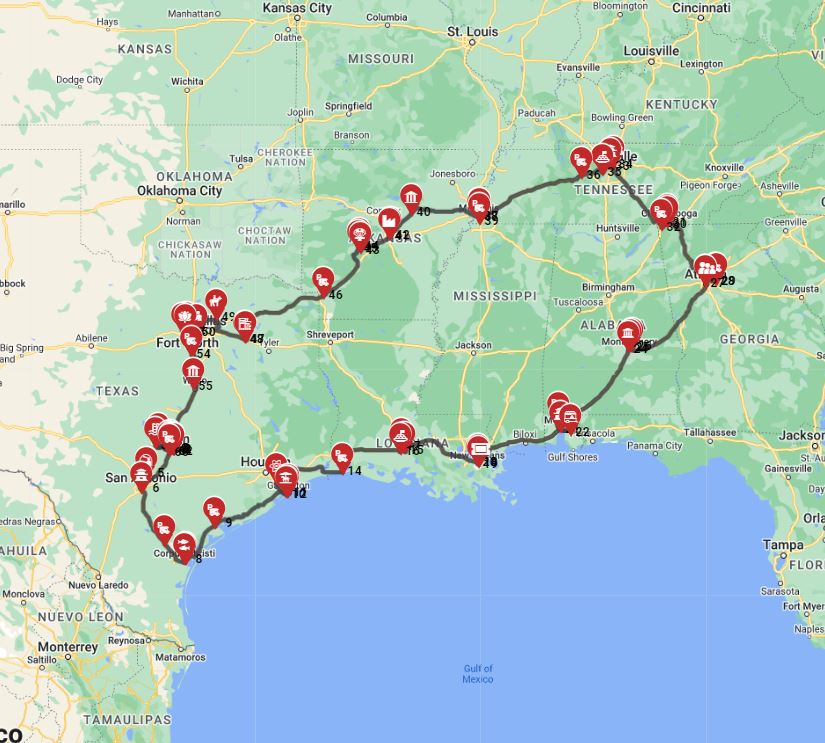
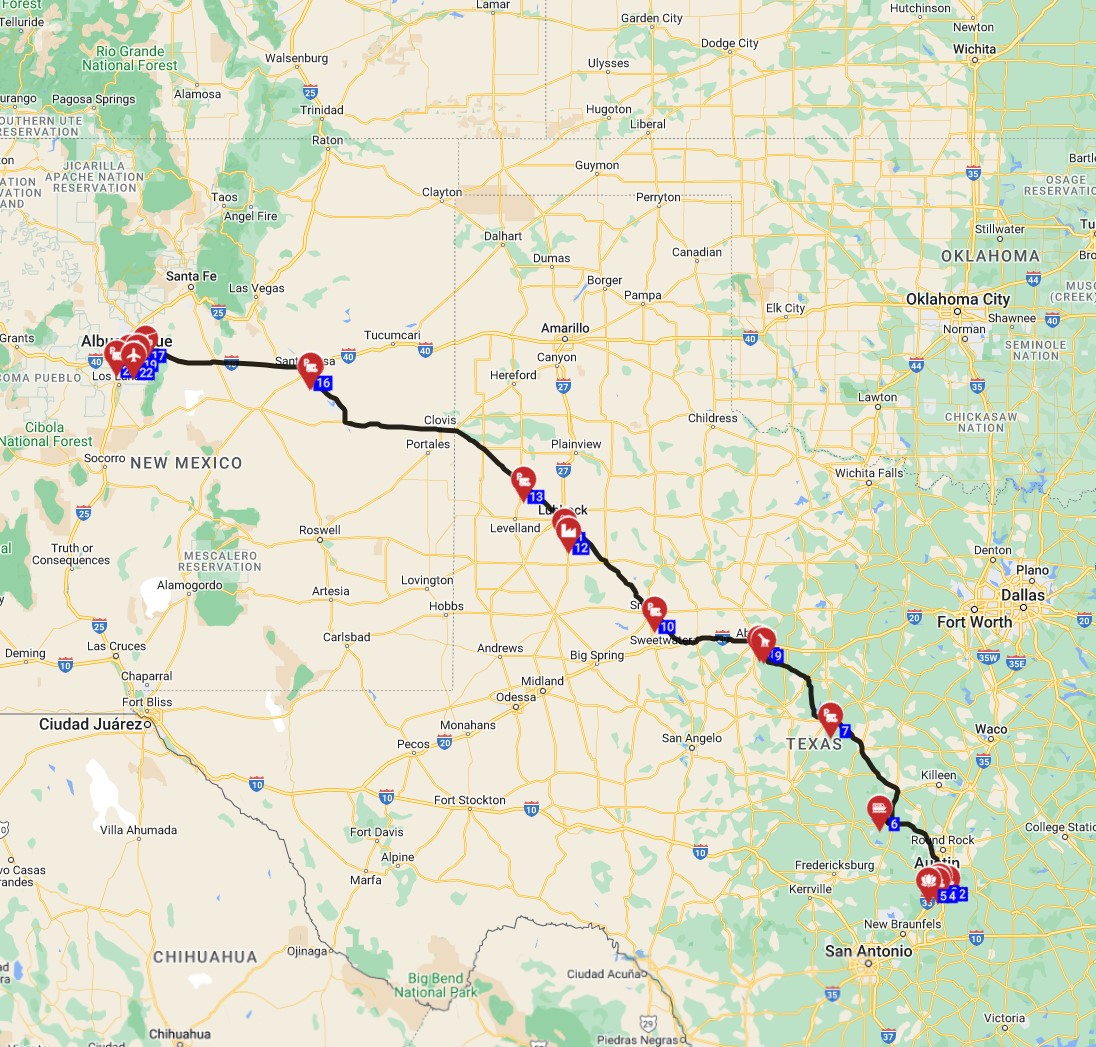
Texas offers an incredible array of camping experiences, from rugged mountain landscapes to serene beachfronts, ensuring every RV traveler finds their perfect spot. Imagine parking your rented motorhome with a view of the vast Chihuahuan Desert in Big Bend National Park, or settling into a cozy site nestled amongst the rolling hills and lakes of Texas Hill Country. For those flying in, many private campgrounds and RV parks are strategically located within a 30-60 minute drive of major airports like DFW and IAH, providing immediate access to your temporary home-on-wheels. The Gulf Coast beckons with numerous beachfront RV parks, allowing you to wake up to the sound of waves, while the dense Piney Woods in East Texas offers shaded retreats and lush greenery.
State parks throughout Texas, including popular spots like Garner State Park, provide well-maintained campgrounds with varying amenities and diverse activities from hiking to water sports. These parks often fill up quickly, especially during peak seasons, so planning ahead is key. Whether you seek solitude in nature or the convenience of a full-service resort, Texas has a camping destination for your rented campervan or motorhome. Exploring diverse ecosystems is a core part of the Texas RV experience, making it perfect for those who want to travel slowly, averaging a maximum of 100-150 km per day to truly immerse themselves in the local culture, food, and scenery.
🎬 Video coming soon
Campground Types in Texas (National, Private, Wild)
Texas provides a wide selection of campground types to suit every preference, whether you prefer full amenities or a rustic, off-grid experience in your rented RV. Federally managed sites within National Parks, Forests, and Bureau of Land Management (BLM) areas, though less common than in western states, offer scenic beauty with basic to moderate amenities; always check specific regulations for these locations in Texas.
State parks in Texas are a popular choice, providing diverse landscapes and often featuring hookups for electricity and water, along with facilities for outdoor activities like hiking, fishing, and swimming. Private campgrounds and RV resorts across Texas are abundant, particularly near popular tourist destinations and major urban centers like Austin and Houston, and often boast extensive hookups (30/50 amp, water, sewer) and luxury features such as pools, Wi-Fi, and planned activities. For the more adventurous, dispersed camping, also known as boondocking, is an option on designated public lands such as the National Grasslands; this free, off-grid style of camping requires self-sufficiency and strict adherence to Leave No Trace principles, so always research and verify specific rules for Texas before embarking.
Featured RV Park or Campground in Texas
When seeking convenient RV camping near Texas airports, numerous private RV parks offer excellent amenities and accessibility. For example, several well-regarded RV resorts are located within a 30-60 minute drive of Dallas/Fort Worth International Airport (DFW) and George Bush Intercontinental Airport (IAH) in Houston, providing easy pickup and drop-off points for your rented camper or motorhome. When selecting a site, prioritize locations with full hookups (electric, water, sewer) to ensure maximum comfort and convenience for your stay.
Consider amenities like swimming pools for cooling off in the Texas heat, laundry facilities for longer trips, pet-friendly areas, and reliable Wi-Fi, which significantly enhance the experience. Before booking, check recent reviews for cleanliness, customer service, and suitability for your family or the size of your rented RV. Many of these parks also offer shuttle services or are close to public transport, making it easier to explore nearby cities without having to navigate city traffic in your motorhome. We recommend looking into specific locations with a 30-minute radius of your arrival airport for the most direct transition into your Texas adventure.
Hookups & Amenities - What to Expect
When renting an RV in Texas, you'll find that most developed campgrounds and private RV resorts offer a comprehensive range of hookups and amenities to ensure a comfortable trip. Electrical service typically includes both 30-amp and 50-amp connections, accommodating various motorhome sizes and power needs. You can expect fresh water hookups and sewage dump stations to be standard at full-hookup sites, allowing for convenient access to utilities right at your campsite. On the routes offered through RV PLANET routes, you can itemize and track every expense along the way for easy budgeting.
Connectivity options vary; Wi-Fi is common in private resorts but less available in state or national parks, where cellular data might be your best bet. Beyond essential hookups, many campgrounds offer additional conveniences like clean laundry facilities, hot showers, and well-maintained restrooms. Some premium RV resorts even include cable TV, swimming pools, fitness centers, and recreational halls, enhancing your vacation experience. Always check the specific campground's website or call ahead to confirm available amenities before you book your spot for your rented campervan or motorhome.
Booking Windows & Reservations in Texas
For popular Texas state parks and private RV resorts, especially during peak seasons like spring (March-May), fall (September-November), and major holidays, booking 3-6 months in advance is highly recommended to secure your preferred spot. However, don't despair if you're a spontaneous traveler; many national and state park campgrounds reserve only 25-30% of their spots for advance reservations, leaving the majority available on a first-come, first-served basis. This means you can often find same-day or next-day spots, particularly during shoulder seasons or in less popular areas of Texas.
When traveling in your rented RV without a reservation, it's always a good idea to call ahead to confirm availability before driving a long distance to a campground. You'll almost certainly find a spot; if not at the first campground, then at the next one down the road. Flexible dates and destinations can significantly increase your chances of finding last-minute RV rental deals in Texas, and utilizing a platform like Bandana RV allows you to compare final prices across 50+ leading RV suppliers worldwide, ensuring no hidden fees or surprises at pickup.
Nearby Supermarkets & Resupply Points
Texas is well-equipped with major supermarket chains and resupply points, making it easy to stock your rented RV throughout your trip. You'll find widespread access to stores like H-E-B, Kroger, Walmart Supercenters, and Randalls in most towns and cities across the state. Even when venturing to more remote camping destinations, smaller local grocery stores or convenience stores are often available to provide essential provisions, from fresh produce to propane tanks.
Planning your RV route through Texas to pass through towns with adequate resupply options is a smart strategy for managing your food, water, and fuel needs. Don't forget to consider local farmers' markets for fresh, regional produce and unique Texan specialties. For cooking delicious meals right in your RV's kitchen, check out our RV-friendly recipes playlist on YouTube. Keeping track of these ancillary costs, including groceries, fuel, and campground fees, is made simple with RV PLANET routes, which allow travelers to itemize and track every expense for easy budgeting.
Best RV Class for Camping in Texas
Choosing the best RV class for your Texas adventure depends on your travel style, group size, and desired comfort level. For couples or solo travelers prioritizing maneuverability, urban exploration, and fitting into smaller campsites, Class B Camper Vans are an excellent choice. These compact RVs, with Bandana's global fleet averaging 5.8m in length, sleeping 3.2 people, and offering about 10 Liter/100 km fuel efficiency, are agile enough for city driving and parking near airports.
If you're traveling with a family or a larger group, Class C Alcove RVs, averaging 7.5m in length and sleeping 5.8 people, provide more space and amenities. These are well-suited for full-service campgrounds and longer road trips across Texas's diverse regions. For a balance of comfort and fuel efficiency, Class SI - Semi-integrated motorhomes, with an average length of 6.9m and sleeping 3.8 people, are a popular option for couples or small families. For maximum luxury and space, ideal for extended stays at premium RV resorts, consider Class A - Integrated motorhomes, averaging 7.5m in length and sleeping 4.4 people. Remember, driving slowly and carefully, you can drive almost anywhere without issues in Texas; no need to stress about RV size - just use common sense and pay attention. When considering a specific rented campervan, such as a "Category Van" (features include front air conditioning, ideal for a couple, recent model, small RV size), it's important to match its features to your trip needs.
Another popular option is the "cruise america rv rental example Explorer", a motorhome with 4 sleeping places, 4 seat belts, 7.1m length, and a fuel consumption of 11 Liter/100 Km.
How to Save on Campgrounds in Texas
Saving money on campgrounds in Texas is achievable with a few smart strategies, allowing you to stretch your vacation budget further. One effective method is to utilize campground discount cards, which are often available through rental providers or membership programs and can offer significant savings on nightly rates. Planning your trip during the shoulder seasons (spring and fall) typically results in lower rates and fewer crowds compared to the peak summer months.
Choosing municipal, county, or regional campgrounds over pricier private RV resorts can also lead to substantial savings. These sites often provide excellent facilities at a fraction of the cost. If your itinerary allows, opt for weekly rates by extending your stay to three or more nights where available, as many campgrounds offer discounted rates for longer durations. Lastly, if permitted by the campground, consider sharing hookup costs or splitting site fees with another RV group. Platforms like Bandana, founded in 2001, specialize in RV rentals and work with over 50 leading suppliers like El Monte and Cruise America, ensuring you compare final prices with full transparency and no hidden fees.
How much does a motorhome rental cost in Texas?
Motorhome rental costs in Texas typically range from $100 to $300 per night, with prices varying significantly based on the RV class, rental duration, season, and specific vehicle features. For instance, smaller Class B camper vans usually fall on the lower end of this spectrum, while larger Class A or C models, especially during peak travel times, can be more expensive. These base rates are dynamic, changing daily based on availability and supplier decisions, similar to flight tickets, so the final price is set at the actual booking time.
Beyond the base rental rate, additional expenses often include insurance, mileage fees, preparation fees, and taxes, which can add an extra 20-50% to the initial base rate. Travelers should also budget for fuel, nightly campsite fees, and provisioning their rented RV with groceries for home-cooked meals. Bandana Caravan ensures full price transparency, showing you exactly what you pay with no surprise fees at pickup.
What is the cheapest way to RV in Texas?
The cheapest way to experience RV travel in Texas involves strategic choices regarding your rented vehicle and camping habits. Opting for a smaller, more fuel-efficient RV, such as a Class B Camper Van (which averages about 10 Liter/100 km fuel consumption in Bandana's global fleet), will significantly minimize your fuel expenses over a long trip. Prioritize dispersed camping or free sites on public lands, such as designated National Grasslands, to eliminate nightly campground fees entirely, which can be a major cost saver.
Cooking most of your meals in your rented motorhome's kitchen, utilizing groceries from local supermarkets, will substantially cut down on restaurant costs. Traveling during the shoulder seasons (spring or fall) often provides the dual benefit of lower rental rates and potentially cheaper campsite fees, as demand is not at its peak. Additionally, exploring campground discount programs or membership cards can further reduce nightly expenses at private parks. Remember, true RV specialists like Bandana offer 25% planning discount when you use rvplan.net to organize your trip.
Is it worth it to rent an RV in Texas?
Renting an RV in Texas is highly worthwhile for travelers seeking unmatched flexibility and the freedom to explore the state's incredibly diverse landscapes at their own pace. A rented motorhome provides a mobile headquarters, allowing you to embrace spontaneous itinerary changes and discover remote natural beauty not easily accessible by other means. For families or groups, RV travel can offer significant cost savings on both accommodation and food compared to booking multiple hotel rooms and dining out for every meal.
The experience offers a unique blend of adventure, comfort, and bonding opportunities, creating lasting memories. Imagine enjoying a week-long trip through the Hill Country or a two-week adventure along the Gulf Coast with all the comforts of home. With Bandana Caravan, you benefit from our experience since 2001, helping tens of thousands of travelers explore the world by RV, ensuring your Texas adventure is accessible, transparent, and joyful.
Can you boondock in Texas?
Yes, boondocking is indeed possible in Texas, primarily on designated public lands managed by the National Forest Service and the Bureau of Land Management (BLM). Opportunities for free, off-grid camping are most commonly found in areas such as specific National Grasslands, which are managed by the U.S. Forest Service. However, it's important to note that boondocking options are less abundant and widespread in Texas compared to many of the western U.S. states.
Always conduct thorough research and verify specific regulations, allowable stay durations, and any necessary permits with the managing agency before attempting to boondock with your rented RV. Some Wildlife Management Areas (WMAs) may also permit primitive camping, often requiring a specific permit and typically tied to hunting or fishing licenses. When boondocking, it's critical to be entirely self-sufficient, carrying all your water, food, and waste, and always practicing Leave No Trace principles. For pre-planned routes that include diverse camping options, including potential boondocking friendly areas, check out RV PLANET (rvplan.net).
What are the RV laws in Texas?
RV laws in Texas are designed to ensure safety on its extensive road network, and most standard RV rentals are covered by a regular driver's license. For the majority of rented recreational vehicles, a standard Class C driver's license is sufficient for operation, meaning you won't need any special permits or a Commercial Driver's License (CDL). However, if your rented RV has a Gross Vehicle Weight Rating (GVWR) exceeding 26,000 pounds, a Class B non-commercial license is required. Similarly, if you're operating a combination of vehicles (e.g., a motorhome towing a substantial trailer) with a combined GVWR over 26,000 pounds where the towed unit exceeds 10,000 pounds, a Class A non-commercial license is necessary.
All RVs in Texas must be properly registered, insured, and adhere to state safety inspection requirements. Texas also enforces maximum vehicle dimensions: combination vehicles generally cannot exceed 65 feet in length, and single RVs are limited to 45 feet, with a maximum width of 8.5 feet. Local ordinances also govern RV parking on private and public property, so always be aware of local signs. Crucially, RVs should not be occupied while in motion, emphasizing safety for all passengers. Drive slowly and carefully, and you can drive almost anywhere without issues. No need to stress - just use common sense and pay attention. Consider exploring the "
Where can you RV camp for free in Texas?
Free RV camping in Texas is primarily available on designated public lands, offering self-sufficient travelers an economical way to explore the state. The most common opportunities for free camping are found on portions of National Grasslands, such as the Caddo National Grassland and the Lyndon B. Johnson National Grassland, where dispersed camping is permitted by the U.S. Forest Service. These sites typically lack amenities like hookups, potable water, or restrooms, so RVers must be prepared to be entirely self-sufficient, carrying in and carrying out all necessities.
Additionally, some Wildlife Management Areas (WMAs) in Texas may offer primitive or free camping, though this usually requires obtaining appropriate permits, which are often associated with hunting or fishing licenses. Always verify current regulations and permit requirements with the managing agency before setting up camp in these areas. Practicing Leave No Trace principles is crucial to preserve these natural spaces for future visitors. While less widespread than in many western states, free camping spots exist if you know where to look and plan accordingly for your rented mobile home. Bandana Caravan operates in over 50 countries, with local expertise and support to guide your planning process.
How much do you spend per day RVing?
Daily RVing expenses in Texas can widely range from $50 to over $200, heavily dependent on your travel style, chosen campgrounds, and activity level. Campsite fees typically cost between $20-$75 per night for developed sites with full hookups in state parks or private resorts, whereas dispersed camping can be entirely free. Fuel is a significant variable, with Class C Alcove RVs averaging 10-12 Liters/100 km, meaning longer distances across Texas will increase costs substantially.
Food expenses can be minimized by cooking most of your meals in your rented RV's kitchen, typically costing $20-$40 per day for groceries, significantly less than dining out. Don't forget to budget for activities, national or state park entrance fees, and any unexpected maintenance or supplies. For example, the "

What are the best RV resorts in Texas?
The best RV resorts in Texas provide a luxurious camping experience with extensive amenities, catering to travelers seeking comfort, convenience, and entertainment. Many top-rated resorts are strategically located near popular destinations like the vibrant Gulf Coast (e.g., Galveston, Corpus Christi), the picturesque Texas Hill Country (e.g., Fredericksburg, New Braunfels), or major metropolitan areas such as Dallas and Houston. These premium locations are ideal for families or couples looking for a pampered retreat in their rented motorhome.
Top-tier RV resorts in Texas typically feature full hookups, expansive swimming pools, spas, clubhouses with organized activities, modern fitness centers, and sometimes even private lake or beach access. Many also offer pet-friendly facilities, robust Wi-Fi connectivity, and meticulously landscaped grounds, creating a superior camping environment. For instance, you can find a "Luxury Small" motorhome (features include 100L fresh water tank, sleeps 2, 6.75m length) perfect for exploring these high-end resorts. When you’re planning your trip, consider using rvplan.net for pre-planned routes by professionals, which include details on such upscale camping options.
Do you need a special license to drive an RV in Texas?
For the vast majority of rented recreational vehicles in Texas, including Class A, Class B, and Class C motorhomes, a standard Class C driver's license is perfectly sufficient for legal operation. This means no special license, Commercial Driver's License (CDL), or additional permits are required for most RV rentals, simplifying the process for travelers. However, it's important to be aware of specific weight thresholds.
A Class B non-commercial driver's license is required if the RV's Gross Vehicle Weight Rating (GVWR) exceeds 26,000 pounds. Furthermore, if you are operating a combination of vehicles where the combined GVWR is over 26,000 pounds and the towed unit alone weighs more than 10,000 pounds, a Class A non-commercial license is necessary. Always confirm the specific GVWR of your rented RV to ensure you possess the appropriate license. The minimum rental age in Texas is 21 years old, and Bandana Caravan offers rentals with no young driver surcharges or vehicle class restrictions based on age, making RV travel accessible to a broader audience.
What is the best month to RV in Texas?
The best months to enjoy an RV trip in Texas are generally during the spring (March to May) and fall (September to November), as these seasons offer the most pleasant temperatures and lower humidity. Spring provides ideal weather for exploring Texas state parks, like Big Bend Ranch State Park, and witnessing spectacular wildflower blooms, especially throughout the Hill Country. This period is also popular for outdoor activities such as hiking, biking, and river excursions in your rented campervan.
Fall brings wonderfully comfortable conditions perfect for extensive outdoor exploration and enjoying localized fall foliage without the intense summer heat that can make RVing challenging. While summer (June-August) offers opportunities for water-based activities along the Gulf Coast, temperatures can be extremely high, so be prepared with robust air conditioning and shade solutions for your motorhome. Winter months (December-February) are generally mild in Southern Texas but can bring unexpected cold snaps to northern regions, so consider your destination and vehicle's winter readiness carefully. Traveling during these shoulder seasons not only offers better weather but can also provide better rental deals for vehicles like a "rent motorhome example E3" or a "campervan hire example Explorer" through Bandana's direct partnerships with 50+ leading RV suppliers worldwide.
What is the most popular RV rental in Texas?
In Texas, Class C Alcove RVs and Class B Camper Vans are consistently the most popular rental choices, appealing to a wide range of travelers due to their versatility and comfort. Class C Alcove RVs, like the "rv rentals utah example Sunrise Escape" (averaging 7.6m length, sleeps 5.8), are highly favored by families for their spaciousness, comprehensive integrated amenities, and comfortable sleeping arrangements. These vehicles often come with a kitchen, bathroom, and dining area, making them perfect for longer trips and full-service campgrounds across Texas.
Class B Camper Vans, such as the "rv rental atlanta example US Tourer" (averaging 6.1m length, sleeps 3, 10-15L/100km fuel consumption), are increasingly popular with couples or small groups. Their smaller footprint (averaging 5.8m length, sleeps 3.2, 10 Liter/100 km fuel efficiency) offers greater maneuverability, improved fuel economy, and ease of parking in diverse environments, from city streets to remote natural areas. The choice ultimately depends on balancing desired space and amenities with ease of driving and budget-conscious fuel consumption. Bandana Caravan, a true RV specialist, offers bookings in 30+ currencies with full price transparency.
What You Shouldn't Miss
- Explore Big Bend National Park: Journey through a unique desert and mountain landscape, offering some of the best stargazing in North America with primitive camping options.
- Wineries and Waterways in the Texas Hill Country: Visit charming towns like Fredericksburg, enjoy wine tastings, and swim or kayak in spring-fed rivers such as the Guadalupe River.
- Relax on the Gulf Coast: Experience the sandy beaches and abundant wildlife of Padre Island National Seashore or Galveston Island State Park with beachfront RV camping.
- Discover the Piney Woods: Escape to the dense forests of East Texas for hiking, fishing, and peaceful retreats in state parks like Caddo Lake State Park, known for its cypress trees and bayous.
- Step Back in Time at the Alamo & San Antonio River Walk: Immerse yourself in history and vibrant culture in San Antonio, with numerous RV parks located just a short drive from the city.
- Looking for expert insights from Avi Bandana? Top 5 Adventures - recommendations from Avi Bandana
Final Thoughts
Exploring Texas by rented RV offers an unmatched sense of freedom and discovery, whether you're starting your journey right from a major airport or venturing deep into its diverse landscapes. From the bustling cities with convenient airport-proximate campgrounds to the serene national parks and vibrant coastal towns, Texas truly has something for every type of RV traveler. We encourage you to embrace the spirit of slow travel, allowing yourself to fully immerse in the rich culture, delicious food, and breathtaking scenery that this incredible state has to offer.
With Bandana Caravan, you're not just booking a vehicle; you're securing a seamless and transparent rental experience backed by genuine RV specialists. We're here to support you every step of the way, from comparing the best deals on motorhomes and campervans to offering expert route planning tools through RV PLANET. Your next week-long trip or extended adventure in Texas is waiting, filled with open roads and unforgettable memories. Let's make it happen!
Get inspired for your next trip! Discover top destinations, planning tips, all in one place!