For live availability and current prices, start with our RV Rental Ireland - Complete Guide 2026 guide.
In This Guide
- Where to Camp in Ireland — Top Options
- Campground Types in Ireland (National, Private, Wild)
- Featured RV Park or Campground in Ireland
- Hookups & Amenities — What to Expect
- Booking Windows & Reservations in Ireland
- Nearby Supermarkets & Resupply Points
- Best RV Class for Camping in Ireland
- How to Save on Campgrounds in Ireland
- Is it cheaper to rent an RV or car in Ireland?
- Is wild camping legal in Ireland?
- Do you need an international driver's permit to rent an RV in Ireland?
- How much does it cost to rent an RV in Ireland for a week?
- Can you pick up an RV in one city and drop it off in another in Ireland?
- What side of the road do you drive on in Ireland?
- What is the best month to RV in Ireland?
- Beyond the Wild Atlantic Way - Exploring Ireland's Diverse Routes
- Emergency Preparedness and Connectivity on Your Irish RV Trip
- Sustainable RV Travel and Cultural Immersion in Ireland
Where to Camp in Ireland — Top Options
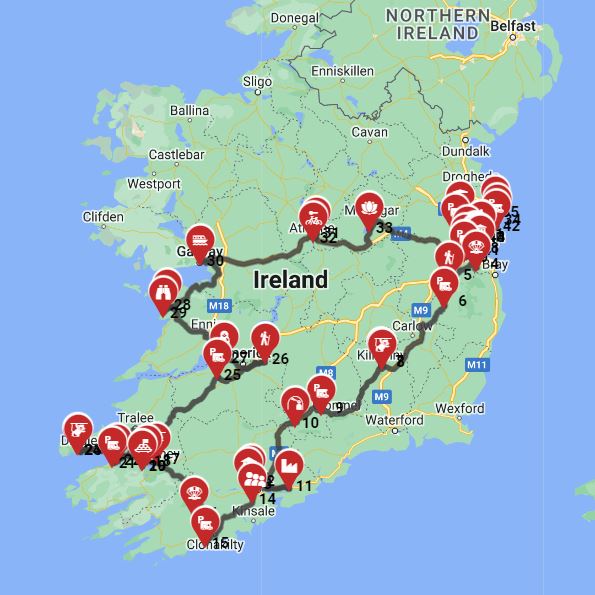
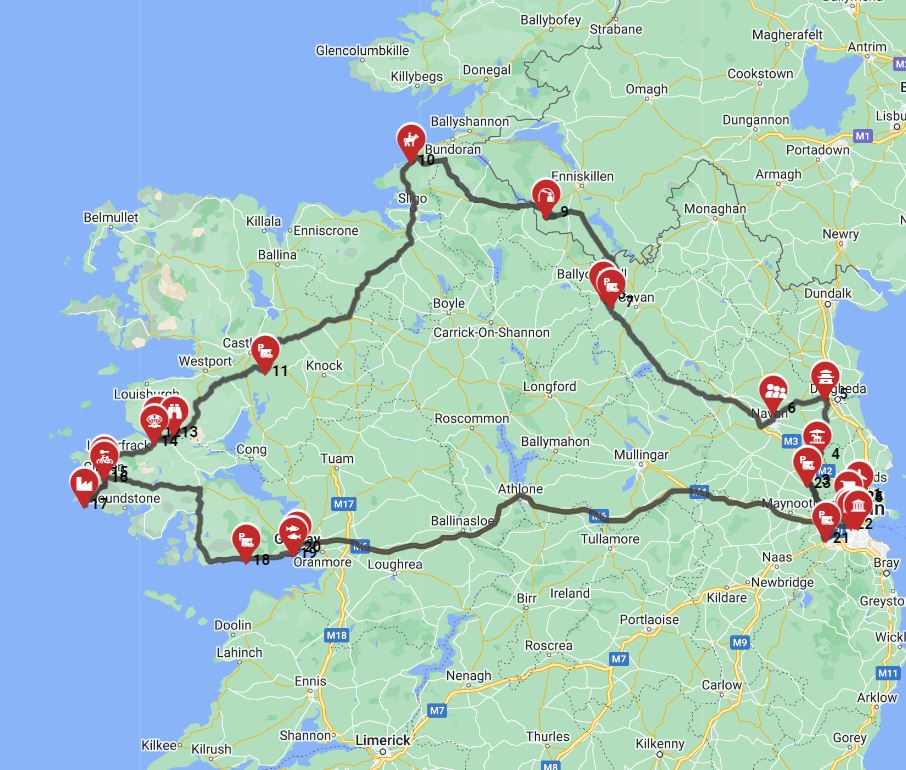
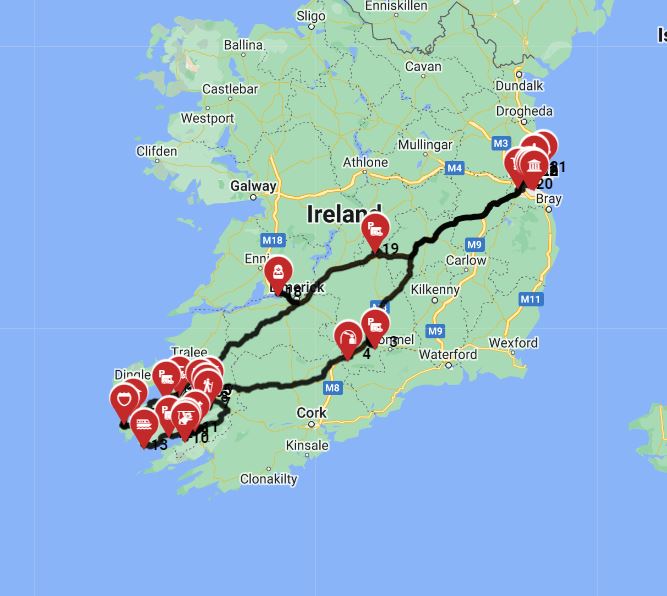
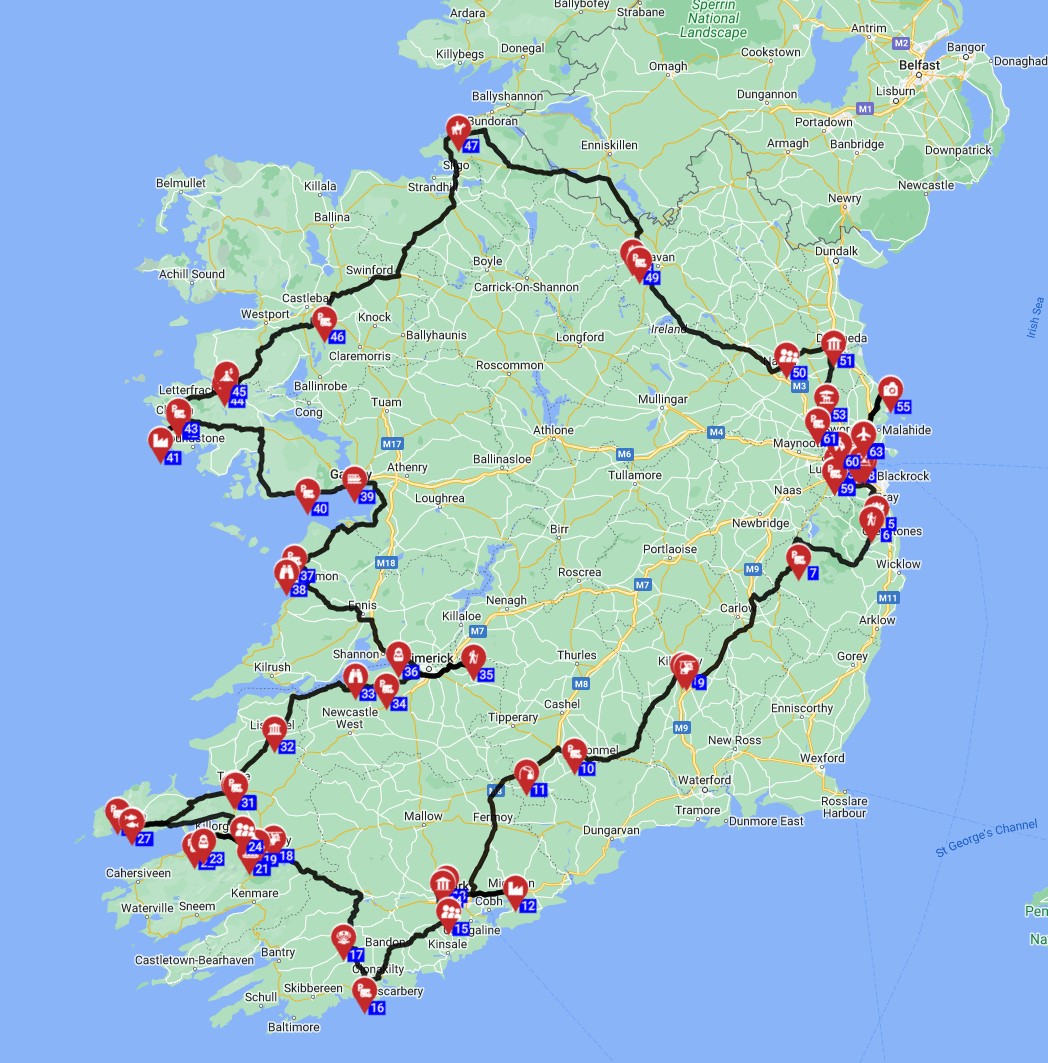
Ireland offers diverse camping experiences, from bustling coastal parks to tranquil inland retreats, with popular regions including County Kerry's scenic routes, the rugged beauty of Connemara, and convenient sites near cultural hubs like Dublin. For campers seeking breathtaking ocean vistas, coastal campsites are ideal, while inland options provide access to national parks, serene lakes, and historical treasures. Popular regions for RV exploration include the famous Ring of Kerry, the dramatic landscapes of Connemara National Park, and well-equipped sites near major cities such as Dublin and Cork, offering a blend of natural beauty and urban convenience.
Campground Types in Ireland (National, Private, Wild)
Camping in Ireland presents a variety of options, primarily divided into private campgrounds, a limited number of state-run sites, and a nuanced approach to wild camping. Private campgrounds are the most prevalent, offering comprehensive amenities such as electric hookups, hot showers, and laundry facilities. State-run campsites, while fewer, are often situated in stunning natural landscapes and provide more basic facilities. Wild camping, on the other hand, is a complex topic; it is generally not legally permitted on private land without the owner's explicit permission and is typically prohibited within National Parks to protect their delicate ecosystems. However, responsible and discreet 'free camping' may be tolerated in very remote, undesignable public areas, provided 'Leave No Trace' principles are strictly followed, including proper waste disposal and respecting local customs.
Featured RV Park or Campground in Ireland
While specific campground preferences vary greatly, an exemplary RV park in Ireland typically combines scenic beauty with essential amenities and proximity to local attractions, serving as a comfortable base for exploration. When selecting a site, look for campgrounds that offer crucial services like electricity and water hookups, waste disposal stations, and well-maintained facilities such as hot showers and laundry rooms. Prioritizing locations near major tourist sites or charming towns ensures easy access to cultural experiences and local amenities. Many of the best campgrounds also feature well-kept pitches, dedicated play areas for children, and sometimes on-site shops or eateries, all contributing to a supportive and enjoyable RVing experience that often supports local economies.
Hookups & Amenities — What to Expect
Established private RV parks and campgrounds across Ireland are well-equipped to cater to motorhome travelers, commonly providing essential hookups for electricity (typically 230V), fresh water, and waste disposal. You may need adapters for European-style campsite hookups, so it's wise to carry both standard European two-pin and possibly three-pin (Type G) plug adapters. Fresh water taps and facilities for emptying grey water and chemical toilets are widely available at most reputable campgrounds. Beyond the essential hookups, expect amenities such as hot showers (sometimes coin-operated), laundry facilities, and often Wi-Fi access, though its reliability can vary. Managing internet connectivity, water, and electricity can be part of the adventure, especially if you plan to venture off the beaten path or utilize wild camping spots where these services are naturally less available.
Booking Windows & Reservations in Ireland
For RV rentals in Ireland, booking several months in advance is highly recommended, particularly for the peak season spanning June through August, to secure your preferred vehicle and potentially better rates. For campgrounds, especially popular ones, making reservations 1-3 months ahead during peak times is a wise strategy. It's worth noting that many national park campgrounds release only a portion of their sites (around 25%-30%) for advance reservations, with the remainder operating on a first-come, first-served basis. Spontaneous travelers will find more flexibility during the shoulder seasons, typically April-May and September-October, for both RV rentals and campground availability. Regardless of your planning style, it's always advisable to call ahead to confirm campground availability before driving there; with the abundance of options across the country, you'll almost certainly find a suitable spot, even if your first choice is full.
Nearby Supermarkets & Resupply Points
Resupplying your RV with groceries and essentials for your Irish adventure is conveniently managed thanks to a widespread network of supermarkets found in virtually every town and city. Major supermarket chains such as SuperValu, known for its excellent selection of local produce and delis, alongside Tesco, Lidl, and Aldi, offer comprehensive options for all your culinary needs. These stores are typically located either within town centers or on the outskirts, with larger branches often providing ample parking suitable for RVs. Their opening hours are generally quite generous, extending from early morning until late evening on weekdays, with more limited hours typically observed on Sundays. For a taste of local flavor and fresh, seasonal produce, seeking out farmer's markets in larger towns can also be a delightful and culturally enriching experience. On the routes offered through RV PLANET routes, you can itemize and track every expense along the way for easy budgeting.
Best RV Class for Camping in Ireland
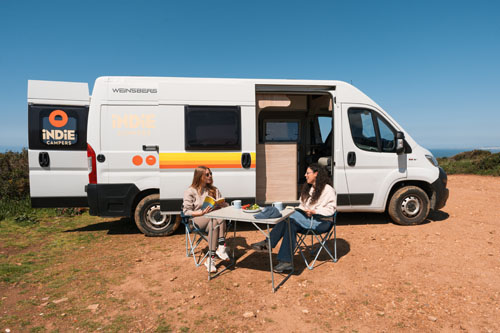
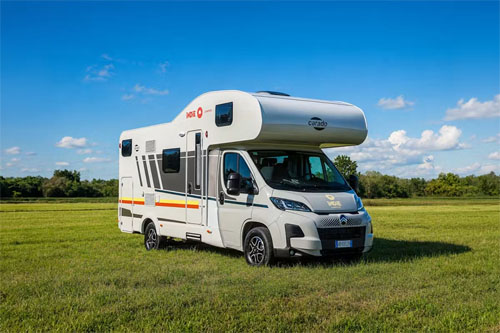
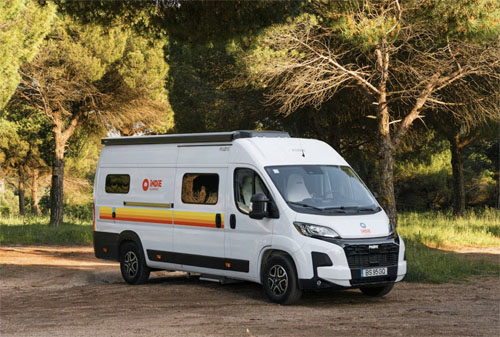
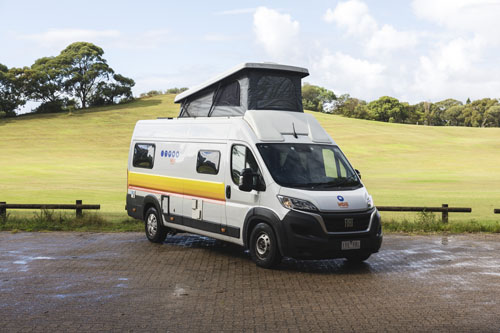
When navigating Ireland's distinctive roads, which can often be narrow and winding, selecting the right RV class is key for a comfortable and manageable experience. Smaller RVs, such as Camper Vans (Class B) or Semi-integrated models (Class SI), are generally recommended. Bandana's global fleet averages around 5.8 meters for camper vans, making them highly maneuverable for Ireland's smaller roads and easier to park, with fuel consumption typically around 8-10 Liters/100 km. Semi-integrated models, averaging 6.9 meters in length in our fleet, offer a bit more interior space and amenities while remaining manageable on Irish roads, with fuel consumption around 10-11 Liters/100 km. Their compact size minimizes challenges on single-track routes and in village parking, while still providing adequate capacity for your travel essentials. Larger Class C (Alcove) or Class A (Integrated) vehicles, while offering more living space, can present significant navigation and parking difficulties on Ireland's infrastructure.
How to Save on Campgrounds in Ireland
Achieving significant savings on Irish campgrounds is entirely possible by leveraging discount cards, timing your visit for the shoulder season, and opting for municipal or regional sites over larger, amenity-rich private resorts. Consider utilizing campground discount cards, which are often provided by rental partners or through international camping organizations, to secure reduced nightly rates. Traveling during the shoulder seasons—specifically April-May and September-October—will not only lead to lower prices but also a less crowded experience compared to the peak summer months. Choosing municipal or regional campgrounds over larger private resorts is another effective way to manage your budget, as these sites are frequently more affordable. Many campgrounds also offer weekly rates, which can significantly reduce the average nightly cost if you plan to stay for three or more consecutive nights.
Is it cheaper to rent an RV or car in Ireland?
While the initial rental cost of an RV might appear higher than a car, an RV can prove more cost-effective for longer trips in Ireland by consolidating your transportation and accommodation expenses, potentially saving you considerably compared to hotels or B&Bs. An RV rental budget needs to account for the vehicle itself, fuel (our Class SI models average 10-11 Liters/100 km), campground fees, and insurance, but it empowers significant savings on food through self-catering. Conversely, car rental costs cover the vehicle, fuel, and insurance, but necessitate a separate budget for all accommodation and often lead to more frequent dining out. For families or groups, the per-person cost of an RV, encompassing cooking and sleeping facilities within one unit, often becomes more economical than renting a car plus multiple hotel rooms. When budgeting, remember to factor in potential ferry costs (which are typically higher for RVs), toll roads, and any unforeseen fees, alongside the invaluable non-monetary benefits of flexibility and convenience that an RV provides. For ideas you can prep on the road, watch our RV-friendly recipes playlist on YouTube.
Is wild camping legal in Ireland?
Wild camping in Ireland is generally not legally permitted on private land without the landowner's explicit permission, and it is typically prohibited within National Parks to preserve their natural state. However, responsible and discreet 'free camping' may be tolerated in some very remote, non-designated public areas, provided strict 'leave no trace' principles are followed. This includes packing out all waste, disposing of human waste appropriately, and avoiding open fires. It's essential to be aware that local attitudes towards free camping can vary, so always prioritize being respectful, avoiding disturbance to local communities or agricultural land, and paying attention to any signage indicating 'no overnight parking' restrictions. Adhering to these guidelines ensures a positive experience for both the traveler and the local environment.
Do you need an international driver's permit to rent an RV in Ireland?
While an International Driving Permit (IDP) is not legally mandated for all nationalities to rent an RV in Ireland, it is highly recommended for non-EU/EEA license holders. The IDP serves as an official translation of your domestic license, which can be invaluable for rental companies, insurance providers, and in the unlikely event of an interaction with authorities. If your driving license is from an EU/EEA country, it is recognized and valid for driving in Ireland without an IDP. For those with licenses from outside the EU/EEA, your domestic license is generally sufficient if it is printed in English and includes a photograph. Always ensure your existing license is valid for the weight category of the RV you intend to rent in Ireland.
How much does it cost to rent an RV in Ireland for a week?
The cost to rent an RV in Ireland for a week can fluctuate significantly, generally ranging from approximately €700 to over €2,000, depending on several factors. These include the class of RV, the rental season, the duration of your rental, and the specific amenities included. Prices tend to be lowest during the off-season (November-March), moderate in the shoulder seasons (April-May, September-October), and highest during the peak summer months (June-August). Smaller RVs, such as Camper Vans (Class B), are usually less expensive per week than their larger Class C (Alcove) or Class A (Integrated) counterparts. Remember that this cost typically covers the RV rental and basic insurance, with additional expenses including fuel (our Class SI models average 10-11 Liters/100 km), campground fees (€25-€45 per night), insurance excess reduction options, and any optional extras like bedding or kitchen kits. A thorough cost breakdown should also account for potential one-way rental fees, ferry costs if applicable, and toll charges, all of which contribute to the overall weekly expense.
Can you pick up an RV in one city and drop it off in another in Ireland?
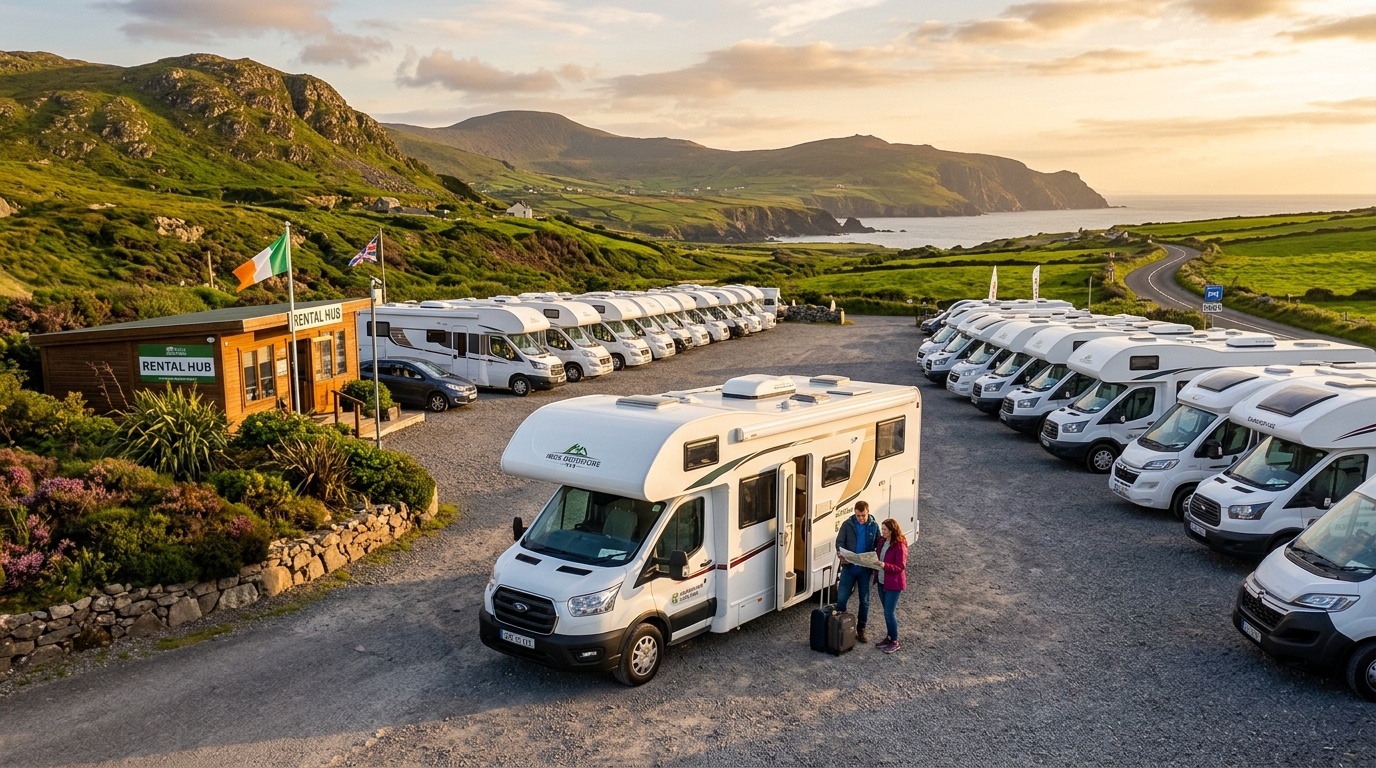
Yes, one-way RV rentals are a common and convenient option in Ireland, allowing you to pick up your vehicle in one city and return it in another, though this flexibility usually comes with an additional one-way fee. Many RV rental companies operate depots in major cities, commonly linking locations like Dublin, Cork, and Shannon, making one-way rentals between these points generally possible. This service is particularly beneficial for travelers with specific itineraries who wish to avoid backtracking, enabling a more streamlined and efficient journey. Be prepared for a one-way fee, which will vary depending on the distance between your pick-up and drop-off locations, as well as the rental company's specific policies. Booking one-way rentals well in advance, especially during peak tourist seasons, is highly advisable, as availability can be limited.
What side of the road do you drive on in Ireland?
In Ireland, drivers are required to drive on the left-hand side of the road, meaning the steering wheel in rental RVs will be positioned on the right-hand side of the vehicle. Adjusting to driving on the left and navigating from the right-hand side of the RV requires particular focus, especially for drivers accustomed to right-hand traffic. Be prepared for Ireland's famously narrow rural roads, many of which are single-track with designated passing points; larger vehicles like RVs will necessitate careful maneuvering and frequent use of these passing spots to allow oncoming traffic to pass. Navigating roundabouts in cities and towns also demands attention to lane discipline and yielding to traffic approaching from the right. Common challenges include managing the vehicle's dimensions, particularly height and width, on roads bordered by stone walls or hedgerows, finding suitable RV parking in small towns or at popular attractions, and maintaining constant spatial awareness.
What is the best month to RV in Ireland?
The most favorable months for RV travel in Ireland are generally considered to be May, June, and September. These months offer a delightful balance of pleasant weather, extended daylight hours perfect for scenic drives and outdoor activities, and fewer crowds compared to the peak summer months of July and August. May and June typically provide mild temperatures and blooming landscapes, while September often boasts stable weather patterns and beautiful autumn foliage, coupled with a noticeable reduction in tourist numbers and prices. July and August are the warmest months, but they are also the busiest, leading to higher RV rental and campground costs, along with increased tourist density at popular sites. Keep an eye on regional festivals and local events, which are often held during the shoulder seasons, as they can significantly enhance your cultural immersion and offer opportunities for authentic local interaction.
Beyond the Wild Atlantic Way - Exploring Ireland's Diverse Routes
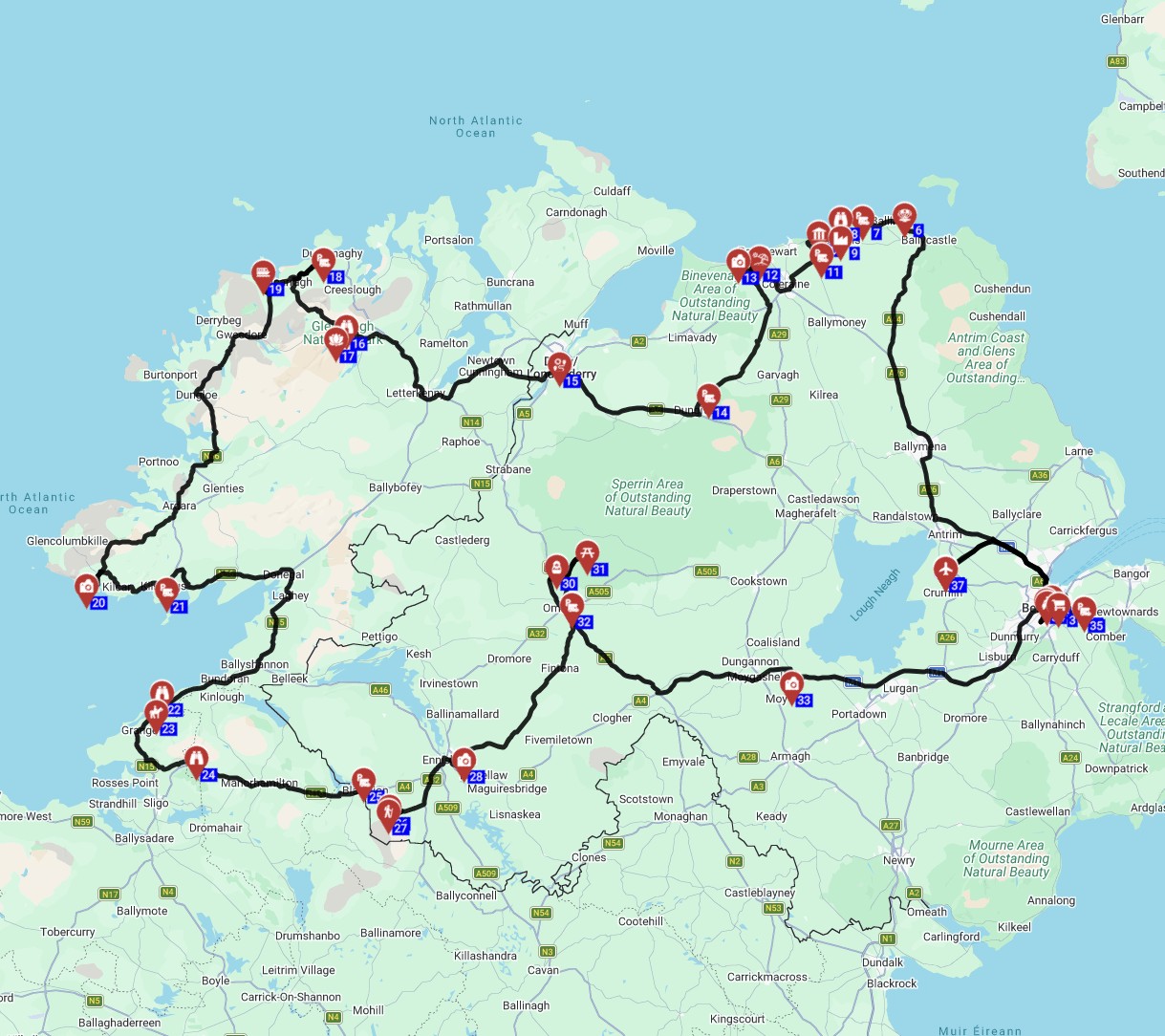
While the Wild Atlantic Way remains an iconic and incredibly popular choice for RVers, Ireland presents a wealth of other stunning and often less-traveled routes that offer unique perspectives on the country's diverse beauty. Consider exploring the historic landscapes of Ireland's Ancient East, a region steeped in millennia of history, featuring ancient monastic sites, imposing castles, and engaging Viking cities, all contributing to a rich tapestry of culture and charming towns. For a dramatic coastal experience, venture into Northern Ireland to discover the rugged Causeway Coast, renowned for the geological wonder of the Giant's Causeway, the thrilling Carrick-a-Rede Rope Bridge, and the famous Dark Hedges (a filming location for Game of Thrones); remember to account for border crossings and currency differences if planning this route. Alternatively, explore Ireland's Hidden Heartlands, a network of tranquil lake and river systems that provide an ideal setting for a more relaxed pace and diverse water-based activities. Thematic itineraries, focusing on interests like traditional Irish music, local cuisine, or literary heritage, can also lead you to uncover hidden gems far from the main tourist trails, offering a truly authentic experience.
Emergency Preparedness and Connectivity on Your Irish RV Trip
Effective preparation for potential emergencies and seamless management of connectivity are vital components of a successful RV trip through Ireland, particularly when venturing into its more remote areas. Establishing a plan for breakdowns, medical issues, and staying in touch is crucial. In case of a breakdown, ensure you have your rental company's roadside assistance contact details readily available and carry essential safety equipment such as a high-visibility vest and a warning triangle. For medical emergencies, remember the European emergency number (112 or 999) and keep a well-stocked first-aid kit on board. Monitor weather forecasts diligently, especially for coastal or mountainous regions prone to rapid changes or strong winds, and be prepared to adjust your travel plans accordingly. For staying connected, purchasing a local SIM card from major providers like Vodafone, Three, or Eir will offer reliable mobile data and call services, or consider a mobile Wi-Fi hotspot for enhanced internet access, particularly in remote locations. Diligent management of water and electricity levels is also key, especially if planning extended periods away from powered campsites, so identifying locations for fresh water and dump stations along your route is a practical necessity.
Sustainable RV Travel and Cultural Immersion in Ireland
Embracing sustainable practices and actively seeking authentic local interactions can significantly enrich your RV journey through Ireland, contributing positively to both the environment and the local communities you visit. Minimizing your environmental impact is paramount; adhere strictly to 'Leave No Trace' principles by packing out all waste, conserving water and electricity, using eco-friendly products, and driving efficiently to reduce fuel consumption—our Class SI RVs average 10-11 Liters/100 km. Supporting local economies is easily achieved by prioritizing purchases from farmer's markets, shopping at independent stores, dining at locally-owned restaurants, and visiting artisan workshops, thereby directly benefiting Irish communities. To foster genuine connections and discover the country's hidden cultural gems, engage respectfully with locals, perhaps by visiting pubs (always ensuring you have a designated driver or utilize alternative transport afterwards), seeking out lesser-known regional festivals or community events, and even learning a few basic Irish phrases to enhance your interactions.
What You Shouldn't Miss
- Drive a portion of the Wild Atlantic Way for its dramatic coastal scenery, but don't forget to explore lesser-known coastal roads for unique views and fewer crowds.
- Visit a traditional Irish pub in a smaller village for authentic music sessions and a chance to mingle with locals (remember to arrange transport if you plan to partake in the festivities!).
- Explore the historical layers of Ireland's Ancient East, from prehistoric passage tombs to medieval castles and monastic sites.
- Take a detour to discover the unique geological formations along the Causeway Coast in Northern Ireland, perhaps combining it with a scenic drive through the Glens of Antrim.
- Experience the tranquility of Ireland's Hidden Heartlands, perhaps by kayaking or cruising on Lough Erne or the River Shannon.
- Sample local produce at a farmer's market or enjoy fresh seafood from a coastal town, immersing yourself in Ireland's renowned culinary scene.
Final Thoughts
Embarking on an RV adventure through Ireland offers an unparalleled way to experience the Emerald Isle's stunning landscapes and rich culture at your own pace. From the dramatic coastlines to the rolling green hills and historic sites, your rented RV becomes your mobile basecamp for discovery.
Remember to embrace slow travel, allowing yourself ample time to soak in the atmosphere, savor the local cuisine, and connect with the spirit of Ireland. With careful planning and a sense of adventure, your Irish RV journey promises to be an unforgettable experience.
Ready to start planning? Compare RV rental prices across Ireland and discover the perfect motorhome for your upcoming adventure!
Compare RV Rental Prices in Ireland