In This Guide
- How do I plan an RV trip to France?
- Can I take a motorhome to France?
- Where to Camp in France - Top Options
- Campground Types in France (National, Private, Wild)
- Featured RV Park or Campground in France
- Hookups & Amenities - What to Expect
- Booking Windows & Reservations in France
- Nearby Supermarkets & Resupply Points
- Best RV Class for Camping in France
- How to Save on Campgrounds in France
- What is the best month to RV in France?
- Is it worth it to RV in France?
- How much does it cost to rent an RV in France?
- What documents do I need to rent an RV in France?
- Is it easy to drive an RV in France?
- Can you wild camp in France in an RV?
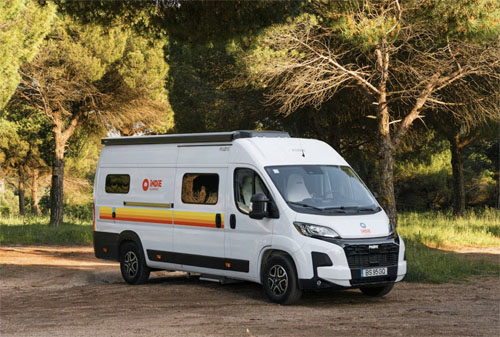
- RV Class SI - Semi-integrated for France Camping
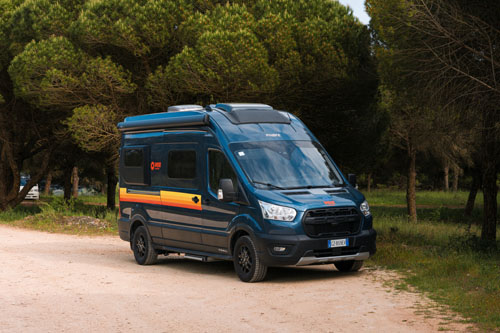
- RV Class C - Alcove for France Camping
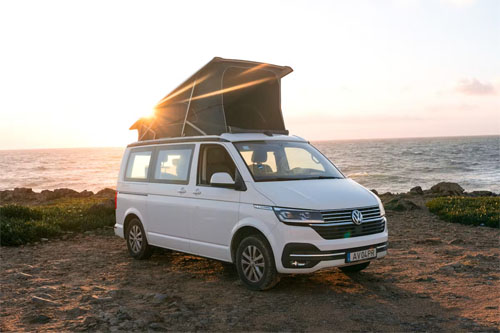
- RV Class B - Camper Van for France Camping
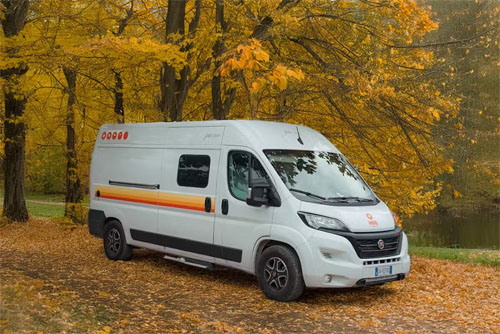
- RV Class A - Integrated for France Camping
How do I plan an RV trip to France?
Planning an RV trip to France involves selecting regions, researching local attractions beyond tourist hotspots, understanding cultural etiquette, and booking rentals and popular campsites in advance, especially for peak season travel. Start by choosing regions that align with your interests, whether it's the culinary delights of Provence, the historical richness of Normandy, or the natural beauty of the French Alps. Embracing 'slow travel' by focusing on fewer regions allows you to truly engage with local markets, regional culinary traditions, and hidden gems beyond typical tourist routes. For live availability and current prices, start with our RV Rental France - Complete Guide 2026 guide. Research local driving laws, speed limits, and mandatory safety equipment, such as high-visibility vests and warning triangles, before you go. Utilize apps like Park4Night for finding campsites and 'aires de service', and Google Maps or Waze for navigation, often pre-downloading maps for areas with spotty service. Remember, Bandana RV specializes exclusively in RV travel, ensuring you receive expert insights and support throughout your planning process.Can I take a motorhome to France?
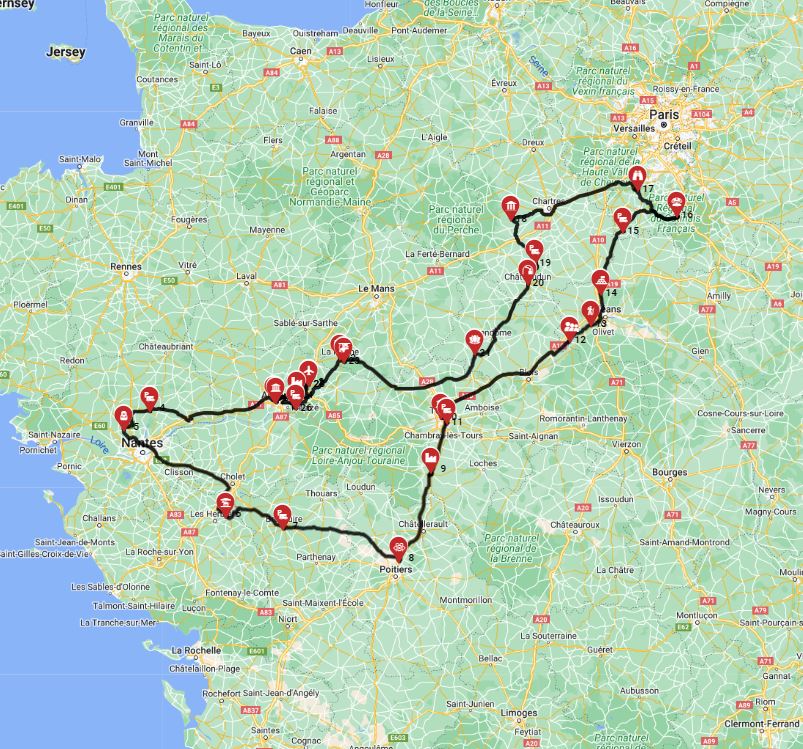
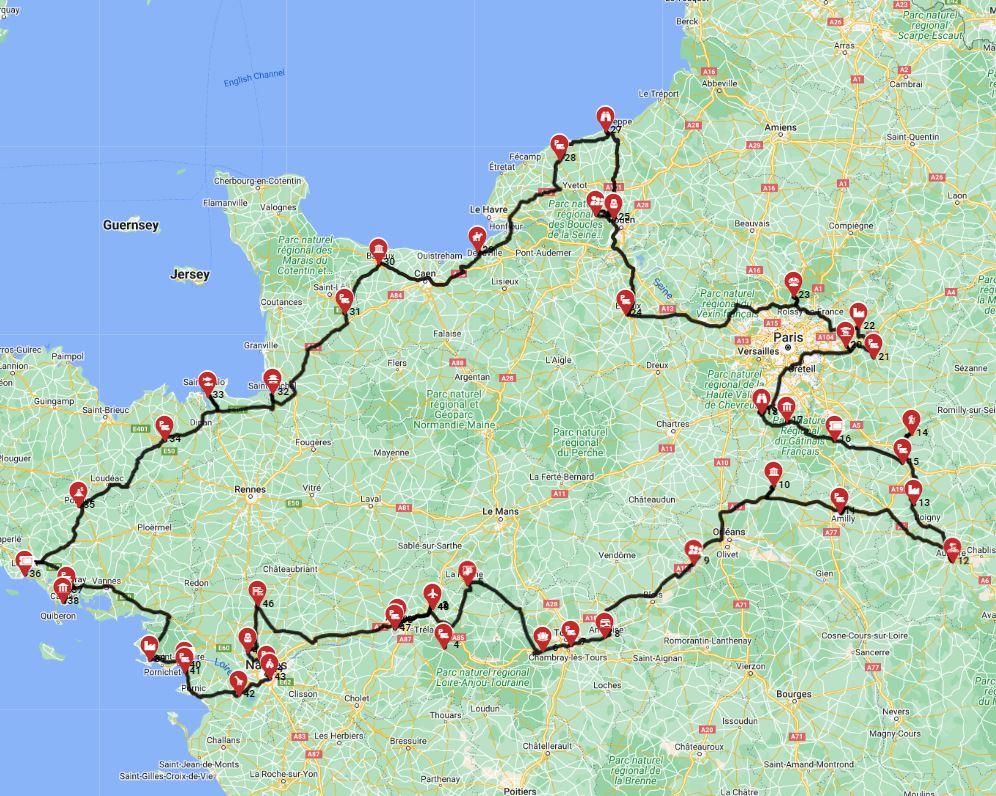
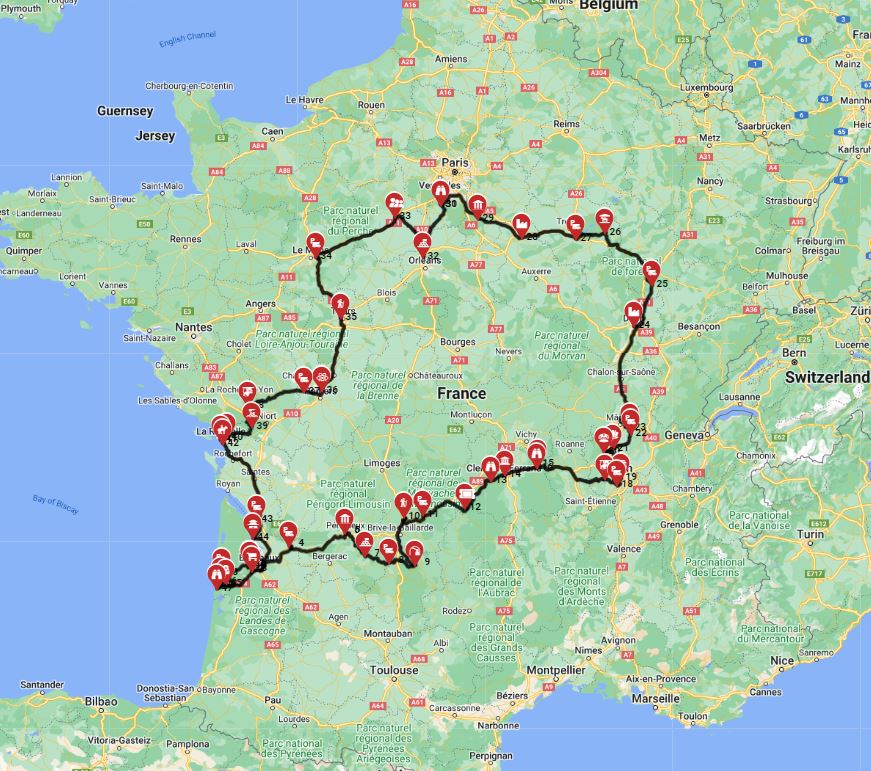
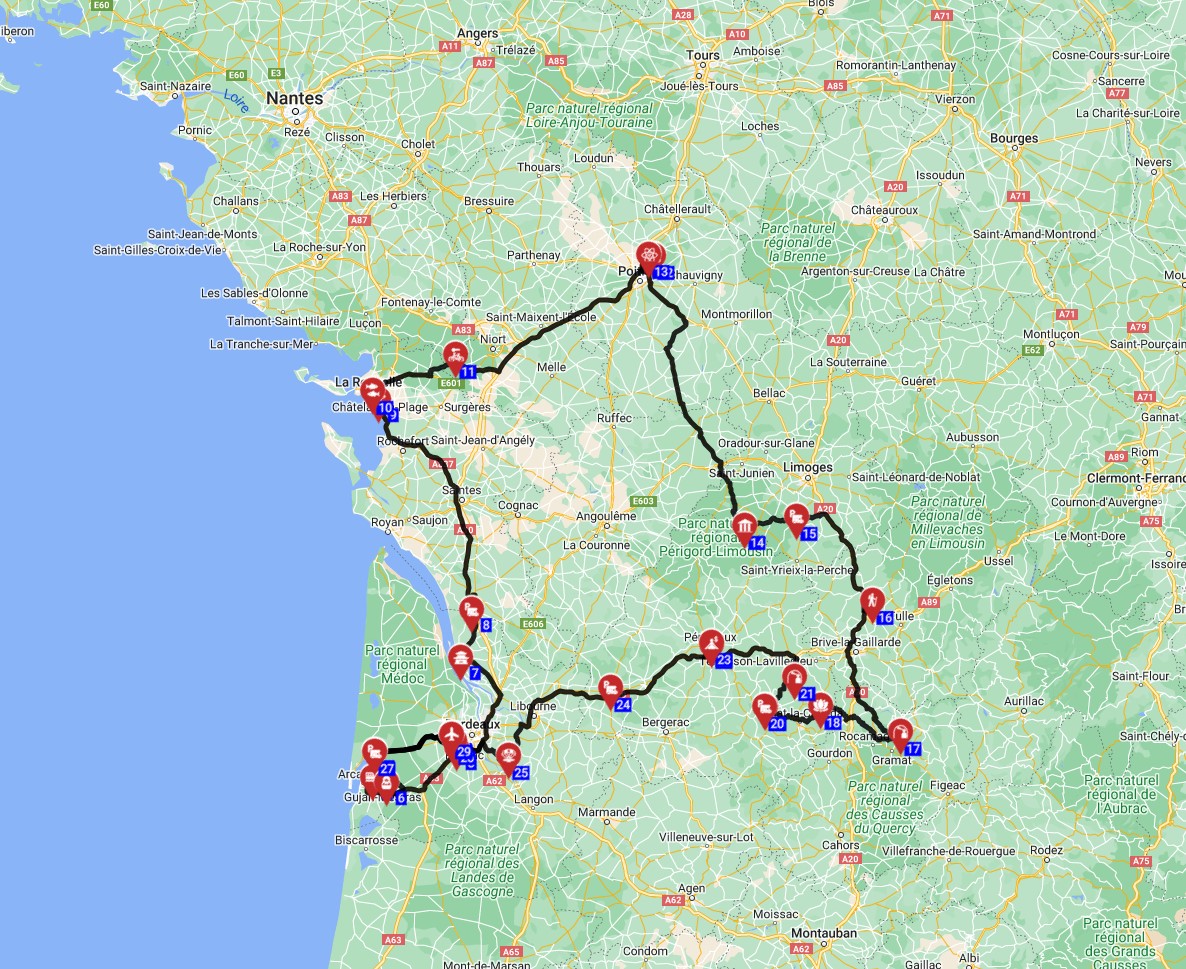
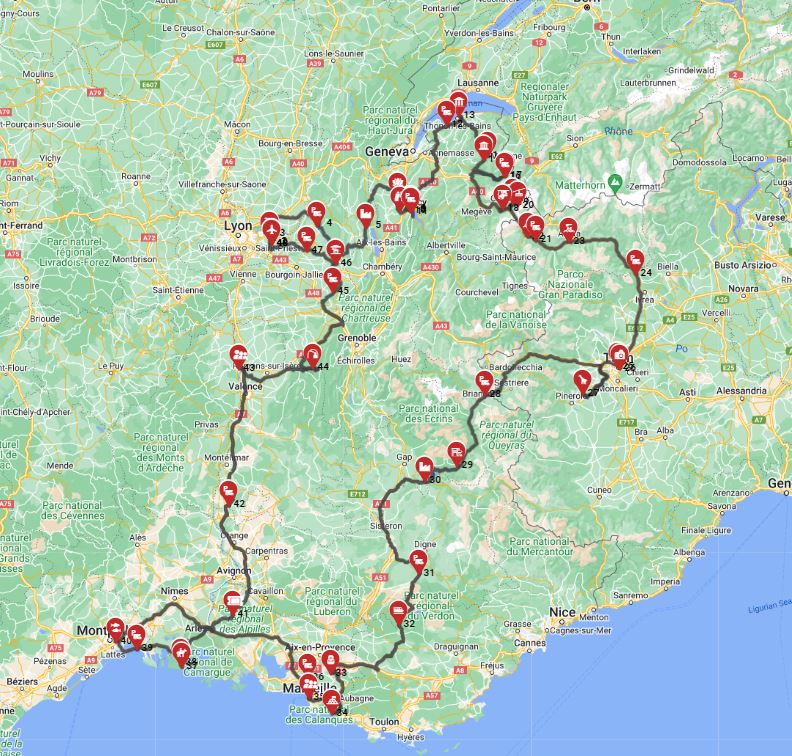
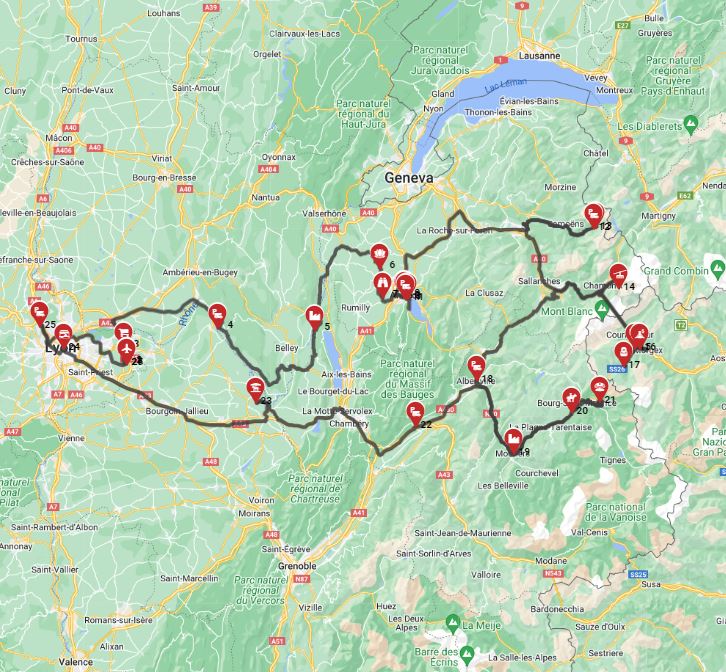
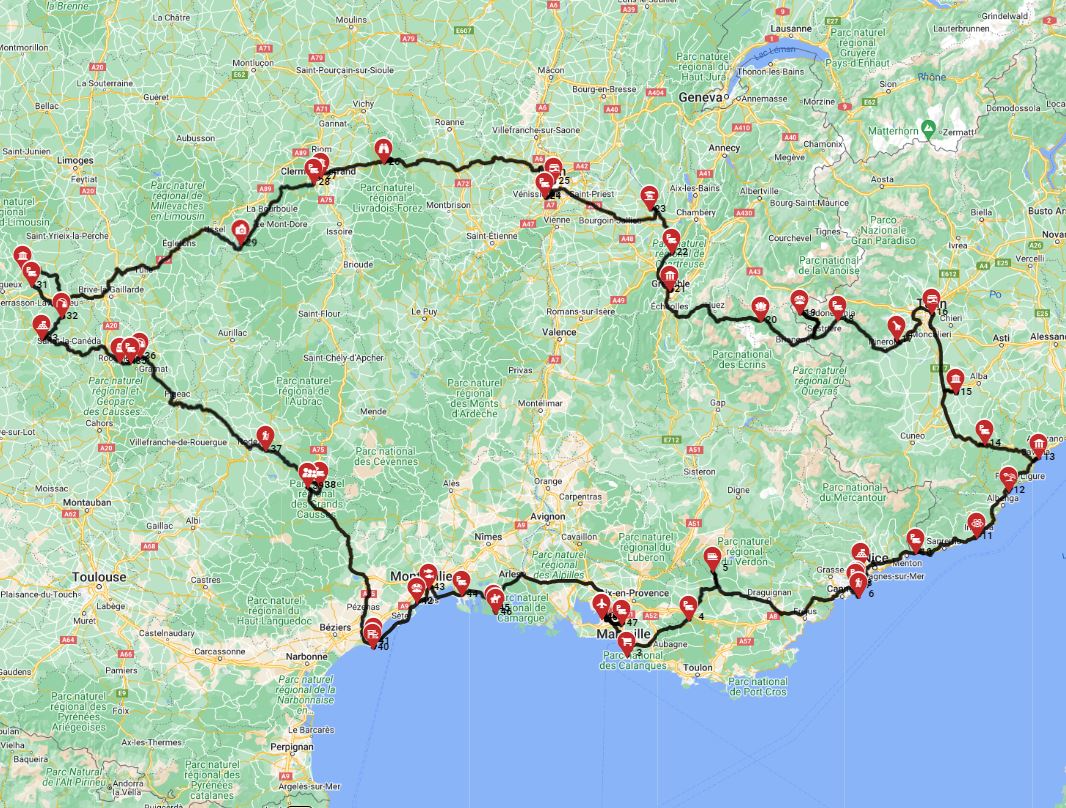
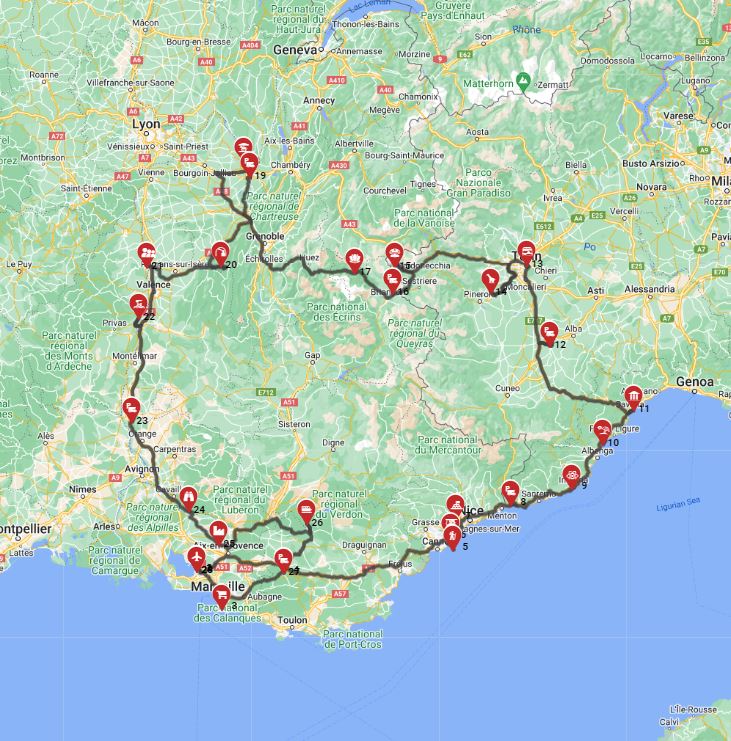
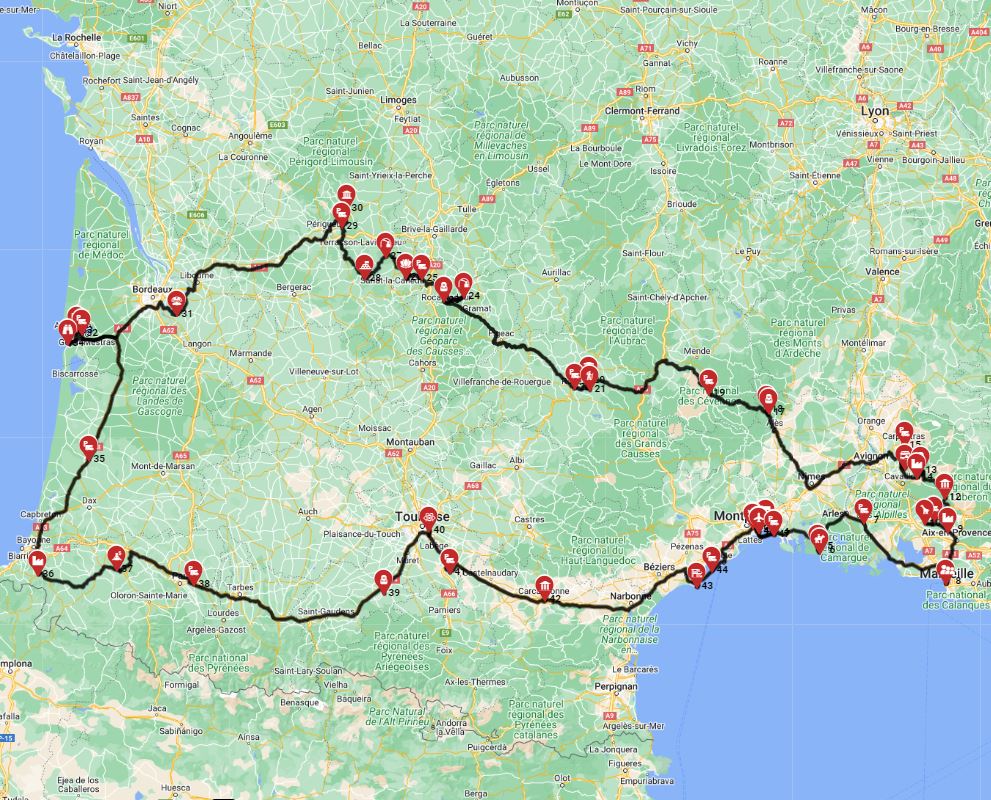
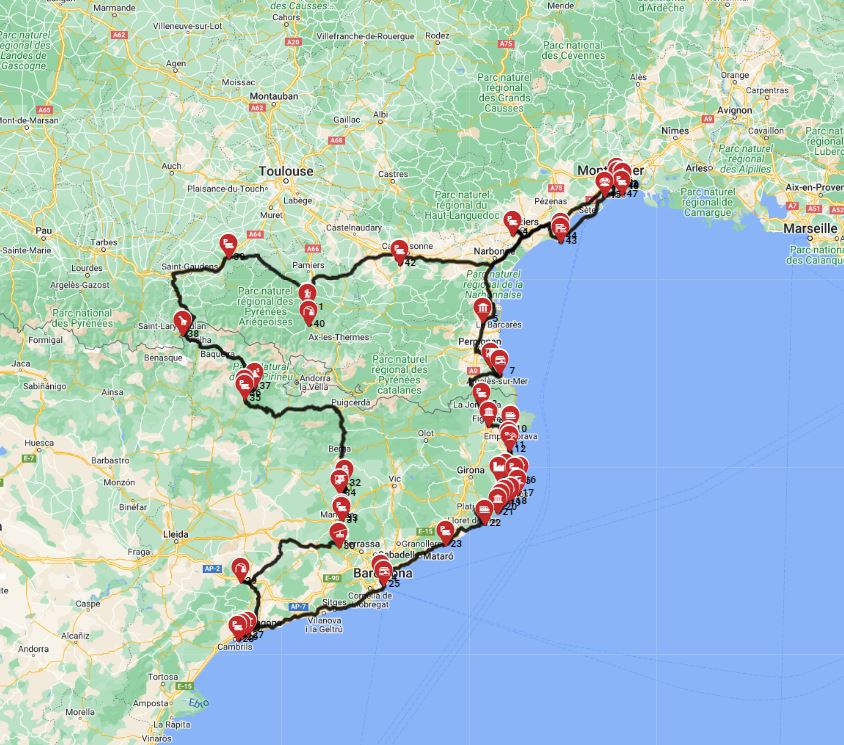
Yes, you can absolutely take a motorhome to France, as it is one of Europe's most RV-friendly countries, boasting an excellent infrastructure including dedicated campsites and "aires de service" specifically designed for motorhomes. Whether you choose to pick up a rental motorhome locally through Bandana or bring your own, France's extensive road system and diverse regions are highly accessible by RV. Be prepared for driving on the right side of the road and ensure your rented vehicle meets all necessary safety requirements for French roads, such as carrying a high-visibility vest for each occupant. With over 50+ leading RV suppliers worldwide partnered with Bandana, you can easily find the perfect rented campervan or motorhome to begin your French adventure. For more details on budgeting your trip, including fuel and campsite costs, consult the various RV PLANET routes available, which allow you to itemize and track every expense along the way.Where to Camp in France - Top Options
France offers diverse camping experiences, from the sun-drenched Côte d'Azur to the rugged beauty of Brittany and the historical charm of the Loire Valley. The Côte d'Azur provides coastal camping with Mediterranean vibes and easy access to vibrant cities like Nice and Marseille, often featuring pitches from €25-€50 per night during shoulder season. Brittany, in contrast, features wilder landscapes and ancient historical sites, suitable for adventurous RVers seeking a more rugged experience. For cultural enthusiasts, the Loire Valley is perfect, with magnificent châteaux and world-renowned vineyards easily accessible by a rented RV, offering a blend of history and gastronomy. Consider visiting smaller towns off the main tourist paths, where you might discover charming municipal campgrounds or unique camping à la ferme options for a more authentic cultural immersion.Campground Types in France (National, Private, Wild)
France provides a spectrum of camping options, including well-equipped private sites, affordable municipal campgrounds, and designated 'aires de service' for RVs, with strict regulations against illegal wild camping. Private campgrounds (Camping & Caravaning) offer extensive amenities, such as swimming pools, restaurants, and organized activities, often at a higher price point ranging from €20-€60 per night. Municipal campgrounds (Campings Municipaux) are typically more basic and budget-friendly, costing around €10-€25 per night, and are often conveniently located in or near charming villages, ideal for experiencing local life. Aires de Service are dedicated RV stopovers, providing essential services like water, electricity (often 2-5 euros for a few hours), and waste disposal, sometimes offering free overnight parking. Wild camping (camping sauvage) is generally illegal outside of designated areas or without explicit landowner permission, especially in national parks and coastal regions, emphasizing the need for responsible and eco-friendly practices to minimize environmental impact.Featured RV Park or Campground in France
When selecting an RV park in France, look for establishments that balance convenience with local charm, offering essential amenities alongside opportunities for cultural immersion. A top-rated RV park typically provides essential services like reliable electricity (220-240V with CEE 7/7 plugs), fresh water, and waste disposal facilities, alongside clean modern shower and toilet blocks. Consider parks that are conveniently located near regional attractions, bustling local markets, or offer easy access to picturesque cycling paths and hiking trails. Look for sites that encourage interaction with local culture, perhaps offering regional culinary events, wine tastings, or information on nearby artisan shops, allowing you to move beyond typical tourist hotspots. For example, Camping de Paris offers pitches close to the city center, making it a convenient base for urban exploration, while many smaller "Camping à la Ferme" sites provide unique, rustic stays for around €15 a night, focusing on local produce and peaceful surroundings.Hookups & Amenities - What to Expect
RV campgrounds in France typically provide essential hookups like electricity (220-240V with CEE 7/7 plugs), fresh water, and waste dump stations, often complemented by facilities such as hot showers, toilets, and laundry. Electrical hookups are standard 220-240V, requiring a European CEE 7/7 plug adapter (often referred to as a 'P17' connector) for compatibility, which is usually provided with your rented motorhome. Freshwater taps and gray/black water dump stations are almost universally available, often included in the pitch price, ensuring your comfort. Many sites offer modern toilet and shower blocks, laundry facilities (sometimes coin-operated, costing €3-€5 per load), and Wi-Fi, though Wi-Fi can be an extra cost and may have limited signal strength, especially in more rural areas. Planning to cook meals in your RV is a fantastic way to enjoy local produce; check out our RV-friendly recipes playlist for inspiration.Booking Windows & Reservations in France
For RV rentals and popular campgrounds in France, particularly during peak season (July-August), booking several months in advance is highly recommended, though spontaneous travelers can often find spots in shoulder seasons by calling ahead. Peak season (July and August) demands reservations 3-6 months in advance, especially for sought-after coastal regions like Brittany or the Côte d'Azur, or popular national parks like the Cévennes, where pitches can be fully booked. Shoulder seasons (May, June, September) offer more flexibility, with bookings a few weeks or even days ahead often sufficient for a rented motorhome, and typically lower daily rates. It's helpful to know that many national and regional park campgrounds reserve only 25-30% of their spots for advance reservations, with the remainder available on a first-come, first-served basis, offering a chance for more spontaneous campers. Always call ahead to confirm availability before driving to a campground, particularly during busy periods or if arriving late, to avoid any surprises.Nearby Supermarkets & Resupply Points
Major supermarket chains like Carrefour, Leclerc, Super U, and Intermarché are widely available across France, providing convenient resupply points for RV travelers, often complemented by vibrant local markets for fresh, regional produce. These large supermarkets are typically found on the outskirts of towns and cities, offering extensive selections of groceries, household items, and often fuel, with average fuel prices around €1.80 per liter for diesel. Smaller 'express' versions of these chains, like Carrefour City or U Express, are often located within town centers for quick convenience buys. Don't miss the opportunity to visit local markets (marchés locaux) for fresh fruits, vegetables, cheeses, and regional specialties, enhancing your authentic cultural immersion and supporting local economies. Buying local produce and cooking in your rented RV can also significantly reduce your overall trip costs. You can use RV PLANET routes to map out stops near these markets and easily track your grocery expenses.Best RV Class for Camping in France
For navigating France's diverse landscapes and charming villages, Class B Camper Vans (averaging 5.8m in length) and Class SI Semi-integrated motorhomes (averaging 6.9m) are often considered ideal due to their maneuverability and balanced amenities. Class B Camper Vans offer excellent agility for narrow country roads and city parking, with Bandana's fleet averaging 5.8m in length and accommodating 2-3 sleeping places. These vehicles, such as the "rv rental denver example Category Van" or "hire campervan example Paradise S/T", are perfect for couples or solo travelers who prioritize ease of driving. Class SI Semi-integrated RVs provide a good compromise between space and size, with an average length of 6.9m and 3-4 sleeping places, suitable for small families seeking more comfort without excessive bulk. Larger Class C Alcove (average 7.5m, 4-6 sleeping places) and Class A Integrated (average 7.5m, 4-5 sleeping places) motorhomes offer more living space and amenities but can be more challenging in historic village centers and tighter campsites, though they are perfectly manageable with careful driving.How to Save on Campgrounds in France
RVers can significantly reduce camping costs in France by utilizing discount cards such as ACSI or Campercontact, opting for shoulder season travel, choosing municipal or regional campgrounds over private resorts, and taking advantage of weekly rates for longer stays. Investing in a discount card like ACSI, which costs around €18 per year, offers reduced rates at thousands of European campsites, typically saving 15-20% during the low and mid-season. Traveling during the shoulder season (May-June, September-October) not only benefits from lower prices but also fewer crowds, with campsite fees often 30-40% less than peak rates. Prioritize municipal (Campings Municipaux) or regional campgrounds, which are generally more affordable, ranging from €10-€25 per night, compared to large, private resort-style sites that can cost €35-€60 per night. Many campgrounds offer weekly rates that are more economical than booking day by day, so planning longer stays at fewer locations can yield savings. Utilizing free or low-cost 'aires de service' for overnight stops, especially when just needing to rest and resupply, is another smart budgeting strategy for your rented campervan or motorhome trip.What is the best month to RV in France?
The best months to RV in France are typically the shoulder seasons, specifically May, June, and September, which offer pleasant weather, fewer crowds, and often lower prices compared to the peak summer months of July and August. May and June provide mild, sunny weather ideal for exploring blooming landscapes and cultural festivals, with average temperatures ranging from 15-22°C. September offers warm, settled weather perfect for vineyard tours and coastal drives, with fewer tourists as children return to school, and average temperatures still around 18-25°C in the south. Avoiding July and August is advisable if possible, as these are peak holiday months with higher prices for RV rentals and crowded campgrounds, along with hotter temperatures, especially in the south, which can reach 30°C+. For those seeking a unique experience, even "Winter RV Rental in France - Pricing Guide 2026" offers opportunities with fewer crowds and unique winter sports access in certain regions.Is it worth it to RV in France?
RVing in France offers an unparalleled sense of freedom and flexibility, allowing travelers to immerse themselves in diverse landscapes, local culture, and culinary delights at their own pace, often proving to be a cost-effective and memorable way to explore the country. The ability to move freely and discover hidden gems, from remote villages to stunning natural parks, makes a rented motorhome trip highly rewarding, covering an average of 100-150 km per day. RVing can be more economical than traditional hotel stays and restaurant dining, especially with the option to shop at local markets and prepare your own meals in your campervan. It provides a unique opportunity for authentic cultural immersion, allowing you to stay in less touristy areas and connect with local communities, experiencing France like a true local.How much does it cost to rent an RV in France?
The cost to rent an RV in France typically ranges from €70-€150 per day for smaller campervans during the shoulder season, up to €150-€250+ per day for larger motorhomes in peak season, with additional expenses for fuel, tolls, campsites, and food. Rental prices vary significantly by RV class, for instance, Bandana's Class B Camper Vans like the "luxury rv rentals example Carthago Malibu 600" are typically more economical than Class A Integrated models. Seasonality plays a huge role, with higher rates in July and August. Fuel costs are a major component, with diesel averaging around €1.80 per liter, so a Class B Camper Van consuming 8-10 Liters/100km will be more efficient than a Class C Alcove at 10-12 Liters/100km. Budget for tolls (péages) on French motorways, which can add significant expense, especially on long journeys, and for campsite fees which range from €15-€40 per night. Cost-saving strategies include shopping at local supermarkets and markets, and utilizing free 'aires de service'. For more specific pricing information, refer to "RV Rental in France - Prices and Best Deals 2026" and "Cheap RV Rental in France - Budget Guide 2026". Bandana ensures full price transparency across its 50+ suppliers, so what you see is what you pay, with no surprise fees at pickup.What documents do I need to rent an RV in France?
To rent an RV in France, travelers typically need a valid driver's license (an International Driving Permit is highly recommended for non-EU licenses), a passport, and a major credit card for the security deposit and payment. A valid national driver's license from your home country is required, and for non-EU citizens, an International Driving Permit (IDP) is strongly advised and often legally required when driving in France, particularly for longer trips. Proof of identity, usually a valid passport for international visitors, is necessary for rental agreements. A major credit card is essential for the security deposit, which can range from €1,500-€3,000, and final payment, as debit cards are generally not accepted for these purposes. The minimum rental age is 21, and there are no young driver surcharges or vehicle class restrictions based on age with Bandana.Is it easy to drive an RV in France?
Driving an RV in France is generally manageable, especially on well-maintained major highways, but requires careful navigation in charming yet often narrow village streets, numerous roundabouts, and awareness of specific local road safety requirements. French motorways (autoroutes) are efficient, though many are toll roads (péages), which can cost several euros for short sections. Smaller rented Class B Camper Vans (averaging 5.8m) are ideal for navigating narrower rural and village roads. Drive slowly and carefully, and you can drive almost anywhere without issues. No need to stress - just use common sense and pay attention. Be prepared for countless roundabouts, where drivers must yield to traffic already in the circle, and adhere to speed limits which vary for RVs (e.g., 110 km/h on motorways, 80 km/h on rural roads). Mandatory safety equipment includes a high-visibility vest for each occupant and a warning triangle. Utilize navigation apps like Waze or Google Maps with an RV mode for optimal routes, and for finding services, download Park4Night; always remember the emergency number (112).Can you wild camp in France in an RV?
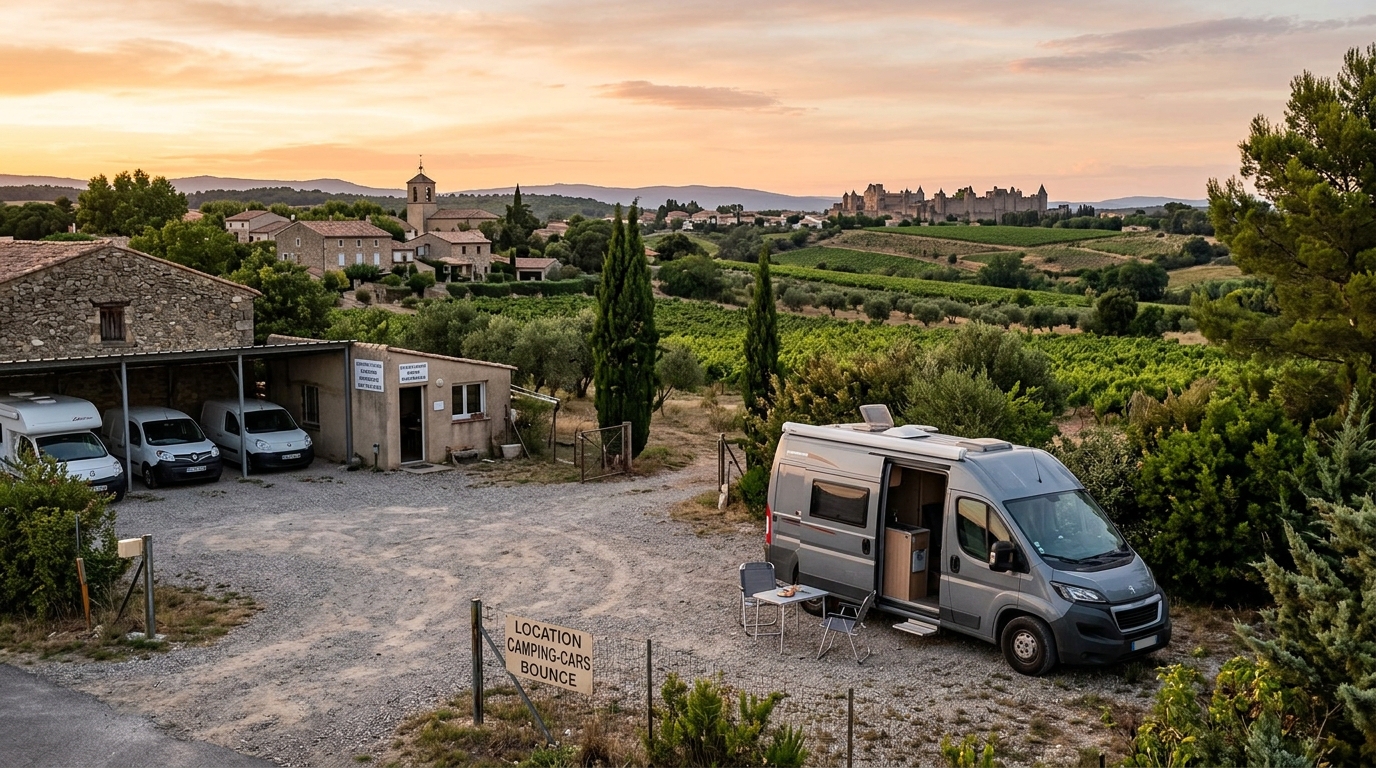
While strict wild camping (camping outside designated areas) is generally prohibited in France, especially along the coast and in protected zones, RVers can often utilize 'aires de service' or seek permission from private landowners for overnight stays. Wild camping (camping sauvage) is largely illegal in France, particularly in national parks, coastal areas, and near classified historical monuments, with potential fines ranging from €150-€400. Legal alternatives include designated 'aires de service' for motorhomes, which are specific parking areas often providing basic amenities for a fee (e.g., €5-€15) or for free overnight. The France Passion network also offers free overnight stays on over 2,000 farms and vineyards, providing a unique cultural experience. It is permissible to ask private landowners for permission to park your rented campervan or motorhome on their property overnight, which can lead to unique, authentic experiences. Always adhere to 'leave no trace' principles, ensure you are not blocking access or posing a safety hazard, and respect local signage and regulations to avoid issues.RV Class SI - Semi-integrated for France Camping
Class SI Semi-integrated RVs, averaging 6.9 meters in length with around 3-4 sleeping places from Bandana's fleet, offer a balanced blend of comfort and maneuverability ideal for couples or small families exploring France. These vehicles, such as the "Active Standard Auto" or "Cruz" models, provide a spacious interior without the full overhead bulk of an alcove, making them easier to drive and park than larger Class C or A motorhomes. With an average fuel consumption of 10-11 Liters/100 km, they offer reasonable efficiency for extensive touring across France's diverse regions. Their size is well-suited for both motorways and navigating moderately sized towns and country roads, offering a good compromise for varied French landscapes, from the vineyards of Bordeaux to the beaches of Normandy.RV Class C - Alcove for France Camping
Class C Alcove motorhomes, with an average length of 7.5 meters and up to 5-6 sleeping places in Bandana's global fleet, are excellent for larger families or groups seeking more space and dedicated sleeping areas when camping in France. The distinctive alcove over the cab provides an additional double bed, making these RVs, like the "24' Class C Motorhome" or "Glamys 265", ideal for maximizing sleeping capacity for 4-6 people. Their larger size offers more living space and storage, which is great for longer trips, but requires more caution on narrow French roads and in smaller villages. Drive slowly and carefully, and you can drive almost anywhere without issues. No need to stress - just use common sense and pay attention. Fuel consumption for these models typically ranges from 10-12 Liters/100 km, which should be factored into your overall trip budgeting for your rented motorhome.RV Class B - Camper Van for France Camping
Class B Camper Vans, averaging 5.8 meters in length with typically 2-3 sleeping places from Bandana's global fleet, are highly favored for RVing in France due to their compact size, making them easy to maneuver through cities and narrow country roads. Their smaller footprint allows for greater flexibility in parking and accessing charming, historic village centers that larger RVs might struggle with. Vehicles like the "2 Berth Hi Top" or "Active Standard" are perfect for exploring urban areas and tight coastal roads. With an average fuel consumption of 8-10 Liters/100 km, Camper Vans are among the most fuel-efficient options for exploring France. They are ideal for couples or small groups seeking an agile rented campervan that offers a blend of travel convenience and basic camping amenities.RV Class A - Integrated for France Camping
Class A Integrated motorhomes, typically around 7.5 meters long and accommodating about 4-5 sleeping places from Bandana's global fleet, provide a luxurious and spacious camping experience in France, best suited for those prioritizing comfort and amenities. These top-tier RVs, such as the "Active First" or "Comfort Luxury" models, offer expansive living areas, full-sized bathrooms, and often premium features, akin to a home on wheels. Their significant length and width mean they require more careful planning for routes and parking in France's more restrictive areas. However, with careful driving, they can navigate most roads without issues. Fuel consumption for Class A models from Bandana's fleet can range from 8-12 Liters/100 km, depending on engine and driving conditions, so budget accordingly for longer journeys in your rented motorhome.What You Shouldn't Miss
- **The Lavender Fields of Provence:** Drive through the fragrant lavender fields of Valensole Plateau in early summer for breathtaking photo opportunities. Rent a Motorhome in France allows you to stay at a nearby farm for an authentic experience.
- **Loire Valley Châteaux Tour:** Explore magnificent castles like Château de Chambord and Château de Chenonceau, parking your rented RV at picturesque campgrounds nearby.
- **Normandy D-Day Beaches & Mont Saint-Michel:** Immerse yourself in history with a solemn visit to the D-Day landing beaches, followed by the iconic island monastery of Mont Saint-Michel. Many RV parks are available in the region.
- **Alsace Wine Route:** Journey through charming villages like Riquewihr and Colmar, tasting local wines directly from the vineyards. Consider an RV Rental in France for Couples - Pricing 2026 for a romantic escape.
- **Dordogne Valley's Prehistoric Caves & Villages:** Discover ancient cave art in Lascaux and picturesque cliffside villages along the Dordogne River.
- **French Alps Scenic Drives:** Experience stunning mountain vistas and crystal-clear lakes with a drive through regions like Lake Annecy and Chamonix.
Final Thoughts
Embarking on a motorhome adventure in France is an experience unlike any other, offering the freedom to explore diverse landscapes, savor local flavors, and truly connect with the culture at your own pace. With Bandana RV, you’re not just renting a vehicle; you’re gaining a partner dedicated to making your journey seamless and memorable. We handle the details, so you can focus on living the journey, from your initial booking to your return. Imagine waking up to fresh croissants from a local boulangerie, then setting off for a leisurely drive through vineyards or along stunning coastlines. Whether you’re a seasoned RVer or planning your first week-long trip, France welcomes you with open roads and endless possibilities. So, what are you waiting for? Discover top destinations, planning tips, all in one place and plan a trip itinerary in advance with minimal effort and maximum enjoyment. Your unforgettable French RV adventure is closer than you think!On the routes offered through RV PLANET routes, you can itemize and track every expense along the way for easy budgeting.