In This Guide
- Where to Camp in Chile - Top Options
- Campground Types in Chile (National, Private, Wild)
- Featured RV Park or Campground in Chile
- Hookups and Amenities - What to Expect
- Booking Windows and Reservations in Chile
- Nearby Supermarkets and Resupply Points
- Best RV Class for Camping in Chile
- How to Save on Campgrounds in Chile
- What is the best month to visit Chile?
- Is it expensive to travel in Chile?
- How much does a road trip cost?
- What is the best way to travel around Chile?
- Can foreigners drive in Chile?
- What do I need to know before driving in Chile?
- Can you just pull over and camp anywhere?
- How much does it cost to rent an RV?
- What is overland travel?
Embarking on an RV adventure in Chile offers an unparalleled way to experience this incredibly diverse country, from its bustling cities to its remote natural wonders. While picking up your rental motorhome near major airports like Santiago - Airport or Calama - Airport is often the starting point, the true adventure begins as you drive into the vast and varied landscapes. For live availability and current prices, start with our RV Rental Chile - Complete Guide 2026 guide. We're here to help you navigate every step, from selecting the perfect campervan to ensuring you have peace of mind on your journey.
Where to Camp in Chile - Top Options
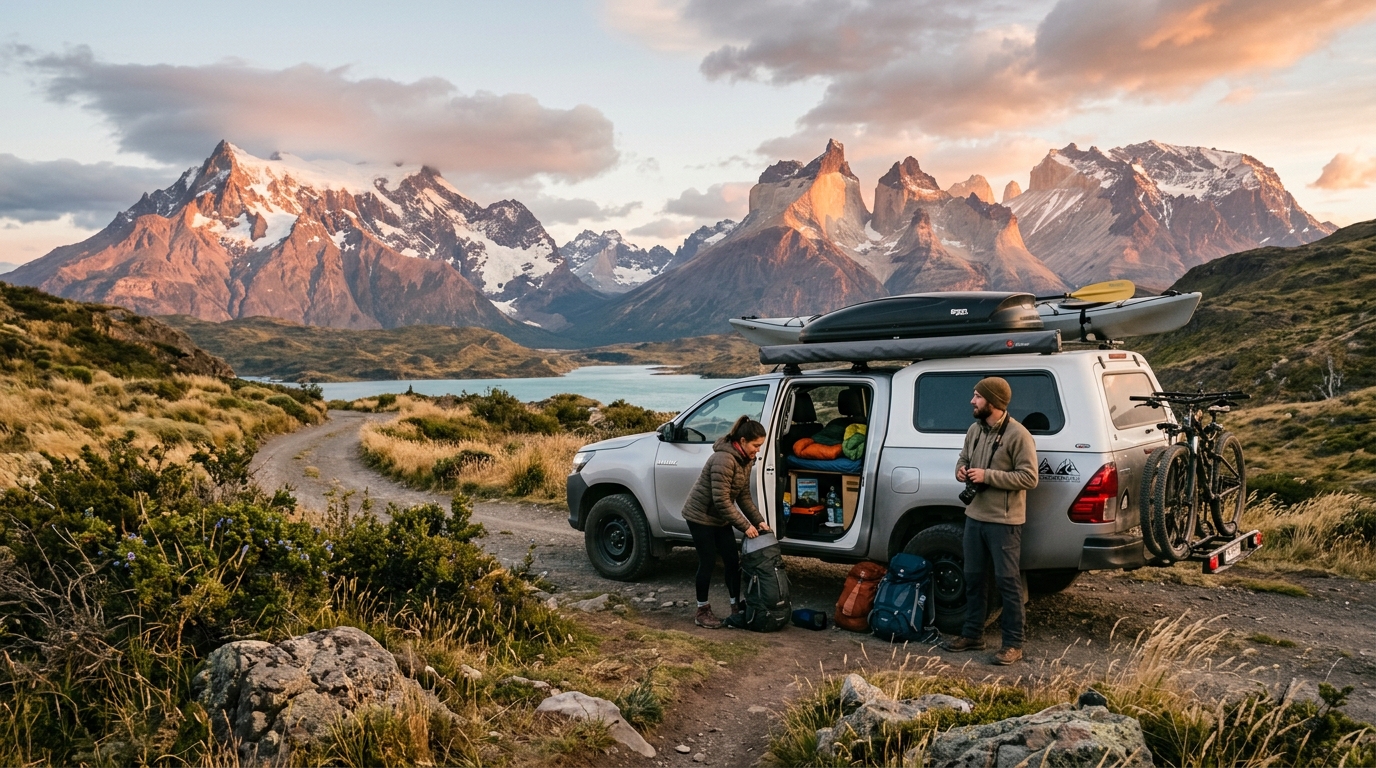
Chile offers diverse camping experiences from the arid Atacama Desert in the north to the glacial fjords of Patagonia in the south, presenting countless top options for your rented RV. Popular camping regions include the stunning Lake District (e.g., near Pucón and Puerto Varas), picturesque coastal areas like Viña del Mar, and the iconic wilderness of Torres del Paine National Park, among many others. Travelers can find campgrounds catering to various preferences, from rustic national park sites with basic amenities to private campgrounds offering extensive services. Cities like Puerto Montt and Punta Arenas serve as excellent gateways to the southern regions, offering a range of rental campervans to suit your adventure. If you're considering a flexible trip, you might find valuable insights in our One-Way RV Rental in Chile - Price Guide 2026 for planning routes across these diverse regions.
Campground Types in Chile (National, Private, Wild)
Chile features three primary types of camping for your rented motorhome: national park campgrounds, private campgrounds, and legally permissible wild camping spots (boondocking). National park campgrounds, such as those in Torres del Paine, often offer basic amenities like pit toilets and communal water spigots but provide unparalleled access to natural beauty, frequently operating on a first-come, first-served basis or with limited online booking. Private campgrounds typically provide more amenities, including electrical hookups, hot showers, and sometimes Wi-Fi, varying widely in price and comfort. Wild camping, or boondocking, is generally tolerated on public land that is not explicitly marked as private property or within protected national park boundaries where designated campgrounds exist. Travelers must always respect private property, leave no trace, manage water and waste responsibly, and ideally seek local permission, as a comprehensive guide to legalities and etiquette is crucial for responsible dispersed camping in Chile. Remember to stock your rented RV with enough supplies for remote stays.
Featured RV Park or Campground in Chile
While specific real-time data for individual campgrounds near airports can fluctuate, travelers seeking well-equipped facilities throughout Chile should look for RV parks offering key amenities. A good RV park in Chile will typically provide electrical hookups (often 220V), fresh water, and a grey/black water dump station, crucial for a comfortable week-long trip. Key features to look for include clean restrooms, hot showers, Wi-Fi access, and sometimes communal areas or barbecue facilities for a comfortable stay with your rented camper. For finding campsites and campgrounds during your trip, we recommend using RV PLANET - a great resource for locating available spots along your route, including those closest to pickup locations like Santiago and its airport. We're true RV specialists, and we love helping people discover the freedom of a motorhome rental vacation. On the routes offered through RV PLANET routes, you can itemize and track every expense along the way for easy budgeting.
Hookups and Amenities - What to Expect
When renting an RV in Chile, you can expect campgrounds to typically offer electrical hookups, fresh water, and waste dump stations, though availability and quality can vary significantly by location. Electrical hookups are commonly 220V with European-style two-pin sockets (Type C or L), so a suitable adapter is essential for most North American RVs. While many private campgrounds offer amenities like Wi-Fi, laundry facilities, and hot showers, national park sites often provide only basic services like pit toilets and communal water spigots. Reliable internet connectivity can be sparse in remote regions of Chile, making offline maps and pre-downloaded entertainment crucial for your two-week adventure. It's always a good idea to confirm available amenities when booking your site or calling ahead.
Booking Windows and Reservations in Chile
Booking windows for RV campsites in Chile vary, with pre-planners advised to reserve well in advance, especially for popular national parks like Torres del Paine and during peak season (December to February). Many national park campgrounds only release a fraction (around 25%-30%) of their spots for online reservations, reserving the rest for first-come, first-served arrivals, which benefits spontaneous travelers. You'll find a spot. If not at the first campground, then the next one. Call ahead before driving to confirm availability. Bandana RV understands both planning styles and ensures full transparency in the booking process, so you know exactly what to expect from your motorhome rental, with no hidden fees or surprises.
Nearby Supermarkets and Resupply Points
Travelers in Chile can easily resupply their rented RVs at major supermarket chains found in most cities and larger towns, ensuring fresh provisions for their journey. Look for prominent chains such as Jumbo, Lider (Walmart), Unimarc, and Santa Isabel, which offer a wide range of groceries, fresh produce, and essential supplies. These are readily available near urban pickup points like Santiago and its airport, or in regional hubs such as Arica, Calama, Puerto Montt, and Punta Arenas. For more remote areas, especially when planning extended road trips through Patagonia, it's wise to stock up on staples, as smaller tiendas (corner stores) may have limited selections and higher prices. Remember, cooking your own meals in your campervan is a fantastic way to save on costs and enjoy local flavors. Our RV-friendly recipes playlist offers great ideas for meals on the go!
Best RV Class for Camping in Chile
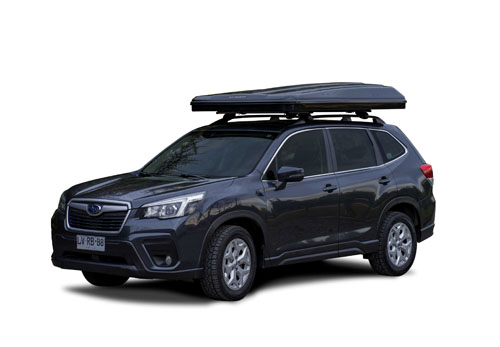
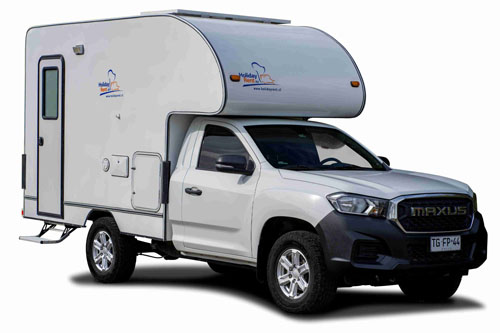
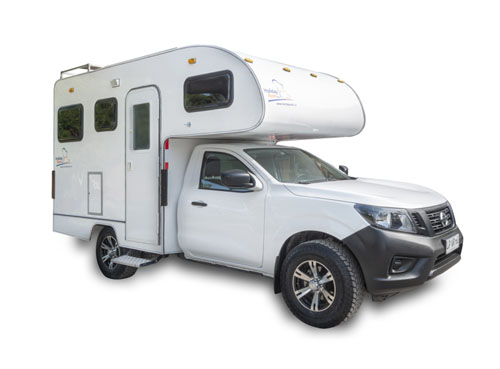
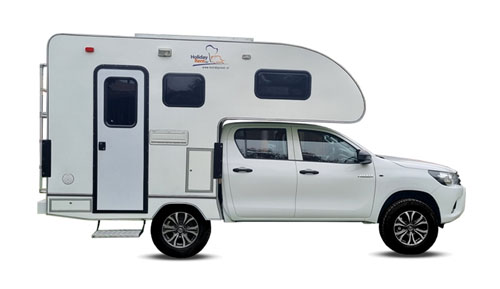
The best RV class for camping in Chile depends significantly on your planned itinerary, with Class B Camper Vans and Class C motorhomes generally offering the most versatility for diverse Chilean terrain. Class B Camper Vans, averaging 5.8 meters in length and sleeping 3.2 people, are ideal for navigating narrower roads and reaching more remote boondocking locations, offering good fuel efficiency (typically 8-10 Liters/100 km). Our "rv rental denver example Category Van" offers features like front air conditioning and a shower, perfect for a couple. Class C Alcove motorhomes, like the "cruise america rv rental example Explorer" (7.1m long, 4 sleeping places, 82L fresh water tank), provide more comfort and amenities for longer trips while still being maneuverable enough for most main roads. For adventurous routes like the Carretera Austral, consider vehicles with higher clearance, though standard rental fleets like ours feature a range of versatile options suitable for many Chilean adventures, often consuming around 11-13 Liters/100 km. You might find more options and comparisons in our Luxury RV Rental in Chile - Premium Prices 2026 guide.
How to Save on Campgrounds in Chile
To save on campground costs in Chile, leveraging discount programs from Bandana's partners can often provide savings at participating RV parks. Consider booking your rented campervan during the shoulder seasons (spring or autumn), when prices are lower and crowds are thinner, potentially saving you up to 25% on overall trip costs. Opt for municipal or regional campgrounds over private resorts, as they often offer more budget-friendly rates with essential amenities. Staying for three or more nights at a single location can often qualify you for weekly rates, providing significant savings. If traveling in a group, consider sharing hookups with another RV to split costs. Remember, with RV PLANET routes, you can itemize and track every expense along the way for easy budgeting, ensuring full transparency in your trip planning.
What is the best month to visit Chile?
The best month to visit Chile for an RV trip largely depends on the region you plan to explore, but the shoulder seasons (October-November and March-April) generally offer pleasant weather, fewer crowds, and lower prices for your rented motorhome. For Patagonia and the south, December to February (summer) is ideal for warmer temperatures and longer daylight hours, though it's also peak season with higher demand and higher rental prices, which you can compare with our RV Rental in Chile - Prices and Best Deals 2026 guide. The Central Valley, including Santiago, is enjoyable year-round, but spring (September-November) is vibrant with blooming flora. The Atacama Desert in the north can be visited throughout the year, with mild daytime temperatures and cool nights, though summer months can be hotter with averages reaching 30°C (86°F).
Is it expensive to travel in Chile?
Traveling in Chile can be moderately expensive compared to other South American countries, but an RV trip offers significant cost-saving potential compared to traditional hotel and restaurant travel. Major expenses for your rented campervan include the rental costs (averaging $100-$300+ USD per day), fuel (which can be higher than in some countries, often around $1.20-$1.50 USD per liter), and national park entry fees ($10-$30 USD per person per park). However, cooking your own meals in an RV and opting for wild camping or more affordable campgrounds can substantially reduce daily expenditures, allowing for granular cost breakdowns and budgeting strategies to optimize your trip expenses. For more budget-conscious travelers, our Cheap RV Rental in Chile - Budget Guide 2026 provides excellent strategies.
How much does a road trip cost?
The cost of a road trip in Chile can range from approximately $100-$250 USD per day for a couple, depending on the RV class, travel style, and duration, requiring careful budgeting and cost breakdowns for an accurate estimate. Key expenses include RV rental fees (which can vary widely by season and vehicle type, typically from $100 to $300+ USD per day), fuel (a significant cost given Chile's vast distances and fuel prices averaging around $1.20-$1.50 USD per liter), and campground fees (ranging from free wild camping to $30-$50 USD per night for full-service parks). Budget for groceries (saving significantly by cooking in your RV kitchen), tolls (especially around major cities like Santiago), national park entry fees ($10-$30 USD per person per park), and miscellaneous activities or tours. Money-saving tips include traveling in the shoulder season, utilizing supermarket discounts, and prioritizing free or low-cost activities. Our team of true RV specialists is dedicated to providing full transparency, ensuring no hidden fees or surprises when you plan your journey.
What is the best way to travel around Chile?
The best way to travel around Chile for comprehensive exploration and flexibility is by RV, as it combines accommodation and transport, allowing access to remote natural wonders at your own pace. While internal flights cover long distances quickly, and buses are a budget-friendly option, a rented RV provides unparalleled freedom to explore diverse terrain, from the coastal highways to mountain passes. Vehicle-specific recommendations often lean towards smaller, more robust RVs or campervans (like Bandana's Class B Camper Van or Class SI Semi-integrated options) for navigating the diverse landscapes, especially the unpaved sections of routes like the Carretera Austral, offering higher clearance for less maintained roads. Driving a rented motorhome allows you to travel slowly, averaging a maximum of 100-150 km per day, giving you time to truly feel the place, connect to the culture, the food, and the scenery. Drive slowly and carefully, and you can drive almost anywhere without issues. No need to stress - just use common sense and pay attention.
Can foreigners drive in Chile?
Yes, foreigners can legally drive in Chile with a valid driver's license from their home country for up to one year, provided it's accompanied by an International Driving Permit (IDP) or a certified translation into Spanish. An International Driving Permit is highly recommended as it translates your license into multiple languages and is recognized by Chilean authorities and rental companies, even though it's not strictly mandatory in all cases. Ensure your domestic license is current and that you carry all necessary vehicle documentation, including your rental agreements and insurance papers, at all times while operating your rented campervan in Chile. The minimum rental age is 21, and there are no young driver surcharges or vehicle class restrictions based on age, making RV travel accessible to a wide range of travelers.
What do I need to know before driving in Chile?
Before driving an RV in Chile, travelers should be aware of varying road conditions, local driving customs, specific safety protocols, and the importance of reliable navigation in remote areas to ensure a safe and enjoyable journey. Road quality varies significantly; major highways are well-maintained, but many scenic routes, especially in Patagonia or rural areas, can be unpaved (ripio), narrow, or feature steep mountain passes, requiring careful driving and appropriate vehicle selection. Drive slowly and carefully, and you can drive almost anywhere without issues. No need to stress - just use common sense and pay attention. Adhere to Chilean traffic laws, including speed limits (typically 100 km/h on highways, 50 km/h in urban areas), and understand local driving habits, which can be more assertive than some are accustomed to; always carry your driver's license, IDP, and vehicle documents. For personal safety, be aware of your surroundings, especially in urban areas, and secure your rented motorhome. In remote regions, connectivity, navigation, and communication are vital, so carry offline maps (like Maps.me or Gaia GPS), consider a local SIM card for mobile data where available, and perhaps satellite communication for truly isolated areas. For more details on budgeting for such a trip, consult our Last-Minute RV Rental in Chile - What to Expect 2026 guide, as even last-minute prices are dynamic.
🎬 Video coming soon
Can you just pull over and camp anywhere?
While highly appealing, simply pulling over and camping anywhere in Chile with your rented RV requires careful consideration of local regulations, property rights, and environmental impact, as wild camping (boondocking) has specific legal nuances. In Chile, 'free camping' or 'boondocking' is generally tolerated on public land that isn't explicitly marked as private property or within protected national park boundaries where designated campgrounds exist. A comprehensive guide to safe and legal spots involves using apps like iOverlander, asking locals, and researching specific regions; always prioritize leaving no trace, proper waste disposal, water conservation, and minimizing your ecological footprint to adhere to sustainable RVing practices. Avoid camping on private land without explicit permission, near military installations, or in areas prone to natural hazards. Always have a plan B, and remember that calling ahead to designated campgrounds (even if you prefer boondocking most nights) is a smart way to ensure you have a spot if needed. We're supportive and with travelers before, during, and after their booking, making sure you have the best information.
How much does it cost to rent an RV?
The cost to rent an RV in Chile varies significantly based on the RV class, rental duration, season, and specific provider, typically ranging from $100 to $300+ USD per day. A Class B Camper Van, like those in Bandana's fleet (averaging 5.8m in length, 3.2 sleeping places), might start around $100-$180 USD per day in shoulder season. Larger Class C Alcove models (averaging 7.5m, 5.8 sleeping places), like the "C-30" with 145/244cm bed over cab, could be $150-$250+ USD per day. These figures often exclude additional costs such as insurance, mileage fees, one-way rental fees, and optional extras like kitchen kits or linens, necessitating a granular cost breakdown for accurate budgeting. Booking in advance, especially outside peak season, and looking for early bird discounts can help secure better rates. Bandana provides full transparency, so what you see is what you get, with no hidden fees, no surprises. You can always opt to upgrade to a top-level deductible for extra peace of mind.
What is overland travel?
Overland travel refers to self-reliant, often long-distance journeys by vehicle, encompassing diverse terrains and frequently involving cross-border logistics, making it an ideal mode for exploring the vastness of South America from Chile. In the context of Chile, overlanding might involve epic routes like the Carretera Austral or journeys extending into neighboring countries such as Argentina, Bolivia, or Peru, especially starting from locations like Punta Arenas. For cross-border travel logistics, specific considerations include temporary vehicle import/export permits (Carnet de Passages or similar, though often not required for rentals within South America), comprehensive international insurance, and understanding customs procedures at border crossings. Overlanders also need to prepare for varying fuel quality, remote communication challenges, and self-sufficiency in terms of water, food, and basic repairs, underscoring the need for detailed planning and robust vehicle preparation. Bandana RV's 24/7 support (for pre-booking and post-booking coordination) and our status as true RV specialists mean we are genuinely there to help you prepare for such an epic adventure.
What You Shouldn't Miss
- **Patagonia's Torres del Paine National Park:** Hike iconic trails like the W Trek or Base Torres, camping amidst glaciers and granite peaks.
- **Atacama Desert Stargazing:** Witness some of the clearest skies on Earth, with organized astronomical tours offering unparalleled views of the Milky Way near Calama.
- **Carretera Austral Road Trip:** Drive this legendary route in southern Chile, taking ferries through fjords and experiencing untouched wilderness.
- **Chilean Lake District Charm:** Explore picturesque towns like Pucón and Puerto Varas, surrounded by volcanoes, lakes, and forests.
- **Valparaíso's Colorful Hills:** Wander through the vibrant, bohemian streets of this UNESCO World Heritage city, just a short drive from Santiago.
- **Looking for expert insights from Avi Bandana? Top 5 Adventures – recommendations from Avi Bandana** (This will be a link to relevant content, as per instructions).
Final Thoughts
Exploring Chile by rented RV is an adventure that promises incredible freedom and unforgettable memories. From the vast deserts of the north to the majestic fjords of Patagonia, having your own mobile home allows you to immerse yourself in the country's breathtaking natural beauty and vibrant culture at your own pace. With Bandana Caravan, you're choosing a partner dedicated to making your journey as smooth and transparent as possible. We handle the details, so you can truly live the journey.
Imagine waking up to a new, stunning view every day, with your rented campervan as your base for exploration. Whether you're a meticulous planner or a spontaneous traveler, Chile offers something extraordinary for every RV enthusiast. Discover top destinations, planning tips, and all you need in one place to make your dream RV trip a reality.
Ready to discover the wonders of Chile? Check Chile RV Rental Prices Now and start planning your epic road trip today. Your Chilean adventure awaits!