For live availability and current prices, start with our RV Rental Texas - Complete Guide 2026 guide.
In This Guide
- Introduction
- Where to Camp in Texas — Top Options
- Campground Types in Texas (National, Private, Wild)
- Featured RV Park or Campground in Texas
- Hookups & Amenities — What to Expect
- Booking Windows & Reservations in Texas
- Nearby Supermarkets & Resupply Points
- Best RV Class for Camping in Texas
- Class SI - Semi-integrated RV Rentals for Texas
- Class C - Alcove RV Rentals for Texas
- Class B - Camper Van Rentals for Texas
- Class A - Integrated RV Rentals for Texas
- How to Save on Campgrounds in Texas
- How much does it cost to RV in Texas
- What is the cheapest way to RV in Texas
- Is boondocking legal in Texas
- Is it safe to boondock in Texas
- What is the best month to RV in Texas
- Is Texas too hot for RVing
- What is the prettiest drive in Texas
- What You Shouldn't Miss
- Why Book with Bandana Caravan
- Final Thoughts
- Frequently Asked Questions
Introduction
Texas offers diverse landscapes for RV camping, from Gulf Coast beaches to Hill Country forests and dramatic desert mountains. Renting an RV provides the ultimate flexibility and comfort to explore the state's vast state parks, national forests, and private resorts at your own pace. With a rented motorhome, you have a mobile headquarters to venture out and discover everything the Lone Star State has to offer, without the hassle of traditional hotel bookings. This comprehensive guide covers planning your RV trip, choosing the right campervan, understanding typical costs, and navigating Texas's unique camping opportunities. For live availability and current prices, start with our RV Rental Texas - Complete Guide 2024 guide to make your dream trip a reality.Where to Camp in Texas — Top Options
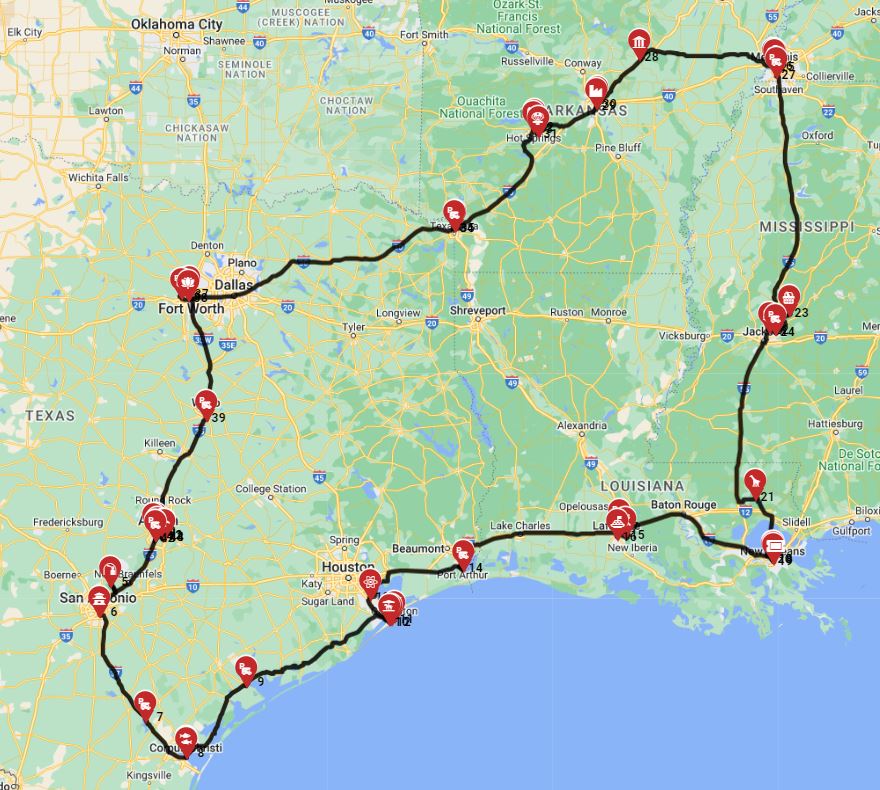
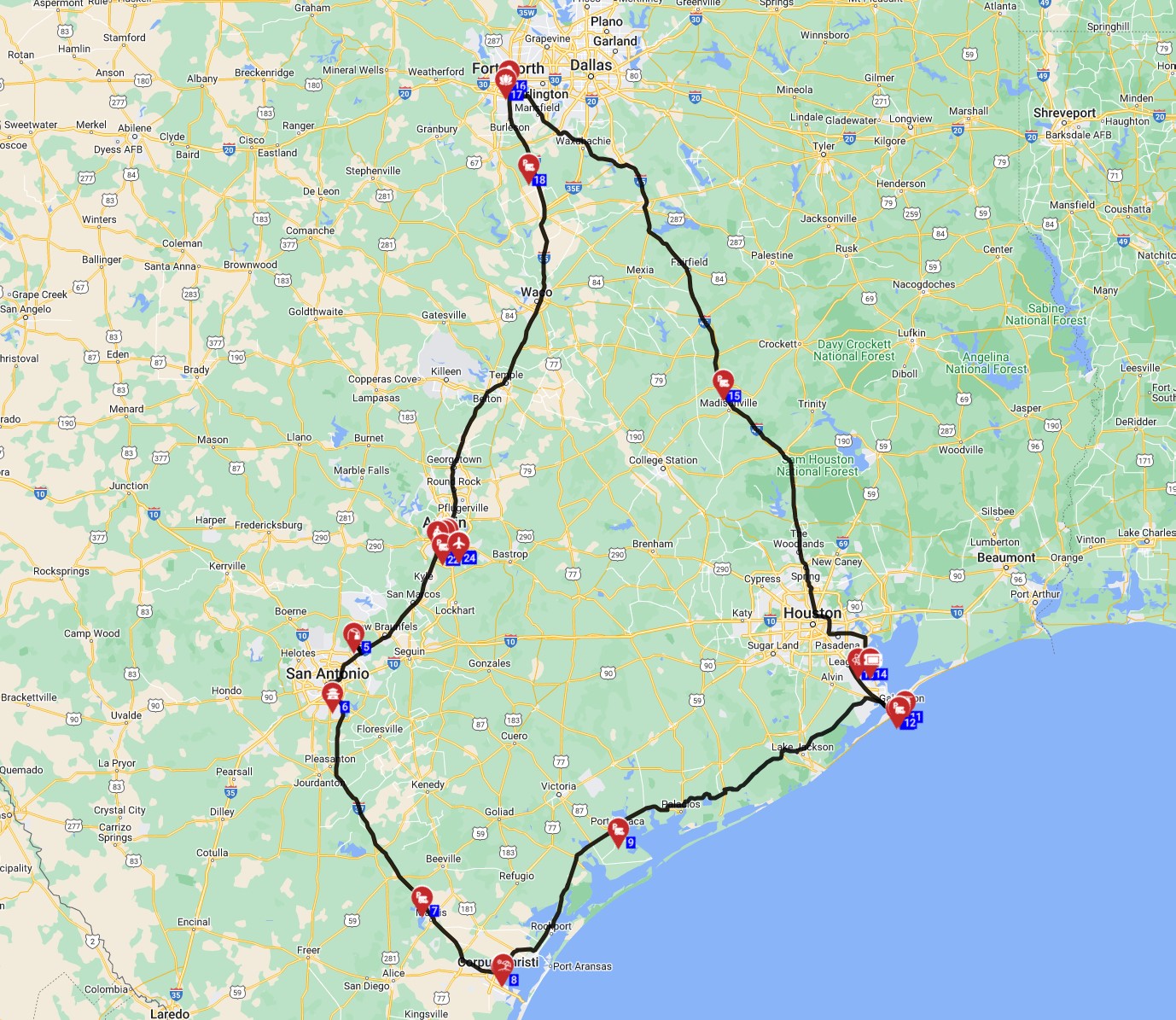
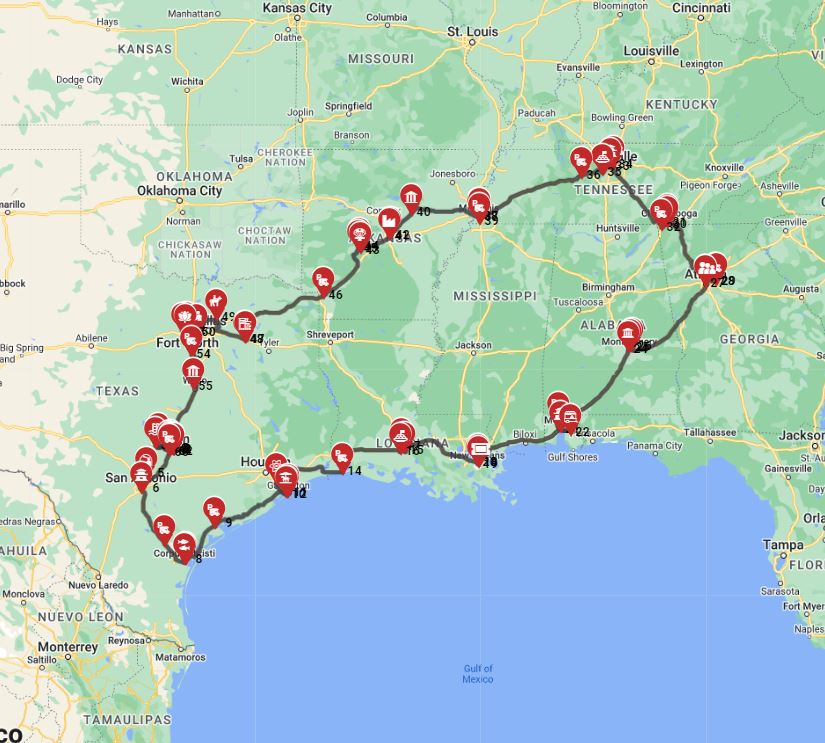
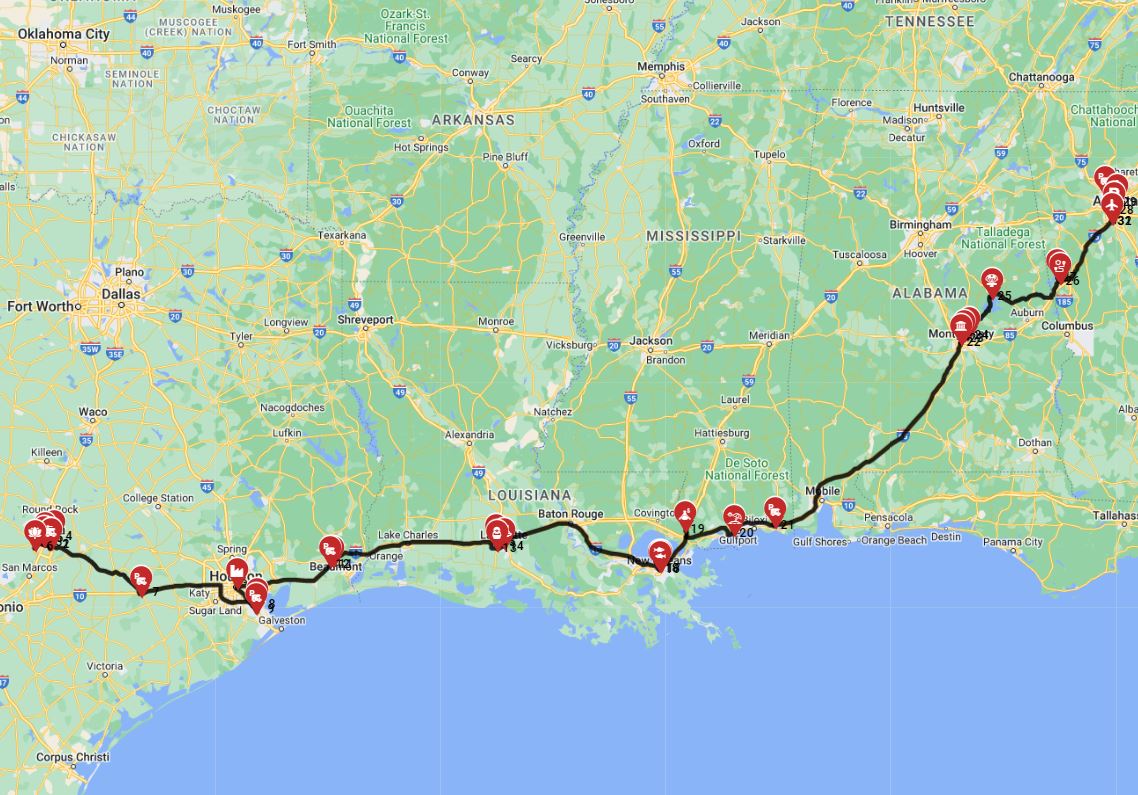
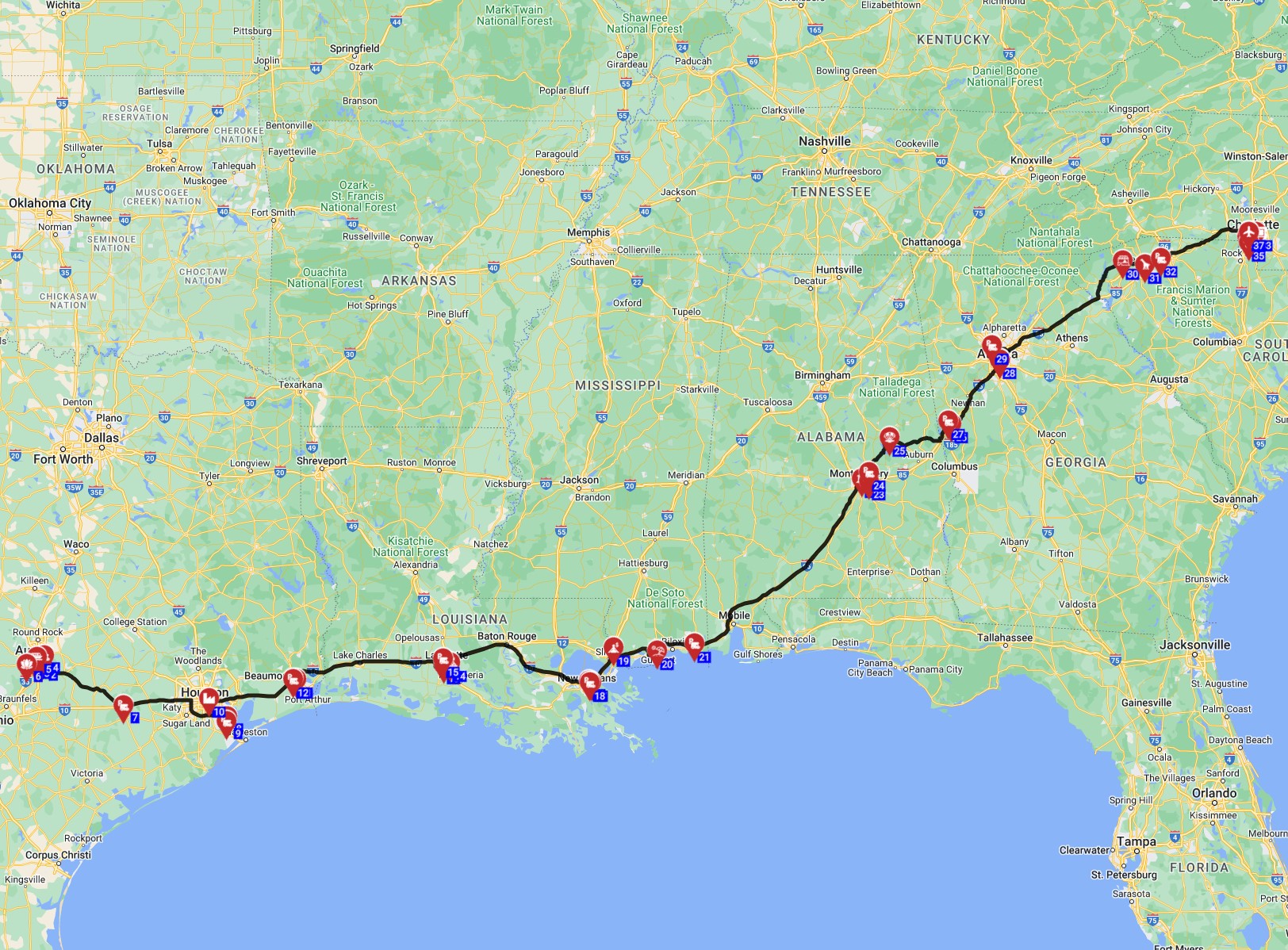
Texas boasts a wide array of camping destinations, including the iconic Big Bend National Park, the serene Texas Hill Country, and the coastal beauty of Galveston Island State Park. Big Bend National Park offers dramatic desert landscapes, deep canyons, and unparalleled stargazing opportunities, with popular campgrounds like Rio Grande Village and Chisos Basin providing varying levels of amenities. The Texas Hill Country, situated near vibrant cities like Austin and San Antonio, features picturesque rivers, rolling hills, and numerous private RV parks alongside popular state parks such as Pedernales Falls State Park, known for its unique river access and hiking trails. Along the Gulf Coast, Galveston Island State Park provides exceptional beachside camping with abundant opportunities for fishing, birdwatching, and enjoying the refreshing ocean breeze. Imagine waking up to the sound of waves, stepping out of your rented RV, and having the beach just a few steps away. If you are embarking on an extended road trip, consider the "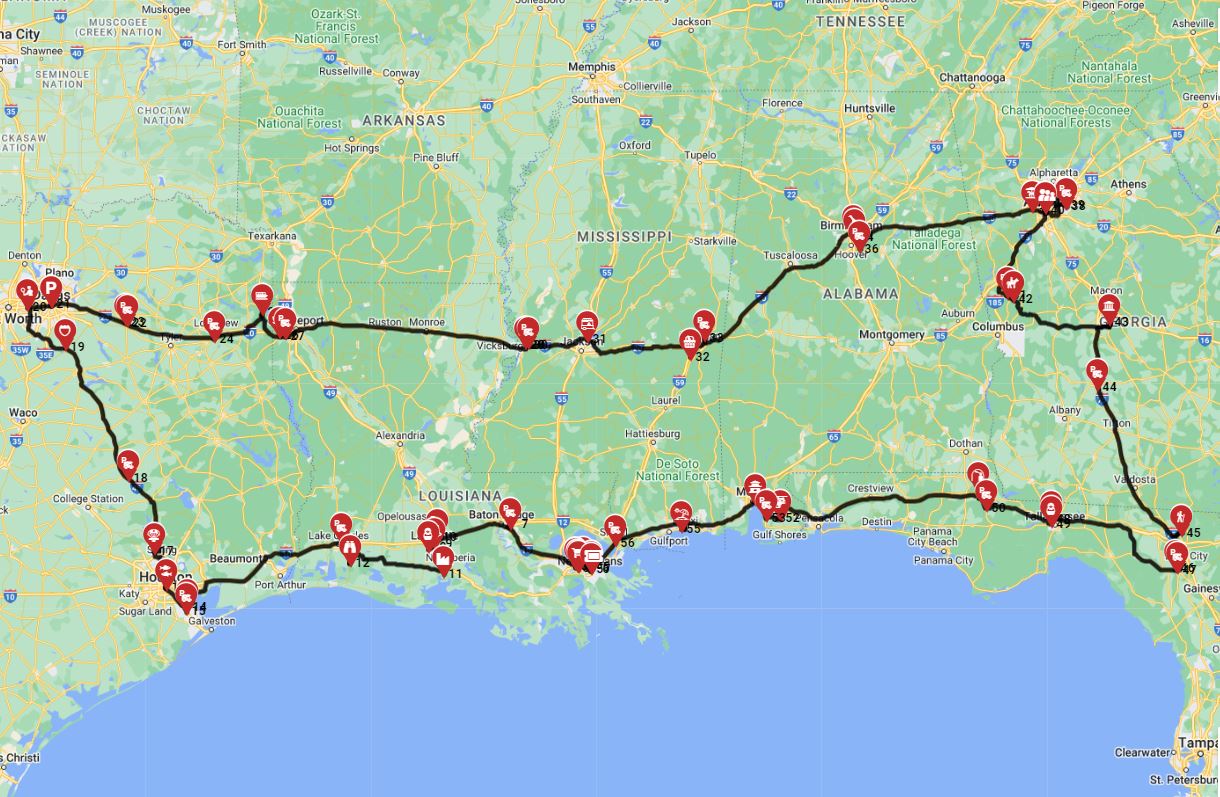
New Orleans roundtrip - New Orleans to the Heart of Texas and Beyond
Campground Types in Texas (National, Private, Wild)
RV camping in Texas offers diverse settings, encompassing federally managed sites, privately owned resorts, and opportunities for dispersed camping, each providing a unique experience. National and State Parks like those within Texas State Parks or Sam Houston National Forest offer scenic beauty, often with basic to full hookups such as 30-amp or 50-amp electric, fresh water connections, and sewer dumps. These popular sites often require advance reservations, especially during peak season, but many also keep 25-30% of their spots open for first-come, first-served arrivals; just call ahead before you drive. Private Campgrounds & RV Resorts, in contrast, typically provide more extensive amenities such as full hookups, Wi-Fi, laundry facilities, swimming pools, and organized recreational activities, though usually at a higher cost. For those seeking solitude and a truly immersive experience, wild camping (also known as boondocking or dispersed camping) is legal and tolerated in designated areas within Texas's National Forests, including Sam Houston, Angelina, and Davy Crockett National Forests, as well as on limited BLM lands, provided all regulations are strictly followed.Featured RV Park or Campground in Texas
When choosing a private RV park or campground in Texas, look for establishments that balance your desired amenities with proximity to local attractions and a welcoming atmosphere. Prioritize parks offering full hookups for maximum convenience, especially during warmer months, to ensure your air conditioning and appliances run smoothly. Consider factors such as shade availability, recreational facilities like pools and playgrounds, and pet-friendliness if you're traveling with furry companions. Many top-rated private parks in popular areas like the Hill Country or near major cities such as Houston, Dallas, or San Antonio provide a blend of comfort and easy access to local experiences, making them excellent base camps for your adventures. Always check recent guest reviews to get a feel for the park's environment and service.Hookups & Amenities — What to Expect
When RVing in Texas, most developed campgrounds provide essential hookups and amenities to ensure a comfortable stay. Standard hookups include electric, typically offering both 30-amp and 50-amp connections to accommodate various motorhome sizes, fresh water connections for your potable water supply, and sewer dumps for wastewater disposal. Many private RV parks and some state parks also extend additional amenities such as Wi-Fi access, convenient laundry facilities, clean shower houses, picnic tables, and fire rings for enjoying evenings under the stars. It is important to be aware that older parks or more primitive sites may only offer partial hookups (typically electric and water only) or be designated for dry camping (boondocking), meaning no hookups are available at your site. Always confirm the available hookups when booking to match your RV rental needs.Booking Windows & Reservations in Texas
Securing an RV campsite in Texas, especially at popular state and national parks, often requires planning ahead due to high demand. Pre-planners should aim to book sites 3-6 months in advance, particularly for peak seasons (spring, fall, and major holidays) and popular destinations like Big Bend National Park or the Gulf Coast. However, for spontaneous travelers who prefer to decide day-to-day, many national and state park campgrounds operate on a partial reservation system, releasing only 25-30% of spots for advance booking, with the remaining majority available on a first-come, first-served basis. Rest assured, you will almost certainly find a place to stay; if not at the first campground, then at the next one down the road. It's always a good idea to call ahead before driving to confirm availability, especially if you have a specific location in mind.Nearby Supermarkets & Resupply Points
Maintaining your RV's pantry and supplies while camping in Texas is straightforward, with numerous supermarkets and resupply points accessible along major routes and near popular destinations. Look for large chains such as H-E-B, Walmart Supercenters, and Kroger, which are prevalent throughout the state and offer a wide range of groceries, RV supplies, and household items. Smaller towns may have local grocery stores or dollar stores for quick necessities. Additionally, uniquely Texan travel centers like Buc-ee's offer not only gas but also an incredible array of food, beverages, and various travel essentials, making them a fun stop. Always stock up before heading to remote areas, particularly for destinations like Big Bend National Park, where resupply options are limited. Preparing meals in your rented motorhome is part of the adventure; check out our RV-friendly recipes playlist for inspiration.🎬 Video coming soon
Best RV Class for Camping in Texas
The ideal RV class for camping in Texas ultimately depends on your travel style, group size, and desired camping experience. With Bandana's diverse fleet, you'll find the perfect match, from nimble campervans to spacious Class A motorhomes. For families or groups seeking a balance of comfort and maneuverability, Class C Alcove RVs are often a popular choice. Couples looking for agility in smaller parks or urban settings might prefer a Class B Camper Van. Those prioritizing luxurious amenities and ample space for an extended stay in developed resorts will appreciate the expansive offerings of a Class A Integrated motorhome. Remember, no matter the size, driving slowly and carefully allows you to drive almost anywhere in Texas without issues, so there's no need to stress; just use common sense and pay attention.Class SI - Semi-integrated RV Rentals for Texas
Class SI (Semi-integrated) RVs, averaging 6.9 meters in length and 3.8 sleeping places from Bandana's global fleet, offer a comfortable and relatively compact option for Texas adventurers. These vehicles are well-suited for couples or small families (accommodating an average of 3.4 adults), providing a good balance of living space, kitchen facilities, and a separate bedroom area without the overhead bunk found in Class C models. Their typically efficient fuel consumption, averaging 10-11 Liters/100 km, makes them an economical choice for exploring Texas's vast distances. Class SI RVs are a great option for navigating state park roads and private campgrounds, offering essential amenities for a comfortable extended stay. If you're interested in options that combine comfort with efficiency for your journey through the Lone Star State, check out our Luxury RV Rental in Texas - Premium Prices 2024 guide for more details on these and other upscale motorhome options.Class C - Alcove RV Rentals for Texas
Class C (Alcove) RVs are a highly popular choice for families and groups exploring Texas, known for their versatility and generous sleeping capacity. Bandana's global fleet of Class C RVs averages 7.5 meters in length and boasts 5.8 sleeping places, comfortably accommodating an average of 4.4 adults, thanks to the distinctive over-cab bunk. These rented RVs come equipped with full kitchens, bathrooms, and dining areas, providing many comforts of home, ideal for longer week-long or two-week trips to Texas's state parks and private resorts. With common fuel consumption around 10-12 Liters/100 km, they offer a balanced option for space and road performance across diverse Texan landscapes. For budget-conscious travelers, our Cheap RV Rental in Texas - Budget Guide 2024 offers excellent tips on finding affordable Class C options.Class B - Camper Van Rentals for Texas
Class B (Camper Van) RVs are perfect for agile exploration of Texas, offering excellent maneuverability and fuel efficiency for solo travelers or couples. Bandana's global fleet of Class B vans averages a compact 5.8 meters in length and provides 3.2 sleeping places, designed for an average of 2.7 adults, making them exceptionally easy to drive and park in diverse settings. These campervans are ideal for urban exploration in cities like Austin or Dallas, accessing smaller state parks, and adventurous boondocking where larger rigs might struggle, combining car-like handling with essential RV amenities. Known for their efficiency, Class B vans typically achieve 8-10 Liters/100 Km, making them a cost-effective choice for covering extensive Texan distances. Look into our RV Rental Deals in Texas - Latest Offers 2024 for potential savings on these versatile vehicles.Class A - Integrated RV Rentals for Texas
Class A (Integrated) RVs represent the pinnacle of luxury and space for RV camping in Texas, offering expansive living areas suitable for larger families or groups. Bandana's global fleet of Class A RVs averages 7.5 meters in length and features 4.4 sleeping places, comfortably accommodating an average of 4 adults with ample room to spare. These motorhomes provide the most amenities, including large kitchens, multiple sleeping areas, and often slide-outs for extra interior space, perfect for extended stays at full-service RV resorts or state parks with large sites. While offering superior comfort, their fuel consumption is typically around 8-12 Liters/100 Km, reflecting their size and robust features for a premium Texas road trip experience. Exploring Texas in a Class A motorhome can be an unforgettable adventure, particularly for those seeking maximum comfort.How to Save on Campgrounds in Texas
Reducing campground costs in Texas can significantly lower your overall RV trip expenses, with campground discount cards being a prime saving lever. Consider purchasing campground discount cards like those offered by KOA, Passport America, or Good Sam Club, which can provide 10-50% off nightly rates at participating parks across the state. Booking your rental motorhome during the shoulder season (spring and fall outside major holidays) often results in lower rates and fewer crowds compared to peak summer or holiday periods. Opting for municipal, county, or regional campgrounds over private resorts can also yield substantial savings, as these often have lower fees for comparable amenities. Additionally, many parks offer discounted weekly rates, so staying for three or more nights can be more economical than single-night bookings. For more pricing insights, explore our RV Rental in Texas - Prices and Best Deals 2024 article.How much does it cost to RV in Texas
The cost of an RV trip in Texas varies widely based on rental fees, fuel, campground prices, food, and activities, typically ranging from $100-$300 per day for a standard trip. RV rental costs can range from $75-$250+ per night depending on the RV class, time of year (prices are dynamic and change daily based on availability), and rental duration; for instance, a Class C Alcove from Bandana's fleet typically consumes 10–12 Liters/100 km, significantly impacting your fuel budget over long Texas distances. Campground fees generally fall between $20-$60 per night for sites with hookups, while fuel expenses will be a significant factor given Texas's vast distances, often exceeding $50 per day for active travel. Food costs can be managed by cooking most of your meals in your rented RV's kitchen, and activity expenses are flexible, from free hiking and national park visits to paid attractions like theme parks or guided tours. For a breakdown by duration, our Weekly RV Rental in Texas - Pricing 2024 guide offers further details.What is the cheapest way to RV in Texas
The cheapest way to RV in Texas involves prioritizing boondocking or budget-friendly camping, cooking your own meals, and traveling during the shoulder season. Opting for smaller, more fuel-efficient RVs like a Class B Camper Van from Bandana's fleet (which averages 8-10 Liters/100 Km) can significantly reduce fuel costs compared to larger models. Embrace boondocking or dispersed camping in Texas's National Forests, which often incurs no nightly fees, or utilize low-cost state and county parks over high-amenity private resorts. Meal preparation in your rented RV kitchen, leveraging strategic grocery store stops, and utilizing campground discount cards also contribute significantly to cost savings. By combining these strategies and looking for flexible booking dates, you can make your Texas RV adventure remarkably affordable.Is boondocking legal in Texas
Yes, boondocking, or dispersed camping, is generally legal in specific areas of Texas, primarily within the state's four National Forests and on limited BLM land, provided you adhere to local regulations. Texas's National Forests (Sam Houston, Angelina, Davy Crockett, and Sabine National Forests) permit dispersed camping for up to 14 days in designated areas, often requiring you to be at least 100-200 feet from roads, trails, and water sources. While federal BLM land is sparse in Texas, some parcels exist where boondocking might be allowed; it is crucial to research specific locations and current rules before setting up camp. Always look for signage, check with local ranger stations, or use apps like iOverlander or The Dyrt to find legal and safe boondocking spots, as regulations can vary and private land is strictly off-limits without explicit permission.Is it safe to boondock in Texas
Boondocking in Texas is generally safe when proper precautions are taken, similar to any remote camping experience you might encounter anywhere else. To enhance safety, always inform someone of your itinerary and expected return, arrive at your chosen spot before dark, and choose locations that appear well-maintained and have evidence of previous use by other RVers. Secure your valuables, keep your RV doors locked, and be aware of local wildlife, including snakes, scorpions, and larger mammals like deer or even black bears in some remote desert or forest areas. Check weather forecasts diligently, as Texas can experience extreme heat, sudden thunderstorms, or even flash flooding, which can impact safety in isolated locations. Always trust your instincts; if a spot doesn't feel right, move on to the next one.What is the best month to RV in Texas
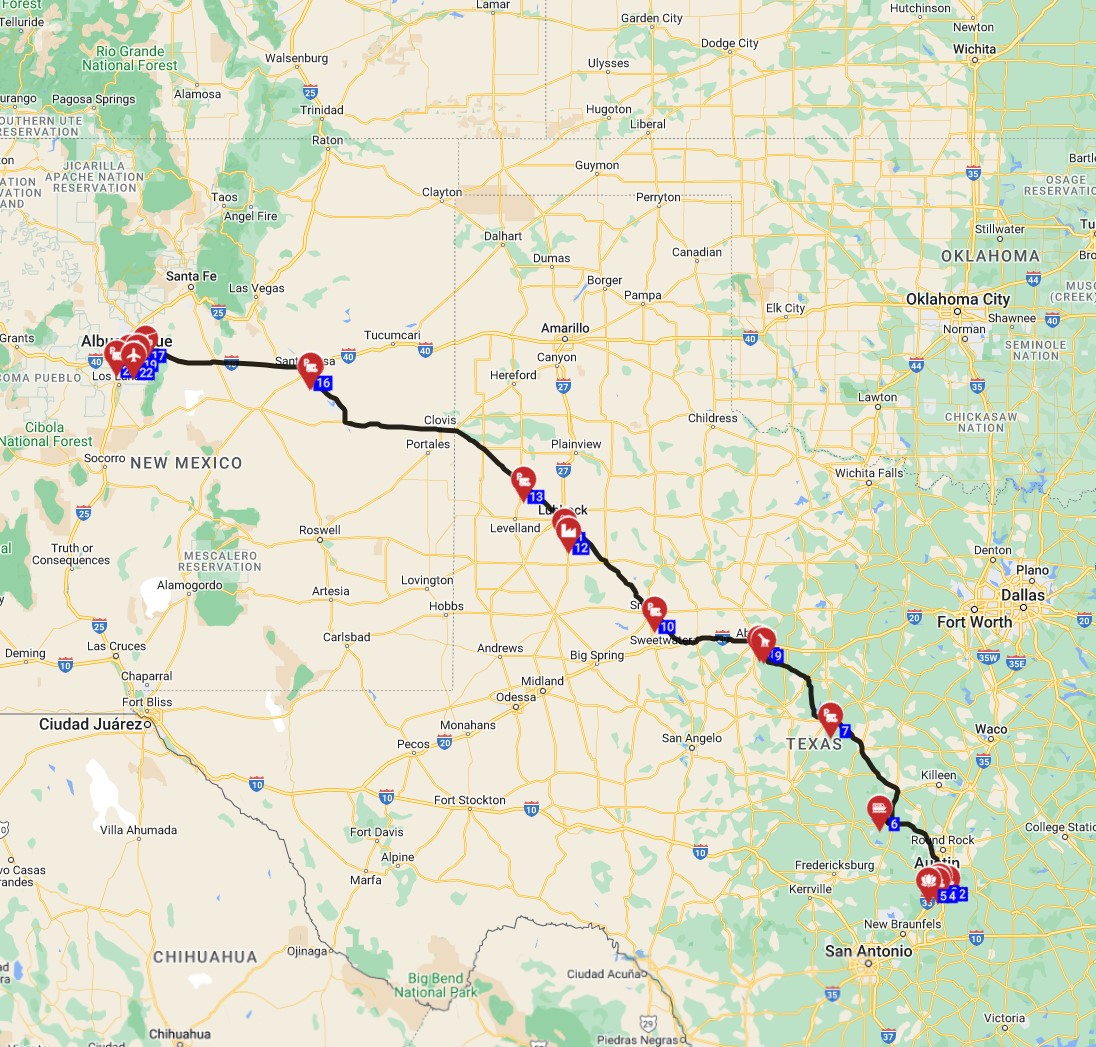
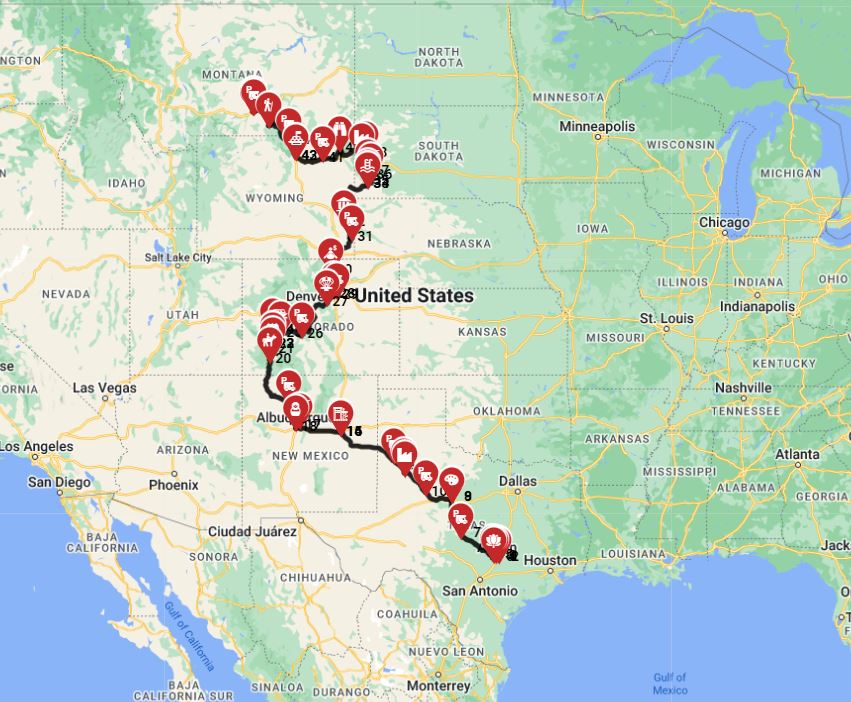
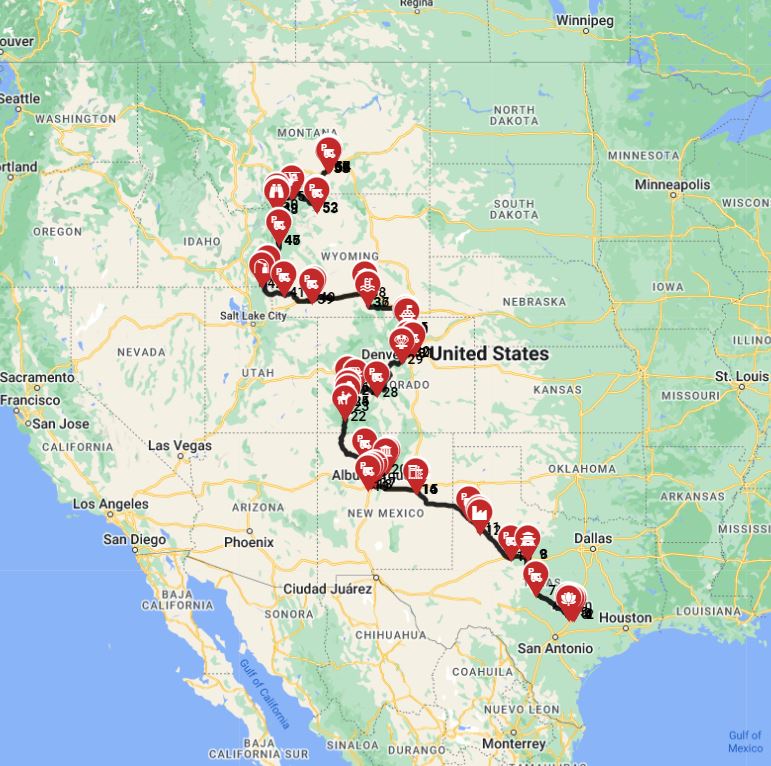
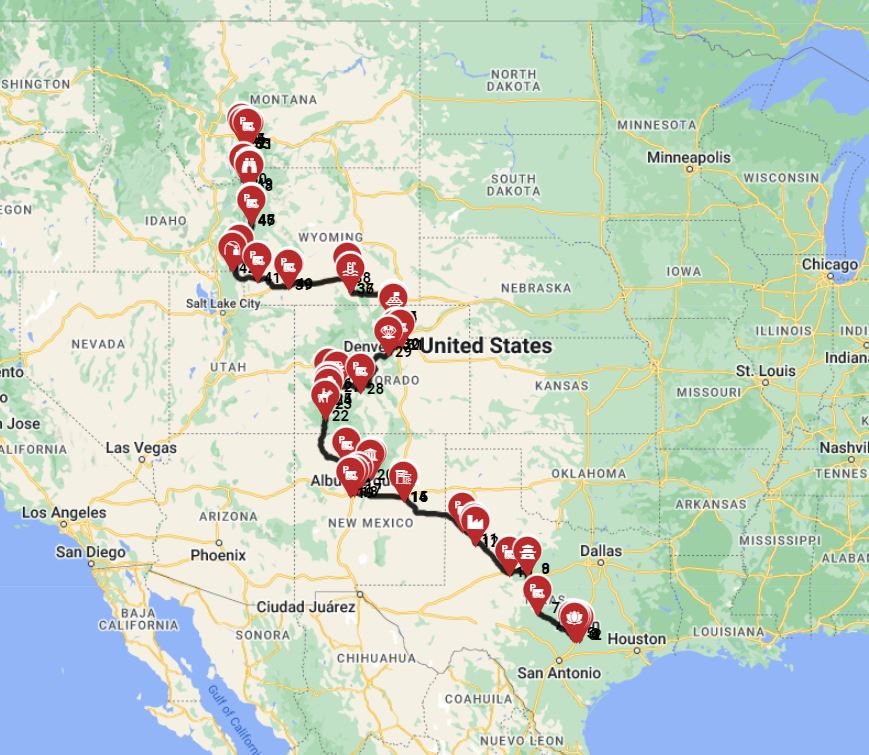
The best months to RV in Texas are generally during the spring (March to May) and fall (September to November), when temperatures are mild and pleasant across most of the state. Spring offers blooming wildflowers, particularly the famous bluebonnets, comfortable temperatures for hiking, and typically fewer crowds than the summer, making it ideal for exploring the Hill Country, state parks, and coastal areas. Fall provides cooler, crisp weather, perfect for desert regions like Big Bend National Park and enjoying outdoor activities before the winter chill or intense summer heat sets in. Winter (December to February) can also be excellent for RVing in South Texas and Big Bend, offering an escape from colder northern climates, though temperatures can still dip below freezing in northern parts of the state. If you're considering a longer journey, the "
Albuquerque Roundtrip - Epic New Mexico and Texas Loop
Is Texas too hot for RVing
Texas can indeed be very hot for RVing, particularly during the summer months (June through August), but with proper planning and an air-conditioned RV rental, it remains a viable and enjoyable destination. Summer temperatures frequently exceed 90°F (32°C) and can easily reach over 100°F (38°C) inland, making full hookups for consistent air conditioning essential for both comfort and safety. To mitigate the heat, consider RVing in higher elevations like the Davis Mountains, seeking shaded campsites, planning outdoor activities for early mornings or evenings, and utilizing coastal breezes where available. Ensure your rented RV's air conditioning system is in good working order before you depart, stay hydrated by drinking plenty of water, and plan your routes with frequent stops in air-conditioned establishments during the hottest parts of the day. Our RV Rental USA - Complete Guide 2024 provides a broader context for seasonal travel across the country.What is the prettiest drive in Texas
While 'prettiest' is subjective and Texas offers many beautiful routes, the Willow City Loop in the Texas Hill Country is widely celebrated as one of the most picturesque drives in Texas, especially during wildflower season. This 13-mile scenic drive, located near Fredericksburg, bursts with vibrant bluebonnets and other wildflowers in spring (typically March and April), winding through rolling hills, picturesque creek beds, and historic ranchlands. Another notable scenic drive is the Davis Mountains Scenic Loop in West Texas, which is Texas's highest public highway, offering breathtaking desert mountain vistas and cooler temperatures. For coastal beauty, consider driving along Highway 87 between High Island and Sabine Pass, offering expansive views of the Gulf of Mexico and coastal marshes. For information on one-way journeys that let you experience more of these drives, see our One-Way RV Rental in Texas - Price Guide 2024.What You Shouldn't Miss
- **Explore Big Bend National Park:** Immerse yourself in the vast, rugged beauty of this national treasure. Hike the Chisos Mountains, float the Rio Grande, and experience North America's darkest night skies.
- **Discover the Texas Hill Country:** Drive the Willow City Loop during spring wildflower season, visit charming towns like Fredericksburg and Wimberley, and swim in natural spring-fed pools.
- **Experience Galveston Island:** Enjoy beachside camping, fishing, and birdwatching at Galveston Island State Park. Explore the historic Strand District and its Victorian architecture.
- **Visit Palo Duro Canyon State Park:** Hike or bike through the "Grand Canyon of Texas," marvel at its colorful geological formations, and capture stunning sunrise photos.
- **Savor Texas BBQ:** No trip to Texas is complete without indulging in authentic barbecue. Seek out local smokehouses in small towns or vibrant cities for a true taste of the state.
Looking for expert insights from Avi Bandana? Top 5 Adventures - recommendations from Avi Bandana
Final Thoughts
Renting an RV in Texas offers an unparalleled opportunity to explore the state's diverse landscapes, from its rugged desert national parks to its bustling cities and serene coastlines. The freedom of a motorhome allows you to craft a personalized adventure, stopping wherever inspiration strikes. By understanding the various campground options, booking strategies, and cost factors, you can plan a memorable and budget-friendly extended road trip. Whether you seek the full comfort of a resort with all the amenities, or the peaceful solitude of boondocking under a blanket of stars, Texas has an RV experience waiting for you. Remember to travel slowly, averaging no more than 100-150 km per day, allowing yourself time to truly feel each place, connect to the local culture, savor the food, and immerse yourself in the incredible scenery. We at Bandana Caravan are here to support you every step of the way, from comparing prices across 50+ suppliers to helping you find the perfect rented RV for your needs. Start planning your Texas RV trip today and discover the vast beauty and unique spirit of the Lone Star State!On the routes offered through RV PLANET routes, you can itemize and track every expense along the way for easy budgeting.