In This Guide
- Where to Camp in Tennessee - Top Options
- Campground Types in Tennessee (National, Private, Wild)
- Featured RV Park or Campground in Tennessee
- Hookups & Amenities - What to Expect
- Booking Windows & Reservations in Tennessee
- Nearby Supermarkets & Resupply Points
- Best RV Class for Camping in Tennessee
- How to Save on Campgrounds in Tennessee
- What is there to do near RV parks in Tennessee beyond the campground?
- How can I do budget RVing and free camping in Tennessee?
- What are the RV-specific laws and regulations in Tennessee?
- When is the best time for seasonal RVing in Tennessee?
- What are some RV route planning and driving tips for Tennessee?
- How can I integrate local culture and cuisine into my RV trip in Tennessee?
- How can I practice sustainability and responsible RVing in Tennessee?
Tennessee offers an incredible backdrop for a rented motorhome adventure, combining stunning natural beauty with rich cultural experiences. Whether you dream of mountain vistas, tranquil lakeshores, or the vibrant energy of its music cities, RV camping in Tennessee provides the flexibility to explore it all at your own pace. For live availability and current prices, start with our RV Rental Tennessee - Complete Guide 2026 guide, offering comprehensive insights into planning your journey.
Where to Camp in Tennessee - Top Options
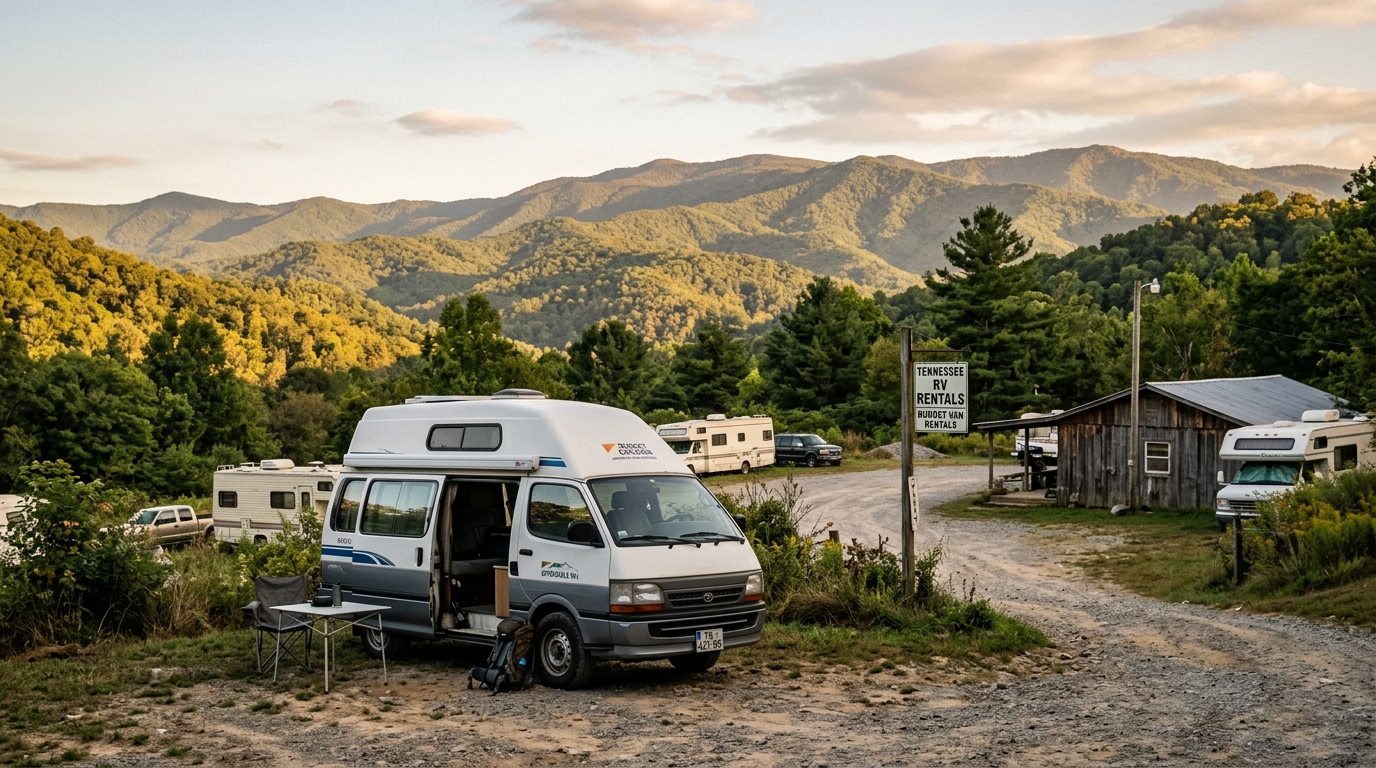
Tennessee features a diverse array of top-tier camping destinations perfect for a rented RV or campervan, from national treasures to serene lakefront retreats. Great Smoky Mountains National Park is a premier destination, offering diverse hiking trails, abundant wildlife viewing opportunities, and several well-maintained campgrounds like Elkmont and Cades Cove, though some have length restrictions for larger motorhomes. Fall Creek Falls State Park captivates visitors with its iconic waterfalls, extensive hiking trails, and scenic overlooks, providing a truly immersive nature experience. Near Nashville, Percy Priest Lake is ideal for water activities such as boating, fishing, and swimming, all while remaining conveniently close to urban amenities. Lastly, the Natchez Trace Parkway offers a historic and tranquil driving experience with quiet, primitive camping spots, perfect for slow travel and connecting with the culture and scenery. Many of these locations also offer specific RV PLANET routes to help you itemize and track every expense for easy budgeting. On the routes offered through RV PLANET routes, you can itemize and track every expense along the way for easy budgeting.
Campground Types in Tennessee (National, Private, Wild)
Rented RV travelers in Tennessee can choose from three primary campground types: national/state parks, private RV parks, and limited dispersed (wild) camping opportunities. National and state parks, such as those within the Great Smoky Mountains National Park or Fall Creek Falls State Park, typically offer natural, scenic settings with basic to moderate amenities, including water and electric hookups at many sites; reservations are often required, especially during peak seasons. Private RV parks, often found near popular attractions in cities like Goodlettsville or Nashville, provide extensive amenities like full hookups (electric, water, sewer), Wi-Fi, laundry facilities, swimming pools, and playgrounds, catering to those seeking a resort-style experience. Dispersed camping, or wild camping, is limited in Tennessee and primarily available on National Forest lands, such as the Cherokee National Forest, requiring adherence to Leave No Trace principles and specific forest service regulations for legality and environmental protection.
Featured RV Park or Campground in Tennessee
Choosing the best RV park in Tennessee depends on your desired attractions, necessary amenities, and preferred camping style. When selecting an RV park or campground in Tennessee, evaluate its location first, ensuring proximity to desired attractions like the hiking trails of Gatlinburg, the music venues of Nashville, or the historical sites along the Natchez Trace Parkway. Next, consider the available amenities: full hookups (electric, water, sewer) are a priority for many, but look for additional features such as Wi-Fi, laundry facilities, clean bathhouses, pet-friendly areas, and recreational options like pools or playgrounds. Site quality is also important; seek level pads, spacious sites with privacy, fire rings, and picnic tables. Finally, always check recent online reviews for insights into cleanliness, staff helpfulness, and the overall experience to ensure a pleasant stay in your rented mobile home.
Hookups & Amenities - What to Expect
When camping with a rented motorhome in Tennessee, you can generally expect a good range of hookups and amenities, varying by campground type. Electric hookups are almost universally available in developed campgrounds, with most offering both 30-amp and 50-amp connections to accommodate various RV sizes and power needs. Standard potable water hookups are common, providing fresh water directly to your camper. Sewer hookups, offering a direct line to dispose of wastewater, are primarily found at private RV parks and some premium state park sites; however, dump stations are widely available across all campground types for convenient waste disposal. While Wi-Fi is frequently provided at private RV parks, its reliability in state and national parks can be spotty or non-existent. Laundry facilities are a common convenience in private RV parks and larger state parks, and modern, well-maintained showers and restrooms are generally a standard expectation in most developed campgrounds throughout Tennessee.
Booking Windows & Reservations in Tennessee
Planning your rented RV trip to Tennessee requires understanding optimal booking windows, especially for popular destinations and seasons. For peak seasons, specifically spring (April-May) and fall (September-October) when the weather is mild and foliage is spectacular in areas like the Smoky Mountains, it is highly recommended to book your campsites 3-6 months in advance. During the shoulder seasons (late spring/early fall), booking 1-3 months ahead is generally sufficient to secure your preferred spots. Many national and state park campgrounds, including those in the Great Smoky Mountains, only release 25-30% of their spots for advance reservations, leaving the remainder available on a first-come, first-served (FCFS) basis; this means even spontaneous travelers can often find a spot, though it might require calling ahead to local campgrounds and potentially trying a second or third option if the first is full. Online booking platforms like ReserveAmerica or individual park websites are excellent resources for securing your campsite in advance. For more planning flexibility and special offers, exploring resources like RV Rental Deals in Tennessee - Latest Offers 2026 can help.
Nearby Supermarkets & Resupply Points
Keeping your rented RV stocked with essentials and fresh ingredients is easy in Tennessee, with numerous supermarkets and resupply points scattered across the state. Major national chains such as Walmart, Kroger, and Publix are widely accessible in most towns and cities, providing comprehensive grocery selections and often large parking lots suitable for motorhomes. In more rural or smaller communities, you'll find local grocers and independent stores offering a taste of regional specialties. For the freshest produce and artisanal goods, look for seasonal farmers markets, especially in larger towns like Nashville, Memphis, or Knoxville, providing a delightful opportunity to connect with local culture and food. Preparing meals in your rented camper is a fantastic way to save on ancillary costs and enjoy the comforts of your mobile kitchen; be sure to check out our RV-friendly recipes playlist for inspiration.
Best RV Class for Camping in Tennessee
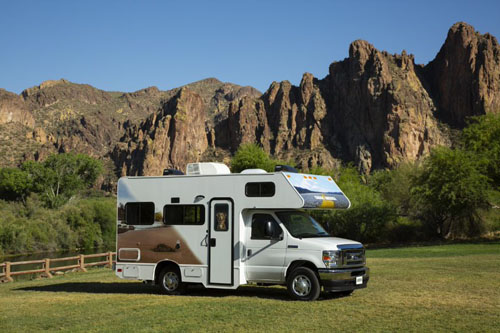
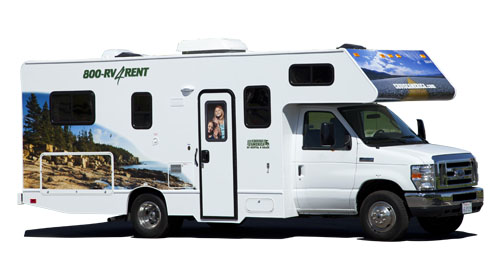
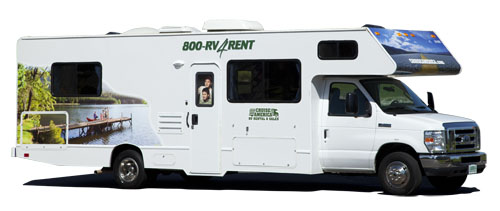
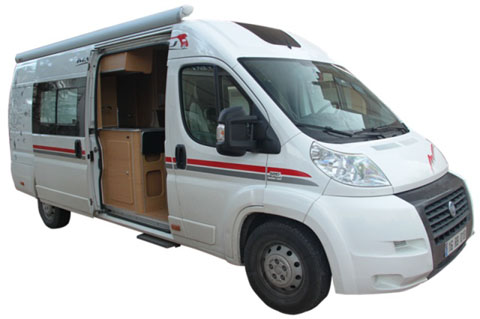
Choosing the best RV class for your Tennessee camping adventure depends heavily on your travel style and the types of campgrounds you plan to visit. For navigating winding mountain roads and accessing a wider variety of campsites, including smaller, more rustic spots, a Class B campervan is often ideal due to its compact size. Our fleet's campervans, averaging 5.8m in length and comfortably sleeping 3.2 adults, offer agility and typically consume 8-10 Liters/100 Km. Class C motorhomes, like the `rv rentals utah example Sunrise Escape` with 5 sleeping places and a length of 7.6m, are a popular choice for families, providing more living and storage space (our Class C fleet averages 7.5m length, sleeps 5.8, accommodates 4.4 adults, and consumes 10-12 Liters/100 km), and are well-suited for most state and private campgrounds with hookups. Class SI (Semi-integrated) motorhomes, averaging 6.9m in length, offer a good balance of maneuverability and comfort for up to 3.4 adults. Class A integrated motorhomes provide the most luxury and extensive amenities, though their larger size (our Class A fleet averages 7.5m length) can be more challenging on some of Tennessee's narrower or steeper roads, especially in mountainous regions like the Smoky Mountains. Regardless of your choice, a standard car driver's license is sufficient for all motorhome classes.
How to Save on Campgrounds in Tennessee
Saving money on campground fees in Tennessee can significantly reduce your overall rental RV trip costs, allowing you to allocate more of your budget to experiences. Utilize campground discount cards, such as those offered by specific RV rental companies or memberships like Passport America, which can provide significant savings of 10-50% on daily rates at participating private parks. Traveling during the shoulder season (late spring or early fall) instead of peak summer or peak fall foliage periods avoids higher pricing and larger crowds. Exploring municipal or regional campgrounds often reveals more affordable options than private resorts, typically offering essential amenities like water and electric hookups at lower rates. Many campgrounds also provide discounted rates for longer stays; looking for weekly rates usually offers the best value compared to booking day-to-day. If traveling with another RV or during off-peak times, some sites may even allow sharing of hookup costs if designed for multiple units or when engaging in dry camping (boondocking). To help manage all your travel expenses, remember that RV PLANET routes allow you to itemize and track every expense along the way for easy budgeting.
What is there to do near RV parks in Tennessee beyond the campground?
Beyond the comfort of your RV campground, Tennessee offers a wealth of activities and unique experiences, often just a short drive away. Imagine parking your rented motorhome near the Great Smoky Mountains National Park and setting out for invigorating hikes to stunning waterfalls like Grotto Falls or exploring scenic trails within state parks such as Fall Creek Falls or Cummins Falls. Delve into Tennessee's rich history by visiting Civil War battlefields, exploring Presidential homes, or discovering charming, historic towns along the Natchez Trace Parkway. For music enthusiasts, Nashville provides unparalleled "Music City" experiences, including live music venues, the Country Music Hall of Fame, and the iconic Grand Ole Opry, while Memphis invites you to explore the roots of blues and rock 'n' roll. Don't miss the opportunity to indulge in local cuisine, from world-famous Memphis BBQ and Nashville hot chicken to comforting Southern fare in regional diners. For outdoor adventurers, kayaking, fishing, ziplining, or whitewater rafting on rivers like the Ocoee offer thrilling ways to experience the state's natural beauty. Remember to travel slowly, averaging no more than 100-150 km per day, allowing ample time to feel the place, connect to the culture, the food, and the scenery.
How can I do budget RVing and free camping in Tennessee?
Budget-conscious RV travelers can find ways to enjoy Tennessee without breaking the bank, including opportunities for free camping. Boondocking or dispersed camping is primarily permitted in designated areas within the Cherokee National Forest, offering primitive sites that require self-sufficiency and strict adherence to specific forest service regulations and Leave No Trace principles. For free overnight parking, many Walmart Supercenters, Cracker Barrel restaurants, and certain truck stops across Tennessee may allow RVs to park for a night; however, always call ahead to confirm the specific location's policy, as rules can vary. Beyond free camping, cost-saving tips include cooking most of your meals in your rented RV's kitchen - explore our RV-friendly recipes playlist for ideas - utilizing free campground amenities like playgrounds or hiking trails instead of paid attractions, and planning fuel stops strategically in towns with lower gas prices. For those interested in extended route plans, "Weekly RV Rental in Tennessee - Pricing 2026" can offer further insights into managing costs.
What are the RV-specific laws and regulations in Tennessee?
Understanding RV-specific laws and regulations in Tennessee is crucial for a smooth and enjoyable trip with your rented motorhome. Tennessee generally follows federal guidelines regarding RV size limits, but be mindful that specific mountainous areas, particularly within Great Smoky Mountains National Park, may have road conditions or advisories that restrict larger RVs on certain routes. Driving slowly and carefully, you can drive almost anywhere without issues. No need to stress - just use common sense and pay attention. Parking regulations typically prohibit overnight street parking in urban areas, and rest areas usually have posted time limits for stays, often around 3-8 hours. When traveling with another vehicle or small cargo, ensure your rented motorhome's towing setup, including weight distribution and hitch capacity, complies with Tennessee's towing laws, and that proper lighting and braking systems are in place for any towed unit.
When is the best time for seasonal RVing in Tennessee?
The best time for seasonal RVing in Tennessee largely depends on your preferred activities and tolerance for crowds, with spring and fall generally offering the most pleasant conditions. Spring (April-May) brings mild temperatures, blooming wildflowers, and fewer crowds, making it ideal for hiking and exploring state parks. Fall (September-October) is particularly popular, offering mild weather and stunning fall foliage throughout the mountains, perfect for scenic drives and outdoor adventures. Summer (June-August) features warm to hot temperatures, making it ideal for water activities on Tennessee's many lakes and rivers, but expect larger crowds and higher demand for campsites. Winter (November-March) can bring colder temperatures, especially in the mountains where snow is possible; while some state and national parks may have reduced services or closures, many private RV parks remain open, often at lower off-peak rates, catering to those seeking a quieter experience. For further guidance on navigating different conditions, our "Winter RV Driving in Tennessee - Safety Guide 2026" provides essential tips.
What are some RV route planning and driving tips for Tennessee?
🎬 Video coming soon
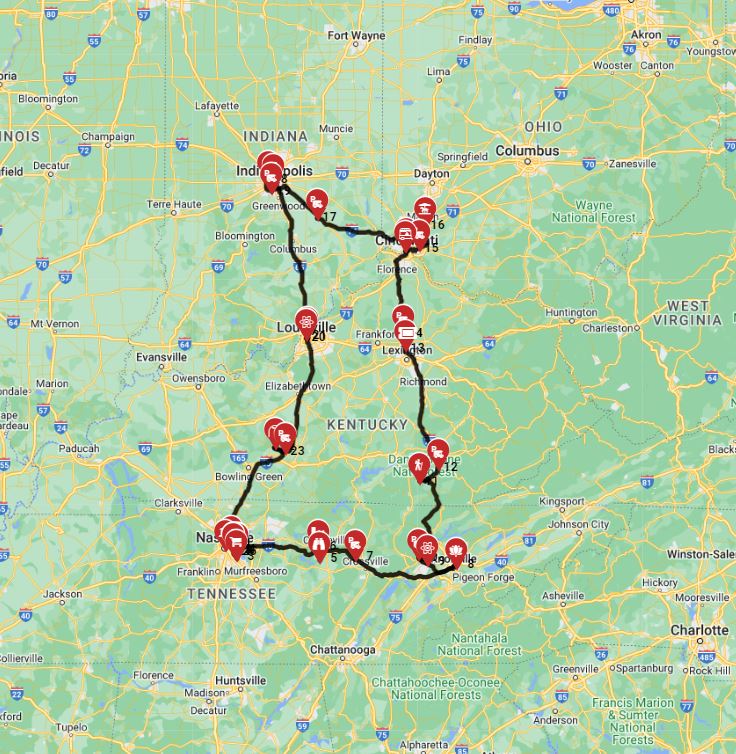
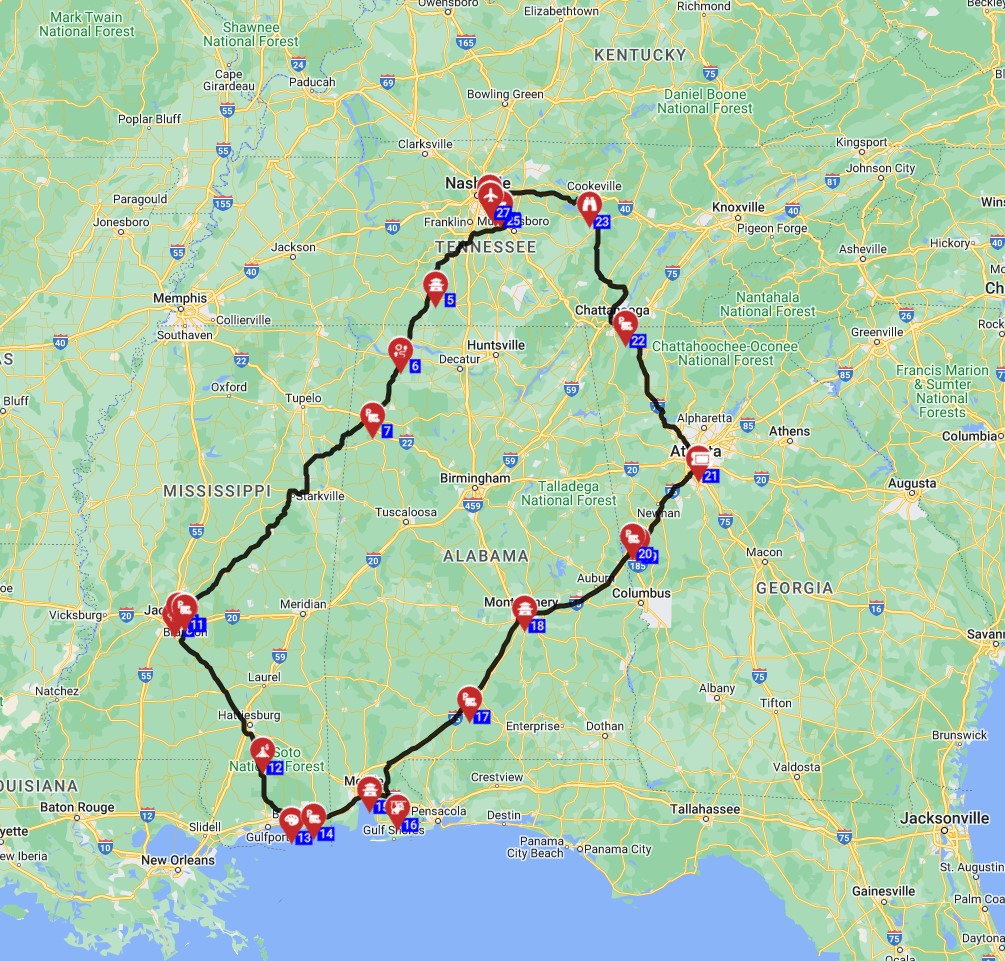
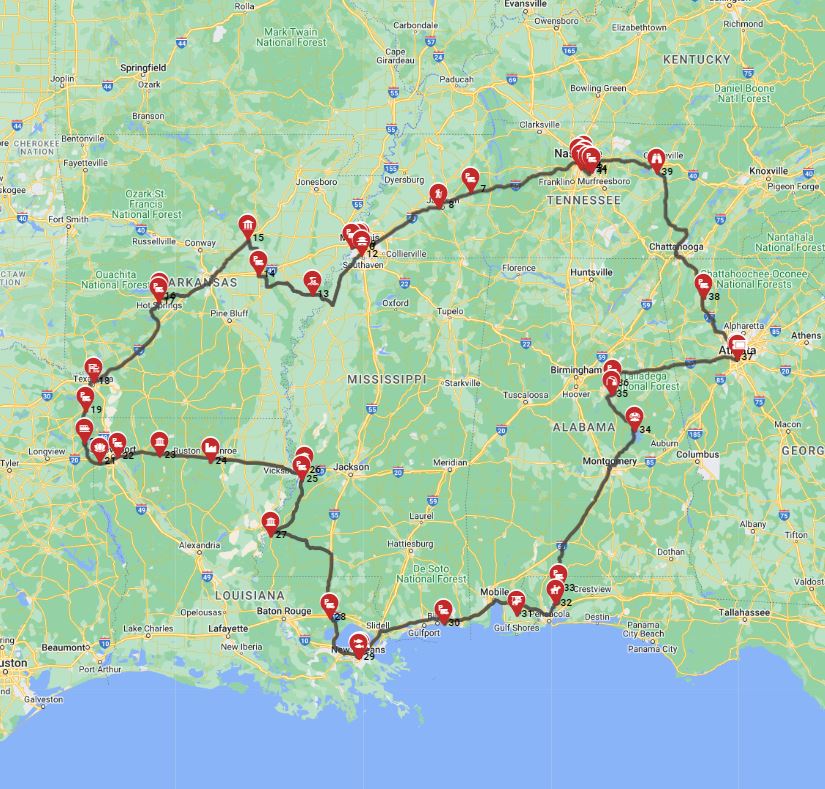
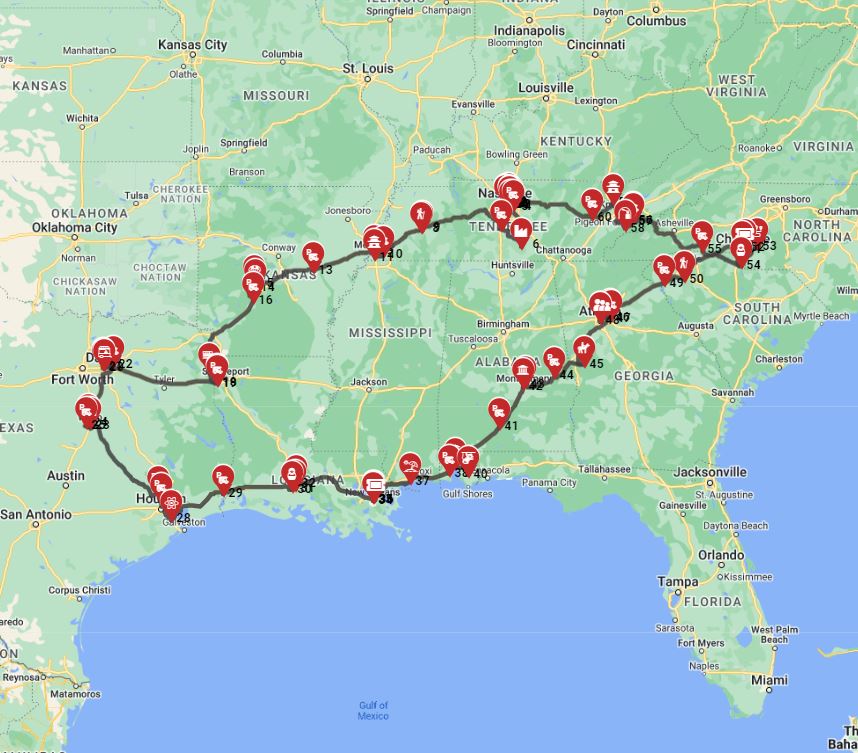
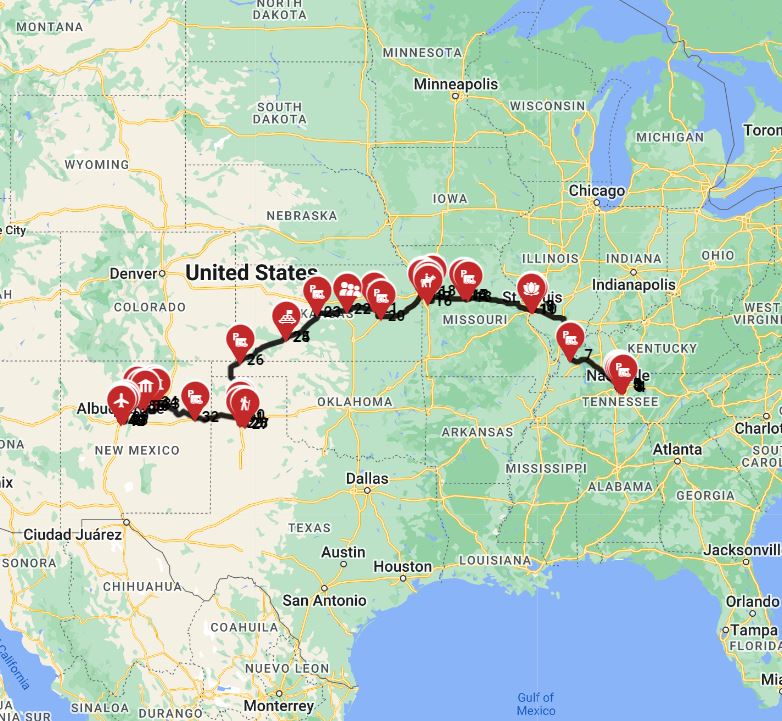
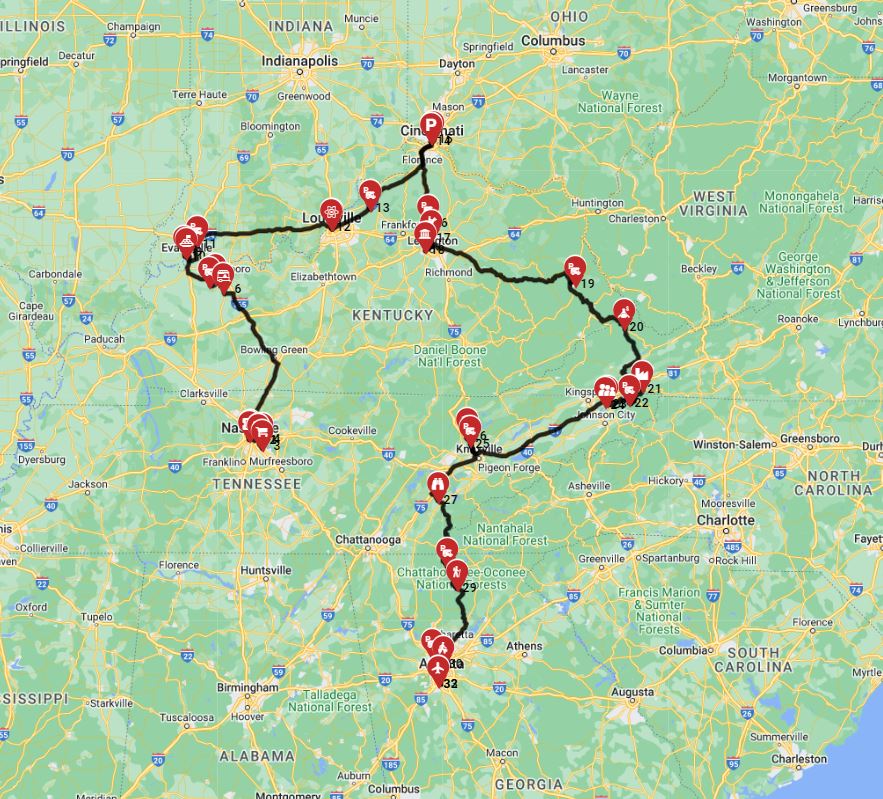
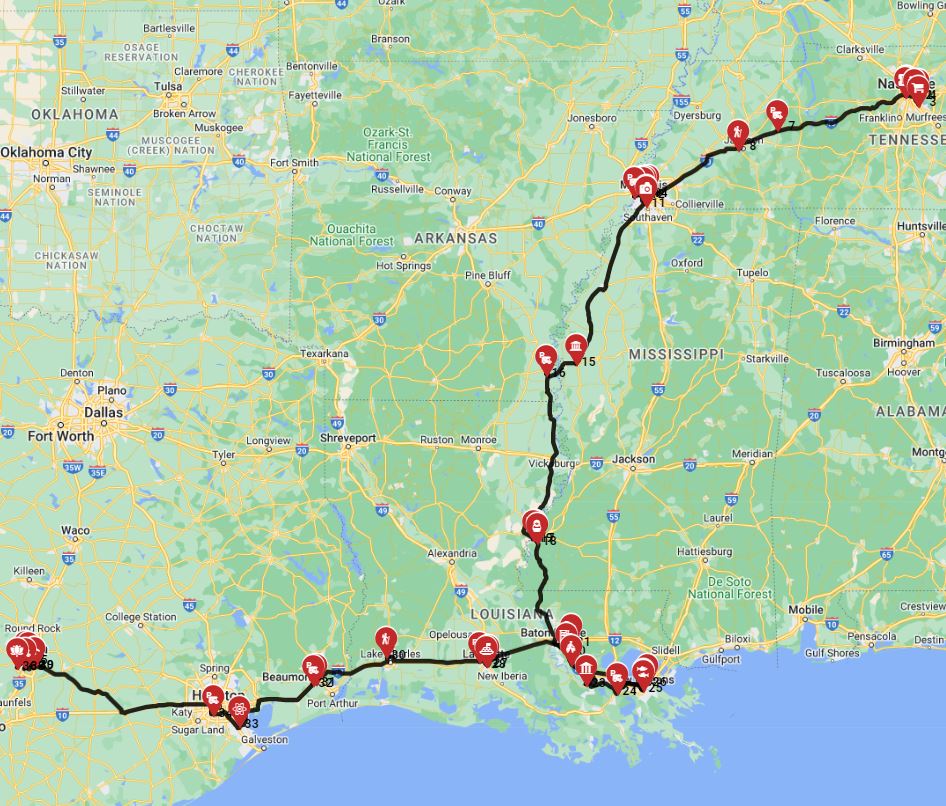
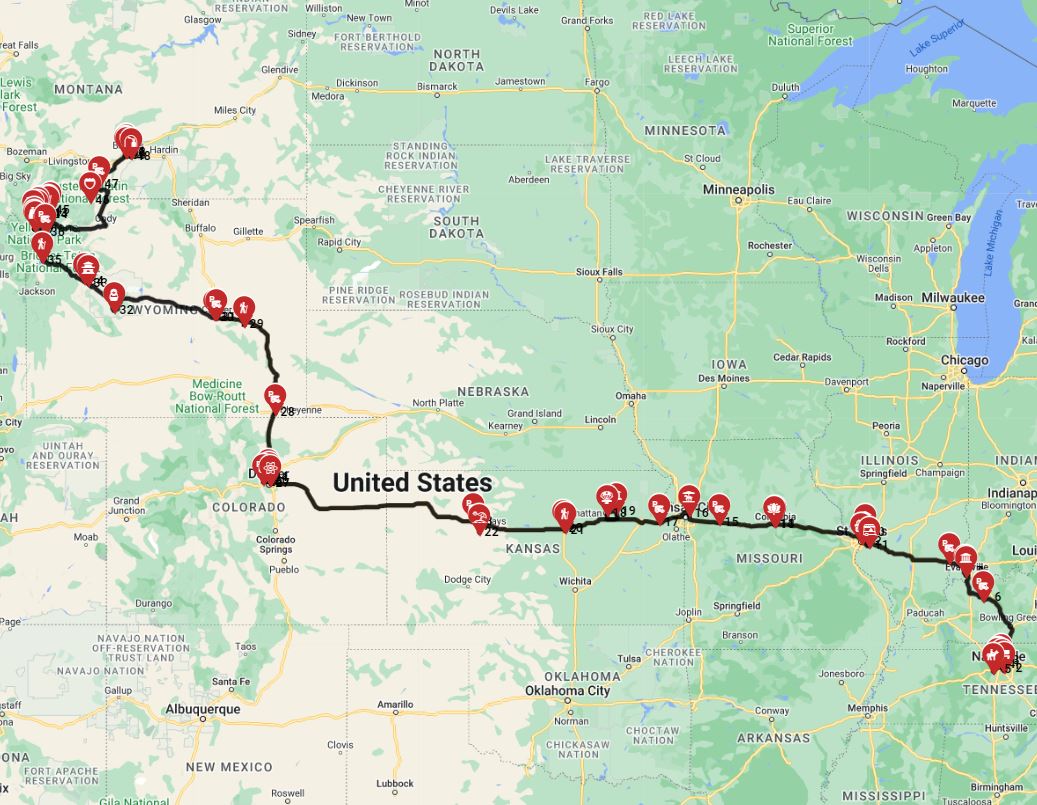
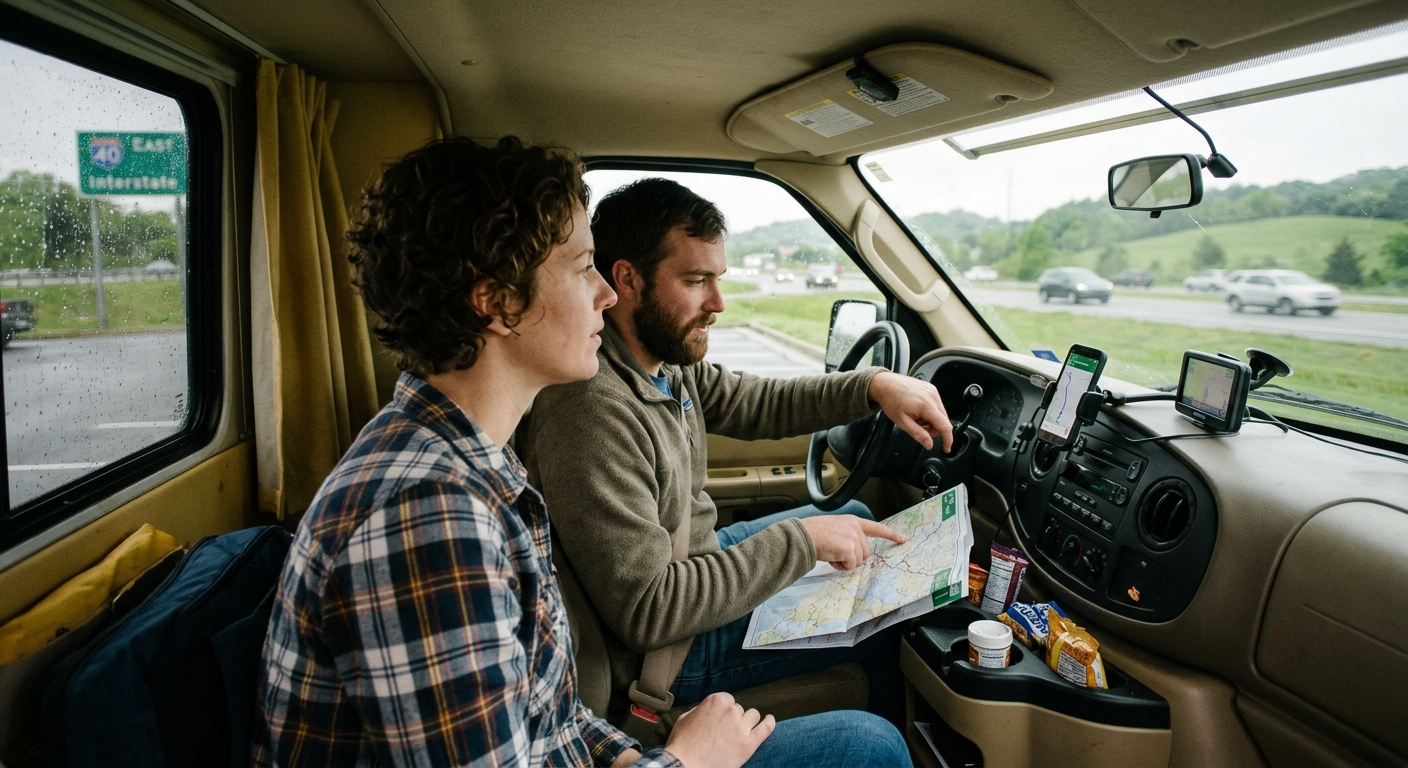
Effective RV route planning and careful driving are essential for a stress-free trip through Tennessee's varied landscapes. Given the challenging terrains, particularly the winding mountain roads and steep grades in areas like the Great Smoky Mountains and the Cumberland Plateau, it's wise to use RV-specific GPS or mapping applications designed to help you avoid unsuitable routes. Remember, you can drive slowly and carefully, and you can drive almost anywhere without issues. No need to stress - just use common sense and pay attention. Explore RV-friendly scenic drives such as the Natchez Trace Parkway or parts of the Cherohala Skyway, which offer breathtaking views without the intense challenges of smaller, less-maintained roads. Always plan your fuel stops strategically, especially in rural or mountainous regions where gas and service stations can be sparse. Additionally, pay close attention to height and weight restrictions on bridges and overpasses, particularly when traveling through older towns, to avoid any unexpected issues with your rented motorhome. For comprehensive route plans, consider using RV PLANET (rvplan.net), which offers 25% planning discounts for pre-planned routes developed by professionals.
How can I integrate local culture and cuisine into my RV trip in Tennessee?
Integrating local culture and cuisine into your rented RV trip through Tennessee is one of the most rewarding aspects of exploration. Plan dedicated stops in Memphis to savor world-renowned BBQ, head to Nashville for its iconic hot chicken and vibrant live music scene, and seek out charming local diners throughout the state for authentic Southern comfort food. To truly immerse yourself in the rich musical heritage, visit the Grand Ole Opry in Nashville, explore Elvis Presley's Graceland in Memphis, or discover the roots of country music in Bristol. Seek out artisan shops, pottery studios, and craft fairs in towns like Gatlinburg and Leipers Fork to find unique souvenirs and support local artists. Aligning your travel dates with local festivals celebrating music, food, or heritage can offer incredibly immersive cultural experiences. Finally, make sure to stop at historical markers and small-town museums that dot the state to learn about Tennessee's fascinating past, turning each drive between campgrounds into a journey through history and local tradition. Don't forget to look up our RV-friendly recipes playlist for ideas on cooking with local ingredients!
How can I practice sustainability and responsible RVing in Tennessee?
Practicing sustainability and responsible RVing in Tennessee helps preserve its natural beauty for future travelers and involves a few key principles. Always adhere to Leave No Trace principles: pack out all trash, dispose of waste properly at designated dump stations, respect local wildlife by observing from a distance, and minimize your campfire impacts by using established fire rings and ensuring fires are completely extinguished. Embrace eco-friendly practices in your rented motorhome by conserving water and electricity, using biodegradable cleaning products, and properly disposing of greywater and blackwater only at designated facilities. This commitment helps protect the state's natural environments. When exploring, stay on marked trails to avoid disturbing fragile ecosystems and consider supporting local conservation efforts or parks through donations or volunteer opportunities. Driving conscientiously, maintaining steady speeds, and planning efficient routes can also maximize fuel efficiency and minimize your carbon footprint. By taking these steps, you ensure your rented RV adventure in Tennessee is not only memorable but also respectful of the environment.
Final Thoughts
Exploring Tennessee by rented RV is an unparalleled way to experience the state's diverse attractions, from the misty peaks of the Great Smoky Mountains to the soulful rhythms of Nashville. With careful planning, you can navigate its landscapes, enjoy local flavors, and find the perfect campground to suit your style, whether that's a full-service resort or a peaceful national park site. Remember to travel slowly, immerse yourself in the journey, and take advantage of the freedom your mobile home provides.
Bandana RV is here to support you every step of the way, ensuring your rental experience is transparent, well-planned, and hassle-free. Our expertise in RV rentals, combined with resources like RV PLANET, empowers you to create unforgettable memories in the Volunteer State. Get inspired for your next trip and discover top destinations, planning tips, all in one place!
Ready to hit the road and discover the best RV camping in Tennessee? Find rv Rentals in Tennessee today and start mapping out your perfect week-long adventure or extended road trip!