In This Guide
- Where to Camp in North Canada - Top Options
- Campground Types in North Canada (National, Private, Wild)
- Featured RV Park or Campground in North Canada
- Hookups & Amenities - What to Expect
- Booking Windows & Reservations in North Canada
- Nearby Supermarkets & Resupply Points
- Best RV Class for Camping in North Canada
- How to Save on Campgrounds in North Canada
- Where can I park my RV for free in Canada?
- Can you park up anywhere in an RV in Canada?
- How much does it cost to park an RV in Canada?
- What is the 3-3-3 rule for RV camping?
- Can a US citizen go camping in Canada?
- What is the best RV route planner in Canada?
- Which RV rental company in Canada is the best?
- How much does it cost to rent an RV in Canada?
- What is the cheapest way to rent an RV?
- Can you sleep anywhere in a campervan in Canada?
- What You Shouldn't Miss
- Why Book with Bandana Caravan
- Final Thoughts
- Frequently Asked Questions
Imagine yourself winding through immense landscapes, where mountains touch the sky and pristine lakes reflect the vast northern light. RV camping in North Canada for seniors offers an unparalleled adventure, combining comfort with the thrill of exploring one of the world's last true wildernesses. This region, encompassing Yukon, the Northwest Territories, and Nunavut, promises breathtaking scenery and unique experiences, perfectly suited for those who appreciate slow travel and deep connection with nature.
Renting a motorhome or campervan for your North Canada adventure means you have a mobile home base, allowing you to discover remote beauty at your own pace. With Bandana, you get full transparency on pricing, ensuring no hidden fees or surprises at pickup. Our commitment to being true RV specialists means we genuinely understand the nuances of northern travel and are here to support you before and after your booking. For live availability and current prices, start with our RV Rental North Canada - Complete Guide 2026 guide.
Where to Camp in North Canada - Top Options
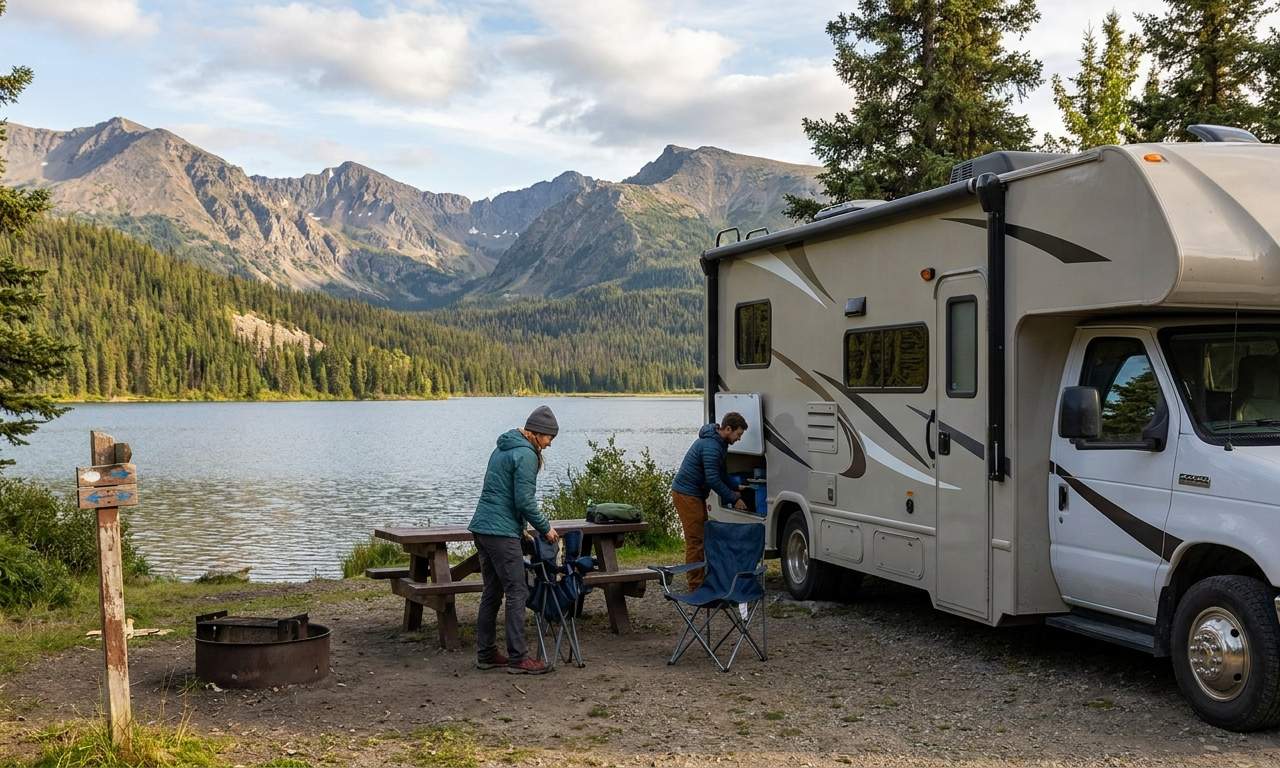
North Canada offers unique and often remote camping experiences, with options ranging from national and territorial parks to vast wilderness areas. Consider iconic destinations like Kluane National Park and Reserve in Yukon, known for its stunning mountains, glaciers, and abundant wildlife such as grizzly bears and Dall sheep. For a true northern experience, explore territorial parks in the Northwest Territories, such as those along the Dempster Highway, offering a blend of serviced sites and more primitive camping. While specific RV parks are less numerous than in southern Canada, many territorial parks provide basic services crucial for senior travelers, often costing between $20-$40 CAD per night for an unserviced site. Remember, with a rented RV, you have the flexibility to chase the perfect view.
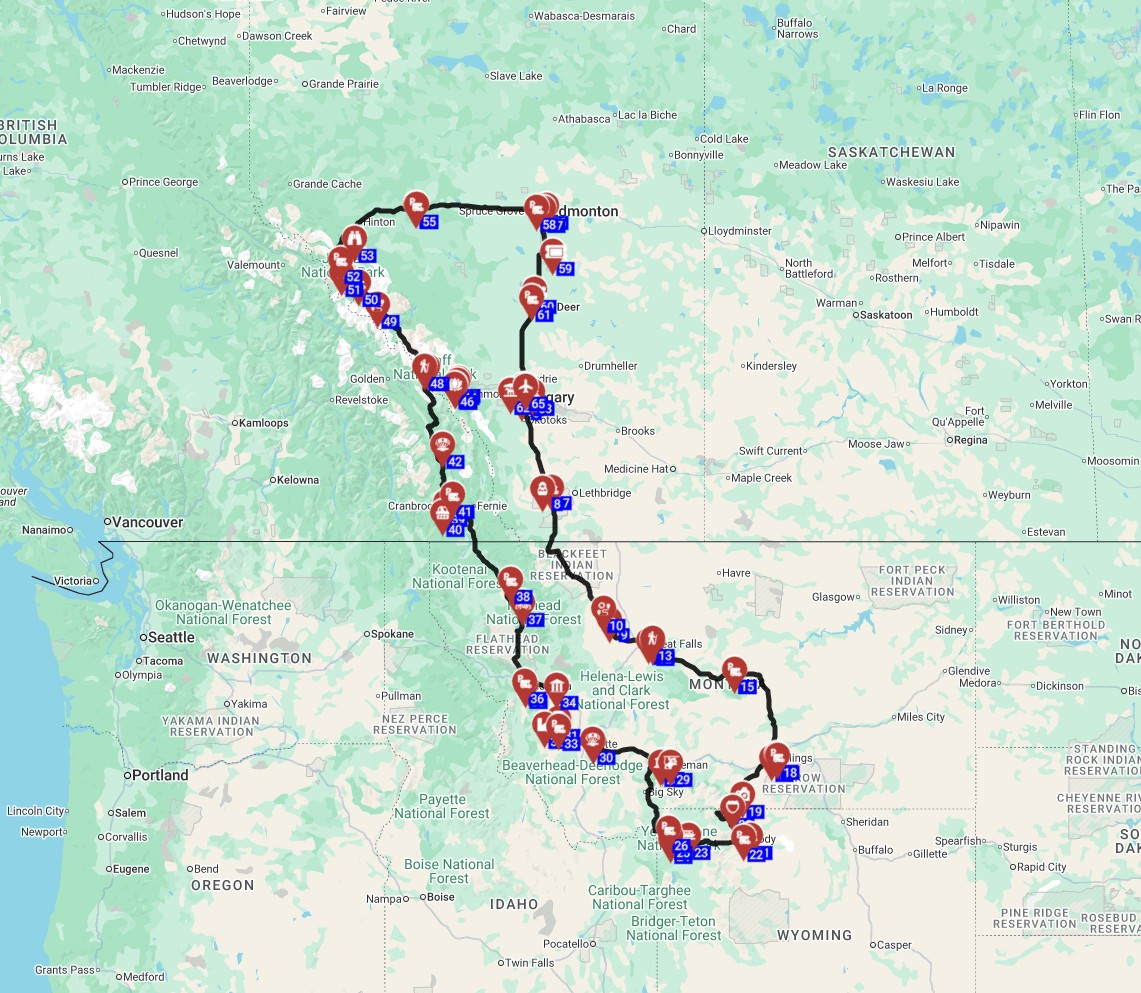
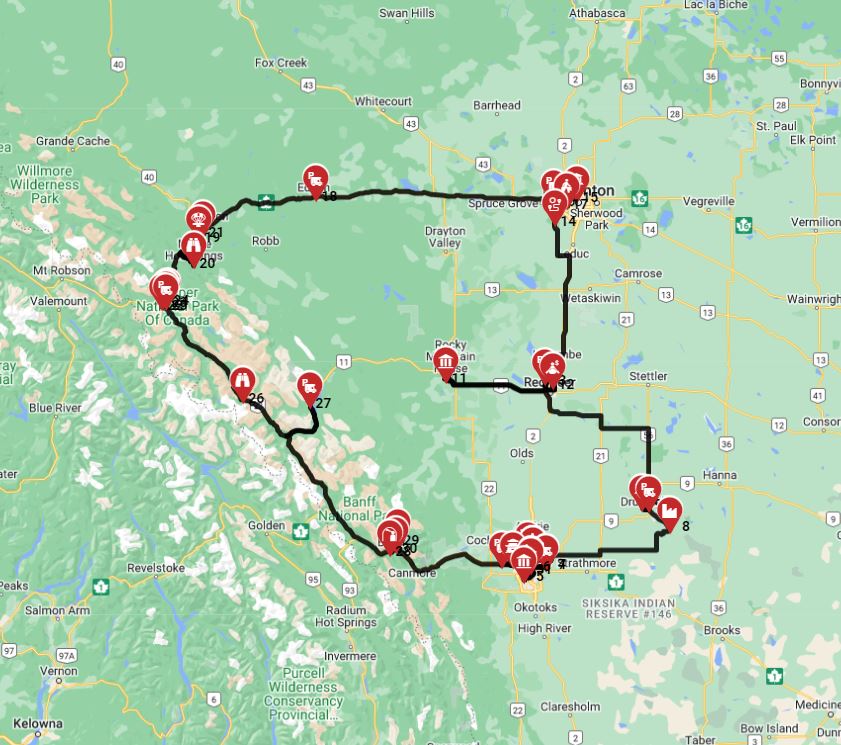
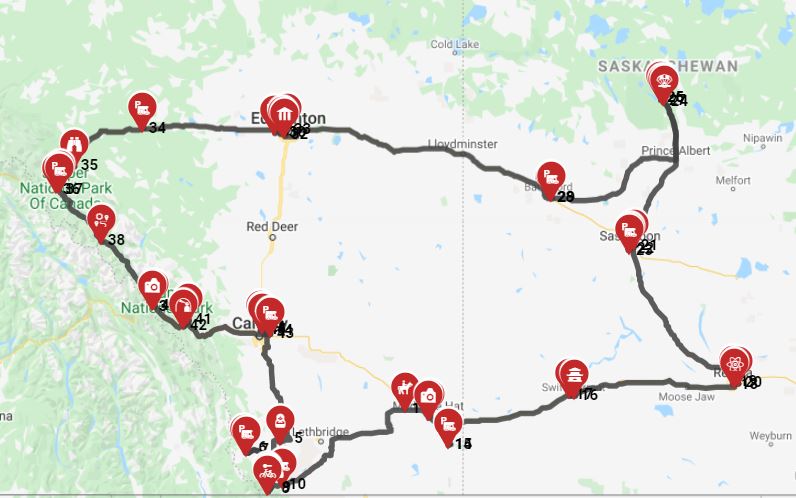
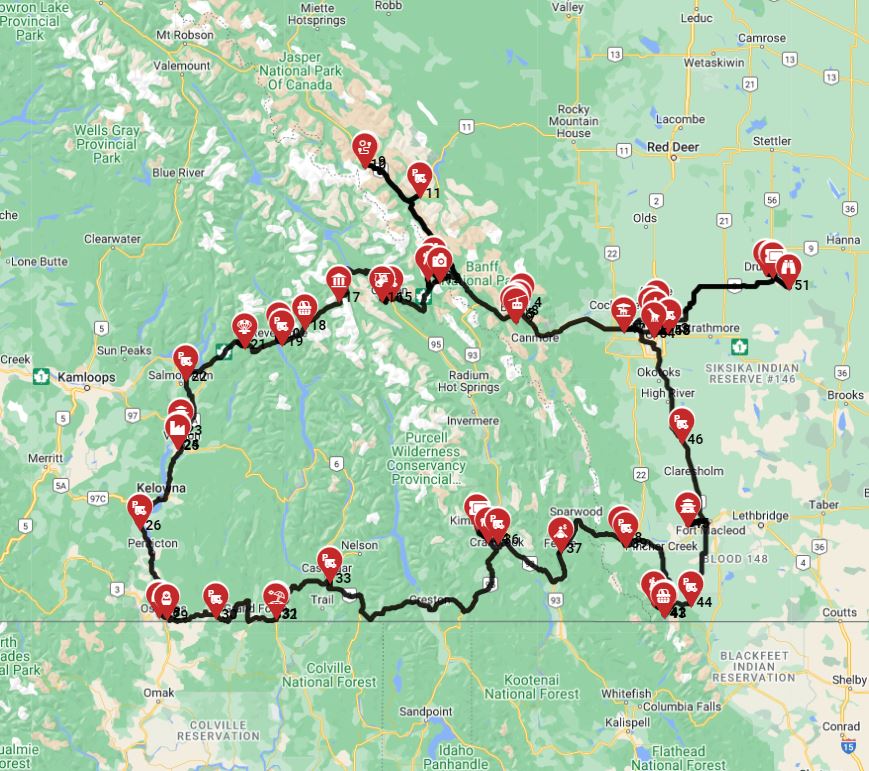
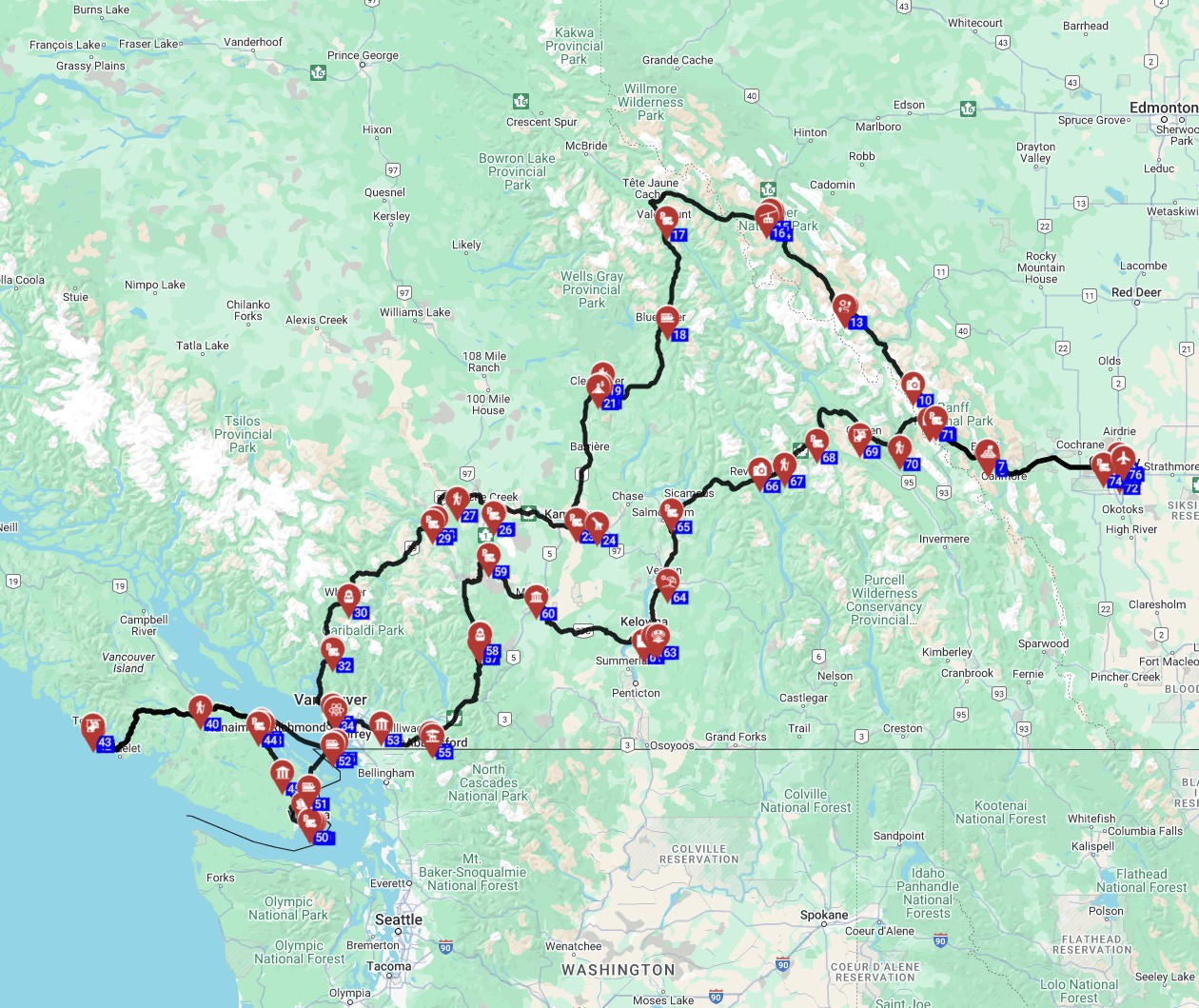
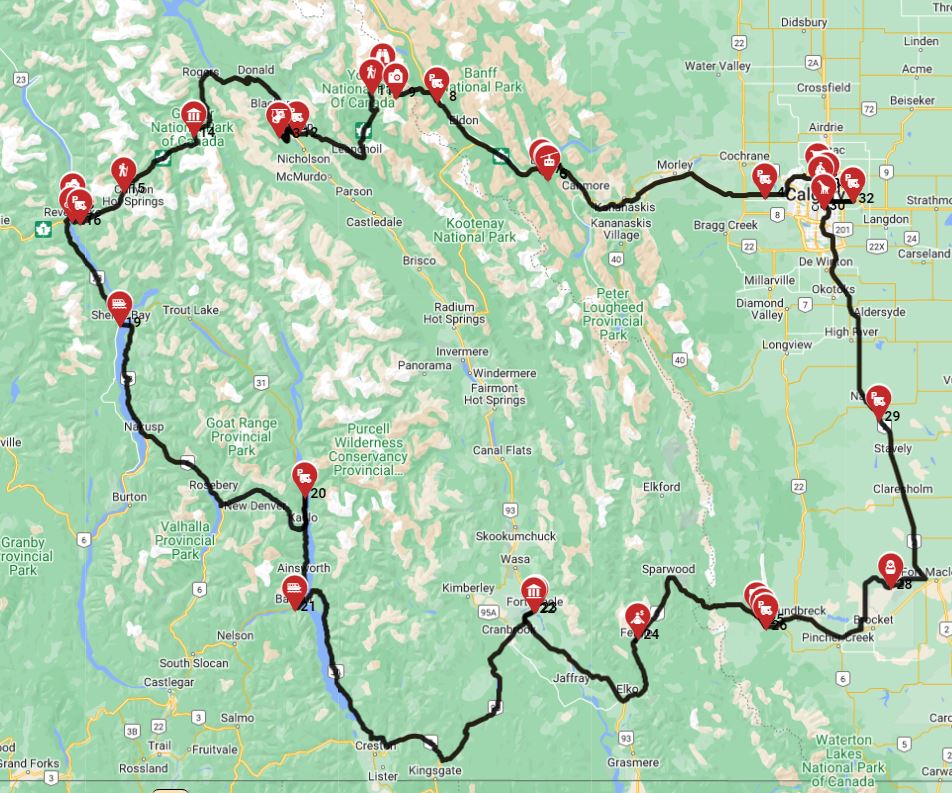
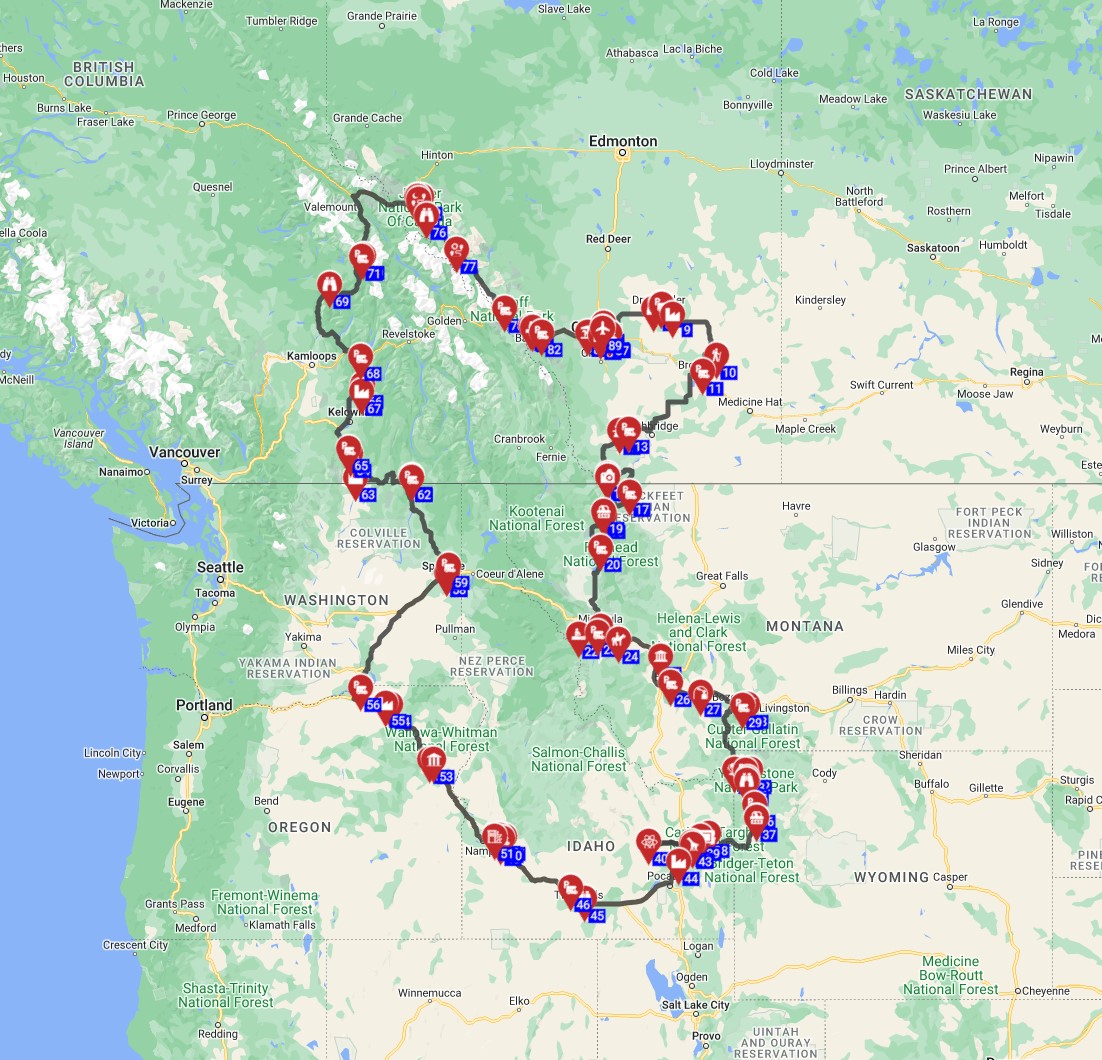
When planning your route, remember that traveling slowly, at a maximum of 100-150 km per day on average, will allow you to fully immerse yourself in the culture, food, and scenery of North Canada. Many smaller towns like Dawson City, Yukon, or Inuvik, NWT, also offer municipal campgrounds with more amenities, providing convenient stops along your journey. For more detailed route plans and points of interest across the region, explore RV PLANET routes, where you can itemize and track every expense for easy budgeting. On the routes offered through RV PLANET routes, you can itemize and track every expense along the way for easy budgeting.
Campground Types in North Canada (National, Private, Wild)
In North Canada, you'll primarily encounter National and Territorial Parks, which offer a mix of reserved and first-come, first-served sites, often with basic amenities like pit toilets and water, but sometimes limited hookups. For example, Tombstone Territorial Park in Yukon, along the Dempster Highway, provides stunning landscapes with basic campsites around $12 CAD per night. Private campgrounds are less common and more concentrated in larger towns like Whitehorse or Yellowknife, typically offering more services like full hookups (electricity, water, sewer), Wi-Fi, and showers, with prices ranging from $40-$80+ CAD per night. Wild camping, also known as boondocking or dispersed camping, is widely available on Crown land in the territories but requires significant self-sufficiency, adherence to 'leave no trace' principles, and awareness of local regulations and wildlife safety. Always ensure you are prepared for minimal services when opting for wild camping, carrying extra water, food, and fuel.
Featured RV Park or Campground in North Canada
When planning an RV trip to North Canada, seek out RV parks or campgrounds that emphasize robust infrastructure, emergency services access, and senior-friendly amenities given the region's unique challenges. Look for features like potable water, dump stations, reliable cellular or satellite internet access if available, and proximity to medical facilities or major supply towns. For instance, the Whitehorse Campground in Yukon offers pull-through sites, 30-amp electrical hookups, potable water, and dump stations for around $40-$50 CAD per night, making it an excellent base for exploring the capital. Campgrounds situated near major routes like the Alaska Highway or the Dempster Highway often provide essential services for travelers venturing into more remote areas, acting as crucial resupply and rest points. Prioritizing comfort and safety, especially in more remote settings, ensures a more enjoyable rented motorhome adventure.
Hookups & Amenities - What to Expect
In North Canada, expect a wider range of amenities, from full-service sites in private parks to very basic or no hookups in remote territorial and national parks, making self-sufficiency key. Full hookups (electric, water, sewer) are primarily found in private campgrounds in or near larger communities like Whitehorse, Yukon, or Yellowknife, NWT, where nightly rates typically include these services. Most territorial and national park campgrounds offer basic amenities such as outhouses (pit toilets), fire pits, and often a hand pump for potable water, with dump stations potentially available at park entrances or nearby towns, often for a small fee of $5-$10 CAD. Connectivity like Wi-Fi and cell service is often limited or nonexistent outside of major population centers, necessitating offline maps and potentially a satellite communicator for emergencies, especially for senior travelers. Always ensure your rental RV is well-equipped with fresh water and a sufficient waste water tank capacity, like the "cruise america rv rental example Explorer" model, which has an 82 Liter fresh and waste water tank.
🎬 Video coming soon
Booking Windows & Reservations in North Canada
To secure preferred spots, particularly in popular national or territorial parks in North Canada, seniors should aim to book RV sites several months in advance, though many remote sites remain first-come, first-served. For popular national park campgrounds like those in Kluane, reservations typically open in late winter or early spring (e.g., January-March for summer travel) and can fill quickly, especially for peak season dates from June to August. Many national and territorial park campgrounds still allocate a portion (often 25-30%) of their sites for first-come, first-served, offering flexibility for spontaneous travelers. You'll find a spot. If not at the first campground, then the next one. Always call ahead to confirm availability before driving long distances to a specific campground, especially in remote northern regions where distances between services can be vast. Booking your RV rental in advance also helps secure better rates, and our "RV Rental Deals in North Canada - Latest Offers 2026" can provide options.
Nearby Supermarkets & Resupply Points
Resupply points in North Canada are significantly more spread out than in southern regions, making meticulous meal and supply planning essential for RV travelers, especially seniors. Major resupply hubs typically include cities like Whitehorse (Yukon) and Yellowknife (Northwest Territories), where you can find larger supermarkets and essential services, comparable to those in smaller cities in "RV Rental USA - Complete Guide 2026". Smaller communities often have local co-ops or general stores with more limited selections and higher prices (expect food costs to be 15-30% higher than in southern Canada), so it's advisable to stock up on non-perishables and specialty items before venturing into more remote areas. Consider bringing extra fuel, water, and non-perishable food supplies, as distances between services can be extensive and unexpected closures or limited hours can occur. Learning a few RV-friendly recipes playlist before you go can help you make the most of your pantry!
Best RV Class for Camping in North Canada
The best RV class for camping in North Canada for seniors often balances comfort with the ability to navigate potentially rugged terrain and long distances. Class B Campervans and Class C Alcove RVs are strong contenders.
Class B - Camper Van, like a "Category Van" or "Active Standard" model, averaging 5.8m length, 3.2 sleeping places, and typically 8-10 Liter/100 Km fuel economy, are excellent for their maneuverability on unpaved roads and easier parking in remote areas. These are ideal for seniors seeking agility. Our "Patagonia Camper 4x4 double cab" is a rugged option for truly off-grid exploration, offering 4 Wheel Drive capabilities.
Class SI - Semi-integrated RVs, such as the "2 Berth Tamar" (averaging 6.9m length, 3.8 sleeping places), offer more comfort and amenities than a campervan, suitable for longer trips with improved living space, while still being manageable on varied roads, with fuel consumption typically around 10-11 Liter/100 km. This class provides a good balance for extended journeys in North Canada for couples, as highlighted in "RV Rental in North Canada for Couples - Pricing 2026".
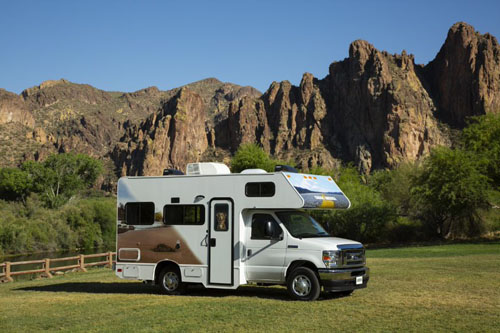
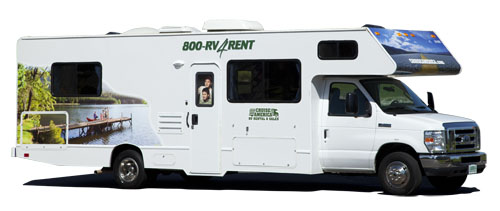
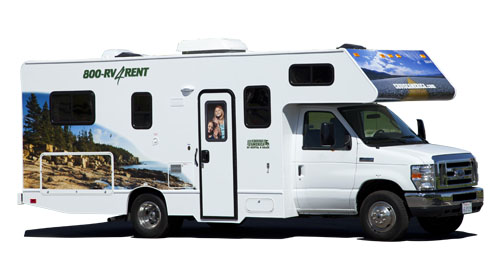
For seniors prioritizing maximum comfort and space, Class C - Alcove (averaging 7.5m length, 5.8 sleeping places), like an "rv rentals example Comfort Class" or "29′ Class C Motorhome", provide ample room and features such as a refrigerator (e.g., 90 liter -12V / 240V), shower, and toilet, but might be less suitable for very remote, unpaved routes due to their larger size and typical fuel consumption of 10-12 Liter/100 km. For larger families, consider our "Family RV Rental in North Canada - Pricing Guide 2026". Bandana's fleet offers a range of choices to match your comfort and adventure level in the Canadian North, and our true RV specialists can help you find the perfect fit.
How to Save on Campgrounds in North Canada
Seniors can save on campground costs in North Canada by leveraging campground discount cards, booking during shoulder seasons, and opting for municipal or regional parks over private resorts. Utilize various RV-specific discount memberships for potential savings on nightly rates at participating parks, which can add up significantly over a multi-week trip. Traveling during the shoulder seasons (late May-early June or late August-September) can often yield lower rates and fewer crowds, although some services might be reduced in remote areas. Choose municipal or territorial campgrounds, which are generally more affordable than private RV resorts, and consider staying 3+ nights to potentially qualify for weekly rates or special offers. Embrace boondocking or dispersed camping on Crown land where permitted, which is free, but requires self-sufficiency and careful planning due to the extreme remoteness and limited services in the North.
Where can I park my RV for free in Canada?
In Canada, particularly in the vast northern territories, you can often park your RV for free on Crown land (public land) for dispersed camping, provided you follow local regulations and 'leave no trace' principles. The Canadian North, including Yukon and Northwest Territories, offers extensive opportunities for free boondocking on Crown land, especially along lesser-traveled roads and wilderness areas, but always verify local rules for specific zones. Some municipalities may also allow overnight parking in designated areas, such as large retail parking lots, but these are rare in the remote North and generally limited to urban centers. Always prioritize safety by choosing well-maintained spots, being aware of wildlife (such as bears, requiring proper food storage), and ensuring you have emergency communication methods, especially for seniors in remote, unserviced locations. For more details on safe practices, review a "Winter RV Driving in North Canada - Safety Guide 2026".
Can you park up anywhere in an RV in Canada?
No, you cannot park up anywhere in an RV in Canada; regulations vary significantly by province, territory, municipality, and land type (private vs. public). While private property requires explicit permission, and city bylaws often prohibit overnight parking on streets, Crown land in Canada's North generally allows for dispersed camping, but research specific territorial regulations before setting up camp. National and Provincial/Territorial Parks require you to stay in designated campgrounds and pay applicable fees, with strict rules about where you can stop or camp. For seniors, it's crucial to plan stops in advance, using resources like iOverlander or local tourism offices, and understand that remote Northern areas, while vast, still have rules to protect the environment and maintain safety. Drive slowly and carefully, and you can drive almost anywhere without issues. No need to stress - just use common sense and pay attention.
How much does it cost to park an RV in Canada?
The cost to park an RV in Canada varies widely, ranging from free dispersed camping on Crown land to $25-$80+ CAD per night for serviced sites in private or national/territorial parks, with Northern costs often at the higher end for serviced sites. Basic sites in national or territorial parks in North Canada typically range from $25-$45 CAD per night for unserviced or partial hookup sites. Private RV parks in northern towns (e.g., Whitehorse, Yellowknife) with full hookups and amenities can cost $50-$80+ CAD per night. Free parking is available on much of Canada's Crown land (public wilderness areas) for self-sufficient RVers, but services are non-existent, and safety preparedness is paramount, especially for seniors. When planning your budget for a rented RV, remember these ancillary costs beyond the rental itself.
What is the 3-3-3 rule for RV camping?
The '3-3-3 rule' for RV camping suggests driving no more than 300 miles (approximately 480 km) or 3 hours per day, arriving at your campsite by 3 PM, and staying for at least 3 nights to ensure a relaxed and safe travel pace. This rule is particularly beneficial for seniors in North Canada, where long distances between services, variable road conditions (like gravel on the Dempster Highway), and unpredictable weather can make extended driving days challenging. Adhering to the 'arrive by 3 PM' aspect allows ample time to set up camp, explore, and relax before dusk, which can be critical for safety in remote areas with abundant wildlife. Staying for '3 nights' encourages a slower travel style, reducing fatigue and allowing for deeper immersion in the unique northern environment, which is often a goal for senior RVers. At Bandana, we always recommend slow travel, averaging max 100-150 km per day, to truly connect with the culture, food, and scenery.
Can a US citizen go camping in Canada?
Yes, US citizens can go camping in Canada, provided they meet standard Canadian entry requirements, including a valid passport, and comply with all customs and immigration laws. When traveling to North Canada, ensure your passport is valid for at least six months beyond your intended stay, and be prepared to declare any food, alcohol, or other goods you are bringing across the border. For RV travel, especially in the North, ensure all vehicle registration and insurance documents are readily available, as border agents may request them. Seniors should also carry any necessary medical documentation, including travel insurance information, as healthcare access in remote northern regions can be limited. For general information on RV travel in the wider region, check our "RV Rental USA - Complete Guide 2026".
What is the best RV route planner in Canada?
The best RV route planner for Canada, especially for North Canada, is one that offers offline capabilities, includes points of interest like fuel stations and dump sites, and accounts for road conditions. Tools like RV Life Trip Wizard allow you to input your RV's dimensions and weight to find suitable routes, avoid low clearances, and identify RV-specific points of interest, crucial for seniors navigating remote northern roads. Google Maps, with its ability to download offline maps, is invaluable for North Canada where cellular service is intermittent or non-existent, allowing for navigation even without an internet connection. Always cross-reference digital planners with physical maps and local visitor center information, as northern road conditions (e.g., unpaved sections, construction) can change rapidly and may not be updated immediately in online tools. Our sister company, RV PLANET (rvplan.net), offers over 1,300 pre-planned routes across 5 continents, including options for North Canada, designed by professionals to make your planning effortless.
Which RV rental company in Canada is the best?
The 'best' RV rental company in Canada, particularly for seniors heading to the North, is one that offers reliable vehicles, comprehensive insurance, excellent roadside assistance specifically for remote areas, and models suited to diverse Canadian road conditions. Look for companies that explicitly allow travel on unpaved roads like parts of the Dempster Highway, or offer specialized equipment like satellite communicators or extra fuel tanks for northern itineraries. Prioritize companies with clear insurance policies, 24/7 pre-booking and post-booking support (essential in remote areas), and a good reputation for vehicle maintenance and customer service, which can significantly enhance a senior's travel experience. Bandana Caravan, founded in 2001, has over 20 years of experience helping tens of thousands of travelers explore the world by RV, with direct partnerships with 50+ leading RV suppliers worldwide, including trusted partners like El Monte, Cruise America, Apollo, and Britz. We compare final prices across suppliers, so what you see is what you pay, with no surprise fees at pickup, and you can upgrade to a top-level deductible for extra peace of mind.
How much does it cost to rent an RV in Canada?
The cost to rent an RV in Canada varies significantly based on RV class, season, rental duration, and specific region, with rentals typically ranging from $150-$400+ CAD per night, and potentially higher for specialized northern-ready vehicles. Smaller Class B Camper Vans (like the "rv rental denver example Category Van" with a length of around 5.99m) or Class TC Truck Campers might start around $150-$250 CAD per night. Larger Class C Alcove (like the "24' Class C Motorhome") or Class A Integrated RVs could range from $250-$400+ CAD per night, depending on the season and model. For North Canada trips, expect additional costs for higher fuel prices (which can be 20-50% more expensive than in southern Canada), potential one-way fees if not returning to the pick-up location ($150-$500 CAD), and possibly specialized insurance for gravel road travel. Booking well in advance, especially for peak summer travel, can help secure better rates and ensure availability of suitable RVs for your northern adventure. Keep an eye on "RV Rental in North Canada - Prices and Best Deals 2026" for current rates.
What is the cheapest way to rent an RV?
The cheapest way to rent an RV often involves booking well in advance (3-6 months ahead can save 15-25%) or last-minute during shoulder seasons, opting for smaller RV classes, and choosing longer rental periods to benefit from weekly or monthly rates. Renting during the shoulder seasons (May-early June or September-October) typically offers lower daily rates than peak summer, along with fewer crowds, which can be ideal for seniors. Selecting a smaller, more fuel-efficient RV class like a Class B Camper Van (e.g., an "Active Classic" with 8-10 Liter/100 Km fuel consumption) or a Class TC Truck Camper (e.g., "4x4 Truck Camper Gold" designed for rugged terrain) will reduce both rental costs and significant fuel expenses, particularly important for long distances in the North. Look for special deals, consider longer rental durations that often have lower per-night costs, and be flexible with your travel dates to take advantage of off-peak pricing. Bandana RV offers a 25% planning discount when you use rvplan.net for your route planning, making your North Canada adventure even more accessible.
Can you sleep anywhere in a campervan in Canada?
While smaller and more discreet, you generally cannot sleep anywhere in a campervan in Canada; laws regarding overnight parking and camping apply to all RV types, including campervans. In developed areas, municipal bylaws often prohibit overnight parking or sleeping in vehicles on public streets or in commercial parking lots without explicit permission, even for campervans. In the vast Canadian North, campervans are well-suited for dispersed camping on Crown land where permitted, offering more flexibility for finding discreet spots than larger RVs, but always adhere to 'leave no trace' principles. Prioritize safety by selecting secure, legal overnight spots, especially for seniors, and be prepared for self-sufficiency as services in remote northern areas are extremely limited for any type of rented RV. Always check local signs and regulations to avoid fines or unintended issues.
What You Shouldn't Miss
- **Drive the Dempster Highway:** Experience Canada's only public road to the Arctic Ocean, a gravel adventure from Dawson City to Tuktoyaktuk.
- **Witness the Northern Lights:** From late August to April, the Aurora Borealis dances across the northern skies, with remote locations offering the best views.
- **Explore Kluane National Park and Reserve:** Hike among Canada's highest peaks, view glaciers, and spot incredible wildlife like Dall sheep and grizzly bears.
- **Discover Dawson City's Gold Rush History:** Step back in time in this historic Yukon town, visit the Dredge No. 4, and explore the Jack London cabin.
- **Canoe the Yukon River:** Experience a classic northern journey on one of the world's most iconic rivers, paddling from Whitehorse towards Dawson City.
- **Top 5 Adventures - recommendations from Avi Bandana**
Final Thoughts
Embarking on an RV adventure in North Canada is truly an experience of a lifetime, especially for seniors seeking comfort and connection with the breathtaking natural world. From the serene beauty of the Yukon to the wild expanses of the Northwest Territories, a rented motorhome offers the freedom to explore at your own pace, ensuring every moment is savored.
Remember, thorough planning, especially regarding resupply points and campground reservations, is key to a stress-free journey in this unique region. Bandana Caravan is here to simplify your RV rental process, offering transparent pricing, expert advice, and a wide selection of vehicles perfect for northern conditions.
So, why wait? Discover the unparalleled beauty of the Canadian North and create memories that will last a lifetime. Plan a trip itinerary in advance with minimal effort and maximum enjoyment!
Compare Motorhome Prices for North Canada now and start your unforgettable journey!