In This Guide
- Where to Camp in Tokyo - Airport — Top Options
- Campground Types in Tokyo - Airport (National, Private, Wild)
- Featured RV Park or Campground in Tokyo - Airport
- Hookups & Amenities — What to Expect
- Booking Windows & Reservations in Tokyo - Airport
- Nearby Supermarkets & Resupply Points
- Best RV Class for Camping in Tokyo - Airport
- How to Save on Campgrounds in Tokyo - Airport
- How much does it cost to rent an RV in Japan
- Can I sleep in an RV in Japan
- Where can I rent a campervan in Tokyo
- Is it worth renting an RV in Japan
- Can you take a campervan into Tokyo
- Are RVs popular in Japan
- How much is a campervan in Japan
- How difficult is it to drive in Japan as a foreigner
- What are the rules for camping in Japan
- What is the best way to travel around Japan
Embarking on a one-way RV adventure from Tokyo - Airport offers an incredible way to experience Japan's diverse landscapes at your own pace. Imagine picking up your mobile home near Narita (NRT) or Haneda (HND) and setting off on a journey of discovery, leaving the bustling city behind for serene countryside, dramatic coastlines, and ancient cultural sites. For live availability and current prices, start with our RV Rental Tokyo - Airport - Complete Guide 2026 guide. Bandana RV specializes in making these unique travel experiences accessible, ensuring full transparency with no hidden fees and providing expert support every step of the way. We believe that discovering Japan by rented motorhome should be an inspiring and stress-free adventure from the moment you start planning.
Where to Camp in Tokyo - Airport — Top Options
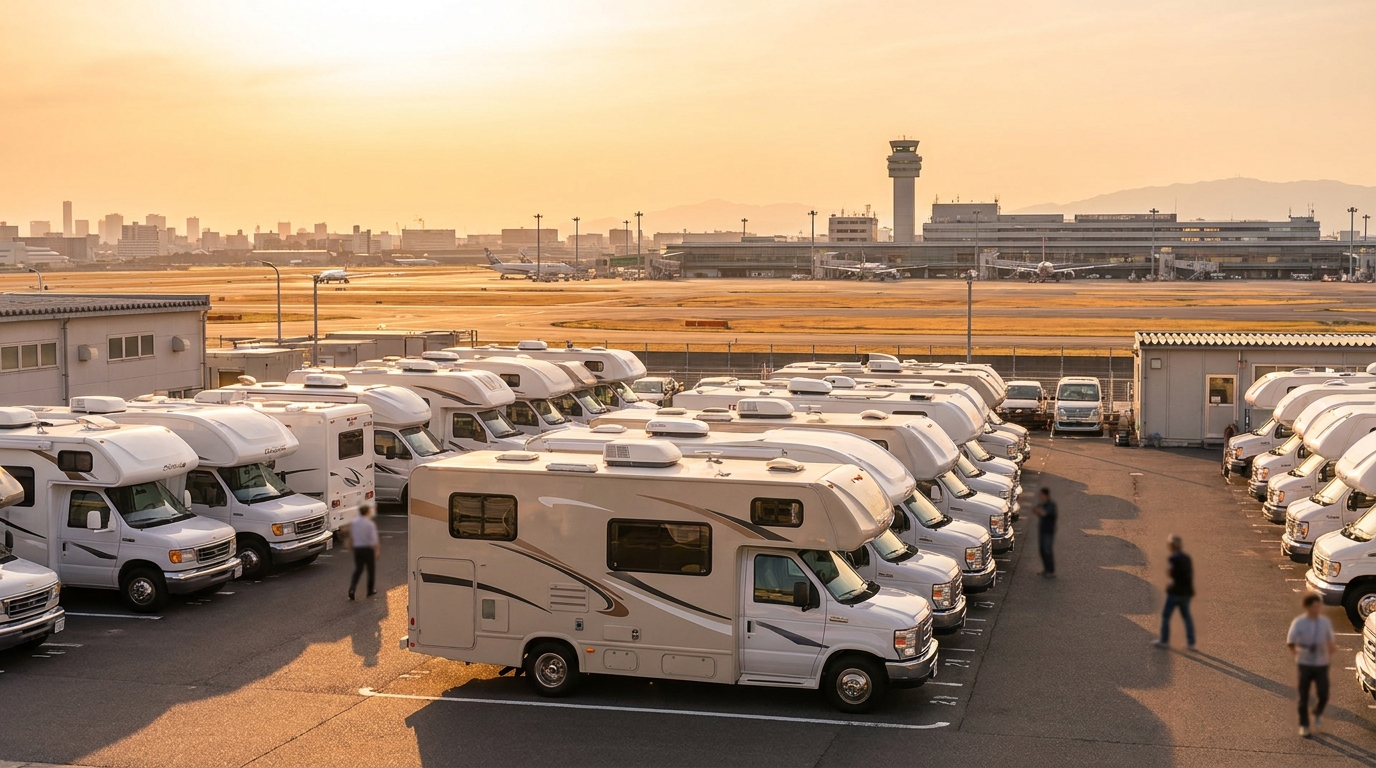
Finding designated campgrounds near Tokyo airports, such as Narita (NRT) and Haneda (HND), is crucial for a compliant RV trip, as direct airport-adjacent RV parks are limited. While central Tokyo lacks dedicated RV camping spots, several well-equipped campgrounds exist within a comfortable 1-2 hour drive in surrounding prefectures like Chiba and Saitama, offering accessible options for travelers. For instance, the Chiba coastline, particularly near Kujukuri-hama, provides scenic opportunities. Always prioritize official campgrounds to ensure access to essential amenities and legal overnight parking, which is especially important when starting a one-way rental journey.
Campground Types in Tokyo - Airport (National, Private, Wild)
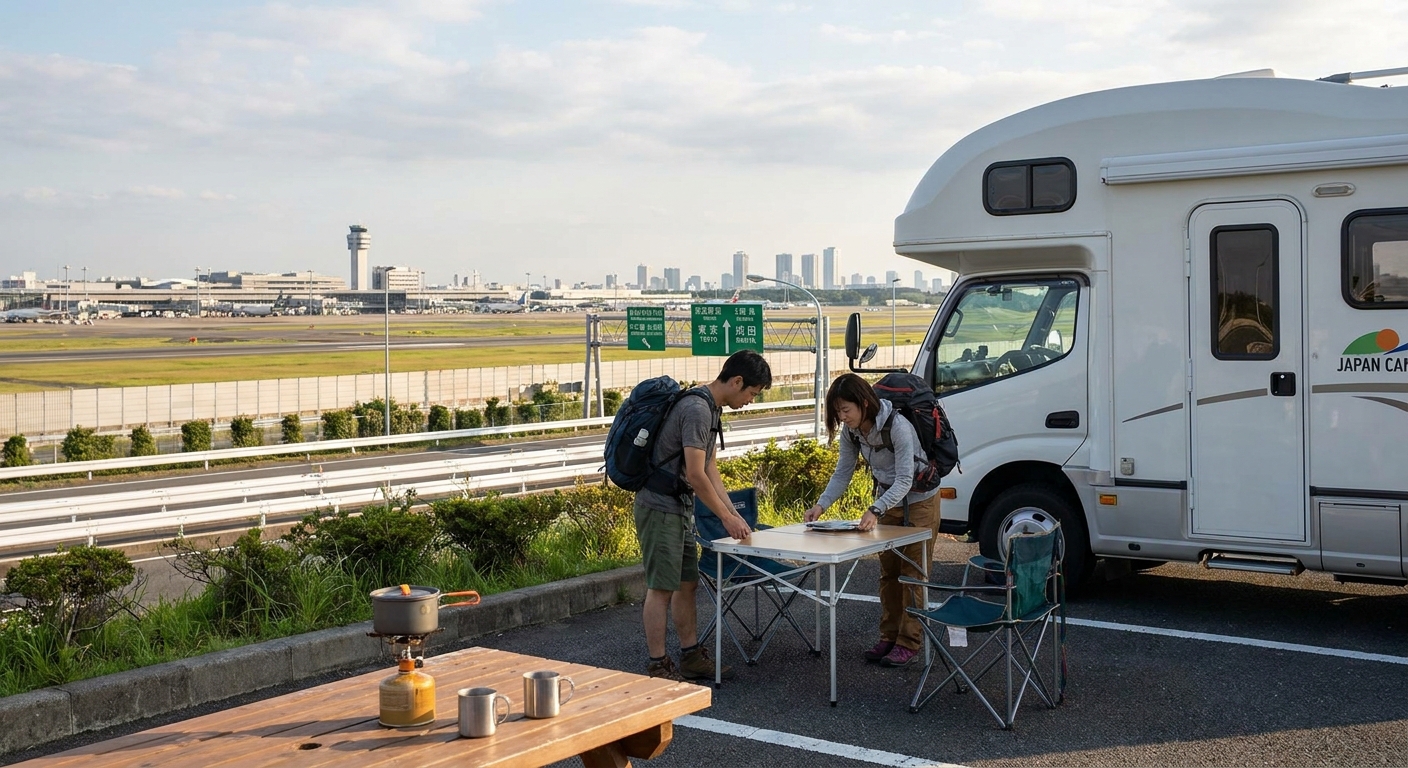
In Japan, camping options primarily include private campgrounds and publicly managed sites, with "wild camping" or boondocking generally illegal and highly discouraged. Private campgrounds near Tokyo and its airports offer varied amenities, from basic pitches to full hookups, often requiring advance reservations, especially during peak seasons like Golden Week. National and prefectural parks often host campgrounds, but fewer are directly adjacent to Tokyo's densely populated airport areas; most are further afield and require a drive. Michi-no-Eki (Roadside Stations) are invaluable for RV travelers, providing safe, free overnight parking for a single night with restrooms and local product shops, though they are not traditional 'camping' spots where you set up camp. Our "RV Rental Japan - Complete Guide 2026" delves deeper into these options for broader context.
Featured RV Park or Campground in Tokyo - Airport
An ideal featured RV park near Tokyo airports, such as the example "Narita Yume Ranch Family Auto Campground," would emphasize accessibility, amenities, and proximity to transportation hubs. Such a campground typically offers spacious sites, electric hookups at 100V, clean restrooms, hot showers, and a dedicated dump station for convenient waste disposal. Look for campgrounds that are a reasonable drive from Narita (NRT) or Haneda (HND), for instance, 30-60 minutes, to allow for easy pickup/drop-off and a relaxed start or end to your RV journey. Typical features also include picnic tables, BBQ areas, children's play zones, and occasionally on-site shops for basic supplies, catering to the needs of RV travelers. On the routes offered through RV PLANET routes, you can itemize and track every expense along the way for easy budgeting.
Hookups & Amenities — What to Expect
Most Japanese campgrounds offer essential hookups and amenities, though electrical connections operate at 100V with Type A/B outlets, requiring an adapter for many foreign appliances. Standard hookups typically include electric, fresh water, and gray/black water dump stations, ensuring a comfortable and hygienic RV stay. Common amenities found at campgrounds often feature clean flush toilets, hot showers (sometimes coin-operated), laundry facilities, and communal cooking/washing areas. Wi-Fi access can be inconsistent; some campgrounds offer complimentary Wi-Fi, while others may have limited or no connectivity, so planning for mobile data is advisable. For families and couples planning their trip, understanding these amenities is key to a smooth experience, as highlighted in "Family RV Rental in Tokyo - Airport - Pricing Guide 2026" and "RV Rental in Tokyo - Airport for Couples - Pricing 2026".
Booking Windows & Reservations in Tokyo - Airport
For RV camping in Tokyo and surrounding areas, planning ahead and securing reservations is highly recommended, especially during peak seasons like Golden Week, Obon, and autumn foliage. Many popular campgrounds, particularly private ones, open their booking windows several months in advance and can fill up quickly due to high demand. While some national park campgrounds may only release a portion (25%-30%) of spots for advance reservations (the rest being first-come, first-served), always call ahead to confirm availability before driving there. Spontaneous travelers can often find a place, especially during off-peak times, but may need to try a few different campgrounds or rely on Michi-no-Eki for a single night of overnight parking. Don't let booking fears hold you back; you'll find a spot, and if not at the first campground, then the next one. Our dedicated team at Bandana RV can help with pre-booking questions and coordination to alleviate any concerns.
Nearby Supermarkets & Resupply Points
Upon picking up your one-way RV rental near Tokyo airports, convenient supermarkets for resupply typically include major chains like AEON, Ito-Yokado, Seiyu, or smaller local 'Life' or 'Summit' stores. These supermarkets, often located along main routes leading from Narita (NRT) or Haneda (HND) airports, offer a wide range of fresh produce, pantry staples, and local delicacies, allowing you to stock your rented motorhome with everything needed for delicious meals on the road. For immediate needs or late-night purchases, ubiquitous convenience stores like 7-Eleven, FamilyMart, and Lawson provide quick snacks, drinks, and some basic groceries 24/7. Utilize navigation apps to locate the nearest large supermarket, especially before heading to more rural camping areas where resupply options may be limited. When planning your menus for your rented mobile home, check out our RV-friendly recipes playlist for inspiration!
Best RV Class for Camping in Tokyo - Airport
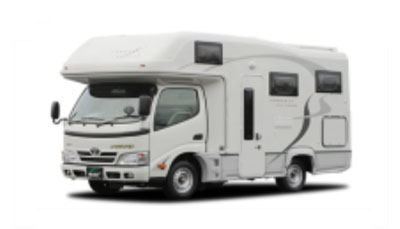
For navigating Japan's often narrow roads and fitting into campgrounds near Tokyo, the Class B - Camper Van is typically the most recommended RV class due to its compact size and maneuverability. Bandana's Class B - Camper Vans, such as the "Combi Van", average around 5 meters in length, with sleeping for 4 and a common fuel consumption of around 9-12 Liters / 100 Km, offering excellent maneuverability while providing essential amenities for couples or small families. Alternatively, the Class SI - Semi-integrated, with an average length of 6.5-7.5 meters and sleeping for 2-4, offers more space and comfort while still being manageable for Japanese roads, typically consuming 10-14 Liters/100 km, like the "2 Berth Rover". Larger RVs like Class C - Alcove (avg 7-9m) or Class A - Integrated (avg 9-11m) may face challenges with parking and road access in some areas due to their size, though they offer superior living space for larger groups. Regardless of size, remember: drive slowly and carefully, and you can drive almost anywhere without issues. No need to stress - just use common sense and pay attention.
How to Save on Campgrounds in Tokyo - Airport
To save on campground fees for your one-way RV rental in Tokyo - Airport, inquire about potential campground discount cards or partnership programs, which can provide significant savings. Opt for shoulder seasons (spring before Golden Week, late autumn) to enjoy lower nightly rates and fewer crowds compared to peak travel periods. Choosing municipal or regional campgrounds over private resorts can often lead to more budget-friendly rates without necessarily sacrificing essential amenities. Consider longer stays of 3+ nights at a single location, as many campgrounds offer discounted weekly rates, and look for opportunities to share hookups if traveling in a group. For planning comprehensive routes and tracking every expense for easy budgeting, we highly recommend exploring RV PLANET routes offered through our sister company, rvplan.net.
How much does it cost to rent an RV in Japan
The cost to rent an RV in Japan varies widely, typically ranging from ¥15,000 to ¥30,000 (approximately $100-$200 USD) per day for a compact campervan, with larger models costing more. Key factors influencing the total rental cost include the RV class (e.g., Bandana's Class B - Camper Van vs. Class SI - Semi-integrated), the rental duration, seasonality, and any one-way fees. Beyond the base rental, budget for additional expenses such as comprehensive insurance, fuel (Bandana's Class B consumes ~10 L/100km, Class SI ~10-11 L/100km), highway tolls (which can be substantial, especially around Tokyo), and campground fees. One-way rentals, particularly between distant locations or specific airports like NRT/HND, often incur a surcharge to cover the logistics of returning the vehicle to its origin. You can compare prices easily on Bandana and find "RV Rental Deals in Tokyo - Airport - Latest Offers 2026".
Can I sleep in an RV in Japan
Yes, you can sleep in a rented RV in Japan, but it is generally restricted to designated campgrounds and Michi-no-Eki (Roadside Stations), as "wild camping" or boondocking is largely prohibited. Michi-no-Eki are excellent, government-sanctioned spots offering safe, free overnight parking for one night, equipped with clean restrooms, and sometimes local shops and restaurants for travelers. For longer stays or full amenities like electrical hookups and showers, official campgrounds are necessary and should be booked in advance, especially during peak travel times. Avoid parking overnight in residential areas, private parking lots, or non-designated public spaces, as this can lead to legal issues or inconvenience to local residents and businesses. Rest assured, with a little planning, you'll find comfortable and welcoming places to rest your head.
Where can I rent a campervan in Tokyo
You can rent a campervan in Tokyo from various providers, with many offering convenient pickup locations near major airports like Narita (NRT) and Haneda (HND) to facilitate easy access for one-way rentals. Bandana provides a range of campervans, including Class B - Camper Van models ideal for navigating Japan's infrastructure, available for one-way rentals directly from these key airport hubs. Booking online through reputable comparison platforms like Bandana is the most straightforward way to secure your vehicle, allowing you to compare models and rates from our 50+ leading RV suppliers worldwide. Look for rental companies that offer clear English-language support, assistance with International Driving Permit verification, and comprehensive insurance options tailored for foreign visitors. For more details on specific luxury options, check our "Luxury RV Rental in Tokyo - Airport - Premium Prices 2026" guide.
Is it worth renting an RV in Japan
Renting an RV in Japan is highly worthwhile for travelers seeking unique flexibility, unparalleled access to stunning natural landscapes, and the freedom to explore off-the-beaten-path destinations not easily reached by public transport. While public transportation in Japan is incredibly efficient for city-to-city travel, a rented RV allows you to immerse yourself in rural beauty, coastal drives, and remote hot springs at your own pace, especially when starting from the airport area to avoid dense city driving. It offers a cost-effective alternative to combining car rentals with hotel stays, particularly for families or groups, providing both transportation and accommodation in one convenient package. However, it requires comfort with driving on the left, navigating potentially narrow roads, and understanding local customs regarding overnight parking and waste disposal, as detailed in our "Driving an RV in Tokyo - Airport - Complete Guide 2026" guide.
Can you take a campervan into Tokyo
While it is technically possible to drive a campervan into central Tokyo, it is generally not recommended due to significant challenges including extremely narrow streets, dense traffic, and very limited, expensive parking. Many larger campervans (like a Class C - Alcove, averaging 7.5m) may struggle to navigate tighter urban spaces, and height restrictions in parking garages are common. For exploring Tokyo, the most practical approach is to park your rented RV at a designated campsite or Michi-no-Eki outside the city center, preferably near a train station, and utilize Japan's excellent public transportation. Drive slowly and carefully, and you can drive almost anywhere without issues. No need to stress - just use common sense and pay attention to avoid central Tokyo. This strategy allows you to enjoy the city's attractions without the stress of urban RV driving and parking, ensuring a more enjoyable experience.
Are RVs popular in Japan
RVs and campervans are indeed growing significantly in popularity in Japan, appealing to both domestic and international travelers looking for flexible, outdoor-oriented travel experiences. The increasing popularity is supported by a well-developed network of Michi-no-Eki (Roadside Stations) designed to accommodate RVs, offering convenient stops for rest and overnight parking. Japanese RVs are often designed to be more compact than their Western counterparts, making them better suited for the country's infrastructure, reflecting a local appreciation for efficiency and utility. This rise in popularity indicates a shift towards experiential travel, allowing access to Japan's diverse natural beauty, from Hokkaido's wilderness to Kyushu's volcanic landscapes, complementing the efficient bullet train network. For more specific insights into this trend, you might enjoy our "RV Travel Guide to Tokyo - Airport - Tips and Top Spots 2026".
How much is a campervan in Japan
The cost of renting a campervan in Japan typically ranges from ¥15,000 to ¥25,000 (approximately $100-$170 USD) per day, making it a generally more affordable option than larger RV classes. Bandana's Class B - Camper Vans, averaging 5.8 meters in length, are an economical choice, offering sleeping for 3.2 people and a common fuel consumption of around 10 Liters per 100 Km. Similar to larger RVs, the final cost will include base rental fees, any one-way surcharges if applicable (especially for airport pickups), comprehensive insurance, fuel, and necessary campground or parking fees. Campervans are particularly cost-effective due to their better fuel efficiency and ability to access a wider range of roads and parking spaces, potentially reducing overall travel expenses compared to larger motorhomes. Prices are dynamic and change daily, so compare options for your specific dates. For understanding flexible pricing and last-minute options, consult our "Last-Minute RV Rental in Tokyo - Airport - What to Expect 2026" guide.
How difficult is it to drive in Japan as a foreigner
Driving in Japan as a foreigner is manageable with proper preparation, but it presents unique challenges such as driving on the left side of the road, navigating a complex toll system, and deciphering unique signage. An International Driving Permit (IDP) is mandatory for all foreign drivers; ensure yours is valid and accompanies your home country license at all times. Japan's roads, particularly outside major highways, can be narrow, making driving larger RVs challenging; compact vehicles like Bandana's Class B - Camper Van are often preferred for their maneuverability. The expressway toll system can be confusing; consider renting an ETC (Electronic Toll Collection) card with your RV to streamline payments and potentially access discounts, and rely heavily on GPS navigation with English support. Drive slowly and carefully, and you can drive almost anywhere without issues. No need to stress - just use common common sense and pay attention to road signs, which are often in both Japanese and English in tourist areas.
What are the rules for camping in Japan
The primary rule for camping in Japan is to utilize designated campgrounds or Michi-no-Eki (Roadside Stations) for overnight stays, as unauthorized "wild camping" or boondocking is generally forbidden. At designated campgrounds, strict rules apply regarding quiet hours, proper waste disposal (always carry out what you carry in), campfires, and pet policies. Michi-no-Eki allow for one-night stays as a rest stop, but they are not full camping facilities; extended camping, setting up tents, or deploying extensive outdoor gear is typically not permitted. Always be respectful of local communities and the environment, ensuring proper waste disposal, minimizing noise, and maintaining cleanliness wherever you park or camp. Our network of true RV specialists offers insights into local etiquette.
What is the best way to travel around Japan
The 'best' way to travel around Japan depends on your itinerary and travel preferences, with RV rental offering unparalleled freedom for scenic routes and rural exploration, while bullet trains (Shinkansen) excel for rapid city-to-city transit. For a one-way trip starting from Tokyo airports and focusing on natural beauty, coastal drives, or mountain regions, a rented RV provides the flexibility to stop anywhere and stay in nature, offering a unique perspective. If your focus is primarily on visiting multiple major cities quickly, a Japan Rail Pass combined with local transit will likely be more efficient and cost-effective. Many travelers choose a hybrid approach: using public transport for city exploration and renting an RV for a week-long segment of their trip dedicated to specific regional adventures, starting conveniently from an airport like NRT or HND to avoid dense city driving initially. Travel slowly, max 100-150 km per day on average, to take time to feel the place, connect to the culture, the food, and the scenery.
What You Shouldn't Miss
- **Chiba Coastline Drive**: After picking up your RV from Narita, head east to the serene Kujukuri-hama beach for a relaxing start to your journey, enjoying the ocean breeze and fresh seafood.
- **Mount Fuji Scenic Route**: Drive southwest towards the Fuji Five Lakes region (Kawaguchiko, Yamanakako) for breathtaking views of Mount Fuji, with numerous RV-friendly campgrounds.
- **Hakone Loop**: Explore Hakone's natural beauty, including Lake Ashi and hot springs, via a scenic loop that can be easily accessed and navigated with a compact campervan.
- **Michi-no-Eki Exploration**: Dedicate time to discover local produce, unique souvenirs, and regional foods at various Michi-no-Eki along your route, serving as excellent rest stops and cultural insights.
- **Izu Peninsula Coastal Drive**: Journey down the Izu Peninsula for dramatic cliffs, hidden beaches, and charming seaside towns, perfect for slow travel and connecting with local culture.
Looking for expert insights from Avi Bandana? Top 5 Adventures - recommendations from Avi Bandana.
🎬 Video coming soon
Final Thoughts
A one-way RV rental from Tokyo - Airport is more than just a trip; it's an invitation to a unique Japanese adventure. It offers the freedom to immerse yourself in the culture and stunning landscapes at your own pace, providing unforgettable memories whether you're a family seeking nature or a couple on a romantic escape. By understanding local driving customs and camping options, you'll be well-prepared for an incredible journey.
At Bandana RV, we're dedicated to ensuring your planning is seamless and your trip is everything you dreamed of. From transparent pricing to expert guidance, we handle the details so you can simply live the journey. Get inspired for your next trip and discover the wonders of Japan with the ultimate flexibility of a rented motorhome or campervan.
Find Motorhome Rentals in Tokyo - Airport