In This Guide
- Where to Camp in California - Top Options
- Campground Types in California (National, Private, Wild)
- Featured RV Park or Campground in California
- Hookups & Amenities - What to Expect
- Booking Windows & Reservations in California
- Nearby Supermarkets & Resupply Points
- Best RV Class for Camping in California
- How to Save on Campgrounds in California
- How much does it cost to rent an RV in California?
- What is the best time to RV in California?
- What are the requirements to rent an RV in California?
- What are the rules for RV camping in California?
- What should I know before renting an RV in California?
- What You Shouldn't Miss
- Why Book with Bandana Caravan
- Final Thoughts
- Frequently Asked Questions
Embarking on a one-way RV trip through California offers unparalleled freedom, allowing you to seamlessly explore its incredibly diverse landscapes, from sun-drenched beaches to towering redwood forests and dramatic desert vistas. With a rented RV, you have a mobile home that makes traversing this vast state both comfortable and convenient, providing the flexibility to discover hidden gems and iconic landmarks at your own pace. For live availability and current prices, start with our RV Rental California - Complete Guide 2026 guide.
Where to Camp in California - Top Options
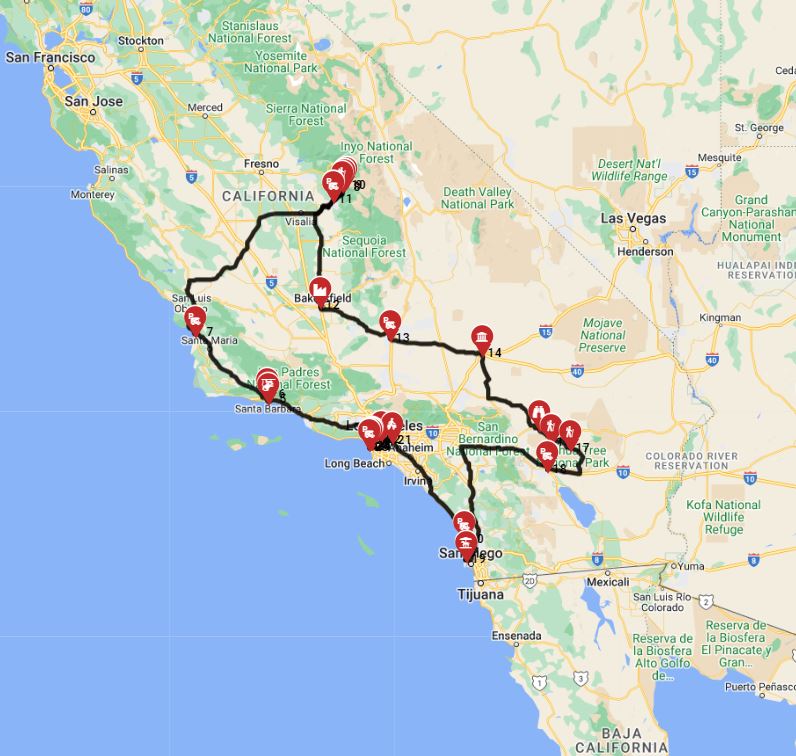
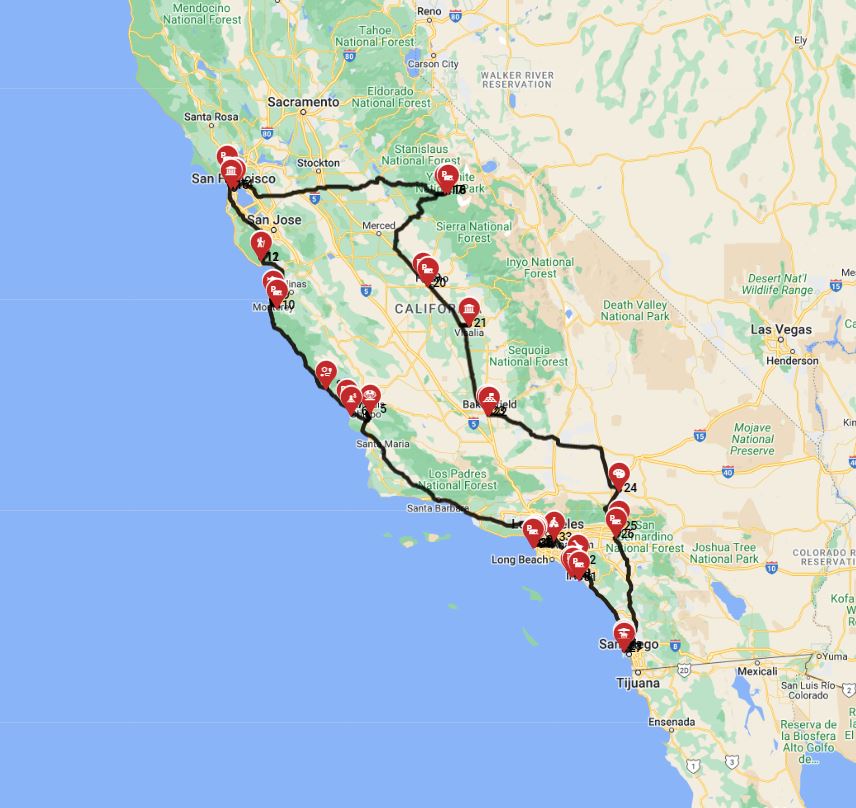
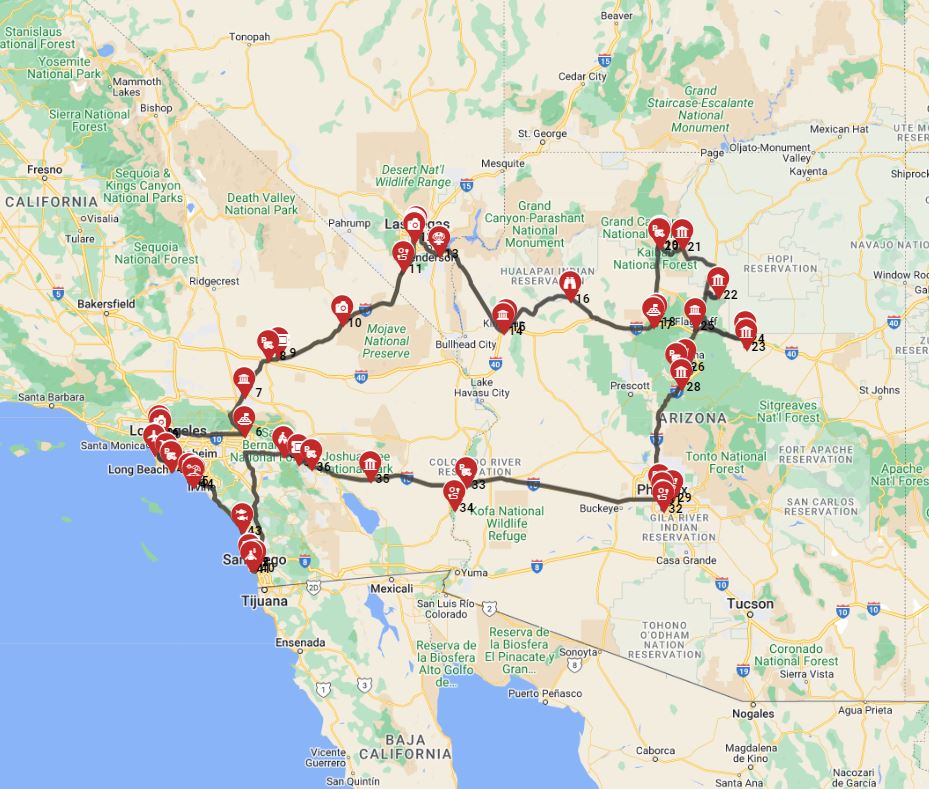
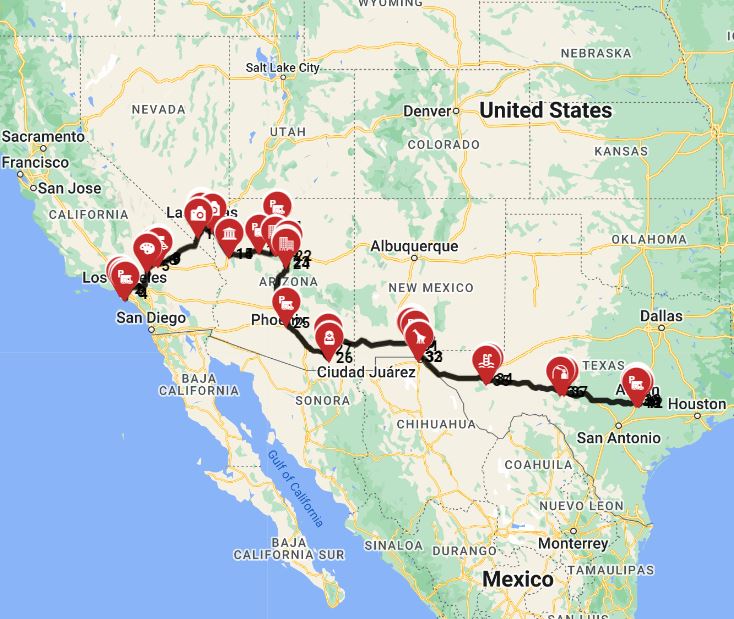
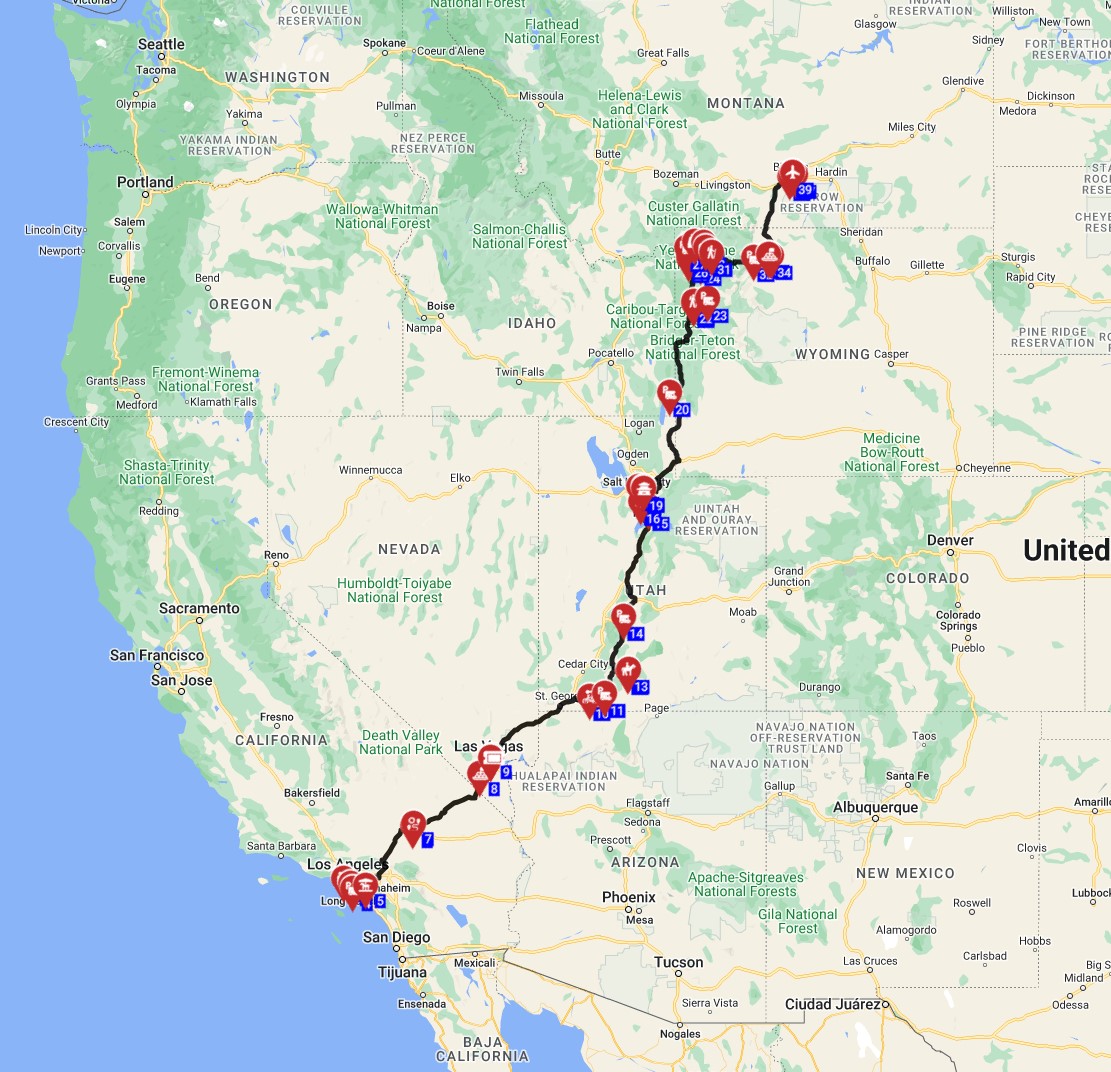
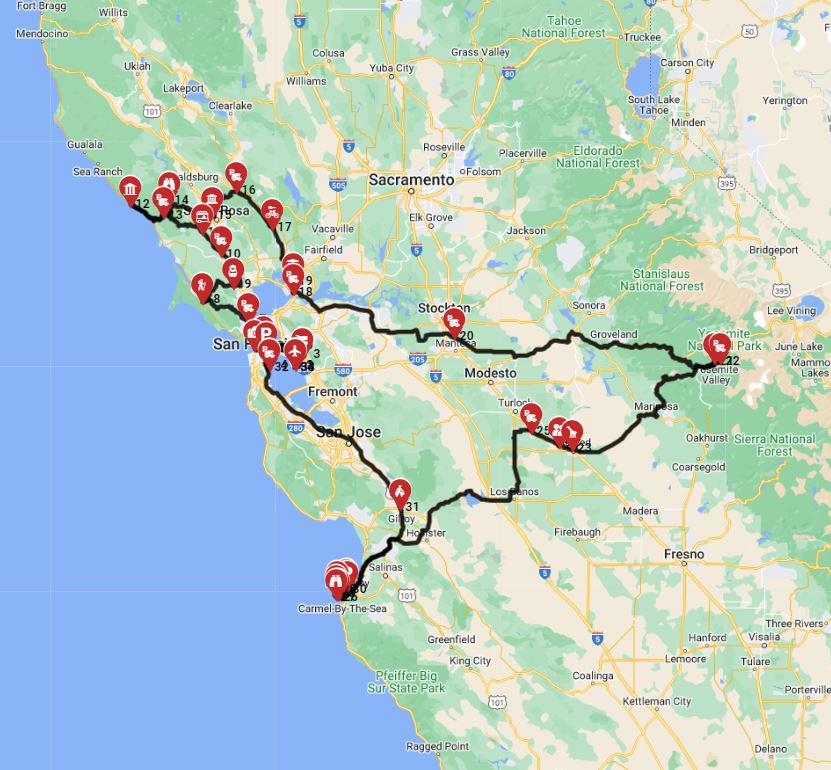
California offers diverse RV camping experiences across its vast landscapes, from coastal bluffs to towering mountains and serene deserts. Popular camping regions include the Redwood Coast for lush forests, the Sierra Nevada for high-altitude adventures, and various state and national parks like Joshua Tree for desert escapes. While specific campground data might vary, well-known areas such as Big Sur offer breathtaking ocean views, Yosemite Valley features iconic granite cliffs (requires early booking due to high demand), or Lake Tahoe provides alpine lake activities. Each region provides a unique backdrop for RV travel, catering to different preferences for scenery, activities, and solitude. We recommend exploring tailored itineraries for an unforgettable journey. For instance, consider the "
🎬 Video coming soon
Campground Types in California (National, Private, Wild)
RV camping in California primarily falls into three categories: national/state parks, private campgrounds, and dispersed (wild) camping, each with distinct rules and amenities. National and State Parks offer scenic beauty and access to natural attractions, often with basic amenities like restrooms and water, but full hookups (electric, water, sewer) are less common. Reservations are highly competitive, especially during peak season, and specific RV length restrictions may apply. Private campgrounds typically provide a wider range of amenities, including full hookups, Wi-Fi, swimming pools, and laundry facilities, often at a higher price point. These are easier to book last-minute outside of major holidays and often accommodate larger RVs. Wild Camping or Boondocking is legal on most Bureau of Land Management (BLM) and National Forest lands for up to 14 days, offering a free, primitive experience without amenities. RVers must adhere strictly to Leave No Trace principles, including packing out all waste, proper grey/black water disposal, and observing local fire restrictions, which are common in California. Always check local regulations, as rules can vary by county or specific forest district to ensure environmental responsibility.
Featured RV Park or Campground in California
While specific data for a single featured RV park is not available, an ideal California RV park exemplifies convenience and access to natural beauty. Look for parks offering full hookups (30/50 amp electric, water, sewer) to ensure comfort during your stay, especially for longer trips or larger RVs. Premium parks often feature amenities like clean bathhouses, laundry facilities, a general store for essentials, and recreational areas such as playgrounds, dog parks, or even swimming pools. The best RV parks also boast prime locations, providing easy access to popular attractions, hiking trails, or scenic viewpoints, ensuring your rental experience is both comfortable and adventurous. Many such parks are dotted along popular routes, offering convenient stops for travelers taking a One-Way RV Rental in California - Price Guide 2026 trip.
Hookups & Amenities - What to Expect
When renting an RV in California, expect a range of hookup and amenity options depending on the campground type and price point. Most RV parks offer 30-amp or 50-amp electrical connections; ensure your rented RV is compatible or use an adapter. 30-amp is standard for smaller to mid-sized RVs, while 50-amp is common for larger Class A or C units with multiple air conditioning units. Pressurized fresh water connections are standard at full-hookup sites, requiring a potable water hose. Sewer hookups allow for direct wastewater (grey and black water) disposal. If not available at your site, dump stations are typically provided within the campground. Many campgrounds also provide Wi-Fi (often unreliable in remote areas), laundry facilities, clean showers and restrooms, picnic tables, and fire rings. Always confirm specific amenities when booking your site. For those who enjoy cooking on board, having a well-equipped kitchen with a gas stove and a refrigerator, like those found in a "cruise america rv rental example Explorer" motorhome with a 90-liter refrigerator and 4-burner stove, allows for delicious meals on the go. Explore our RV-friendly recipes playlist for inspiration. On the routes offered through RV PLANET routes, you can itemize and track every expense along the way for easy budgeting.
Booking Windows & Reservations in California
Securing an RV spot in California, particularly at popular destinations like Yosemite or Big Sur, often requires advance planning due to high demand. For national and state parks, reservations can often be made up to six months in advance and are highly recommended for peak seasons (summer, holidays). Many national park campgrounds only release 25%-30% of their spots for reservations, with the remainder being first-come-first-served. Spontaneous travelers can often find same-day or next-day bookings at private campgrounds, especially during the shoulder seasons (spring and fall). You'll find a spot; if not at the first campground, then the next one. It's always advisable to call ahead before driving to a specific campground, even for first-come-first-served sites, to check availability and avoid disappointment. For current pricing and availability, check our RV Rental in California - Prices and Best Deals 2026 overview.
Nearby Supermarkets & Resupply Points
Resupplying your rented RV in California is convenient, with major supermarket chains widely available in most towns and cities. Look for familiar grocery stores such as Safeway, Vons, Ralphs, or Albertsons, which offer a full range of groceries, fresh produce, and RV essentials. For more specialized or organic options, Whole Foods Market or Trader Joe's can be found in larger metropolitan areas like Los Angeles or San Francisco. It's wise to plan your resupply stops around your route, checking for store locations in advance, especially when traveling through remote areas where options may be limited. When planning your budget for these ancillary costs like groceries and fuel, remember that RV PLANET routes allow you to itemize and track every expense for easy budgeting, ensuring no surprises.
Best RV Class for Camping in California
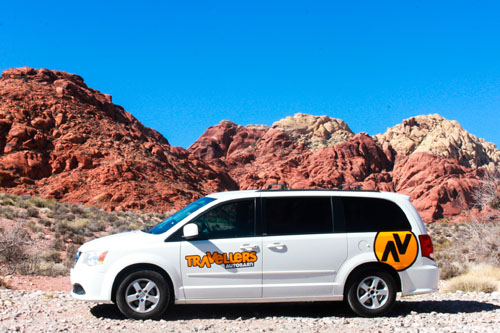
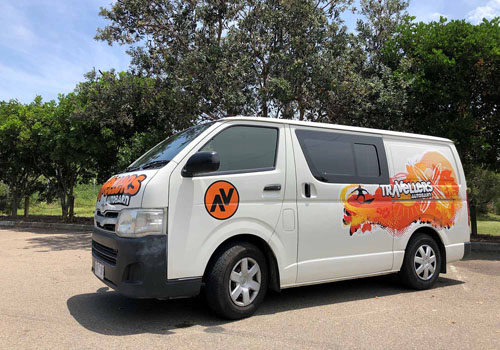
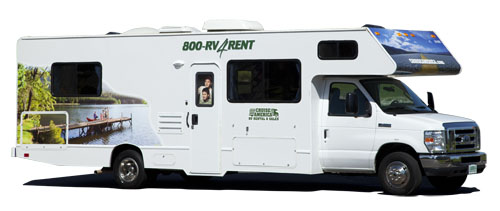
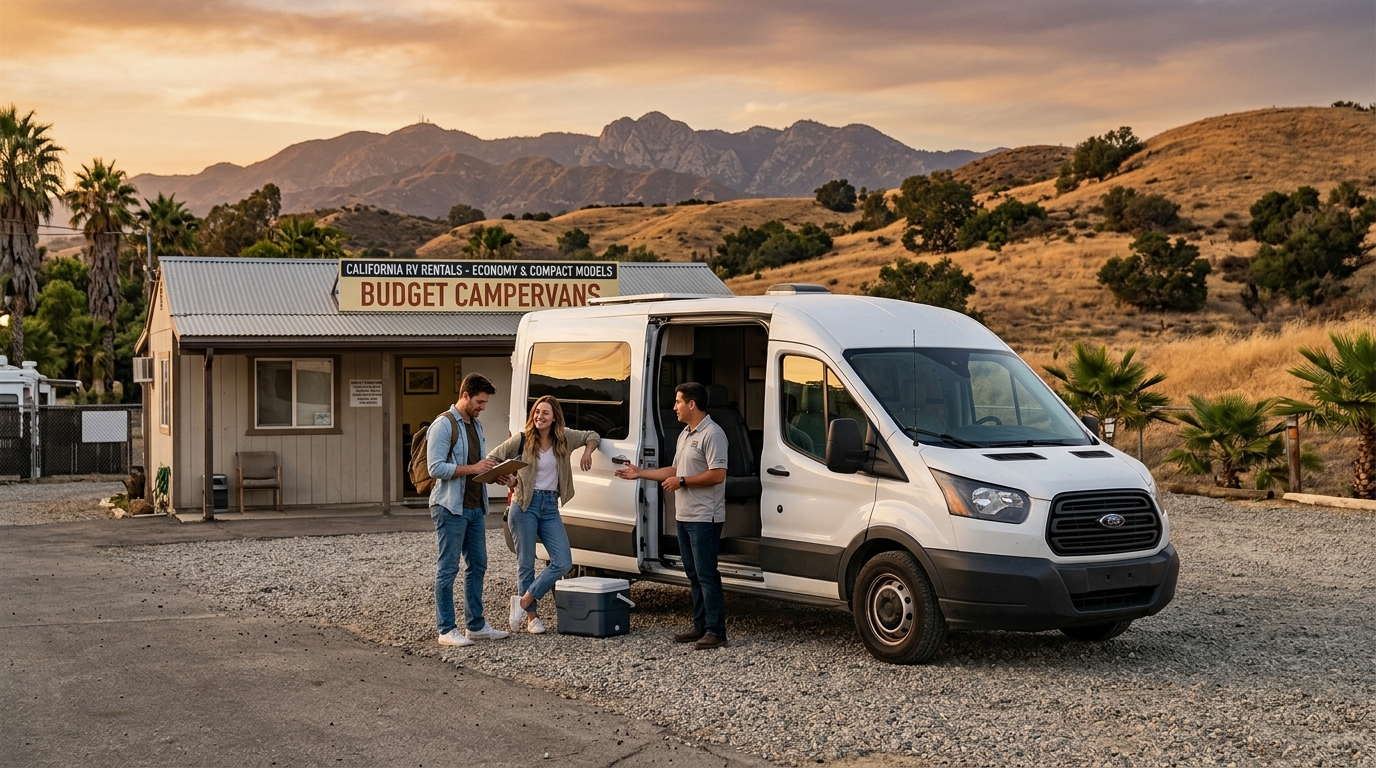
Choosing the best RV class for camping in California depends on your travel style, group size, and desired destinations. Class B Camper Vans are ideal for agile travel and boondocking, averaging 5.8 meters in length and sleeping 3.2 adults. Their compact size makes them perfect for navigating narrower scenic routes, city streets, and accessing more remote campsites where larger RVs are restricted. Bandana's global fleet Class B camper vans typically achieve 8-10 Liter/100 km fuel consumption. Class C Alcove RVs offer a good balance of comfort and maneuverability, commonly used by families with an average length of 7.5 meters and sleeping 4.4 adults. They are suitable for most state and national parks, offering more living space and amenities than a camper van. Bandana's global fleet Class C models typically consume 10-12 Liter/100 km. Class SI Semi-integrated RVs (averaging 6.9 meters, sleeping 3.4 adults) provide a streamlined option similar to Class C but often with a lower profile, appealing to couples or small families seeking efficiency. These are excellent for those who want more space than a van but still desire relative ease of driving on varying California roads, with fuel consumption typically ranging from 10-11 Liter/100 km. For those seeking a truly premium experience, our Luxury RV Rental in California - Premium Prices 2026 guide can help you find a Class A motorhome, which typically consumes 8-12 Liter/100 km.
How to Save on Campgrounds in California
Reducing campground costs in California can significantly enhance your RV rental budget, allowing for more experiences on the road. Book during shoulder seasons (spring and fall) to find lower rates and fewer crowds compared to the peak summer months. Choose municipal or regional campgrounds over private RV resorts, as they often offer more affordable rates with basic, yet sufficient, amenities. Consider staying for three or more nights at one location, as many campgrounds offer weekly rates that are more economical than nightly bookings. For groups traveling together, sharing hookups (if allowed and feasible with your RVs) can sometimes split costs, especially on electricity. Embrace boondocking or dispersed camping on legal BLM and National Forest lands for free camping, which is the ultimate cost-saving measure, offering a truly immersive experience without the nightly fees. Our RV Rental Deals in California - Latest Offers 2026 page might also provide great seasonal discounts.
How much does it cost to rent an RV in California?
The cost to rent an RV in California typically ranges from $100 to $400 per night, depending on the RV class, rental duration, season, and additional fees. Smaller Class B camper vans generally start around $100-$200 per night, while larger Class C (averaging $150-$300/night) and luxury Class A models (upwards of $250-$400+/night) command higher prices. Longer rentals often have lower per-night rates, and peak season (summer, holidays) sees the highest prices. Many rentals include a set number of free miles per day (e.g., 100-150 miles), with additional mileage costing $0.30-$0.75 per mile. Mandatory insurance can add $20-$60 per day, and state sales taxes will apply. Budget for significant fuel expenses; for instance, a Class C RV from Bandana's fleet typically consumes 10-12 Liters/100 km (or roughly 8-10 MPG), while a Class A might consume 8-11 Liters/100 km (around 14-17 MPG), meaning long drives will add up quickly. Factor in campground fees ($20-$80/night), propane refills, dumping fees (if not at a full hookup site), and potential cleaning fees. Keep in mind that prices are dynamic and change daily based on availability, seasonality, and supplier marketing decisions, so the final price is set at actual booking time. Look for early bird discounts or long-term rental specials to save money.
What is the best time to RV in California?
The best time to RV in California is generally during the spring (April to early June) and fall (September to October) shoulder seasons, offering pleasant weather, fewer crowds, and often lower prices. Spring features blooming wildflowers in the desert, melting snow in the mountains making higher elevations accessible, and comfortable temperatures across most regions. This is ideal before the intense summer heat in desert areas and the peak tourist rush. Fall offers warm days, cool nights, vibrant autumn colors in certain areas like the Eastern Sierra, and a reduction in crowds after the summer holidays. The risk of wildfires can be higher in late summer/early fall, so monitoring conditions is crucial. Summer (June-August) brings high temperatures, crowded campgrounds, and peak pricing, though coastal areas offer relief from heat. Winter (November-March) is ideal for desert camping (e.g., Anza-Borrego, Joshua Tree) with mild temperatures, but mountain regions like Yosemite or Lake Tahoe require chains for snow and often have road closures.
What are the requirements to rent an RV in California?
To rent an RV in California, most rental companies require drivers to be at least 21 years old and possess a valid driver's license. A standard, valid driver's license from your home state or country is generally sufficient for all recreational motorhomes, as specific commercial driver's licenses (CDLs) are typically not needed for vehicles under 26,000 pounds. While the legal driving age is 18, many rental companies enforce a minimum age of 21 for RV rentals due to insurance policies, with no young driver surcharges or vehicle class restrictions based on age. You'll need to secure proper insurance coverage, which can often be purchased through the rental company, extended from your personal auto insurance policy, or might rely on credit card benefits. Always confirm coverage details before renting. A security deposit, often several hundred to a thousand dollars, is usually required, along with full payment for the rental period. An International Driving Permit (IDP) is recommended for visitors from non-English-speaking countries but is NOT mandatory in most cases for RV Rental USA - Complete Guide 2026 journeys.
What are the rules for RV camping in California?
RV camping in California is governed by a range of rules and regulations that vary by campground type, locale, and environmental conditions. For national and state parks, adherence to campground-specific rules is mandatory, covering quiet hours (often 10 PM - 7 AM), generator operating times (typically limited to certain hours), food storage (especially crucial in bear country like Yosemite), and designated parking spots. Pet restrictions are common on trails and in certain areas, so always check the specific park's pet policy before arrival. California frequently imposes strict fire restrictions, especially during dry seasons; always check current fire danger levels and only use designated fire rings. Propane stoves are generally permitted when wood or charcoal fires are not. Proper disposal of greywater (from sinks/showers) and blackwater (from toilets) at designated dump stations is legally required and crucial for environmental responsibility. Never dump on the ground or into storm drains. When boondocking on BLM or National Forest land, strict adherence to Leave No Trace principles is paramount, including packing out all trash and minimizing impact on fragile ecosystems. Always check for specific permits or restrictions by county or national forest.
What should I know before renting an RV in California?
Before renting an RV in California, it is essential to plan your itinerary, understand vehicle-specific considerations, and familiarize yourself with RV operations to ensure a smooth and enjoyable trip. California's diverse terrain includes steep mountain passes (e.g., Tioga Pass in Yosemite, I-5 Grapevine), winding coastal roads, and narrow scenic routes. Research your route thoroughly to ensure your chosen RV class can safely navigate these roads; larger RVs might have difficulty on certain mountain grades or in tunnels. Drive slowly and carefully, and you can drive almost anywhere without issues. No need to stress - just use common sense and pay attention. Always check for current road conditions and closures, especially during winter or wildfire season. Understand how to operate the rented RV's key systems, including water tanks (fresh, grey, black), propane, electricity (shore power vs. battery/generator), and slide-outs if applicable. A pre-rental walkthrough with the provider is crucial. Beyond standard camping gear, pack for California's varied climate; consider layers, sun protection, and plenty of water. For boondocking, ensure you have sufficient water and battery power, along with necessary gear like solar panels or a portable generator. Know where to find RV repair and supply centers along your route. Keep a roadside assistance plan, a first-aid kit, and emergency contact information readily available, as cell service can be spotty in remote areas. Travel slowly, max 100-150 km per day on average, and take time to feel the place, connect to the culture, the food, and the scenery. Embrace unique local experiences and off-the-beaten-path adventures that a rented RV allows you to access, going beyond generic tourist spots for insider tips. Bandana offers pre-planned route plans by professionals, with a 25% planning discount when using rvplan.net.
What You Shouldn't Miss
- **Drive Highway 1 through Big Sur:** Experience one of the world's most scenic coastal drives in your rented RV, with breathtaking ocean views and dramatic cliffs.
- **Explore Yosemite National Park:** Witness iconic granite formations like El Capitan and Half Dome, and majestic waterfalls. Book your campground well in advance or look for first-come-first-served spots.
- **Hike the unique landscapes of Joshua Tree National Park:** Discover a surreal desert ecosystem where two distinct desert environments meet, offering unique flora and geological formations.
- **Experience the Redwood Coast:** Drive through ancient redwood forests, some of the tallest trees on Earth, with numerous state parks offering RV-friendly camping.
- **Visit Lake Tahoe:** Enjoy pristine alpine waters, surrounded by stunning mountains, perfect for water activities in summer and winter sports.
- **Taste California's Culinary Diversity:** From fresh seafood along the coast to farm-to-table dining in wine country, use your RV kitchen to experiment with local ingredients.
Looking for expert insights from Avi Bandana? Top 5 Adventures - recommendations from Avi Bandana
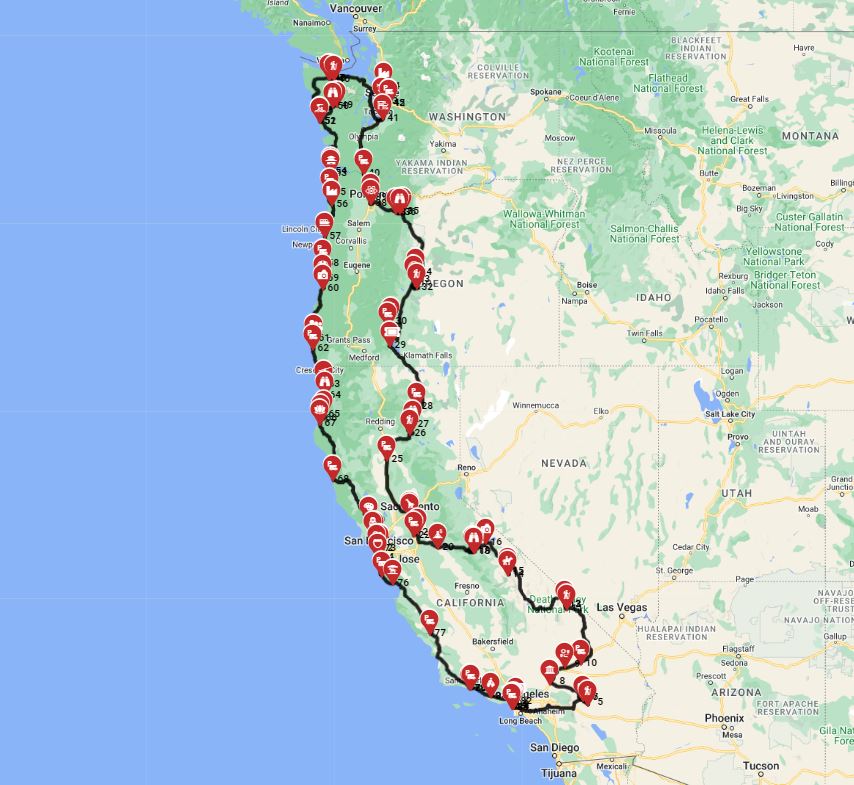
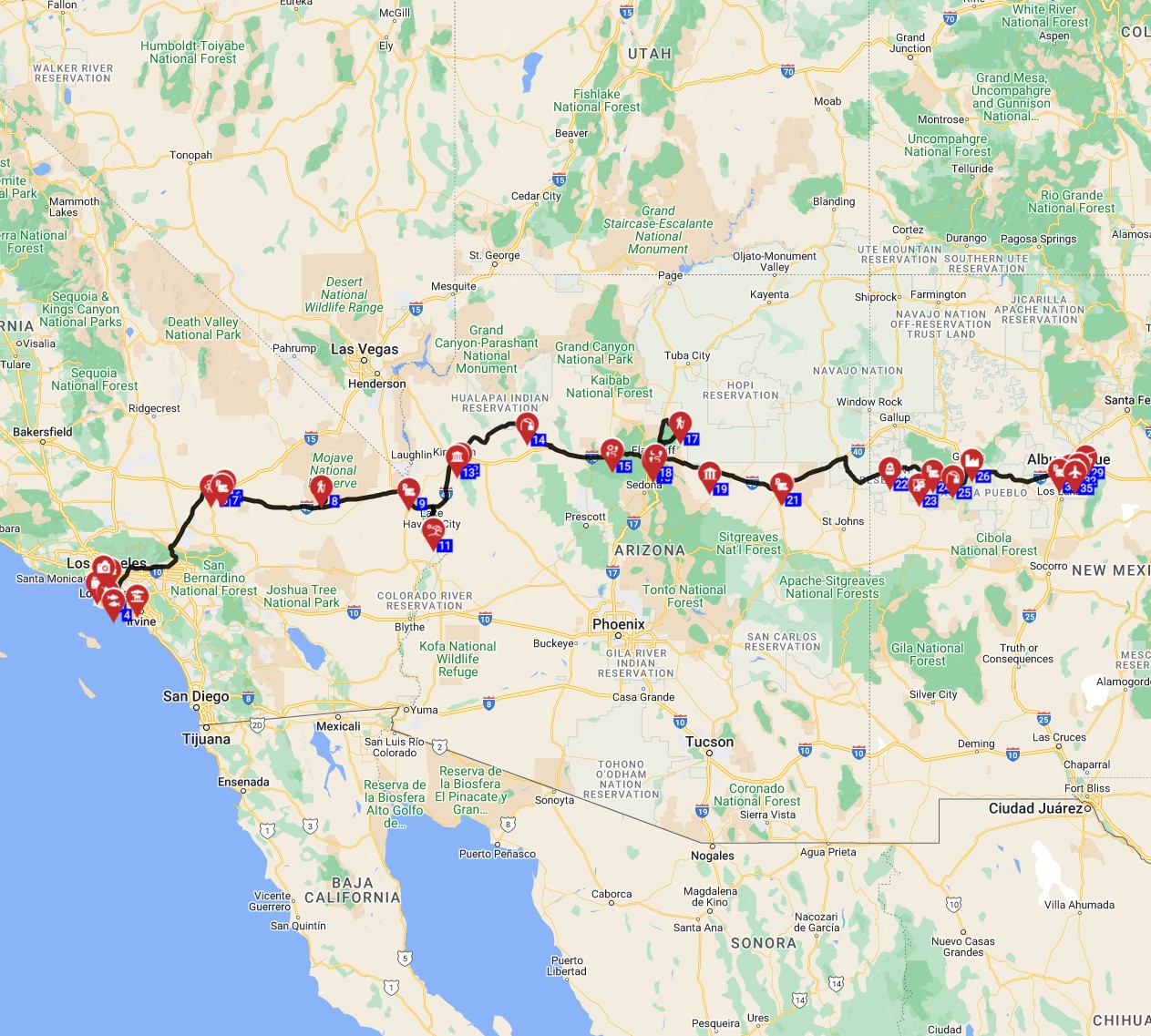
For those looking to combine California's natural beauty with adventures further north, consider the "
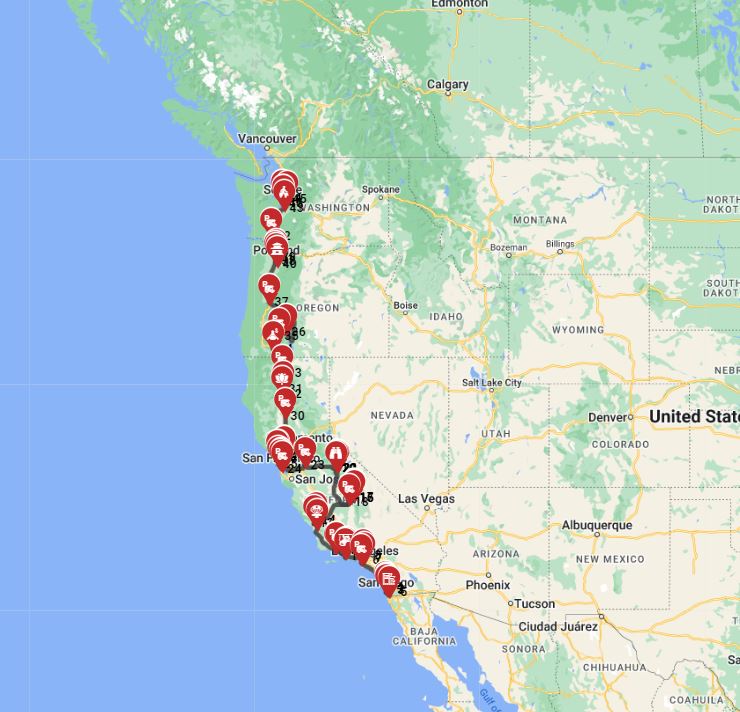
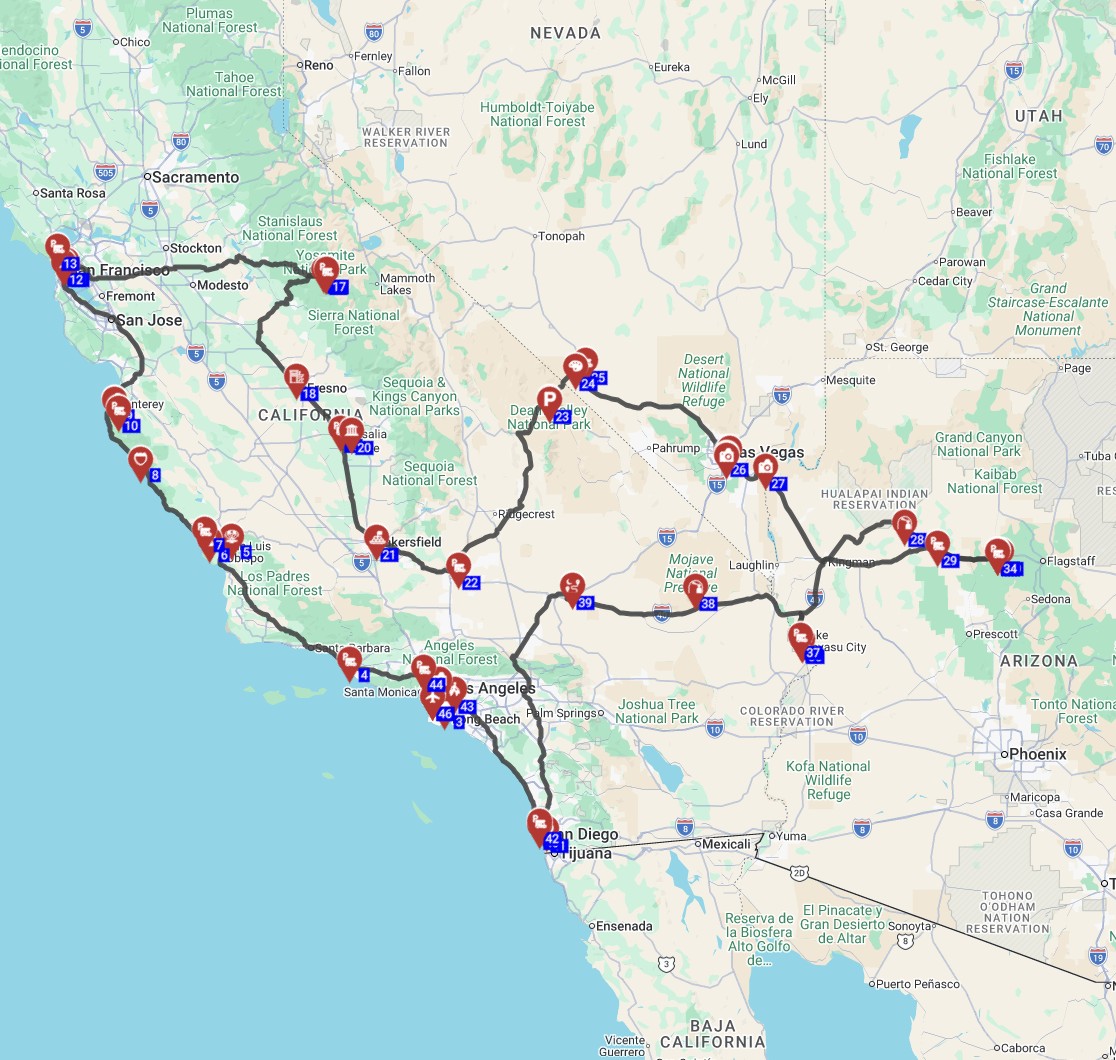
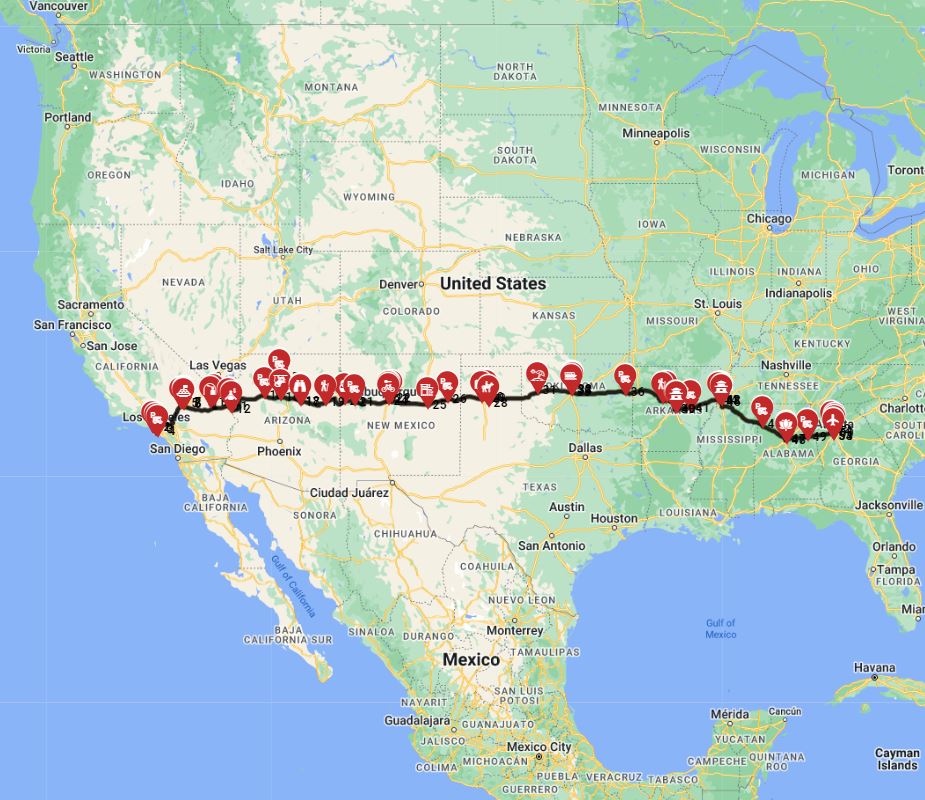
Alternatively, if you're traveling from the East Coast, the "
Final Thoughts
Exploring California in a rented RV, especially on a one-way adventure, offers an unparalleled sense of freedom and discovery. Imagine waking up to the sound of waves on the Pacific Coast or the quiet rustle of pines in the Sierra Nevada, with your comfortable mobile home right there with you. It's about savoring every moment, connecting with the stunning nature, vibrant culture, and diverse culinary scene that California offers.
From navigating mountain passes to enjoying laid-back beach towns, the Golden State is truly a dream for motorhome travelers. With proper planning, understanding local regulations, and choosing the right vehicle, your California RV camping trip will be an unforgettable experience. We're here to support you every step of the way, ensuring your booking process is transparent and worry-free.
So, why wait? Compare Motorhome Prices for California and start planning your epic one-way RV adventure today. The open road is calling!