In This Guide
- Where to Camp in Texas — Top Options
- Campground Types in Texas (National, Private, Wild)
- Featured RV Park or Campground in Texas
- Hookups & Amenities — What to Expect
- Booking Windows & Reservations in Texas
- Nearby Supermarkets & Resupply Points
- Best RV Class for Camping in Texas
- How to Save on Campgrounds in Texas
- What is the best month to RV in Texas?
- Texas RV Laws and Regulations
- Where can you legally park an RV for free in Texas?
- RVing and Camping on Texas Beaches
- Safety Tips for RVing in Texas
- What is the average gas mileage for an RV in Texas?
- What are the best RV rental companies in Texas?
- How much does it cost to rent an RV in Texas?
- What is the cheapest way to rent an RV in Texas?
- Are RV rentals cheaper than hotels in Texas?
- Is it cheaper to rent an RV or buy one in Texas?
- Unique RV Trip Ideas in Texas
- Navigating Texas by RV - Distances and Travel Times
- RV Services and Maintenance in Texas
Where to Camp in Texas — Top Options
Texas provides diverse camping experiences, ranging from the rugged beauty of Big Bend National Park and the serene waterways of the Hill Country to the vibrant Gulf Coast beaches. Popular state parks such as Garner State Park, known for its Frio River access, and Inks Lake State Park, with its unique pink rock formations, offer a blend of natural attractions and essential amenities for RVers. For those seeking more immersive, often rustic, experiences, national park sites are the way to go. If comfort and convenience are priorities, private RV resorts, frequently found near popular destinations like Fredericksburg or New Braunfels, offer luxurious amenities and full hookups.
Campground Types in Texas (National, Private, Wild)
Texas offers a comprehensive spectrum of campground types for every RVing style, including federally managed national parks and forests, state parks managed by Texas Parks and Wildlife Department, and privately owned RV resorts. National and state parks, while often situated in the most scenic locations, typically provide more basic amenities, require advance reservations well in advance, and strictly enforce rules to preserve their natural environments. Conversely, private campgrounds and RV resorts cater to comfort and convenience, featuring extensive amenities like full hookups, Wi-Fi, laundry facilities, swimming pools, and recreational centers. For the truly self-sufficient traveler, dispersed camping, or 'boondocking,' is legally permitted on specific public lands, such as National Forests and Grasslands, but demands strict adherence to 'leave no trace' principles and a thorough understanding of local access and permit requirements.
Featured RV Park or Campground in Texas
When selecting an RV park in Texas for your next adventure, travelers should prioritize establishments that offer a harmonious blend of essential amenities, natural appeal, and convenient access to the local attractions you plan to visit. Look for well-maintained parks providing crucial full hookups, including 30 or 50 amp electric service, reliable fresh water connections, and convenient sewage disposal points at each site. Strategic location is key; consider parks situated to complement your itinerary, whether that means proximity to major highways for seamless travel or a secluded spot nestled in scenic areas for a more tranquil and immersive nature experience.
Hookups & Amenities — What to Expect
Most RV parks and many state park campgrounds across Texas provide fundamental hookups, including reliable 30 or 50 amp electric service, fresh water connections, and sewage disposal points at each site, ensuring a comfortable stay. Standard amenities commonly found at these locations include essential picnic tables and fire rings, alongside access to clean restrooms and hot showers; private resorts elevate the experience further with features like swimming pools and clubhouses. While Wi-Fi availability is widespread, its signal strength and reliability can vary significantly, so it’s always wise to confirm in advance if strong connectivity is a must-have for your trip.
Booking Windows & Reservations in Texas
For popular Texas campgrounds, especially state and national parks during peak seasons or holidays, securing reservations 6 to 12 months in advance is highly recommended to guarantee your spot. Many national park campgrounds release only a portion of their sites for advance reservations, typically 25%–30%, leaving the rest available on a first-come, first-served basis for more spontaneous arrivals. Spontaneous travelers can often find same-day or next-day availability at private RV parks or less-trafficked public campgrounds; however, always call ahead to confirm availability before driving to a site to avoid disappointment. While it's certainly possible to find a spot last-minute, booking ahead ensures your preferred location and amenities, especially if you have specific requirements for your RV rental deal.
Nearby Supermarkets & Resupply Points
Resupplying your RV in Texas is a breeze thanks to the widespread presence of major supermarket chains, including the beloved Texas favorite H-E-B, alongside national giants like Walmart, Kroger, and Randall's. These large retailers are conveniently located in or near most cities and towns along popular RV routes, offering a comprehensive selection of groceries, camping essentials, and other necessities to keep you provisioned. While smaller towns might feature local grocery stores or general stores for basic provisions, their selections can be more limited compared to the larger chains, so planning your resupply stops at major hubs is often more efficient. On the routes offered through RV PLANET routes, you can itemize and track every expense along the way for easy budgeting.
Best RV Class for Camping in Texas
The best RV class for camping in Texas truly depends on your desired travel experience and group size. Bandana's Class B Camper Vans, averaging around 5.8 meters and comfortably sleeping 3.2 people, are ideal for couples or small groups seeking flexibility and easy navigation, often achieving fuel efficiency around 10 Liters/100 Km. For families or larger groups (averaging 4.4 adults), Class C Alcove RVs, typically 7.5 meters long and sleeping 5.8 people, provide more living and storage space, perfect for comfortable campground stays. Class SI Semi-integrated models, averaging 6.9 meters, offer a streamlined profile and comfortable living for smaller groups (averaging 3.4 adults), striking a good balance between space and ease of driving. For luxurious travel at full-hookup resorts, Class A Integrated RVs (averaging 7.5 meters, seating 4 adults) are optimal, while compact Class TC Truck Campers (averaging 5.5 meters, seating 2.1 adults) offer nimble adventure, albeit with lower load capacity and higher fuel consumption.
How to Save on Campgrounds in Texas
A primary strategy to save on campground fees in Texas is by utilizing campground discount cards, which are often provided by RV rental companies like Bandana, offering reduced rates at participating locations across the state. Opting to travel and book during the shoulder seasons (spring and fall) or on weekdays rather than during peak summer or holiday weekends can significantly lower per-night costs. Choosing municipal, regional, or state parks generally presents a more budget-friendly alternative to private luxury resorts, often with good basic amenities. Consider extending your stay to three or more nights, as many campgrounds offer weekly rates that provide a substantial discount compared to booking individual nights.
What is the best month to RV in Texas?
The best months to RV in Texas are typically spring (March to May) and fall (September to November), offering the most comfortable temperatures and pleasant outdoor conditions for exploration. During spring, Texas wildflowers are in full bloom, and temperatures are ideal for hiking and exploring without the intense heat, while fall provides cooler weather perfect for campfires and outdoor activities. Summer months can be extremely hot, especially inland, making coastal destinations or parks with water access more appealing; winters are generally mild in the southern parts of the state but can experience freezing conditions further north.
Texas RV Laws and Regulations
Texas RV laws require drivers to comply with specific regulations, including distinct speed limits for recreational vehicles and those towing trailers, which are often lower than passenger car limits to ensure safety. While most standard RV rentals can be driven with a regular Class C driver's license, vehicles exceeding 26,000 pounds gross weight or towing trailers over 10,000 pounds may require a non-commercial Class A or B license. Adherence to Gross Vehicle Weight Rating (GVWR) and proper load distribution is crucial for legal compliance and safe operation. Furthermore, RVs and their towed units must not exceed a combined length of 65 feet, and drivers should always be aware of specific lane usage regulations, particularly on multi-lane highways.
Where can you legally park an RV for free in Texas?
You can legally park an RV for free in Texas on certain federal public lands, specific city or county properties, and at some retail establishments that permit overnight parking as a courtesy. Designated areas within National Forests and Grasslands, such as Sam Houston National Forest, allow for dispersed camping (boondocking) without fees, provided you follow 'leave no trace' principles and adhere to specific area regulations. Many Walmart stores, Cabela's, Bass Pro Shops, and some truck stops often allow overnight RV parking; however, it is imperative to call the specific location in advance to confirm their current policy, as these can vary and change.
RVing and Camping on Texas Beaches
RVing and camping on Texas beaches offers a unique experience, with many Gulf Coast beaches permitting drive-on access and overnight stays, often requiring only a nominal beach parking permit. Popular destinations for beach RV camping include sections of Galveston Island, Quintana Beach County Park, Mustang Island State Park, and Padre Island National Seashore, which has specific primitive beach camping areas. It is crucial to consult tide charts, be mindful of soft sand conditions to prevent getting stuck, and adhere to all local regulations regarding campfires, waste disposal, and pet policies. Essential gear for beach RVing includes tire pressure gauges for airing down and up, leveling blocks for uneven sand, and recovery equipment like traction boards, as full hookups are typically unavailable.
Safety Tips for RVing in Texas
RVers in Texas should prioritize safety by preparing for diverse and sometimes extreme weather conditions, understanding potential wildlife encounters, and being aware of specific road conditions for larger vehicles. Texas experiences varied weather, including tornadoes (especially in spring) and hurricanes along the Gulf Coast, making a reliable weather alert system and a clear emergency plan essential. Exercise caution regarding wildlife, particularly in rural and natural areas, where encounters with snakes, scorpions, and other animals are possible; always secure food properly and maintain a safe distance from all wildlife. Road conditions can also vary significantly; large rigs should be particularly mindful of high wind advisories, unpaved county roads, and ensure proper tire pressure and vehicle maintenance before and during trips.
What is the average gas mileage for an RV in Texas?
The average gas mileage for an RV in Texas varies significantly by class, typically ranging from 8-10 Liters/100 Km for smaller camper vans to 10-12 Liters/100 Km for larger Class C and Class A models. Bandana's Class B Camper Vans are generally the most fuel-efficient option for traversing Texas, often achieving around 10 Liters/100 Km based on global fleet averages. Larger Class C Alcove and Class A Integrated RVs, due to their increased size and weight, typically have a common fuel consumption range of 10-12 Liters/100 Km and 11-12 Liters/100 Km, respectively. Remember that actual fuel consumption will be influenced by factors like driving speed, terrain, headwind, and loading, so budgeting for the higher end of the range is always a prudent approach.
What are the best RV rental companies in Texas?
The best RV rental companies in Texas are those that offer a diverse fleet of well-maintained vehicles, provide transparent pricing with no hidden fees, include comprehensive insurance options, and deliver excellent customer service throughout the rental process. Companies like Bandana offer a wide selection of RVs, including Class B, Class C, Class A, Class SI, and Truck Campers, ensuring renters can find a vehicle that perfectly suits their travel needs and group size. Look for providers with convenient pick-up and drop-off locations across key Texas cities, flexible rental terms, and positive customer reviews that highlight vehicle quality and responsive support.
How much does it cost to rent an RV in Texas?
The cost to rent an RV in Texas varies widely based on the RV class, rental duration, season, and included amenities, typically ranging from $100 to over $300 per night. Smaller, more compact RVs like Class B Camper Vans or Truck Campers generally represent the most budget-friendly options, while larger Class C Alcove and Class A Integrated RVs command higher rental rates. Peak seasons, such as summer holidays and spring break, will feature higher prices and limited availability, whereas booking during the off-peak or shoulder seasons can result in more favorable daily rates. Beyond the base rental fee, remember to factor in additional expenses for mileage, insurance coverage, preparation fees, fuel costs, and campground reservation fees to accurately calculate your total trip budget.
What is the cheapest way to rent an RV in Texas?
The cheapest way to rent an RV in Texas involves strategic timing, selecting smaller RV classes, and proactively seeking out discounts and promotions. Booking your RV rental during off-peak seasons, like late fall or winter (excluding holidays), or opting for weekdays over weekends can significantly reduce daily rental costs. Choosing a smaller, more fuel-efficient RV, such as a Class B Camper Van or a Truck Camper, not only lowers the initial rental fee but also reduces overall fuel expenses throughout your trip across the vast state.
Are RV rentals cheaper than hotels in Texas?
RV rentals can indeed be a more economical option than hotels in Texas, particularly for families or groups embarking on extended trips, as they consolidate accommodation and transportation costs into one efficient package. While an RV rental includes its own set of expenses—rental fees, fuel, and campground costs—these can often be less than the cumulative cost of booking multiple hotel rooms, dining out for every meal, and securing separate vehicle rentals. The inherent ability to prepare your own meals within an RV's dedicated kitchen significantly reduces food expenses, a major factor in making RV travel more budget-friendly than traditional hotel stays for longer durations. For ideas you can prep on the road, watch our RV-friendly recipes playlist on YouTube.
Is it cheaper to rent an RV or buy one in Texas?
For most individuals or families planning occasional trips in Texas, renting an RV is significantly cheaper than purchasing one, especially when considering the total cost of ownership. Buying an RV involves substantial upfront costs, including the purchase price, sales tax, ongoing insurance premiums, maintenance, storage fees, and depreciation, which can quickly outweigh rental costs for infrequent use. Renting an RV eliminates these long-term financial commitments, offering the flexibility to try different models and only paying for the vehicle when it's actively used for a vacation or short-term adventure. Ownership typically becomes more cost-effective only for full-time RVers or those who plan to use their RV for multiple extended trips annually, thereby amortizing the high initial investment and ongoing expenses over frequent usage.
Unique RV Trip Ideas in Texas
Texas offers a wealth of unique RV trip ideas that extend beyond the typical tourist destinations, catering to niche interests like historical routes, culinary tours, music trails, or specific wildlife viewing areas. Explore the scenic 'Texas Wine Trail' in the Hill Country, making stops at various vineyards and charming towns like Fredericksburg and Comfort, combining picturesque drives with delightful local culinary experiences. Embark on the 'Texas Music Trail' through legendary cities such as Austin, Houston, and Dallas, discovering iconic live music venues and historical markers that trace the state's rich musical heritage. For nature enthusiasts, curate a trip around the Great Texas Coastal Birding Trail or delve into the state's compelling history by visiting missions and forts along old Spanish colonial routes.
Navigating Texas by RV - Distances and Travel Times
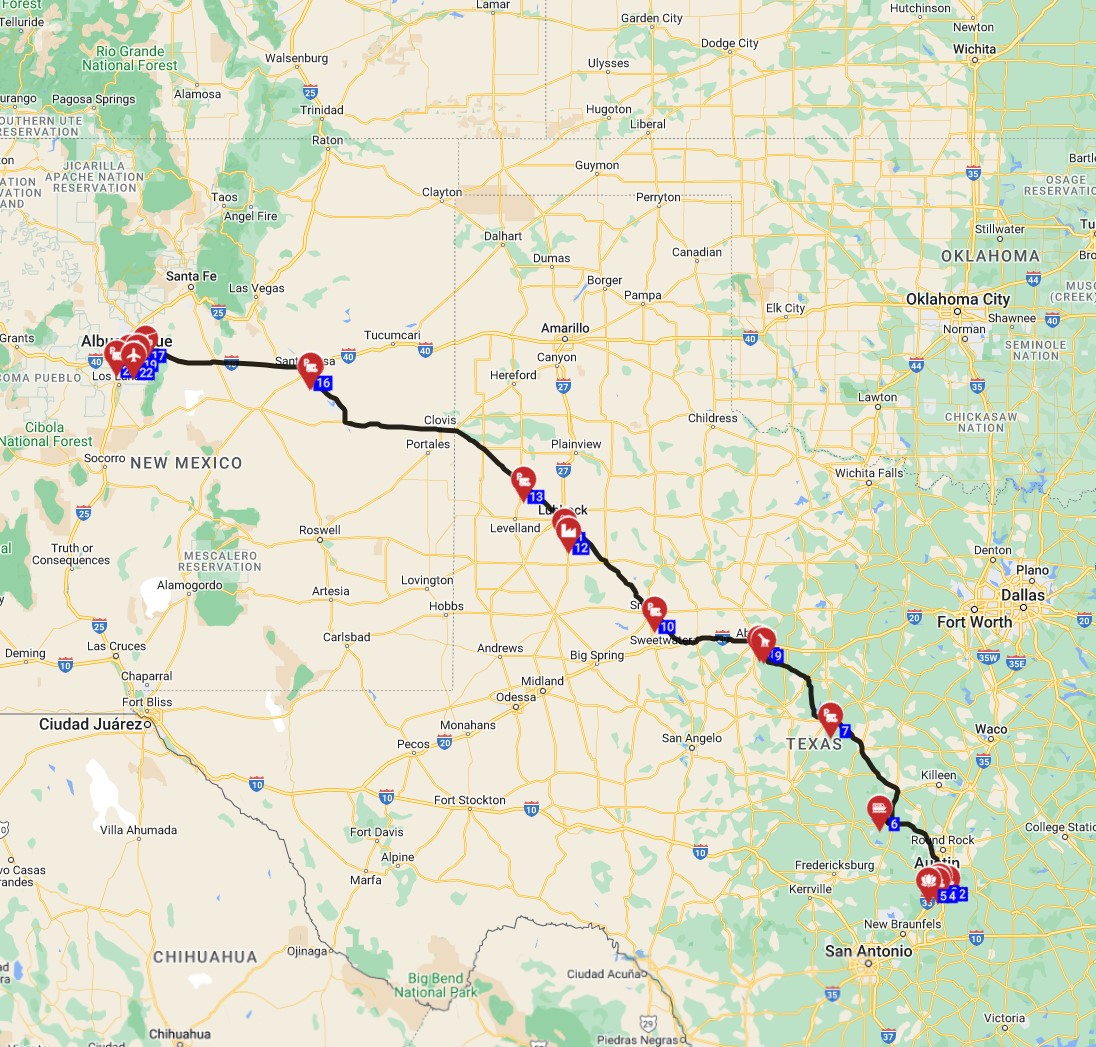
Navigating the vast distances of Texas by RV necessitates careful planning, as travel times between major regions can be extensive and should always account for the slower pace inherent to RV travel. For instance, a drive from Houston to Big Bend National Park can easily take 9-10 hours, while traversing from Dallas to South Padre Island typically requires 8-9 hours of dedicated driving. Realistic travel estimations should always factor in additional time for fuel stops, meal breaks, and potential traffic slowdowns, which can collectively add 20-30% to standard passenger car travel times. Utilizing RV-specific navigation apps is highly recommended to plan routes that effectively avoid low clearances or restrictive roads, ensuring a smooth and safe journey across the expansive Lone Star State.
RV Services and Maintenance in Texas
Access to reliable local RV services, including repair shops, parts suppliers, dump stations, and propane refill facilities, is a critical consideration for any RV trip in Texas, especially when venturing into more remote areas. Major metropolitan areas and popular RV destinations typically offer numerous options for mechanical repairs, specialized RV parts, and routine servicing to keep your rental in top condition. Dump stations and propane refill points are commonly found at larger campgrounds, dedicated RV service centers, and along major interstate highways at truck stops like Pilot Flying J and Love's. Before embarking on routes through less populated regions, such as West Texas, ensure your RV is in excellent working order and identify potential service points along your planned itinerary.
What You Shouldn't Miss
- Immerse yourself in the natural beauty of Big Bend National Park, a remote gem perfect for stargazing within its International Dark Sky Park designation.
- Explore the geological wonders of Palo Duro Canyon State Park, where you can RV camp within the canyon's dramatic landscape.
- Experience the unique thrill of driving and camping on Texas's Gulf Coast beaches, with popular spots like Padre Island National Seashore offering primitive beachfront RV sites.
- Discover the surprising desert oasis of Balmorhea State Park, home to the world's largest spring-fed swimming pool, ideal for a refreshing dip.
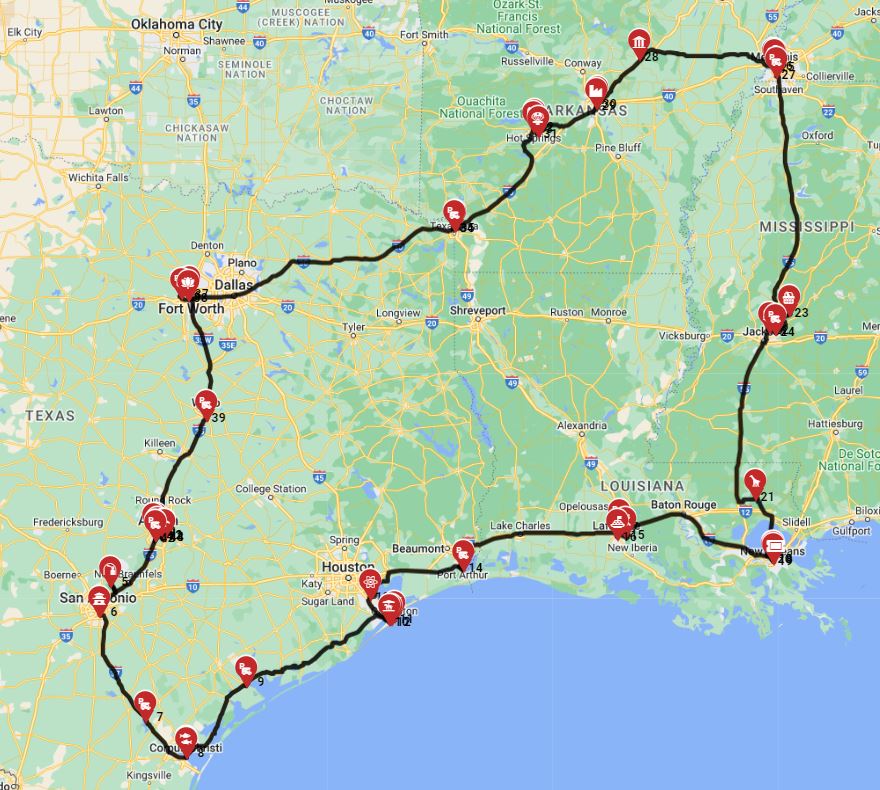
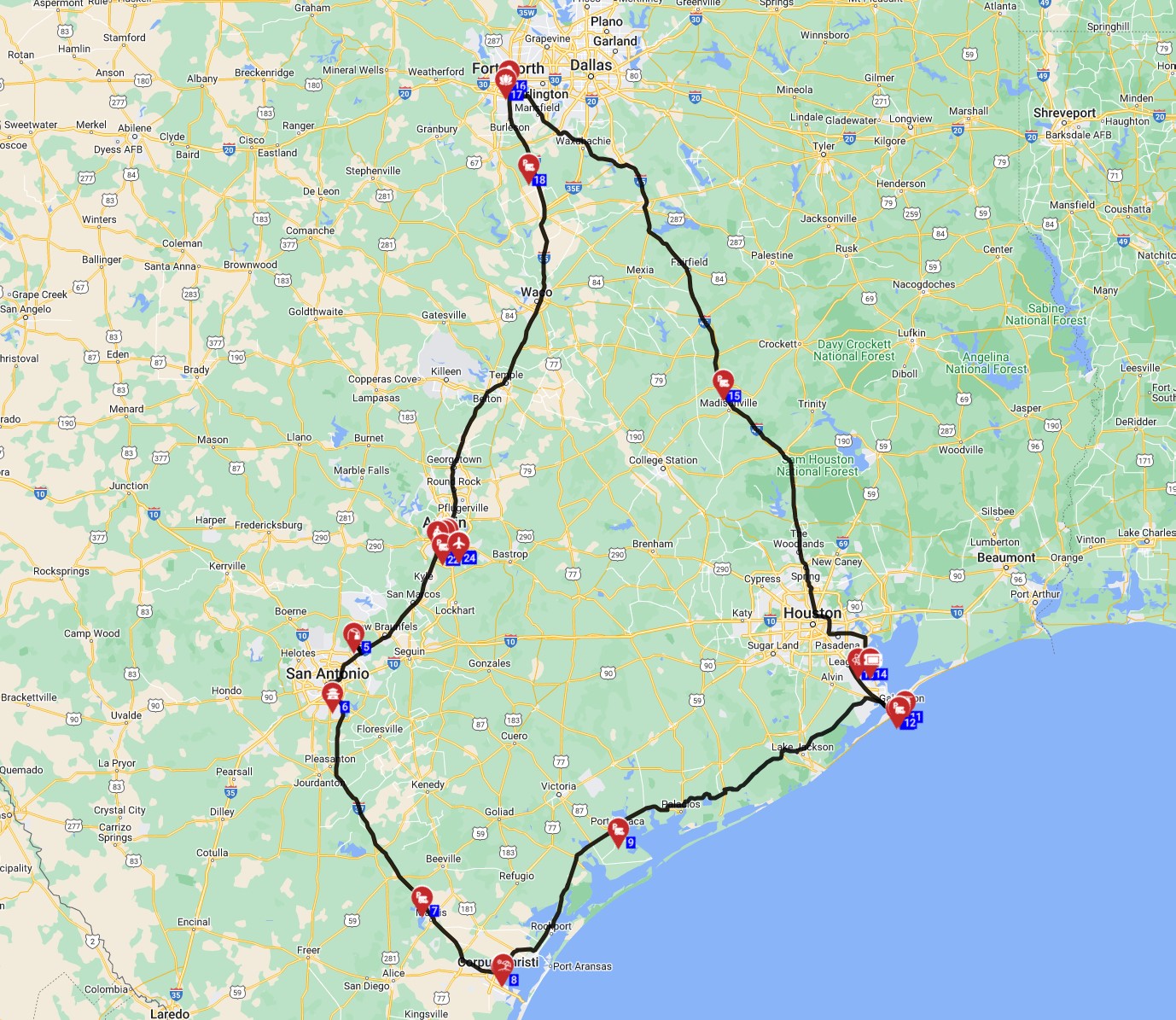
- Trace the historic 'Texas Triangle' route, connecting major cities like Houston, Dallas, and San Antonio, showcasing a diverse range of cultural and natural attractions.
Final Thoughts
Embarking on an RV adventure in Texas is an unforgettable journey, offering unparalleled freedom to explore the vast and varied landscapes of the Lone Star State at your own pace. From the rugged beauty of West Texas to the vibrant coastline, there’s an RV experience waiting for every type of traveler.
Remember that planning is key, especially when it comes to securing popular campsites, but the rewards of spontaneous discovery are also part of the RVing charm. With Bandana Caravan, you have a partner dedicated to making your RV rental experience as smooth and transparent as possible, ensuring your focus remains on the incredible journey ahead.
So, start dreaming, start planning, and get ready to hit the road for an authentic Texas RV adventure!