In This Guide
- Where to Camp in South West US - Top Options
- Campground Types in South West US (National, Private, Wild)
- Featured RV Park or Campground in South West US
- Hookups & Amenities - What to Expect
- Booking Windows & Reservations in South West US
- Nearby Supermarkets & Resupply Points
- Best RV Class for Camping in South West US
- How to Save on Campgrounds in South West US
- What is the best month to RV in the Southwest?
- Is RVing in the Southwest safe?
- What are some free camping spots in the Southwest?
- What are the rules for camping on Bureau of Land Management (BLM) land in the Southwest?
- Is it easy to find RV parks in Arizona?
- How much does it cost to rent an RV in Arizona?
- What are some unique RV destinations in the Southwest beyond national parks?
- What are the essential items to pack for an RV trip in the Southwest?
- How do you prepare an RV for desert travel?
- Can you RV in the Grand Canyon?
- What kind of RV is best for the Southwest?
- How do you stay cool in an RV in the desert?
- What are the rules for pets in national parks in the Southwest?
- How to find internet and cell service in remote Southwest areas?
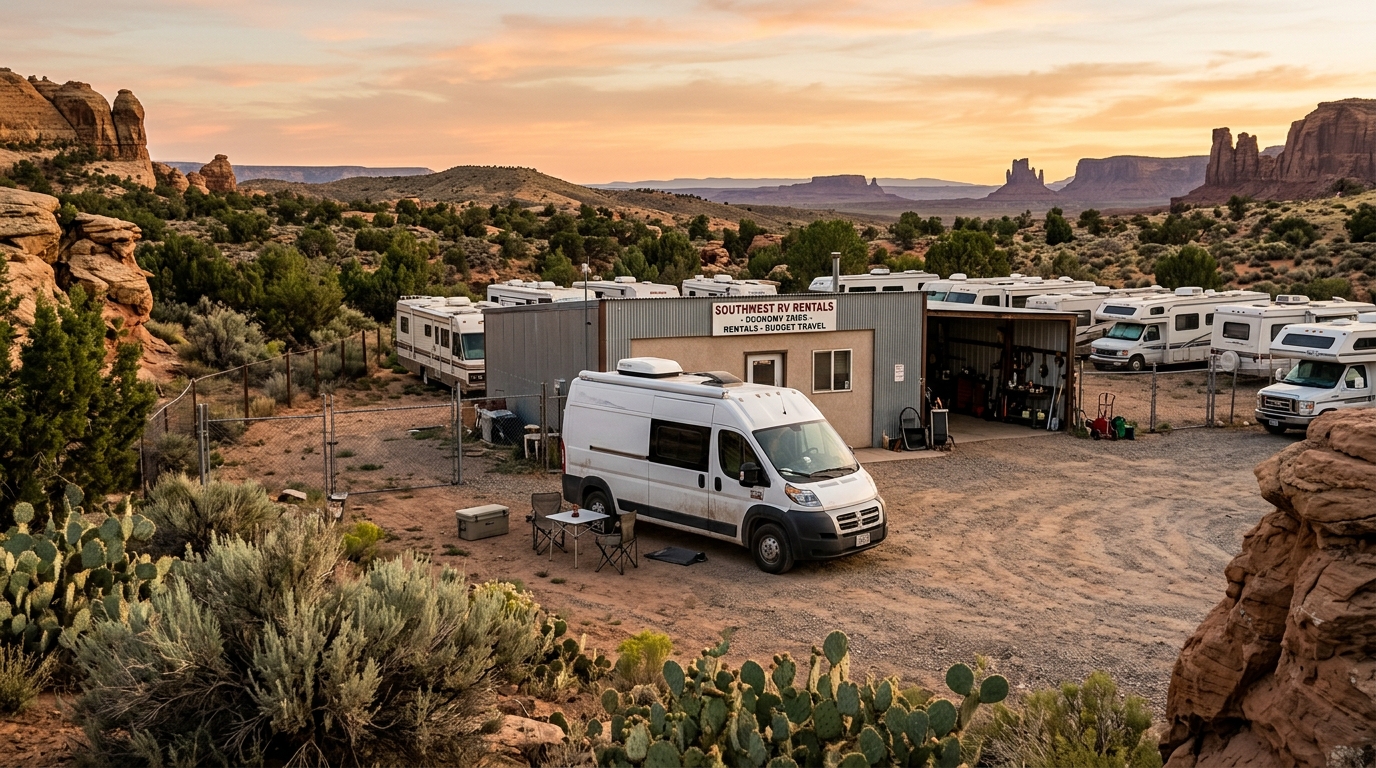
The South West US is an unparalleled destination for an unforgettable RV rental adventure, offering a breathtaking tapestry of landscapes from vibrant red rock canyons to expansive deserts and towering mountains. Imagine waking up to a sunrise painting the sky over Zion National Park, or enjoying a meal with your family amidst the serene beauty of a high desert mesa. RV camping deals in South West US - Discounted Sites 2026 are often available, allowing you to experience this majestic region without breaking the bank.
At Bandana RV, we specialize in helping travelers like you discover the joy and freedom of motorhome travel, ensuring full transparency with no hidden fees and 24/7 support from real people. We've been helping tens of thousands of travelers explore the world by RV since 2001, building direct partnerships with over 50 leading RV suppliers worldwide. For live availability and current prices, start with our RV Rental South West US - Complete Guide 2026 guide.
Where to Camp in South West US - Top Options
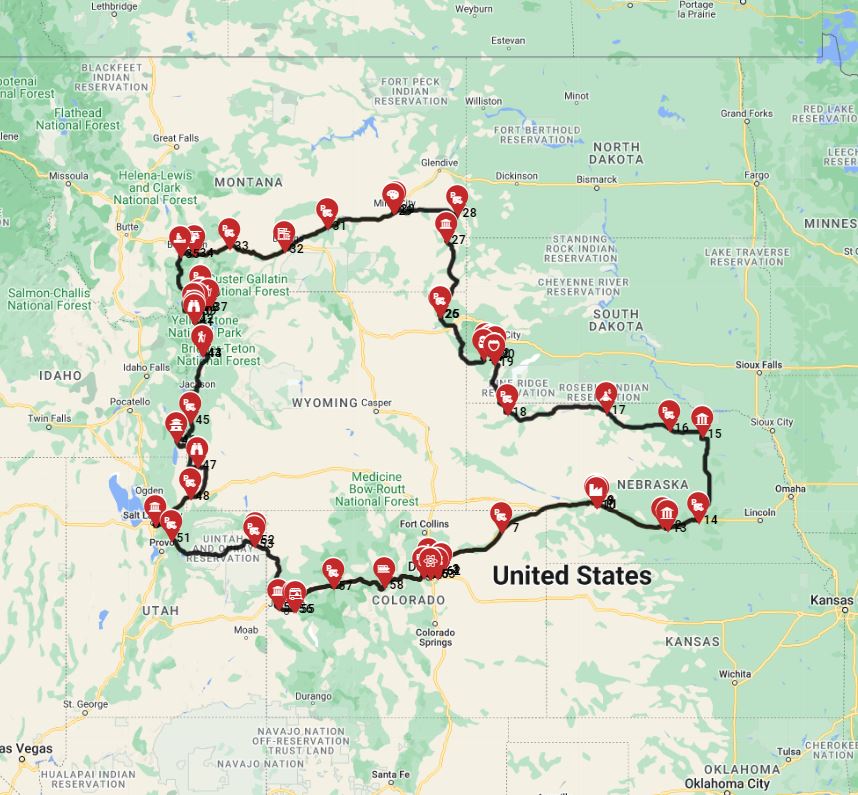
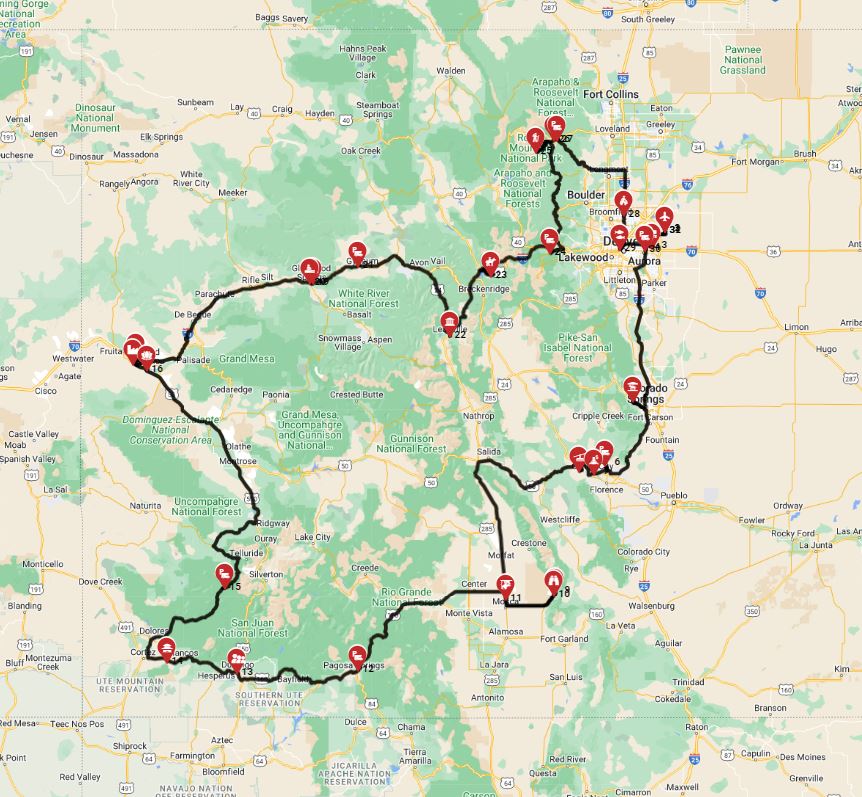
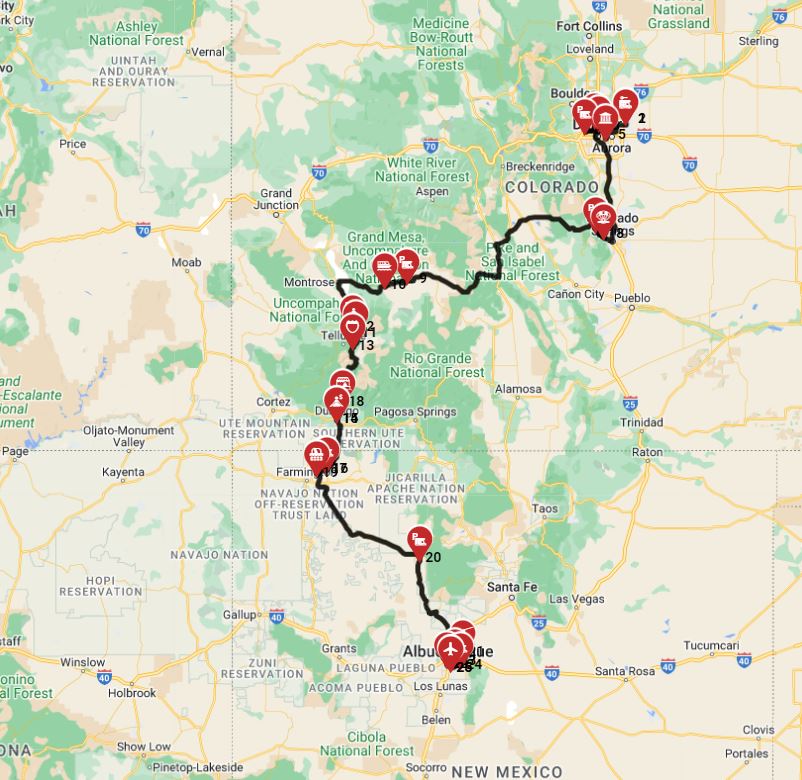
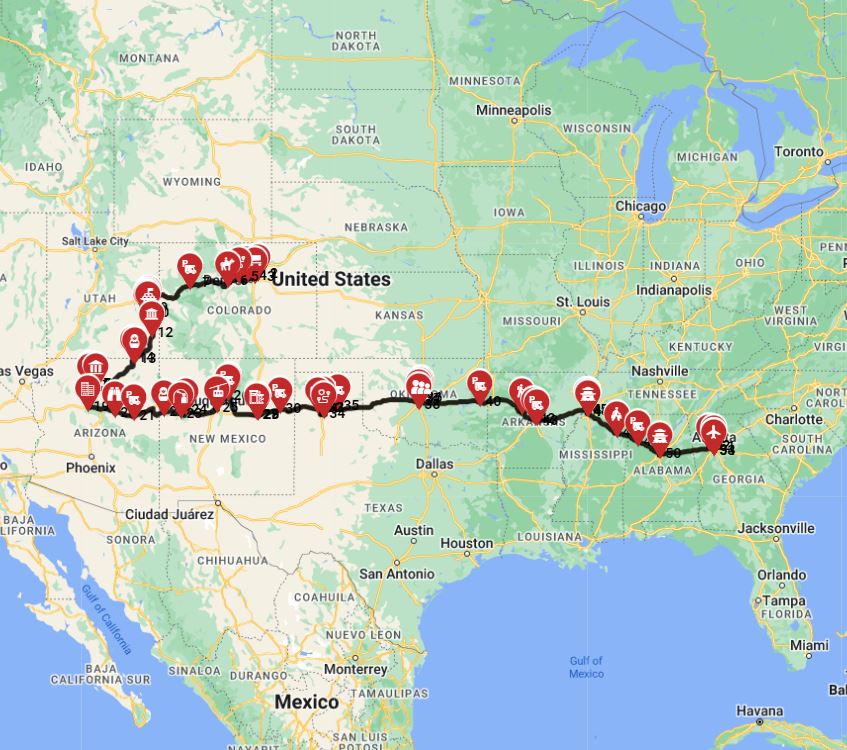
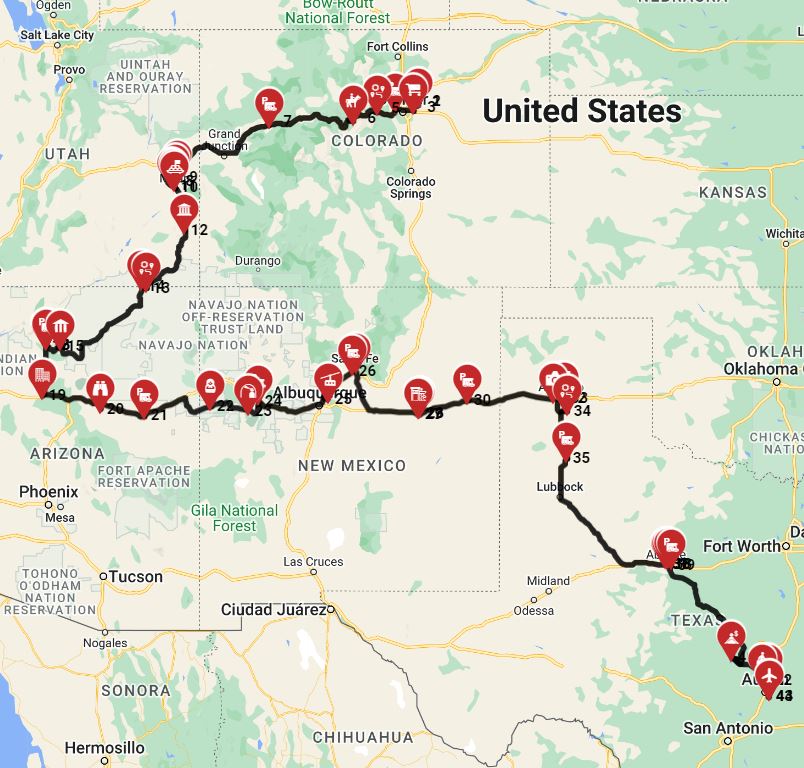
The South West US offers an incredible diversity of camping experiences, from iconic national parks to secluded desert oases, ensuring a perfect spot for every RV traveler. Consider focusing your trip around stunning national parks such as Zion, Grand Canyon, and Arches, which boast well-maintained and popular campgrounds that often fill up quickly.
State Parks, along with vast stretches of Bureau of Land Management (BLM) lands, also provide numerous options for more rustic or dispersed camping, giving you a chance to truly connect with nature. Regions like Southern Utah, Northern Arizona, and parts of New Mexico are especially popular for their scenic beauty and accessibility, making them ideal bases for exploration. With a rented motorhome, you have the flexibility to chase the best views and the best deals, adapting your route as you discover new hidden gems.
Campground Types in South West US (National, Private, Wild)
The South West US features three primary types of RV campgrounds, each offering a distinct experience for your rented camper adventure. **National Parks & Forests campgrounds** provide unparalleled scenic beauty and often host ranger programs, typically offering basic to moderate amenities such as water and vault toilets, with limited hookups; reservations are highly recommended, especially for popular parks like Grand Canyon and Zion, often needing booking 6-12 months in advance.
For more extensive amenities, **Private RV Resorts & Campgrounds** near major attractions or cities typically offer full hookups (30-amp or 50-amp electric, water, and sewer), pools, Wi-Fi, and laundry facilities, though they are generally pricier. **State Parks** strike a good balance, often more affordable than private resorts, providing some amenities, and showcasing unique regional ecosystems and cultural sites. Lastly, **Boondocking or Dispersed Camping** is legal and widespread on Bureau of Land Management (BLM) and National Forest lands, offering free camping without amenities; this option requires full self-sufficiency and strict adherence to Leave No Trace principles, which means packing out all trash and properly disposing of waste.
Featured RV Park or Campground in South West US
When selecting an RV park in the Southwest, travelers should prioritize locations that offer a valuable blend of essential amenities and convenient access to natural attractions. Look for features such as full hookups (electric, water, sewer), reliable Wi-Fi, clean restrooms, and sometimes even bonus amenities like laundry facilities or a general store, which enhance the comfort of your rented motorhome experience. Many top-rated RV parks in the region are strategically situated near major national parks or scenic byways, providing excellent bases for daily explorations.
Consider parks that are specifically designed for the unique desert environment, offering welcome features like shaded sites, designated pet relief areas for your furry companions, and even cooling amenities such as swimming pools during warmer months. For a comprehensive overview of prices and best deals, consult our "RV Rental in South West US - Prices and Best Deals 2026" guide. You can also explore options for "Luxury RV Driving in South West US - Scenic Routes 2026" if you're looking for premium experiences. Using resources like RV PLANET (rvplan.net) can help you locate these desirable spots and compare features along your route.
Hookups & Amenities - What to Expect
Most RV parks and private campgrounds in the Southwest offer a variety of hookups, ensuring a comfortable stay for your rented campervan or motorhome. You can typically expect 30-amp or 50-amp electrical connections, fresh water hookups, and sewer connections. In addition to these essential utilities, many parks also provide amenities such as restrooms, showers, and laundry facilities, making extended trips more convenient.
Higher-end RV resorts may even feature swimming pools, hot tubs, clubhouses, and Wi-Fi access. For those venturing into national parks or engaging in dispersed camping, amenities will be minimal to non-existent; plan for dry camping (boondocking) with no hookups, limited water, and vault toilets. It's always a good idea to carry adapters for electrical hookups (e.g., 30-amp to 50-amp or vice-versa) and a potable water hose for refilling your fresh water tank, especially when exploring more remote areas. Remember to plan meals that are easy to prepare with limited facilities when boondocking. Check out our RV-friendly recipes playlist for ideas!
Booking Windows & Reservations in South West US
For popular national park campgrounds in the South West US, reservations are highly competitive and should be secured 6 to 12 months in advance, especially if you plan to travel during peak seasons like spring and fall. However, many national park campgrounds reserve only 25%-30% of their spots for advance bookings, leaving the remaining sites available on a first-come, first-served basis, which often requires early arrival at the campground.
Spontaneous travelers with a rented RV can often find same-day or next-day bookings at private campgrounds, particularly during off-peak times. While flexibility is key, it's always best to call ahead before driving a long distance, especially for sought-after locations. You'll almost certainly find a spot; if not at the first campground, then at the next one. We believe in being supportive, so we always advise calling ahead. For finding campsites and campgrounds during your trip, we recommend using RV PLANET (rvplan.net) - a great resource for locating available spots along your route.
Nearby Supermarkets & Resupply Points
Major towns and cities throughout the South West US, even those located near remote national parks, typically feature large supermarket chains for convenient resupply during your RV rental journey. Look for familiar stores such as Walmart Supercenter, Fry's Food and Drug (common in Arizona), Safeway, Albertsons, and Smith's (often found in Utah and Nevada) to stock up on groceries, fresh produce, and other essentials. On the routes offered through RV PLANET routes, you can itemize and track every expense along the way for easy budgeting.
Smaller communities might have local markets or convenience stores, but the selection could be limited, and prices generally higher. It is strongly recommended to fully stock your rented RV with food and water before venturing into remote areas or national parks, as distances between full-service towns can be considerable. Budgeting for groceries is part of the overall trip cost, and on RV PLANET routes, travelers can itemize and track every expense along the way for easy budgeting.
Best RV Class for Camping in South West US
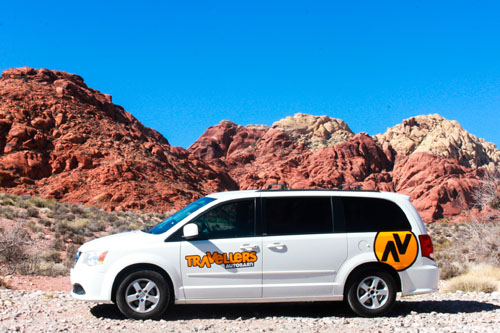
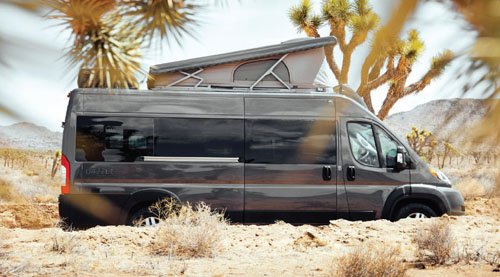
The best RV class for camping in the South West US depends heavily on your preferred travel style and group size. For couples or solo adventurers seeking maximum flexibility, maneuverability, and easier access to remote trailheads or boondocking sites, a **Class B - Camper Van** is an excellent choice. These compact units, like an "rv rental denver example Category Van" or "hire campervan example Paradise S/T", average around 5.8 meters (19 feet) in length, offer sleeping for about 2.7 adults, and typically consume 8-10 Liters/100 km of fuel.
If you're traveling with a family or desire more interior space and amenities for a longer trip at established campgrounds, a **Class C - Alcove motorhome** is often ideal. Models such as "rv rentals utah example Sunrise Escape" or "24' Class C Motorhome", averaging 7.5 meters (25 feet) in length, can comfortably accommodate around 4.4 adults, with fuel consumption typically around 10-12 Liters/100 km. These provide more storage, a larger kitchen, and often a private shower and toilet, ensuring a comfortable home-on-wheels experience. Drive slowly and carefully, and you can drive almost anywhere without issues. No need to stress - just use common sense and pay attention, regardless of RV size.
How to Save on Campgrounds in South West US
Saving money on campgrounds in the South West US is achievable through several smart strategies, enhancing the affordability of your RV rental adventure. Firstly, leveraging campground discount cards, which are often available through RV rental providers or membership programs, can offer significant savings at numerous participating private campgrounds.
Traveling during the shoulder seasons, typically late spring (May) or early fall (September-October), allows you to find lower rates and encounter fewer crowds compared to the peak summer or popular spring break periods. Opting for municipal or regional campgrounds over private resorts can also lead to more budget-friendly prices, as they often provide essential amenities without the premium cost. For extended stays, consider booking for 3 or more nights at a single location to qualify for weekly rates, which are almost always more cost-effective than nightly bookings. The most significant savings come from exploring boondocking or dispersed camping on free public lands, such as those managed by the Bureau of Land Management (BLM) or National Forests, effectively eliminating campground fees entirely, though this requires being fully self-sufficient for water, power, and waste management. For more specific cost-saving tips, check out our "Cheap RV Rental in South West US - Budget Guide 2026".
What is the best month to RV in the Southwest?
The best months to RV in the South West US are typically April-May (spring) and September-October (fall), offering the most pleasant temperatures for exploration and outdoor activities. During these shoulder seasons, daytime temperatures are generally comfortable for hiking, cycling, and sightseeing, avoiding the extreme heat often found in lower desert elevations during summer, which can exceed 38°C (100°F).
Spring brings the added bonus of vibrant wildflowers blooming across the desert landscapes, while fall showcases stunning autumn foliage in mountainous regions and clearer skies that are perfect for stargazing. Summer (June-August) can be challenging due to intense heat, requiring constant air conditioning use in your rented motorhome and awareness of potential flash floods during monsoon seasons. Winter (November-March) can bring snow and road closures to higher elevations, though southern desert areas remain mild and popular for snowbirds seeking warmth.
Is RVing in the Southwest safe?
RVing in the South West US is generally very safe, assuming travelers are well-prepared for its unique environmental conditions and adhere to common-sense safety precautions for remote travel. Desert preparedness is paramount: be ready for extreme heat, which can lead to dehydration or vehicle overheating; always carry ample water supplies (at least 4 liters per person per day), monitor your engine temperatures, and stay informed about flash flood risks during the monsoon seasons (typically July-September).
Wildlife safety is another consideration, as encounters with local species like rattlesnakes, scorpions, javelinas, and Gila monsters are possible; learn how to identify these animals, maintain a respectful distance, and be extra cautious when hiking or camping in undeveloped areas. Regular vehicle maintenance for your rented motorhome is crucial, especially checking tire pressure, cooling systems, and fluid levels before and during long drives between towns or over mountain passes. While cell service can be limited in remote areas, carrying physical maps, a GPS device, and informing others of your itinerary are wise safety practices. You can upgrade to a top-level deductible for extra peace of mind, knowing you're protected on your journey.
What are some free camping spots in the Southwest?
Free camping in the South West US is widely available on public lands, primarily managed by the Bureau of Land Management (BLM) and National Forests, a practice commonly known as boondocking or dispersed camping. These sites generally offer no amenities, meaning you'll need to be fully self-sufficient for water, electricity, and waste disposal, and meticulously follow Leave No Trace principles by packing out all trash and burying human waste at least 6-8 inches deep and 200 feet from water sources.
Vast stretches of BLM land in Arizona, Utah, and Nevada provide numerous opportunities for free camping, often found just outside the crowded boundaries of national parks or alongside scenic byways. Websites and apps like iOverlander, Campendium, and FreeCampsites.net are invaluable resources for locating specific free camping spots, frequently offering user reviews, photos, and GPS coordinates to help you find the perfect secluded site for your rented RV. While saving on campsite fees, remember to budget for other ancillary costs, and for more options on how to plan your RV adventure, look into "RV Travel Guide to South West US - Tips and Top Spots 2026".
What are the rules for camping on Bureau of Land Management (BLM) land in the Southwest?
Camping on Bureau of Land Management (BLM) land in the South West US generally permits dispersed camping for up to 14 days within a 28-day period in most locations, although specific rules can vary by individual district. All visitors must strictly practice Leave No Trace principles, which includes packing out every piece of trash, even food scraps, and properly disposing of human waste at least 6-8 inches deep and 200 feet away from water sources, trails, and established campsites.
Fires are often allowed in designated areas or with the use of a fire pan, but it is absolutely crucial to check current fire restrictions before lighting any flame, especially during dry seasons when fire bans are common and strictly enforced. Always respect cultural sites and private property boundaries, ensuring your rented motorhome or campervan is parked in a way that does not block roads or disturb sensitive ecological areas. These guidelines help preserve the pristine nature of these public lands for everyone to enjoy.
Is it easy to find RV parks in Arizona?
Yes, finding RV parks in Arizona is generally very easy, particularly in and around popular tourist destinations like Sedona and Flagstaff, major cities such as Phoenix and Tucson, and along the primary travel routes. Arizona boasts a high concentration of RV parks and resorts, catering to a wide range of preferences, from luxury resorts with extensive amenities to basic campgrounds offering essential hookups.
This abundance is largely due to Arizona's popularity as a "snowbird" destination during the winter months and its strategic location as an access point to iconic national parks like the Grand Canyon. During peak seasons (winter for southern Arizona, and spring/fall for northern Arizona), securing prime spots at highly-rated parks might be challenging without reservations, especially for larger Class A or Class C motorhomes. However, numerous online booking platforms and dedicated RV park directories make finding and reserving a spot for your rented RV straightforward across the state, making your travel planning simple and stress-free.
How much does it cost to rent an RV in Arizona?
The cost to rent an RV in Arizona varies significantly based on factors such as the RV class, rental duration, season, and specific amenities included, typically ranging from $75 to $300+ per night. Smaller Class B camper vans, ideal for couples or solo travelers, might start around $75-$150 per night, offering flexibility and fuel efficiency with averages around 8-10 Liters/100 km.
Larger Class C or Class A motorhomes, better suited for families with 4+ people, can range from $150-$300+ per night, before accounting for taxes, insurance, and any additional fees. Peak season, including the mild winter in southern Arizona and spring/fall for touring the Grand Canyon region, will generally see higher prices. Off-peak periods or longer rental durations, such as a week-long trip, often provide more favorable daily rates. When budgeting for your overall adventure, remember to include ancillary costs like fuel, estimated at 8-12 Liters/100 km for many classes, campground fees (ranging from $20-$80 per night for a typical site), provisioning, and attraction entrance fees to gain a realistic estimate of your total trip cost. Our "RV Rental in South West US - Prices and Best Deals 2026" guide offers more detailed insights into pricing.
What are some unique RV destinations in the Southwest beyond national parks?
Beyond the universally famous national parks, the South West US is rich with numerous unique RV destinations offering off-the-beaten-path experiences. Explore the ancient cliff dwellings and profound cultural sites of Canyon de Chelly National Monument in Arizona, which offers a deep dive into Navajo history and culture, often requiring a guided tour to visit certain sacred areas.
Discover the eclectic art scene and captivating red rock beauty of Sedona, Arizona, which provides endless scenic drives, numerous spiritual vortex hiking trails, and unique dining experiences. Visit Valley of Fire State Park in Nevada, a lesser-known gem featuring dazzling red sandstone formations, ancient petroglyphs, and excellent hiking opportunities, often with fewer crowds than its national park counterparts. Experience the charm of Taos, New Mexico, known for its historic pueblo, vibrant art galleries, and proximity to stunning mountain vistas and ample outdoor recreation. These destinations offer an authentic connection to the culture, food, and scenery, perfect for slow travel where you average no more than 100-150 km per day. For more inspiration, check out our "RV Travel Guide to South West US - Tips and Top Spots 2026".
What are the essential items to pack for an RV trip in the Southwest?
Essential items to pack for an RV trip in the South West US include crucial water supplies, robust sun protection, and a well-stocked emergency kit to effectively manage the region's unique desert environment. Always carry significantly more water than you anticipate needing for drinking, cooking, and potential emergencies, as potable water sources can be extremely scarce in remote areas.
For sun protection, pack wide-brimmed hats, high-SPF sunscreen (at least SPF 30), quality sunglasses, and lightweight, long-sleeved clothing to shield yourself from the intense desert sun. Your rented motorhome should include a basic tool kit, jumper cables, a tire pressure gauge, and a first-aid kit; consider adding a portable air compressor for tires and an emergency roadside assistance plan. Since remote areas can have limited cell service, bring physical maps, a reliable GPS device, and consider a satellite communication device for emergencies. For comfort and convenience, portable chairs, a shade awning, and headlamps for stargazing will greatly enhance your camping experience.
How do you prepare an RV for desert travel?
Preparing a rented RV for desert travel involves a thorough check of cooling systems, tires, and water capacity to mitigate the risks associated with extreme heat, pervasive dust, and potential isolation. Ensure your engine coolant is at optimal levels, and inspect all hoses and belts for any signs of wear or cracking; for the living space, confirm that your air conditioning units are functioning perfectly, and consider adding reflective window covers to reduce heat absorption. For a comprehensive guide on RV maintenance in the desert, you can always connect with true RV specialists like us.
Before each drive, meticulously check your tire pressure, as desert temperatures can cause significant fluctuations, and ensure tires are in excellent condition with no excessive wear or damage; always carry a spare and know how to change it. Top off all fluid levels (oil, brake fluid, windshield wiper fluid) and ensure your fresh water tank is full, while grey and black tanks are emptied or managed carefully to maximize capacity. To minimize dust intrusion, inspect air filters (engine and cabin) and consider sealing any small gaps or cracks in the RV, and keep windows closed during dust storms. Finally, pack extra fuel and a comprehensive emergency kit, and always stay informed about local weather forecasts, especially concerning potential flash flood areas.
Can you RV in the Grand Canyon?
Yes, RV camping is absolutely possible and highly recommended at the Grand Canyon, with several campgrounds available on both the South Rim and the North Rim, offering varying amenities. The South Rim, which is open year-round, provides Mather Campground, managed by the National Park Service with no hookups, and Trailer Village RV Park, a private option offering full hookups; both require advance reservations, especially during peak season, which can book up 6-12 months ahead.
The North Rim, typically open from mid-May to mid-October, features North Rim Campground, another National Park Service site with no hookups, also requiring reservations. Many private RV parks and national forest campgrounds are also conveniently located just outside the park boundaries, particularly near the South Rim in towns like Tusayan, providing excellent alternative options for your rented motorhome stay. These off-park options can often be booked closer to your travel date for spontaneous trips. For families, securing a spot near the Grand Canyon is a dream, and our "Family RV Driving in South West US - Safe Routes 2026" offers great insights for planning.
What kind of RV is best for the Southwest?
The best kind of RV for exploring the South West US largely depends on your specific travel style, the size of your group, and your desired level of amenities, though smaller, more nimble motorhomes are often preferred for navigating varied terrains. **Class B Camper Vans** (averaging 5.8 meters in length), such as the "rv rental denver example Category Van", are ideal for couples or solo travelers seeking ultimate flexibility, easy maneuverability on narrow scenic roads, and access to more remote boondocking sites, while generally offering better fuel efficiency (around 8-10 Liters/100 km).
For families or groups of up to 4-6 people, **Class C Alcove RVs** (averaging 7.5 meters in length), like the "24' Class C Motorhome", provide significantly more living space, sleeping capacity, and essential amenities for comfort at established campgrounds. These vehicles often feature a bed over the cab (alcove), a comfortable dining area that converts to a bed, and a private bathroom. An RV with robust solar power capabilities and larger fresh and waste water tanks is highly advantageous for those planning extensive boondocking, extending self-sufficiency in remote areas. Ultimately, choose a rented RV that balances interior comfort with the practical ability to navigate diverse Southwest landscapes, from paved highways to unpaved access roads, and remember, you can drive almost anywhere without issues - just drive slowly and carefully.
How do you stay cool in an RV in the desert?
Staying cool in a rented RV in the South West US desert requires a combination of active cooling methods, strategic parking, and preventative measures to effectively combat extreme heat. Your RV's air conditioning system is your primary tool, and it will work most efficiently when you are connected to shore power at a campground. For boondocking, consider running a generator for limited periods to power your AC or investing in a robust solar setup to keep fans and smaller cooling appliances running.
Whenever possible, park your RV in the shade of trees or use a portable canopy or awning to create a cooler, shaded outdoor living space. Effective ventilation is key: utilize roof vents and fans to draw hot air out of the RV and pull cooler air in, especially during the evenings when desert temperatures typically drop significantly. Insulating windows with reflective covers or thermal curtains can also drastically block sunlight and reduce heat gain inside your RV. Staying well-hydrated by drinking plenty of water and planning strenuous outdoor activities for the cooler morning or evening hours will also help keep you comfortable and safe in the desert heat.
What are the rules for pets in national parks in the Southwest?
Rules for pets in national parks in the South West US generally restrict them to developed areas such as campgrounds, paved roads, and specifically designated pet-friendly trails, always requiring them to be on a leash no longer than 6 feet. Most national parks strictly prohibit pets on unpaved hiking trails, in wilderness areas, inside park buildings, visitor centers, or on shuttle buses to protect wildlife and natural resources.
It is crucial to check the specific pet policies for each national park you plan to visit with your rented motorhome, as regulations can vary significantly; for example, Grand Canyon National Park allows leashed pets on the Rim Trail, but not below the rim. Crucially, never leave pets unattended in vehicles, especially given the Southwest's extreme heat, as interior temperatures can quickly become fatal for animals, even on moderately warm days. Finding suitable accommodations for pets is a factor many families consider when comparing options, as seen in "RV Rental in South West US for Couples - Pricing 2026".
How to find internet and cell service in remote Southwest areas?
Finding reliable internet and cell service in remote South West US areas can be challenging due to the region's vast, undeveloped landscapes, but several effective solutions can help maintain connectivity for your RV rental trip. An RV-specific cell booster can significantly amplify weak signals, often extending usable service in areas with marginal coverage, though it cannot create a signal where none exists.
For truly off-grid connectivity, consider investing in a portable satellite internet system, such as Starlink, or at least a satellite messenger device for essential emergency communication. Many private RV parks and some national park lodges offer Wi-Fi access, though its speed and reliability can vary; public libraries and coffee shops in towns also provide free Wi-Fi as a dependable option. As a proactive measure, always download maps, entertainment, and any important documents offline before venturing into areas known for poor or no service. Additionally, apps like iOverlander or Campendium can be invaluable for crowd-sourced information on connectivity at specific remote locations, helping you stay connected when you need to.
What You Shouldn't Miss
- **Zion National Park's Emerald Pools Trail**: A stunning and accessible hike for all skill levels, leading to lush hanging gardens and waterfalls within the iconic red rock canyons.
- **Monument Valley Scenic Drive**: Take your rented motorhome or campervan on the breathtaking 17-mile scenic loop through the heart of Navajo Nation, offering iconic views of towering buttes and mesas (note: a fee applies and cultural etiquette is important).
- **Sedona's Airport Mesa Vortex**: Experience one of Sedona's powerful energy vortexes with panoramic views, especially magical at sunrise or sunset.
- **White Sands National Park, New Mexico**: Slide down pristine white gypsum dunes, a surreal desert experience that feels like another planet.
- **Valley of Fire State Park, Nevada**: Discover vibrant red sandstone outcrops, petroglyphs, and fascinating geology just an hour from Las Vegas.
- Looking for expert insights from Avi Bandana? Top 5 Adventures - recommendations from Avi Bandana.
Final Thoughts
Embarking on an RV rental adventure through the South West US promises an incredible journey filled with stunning landscapes, diverse camping experiences, and boundless opportunities for discovery. From the majestic national parks to the tranquil solitude of dispersed camping on BLM lands, this region truly offers something for every type of traveler.
By understanding the different camping options, planning your route, and preparing for the unique desert environment, you can ensure a smooth and memorable trip. Remember to embrace the spirit of slow travel, averaging 100-150 km per day, allowing yourself time to truly immerse in the local culture, savor the regional cuisine, and connect with the breathtaking scenery.
At Bandana Caravan, we are dedicated to making your RV travel dreams come true, offering full transparency and unwavering support every step of the way. Compare Motorhome Prices for South West US and start planning your epic road trip today!