In This Guide
- Top 5 Tips for RV Rental for Couples in Japan
- Before You Book - Class, Dates, Insurance
- Pre-Trip Prep - Packing Checklist for Japan
- On the Road - Driving, Fueling, Navigation
- At the Campground - Setup, Hookups & Etiquette
- RV Rental for Couples-Specific Tips for Japan
- Common Mistakes to Avoid in Japan
- When is the Best Time to Rent an RV in Japan
- How to Prepare for Emergencies During Your RV Trip in Japan
- How to Plan Food and Cooking for Your Japan RV Trip
- What RV Types are Best for Japan's Roads
- How Do Michi-no-Eki (Roadside Stations) Work for RVers in Japan
- What RV Etiquette Should You Know for Japan
- Is Boondocking or Free Camping Allowed in Japan
- What Apps and Connectivity Do You Need for RV Travel in Japan
- How to Practice Sustainable and Responsible RV Travel in Japan
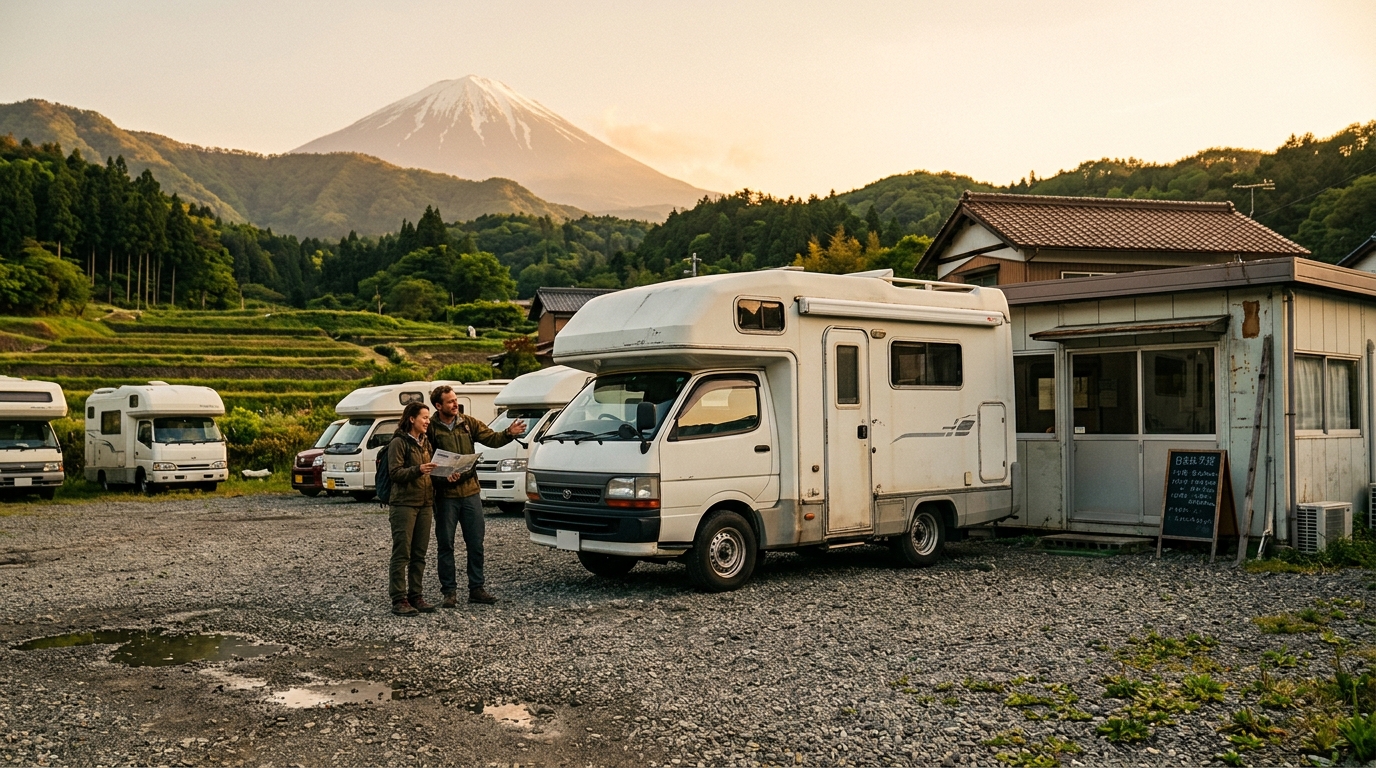
Embarking on a romantic RV adventure through Japan offers an unparalleled way for couples to discover this captivating country at their own pace. Imagine waking up to the serene views of Mount Fuji, sharing a traditional Japanese breakfast cooked right in your rented campervan, and exploring ancient temples or bustling cityscapes hand-in-hand. This guide is crafted specifically for couples seeking to experience Japan's unique blend of natural beauty and vibrant culture from the comfort and flexibility of a motorhome. For live availability and current prices, start with our RV Rental Japan - Complete Guide 2026 guide, which provides a comprehensive overview.
Top 5 Tips for RV Rental for Couples in Japan
To maximize your romantic RV rental in Japan, consider these top five tips tailored for couples. First, opt for compact campervans or smaller Class C motorhomes, as these vehicles are ideal for easier navigation on Japan's narrower roads and parking, offering a comfortable yet maneuverable base for two travelers.
Second, book your desired RV well in advance, especially if you plan to travel during popular seasons such as the spring cherry blossom (March-May) or vibrant autumn foliage (September-November), to secure the best rates and vehicle availability. Booking 3-6 months ahead is highly recommended for popular routes. Third, familiarize yourselves with the Michi-no-Eki system, which provides reliable overnight stays and essential amenities, making planning your route much simpler and more enjoyable. These roadside stations are a cornerstone of RV travel in Japan.
Fourth, prioritize mobile Wi-Fi and essential navigation apps for seamless travel and communication, ensuring you can easily find your way, translate signs, and stay connected. Lastly, embrace local culinary experiences by visiting farmers' markets and local supermarkets to cook unique Japanese ingredients in your rented motorhome, creating intimate and memorable meals together. You can find some inspiration on our RV-friendly recipes playlist.
Before You Book - Class, Dates, Insurance
Choosing an RV class for couples in Japan involves balancing comfort with maneuverability, with compact campervans or smaller Class C models often being ideal for two due to Japan's narrower roads and tighter parking spaces. Vehicles like the 'rv rental denver example Category Van' or a 'rent rv example A1', both designed for a couple, offer ample space without being cumbersome. These smaller options, typically under 6 meters in length, provide amenities like a front air conditioner, shower, and toilet, ensuring a cozy and functional experience for two. We compare final prices across 50+ suppliers so you don't have to worry about hidden fees or surprises.
To lock in your preferred dates and secure the best rates, it is advisable to book your RV rental in Japan at least 3-6 months in advance, especially for peak travel seasons such as spring (March-May) and autumn (September-November) where demand can be high. This early planning can save you money and ensure your desired vehicle type is available. Basic insurance is always included with RV rentals in Japan; however, for maximum peace of mind, you can upgrade to a top-level deductible for extra protection. When you search on our platform, you can select options to see prices including the most comprehensive coverage, ensuring all relevant insurance options are clearly presented with full transparency. For more detailed insights into costs, refer to our Cheap RV Rental in Japan - Budget Guide 2026.
Pre-Trip Prep - Packing Checklist for Japan
For an RV trip in Japan, a thoughtful packing checklist ensures comfort and preparedness, considering varying climates and cultural norms. Japan's diverse geography means temperatures can vary significantly, even within a single region, so layering is key. Essential items include:
- Clothing:
- Layers for temperature changes (e.g., thermal base layers, fleece, light jacket).
- Comfortable walking shoes suitable for city exploring and light hiking.
- Rain gear (a compact umbrella and waterproof jacket are indispensable).
- Swimwear for enjoying Japan's many relaxing onsen (hot springs).
- Kitchen:
- Reusable shopping bags for market visits and grocery runs.
- Basic cooking spices to enhance meals prepared in your rented motorhome.
- Portable coffee maker/tea bags for morning beverages, especially if your campervan's kitchen is minimal.
- Reusable water bottles to stay hydrated and reduce plastic waste.
- Safety:
- A comprehensive first-aid kit, including any personal medications.
- Portable power bank for charging electronics on the go.
- Headlamps or flashlights for navigating in low light, particularly at campsites.
- Hand sanitizer, important for maintaining hygiene while traveling.
- Documents:
- International Driving Permit (IDP) - mandatory for driving in Japan.
- Passport & visa (if applicable, ensure validity for your entire trip).
- RV rental confirmation and insurance details.
- Travel insurance policy information.
Remember that while most rented RVs come with basic kitchenware and bedding, personal items like toiletries and specific cooking ingredients will need to be packed or purchased locally. Packing smartly will enhance your comfort and ease on the road, allowing you more time to connect to the culture, the food, and the scenery.
On the Road - Driving, Fueling, Navigation
Driving an RV in Japan requires adherence to local road rules, including driving on the left-hand side of the road and understanding speed limits, which are typically lower than in many Western countries. On expressways, the general speed limit is 100 km/h (62 mph), while on national roads it's usually 60 km/h (37 mph), and often much lower in urban areas or narrow country lanes. Drive slowly and carefully, and you can drive almost anywhere without issues. No need to stress - just use common sense and pay attention.
Fueling stations are abundant across Japan, often offering both regular (レギュラー, *regyuraa*) and high-octane (ハイオク, *haioku*) gasoline, as well as diesel (軽油, *keiyu*). Credit cards are widely accepted, but having some cash on hand is always a safe backup, especially in more rural areas. Fuel costs typically average around ¥170 per liter. Many gas stations in Japan are full-service, meaning an attendant will pump your fuel, so be ready to communicate your needs, even with simple English phrases or gestures. On the routes offered through RV PLANET routes, you can itemize and track every expense along the way for easy budgeting.
Effective navigation is crucial for RV travel in Japan, with apps like Google Maps and dedicated Japanese navigation systems (often included in rental RVs) being invaluable for finding routes, Michi-no-Eki, and points of interest. Consider renting a portable mobile Wi-Fi device (pocket Wi-Fi) along with your campervan rental to ensure consistent internet access, which is vital for real-time traffic updates and communicating with local facilities. For more advanced route planning, explore RV PLANET (rvplan.net) routes, which allow you to itemize and track every expense along the way for easy budgeting.
At the Campground - Setup, Hookups & Etiquette
Setting up your RV at Japanese campsites or Michi-no-Eki generally involves parking in designated spots, adhering to space boundaries, and following facility-specific instructions. Most campsites provide clear markings for each pitch, and respecting these boundaries is an important part of local etiquette. Upon arrival, check-in at the reception is standard, where you'll receive a map and guidelines for your stay.
Hookups for electricity, water, and waste disposal vary by location, especially between commercial campgrounds and Michi-no-Eki. At full-service campgrounds, always connect electricity first to your rented motorhome, then water, and only use waste disposal at designated gray/black water stations. Michi-no-Eki primarily offer restrooms and sometimes communal water spigots, but full hookups are rare and usually reserved for official campgrounds. Always ensure your waste tanks are empty before leaving a dump station.
Observing local etiquette, such as maintaining quiet hours (typically 9 PM to 7 AM), keeping your area clean, and proper waste separation, is highly regarded and expected at all overnight RV parking locations in Japan. Noise levels should be kept low, and outdoor cooking or setting up extensive camp furniture is generally discouraged at Michi-no-Eki, which are meant for rest rather than full camping. Honoring these customs helps ensure a pleasant experience for everyone and demonstrates respect for local culture. You can find many detailed routes and planning tips for camping in Japan, including etiquette, on RV PLANET (rvplan.net).
RV Rental for Couples-Specific Tips for Japan
For couples venturing through Japan in a rented RV, selecting a campervan with a comfortable, easily convertible bed setup is paramount for restful nights after a day of exploring. Many Japanese campervans, while compact, are ingeniously designed to maximize sleeping and living space, often featuring convertible dinette areas into comfortable double beds.
Prioritize privacy features like window coverings and a compact, functional kitchen area that allows for intimate meals on the go, perfect for romantic evenings in. A small refrigerator and a two-burner gas stove are standard in many models like the 'rent rv example A2', which is ideal for a couple, featuring a shower and toilet for added convenience. These details make a big difference in the overall comfort of your trip.
Plan routes that incorporate romantic destinations, such as scenic coastal drives along the Shimanami Kaido, tranquil onsen towns like Hakone, or national parks with accessible hiking trails in Hokkaido. Consider an RV with ample storage to accommodate luggage for two, especially if you plan on purchasing souvenirs or local goods from charming village shops. Finally, embrace spontaneous stops at local markets or scenic viewpoints, as the flexibility of a rented RV enhances shared discovery for couples, allowing you to truly take time to feel the place, connect to the culture, the food, and the scenery.
Common Mistakes to Avoid in Japan
A common mistake first-time RV renters in Japan make is underestimating the importance of an International Driving Permit (IDP); instead, ensure you acquire one well in advance of your trip to legally drive any rented motorhome or campervan in Japan. Without it, your domestic license is not sufficient. Another frequent error is assuming "boondocking" (wild camping) is widely accepted; instead, plan your overnight stays predominantly at Michi-no-Eki (roadside stations) or official designated campgrounds, as informal camping is generally frowned upon and can lead to issues.
Failing to understand Japan's strict recycling rules can lead to issues; instead, familiarize yourself with local waste separation guidelines for different types of rubbish, which often require meticulous sorting into 5-7 categories (combustible, non-combustible, plastics, cans, etc.). Overpacking can be an issue with smaller Japanese RVs; instead, pack light and utilize compact, multi-purpose items to maximize your living and storage space in your campervan. Neglecting to research seasonal weather can significantly impact your experience; instead, check forecasts and plan your route to avoid typhoons in summer or heavy snow in winter if those conditions are not desired for your adventure. Remember, travel slowly, max 100-150 km per day on average, to truly enjoy your journey.
When is the Best Time to Rent an RV in Japan
The best time to rent an RV in Japan for couples generally depends on desired activities and climate preferences, with spring (March to May) and autumn (September to November) offering mild weather and stunning natural beauty like cherry blossoms or fall foliage. Spring in Japan features comfortable temperatures averaging 10-20°C (50-68°F) and the iconic cherry blossom season, but this is also a peak travel period requiring booking RVs and popular campsites 4-6 months in advance. You might want to consider our "Last-Minute RV Rental in Japan - What to Expect 2026" guide if you're a spontaneous traveler.
Autumn provides crisp weather, averaging 15-25°C (59-77°F), and vibrant autumn leaves, ideal for scenic drives and outdoor activities like hiking. Summer (June to August) can be hot and humid, often reaching 30°C (86°F), with potential for typhoons, but it is excellent for exploring Hokkaido or cooler mountainous regions. Winter (December to February) offers snow sports opportunities, especially in regions like Hokkaido or the Japan Alps, with temperatures often below freezing, though some routes or campsites may be inaccessible due to heavy snow. Whatever your preference, Bandana Caravan offers 24/7 support to help you compare and book the perfect camper rental for your Japanese adventure.
How to Prepare for Emergencies During Your RV Trip in Japan
Preparing for emergencies during an RV trip in Japan involves understanding local risks, carrying essential supplies, and knowing how to access assistance, given the country's proactive approach to disaster management. Keep emergency contact numbers readily accessible, including your RV rental company (our partners offer roadside assistance), local emergency services (119 for fire/ambulance, 110 for police, available 24/7), and your country's embassy.
Be aware of Japan's seismic activity; familiarize yourself with earthquake safety procedures (drop, cover, hold on) and evacuation routes if visiting coastal areas (tsunami risk). Local Michi-no-Eki often serve as designated evacuation points. Carry a well-stocked first-aid kit, and understand how to communicate basic medical needs using translation apps or a phrasebook. Ensure your rented motorhome has a charged mobile phone, a portable power bank, and a basic tool kit for minor breakdowns, and know your rental company's roadside assistance policy, which provides real people behind you for support. This careful preparation ensures you can travel with peace of mind.
How to Plan Food and Cooking for Your Japan RV Trip
Planning food and cooking for an RV trip in Japan allows couples to savor local flavors, manage budgets, and enjoy meals amidst picturesque settings, blending market visits with occasional restaurant experiences. Stock up on fresh ingredients at local supermarkets (スーパー, *sūpā*) and Michi-no-Eki, which often feature regional produce, meats, and seafood perfect for RV cooking. These local finds can elevate your meals, from fresh sashimi to seasonal vegetables.
Incorporate unique Japanese ingredients like specialty sauces (e.g., soy sauce, mirin), miso paste, or pre-marinated meats into your rented motorhome meals for an authentic culinary experience. Many compact campervans, such as the 'rv rental denver example Category Van' or 'rent rv example A1', come equipped with a small stove and refrigerator, making it easy to prepare delicious dishes. Remember to balance cooking in your RV with dining at local restaurants, from ramen shops to izakayas, to fully immerse yourselves in Japan's diverse food culture. Consider portable cooking appliances if your RV kitchen is minimal, and always dispose of food waste properly according to Japan's meticulous local recycling rules. For more ideas, check out our RV-friendly recipes playlist.
What RV Types are Best for Japan's Roads
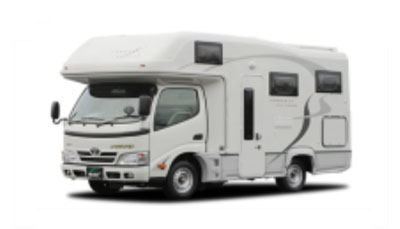
The best RV types for navigating Japan's roads are generally compact campervans or smaller Class C motorhomes, as these vehicles are significantly better suited for negotiating narrower city streets, winding mountain passes, and tighter parking spaces compared to larger Western RVs. Japanese RVs are designed with efficiency and maneuverability in mind, making them an excellent choice for couples.
Van conversions (バンコン, *bankon*) offer a good balance of agility and living space, often fitting into standard parking spots and providing features like a comfortable double bed, shower, and toilet, perfect for two. Examples include models with an "Ideal for a couple" feature, like the 'hire campervan example Paradise S/T'. Cab-over models (キャブコン, *kyabukon*), while slightly larger in height, provide more interior headroom and bed space without being excessively wide, offering enhanced comfort. Many Japanese RVs emphasize clever interior layouts to maximize limited space, ensuring every inch is utilized efficiently. Larger Class A motorhomes might limit your access to some charming smaller towns or scenic routes, so for a truly immersive experience, embracing the compact size is advisable.
How Do Michi-no-Eki (Roadside Stations) Work for RVers in Japan
Michi-no-Eki (道の駅), or roadside stations, are government-designated rest areas that serve as essential hubs for RVers in Japan, providing safe overnight parking, amenities, and a unique insight into local culture. These stations, numbering over 1,100 nationwide, are much more than just a place to stop; they often act as mini-community centers.
Michi-no-Eki offer 24-hour access to clean restrooms, often free Wi-Fi, and typically feature local produce markets, unique souvenir shops, restaurants serving regional specialties, and sometimes even *onsen* (hot springs) or foot baths. Overnight stays are generally permitted and free, though it's important to use designated parking spaces, maintain quiet, and refrain from extending awnings, setting up outdoor furniture, or making excessive noise. These stations differ from Western rest stops by often having a stronger focus on local tourism and providing diverse cultural experiences. They are the primary alternative to paid campgrounds or illegal boondocking, providing a safe and accepted environment for RVers to rest, refill water at designated points, and often dispose of trash correctly (following strict sorting rules). We highly recommend incorporating them into your RV PLANET routes for Japan.
What RV Etiquette Should You Know for Japan
Adhering to specific RV etiquette in Japan is crucial for a respectful and smooth trip, as the country places a high value on cleanliness, order, and consideration for others. Proper waste disposal is paramount; Japan has strict recycling rules, so separate your trash meticulously into categories like combustible, non-combustible, plastic bottles, cans, and glass, and dispose of it only in designated bins, often found at Michi-no-Eki or convenience stores. Carry a small bag for your sorted trash until you find appropriate disposal.
Maintain low noise levels, especially during quiet hours at Michi-no-Eki and campgrounds (typically 9 PM to 7 AM), and avoid running your RV engine unnecessarily while parked. Parking considerately is also very important; ensure you do not block other vehicles or pedestrian access, and only use designated RV or oversized vehicle parking spots when available. When utilizing public facilities, such as restrooms or communal wash areas, always leave them as clean as you found them. Interacting politely with locals and staff, even with basic Japanese phrases, shows great respect and enhances your overall experience. Remember, slow travel is about respecting the journey and the communities you visit.
Is Boondocking or Free Camping Allowed in Japan
Boondocking, or 'free camping' as understood in many Western countries, is generally not practiced or accepted outside designated Michi-no-Eki (roadside stations) or official campgrounds in Japan. This is primarily due to cultural norms that prioritize public order, respect for private property, and stringent land use regulations. While Michi-no-Eki allow overnight parking, it is strictly for rest and not for setting up a full camp; extending awnings, using barbecues, or setting out chairs is typically prohibited.
Sleeping in your rented vehicle in non-designated areas, such as public parking lots, remote beaches, or along scenic roads, is generally frowned upon and can lead to issues with local authorities or residents. Japanese culture emphasizes cleanliness and avoiding inconvenience to others, making informal roadside camping inconsistent with local customs. Official campgrounds (オートキャンプ場, *auto kyanpu-jō*) are widely available throughout Japan and offer facilities like power hookups, showers, and waste disposal for a fee, providing a comfortable and legally compliant option. These dedicated sites, many of which can be found via RV PLANET (rvplan.net), ensure you have access to necessary amenities and can enjoy your trip responsibly.
What Apps and Connectivity Do You Need for RV Travel in Japan
For efficient RV travel in Japan, essential apps and reliable connectivity are vital for navigation, communication, and locating facilities. Navigation apps like Google Maps or Japan Transit Planner are indispensable for real-time directions, traffic updates, and identifying points of interest suitable for RV access, especially given Japan's complex road network. Make sure to download offline maps before heading to rural areas with spotty signal.
Translation apps such as Google Translate or DeepL are crucial for communicating with locals, reading signs, and understanding menus, which significantly enhances your cultural immersion. Use dedicated RV-friendly apps or online resources like Michi-no-Eki Guide (道の駅ガイド) or RV Parky to locate Michi-no-Eki, gas stations, campgrounds, and *onsen* (hot springs) along your planned route. A portable mobile Wi-Fi device (pocket Wi-Fi) or a local data SIM card is highly recommended for consistent internet access, supporting navigation, communication, and entertainment throughout your trip, making sure you stay connected wherever your rented campervan takes you across Japan. We believe that God is in the small details, and connectivity is one of them!
How to Practice Sustainable and Responsible RV Travel in Japan
Practicing sustainable and responsible RV travel in Japan aligns with the country's high standards of cleanliness and environmental care, ensuring minimal impact on local communities and nature. Strictly adhere to Japan's detailed waste separation and recycling rules, disposing of trash only in designated bins and separating items meticulously into multiple categories, often requiring combustible, non-combustible, plastics, bottles, cans, and paper. This attention to detail is highly valued.
Conserve water and electricity within your rented motorhome, and only use designated facilities for filling and emptying tanks to prevent pollution. Many Michi-no-Eki and campgrounds offer these services. Minimize noise pollution, especially during quiet hours (typically 9 PM to 7 AM), to respect local residents and fellow travelers at Michi-no-Eki and campgrounds. Support local economies by purchasing food and goods from local markets and shops, embracing the local culture and cuisine. Always obtain permission before entering private property or parking in non-designated areas, demonstrating respect for the local environment and community. By following these guidelines, you ensure your RV adventure in Japan is not only memorable but also a positive contribution to this beautiful country, taking time to feel the place, connect to the culture, the food, and the scenery.
What You Shouldn't Miss
- Romantic Stroll through Kyoto's Arashiyama Bamboo Grove: Wander hand-in-hand through the towering bamboo forests, especially enchanting early morning or late afternoon for a serene experience.
- Onsen Hopping in Hakone: Drive your campervan to Hakone and indulge in a traditional *onsen* experience with stunning views of Mount Fuji, a perfect romantic retreat.
- Cherry Blossom Viewing (Hanami) in Spring: Park your RV near iconic spots like Ueno Park in Tokyo or along the Philosopher's Path in Kyoto to witness the breathtaking cherry blossoms, best experienced with a picnic.
- Autumn Leaves Drive through Nikko: Experience the vibrant autumn foliage on a scenic drive through Nikko National Park, enjoying the fiery reds and golden yellows from your motorhome.
- Ferry to Miyajima Island: Take a short ferry ride (you can often leave your RV securely parked) to Miyajima Island to see the iconic floating torii gate and explore the charming island town.
- Cooking Class & Market Visit: Engage in a local cooking class or visit a bustling fish market like Tsukiji Outer Market in Tokyo to gather ingredients for a romantic meal in your RV.
Looking for expert insights from Avi Bandana? Top 5 Adventures - recommendations from Avi Bandana
Final Thoughts
A romantic RV trip through Japan offers an incredible opportunity for couples to create unforgettable memories, exploring iconic landmarks and hidden gems at a pace that suits you both. From the tranquil beauty of its national parks to the vibrant energy of its cities, a rented campervan provides the freedom and intimacy to truly connect with Japan's rich culture and stunning landscapes.
Remember that careful planning, especially around vehicle choice and local etiquette, will ensure a smooth and enjoyable journey. Embrace the unique aspects of RV travel in Japan, from utilizing the convenient Michi-no-Eki to savoring local cuisine cooked in your mobile kitchen. With Bandana Caravan, you have a supportive partner every step of the way, ensuring your booking is transparent and your trip is backed by expert knowledge.
So, get inspired for your next trip! Start dreaming of your romantic escape, plan a trip itinerary in advance with minimal effort and maximum enjoyment, and prepare to discover the magic of Japan together, one scenic mile at a time. Your unforgettable adventure awaits!
🎬 Video coming soon