For live availability and current prices, start with our RV Rental Dusseldorf - Complete Guide 2026 guide.
In This Guide
- Top 5 Tips for RV Rental for Couples in Dusseldorf
- Before You Book - Class, Dates, Insurance
- Pre-Trip Prep - Packing Checklist for Dusseldorf
- On the Road - Driving, Fueling, Navigation
- At the Campground - Setup, Hookups, and Etiquette
- Couples-Specific Tips for Dusseldorf
- Common Mistakes to Avoid in Dusseldorf
- How much does it cost to rent an RV in Germany
- How much to rent an RV for a couple months
- Are RVs allowed in Germany
- What is the 3-3-3 rule when RVing
- Is it cheaper to rent an RV or stay in hotels
- Can you rent an RV in Germany
- How much does it cost to rent an RV for 1 week
- Can you sleep anywhere in a campervan in Germany
- What are the drawbacks of renting an RV
- What do I need to drive a motorhome in Germany
Top 5 Tips for RV Rental for Couples in Dusseldorf
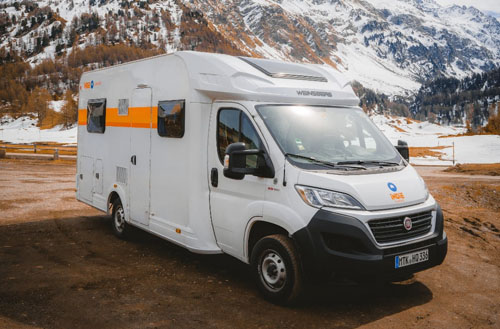
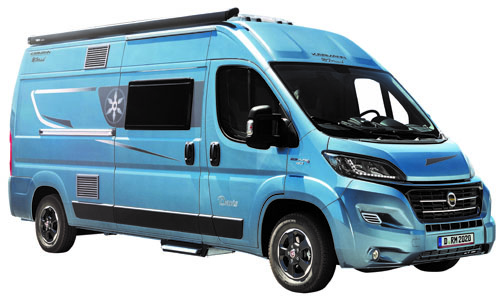
When planning a romantic getaway in an RV for two around Dusseldorf, smart choices upfront make all the difference. Selecting a compact campervan or a smaller integrated motorhome, often under 6 meters in length, is key for easier navigation on European roads and in charming, narrower streets common in older towns near Dusseldorf.
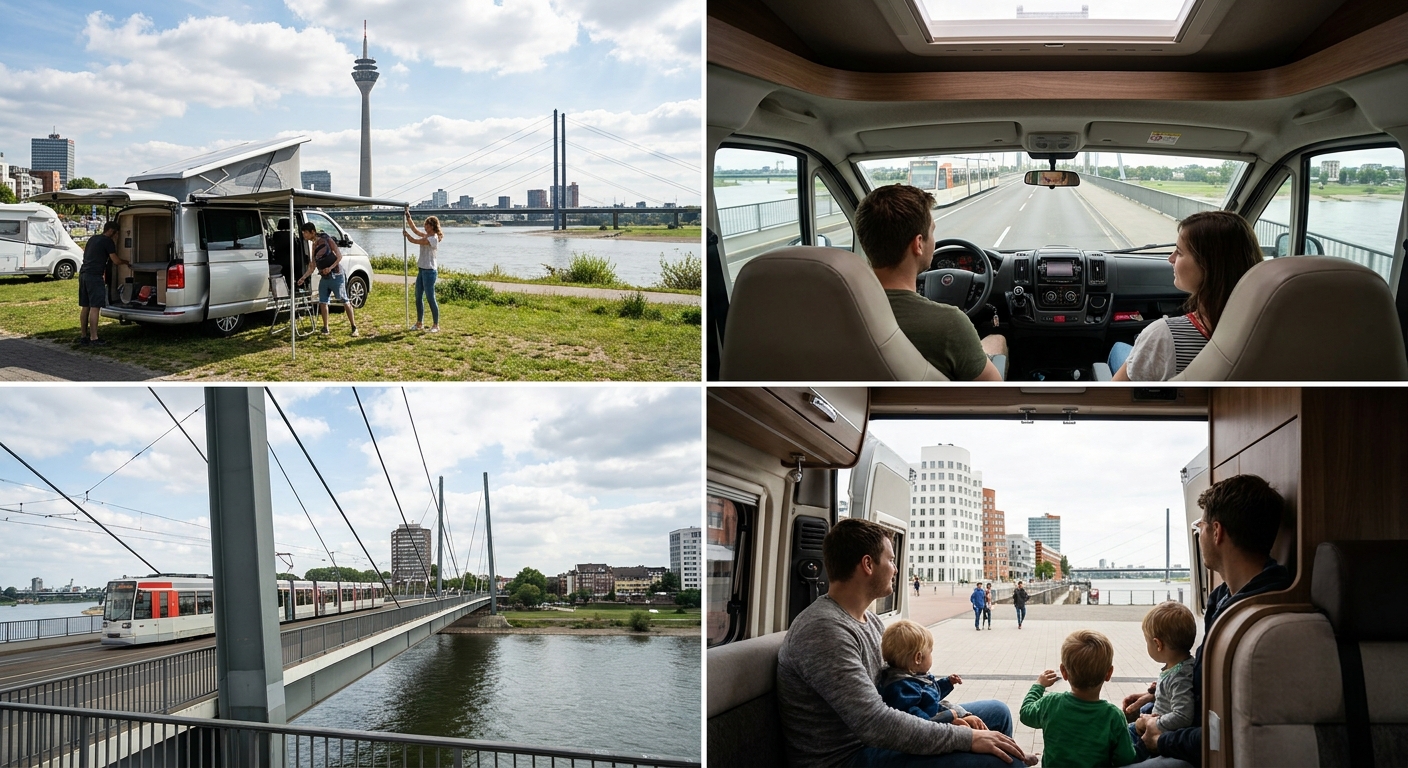
Booking your RV well in advance, ideally 3-6 months ahead, is crucial, especially if your travel plans coincide with peak seasons like summer, public holidays, or major events. This ensures you have the best selection of vehicles and can secure favorable pricing. Consider rental packages that bundle essential kitchenware, linens, and basic camping furniture; these can significantly simplify your packing and enhance convenience. Planning your route to include 'Stellplätze' (official motorhome parking spots) or well-equipped campgrounds is vital, as they provide necessary services and legal overnight stays, making your journey smooth and stress-free. Finally, familiarizing yourself with German road signs, local traffic rules, and specific environmental zone requirements, such as the 'Umweltzonen' in Dusseldorf that necessitate a green sticker, will ensure a seamless and enjoyable driving experience.
Before You Book - Class, Dates, Insurance
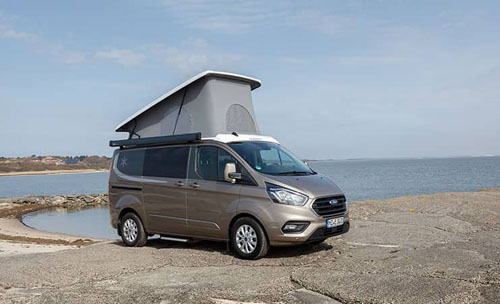
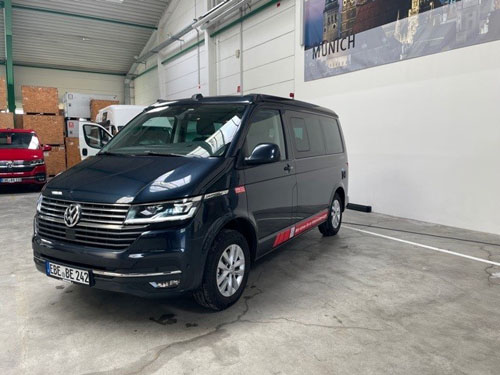
Choosing the right RV class for a couples' trip in Dusseldorf typically points towards compact campervans, like the versatile VW California, or smaller integrated or semi-integrated motorhomes, generally up to 6 meters long. These options strike an excellent balance between comfort, ease of maneuverability, and fuel efficiency, making them ideal for two people exploring Germany.
Locking in your travel dates for an RV rental in Dusseldorf is most advantageous when done 3-6 months ahead, particularly if you're planning to travel during summer, public holidays, or popular festivals. This booking window often secures better vehicle availability and can lead to potential early-bird discounts. For instance, securing a Class C motorhome like the "24' Class C Motorhome" (often ideal for couples with its comfortable sleeping arrangements) within this timeframe can offer significant savings.
Basic insurance is always included with your RV rental in Germany, covering essential protection. To understand your complete coverage options and compare pricing, it’s recommended to select the most comprehensive insurance package during your search. This will display all relevant insurance choices, allowing you to pick the level of protection that best suits your peace of mind. Remember, Bandana Caravan offers full price transparency, so you'll always know what you're paying for.
Pre-Trip Prep - Packing Checklist for Dusseldorf
Before embarking on your Dusseldorf RV adventure, a well-organized packing checklist ensures a smooth and enjoyable journey. Pack layered clothing, as Dusseldorf's weather can vary, especially in the evenings; a waterproof jacket or umbrella is also wise. Comfortable walking shoes are essential for exploring the city and its charming streets.
- Layered clothing (Dusseldorf weather can vary, especially evenings)
- Waterproof jacket or umbrella
- Comfortable walking shoes for city exploration
- Swimsuit (for spa visits or local pools)
For your RV's kitchen and dining needs, reusable water bottles and a small cooler bag for day trips are practical. If not included in your rental, consider packing basic cooking spices. Don't forget dish soap and a sponge to keep your kitchen area tidy. For ideas you can prep on the road, watch our RV-friendly recipes playlist on YouTube.
- Reusable water bottles
- Small cooler bag for day trips or grocery shopping
- Basic cooking spices/oil (if not included in rental)
- Dish soap & sponge
Safety and navigation essentials are paramount. Germany legally requires a first-aid kit, reflective vests for all occupants, and a warning triangle. For navigation, a GPS with RV-specific routing is highly recommended to account for vehicle dimensions. A European electrical adapter (2-pin CEE plug) will also be necessary for any hookups.
- First-aid kit (legally required in Germany)
- Reflective vests (legally required for all occupants)
- Warning triangle (legally required)
- GPS with RV-specific routing (to account for vehicle dimensions)
- European electrical adapter (2-pin CEE plug)
Finally, ensure all necessary documents are readily accessible: your valid driver's license (plus an International Driving Permit if you're a non-EU citizen), passports/IDs, and your rental agreement with insurance details. Carrying some Euro cash for smaller purchases and your credit cards is also advisable.
- Valid driver's license (plus International Driving Permit if non-EU)
- Passport/ID and visa (if applicable)
- Rental agreement & insurance details
- Credit cards & some Euro cash for smaller purchases
On the Road - Driving, Fueling, Navigation
Driving an RV in Germany, especially around Dusseldorf, requires an awareness of specific regulations. Key considerations include varying speed limits, which can be lower for vehicles over 3.5 tonnes, and the mandatory environmental zones ('Umweltzonen') in cities like Dusseldorf, requiring a specific green sticker ('Umweltplakette') for entry. While many charming old towns feature narrow streets that might be less suitable for larger vehicles, careful route planning can mitigate any issues.
Fueling your rented RV is generally straightforward, with Diesel and Super (petrol) widely available at 'Tankstellen' (petrol stations). Be mindful that autobahn service stations often have higher prices compared to those located in towns. Always confirm your RV's specific fuel type before filling up.
For navigation, utilizing a GPS system specifically equipped with RV routing is highly recommended. These systems can factor in your vehicle's dimensions, such as height and weight, to help you avoid unsuitable roads, low bridges, or tunnels. Supplementing your GPS with a traditional physical map can also be incredibly useful for an overall view of your route and for planning stops.
At the Campground - Setup, Hookups, and Etiquette
Upon arriving at a German 'Stellplatz' (motorhome parking area) or 'Campingplatz' (campground), the setup process typically involves carefully parking and leveling your RV. Connecting to electricity, often via a 2-pin CEE plug, may require an adapter, and hooking up your fresh water hose is next, if available. Proper greywater and toilet waste disposal are also crucial steps, with clearly designated points for these services.
Common hookups you'll find include electricity ('Strom') and fresh water ('Wasser'). Ensure you have the necessary adapters and hoses for these connections. Understanding where to properly dispose of greywater ('Grauwasser') and chemical toilets ('Chemietoilette Entsorgung') is part of responsible RV travel and respecting campground rules.
German RV etiquette emphasizes respect for quiet hours, usually from 10 PM to 7 AM, and often includes a midday 'Mittagsruhe' for naps. Maintaining a tidy pitch and adhering to posted rules for waste separation and shared facilities are also highly valued. A friendly 'Hallo' and general consideration for fellow travelers greatly contribute to a positive experience and can help you integrate with the local RV community.
Couples-Specific Tips for Dusseldorf
For couples seeking a romantic RV adventure in Dusseldorf, consider opting for a compact RV or campervan. This choice enhances maneuverability, which is particularly beneficial when exploring city attractions or navigating the charming, narrower streets of smaller towns surrounding Dusseldorf. It makes parking much easier and reduces travel stress.
Plan your itinerary to include scenic stops along the Rhine River, visiting picturesque villages or exploring the rolling hills of the 'Bergisches Land' region. These areas offer captivating drives, tranquil picnic spots, and memorable photo opportunities, perfect for creating lasting memories together. For a deeper exploration of Dusseldorf itself, consider utilizing the city's excellent public transport system from nearby 'Stellplätze' or campgrounds. This allows you to comfortably explore the city center, including the famous Königsallee and the historic Altstadt, without the hassle of driving and parking your RV in busy urban areas.
Seek out campsites or 'Stellplätze' that offer amenities like bike rentals. This provides a wonderful opportunity to enjoy cycling along the beautiful Rhine promenade, through local parks, or on dedicated regional bike paths, offering a more intimate way to experience the landscape.
Common Mistakes to Avoid in Dusseldorf
One common mistake for first-time RV renters is not researching 'Umweltzonen' (environmental zones) for cities like Dusseldorf. To avoid issues, purchase the required 'Umweltplakette' (green sticker) in advance if you plan to drive into the city center. Alternatively, park your RV outside the zone and utilize Dusseldorf's efficient public transportation for city exploration.
Another frequent oversight is underestimating the challenge of parking larger RVs in urban areas and popular tourist spots. To circumvent this, prioritize staying at dedicated 'Stellplätze' or designated RV parking areas. From there, public transportation is an excellent way to explore the city's attractions without the stress of finding parking for a larger vehicle.
German waste separation rules ('Mülltrennung') are strict and essential to understand. Familiarize yourself with the categories for recycling (paper, plastic, organic waste, etc.) to avoid improper disposal, which can lead to fines and is considered contrary to local etiquette. Also, avoid overpacking your RV; this can hinder maneuverability and potentially lead to exceeding legal weight limits. Pack efficiently, focusing on essentials, and plan to use local laundromats if needed for longer trips.
How much does it cost to rent an RV in Germany
The cost to rent an RV in Germany typically ranges from €70 to €150 per day for a compact campervan or small motorhome during the low season. This price can escalate to €120 to €250+ per day during the peak summer months for larger or more sought-after models.
Several factors influence the final price, including the RV's size and class, the duration of your rental, the season of travel, the vehicle's age, and any additional amenities, insurance packages, or mileage allowances you opt for. For example, a 7-day rental of a "7.1m Class A motorhome" might start around €1,200 in the off-season but could be closer to €2,000 in peak summer. These base rental costs often exclude significant additional expenses such as fuel, which is a major cost driver, campsite fees (ranging from €20-€50 per night), potential road tolls, and the mandatory environmental sticker ('Umweltplakette') if you plan to drive into cities like Dusseldorf. It's crucial to factor all these into a comprehensive trip budget. On the routes offered through RV PLANET routes, you can itemize and track every expense along the way for easy budgeting.
How much to rent an RV for a couple months
Renting an RV for a couple of months in Germany can range approximately from €3,000 to €8,000 per month. This wide variation depends significantly on the RV type, the specific season of your travel, and the rental provider; often, longer-term rentals benefit from advantageous discounts. For instance, a 2-month rental of a compact campervan might average around €3,500 per month, while a larger, premium motorhome could cost upwards of €6,000 per month.
Typically, longer rental periods result in a considerably lower daily or weekly rate compared to short-term rentals. It's advisable to directly contact rental companies for tailored long-term offers, custom packages, and current availability. Beyond the reduced monthly rental fee, an extended multi-month RV trip will incur substantial and ongoing costs for fuel, a greater number of campsite fees, potential vehicle maintenance, and all personal living expenses. This necessitates a meticulous and detailed budget for a successful and enjoyable long-term journey.
Are RVs Allowed in Germany
Yes, RVs are widely allowed and extremely popular in Germany, being well-integrated into the country's travel infrastructure. An extensive and well-maintained network of dedicated motorhome parking spots ('Stellplätze') and campgrounds ('Campingplätze') supports RV travel across the nation.
However, drivers must diligently adhere to specific regulations. This includes respecting varying speed limits for different vehicle weights, complying with mandatory environmental zone restrictions in numerous urban areas (like Dusseldorf, which requires a specific 'Umweltplakette'), and observing general parking rules, particularly in city centers where finding suitable parking for larger vehicles can be a significant challenge. Germany's road network, including the renowned Autobahns, is generally excellent and accommodating for RV travel. Nevertheless, travelers should be mindful that some charming, older towns may feature narrow, winding streets and low bridges, necessitating careful route planning and a keen awareness of vehicle dimensions.
What is the 3-3-3 rule when RVing
The '3-3-3 rule' for RVing is a widely adopted and recommended guideline designed to promote comfortable, safe, and enjoyable travel. It suggests that RVers should aim to drive no more than 300 miles (approximately 500 kilometers) in a single day, arrive at their planned destination by 3 PM, and ideally stay for a minimum of 3 nights at each location.
This rule's core purpose is to encourage a relaxed and unhurried pace. By adhering to it, you can effectively prevent driver fatigue, allow ample time for comprehensive RV setup, and enjoy a more thorough exploration of each new destination, significantly reducing the stress often associated with constant movement and rushing between places. While not a strict legal requirement, consistently following the 3-3-3 rule can profoundly enhance the overall enjoyment, safety, and leisure aspects of an RV trip, making it particularly beneficial for couples seeking a more relaxed and immersive travel experience in Germany.
Is it cheaper to rent an RV or stay in hotels
Determining whether it's cheaper to rent an RV or stay in hotels in Germany depends heavily on several variables. These include the total duration of the trip, the number of travelers, individual travel preferences, and specific choices for accommodation and dining.
For couples, an RV can often prove more cost-effective for longer trips, typically exceeding a week. This is especially true if you plan to prepare most of your meals within the RV's kitchen and frequently utilize budget-friendly 'Stellplätze' or free overnight parking spots. These choices can significantly reduce dining-out expenses and the cost of booking multiple hotel rooms. However, when you comprehensively factor in all the costs associated with an RV trip – including the rental fee, fuel, campsite fees, insurance, groceries, potential road tolls, and the mandatory environmental sticker ('Umweltplakette') – a short city break for a couple might sometimes be comparable to, or even cheaper than, an RV trip, particularly if attractive hotel deals are secured and extensive driving is minimized.
Can you rent an RV in Germany
Yes, you can absolutely rent an RV in Germany with great ease. The country boasts a robust and competitive RV rental market, featuring numerous providers that offer a wide and diverse range of vehicles. From highly maneuverable compact campervans ideal for couples to more spacious family-sized motorhomes, these are readily available at major airports and prominent cities like Dusseldorf.
Dedicated rental platforms and local providers facilitate a straightforward process for comparing various options, booking securely online, and conveniently picking up your chosen vehicle. Many are supported by multilingual staff who provide comprehensive instructions on vehicle operation. For international visitors, it is crucial to meticulously check specific driver's license requirements (such as needing an International Driving Permit for non-EU licenses) and any applicable age restrictions or experience mandates before finalizing a booking to ensure full compliance.
How much does it cost to rent an RV for 1 week
Renting an RV for one week in Germany typically costs between €500 and €1,500 for a compact or medium-sized vehicle. This price is significantly influenced by the season, the specific rental company, and the model chosen. For example, a 7-day rental of a compact campervan like the "Active Camper" could range from €500-€700 in the low season, while a larger, more amenity-rich motorhome like a "Comfort Family" might cost between €1,000-€1,500.
Peak season, usually from June to August, will consistently see prices at the higher end of this range due to increased demand. Conversely, traveling during the off-peak seasons can offer more budget-friendly options and better availability, especially if you're looking for a particular RV type, such as a 2-berth campervan.
This weekly rental fee usually covers the base vehicle and fundamental insurance. However, it is imperative to budget for additional expenses such as fuel, which can be a substantial cost for a week-long journey, campsite fees, groceries, and any optional extras like GPS navigation systems, bike racks, or additional kitchen equipment. Bandana Caravan's transparent pricing ensures no hidden fees, so you'll always know the full cost upfront.
Can you sleep anywhere in a campervan in Germany
While strict 'wild camping' or sleeping just anywhere in a campervan is generally not permitted in Germany, it is typically tolerated to spend one night for the specific purpose of 'restoring driving fitness' ('Wiederherstellung der Fahrtüchtigkeit'). This is allowed in places where parking is legally permitted and not explicitly forbidden, such as public parking lots or designated roadside rest areas ('Raststätten').
However, this single-night tolerance strictly pertains to simply parking and sleeping inside the vehicle. It does not extend to setting up camp (e.g., extending awnings, placing chairs outside), staying for multiple nights, or creating any permanent fixtures. For proper overnight stays with amenities, you must utilize official 'Stellplätze' (motorhome parking areas) or 'Campingplätze' (campgrounds). Germany offers a vast array of charming and convenient 'Stellplätze,' many of which are either free or available for a small fee, providing a legal, safe, and often amenity-rich option for couples to overnight and access basic services.
What are the drawbacks of renting an RV
Key drawbacks of renting an RV for couples include the overall cumulative cost. When factoring in rental fees, fuel, campsite fees, and insurance, it can sometimes exceed the cost of budget hotel stays. There's also an initial learning curve associated with driving a larger vehicle, and often limited maneuverability in dense urban centers or on some of Germany's narrower, historic roads.
Specific challenges when traveling in Germany might involve navigating the country's extensive environmental zones ('Umweltzonen'), consistently finding suitable parking in popular tourist areas, and the necessary time commitment required for the daily setup and pack-down procedures at 'Stellplätze' or campgrounds. Additionally, potential drawbacks can include the inconvenience of unexpected maintenance issues, the routine chore of needing to empty waste tanks, and the possibility of a less spontaneous travel style due to the necessity of booking popular campsites well in advance, particularly during peak seasons.
What do I need to drive a motorhome in Germany
To drive a motorhome in Germany, you generally need a valid driver's license from your home country. This is often sufficient for short-term stays (up to six months) if it is either in English or accompanied by an official German translation. However, an International Driving Permit (IDP) is highly recommended for non-EU citizens to preempt potential language barriers and facilitate smoother interactions with traffic authorities.
For motorhomes with a Gross Vehicle Weight (GVW) up to 3,500 kg (approximately 7,700 lbs), a standard B category license (equivalent to a regular car license) is typically sufficient. Larger RVs exceeding 3,500 kg GVW may necessitate a C1 or C category license, depending on the vehicle's specific weight class. It's essential to check the GVW of the specific RV you rent.
Legally required equipment that must be carried in the vehicle includes a fully stocked first-aid kit, a warning triangle, and at least one reflective safety vest for the driver. It is strongly advisable to have one for each occupant. Reputable rental companies often provide these items, but it is prudent to verify their presence and condition upon pickup to ensure you are compliant with German regulations.
What You Shouldn't Miss
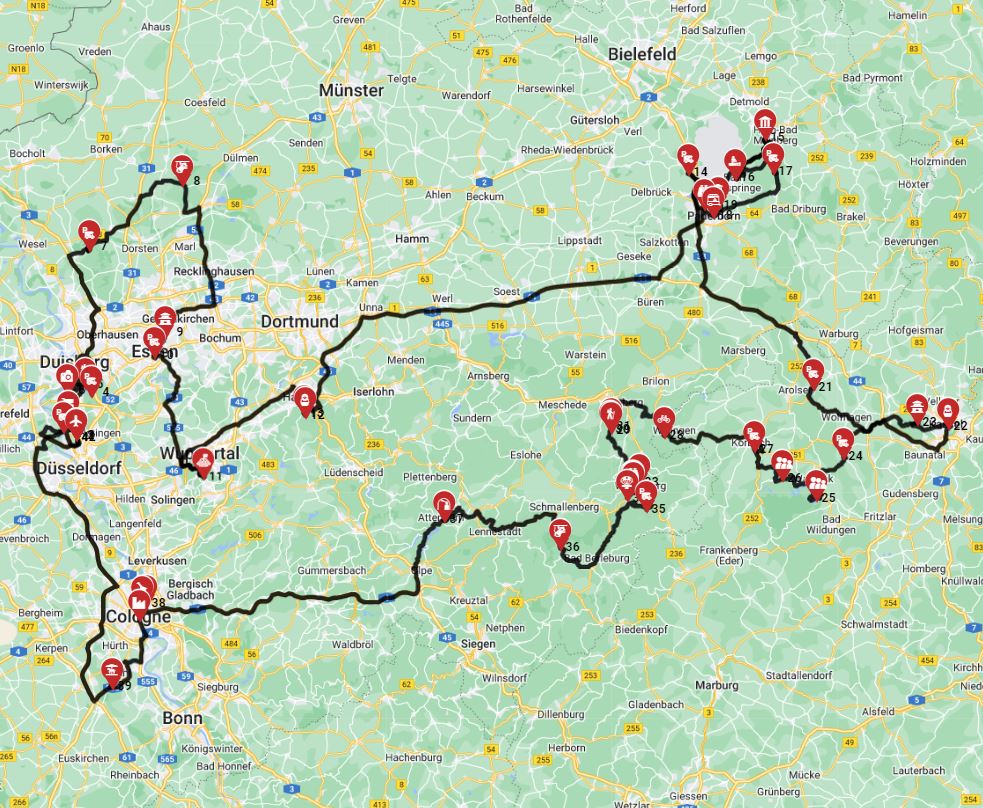
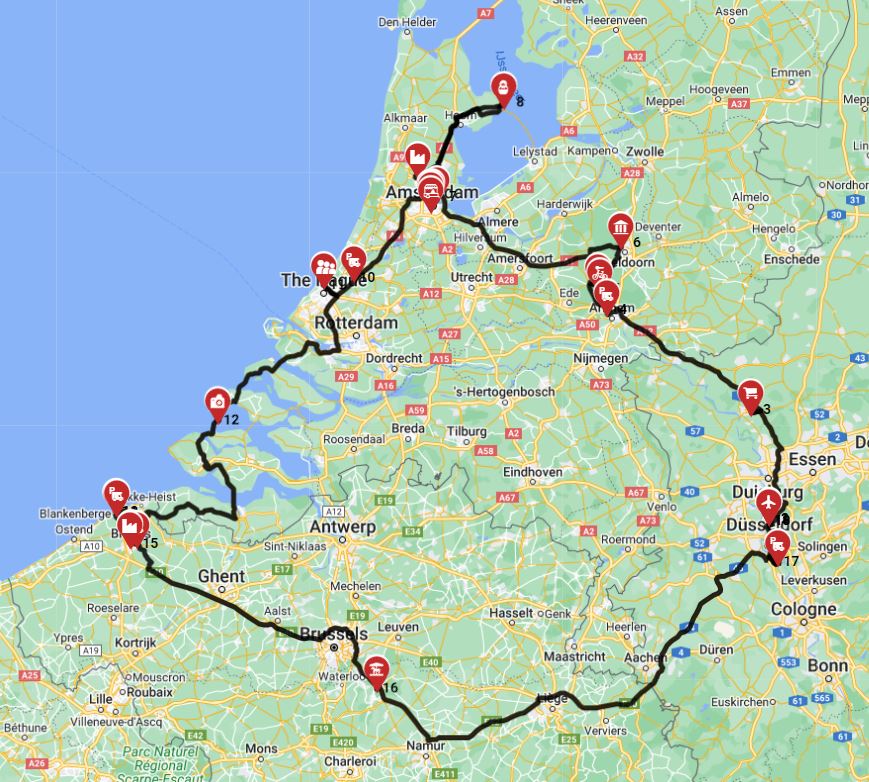
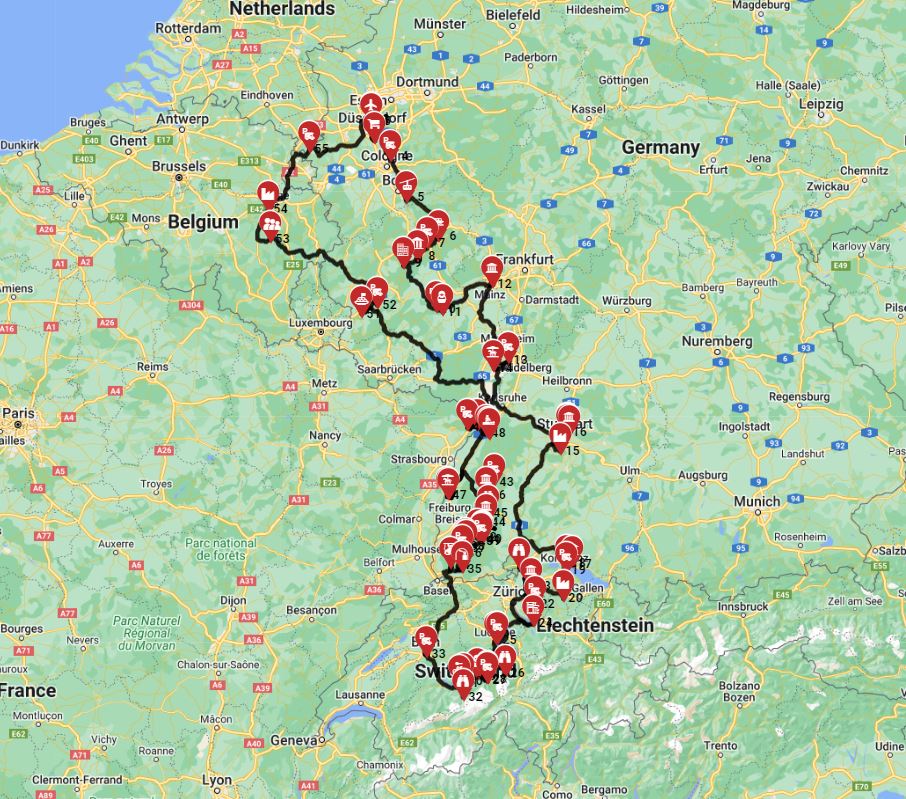
- Dusseldorf Roundtrip - Germany / Netherlands / Belgium (8 days, 1076.2 km): This itinerary offers a fantastic blend of amusement parks, historical sites, and local culture, with opportunities for bike rentals and scenic cruises, making it a well-rounded introduction to the region.
-
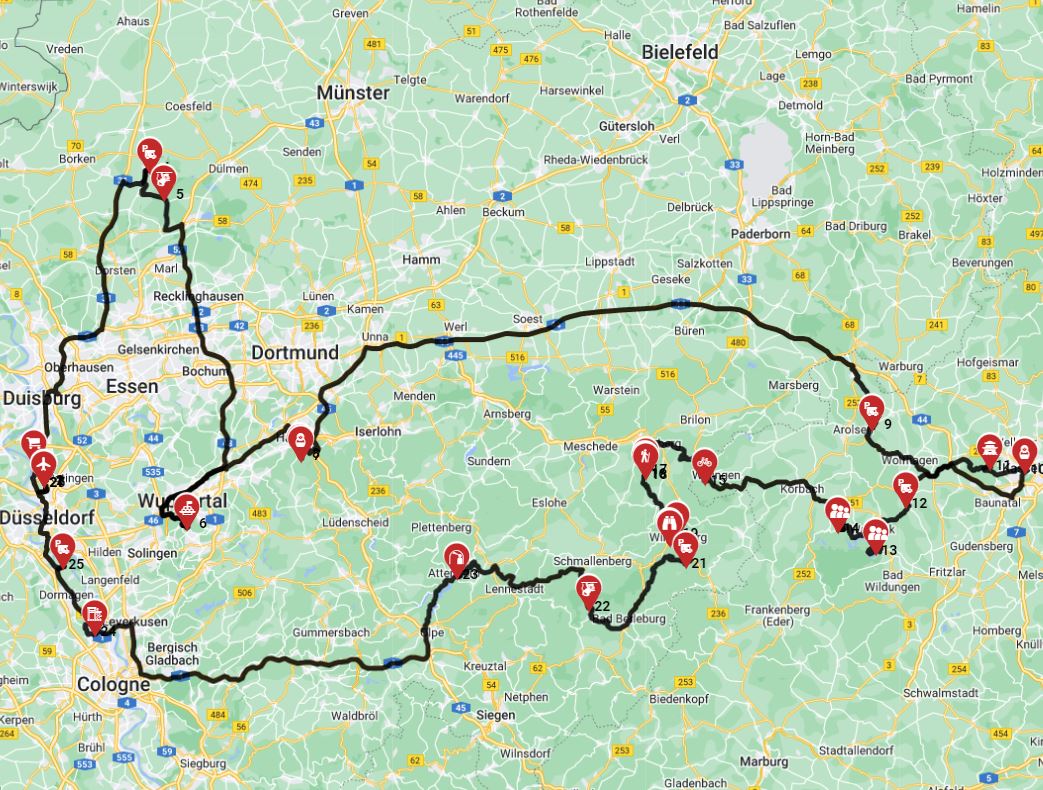
(15 days, 1055.6 km): For a deeper dive into Germany's diverse offerings, this route includes everything from caves and hiking areas to historical sites and museums, providing a comprehensive 15-day adventure.
 Dusseldorf Roundtrip - Central Germany
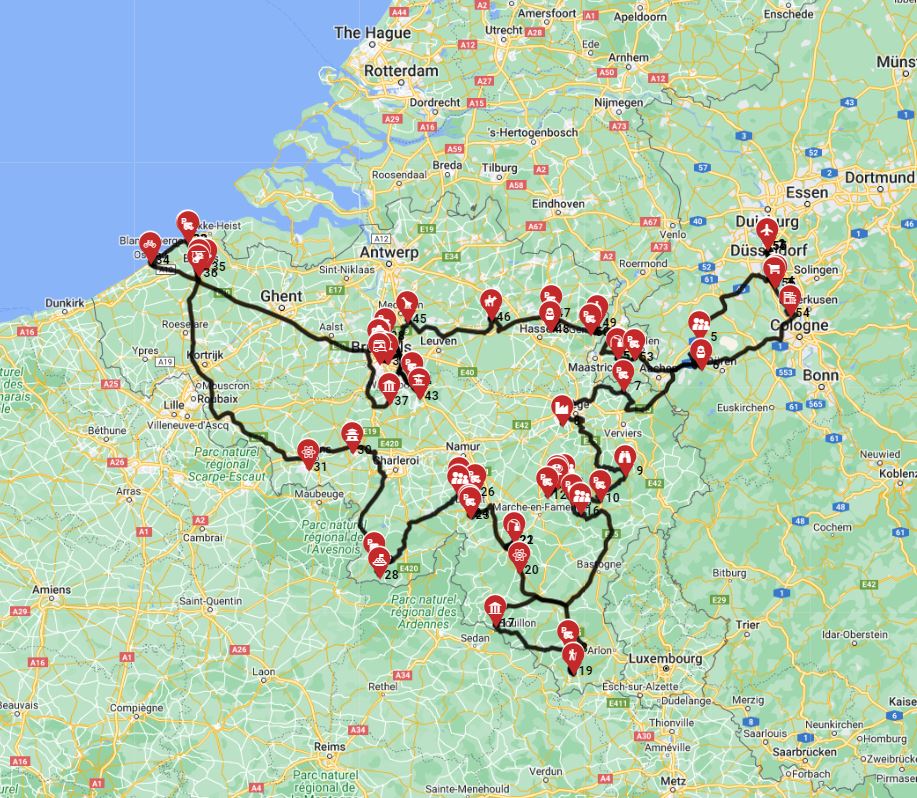
 -
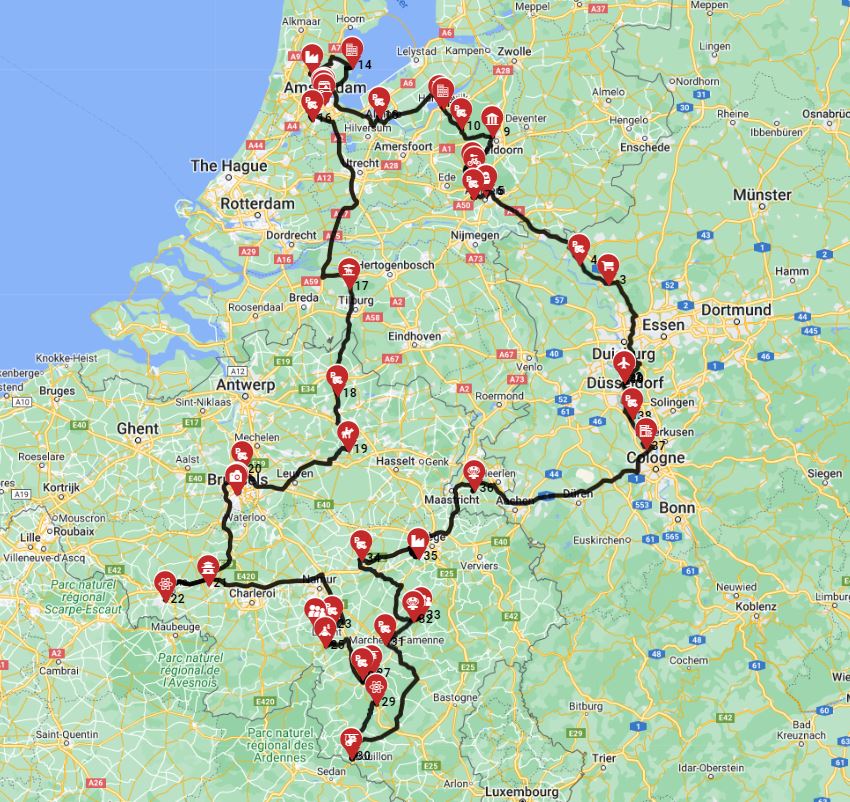
(22 days, 1696.3 km): If you have more time, this extensive 22-day journey allows for a thorough exploration of Belgium and surrounding areas, hitting numerous family activities, historical sites, and cultural experiences for a truly immersive trip.
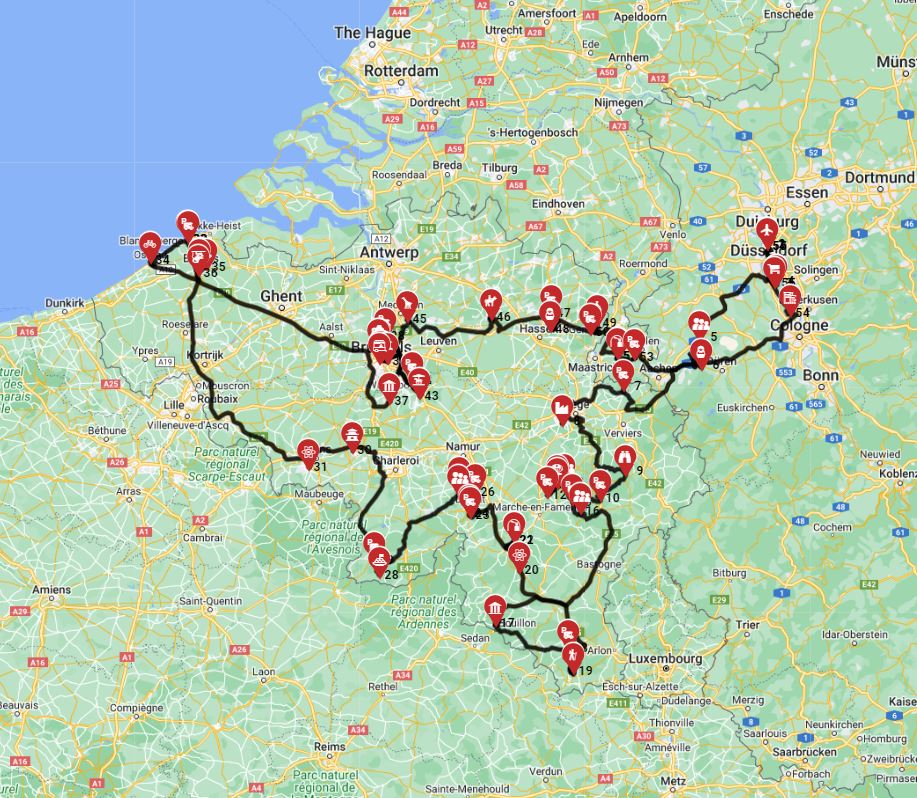 Dusseldorf Roundtrip - To Belgian
 - Explore the Altstadt (Old Town): Wander through Dusseldorf's "longest bar in the world" (unofficial title) and experience the vibrant atmosphere of its numerous pubs and breweries.
- Visit Japan in Germany: Take a short detour to Immermannstraße to explore Dusseldorf's "Little Tokyo," home to authentic Japanese restaurants and shops.
- Scenic Rhine Detour: Utilize the charming local Rhine ferries for a unique perspective of the landscape, adding a special touch to your road trip.
Final Thoughts
Renting an RV for a couples' trip to Dusseldorf offers a unique and intimate way to explore Germany's heartland. By choosing the right vehicle, planning thoughtfully, and embracing the RV lifestyle, you're set for an unforgettable adventure filled with scenic beauty and charming discoveries.
Remember, the freedom of the open road combined with the comfort of your mobile home provides a unparalleled travel experience. Let Bandana Caravan help you find the perfect RV for your romantic German escapade, ensuring a journey that’s as seamless as it is memorable.
Find Motorhome Rentals in Dusseldorf