In This Guide
- Top 5 Tips for RV Rental for Couples in Chile
- Before You Book - Class, Dates, Insurance
- Pre-Trip Prep - Packing Checklist for Chile
- On the Road - Driving, Fueling, Navigation
- At the Campground - Setup, Hookups & Etiquette
- RV Rental for Couples-Specific Tips for Chile
- Common Mistakes to Avoid in Chile
- How much does RV rental for couples cost in Chile?
- Is it safe to drive an RV in Chile for couples?
- What type of RV is best for couples traveling in Chile?
- Can couples wild camp with an RV in Chile, and is it legal?
- How do couples cross the border from Chile to Argentina with a rental RV?
- What are the best RV routes in Chile for couples besides Patagonia?
- How can couples experience local Chilean culture while RVing?
- Where can couples find RV campsites and amenities in Chile?
- What is the cell service and utility availability for RVs in Chile?
- What should couples do for RV emergencies and breakdowns in Chile?
- What You Shouldn't Miss
- Why Book with Bandana Caravan
- Final Thoughts
- Frequently Asked Questions
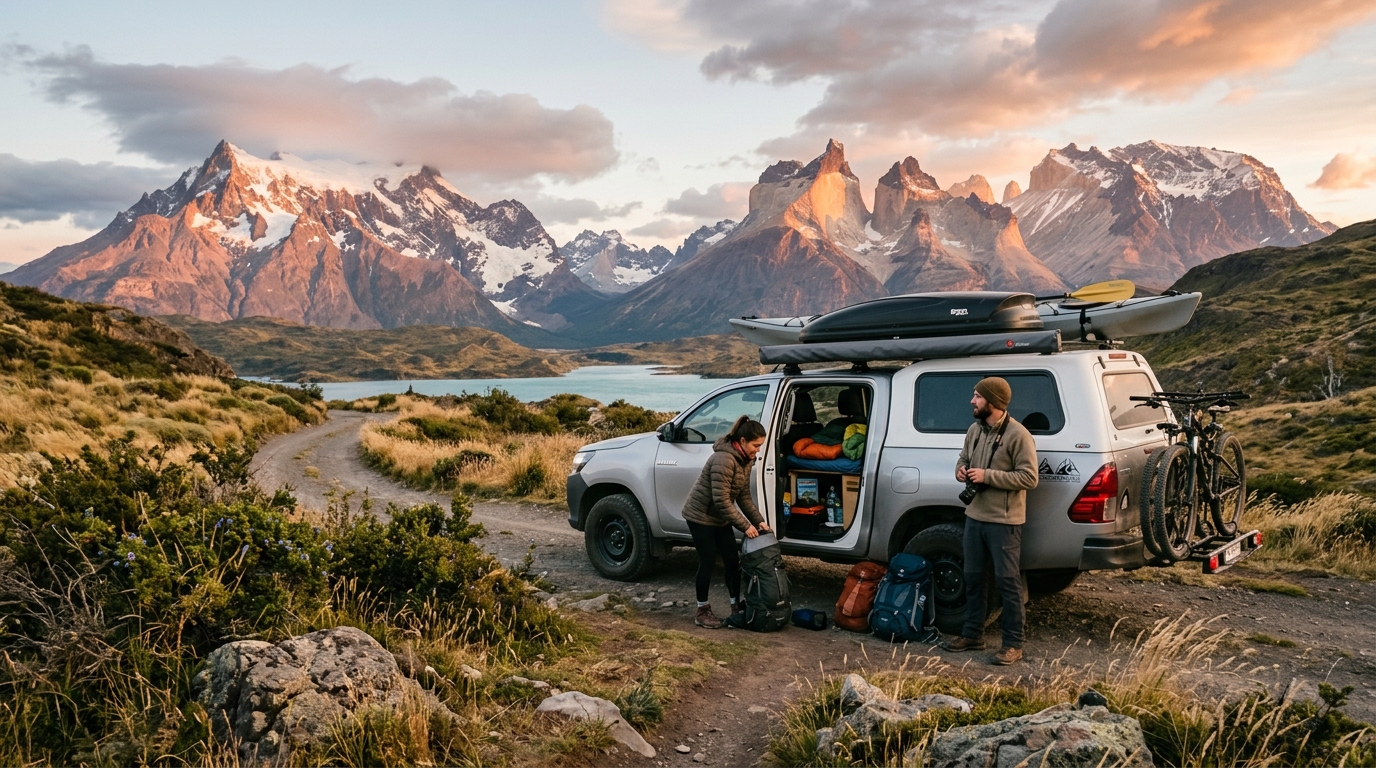
Imagine waking up to the majestic Andes, sipping coffee by a tranquil Patagonian lake, or watching the stars ignite the driest desert on Earth, all from the comfort of your rented motorhome in Chile. An RV adventure offers couples an unparalleled blend of freedom, intimacy, and immersion in incredible natural beauty. From the bustling streets of Santiago to the serene wilderness of the south, traveling by RV allows you to tailor your itinerary to your own pace and passions, creating truly unforgettable moments together. For live availability and current prices, start with our RV Rental Chile - Complete Guide 2026 guide.
Top 5 Tips for RV Rental for Couples in Chile
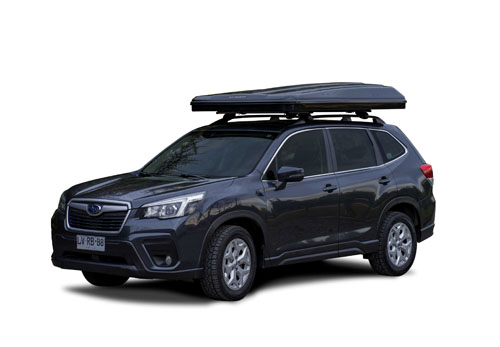
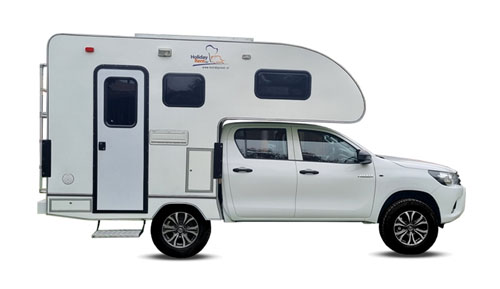
Successfully navigating an RV rental for couples in Chile hinges on thoughtful preparation and flexibility. First, booking a compact or medium-sized RV, such as an "rv rental denver example Category Van" or "Patagonia Camper 4x4 double cab" prioritizes maneuverability over excessive space, which is essential for Chile's diverse roads, including narrow city streets and winding mountain passes. You'll find these smaller vehicles often come with features like a shower and toilet, ensuring comfort. Drive slowly and carefully, and you can drive almost anywhere without issues. No need to stress - just use common sense and pay attention.
Second, meticulously plan your route by considering realistic driving times between attractions, especially in vast regions like Patagonia or the Atacama Desert where distances can be significant, averaging 100-150 km per day for slow travel. Third, thoroughly understand Chilean road rules and conditions, including national speed limits (typically 100-120 km/h on highways), right-of-way protocols, and specific challenges like unpaved sections of the Carretera Austral. Fourth, prepare for Chile's incredibly diverse climates by packing versatile layers of clothing and checking weather forecasts for different regions, as temperatures can swing dramatically from the arid north to the subpolar south. Finally, familiarize yourselves with local services, such as gas stations, supermarkets, and official campsites, which can be sparse in remote areas. Remember, Bandana RV offers full transparency with no hidden fees, ensuring what you see is what you pay, which is critical for budgeting your Chilean adventure. On the routes offered through RV PLANET routes, you can itemize and track every expense along the way for easy budgeting.
Before You Book - Class, Dates, Insurance
Choosing the right motorhome class is paramount for a seamless couples' RV adventure in Chile. For couples, a campervan (Class B) or a smaller integrated motorhome (Class C equivalent), often featuring dimensions around 6 meters in length, provides the ideal balance of comfort, agility, and fuel efficiency for Chilean roads. Options like the "hire campervan example Paradise S/T" or the "2 Berth Hi Top" often include a front air conditioning system, shower, and toilet, making them ideal for two travelers. While larger Class A motorhomes are available, their size can be less practical for some of Chile's more winding or unpaved routes, though even large RVs can navigate almost anywhere with common sense and careful driving.
Locking in your rental dates well in advance, especially for Chile's peak summer season (December-February), ensures better availability and potentially more competitive pricing, with early bookings often yielding 15-25% savings. However, spontaneous travelers can still find options, as many national and state parks reserve 25-30% of spots for last-minute arrivals. For those looking for competitive pricing, explore our "Cheap RV Rental in Chile - Budget Guide 2026" to find the best value. Basic insurance is always included with your Bandana RV rental. For the most comprehensive coverage and peace of mind, you can upgrade to a top-level deductible reimbursement option during the booking process to ensure you're fully protected.
Pre-Trip Prep - Packing Checklist for Chile
Packing intelligently for an RV trip in Chile involves preparing for its extreme climatic diversity, from the arid Atacama Desert to the glacial regions of Patagonia. Essential items include layered clothing suitable for rapid temperature changes, versatile waterproof footwear for various terrains, and specific safety and navigation tools like a first-aid kit, spare tire, and tire repair kit. Don't forget adaptable power adapters for charging devices, as power outlets might vary. Organize your travel documents efficiently, ensuring passports, driver's licenses (a standard car license is sufficient for all motorhome classes, but an International Driving Permit is recommended for non-English speakers), vehicle registration, and any necessary border crossing permits are easily accessible. Keeping a digital copy on your phone or in the cloud is also a smart move.
Many rental motorhomes and campervans, such as an "Active Classic" or "Active Compact Select" type, come equipped with basic kitchenware and bedding. However, it's wise to confirm these inclusions with your chosen supplier. Consider bringing your own reusable water bottles to reduce plastic waste, a small daypack for hikes, and personal toiletries. Don't forget essentials like sunscreen and insect repellent, which can be crucial depending on the region and season. For those planning to cook frequently, perhaps a few favorite spices or a compact coffee maker could enhance your on-the-road culinary experiences. For delightful meal ideas tailored for your mobile kitchen, be sure to check out our RV-friendly recipes playlist.
On the Road - Driving, Fueling, Navigation
Driving a rented RV in Chile requires careful awareness of local road conditions, which vary greatly from well-maintained highways to challenging unpaved gravel roads, particularly in rural or southern regions like the Carretera Austral. Speed limits are generally 50 km/h in urban areas, 100 km/h on rural roads, and 120 km/h on major highways. Drivers are on the right side of the road. Always keep headlights on, even during the day, as it is legally required in many areas. Drive slowly and carefully, and you can drive almost anywhere without issues. No need to stress - just use common sense and pay attention.
Fueling up regularly is crucial, especially when traveling through sparsely populated areas where gas stations can be scarce, sometimes spaced over 200 kilometers apart. Diesel is the most common fuel for motorhomes, while some campervans may run on gasoline. For reliable navigation, a combination of offline maps (apps like Maps.me or Gaia GPS) and a physical map is highly recommended, as cellular service can be intermittent or non-existent in remote parts of Chile. Emergency numbers in Chile include 133 for police, 131 for ambulance, and 132 for fire services. Always have these readily available.
At the Campground - Setup, Hookups & Etiquette
Setting up your RV at a Chilean campsite typically involves a few straightforward steps to ensure comfort and functionality. Upon arrival, carefully level your vehicle, then connect to any available hookups. Prioritize the electrical hookup (typically 220V in Chile), followed by connecting to the fresh water supply, and then securing your wastewater disposal with appropriate hoses. Most campgrounds in Chile, even national park sites, will offer basic amenities, and many private campgrounds provide hot showers and Wi-Fi.
Observing campground etiquette is essential for a pleasant experience for all campers. This includes adhering to quiet hours, properly managing and disposing of all waste (packing out what you pack in, especially in national parks), and respecting your neighbors' space. Remember that many national and state parks reserve only 25-30% of spots; the rest are first-come, first-served. You'll find a spot. If not at the first campground, then the next one. Call ahead before driving to confirm availability. For finding campsites and campgrounds during your trip, we recommend using RV PLANET (rvplan.net) - a great resource for locating available spots along your route.
RV Rental for Couples-Specific Tips for Chile
For couples embarking on a rented RV journey in Chile, selecting a vehicle that offers a comfortable bed and sufficient lounge space can significantly enhance the travel experience. A Class B campervan, such as the "rv rental denver example Category Van" with its front air conditioning, shower, and toilet, or a smaller Class C motorhome like the "cruise america rv rental example Explorer" (which has a 163/210cm double bed), are often ideal as they provide intimacy without feeling cramped. Imagine cozy evenings cooking together and enjoying the panoramic views from your mobile home.
Consider incorporating romantic stops into your flexible itineraries, like exploring the exquisite wineries of the Central Valley or indulging in unparalleled stargazing opportunities in the Atacama Desert. Plan itineraries that allow for spontaneous detours and quality time together, rather than rushing between destinations. Traveling slowly, at a maximum of 100-150 km per day on average, allows you to truly feel the place, connect to the culture, the food, and the scenery. Packing a small, portable grill or a charming picnic set can elevate dining experiences amidst Chile's stunning natural backdrops, making every meal a special memory.
Common Mistakes to Avoid in Chile
Many first-time RV renters in Chile make preventable mistakes, but with a little foresight, you can avoid them. Instead of underestimating driving times, always factor in extra time for scenic stops, potentially unpaved roads (like parts of the Carretera Austral), and border crossings if you plan to venture into Argentina. For instance, a 200 km stretch in Patagonia might take considerably longer than a similar distance on a paved highway near Santiago. Instead of relying solely on phone navigation, download offline maps and carry a physical map, as cellular connectivity can be unreliable in remote areas of Chile. Remember, Bandana Caravan is here to support you with pre-booking comparison and coordination, but during your trip, having redundant navigation tools is key.
Instead of overpacking, prioritize versatile clothing layers and essential gear suited for Chile's diverse climates. Space in a campervan or motorhome, even one designed for couples like the "rv rentals example Comfort Class" (if a smaller version is available for two), is finite. Instead of neglecting local currency, ensure you have Chilean Pesos (CLP) for tolls, small purchases at local markets, and in areas where credit cards are not widely accepted. Finally, don't assume all campgrounds offer full hookups. Always call ahead or consult resources like RV PLANET (rvplan.net) to verify amenities before driving long distances to a campsite.
How much does RV rental for couples cost in Chile?
RV rental costs for couples in Chile typically range from $100 to $300 USD per day, varying significantly by vehicle size, season, and rental duration. For example, a compact campervan like a "rent rv example A1" (ideal for a couple with shower and toilet) might start at the lower end during the low season (May-September), while a more spacious Class C motorhome for two people during peak summer (December-February) could reach the higher end. Prices are dynamic, similar to flight tickets, changing daily based on availability and supplier marketing decisions; the final price is set at the actual booking time.
A detailed cost breakdown for your Chile RV trip should include not only the daily rental rate but also variable expenses. Fuel prices can vary regionally, with a full tank (e.g., 75 liters for a Class B) costing around $100-$150 USD depending on current rates and fuel type (diesel is generally cheaper). Campsite fees typically range from $15-$40 USD per night for powered sites in national parks or private campgrounds. Potential road tolls, mostly found in Central Chile, can add to the daily expenses. Comprehensive insurance options are available, and while basic insurance is included, you can upgrade to a top-level deductible reimbursement for extra peace of mind. Budgeting for ancillary costs like LPG/propane refills (approximately $20-$40 per fill), potential border crossing fees (if traveling to Argentina), and groceries is also essential. On RV PLANET routes, travelers can itemize and track every expense along the way for easy budgeting, ensuring no surprises.
Is it safe to drive an RV in Chile for couples?
Driving a rented RV in Chile is generally safe for couples, provided travelers are prepared for its diverse road conditions and consistently adhere to local traffic laws. Chile boasts well-maintained primary highways, especially around major cities and the Central Valley, making driving straightforward. However, specific driving challenges exist, such as unpaved gravel roads (known as 'ripio') common in Patagonia and some parts of the Carretera Austral, which require reduced speeds and heightened caution. Winding mountain passes in the Andes also demand attentive driving, while strong Patagonian winds, which can easily exceed 100 km/h, require drivers to be mindful of parking orientation and vehicle stability.
Local traffic laws in Chile are similar to many Western countries, including right-hand driving. Drivers should be aware of specific speed limits and the potential for more aggressive driving styles in urban areas. Emergency services (police 133, ambulance 131, fire 132) are available, though response times may be longer in remote regions; having a local SIM card for reliable communication is advisable. For general security, it is highly recommended to park your rented motorhome in official campgrounds, avoid leaving valuables visible, and always be mindful of your surroundings, particularly in larger cities like Santiago or Valparaíso. Bandana RV, as true RV specialists, ensures you receive all the necessary information and support before your trip to address these considerations.
What type of RV is best for couples traveling in Chile?
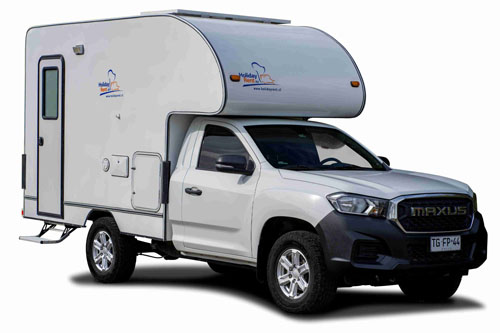
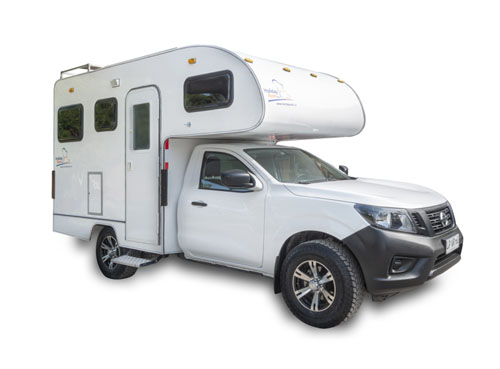
For couples traveling in Chile, a compact campervan (Class B) or a smaller integrated motorhome (Class C) is often the best choice, offering an optimal balance of comfort, maneuverability, and fuel efficiency. Vehicles like the "2 Berth Hi Top" or a similar compact model are perfect for two, often including a shower, toilet, and front air conditioning, providing a cozy mobile base for exploration. These smaller RVs typically measure around 5-7 meters in length, making them easy to handle on varied roads.
Vehicle suitability depends significantly on your planned itinerary in Chile. A standard campervan is excellent for paved roads and major tourist routes, covering regions like the Central Valley or the Chilean Lake District without issue. However, if your adventure includes exploring more rugged, off-the-beaten-path regions like specific unpaved sections of the Carretera Austral in Patagonia or certain high-altitude areas of the Atacama Desert, a 4x4 camper or RV might be truly necessary. An example of such a vehicle is the "Patagonia Camper 4x4 double cab." Essential gear for different regions includes appropriate all-terrain tires if venturing off-pavement, extra water containers (such as a 100-liter fresh water tank on many models like the "V2L"), extra fuel containers for remote areas, and a reliable spare tire. Cold-weather preparedness is crucial for trips to southern Patagonia or during Chile's winter months (June-August), necessitating an RV with good insulation, a functional heating system, and sleeping bags rated for low temperatures. We compare final prices across 50+ suppliers, so you don't have to, ensuring you find the right RV for your Chilean couples' escape.
Can couples wild camp with an RV in Chile, and is it legal?
Wild camping (also known as boondocking or dispersed camping) for couples in a rented RV in Chile is generally tolerated in many rural areas, particularly on public lands, but its legality can be ambiguous and varies significantly by municipality and private property. While not explicitly illegal in all areas, it is always best practice to seek permission from landowners if you are considering camping on private property. Respect local signs and avoid any designated no-camping zones, especially within national parks where camping is restricted to official sites.
Recommended resources for finding suitable wild camping spots in Chile include popular apps like iOverlander and WikiCamps, which provide user-generated data on safe and permissible locations, often with reviews and coordinates. Local inquiries at small-town information centers or gas stations can also yield valuable insights. Environmental etiquette is paramount when wild camping: always practice 'Leave No Trace' principles by packing out all waste, avoiding open fires unless in designated and safe areas, and respecting the natural environment and local flora and fauna. For safety, choose well-lit or previously vetted spots, avoid overly isolated areas late at night, and always trust your instincts. Remember, a standard RV rental often comes with a toilet and shower, minimizing your environmental impact, as found in models like "rent rv example A2".
How do couples cross the border from Chile to Argentina with a rental RV?
Crossing the border from Chile to Argentina (or vice-versa) with a rental RV requires comprehensive preparation and specific documentation to ensure a smooth and hassle-free process for couples. The initial step is to inform your rental company of your intention to cross international borders, as they must provide crucial vehicle import/export permits, often called a "permiso de salida" (exit permit), which is legally required and can take several days to process. This permit specifies the countries where the vehicle is authorized to travel.
Required documentation typically includes your valid passports, valid driver's licenses (an International Driving Permit is highly recommended for visitors from non-English-speaking countries, though not always mandatory), and the aforementioned vehicle permits from your rental supplier. Customs procedures involve presenting all documents, having your rented motorhome inspected for agricultural items, and declaring any goods. Be aware of strict agricultural restrictions, especially for fresh produce, which cannot be carried across the border. Vehicle insurance specifically covering international travel in both countries is mandatory, and your rental company should arrange this or advise on additional policies. Popular crossings, such as Paso Los Libertadores in Central Chile or Paso Samore in the Lake District, can take anywhere from 1-4 hours depending on traffic, season, and time of day, so plan for potential delays. For more detailed information on associated costs, consider our "One-Way RV Rental in Chile - Price Guide 2026".
What are the best RV routes in Chile for couples besides Patagonia?
Beyond the immensely popular Patagonia region, Chile offers incredibly diverse and romantic RV routes for couples seeking unique experiences, including the arid Atacama Desert in the North, the lush Central Valley, and the picturesque Chilean Lake District. The Atacama Desert, the driest non-polar desert on Earth, offers unique attractions like the El Tatio geysers, vast salt flats, and world-class stargazing opportunities under some of the clearest night skies. RVing here requires careful planning for water and fuel, and preparedness for higher altitudes.
The Central Valley, easily accessible from Santiago, is perfect for wine country exploration, with numerous vineyards offering tastings and charming towns like Santa Cruz, ideal for slow travel. The Chilean Lake District, stretching from Temuco south to Puerto Montt (one of our top pickup cities), provides abundant opportunities for outdoor activities like hiking volcanoes, kayaking on pristine lakes, and relaxing in thermal springs amidst stunning scenery. Each region presents specific challenges; for instance, extreme temperatures and remote stretches in the Atacama, or winding mountain roads in the Lake District, necessitate an appropriate vehicle choice and preparedness. For great last-minute deals or planning inspiration, you might find useful information in our "RV Rental Deals in Chile - Latest Offers 2026".
How can couples experience local Chilean culture while RVing?
Couples can deeply experience authentic Chilean culture while RVing by actively seeking out local interactions, engaging with traditional cuisine, and participating in regional festivals and markets. Stopping in small towns and engaging with shopkeepers, artisans, or fellow campers provides a genuine glimpse into daily Chilean life. Learning basic Spanish phrases, even just "hola" and "gracias," can open doors to warmer interactions and richer cultural exchanges.
Experiencing authentic Chilean cuisine on the road is a highlight. Try local specialties like freshly baked empanadas from roadside vendors, rich pastel de choclo (corn pie), or fresh seafood from coastal towns, especially in destinations like Puerto Montt. Visiting local 'ferias' (markets) allows you to sample regional produce, learn about traditional crafts, and cook delicious meals back in your rented motorhome. Understanding cultural etiquette, such as greeting people politely, being patient in queues, and showing respect for local customs, will enhance your journey. Unique local experiences accessible by RV might include attending a traditional rodeo in the Central Valley, visiting artisan villages in the Lake District, or exploring indigenous Mapuche communities with guided tours in the south. Many RVs suitable for couples, like the "luxury rv rentals example Carthago Malibu 600", come with efficient kitchens equipped with gas stoves and refrigerators for preparing these local delights.
Where can couples find RV campsites and amenities in Chile?
Couples planning an RV trip to Chile can find a variety of RV campsites and amenities across the country, ranging from well-equipped national park sites to private campgrounds and some informal free spots. Types of campgrounds available include national park campgrounds, often managed by CONAF (Chile's park service), which can be rustic with basic facilities but offer stunning natural settings. Private campgrounds, found closer to towns and popular tourist areas, typically provide more amenities such as hot showers, electricity hookups (220V), and sometimes Wi-Fi. Designated municipal sites may also offer basic services.
Typical amenities at Chilean campgrounds vary but commonly include potable water refill stations, waste disposal points (dump stations) for both gray and black water, and electricity hookups. Some sites also feature shared kitchen or bathroom facilities. Booking procedures for private campgrounds can often be done online or via phone, particularly during peak season (December-February), while national park sites may operate on a first-come, first-served basis or require reservations through the CONAF website. Resources like iOverlander, Campercontact, and the CONAF website are excellent tools for identifying campsite locations, reviewing available amenities, and checking availability. Remember, calling ahead, especially for popular spots, is always a good strategy to ensure you find a perfect place for your rented mobile home, whether you're in Arica or Punta Arenas.
What is the cell service and utility availability for RVs in Chile?
Cellular network coverage for RV travelers in Chile is generally reliable in urban areas and along major highways, but it can become sporadic or non-existent in remote regions, such as parts of the Atacama Desert or deep Patagonia. Major providers like Entel, Movistar, and Claro offer prepaid SIM cards (prepago) that are highly recommended for travelers seeking local connectivity and reliable GPS. These can be purchased at airports or phone stores in larger cities like Santiago.
Internet access options for your rented motorhome or campervan often include public Wi-Fi available at many campgrounds, cafes, and towns. For more consistent access, couples should consider purchasing a data plan with a local SIM or renting a mobile Wi-Fi hotspot. Water refill stations are readily available at most official campgrounds and some larger gas stations, but it is always advisable to carry extra water, especially when venturing into remote, arid areas. LPG/propane availability across the country is generally good in towns and cities at designated service stations, but identifying refill points in advance is recommended for longer trips, particularly in the sparsely populated south. Modern campervans such as the "Combi Van" often feature generous fresh water tanks (e.g., 60 liters) and refrigerators for added comfort.
What should couples do for RV emergencies and breakdowns in Chile?
In the event of an RV breakdown or emergency in Chile, couples should prioritize their safety, calmly assess the situation, and then promptly seek assistance through their rental company's emergency contact or local services. Common issues for rented RVs can include tire punctures (especially on gravel roads), battery problems due to cold weather or extended dry camping, or engine overheating on challenging mountain passes.
If a vehicle breakdown occurs, immediately pull over safely and contact your RV rental provider's 24/7 emergency support line. Reputable suppliers, like the partners Bandana works with, often have partnerships with local mechanics or towing services across Chile. The availability of mechanics can vary significantly: major cities such as Santiago, Puerto Montt, or Calama will have better access to repair services, while in remote regions, options may be limited, requiring patience and potentially longer waiting times. To access general emergency services, dial 133 for police, 131 for ambulance, or 132 for fire department. For critical situations in extremely remote areas, having a satellite communicator or a personal locator beacon is advisable for peace of mind.
What You Shouldn't Miss
- Stargazing in the Atacama Desert: Head to San Pedro de Atacama and experience an astronomical tour under some of the clearest night skies in the world.
- Driving the Carretera Austral: Embrace the adventure of this legendary route in Patagonia, navigating a mix of paved and unpaved roads and enjoying stunning fjords and glaciers. Consider picking up your motorhome in Puerto Montt or Punta Arenas to start this epic journey.
- Exploring Torres del Paine National Park: Hike among granite peaks and turquoise lakes. Remember to book campsites well in advance for this highly sought-after Patagonian gem.
- Wine Tasting in the Central Valley: Park your RV near vineyards in Colchagua Valley or Maipo Valley and indulge in Chile's world-renowned wines.
- Discovering the Chilean Lake District: Explore charming towns, active volcanoes, and pristine lakes between Temuco and Puerto Montt, offering endless outdoor activities.
- Visiting Chiloé Island: Discover unique wooden churches (UNESCO World Heritage sites) and distinct island culture, a short ferry ride from Puerto Montt.
Looking for expert insights from Avi Bandana? Top 5 Adventures - recommendations from Avi Bandana
🎬 Video coming soon
Final Thoughts
A couples' RV rental adventure in Chile promises an extraordinary journey filled with breathtaking landscapes, intimate moments, and the freedom to explore at your own pace. From the stark beauty of the Atacama to the vibrant culture of the Central Valley and the majestic wilderness of Patagonia, every kilometer brings a new discovery. With Bandana RV, you have a partner committed to full transparency and unparalleled support, ensuring your focus remains on creating cherished memories together.
Embrace the call of the open road. Take your time, savor each destination, and let the magic of Chile unfold around you. Whether you're a meticulous planner or a spontaneous wanderer, your perfect rented motorhome or campervan awaits to make your romantic escape a reality.
Ready to start planning your romantic escape? Compare Campervan Prices for Chile and find your ideal mobile home today!