In This Guide
- The 4 RV Families Compared for Chile
- Class A (Integrated) — Best For
- Price Comparison by RV Class in Chile
- Class SI (Semi-Integrated) — Best For
- Class C (Alcove) — Best For
- Class B (Campervan) — Best For
- Side-by-Side Comparison Table
- Our Recommendation for RV Rental for Couples Travelers in Chile
- What are the main route planning challenges and best navigation tools for couples RVing in Chile?
- What safety precautions should couples take when renting an RV in Chile?
- What vehicle preparation and maintenance are essential for RV travel in Chile's conditions?
- How can couples ensure reliable connectivity and communication while RVing in remote Chile?
- Is wild camping permitted for RVs in Chile and what permits are needed for national parks?
- How do couples manage water, food, and waste responsibly during an RV trip in Chile?
- What is the full budget breakdown for an RV trip for couples in Chile, beyond just rental fees?
- What cultural etiquette should couples know for RVing and interacting with locals in Chile?
- Can couples rent an RV for extended periods in Chile and what are the logistics?
- What You Shouldn't Miss
- Why Book with Bandana Caravan
- Final Thoughts
- Frequently Asked Questions
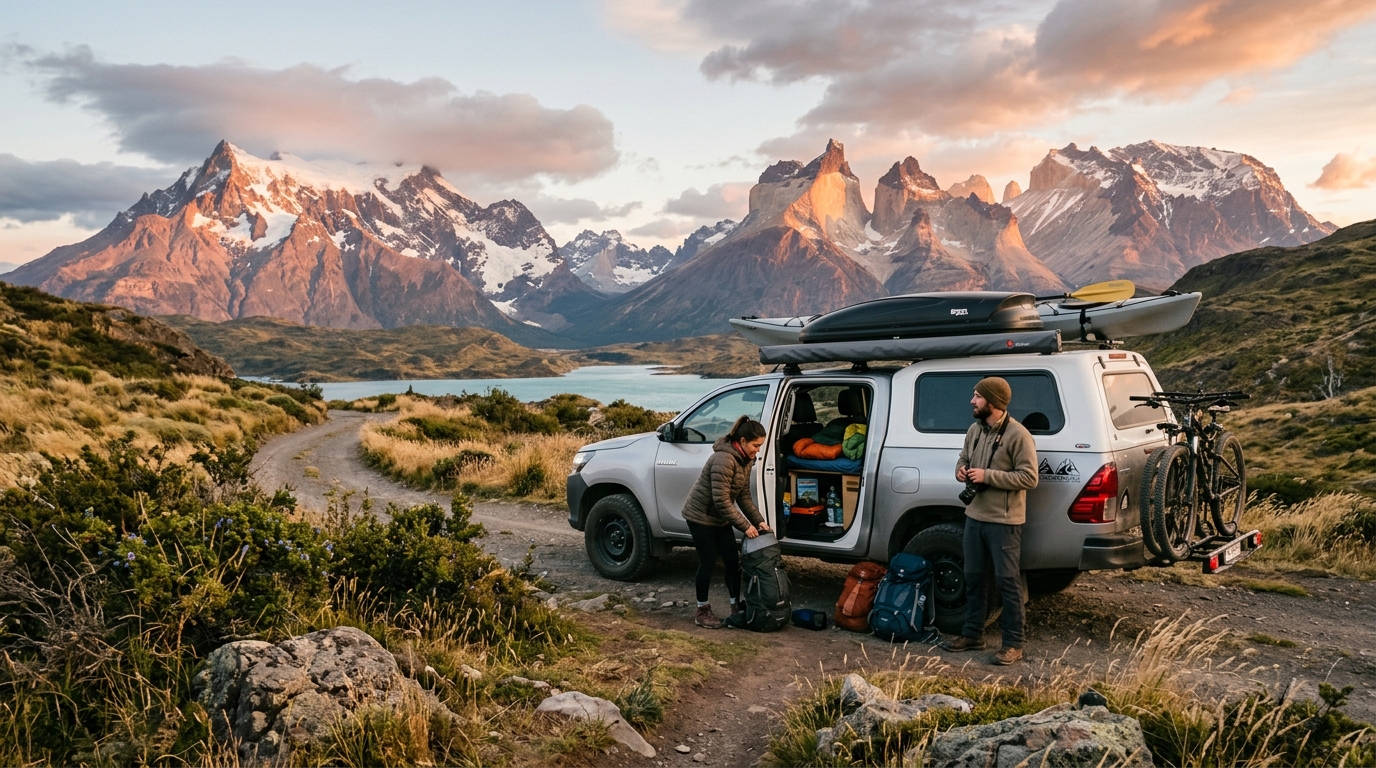
Embarking on a romantic RV rental adventure through Chile with your partner promises an unparalleled journey of discovery and intimacy. From the lunar landscapes of the Atacama Desert to the jagged peaks of Patagonia, Chile offers a dramatic backdrop for couples seeking both adventure and tranquility on the road. With a rented motorhome or campervan, you gain the freedom to explore at your own pace, stopping to savor breathtaking views or impromptu picnics in stunning locations. For live availability and current prices, start with our RV Rental Chile - Complete Guide 2026 guide, which covers all the essential details for your trip.
The 4 RV Families Compared for Chile
Choosing the right RV family is crucial for couples exploring Chile, as its diverse terrain from the Andes mountains to coastal roads and desert landscapes demands specific vehicle capabilities for optimal comfort and adventure. Each of the four main motorhome classes offers distinct advantages in terms of size, maneuverability, and onboard amenities, directly impacting how you experience your trip. Understanding these differences helps couples select an RV rental that best fits their travel style, budget, and desired level of adventure in Chile.
Class A (Integrated) — Best For
Class A integrated motorhomes are best for couples prioritizing spacious luxury and extensive amenities during their Chilean adventure. Across Bandana's global fleet, these vehicles average 7.5 meters in length and typically sleep 4-6 people, offering ample living space for two travelers. With an average fuel consumption of 11-12 Liters/100 km, they provide a comfortable, home-like experience complete with features like a full kitchen, private bathroom, and sometimes even multiple living areas. Class A RVs suit longer trips and travelers who prefer established campgrounds due to their size, which can be a trade-off for maneuverability on Chile's narrower or unpaved rural roads; however, for major highways and dedicated RV parks, they offer unmatched comfort. These models offer an average load capacity of 209.5 kg, suitable for extended gear and supplies for a romantic, self-contained journey. Consider models like the Class A - Thor ACE 30 for an expansive feel, offering dual beds and a spacious kitchen.
Price Comparison by RV Class in Chile
RV rental prices in Chile are dynamic, fluctuating daily based on availability, seasonality, and supplier marketing decisions, similar to flight tickets. The table below provides real example prices from Bandana's live search, offering an estimated cost comparison for different RV classes across varying trip durations in Chile for couples. These indicative prices highlight that factors influencing the final cost include booking lead time, the specific season of travel, and vehicle availability, with peak season (December-February) typically seeing higher rates. This table provides a clear overview to help couples budget their RV rental in Chile, but the final price is always set at the actual booking time. For more specific pricing details, exploring "RV Rental in Chile - Prices and Best Deals 2026" can provide valuable insights.
| RV Class | Average Daily Rate (1 Week) | Average Daily Rate (2 Weeks) | Average Daily Rate (1 Month) |
|---|---|---|---|
| Class B (Campervan) | $120 - $180 USD | $110 - $170 USD | $100 - $160 USD |
| Class SI (Semi-Integrated) | $150 - $220 USD | $140 - $210 USD | $130 - $200 USD |
| Class C (Alcove) | $180 - $280 USD | $170 - $270 USD | $160 - $260 USD |
| Class A (Integrated) | $250 - $400 USD | $230 - $380 USD | $220 - $360 USD |
Class SI (Semi-Integrated) — Best For
Class SI semi-integrated motorhomes are ideal for couples seeking a balanced blend of comfort and maneuverability for their Chilean road trip. Bandana's global fleet averages 6.9 meters in length, comfortably sleeps 2-4 people, and offers an average fuel consumption of 10-11 Liters/100 km. These RVs outperform larger Class A models in agility for navigating varied Chilean terrain, including winding mountain roads, and offer more living space and amenities than a smaller Class B campervan. They are suitable for couples desiring modern comforts, a well-equipped kitchen for preparing delicious meals (RV-friendly recipes playlist is a great resource!), and a separate sleeping area without the bulk of a fully integrated model. The average load capacity of 72.2 kg allows for adequate storage for two travelers, making it a versatile choice for exploring Chile's diverse regions comfortably.
Class C (Alcove) — Best For
Class C alcove motorhomes are best for couples prioritizing cost-efficiency and robust construction for navigating Chile's diverse road network. With an average length of 7.5 meters and sleeping capacity for 4-6 people across Bandana's global fleet, they offer generous interior space, including the distinctive over-cab sleeping area. Though typically offering more sleeping capacity than a couple needs, this translates to extra storage or an expansive living area. These RVs generally have an average fuel consumption of 10-12 Liters/100 km and a typical load capacity of 42.4 kg. Their sturdy build is well-suited for varied Chilean road conditions, from paved highways to gravel roads, making them a practical choice for exploring different regions with a sense of security and space.
Class B (Campervan) — Best For
Class B campervans are perfect for agile couples who prioritize maneuverability, fuel economy, and the ability to explore both urban centers and remote Chilean landscapes. Across Bandana's global fleet, these compact RVs average 5.8 meters in length, sleep 2-3 people, and boast an efficient fuel consumption of 8-10 Liters/100 km. Their smaller footprint makes them easy to park, ideal for driving slowly and carefully on winding roads (like sections of the Carretera Austral), and perfect for discreet wild camping where permitted. While offering fewer amenities than larger classes, they provide essential comforts for couples seeking adventure and flexibility, often including a compact kitchen and a basic bathroom. The average load capacity is 37 kg, suitable for light packing and essential gear for an intimate road trip.
Side-by-Side Comparison Table
This comprehensive table offers a quick comparative overview of key specifications for each motorhome and campervan family available for rental in Chile, helping couples make an informed decision. It assists travelers in quickly assessing which vehicle type best aligns with their travel preferences, budget, and intended Chilean itinerary. Details include average length, ideal sleeping capacity for couples, typical fuel consumption, and the optimal use case specific to Chile's diverse environments. When considering which model to rent, remember that the final price will vary, so checking "Luxury RV Rental in Chile - Premium Prices 2026" or "Cheap RV Rental in Chile - Budget Guide 2026" can provide a clearer picture based on your preferences.
| RV Class | Average Length | Ideal for Couples (Sleeps) | Average Fuel Consumption (Liters/100 km) | Best Use Case in Chile |
|---|---|---|---|---|
| Class A (Integrated) | 7.5 meters | 2 (ample space) | 11-12 | Luxury, long trips, established campgrounds |
| Class SI (Semi-Integrated) | 6.9 meters | 2 (comfortable) | 10-11 | Balanced comfort & maneuverability, diverse roads |
| Class C (Alcove) | 7.5 meters | 2 (extra space/storage) | 10-12 | Cost-efficient, sturdy for varied roads |
| Class B (Campervan) | 5.8 meters | 2 (agile, compact) | 8-10 | Maneuverability, fuel economy, remote exploration |
Our Recommendation for RV Rental for Couples Travelers in Chile
For most couples embarking on an RV rental in Chile, the Class SI (Semi-integrated) motorhome is our primary recommendation. It strikes an excellent balance between comfort, amenities, and maneuverability, making it well-suited for diverse Chilean roads and ensuring a pleasant experience for two. Its manageable size allows for easier navigation of cities (remember to drive slowly and carefully, and you can drive almost anywhere without issues) and more rural routes than larger Class A models, while still providing a comfortable living space with all the essential features. As a strong runner-up, the Class B (Campervan) is highly recommended for adventurous couples prioritizing maximum agility, fuel efficiency, and access to more remote areas or discreet camping spots, especially along routes like the Carretera Austral, where flexibility is key. Ultimately, the best choice depends on your specific travel style and desired level of comfort, so consider how you envision your journey.
What are the main route planning challenges and best navigation tools for couples RVing in Chile?
The main route planning challenges for couples RVing in Chile include navigating extensive unpaved sections, particularly in regions like Patagonia, traversing mountain passes with variable weather conditions, and coordinating ferry crossings on routes such as the Carretera Austral. Essential navigation tools include offline map applications like Maps.me or iOverlander for identifying campsites, a reliable GPS device, and a physical paper map as a crucial backup, given potential gaps in cellular service in remote areas. Couples should familiarize themselves with Chilean road signage and be prepared for variable road conditions, especially after adverse weather, ensuring their chosen RV can handle the expected terrain for their chosen RV PLANET routes.
What safety precautions should couples take when renting an RV in Chile?
Couples should take proactive safety precautions when renting an RV in Chile, including researching specific crime risks like vehicle theft in urban centers and employing deterrents such as using secure, well-lit parking, not leaving valuables visible, and locking all doors and windows. Preparedness for natural disasters is crucial in Chile; understanding earthquake and tsunami evacuation routes, being aware of volcanic activity warnings, and having a plan for severe weather events is essential. Carrying a comprehensive first-aid kit, maintaining a list of local emergency contacts, and ensuring a working mobile phone with a local SIM card (or a satellite device in very remote areas) are vital for personal safety, providing peace of mind during your trip.
What vehicle preparation and maintenance are essential for RV travel in Chile's conditions?
Essential vehicle preparation for RV travel in Chile's diverse conditions includes thoroughly checking tire pressure, tread, and carrying a full-sized spare, as well as ensuring all fluid levels are optimal for high-altitude or dusty environments. Couples should familiarize themselves with basic RV mechanics to identify common issues specific to the region's rugged roads and know how to source RV-specific parts or find reliable repair services in remote locations. It's advisable to verify the RV's ground clearance and undercarriage protection for unpaved roads and inquire about the rental provider's roadside assistance policy before embarking, giving you confidence on the road. We also offer optional top-level deductible reimbursement for extra peace of mind.
How can couples ensure reliable connectivity and communication while RVing in remote Chile?
Couples can ensure reliable connectivity and communication while RVing in remote Chile by purchasing a local SIM card from major providers like Entel or Movistar upon arrival, which generally offer the best coverage in populated areas. For truly isolated areas, especially in Patagonia or the Atacama Desert, investing in or renting a satellite communication device (e.g., satellite messenger or phone) is highly recommended for emergencies, as cell service can be intermittent or nonexistent. Always download offline maps and pre-load essential contact information, and inform a trusted contact of your itinerary, ensuring you're always connected when it matters most.
Is wild camping permitted for RVs in Chile and what permits are needed for national parks?
Wild camping, also known as boondocking, is generally tolerated in many remote and rural areas of Chile, particularly along less-developed routes, but couples should always seek permission from landowners or local authorities if unsure. It is crucial to practice Leave No Trace principles, respect private property signage, and maintain a low profile to foster positive relationships with local communities and protect Chile's pristine nature. Specific permits are required for camping within Chile's national parks and protected areas, with designated campsites often needing to be booked in advance or paid for upon arrival at park entrances or CONAF (National Forest Corporation) offices. Many national parks reserve only 25-30% of spots for advance booking, with the rest available first-come-first-serve, so call ahead before driving.
How do couples manage water, food, and waste responsibly during an RV trip in Chile?
Couples can manage water responsibly by securing potable water from designated campgrounds, municipal sources, or reliable gas stations, and carrying a water filter or purification system for added security, especially in remote areas. For food sourcing, local markets (ferias) offer fresh produce, and couples should prioritize non-perishable items for remote areas while practicing food safety to prevent spoilage. Responsible waste management involves carrying out all trash, utilizing designated recycling points where available, and strictly disposing of greywater and blackwater at approved dump stations to protect Chile's pristine natural environments, ensuring your adventure is sustainable. On the routes offered through RV PLANET routes, you can itemize and track every expense along the way for easy budgeting.
What is the full budget breakdown for an RV trip for couples in Chile, beyond just rental fees?
Beyond the RV rental fees, a full budget breakdown for couples RVing in Chile must include substantial fuel costs, given average consumption rates of 8-17 Liters/100 km and varying prices throughout the country. Couples should budget for diverse camping options, ranging from free wild camping spots to paid campgrounds offering amenities that can cost $15-$40 USD per night, and factor in national park entrance fees of around $5-$15 USD per person per park. Food expenses, whether from local markets or occasional dining, ferry costs (e.g., for certain sections of Patagonia's Carretera Austral, which can range from $30-$100 USD per vehicle), vehicle insurance beyond the basic rental coverage, and a contingency fund for unexpected expenses (e.g., minor repairs, medical needs) are also critical considerations. On RV PLANET routes, travelers can itemize and track every expense along the way for easy budgeting.
What cultural etiquette should couples know for RVing and interacting with locals in Chile?
Couples RVing in Chile should be aware of cultural etiquette, including making an effort to use basic Spanish phrases like 'Hola' (hello), 'Gracias' (thank you), and 'Por favor' (please) when interacting with locals, as English proficiency is not widespread outside major tourist hubs. Understanding Chilean driving culture, which can be more assertive in cities and relaxed in rural areas, involves driving defensively, signaling clearly, and exercising patience. Respectfully engaging with communities by supporting local businesses, being mindful of noise levels at campsites, and understanding the concept of 'siesta' in smaller towns can enhance your experience and foster positive interactions, enriching your overall journey through Chile.
Can couples rent an RV for extended periods in Chile and what are the logistics?
Yes, couples can absolutely rent an RV for extended periods in Chile, with many rental companies offering better daily rates for longer durations, such as a month or more. Logistics for extended stays in Chile include ensuring your travel visa allows for the desired duration (most tourist visas for many nationalities are 90 days, which can often be extended once within Chile), and confirming the RV rental company's policy on maintenance for longer trips, including any scheduled checks or services. For very long-term rentals, couples should consider comprehensive travel health insurance with sufficient coverage, research local banking options for easier transactions and budgeting, and understand the practicalities of resupplying in remote areas over several weeks or months. For more flexible options, searching "One-Way RV Rental in Chile - Price Guide 2026" or "RV Rental Deals in Chile - Latest Offers 2026" might reveal suitable opportunities.
🎬 Video coming soon
What You Shouldn't Miss
- **Patagonia's Wonders:** Drive a rented motorhome along sections of the Carretera Austral to witness the Marble Caves (Capillas de Mármol) and trek in Torres del Paine National Park, where glacial lakes meet towering granite spires.
- **Atacama Desert's Alien Landscapes:** Explore the Valley of the Moon and the Valley of Death near San Pedro de Atacama, where sunset views over otherworldly formations create truly romantic moments. Don't miss El Tatio Geysers at sunrise.
- **The Lake District's Charm:** Wander through charming towns like Puerto Varas with views of snow-capped Osorno Volcano, and take a ferry across pristine lakes, perfect for a peaceful couple's retreat.
- **Valparaíso's Colorful Hills:** Park your campervan outside the city and explore the bohemian, UNESCO-listed port city of Valparaíso with its vibrant street art, historic funiculars, and incredible seafood. Remember, drive slowly and carefully, and you can drive almost anywhere without issues.
- **Wine Region Delights:** Tour the Colchagua Valley or Maipo Valley by RV, sampling world-class Chilean wines and enjoying gourmet meals at picturesque vineyards, a perfect indulgence for two.
- Looking for expert insights from Avi Bandana? Top 5 Adventures — recommendations from Avi Bandana
Final Thoughts
A romantic RV rental for couples in Chile is more than just a trip; it's an invitation to forge unforgettable memories against a backdrop of unparalleled natural beauty. Imagine sharing intimate moments under the clearest skies in the Atacama, or waking up to breathtaking views of Patagonian glaciers, all from the comfort of your mobile home. Whether you opt for the agility of a campervan or the spacious luxury of a larger motorhome, the freedom of RV travel allows you to truly connect with each other and with the incredible landscapes of Chile.
We're here to support you every step of the way, from comparing the best deals among our trusted suppliers to coordinating your booking. Let us help you plan a trip itinerary in advance with minimal effort and maximum enjoyment, ensuring your Chilean RV adventure is everything you've dreamed of. Discover top destinations, planning tips, all in one place and begin your journey today.
Ready to embark on your Chilean adventure? Compare RV Rental for Couples Prices in Chile now and find the perfect motorhome for your romantic escape!