In This Guide
- Best Chile RV Itinerary for RV Rental for Couples - Overview
- 7-Day Classic Route in Chile
- 14-Day Extended Journey in Chile
- Recommended RVPlan Trip for Chile
- Must-See Stops Along the Way (Avi Bandana Picks)
- Daily Driving Distances & Drive Times in Chile
- Best RV Class for This Itinerary - Couple & Family Picks
- What to Know Beyond RV Rental in Chile? (Bringing Your Own, Border Crossings, Long-Term Stays)
- What are the Specific RV Driving Regulations in Chile?
- How Much Does an RV Trip in Chile Truly Cost?
- What are Chile's Road Conditions and Driving Challenges?
- Practical Tips for RV Life in Chile: Water, Connectivity, Maintenance, and Fuel
- How to Ensure Cultural Immersion and Responsible Travel in Chile?
Best Chile RV Itinerary for RV Rental for Couples - Overview
An unforgettable RV adventure for couples through Chile's stunning landscapes can be easily crafted, offering freedom and intimacy. We generally recommend a minimum duration of 7 days for a taste of the central region, extending up to 14 days or more for a truly in-depth exploration of diverse areas like Patagonia or the Atacama Desert. While planning your journey, you'll find comprehensive information in our RV Rental Chile - Complete Guide 2026. For a truly relaxed and immersive experience, we encourage slow travel, aiming for around 100-150 km (60-90 miles) per driving day. This pace allows ample time for spontaneous stops, soaking in the scenery, and connecting with local culture, food, and people, which is what RV travel is all about. The optimal season for RV travel in Chile, especially for couples seeking pleasant weather, is typically from October to April, aligning with the Southern Hemisphere's beautiful spring and summer.7-Day Classic Route in Chile
A classic 7-day RV itinerary for couples in Chile often focuses on the country's central heartland, blending culture, wine, and coastal beauty. * **Day 1: Santiago → Pomaire / Casablanca Valley (approx. 70 km / 43 mi).** Begin your journey by heading west from Santiago, first to Pomaire to explore unique artisan crafts and pottery, then continuing to the Casablanca Valley for a delightful afternoon of wine tasting. Imagine sipping fine Chilean Sauvignon Blanc amidst sprawling vineyards. You can easily find a local vineyard or campground to park your rented motorhome for the night. * **Day 2: Casablanca Valley → Valparaíso / Viña del Mar (approx. 100 km / 62 mi).** Drive to the coast to discover the vibrant, UNESCO-listed street art and colorful cerros (hills) of Valparaíso, then relax on the sophisticated beaches of Viña del Mar. A beachfront campground near Viña del Mar offers a perfect end to your day. * **Day 3: Valparaíso → La Campana National Park (approx. 80 km / 50 mi).** Head inland to this UNESCO Biosphere Reserve for invigorating hikes among ancient Chilean palms, providing a stunning natural contrast to the urban coast. Designated park camping or nearby private campgrounds offer serene overnight stays. * **Day 4: La Campana NP → Olmué / Limache (approx. 50 km / 31 mi).** Continue to the charming rural towns of Olmué or Limache, known for their thermal baths and lively local markets. This is a great opportunity to stock your RV kitchen with fresh produce. For some inspiration on what to cook, check out our RV-friendly recipes playlist. Find a cozy campground in Olmué. * **Day 5: Olmué → Pichilemu (approx. 150 km / 93 mi).** Journey to the Pacific coast, arriving in Pichilemu, a renowned spot for world-class surfing. Even if you're not riding the waves, the laid-back beach vibes are infectious. Secure a spot at a beachfront campground and enjoy the ocean breeze. * **Day 6: Pichilemu → Santa Cruz (Colchagua Valley) (approx. 120 km / 75 mi).** Turn south to the prestigious Colchagua Valley, where you can indulge in premium wine tastings at some of Chile's most famous wineries and visit the excellent Colchagua Museum. Spending the night at a vineyard campground truly enhances the experience. * **Day 7: Santa Cruz → Santiago (approx. 180 km / 112 mi).** Conclude your week-long trip by returning to Santiago, where you'll drop off your rented RV, filled with memories of Chile's diverse offerings.14-Day Extended Journey in Chile
An extended 14-day RV journey in Chile allows couples to delve deeper into its varied regions, from the central valleys to the majestic Lakes & Volcanoes District and the gateway to Patagonia. This route encourages a slightly faster pace on longer travel days or suggests RV relocation/domestic flights to cover vast distances. **Central Valley & Coast (Days 1-5):** * **Day 1: Santiago → Pomaire / Casablanca Valley (approx. 70 km / 43 mi).** Enjoy wine tasting and artisan crafts, settling your campervan at a scenic vineyard. * **Day 2: Casablanca Valley → Valparaíso / Viña del Mar (approx. 100 km / 62 mi).** Explore vibrant coastal cities, relaxing at a campground near Viña. * **Day 3: Valparaíso → La Campana National Park (approx. 80 km / 50 mi).** Hike among Chilean palms; overnight in park camping. * **Day 4: La Campana NP → Olmué / Limache (approx. 50 km / 31 mi).** Discover local markets and hot springs, parking your motorhome at a peaceful campground. * **Day 5: Olmué → Pichilemu (approx. 150 km / 93 mi).** Experience the Pacific coast and its famous surfing, staying at a beachfront campground. **Lakes & Volcanoes Region (Days 6-10):** * **Day 6: Pichilemu → Pucón (approx. 500 km / 310 mi - *longer driving day or requires domestic flight/RV relocate*).** For couples seeking diverse scenery, this segment can be covered by a longer drive, or you might consider flying south and picking up a new RV rental in a city like Temuco or Pucón. Pucón is an adventure hub nestled by Lake Villarrica and its active volcano. Stay at a campground near Lake Villarrica. * **Day 7: Pucón – Villarrica National Park (approx. 30 km / 18 mi).** Hike to volcanic hot springs, explore diverse trails, and enjoy the stunning natural beauty. Return to a campground in Pucón. * **Day 8: Pucón → Valdivia (approx. 170 km / 105 mi).** Drive to the charming river city of Valdivia, famous for its historic market and sea lion inhabitants. A riverfront campground provides a unique overnight experience. * **Day 9: Valdivia → Frutillar / Puerto Varas (approx. 150 km / 93 mi).** Explore towns with distinct German colonial architecture and breathtaking lake views with active volcanoes as backdrops. Settle into a scenic lakefront campground. * **Day 10: Puerto Varas → Petrohué Falls & Osorno Volcano (approx. 80 km / 50 mi).** Discover the mesmerizing emerald Petrohué Falls and explore the scenic trails around Osorno Volcano. Return to a campground near Puerto Varas. **Patagonia Gateway (Days 11-14):** * **Day 11: Puerto Varas → Hornopirén (approx. 150 km / 93 mi - *includes ferry*).** Begin the iconic Carretera Austral adventure, which involves scenic driving and your first vehicle ferry crossing. Bookings for ferries are crucial, especially during peak season, so plan ahead. Stay at a campground in Hornopirén. * **Day 12: Hornopirén → Chaitén (approx. 100 km / 62 mi - *includes ferry*).** Continue along the Carretera Austral, navigating more stunning landscapes and another ferry crossing, arriving at Chaitén, a gateway to the pristine Pumalín Douglas Tompkins National Park. Find a campground in Chaitén. * **Day 13: Chaitén → Futaleufú (approx. 80 km / 50 mi).** Venture to Futaleufú, world-renowned for its white-water rafting opportunities and spectacular mountain scenery. It's a perfect spot for adventurous couples. Pitch your mobile home at a campground in Futaleufú. * **Day 14: Futaleufú → Chaitén / Return (approx. 80 km / 50 mi).** Prepare for your RV drop-off in Chaitén or continue your journey deeper into Patagonia for an even longer adventure.Recommended RVPlan Trip for Chile
Planning an RV trip in Chile can feel like a big task, especially when you want to ensure every detail contributes to a romantic and adventurous getaway. While a specific RVPlan trip for Chile isn't currently available for direct booking, we highly recommend exploring the curated itineraries offered through RV PLANET (rvplan.net). These expertly designed route plans, crafted by seasoned travel professionals, provide comprehensive daily breakdowns, points of interest, and campsite suggestions to simplify your adventure planning. You can find a range of options on RV PLANET to inspire and guide your Chilean RV journey, allowing you to itemize and track every expense along the way for easy budgeting and full transparency. Take advantage of our 25% planning discount when you use RV PLANET to organize your next adventure. Discover top destinations, planning tips, all in one place!Must-See Stops Along the Way (Avi Bandana Picks)
When planning your RV adventure in Chile, Avi Bandana, the founder of Bandana Caravan and a true RV specialist, recommends focusing on authentic local experiences and breathtaking natural wonders that truly immerse you in the country's spirit. Looking for expert insights from Avi Bandana? Top 5 Adventures - recommendations from Avi Bandana include: * **Traditional Visit:** Seek out small, family-run vineyards in the Colchagua or Casablanca valleys for a personal tasting experience. Many offer intimate tours led by the owner themselves, providing a deep dive into Chilean winemaking that you won't find at larger establishments. * **Traditional Restaurant:** Look for a 'picada' - a small, unpretentious eatery serving hearty, traditional Chilean dishes like 'pastel de choclo' (corn pie) or 'cazuela' (a robust stew). In coastal towns, venture to local 'caletas' (fishing coves) where you can often enjoy incredibly fresh seafood caught just hours before. These authentic culinary stops offer a true taste of Chile. * **Traditional Market:** Immerse yourselves in the vibrant 'ferias' (local markets) in towns like Valdivia or Puerto Varas. These bustling markets are ideal places to find regional produce, unique artisan crafts, and to interact with locals, observing daily life firsthand. It's also a fantastic way to gather fresh ingredients for your RV kitchen. * **Local Industry:** Consider visiting a salmon farm in the Lakes District to understand Chile's aquaculture industry, or an olive oil producer in the central region for insight into agricultural traditions and unique tasting opportunities. These visits provide a deeper appreciation for the country's economy and local craftsmanship.Daily Driving Distances & Drive Times in Chile
Avi Bandana recommends a maximum of 100 miles or 150 km per day on average for RV travel in Chile, allowing couples to truly savor the journey and avoid rushed experiences. This promotes slow travel, giving you ample time for spontaneous stops at scenic viewpoints, exploring charming towns, and relaxing at your campsite without feeling pressured by long driving hours. For those considering a One-Way RV Rental in Chile - Price Guide 2026, remember that even with longer routes, breaking up the driving days is key to enjoyment. Example drive-time estimates for a rented campervan or motorhome: * **Santiago to Valparaíso:** Approximately 120 km (75 miles), typically taking 1.5 to 2 hours without heavy traffic. This is a common first leg for many couples. * **Pucón to Puerto Varas:** Around 200 km (125 miles), which can take 2.5 to 3.5 hours, traversing scenic Ruta 5 Sur through the Lakes District. * **Puerto Montt to Hornopirén (Carretera Austral start, including ferry wait):** This stretch, while shorter in kilometers (approx. 110 km / 68 miles), can take 3-5 hours due to essential ferry schedules and loading times. Planning for these unique segments is crucial.Best RV Class for This Itinerary - Couple & Family Picks
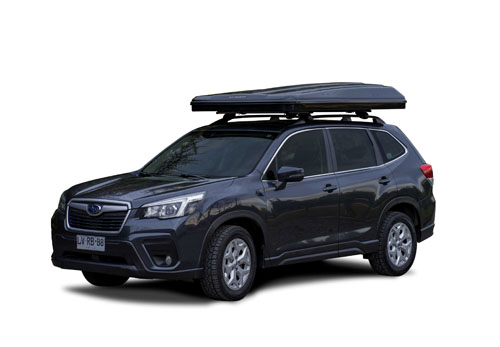
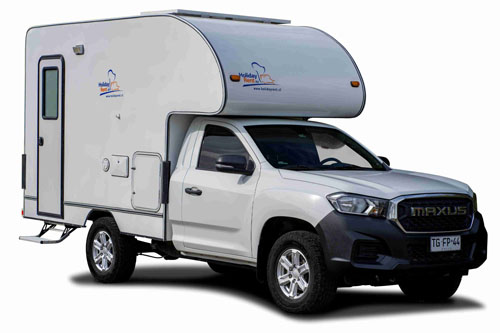
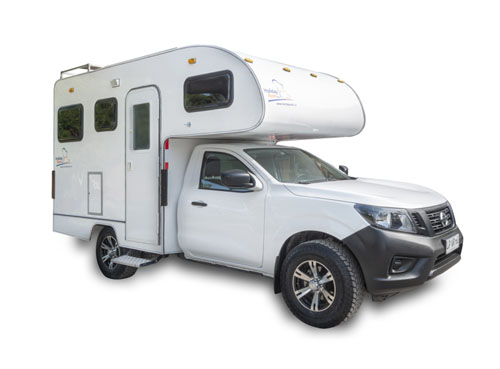
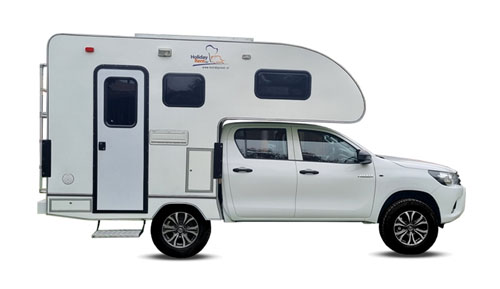
Choosing the right RV class significantly enhances your Chilean adventure for couples, balancing comfort with maneuverability. Bandana specializes in motorhome and campervan rentals, ensuring you find the perfect fit for your romantic getaway. For competitive rates, check out "RV Rental in Chile - Prices and Best Deals 2026". * **Ideal for Couples: Class B - Camper Van.** For couples, a Class B Camper Van is often the best choice for a rental in Chile. Bandana's fleet typically features Class B Camper Vans averaging 5.8 meters in length, offering comfortable sleeping for 2 and seating for 3-4 people. These compact mobile homes generally have an average load capacity of 37 kg and boast excellent fuel consumption, often around 8-10 Liters/100 km. Their agile size makes them perfect for navigating both bustling city streets and winding rural roads, providing an intimate and flexible travel experience. They usually come equipped with a shower and toilet, ensuring convenience on the road. * **Ideal for Families: Class C - Alcove.** While this article focuses on couples, it's worth noting that for couples traveling with children, a Class C Alcove RV provides ample space and amenities. Bandana's global fleet of Class C Alcoves averages 7.5 meters in length, comfortably sleeping about 4-6 people and accommodating 4-5 adults. These larger motorhomes typically offer an average load capacity of 42.4 kg and fuel consumption around 10-12 Liters/100 km, providing the extra room and facilities needed for a comfortable family road trip, including dedicated sleeping areas. To streamline your planning, Bandana offers a 'Rent&Plan' service, combining your RV rental with ready-made itinerary ideas crafted by travel experts. This service provides full access to trip-planning software, eliminating the headache of organizing your route. You can upgrade to a top-level deductible for extra peace of mind, an optional upgrade not included by default in your rental.What to Know Beyond RV Rental in Chile? (Bringing Your Own, Border Crossings, Long-Term Stays)
Beyond simply renting a campervan, adventurers planning an extended trip to Chile should understand specific considerations for bringing their own vehicle, navigating border crossings, and managing long-term stays. For visitors interested in long-term exploration, comparing Luxury RV Rental in Chile - Premium Prices 2026 for extended periods might be beneficial. * **Bringing Your Own RV:** If importing an RV from outside Chile, be prepared for complex customs procedures, temporary import permits (TIPs), and potential homologation requirements for foreign vehicles. Research these processes well in advance, as they can be time-consuming and costly, requiring specific vehicle documentation. * **Border Crossings:** Crossing land borders, particularly into neighboring Argentina, requires specific vehicle documentation. This often includes the original vehicle registration, a valid insurance policy covering both countries, and a notarized authorization if the RV is rented or not owned by all occupants. Travelers should always confirm current regulations with the respective consulates prior to travel, as rules can change. This is especially true for one-way RV rentals. * **Long-Term Stays:** For stays exceeding the standard 90-day tourist allowance, foreign nationals may need to apply for a visa extension or a temporary residence visa. This involves bureaucratic processes and usually requires showing proof of sufficient funds and onward travel plans. Start this process early if you plan an extended stay with your rented motorhome. * **Vehicle Insurance:** Ensure your personal vehicle insurance or the rental insurance covers international travel and adheres to specific Chilean regulations. Standard policies may not suffice for cross-border journeys or extended periods in your rented motorhome.What are the Specific RV Driving Regulations in Chile?
Chile has specific driving regulations for all vehicles, including rented RVs and campervans, that travelers must adhere to, which can sometimes differ from standard car rules, especially regarding required safety equipment and urban navigation. * **Required Safety Equipment:** All vehicles, including RVs, motorhomes, and campervans, must carry a reflective safety vest, a warning triangle, a fire extinguisher, and a spare tire with changing tools. While larger vehicles generally follow these same guidelines, it's always wise to confirm if your specific rental requires anything additional. * **Specific Permits for Larger Vehicles:** While there are no explicit "permits" solely for RVs based on size, larger rented motorhomes may encounter restrictions on certain narrow mountain passes or in historical urban centers. Drivers should always be aware of posted height and weight limits for tunnels, bridges, and certain city zones. * **Urban Driving Nuances:** In cities like Santiago, driving an RV rental can be challenging due to heavy traffic, often narrow streets, and limited parking. Instead of stressing, drive slowly and carefully, and you can navigate almost anywhere without issues. Use common sense and pay attention to signage. Planning routes that avoid central business districts during peak hours is highly recommended for a smoother experience. * **Speed Limits:** Standard speed limits apply to RVs and motorhomes in Chile: 50 km/h (31 mph) in urban areas, 100 km/h (62 mph) on rural roads, and 120 km/h (75 mph) on highways. However, these limits can be lower for larger vehicles or on unpaved or winding roads, so always pay attention to road signs. * **Documentation:** Always carry your valid driver's license (the minimum driver age for RV rental in Chile is 21), vehicle registration, and insurance documents. An International Driving Permit (IDP) is highly recommended for visitors from non-English-speaking countries, though it is not mandatory in most cases.How Much Does an RV Trip in Chile Truly Cost?
The true cost of an RV trip for couples in Chile extends far beyond the RV rental fee itself, encompassing fuel, tolls, ferries, campground fees, groceries, and activity budgets, which vary significantly by region and travel style. For those on a tighter budget, our "Cheap RV Rental in Chile - Budget Guide 2026" offers valuable insights. * **Fuel Availability and Cost:** Diesel (Gasoil) is generally cheaper than gasoline and widely available across Chile. However, prices can fluctuate regionally, with more remote areas (like parts of Patagonia) often having higher costs. Budgeting is crucial, as fuel can be a significant expense, especially for longer journeys. * **Tolls:** Many Chilean highways, particularly around major cities like Santiago, have electronic tolls (often using a TAG system) or manual toll booths. Factor these into your budget, especially on frequently used routes like Ruta 5. * **Ferry Costs:** Crucial for journeys along the Carretera Austral or for island hopping, ferry costs can be substantial and vary by vehicle size and route. Booking in advance is often essential, particularly during peak season from December to February. * **Campground Fees:** Expect to pay between $10-$30 USD per night for equipped campsites with amenities like electrical hookups and hot showers. More basic 'camping salvaje' (wild camping) options are often free but lack amenities. * **Groceries:** Supermarket prices in Chile are comparable to many Western countries. However, local markets ('ferias') can offer fresher, more affordable produce, meats, and other essentials. Budgeting $50-$80 USD per day for two people for groceries is a reasonable estimate for preparing your own meals in your rented motorhome. * **Activity Budgets:** Allocate funds for national park entrance fees (e.g., Torres del Paine can be $30-$40 USD per person), guided tours (like volcano treks or boat trips), and adventure sports such as rafting or kayaking, which can range from $50-$200 USD per activity. When planning your spending, consider exploring "RV Rental Deals in Chile - Latest Offers 2026" to maximize your savings.What are Chile's Road Conditions and Driving Challenges?
Chile's incredibly diverse geography presents a wide array of road conditions and driving challenges, requiring specific awareness beyond just Patagonia, from the arid north to the mountainous south. Knowing what to expect ensures a smoother, more enjoyable trip for couples in their rented RV. * **Unpaved Roads in the Atacama:** The Atacama Desert in the north features numerous unpaved, gravel roads. While many are navigable by standard RVs, some remote tracks may require 4x4 vehicles. Dust, washboard surfaces (corrugations), and a lack of signage can be significant challenges, so always drive carefully and carry reliable navigation. * **Mountain Passes:** Throughout the Andes mountain range, mountain passes can be steep, winding, and subject to rapid weather changes, including snow and ice during colder months (June-September). Vehicle preparedness (e.g., carrying snow chains if traveling in shoulder seasons or winter) is crucial. Always check weather and road conditions before attempting passes. * **Carretera Austral's Unique Ferry System:** A highlight for many RVers, this iconic route (Route 7) is predominantly gravel and relies on multiple ferry crossings to bypass fjords and lakes. Understanding ferry schedules, booking procedures (some need to be reserved well in advance), and potential delays is vital for planning your route through this stunning, wild region. * **Rural Roads:** Outside major highways, many roads in Chile are single-lane, poorly maintained, or unpaved, particularly in more remote agricultural or wilderness areas. These conditions demand slower speeds and increased caution, especially when encountering oncoming traffic or local farm vehicles. * **Wildlife:** Be vigilant for animals on roads, particularly in rural and remote areas. Guanacos (similar to llamas) are common in Patagonia, and stray livestock can appear unexpectedly on country roads. * **Seasonal Variations:** Road conditions vary drastically by season across Chile. Summer (December-February) generally offers the best and most predictable conditions, while winter (June-August) brings snow, ice, and potential road closures in higher elevations, particularly in the Andes and parts of Patagonia. Always check local reports.Practical Tips for RV Life in Chile: Water, Connectivity, Maintenance, and Fuel
Mastering the practicalities of RV life in Chile, including water and dump station availability, reliable connectivity, vehicle maintenance, and understanding fuel types, is essential for a smooth and enjoyable trip for couples. Planning ahead for these details prevents unnecessary stress. * **Water/Dump Station Availability:** Water refill points and dump stations for your campervan's grey and black water tanks can be less common in remote areas compared to more developed RV destinations. Plan to utilize campgrounds or gas stations in larger towns for these services. Apps like iOverlander or RV-specific guidebooks can be invaluable resources for locating available spots along your route. Remember, we don't help find campsites during rental, so rely on resources like RV PLANET (rvplan.net). * **Connectivity (Cell Service, Wi-Fi):** Cell service (3G/4G) is generally good in populated areas and along major routes. However, it becomes sporadic or nonexistent in many remote regions, especially in the vastness of Patagonia or the Atacama Desert. Purchasing a local SIM card (Entel, Movistar, Claro) upon arrival is highly recommended for staying connected. Wi-Fi is often available at larger campgrounds and cafes in towns. * **Local Vehicle Maintenance/Repair Options:** Basic vehicle maintenance and repair shops ('mecánicas') are found in most towns across Chile. However, specialized RV parts or intricate repairs might be difficult to source quickly. Ensure your rental motorhome is well-serviced before departure and address any concerns with your supplier, such as El Monte, Cruise America, Apollo, or Britz, before hitting the road. * **Fuel Types (Diesel vs. Gasoline):** Most RVs and motorhomes available for rental in Chile run on Diesel (Gasoil), which is widely available at service stations. Always confirm your specific RV rental's fuel type at pickup. Be aware that gasoline stations can be scarce in very remote areas; if venturing off main routes, carrying an extra jerry can of fuel is a sensible precaution. * **Propane/Gas:** Verify the type of gas canister used by your RV for cooking and heating, and inquire about where to refill it. Chilean standards may differ from what you're used to in your home country.How to Ensure Cultural Immersion and Responsible Travel in Chile?
Ensuring cultural immersion and practicing responsible travel is paramount for couples exploring Chile, fostering meaningful experiences while respecting local communities and the country's breathtaking environment. It's all about making mindful choices. * **Interacting with Locals:** Learn basic Spanish phrases such as 'Hola' (hello), 'Gracias' (thank you), and 'Por favor' (please). A genuine effort to communicate in Spanish, even if imperfect, is highly appreciated by Chileans and opens doors to richer interactions and unique local insights. * **Understanding Chilean Customs:** Be aware of local customs. For example, a common greeting between women, or a woman and a man, is a light kiss on the cheek. Punctuality is often more relaxed than in some Western cultures. Patience and politeness go a long way in navigating daily interactions. * **Sourcing Local Food:** Prioritize buying fresh produce, meats, and artisanal goods from 'ferias' (local markets) or small family-owned shops. This directly supports local economies and allows you to enjoy authentic Chilean flavors. Cooking fresh, local ingredients in your rented RV is a fantastic way to deepen your immersion. * **'Leave No Trace' Principles:** Adhere strictly to 'Leave No Trace' principles in Chilean national parks and wilderness areas. This includes packing out all trash, staying on marked trails, minimizing campfire impact (or using a stove), and respecting wildlife by observing from a distance without disturbing them. Chile's natural beauty depends on responsible visitors. * **Water Conservation:** In many regions of Chile, especially the arid north or during dry summer months, water is a precious resource. Be mindful of your water usage in your RV and at campsites, conserving whenever possible. * **Support Local Businesses:** Choose locally owned restaurants, tour operators, and craft shops over large international chains. This ensures your tourism dollars benefit the community directly, contributing to sustainable local development and authentic experiences.Final Thoughts
An RV adventure through Chile offers an unparalleled opportunity for couples to create truly unique and romantic memories. Imagine waking up to a different stunning vista each day, from the dramatic peaks of the Andes to the serene beauty of a vineyard, all from the comfort of your rented motorhome. It’s about more than just seeing the sights; it’s about experiencing the journey together, at your own pace, sharing intimate moments under vast Chilean skies. Whether you opt for a week-long immersion in the Central Valley or an extended road trip into the heart of Patagonia, the freedom of an RV rental allows for spontaneity and deep connection with nature and culture. With careful planning and our expert guidance, your Chilean adventure will be filled with discoveries, delicious food, and unforgettable experiences. Don't just dream about it – make it a reality. Compare Motorhome Prices for Chile and start planning your perfect couples' escape today. Life is now, so get inspired for your next trip!On the routes offered through RV PLANET routes, you can itemize and track every expense along the way for easy budgeting.