For live availability and current prices, start with our RV Rental Stuttgart - Complete Guide 2026 guide.
In This Guide
- Can You Drive an RV in Stuttgart? License & Age Rules
- Road Conditions & Terrain in Stuttgart
- RV Size Limits, Bridges & Restricted Zones
- Fuel: Diesel vs. Petrol & Cost per 100 km
- Tolls, Vignettes & Border Rules
- Driving Tips for rv rental for couples Travelers
- Recommended RV Class for Stuttgart Roads
- Should I Choose a Compact Van Instead of a Large RV in Stuttgart?
- Can I Park Anywhere? Free & Wild Camping Rules in Stuttgart
- Can I Drive an RV Into the City Center? Heights, Tunnels & Local Signage
- Do you need a special license to rent and drive an RV?
- Can you rent an RV in Germany?
- Can an 80 year old hire a motorhome?
- Are RVs allowed in Germany?
- Can you sleep anywhere in a campervan in Germany?
- Can I rent an RV with a driver's license?
- Can you drive an RV with a regular license in the USA?
- How does insurance work when renting an RV?
- How much does RV rental insurance cost?
- What is the best company to rent an RV from?
Can You Drive an RV in Stuttgart? License & Age Rules
In Germany, most RVs up to 3,500 kg (7,700 lbs) can be driven with a standard Category B driving license, which is typically sufficient for many couples' RV rentals in Stuttgart. Drivers holding a Category B license can operate vehicles with a maximum authorized mass (MAM) of up to 3,500 kg. Older German Class 3 licenses allow driving vehicles up to 7,500 kg MAM. The minimum driver age for RV rental typically ranges from 21 to 25 years, even though the legal driving age is 18. Non-EU citizens may need an International Driving Permit (IDP) in addition to their national license when renting an RV in Stuttgart, Germany.
Road Conditions & Terrain in Stuttgart
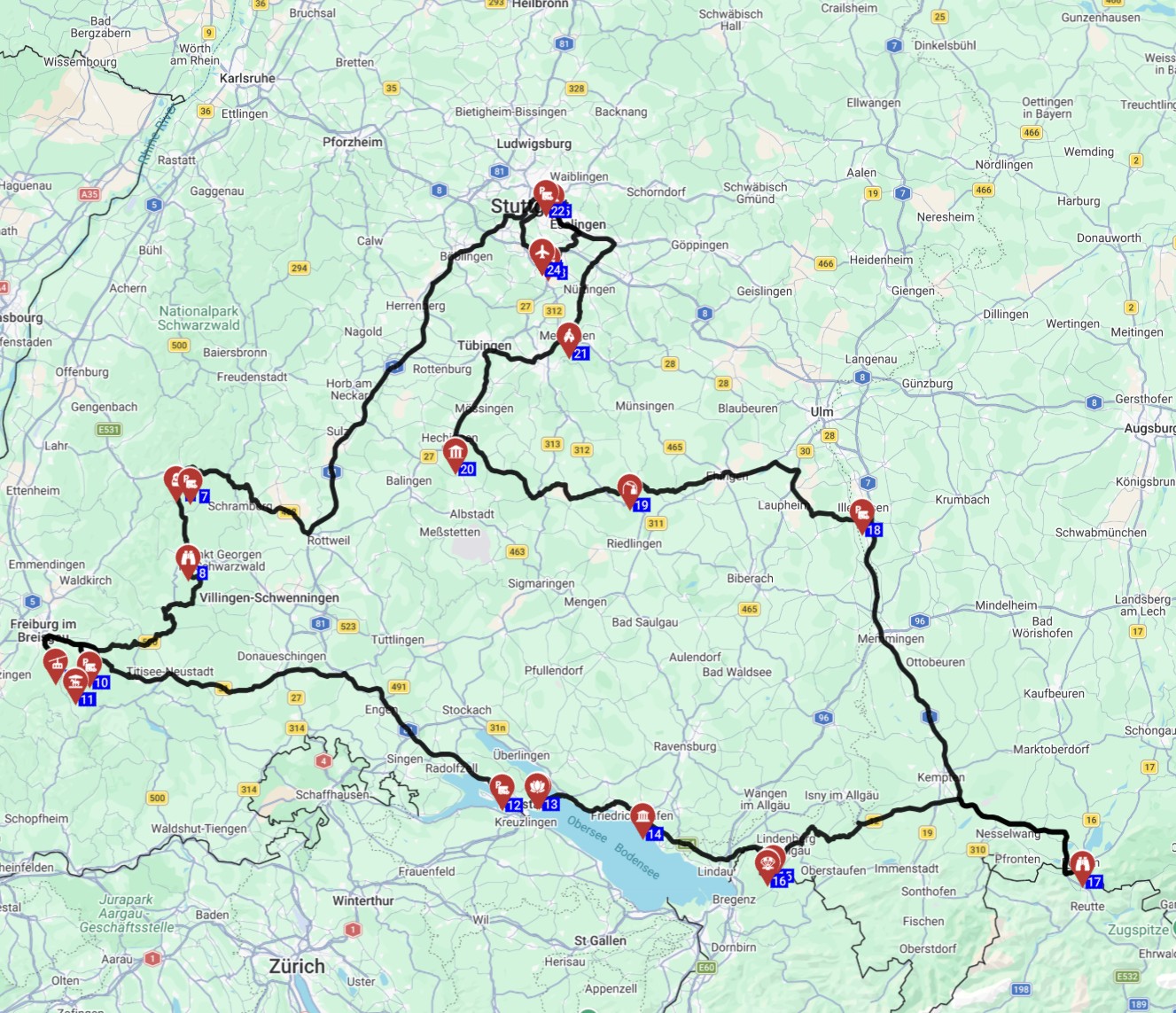
Stuttgart, Germany, offers well-maintained roads and varied terrain, from urban streets to the scenic hills of the Swabian Jura and Black Forest nearby, all suitable for RV travel. The region boasts excellent Autobahns (motorways) for efficient travel between cities, with generally smooth surfaces and multiple lanes. Federal roads (Bundesstraßen) are also in very good condition, providing access to smaller towns and scenic areas. While Stuttgart itself has urban density, the surrounding areas feature rolling hills and occasional mountainous terrain, requiring careful driving but posing no significant challenges for standard RVs. We encourage couples to embrace slower, scenic routes through vineyards and picturesque villages for a more immersive experience.
RV Size Limits, Bridges & Restricted Zones
While Stuttgart and Germany generally accommodate RVs of various sizes, drivers must observe specific height and weight restrictions, environmental zones (Umweltzonen), and occasional low bridges, particularly in older city centers. Stuttgart operates an 'Umweltzone' (environmental zone), requiring all vehicles, including RVs, to display a green emissions sticker to enter the city center. Drivers should always pay attention to road signs indicating height restrictions for tunnels, underpasses, and parking garages, which can be as low as 2.0 to 2.5 meters in some areas. Weight limits on certain older bridges or smaller roads might apply, especially for larger Class C or A RVs, though most roads accommodate standard RV weights. There are generally no ferry limits directly affecting Stuttgart as it is inland, but this could be a consideration for onward travel to coastal areas or islands.
Fuel: Diesel vs. Petrol & Cost per 100 km
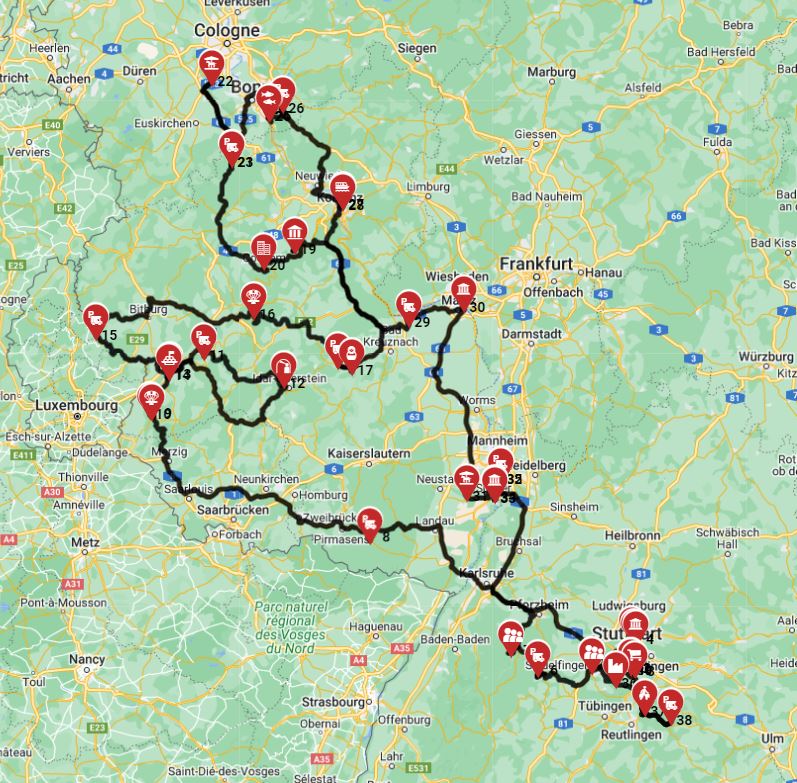
Diesel is the prevalent fuel type for most RVs in Germany, including those typically rented in Stuttgart, and is widely available at service stations. Almost all rental motorhomes and camper vans in Germany run on diesel, which is generally more fuel-efficient than petrol for larger vehicles. Based on Bandana's Class B Camper Van fleet, which averages 6.3 Liters / 100 Km, the approximate fuel cost for 100 km would be around €10.70 (based on an assumed average diesel price of €1.70 per liter in Germany). Petrol (Benzin) is also readily available for any petrol-powered camper vans or smaller vehicles. While some rental companies may offer loyalty cards, fuel discount cards are not a standard perk with most RV rentals in Germany; budgeting for full fuel costs is advisable. On the routes offered through RV PLANET routes, you can itemize and track every expense along the way for easy budgeting.
Tolls, Vignettes & Border Rules
Germany's Autobahns are generally toll-free for RVs under 7.5 tonnes, unlike some neighboring countries that require a vignette or specific tolls, which is important for cross-border trips from Stuttgart. Passenger cars and RVs up to 7.5 tonnes Gross Vehicle Weight (GVW) do not pay tolls on German Autobahns. If traveling from Stuttgart into Austria or Switzerland, a 'vignette' (toll sticker) is mandatory for highway use and must be purchased before entering the country or at border crossings. For non-EU citizens, border rules primarily involve standard passport and visa checks, with freedom of movement within the Schengen Area once legally entered. Some advanced RV rental companies may offer pre-purchased toll passes for popular neighboring countries, which can save time and help avoid fines.
Driving Tips for rv rental for couples Travelers
For couples exploring Stuttgart and surrounding regions by RV, adopting a relaxed driving pace, utilizing navigation apps with RV-specific settings, and pre-planning scenic stops are key for an enjoyable journey. Take your time: Germany's well-maintained roads invite leisurely drives; don't rush, especially on scenic routes through the Black Forest or Swabian Jura. Navigation apps: Use GPS systems with RV-specific settings (vehicle height, weight) to avoid low bridges, narrow roads, or unsuitable routes. Pre-book campsites: Especially during peak season, popular campsites or Stellplätze (motorhome parking areas) around Stuttgart can fill up quickly. Familiarize yourself with RV controls: Before departing, understand how to operate the heating, water, and electrical systems, and perform basic setup/takedown procedures. Parking: Be aware of city center parking challenges; consider park-and-ride options on the outskirts of Stuttgart.
Recommended RV Class for Stuttgart Roads
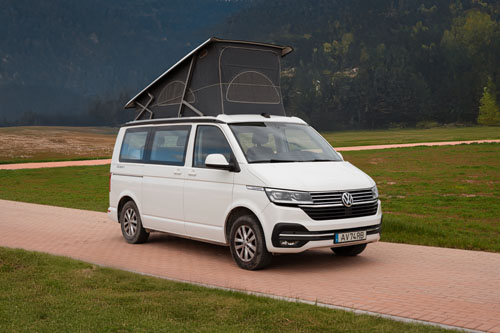
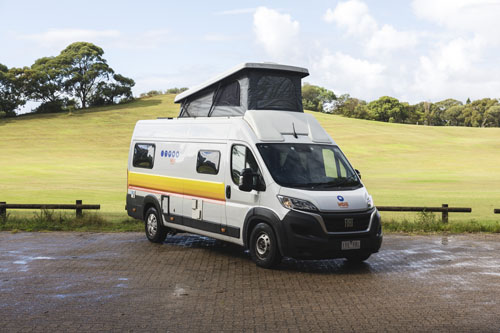
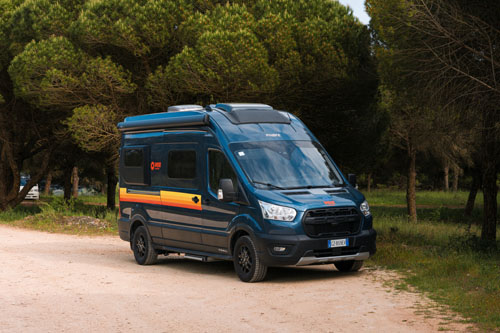
For couples exploring Stuttgart and its surrounding regions, a Class B Camper Van or a Class SI Semi-integrated RV is highly recommended due to their comfortable balance of maneuverability and living space on German roads. Class B - Camper Van (Bandana fleet average length: 5.3m, sleeping places: 3.7): These are highly maneuverable, easy to park in urban and rural settings, and typically offer sufficient amenities for two people. Class SI - Semi-integrated (Bandana fleet average length: 6.7m, sleeping places: 3.7): Providing more interior space and comfort than a camper van without being overly bulky, these are ideal for couples wanting a bit more luxury or extended trips. Both classes are well-suited for German roads, including Autobahns and smaller scenic routes, and are generally easy to navigate through villages and into campsites. While Class C Alcove (avg 7.4m) and Class A Integrated (avg 6.1m) are available, their larger size might be less ideal for couples prioritizing ease of driving and parking in varied Stuttgart terrain.
Should I Choose a Compact Van Instead of a Large RV in Stuttgart?
For most RV rental for couples travelers in Stuttgart, a compact van or Class B Camper Van often provides an ideal balance of easy maneuverability and sufficient comfort, though larger RVs are also manageable on Germany's well-developed road network. Compact vans (Class B) excel in urban areas and narrow village streets, offering easier parking and generally better fuel efficiency. Larger RVs (Class SI, C, A) provide more living space, larger kitchens, and separate sleeping areas, enhancing comfort for longer trips or when spending significant time inside the vehicle. For couples, a Class B Camper Van or a smaller Semi-integrated model often strikes the perfect balance, offering enough space to live comfortably without the stress of driving a very large vehicle. Ultimately, the choice depends on your comfort priorities, budget, and the specific type of travel experience you envision around Stuttgart.
Can I Park Anywhere? Free & Wild Camping Rules in Stuttgart
In Germany, free or 'wild camping' outside of designated campsites is generally prohibited, though exceptions exist for a single overnight stay to 'restore driver fitness' in approved areas, such as rest stops, provided no camping behavior is displayed. Overnight parking is permissible at public parking lots or rest areas solely for the purpose of a driver taking a break to restore their fitness to drive, not for recreational camping. Any signs of 'camping behavior' (e.g., setting up chairs, awnings, or cooking outside) will likely result in fines. Designated 'Stellplätze' (motorhome parking areas) are widely available across Germany, including near Stuttgart, often offering basic services like water and waste disposal for a fee. Rules vary by municipality — always check local regulations and follow local law before parking overnight. For ideas you can prep on the road, watch our RV-friendly recipes playlist on YouTube.
Can I Drive an RV Into the City Center? Heights, Tunnels & Local Signage
Yes, it is generally possible to drive an RV into Stuttgart's city center, but drivers must pay close attention to local signage indicating height restrictions for tunnels and multi-story car parks, as well as environmental zones and potential residents-only streets. Stuttgart's city center is an 'Umweltzone' (environmental zone), requiring a green emissions sticker for entry. Many multi-story parking garages in city centers have height restrictions (e.g., 2.0-2.2m), making them inaccessible for most RVs. Drivers should always be vigilant for local signage indicating vehicle restrictions, such as low bridges, narrow streets, or areas restricted to residents only. It is often advisable to utilize park-and-ride facilities on the outskirts of Stuttgart and use public transport to access the very heart of the city, avoiding potential difficulties with large vehicles.
Do you need a special license to rent and drive an RV?
In Germany, most RVs up to 3,500 kg (7,700 lbs) can be driven with a standard Category B driver's license, which is the most common license type and usually sufficient for couples' RV rentals in Stuttgart. Your standard car driver's license (Category B in Europe) is sufficient for a wide range of rental RVs. For non-EU licenses, an International Driving Permit (IDP) alongside your national license is often required or strongly recommended by rental agencies. Always verify the specific license requirements with your chosen RV rental company, as policies can vary. Ensure your license is valid for the entire rental period and has not expired.
Can you rent an RV in Germany?
Yes, it is very common and straightforward to rent an RV in Germany, with numerous rental stations available, including in major cities like Stuttgart, offering a wide range of vehicles suitable for couples. Germany is a highly popular destination for RV travel, leading to a well-developed rental market. Numerous international and local rental companies, like Bandana, operate across Germany, providing diverse fleets from compact camper vans to large integrated motorhomes. Rental locations in and around Stuttgart offer convenient access to the scenic regions of southern Germany. Booking in advance, especially for peak seasons, is advisable to secure your preferred RV type and dates.
Can an 80 year old hire a motorhome?
Yes, an 80-year-old can typically hire a motorhome in Germany, though rental companies often have specific age restrictions, such as a maximum age limit (e.g., 75-80 years) or require additional documentation like a recent medical certificate or higher insurance premiums. Policies vary significantly between rental providers; some companies have no upper age limit, while others cap it at 75, 80, or 85 years. Older drivers may be asked to provide a recent medical certificate confirming their fitness to drive, especially for rentals above a certain age threshold. Insurance premiums for senior drivers might be higher, or certain coverage options could be restricted. It is crucial for senior couples to clarify age restrictions and any special requirements directly with the rental company when booking.
Are RVs allowed in Germany?
Yes, RVs are widely allowed and very popular in Germany, with extensive infrastructure including autobahns, designated campsites (Campingplätze), and specific motorhome parking areas (Stellplätze) supporting RV travel across the country. Germany's excellent road network is highly conducive to RV travel, offering seamless journeys between destinations. The country boasts thousands of well-equipped campsites and motorhome parking spots, catering to all levels of comfort and budget. RVing is a deeply ingrained part of German recreational culture, meaning the infrastructure and services are generally very good. While RVs are allowed, strict rules apply to parking, especially regarding overnight stays outside designated areas.
Can you sleep anywhere in a campervan in Germany?
No, you cannot legally sleep just anywhere in a campervan in Germany, as 'wild camping' (overnight parking for leisure purposes outside designated areas) is generally prohibited, with exceptions for a single night's stop to restore driving fitness at authorized locations. Overnight parking is only permitted in public spaces if it's explicitly to restore the driver's fitness to drive and if no camping-like activities (e.g., setting up tables, chairs, awnings) are displayed. Violation of wild camping rules can result in significant fines, and local authorities are generally vigilant. Designated 'Stellplätze' (motorhome parking areas) and commercial campsites ('Campingplätze') are the legal and recommended options for overnight stays. Always pay attention to local signage, as rules can vary between municipalities and protected natural areas.
Can I rent an RV with a driver's license?
Yes, you can rent an RV with a standard Category B driver's license in Germany, provided the RV's Gross Vehicle Weight Rating (GVWR) does not exceed 3,500 kg, which covers most camper vans and smaller motorhomes ideal for couples. Your standard car driver's license (Category B in Europe) is sufficient for a wide range of rental RVs. For non-EU licenses, an International Driving Permit (IDP) alongside your national license is often required or strongly recommended by rental agencies. Always verify the specific license requirements with your chosen RV rental company, as policies can vary. Ensure your license is valid for the entire rental period and has not expired.
Can you drive an RV with a regular license in the USA?
While the core article focuses on Stuttgart, Germany, in the USA, a regular Class D (standard passenger vehicle) driver's license is typically sufficient to drive most RVs, including Class A, B, and C motorhomes, as long as they are not exceeding 26,000 lbs GVWR and not requiring special endorsements for air brakes or towing. Most recreational vehicles in the US, including large motorhomes, fall within the weight limits for a standard driver's license. Some larger or heavier RVs (over 26,000 lbs GVWR) or those with air brakes might require a non-commercial Class A or B license, depending on state regulations. It's essential to check the specific Department of Motor Vehicles (DMV) rules for the state in which your license was issued and where you plan to drive. Special endorsements are usually only necessary for professional drivers or those towing very heavy trailers.
How does insurance work when renting an RV?
When renting an RV in Germany, insurance typically includes basic third-party liability coverage (mandatory by law) and often a collision damage waiver (CDW) with a deductible, which covers damage to the rental vehicle itself. Third-party liability insurance protects you against claims for damage or injury to other people or their property. The Collision Damage Waiver (CDW) reduces your financial responsibility for damage to the rental RV, but typically involves an 'excess' or 'deductible' amount that you are responsible for paying in case of an incident. Many rental companies offer supplementary insurance options to reduce or waive the deductible (zero excess insurance) or cover personal belongings and specific damage types (e.g., tires, windows). Always review the rental agreement's insurance terms carefully, understand what is covered, what the deductible is, and what optional add-ons might be beneficial for your trip.
How much does RV rental insurance cost?
The cost of RV rental insurance in Germany varies significantly based on the level of coverage chosen, the deductible amount, the rental company, and the duration of the rental, but typically ranges from an additional €15 to €40 per day for enhanced coverage options. Basic third-party liability and a CDW with a high deductible are usually included in the rental price. Optional coverage to reduce the deductible (zero excess insurance) is the most common additional purchase and can add €15-€30 per day. Further add-ons like coverage for personal effects, roadside assistance, or specific parts (e.g., tires, glass) can increase the daily cost. Factors such as the RV's value, driver's age, and rental duration can also influence the final insurance premium.
What is the best company to rent an RV from?
The 'best' company to rent an RV from, particularly for couples in Stuttgart, depends on individual needs such as budget, desired RV class, customer service reputation, and included amenities, but reputable global and local companies offer excellent options. Consider companies like Bandana, which often provide transparent pricing, a diverse fleet, and convenient pick-up locations in key areas like Stuttgart. Look for companies with comprehensive insurance options, 24/7 roadside assistance, and clear rental terms and conditions. Read customer reviews to gauge service quality and reliability, especially regarding vehicle maintenance and support during your trip. Compare fleet variety to ensure they offer the ideal RV class for couples, such as comfortable Class B camper vans or Class SI semi-integrated models.
Final Thoughts
Embarking on an RV adventure in Stuttgart offers a unique blend of cultural experiences and scenic drives. By choosing the right vehicle and understanding the local driving nuances, you and your partner can create unforgettable memories.
From exploring charming villages to navigating the efficient German roadways, your rented RV will be your comfortable home on wheels. Remember to book in advance to secure the best options and start planning your dream road trip today!
Find Motorhome Rentals in Stuttgart