In This Guide
- Can You Drive an RV in Seattle? License & Age Rules
- Road Conditions & Terrain in Seattle
- RV Size Limits, Bridges & Restricted Zones
- Fuel: Diesel vs. Petrol & Cost per 100 km
- Tolls, Vignettes & Border Rules
- Driving Tips for RV Rental for Couples Travelers
- Recommended RV Class for Seattle Roads
- Should I Choose a Compact Van Instead of a Large RV in Seattle?
- Can I Park Anywhere? Free & Wild Camping Rules in Seattle
- Can I Drive an RV Into the City Center? Heights, Tunnels & Local Signage
- What are the new rent rules in Seattle?
- What license do you need to rent a camper?
- Do you need a special license to drive an RV in Washington?
Can You Drive an RV in Seattle? License & Age Rules
Most RVs under 26,000 pounds, including the popular Class B Camper Vans and Class C motorhomes, can be driven with a standard Class C driver's license in Washington State. For couples eyeing a cozy mobile home rental for their Seattle adventure, this means there's no need for special permits or a Commercial Driver's License (CDL). Simply bring your valid driver's license from your home country; an International Driving Permit (IDP) is recommended for translation if your license is not in English, though it's not mandatory in most cases. The minimum age to rent an RV through Bandana suppliers in Seattle is 21 years old, with no young driver surcharges or vehicle class restrictions based on age, making it accessible for a wide range of adventurous couples. We want your romantic RV driving in Seattle to be as straightforward as possible, ensuring you're legally prepared for the open road.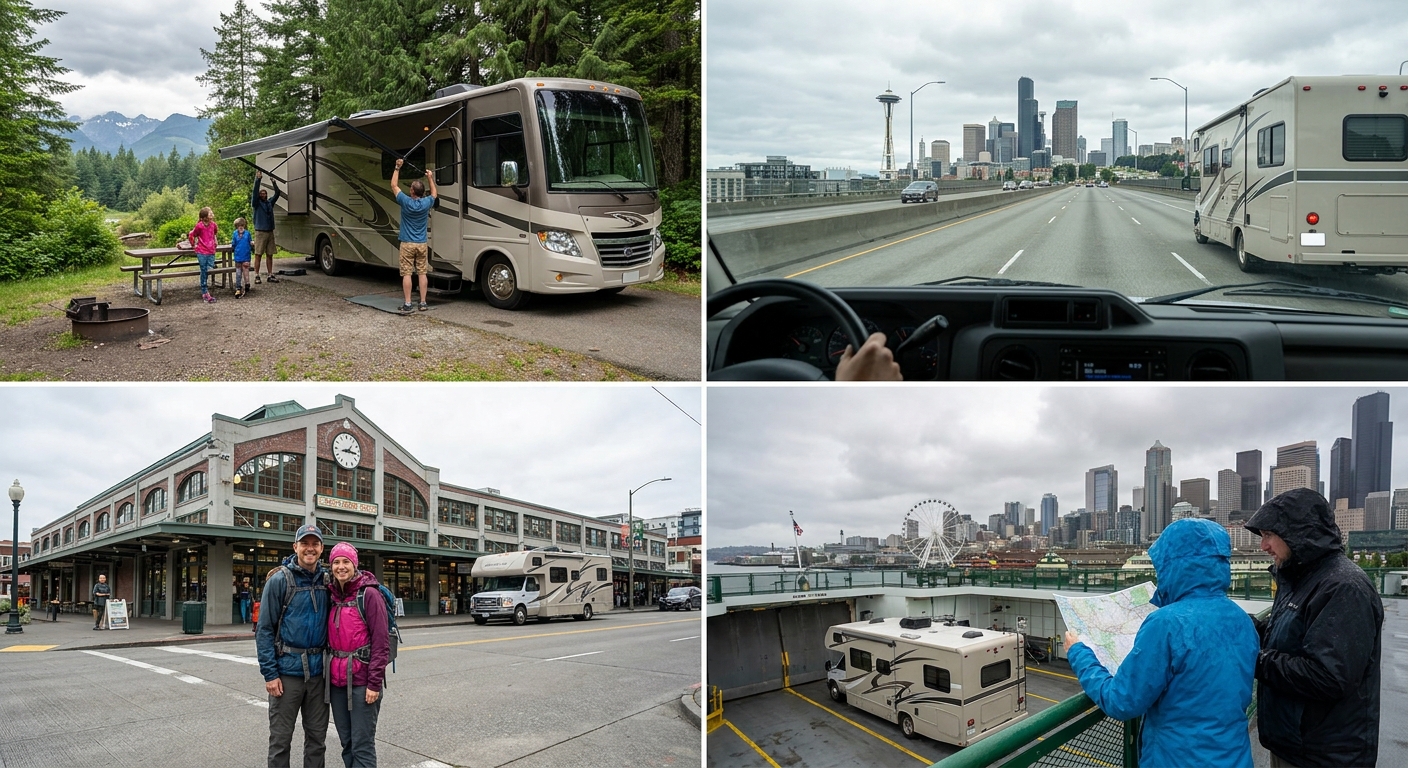
Road Conditions & Terrain in Seattle
Seattle's terrain features steep hills and winding roads, particularly outside the downtown core and around neighborhoods like Queen Anne and Capitol Hill, requiring careful RV navigation. Major highways such as I-5 and I-90 are generally well-maintained but can experience significant congestion during peak hours, especially on weekdays between 7-9 AM and 4-6 PM. For couples exploring outside the city, many scenic routes leading into the Olympic or Cascade mountains, like the roads around North Bend or Stevens Pass, may include narrow sections or unpaved forest service roads. These are best suited for smaller RVs or cautious driving. We encourage couples to embrace a slower pace, perhaps traveling max 100-150 km per day on average, allowing extra time for travel and enjoying the Puget Sound region's diverse landscapes, from the urban jungle to the serene Olympic National Forest. This ensures a relaxing journey, not a rushed one.RV Size Limits, Bridges & Restricted Zones
While most rented motorhomes are permitted on Seattle's roads, drivers should be aware of specific height restrictions in certain tunnels and underpasses. For instance, some lanes of the I-5 express lanes have lower clearances, and multi-level parking garages downtown are generally unsuitable for RVs. There are no specific "environmental zones" in Seattle that restrict RV access based on emissions, unlike some European cities. However, Washington State Ferries, essential for accessing destinations like Bainbridge Island or the Olympic Peninsula, operate on a reservation system for many routes, and RVs are charged based on length. Booking your ferry passage well in advance is highly recommended for popular routes, as space is limited, especially for longer vehicles. Planning ahead for your mobile home rental travel will help you avoid surprises and ensure smooth sailing, both on land and water.Fuel: Diesel vs. Petrol & Cost per 100 km
Most RVs in Seattle's rental fleet, including many Class C Alcove motorhomes and Class B Camper Vans, typically run on petrol, while larger Class A Integrated RVs may use diesel. For example, a Class B Camper Van, like the "rv rental denver example Category Van" or "2 Berth Hi Top", usually consumes around 10-15 Liters/100km, while a larger Class C Alcove, similar to "cruise america rv rental example Explorer" (7.1m length, 75L fuel tank), could average 25-35 Liters/100km. Fuel prices in Seattle can be higher than the national average, often fluctuating around $4.00-$5.50 per gallon. To manage costs for your week-long trip, consider planning your fuel stops at larger gas stations outside the immediate city, such as those along I-5 in Federal Way or Everett, which often offer slightly better prices. Always confirm your rented RV's specific fuel type before fueling and ask your rental provider, such as El Monte or Cruise America, about any potential fuel discount programs or cards available to budget-conscious couples. RV PLANET routes can help you itemize and track every expense, including fuel, for easy budgeting.Tolls, Vignettes & Border Rules
Seattle has several toll roads, including the SR 99 tunnel through downtown and express lanes on I-405 and SR 167; tolls are collected electronically via Good To Go! passes or by mail, with rates typically ranging from $1 to $10 depending on the time of day and distance traveled. The United States does not utilize vignettes for road access like some European countries, meaning tolls are point-based or for specific managed lanes rather than a general road-use fee. For couples planning to venture beyond Washington into Canada, ensure all travelers have valid passports, and be aware of any restrictions on bringing certain goods, such as alcohol, tobacco, firearms, or even fresh produce, across the border at points like the Peace Arch or Sumas crossings. Many RV rental companies, including Bandana partners like Apollo or Britz, may offer options to pre-purchase or utilize electronic toll passes, which can significantly simplify travel and help avoid potential late fees or administrative charges.Driving Tips for RV Rental for Couples Travelers
Navigating Seattle in a rented motorhome or campervan for a romantic trip requires a bit of local knowledge.Navigate Seattle's Hills with Care: Use lower gears when ascending and descending Seattle's many steep hills, like those found on Capitol Hill or Queen Anne, to maintain control and prevent overheating your brakes, especially with a fully loaded RV. Drive slowly and carefully, and you can drive almost anywhere without issues. No need to stress - just use common sense and pay attention.
Plan Ferry Travel in Advance: If your itinerary includes island destinations in Puget Sound, like a trip to Bainbridge Island or Whidbey Island, book Washington State Ferry reservations as far ahead as possible, particularly for larger RVs, as space is limited. Our 24/7 support team is always ready to assist with pre-booking questions or route advice, making your travel smoother.
Utilize Navigation Apps with RV Settings: Use GPS apps that allow inputting your rented RV's dimensions to help avoid low bridges, narrow roads, or weight-restricted routes, ensuring a safe journey through the Seattle area. Popular options like Google Maps or Waze can also help navigate traffic around downtown Seattle or on I-5.
Budget for Fuel and Parking: Seattle and the surrounding Puget Sound area can be costly for fuel and RV parking. For finding campsites and campgrounds during your trip, we recommend using RV PLANET (rvplan.net), a great resource for locating available spots along your route, often including options outside the immediate city limits that are more affordable, like Manchester State Park or Saltwater State Park. Consider preparing some meals in your RV's kitchen to save on dining costs; our RV-friendly recipes playlist offers great ideas. On the routes offered through RV PLANET routes, you can itemize and track every expense along the way for easy budgeting.
Prepare for Pacific Northwest Weather: Always carry rain gear, extra layers, and emergency supplies, especially when traveling through mountain passes like Snoqualmie Pass, as weather can change rapidly. While heavy snow can occur in winter in the mountains, Seattle itself generally experiences mild, wet winters and warm, dry summers.
Recommended RV Class for Seattle Roads
For couples exploring Seattle and the surrounding Pacific Northwest, a Class B Camper Van or a Class TC Truck Camper is often recommended due to their superior maneuverability and compact size. Bandana's Class B Camper Vans, like the "hire campervan example Paradise S/T" or "2 Berth Hi Top", averaging 6.4 meters (21 feet) in length and designed for 2 adults, offer excellent agility for city driving and easier parking in tighter spots, such as street parking in the Fremont or Ballard neighborhoods, or at popular attractions like Pike Place Market. For a bit more rugged adventure, Class TC Truck Campers, such as the "Patagonia Camper 4x4 double cab" (averaging 6.9 meters or 22.6 feet) suitable for 2 adults, combine off-road capability with a manageable footprint, ideal for reaching more secluded natural areas in Olympic National Park or the Cascade Mountains. These smaller classes offer a perfect balance of comfort and ease of navigation on Seattle's diverse roads, from bustling urban streets to scenic mountain passes, ensuring a romantic and stress-free journey for two.Should I Choose a Compact Van Instead of a Large RV in Seattle?
Choosing a compact van, like a Class B Camper Van such as "campervan hire usa example Wavefarer" or "Active Standard Select," offers superior maneuverability and easier parking in Seattle's dense urban core and popular tourist spots, making it ideal for couples. These vehicles, often around 6-7 meters (20-23 feet) in length, are genuinely advantageous for navigating tight historic districts like Pioneer Square or finding spots in crowded areas near the Space Needle. However, it's important to remember that you can drive almost anywhere without issues in any RV size. For couples prioritizing indoor space, onboard facilities like a full kitchen and bathroom, or embarking on longer, more extended road trips, a slightly larger RV, such as a Class C Alcove like the "C-MEDIUM" (averaging 8.2 meters or 27 feet), provides a better comfort trade-off without being overly cumbersome. The decision ultimately balances the ease of driving and parking in city environments with the desired level of amenities and living space for your Seattle adventure. Drive slowly and carefully, and you'll find that common sense and attention are your best guides, regardless of RV size.Can I Park Anywhere? Free & Wild Camping Rules in Seattle
Free or 'wild' camping is generally not permitted within Seattle city limits or in most developed urban areas, including popular spots like Discovery Park or Alki Beach, due to local ordinances and safety regulations. Overnight parking in public spaces, such as store parking lots or along city streets, may be restricted by signage or local laws; always check for "No Overnight Parking" signs or ask permission from property management. Designated RV parks and campgrounds, both within and immediately outside Seattle, such as Lake Pleasant RV Park in Bothell or Manchester State Park in Port Orchard, offer legal and safe overnight parking with necessary amenities like dump stations and hookups. Rules for free camping vary significantly by region; outside urban areas, dispersed camping may be allowed on certain federal lands (e.g., in the Olympic National Forest or Mount Baker-Snoqualmie National Forest) but always check local regulations and follow 'Leave No Trace' principles before parking overnight. Remember, many national and state parks reserve only 25-30% of their spots, with the rest available first-come-first-serve, so you'll find a spot—if not at the first campground, then the next one. Call ahead before driving.Can I Drive an RV Into the City Center? Heights, Tunnels & Local Signage
Yes, you can generally drive a rented RV into Seattle's city center, but drivers must pay close attention to local signage regarding height limits, tunnel restrictions, and specific low bridges. Be particularly aware of height clearances for tunnels, such as the SR 99 tunnel (which generally has 14-foot clearances but can vary) and multi-level parking garages, as RVs are typically too tall for most. Environmental zones are not a common feature restricting RVs in Seattle, but residents-only parking or metered parking zones are prevalent, making street parking challenging for larger vehicles. Ferry terminals, especially the Seattle (Colman Dock) terminal, are accessible by RVs but require careful maneuvering through downtown traffic and adhering to specific loading instructions and potential length-based fees. It is recommended to choose a smaller campervan, like the "rv rentals orlando example Cheapa Trailfinder 4X4", if you plan frequent downtown trips to simplify navigation and parking. However, with careful planning and attention to signage, driving any RV size is manageable.What are the new rent rules in Seattle?
New rent rules in Seattle primarily apply to residential housing leases, addressing aspects like rental application processes, move-in fees, and eviction protections for tenants in traditional apartments and homes. These regulations, such as those governing security deposits or rent increase notices, do not directly pertain to the rental of recreational vehicles (RVs) for temporary travel or leisure. RV rentals are instead governed by specific rental agreements, comprehensive insurance policies, and Washington State's vehicle operation regulations, which differ significantly from residential tenancy laws. Couples considering a motorhome rental should focus on understanding their specific rental contract terms, driving license requirements (standard Class C license is usually enough), and general traffic laws, ensuring a smooth and compliant adventure.What license do you need to rent a camper?
To rent most campers and RVs suitable for couples in Seattle, a standard Class C driver's license, the common license for passenger vehicles, is typically sufficient. This includes popular models like Class B Camper Vans (averaging 6.4 meters in length, e.g., "campervan hire example Active Classic") and Class TC Truck Campers (averaging 6.9 meters in length, e.g., "Patagonia 4x4 single cab") available in Bandana's Seattle fleet. Rental companies, including our direct partners El Monte and Cruise America, usually require drivers to be at least 21 years old and possess a valid driver's license with a clean driving record. For foreign visitors, a valid driver's license from your home country is generally accepted for up to one year, with an International Driving Permit (IDP) often recommended for translation purposes, though not always mandatory. There are no special vehicle class restrictions based on age, making any motorhome accessible to eligible drivers.Do you need a special license to drive an RV in Washington?
No, for the vast majority of motorhomes commonly rented by couples in Washington State, including Class C Alcove, Class B Camper Van, and Class TC Truck Camper models, a special license beyond a standard Class C driver's license is not required. A special commercial driver's license (CDL) is only necessary for driving vehicles exceeding 26,000 pounds Gross Vehicle Weight Rating (GVWR) or carrying hazardous materials, categories which typically exclude recreational RVs. Even larger Class A Integrated RVs from Bandana's fleet (such as "mhlux", averaging 10.7 meters or 35 feet, with a 320 Liter fuel tank) generally fall within the standard license requirements for recreational use. Always confirm the specific GVWR of your rented RV and verify with your rental provider if there are any unique licensing requirements, though it's rare for a recreational vehicle.🎬 Video coming soon
What You Shouldn't Miss
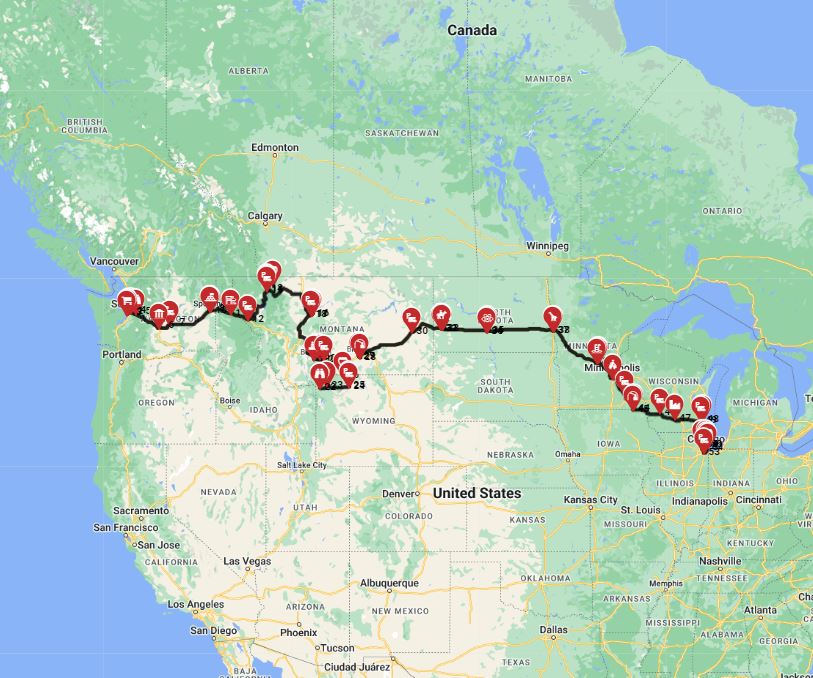
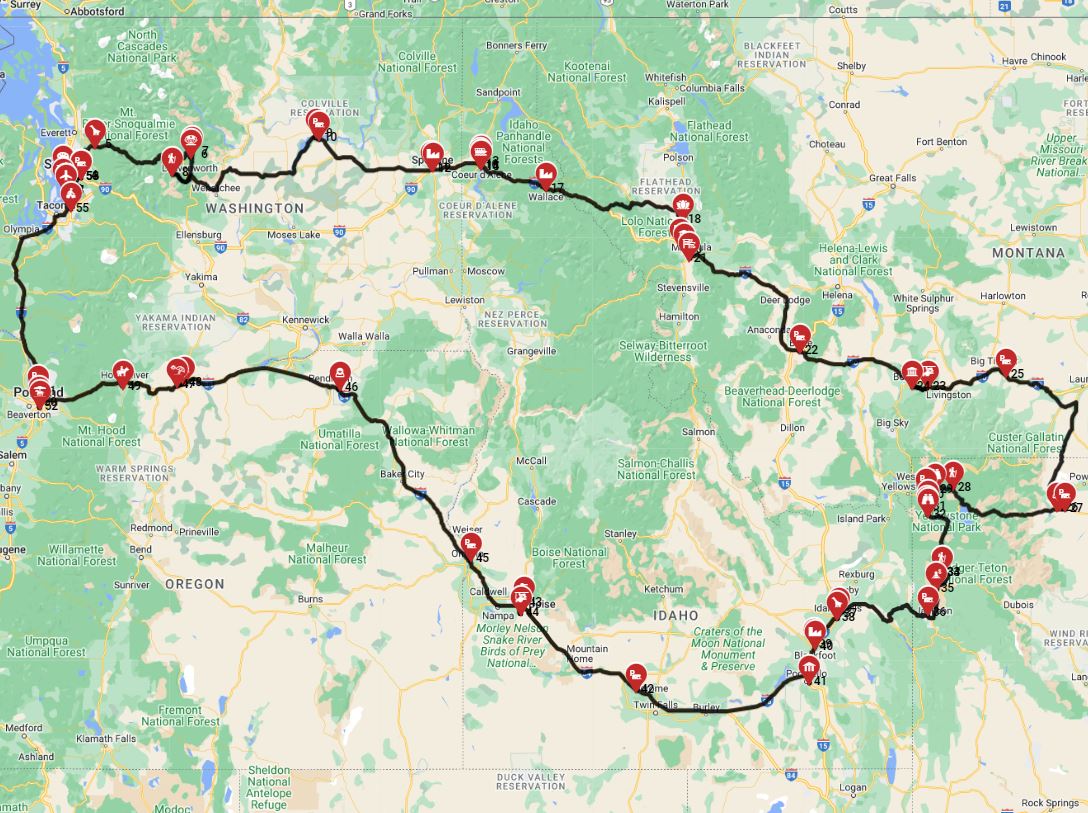
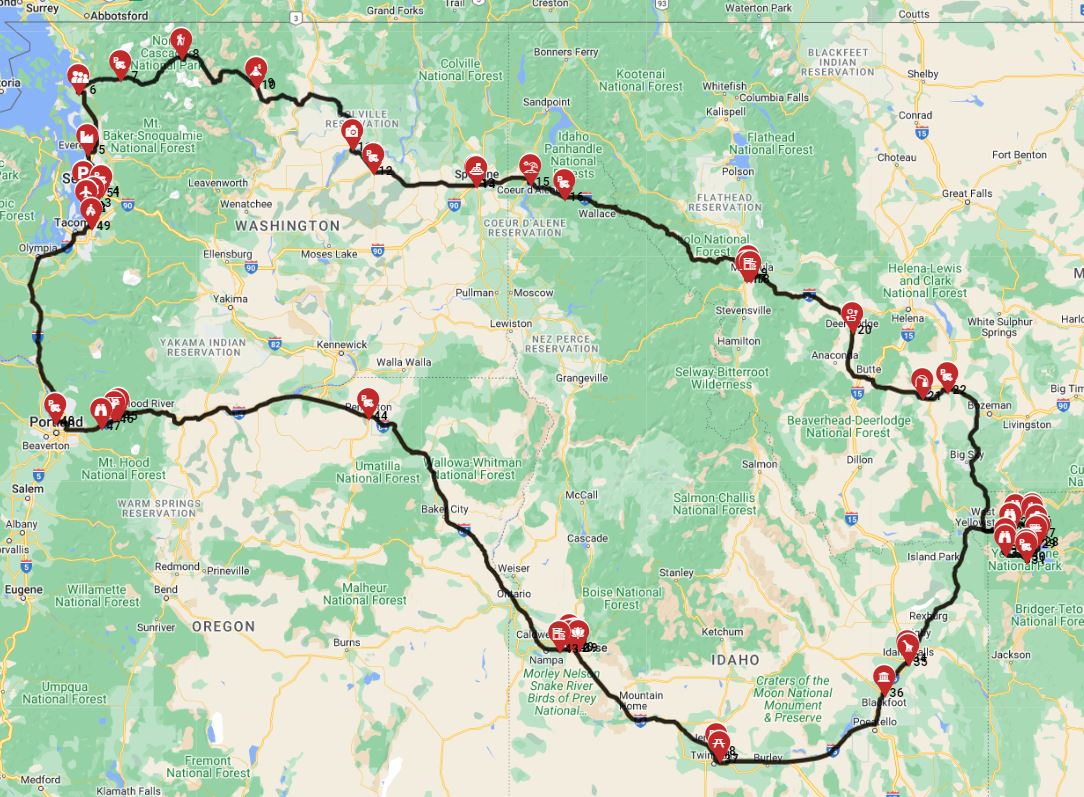
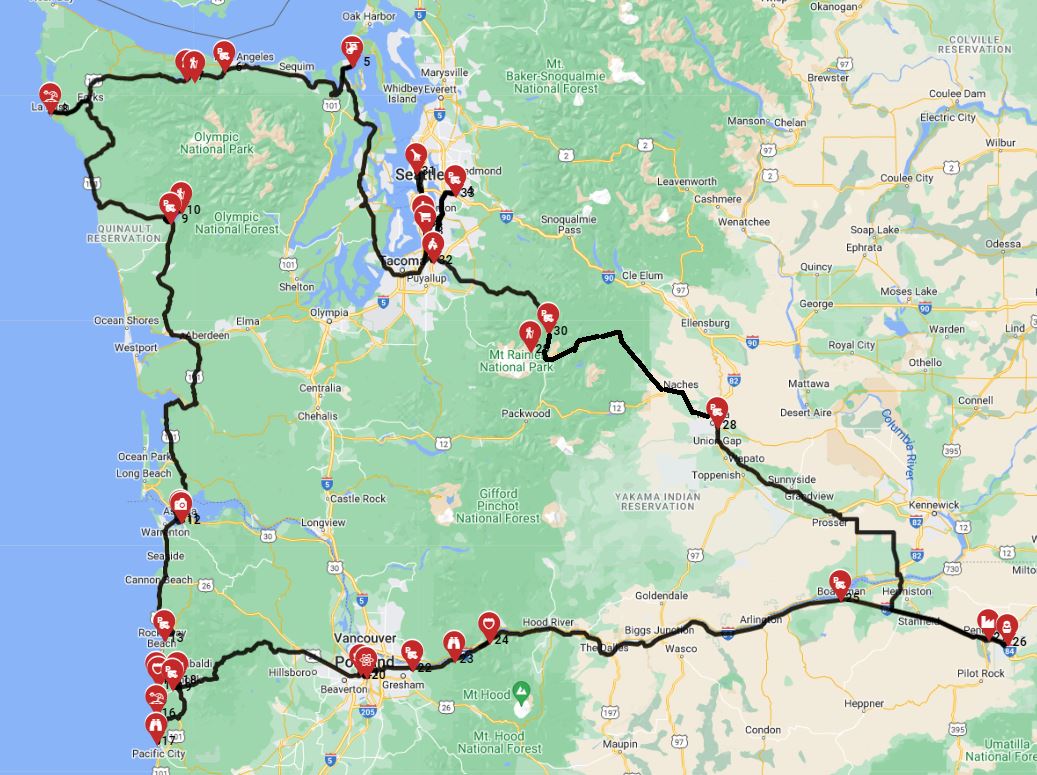
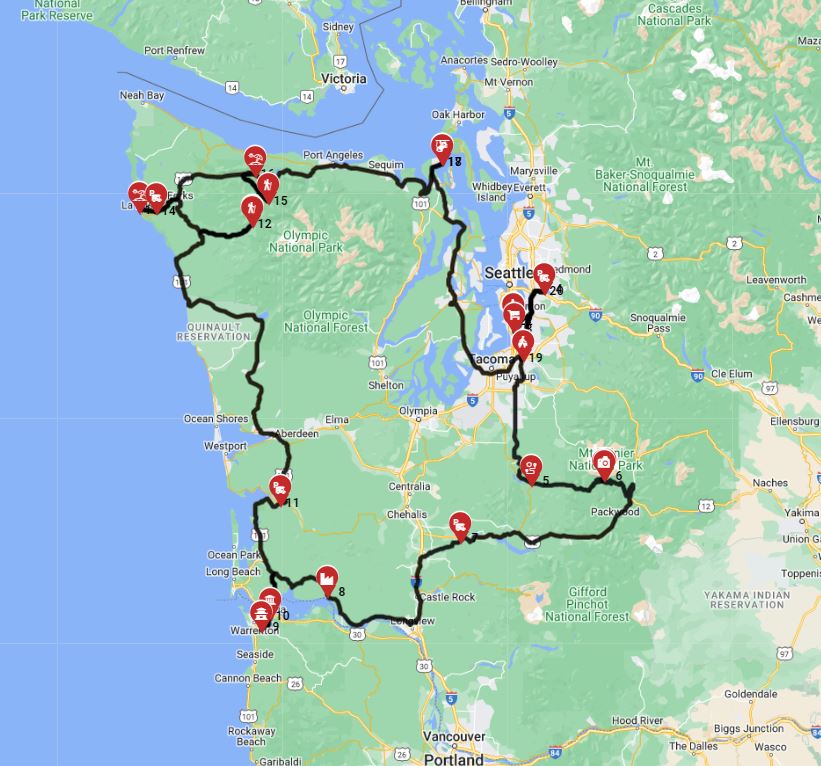
- Explore Olympic National Park in a week: Drive your rented RV on a week-long adventure around the Olympic Peninsula, covering the 1,000+ km route to discover stunning coastlines at Ruby Beach, lush Hoh Rainforest, and serene Lake Crescent. You’ll find over 40 developed campgrounds within the park and surrounding national forests.
- Weekend getaway to the San Juan Islands: Take a Washington State Ferry with your smaller campervan to Orcas Island or San Juan Island. Explore charming towns, go whale watching, and enjoy scenic overlooks. Remember to book ferry reservations for RVs well in advance, as space is limited, especially in peak season.
- Mount Rainier National Park scenic drive: Embark on a journey to Mount Rainier, approximately a 2-hour drive southeast of Seattle. The drive itself offers spectacular views, and once there, you can hike scenic trails like Skyline Trail at Paradise, which offers panoramic views up to 1,700 meters (5,600 feet) elevation. Numerous RV-friendly campgrounds, such as Cougar Rock Campground, are available for overnight stays.
- North Cascades Highway adventure: Experience the rugged beauty of the "American Alps" with a trip on State Route 20 through North Cascades National Park. This route plan, best enjoyed over 3-4 days in a Class C motorhome, offers access to over 20 trailheads and numerous breathtaking viewpoints like Diablo Lake Overlook. Be sure to check road conditions, as sections can close due to snow in colder months.
- Urban exploration and Puget Sound views: Spend a few days exploring Seattle's iconic spots, such as Pike Place Market (parking your RV a short distance away), the Space Needle, and the waterfront. Then, head south to Tacoma to visit Point Defiance Park, offering beautiful coastal walks and views of Puget Sound. Many RV parks around Seattle, like the KOA in Kent, offer convenient access to both cities.