In This Guide
- Can You Drive an RV in Oslo? License & Age Rules
- Road Conditions & Terrain in Oslo
- RV Size Limits, Bridges & Restricted Zones
- Fuel: Diesel vs. Petrol & Cost per 100 km
- Tolls, Vignettes & Border Rules
- Driving Tips for rv rental for couples Travelers
- Recommended RV Class for Oslo Roads
- Should I Choose a Compact Van Instead of a Large RV in Oslo?
- Can I Park Anywhere? Free & Wild Camping Rules in Oslo
- Can I Drive an RV Into the City Center? Heights, Tunnels & Local Signage
- Is Norway RV friendly?
- Can you take a rented RV across the border?
- Can you park a motorhome anywhere in Norway?
- Can I rent an RV with a driver's license?
- Can you drive an RV around Europe?
- How does insurance work when renting an RV?
- How much does it cost to rent a camper van in Norway?
- How much is camper rental insurance?
Imagine yourself and your loved one waking up to the serene beauty of the Oslofjord, brewing coffee in your own compact kitchen, and then setting off for a day of adventure in and around Norway's vibrant capital. An RV rental for couples in Oslo offers an unparalleled sense of freedom and intimacy, allowing you to craft a truly unique romantic getaway. For live availability and current prices, start with our RV Rental Oslo - Complete Guide 2026 guide, designed to help you navigate your journey with ease. Bandana RV, founded in 2001, has over 23 years of experience helping tens of thousands of travelers discover the world by RV, and we're here to ensure your Oslo adventure is nothing short of perfect.
Can You Drive an RV in Oslo? License & Age Rules
A standard Category B driving license is generally sufficient for most RVs up to 3,500 kg, which includes many popular Class B Camper Vans and smaller Class C motorhomes ideal for couples exploring Oslo. For vehicles exceeding 3,500 kg, such as larger Class C or Class A models, a Category C1 (up to 7,500 kg) or Category C license is typically required in Norway. Most rental companies in Norway require drivers to be at least 21 years old, often with a minimum of 1-3 years of driving experience, with no additional young driver surcharges for any vehicle class. International visitors from non-English-speaking countries should carry an International Driving Permit (IDP) in addition to their national driver's license, as it provides a certified translation for easier verification, though it is not mandatory in all cases. Our aim is to make your booking process as smooth as possible, offering full transparency on all requirements.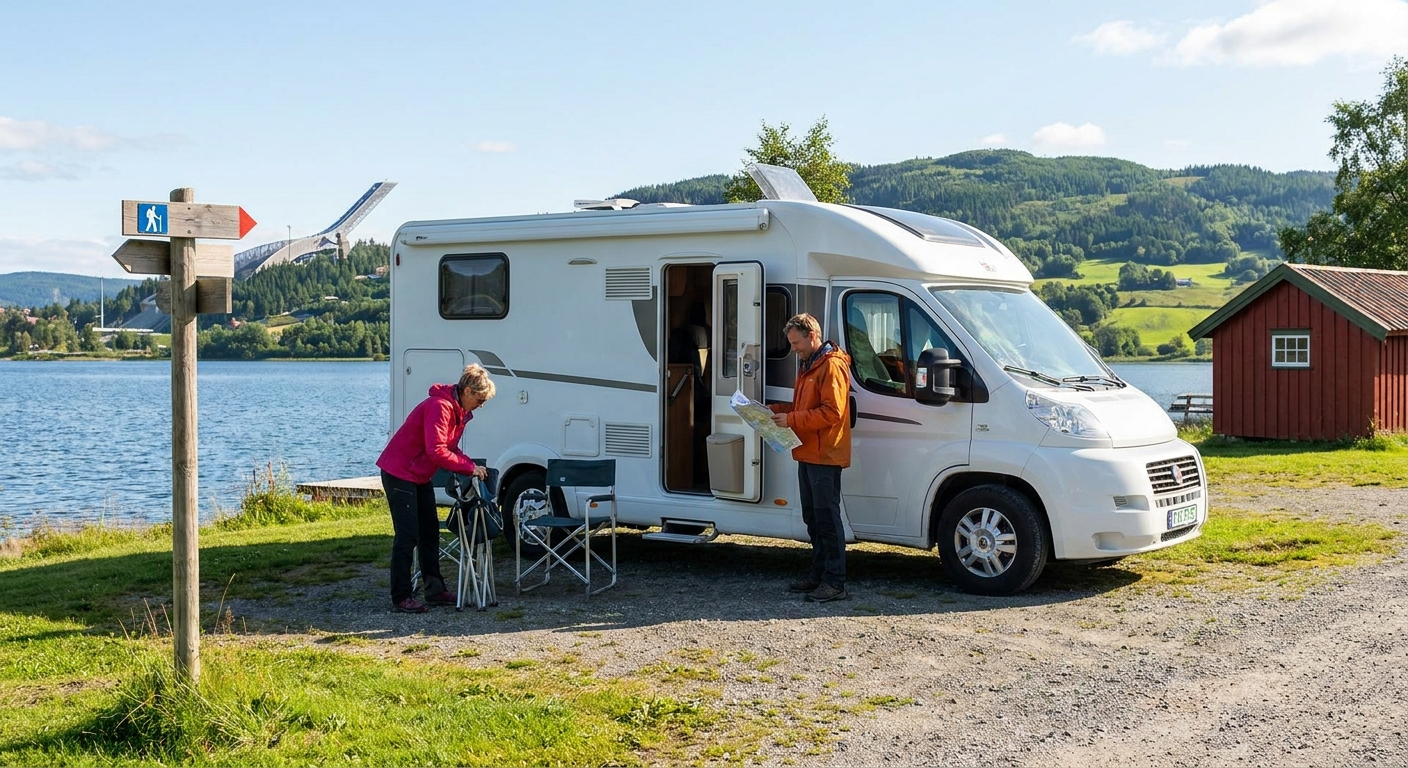
Road Conditions & Terrain in Oslo
Oslo's road network is generally well-maintained, offering smooth driving surfaces within the city and on major routes, making it entirely suitable for any size RV travel. While Oslo city center is relatively flat, surrounding areas quickly transition to hilly and mountainous terrain, particularly when exploring the picturesque Oslofjord region or heading inland towards the Marka forest, which necessitates cautious driving and embracing a slower pace. You can drive almost anywhere without issues just by driving slowly and carefully and using common sense. For RV rental for couples, the emphasis is often on scenic routes and leisurely exploration, which Norway's diverse landscapes outside the city provide in abundance, encouraging slower speeds and appreciation of the stunning views. Remember, with a rented RV, your journey is as important as your destination.RV Size Limits, Bridges & Restricted Zones
Oslo generally accommodates various RV sizes, but drivers should remain vigilant for local signage indicating height, weight, and width restrictions, particularly when entering older city areas, some tunnels, or multi-story car parks. While significant low bridges are rare on main RV routes around Oslo, always double-check overhead clearance signs (høydebegrensning) before entering underpasses or less-traveled roads. Oslo operates environmental zones (miljøsoner) primarily targeting older diesel vehicles, but most modern rental RVs meet current emission standards, reducing concern for general access; however, always confirm with your rental provider. For ferry travel on the Oslofjord or other Norwegian fjords, RV size directly impacts booking availability and cost, so it's advisable for couples to pre-plan and book ferry crossings, paying attention to specific length and weight categories to avoid surprises.Fuel: Diesel vs. Petrol & Cost per 100 km in Oslo
The vast majority of rental RVs in Norway, including those popular for couples, run on diesel fuel, which is widely available at service stations across the country and in Oslo. Based on Bandana's global fleet averages, Class B Camper Vans typically consume 8-10 Liters/100 km, while Class SI Semi-integrated RVs consume 10-11 Liters/100 km. To estimate fuel costs for a couples' trip, assuming a diesel price of approximately 22-25 NOK per liter (highly variable and subject to daily changes), a Class B Camper Van could cost around 176-250 NOK per 100 km, and a Class SI Semi-integrated RV around 220-275 NOK per 100 km. When planning your budget for an RV rental in Oslo, remember that on RV PLANET routes, travelers can itemize and track every expense along the way for easy budgeting, ensuring full transparency in your trip costs.Tolls, Vignettes & Border Rules for RV Rental in Oslo
Norway primarily utilizes the AutoPASS system for electronic toll collection, which applies to most roads, bridges, and tunnels, including those around Oslo, making navigation seamless for RV travelers. All vehicles, including rented RVs, must either have an AutoPASS agreement (often conveniently handled by rental companies, eliminating hidden fees) or be registered online for billing to avoid fines, as cash payment at toll booths is rare. When planning to take a rented RV across Norwegian borders into neighboring countries like Sweden or Denmark, it is crucial to confirm cross-border permission with your rental provider, as additional insurance or documentation may be required. Bandana works with direct partnerships with 50+ leading RV suppliers worldwide, including trusted names like El Monte, Cruise America, Apollo, and Britz, to ensure all these details are handled for you.Driving Tips for rv rental for couples Travelers in Oslo
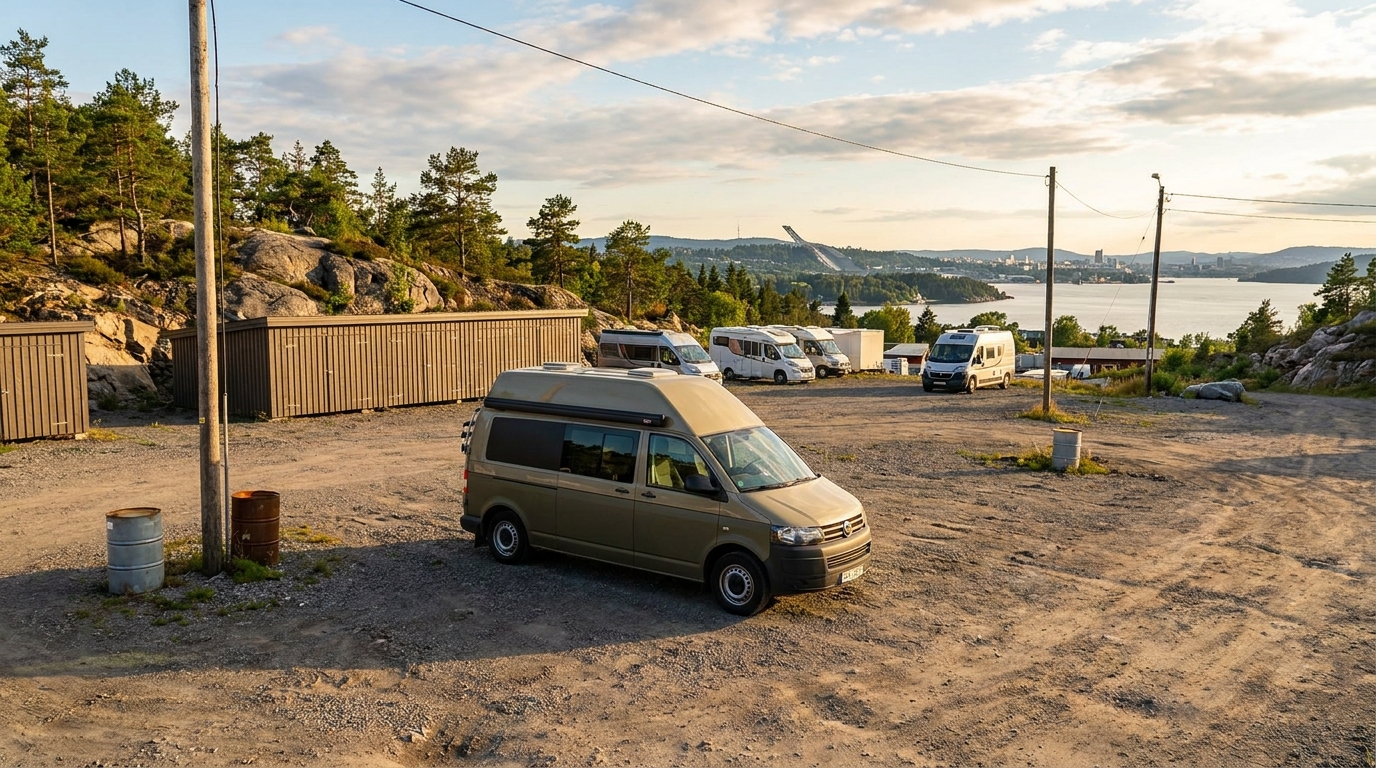
Embrace Norway's 'slow travel' philosophy; prioritize scenic routes over speed, aiming for maximum 100-150 km per day on average, allowing ample time for stops to enjoy the picturesque landscapes and capture romantic moments. Familiarize yourselves with the AutoPASS toll system before starting your journey; many rental RVs come equipped, but understanding its operation will prevent stress and potential fines. Utilize navigation apps that specify RV-friendly routes, accounting for vehicle dimensions and potential road closures, especially when exploring less-traveled areas outside Oslo. Always keep a full tank of diesel when venturing into rural areas, as service stations can be sparse, ensuring uninterrupted romantic drives. For exploring Oslo city center, integrate public transport; park your rented RV at a dedicated campsite or designated RV parking outside the immediate center, such as at Ekeberg Camping, and use Oslo's efficient buses, trams, or the metro for convenient and stress-free access to attractions. To get more ideas, check out the "RV Travel Guide to Oslo - Tips and Top Spots 2026".Recommended RV Class for Oslo Roads
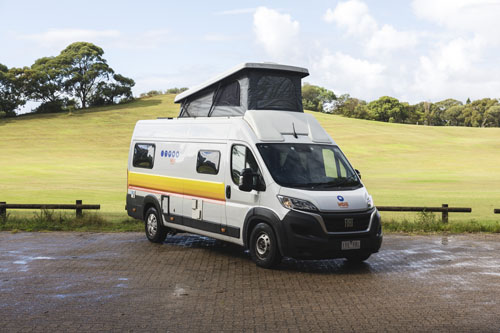
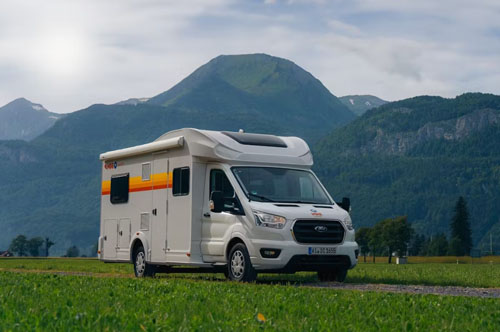
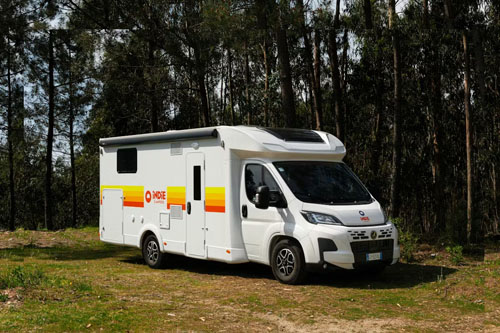
For couples exploring Oslo and its surroundings, a Class B Camper Van is highly recommended due to its maneuverability and ease of navigation in urban environments, with Bandana's fleet averaging around 5.8 meters in length. These campervans often feature front air conditioning, a compact shower, and a toilet, making them ideal for a couple. Alternatively, a Class SI Semi-integrated RV, typically averaging 6.9 meters in length, offers a comfortable balance of space and manageable size, providing more interior living area, often with a refrigerator and stove for cooking RV-friendly recipes playlist, without being overly cumbersome on Norwegian roads. Both Class B and Class SI RVs offer sufficient ground clearance for standard Norwegian roads, including some gravel stretches you might encounter on scenic routes, while remaining suitable for urban driving and parking. These RV classes are ideal for couples, providing adequate sleeping places (e.g., the 'V3' model has 2 sleeping places, or 'luxury rv rentals example Carthago Malibu 600' also ideal for a couple) and load capacity for personal belongings and provisions, ensuring you travel with peace of mind. For those seeking premium comfort, our "Luxury RV Rental in Oslo - Premium Prices 2026" guide can offer further options.Should I Choose a Compact Van Instead of a Large RV in Oslo?
While a compact van like a Class B Camper Van (averaging 5.8 meters, for example, the 'Camper Van') offers superior maneuverability in tight city streets and easier parking, a slightly larger RV (such as a Class SI at 6.9 meters, like the '2 Berth Tamar') often provides enhanced comfort and indoor space for couples, which can be a significant advantage on longer trips or during less ideal weather. For navigating Oslo's main roads and reaching popular attractions, most standard RV sizes, including semi-integrated models, typically pose no significant issue; the choice ultimately comes down to your desired amenities and living space. A compact van genuinely helps in very specific scenarios such as extremely narrow historic centers or certain restricted mountain passes, but Oslo's infrastructure is generally accommodating for slightly larger RVs. For couples, the trade-off often leans towards the increased comfort, better kitchen facilities, and more spacious sleeping areas of a Class SI or even a smaller Class C, over the minimal maneuverability gain of a strictly compact van, especially when considering the desire for a relaxed, romantic trip.Can I Park Anywhere? Free & Wild Camping Rules in Oslo
In Norway, the 'Allemannsretten' (right to roam) allows for wild camping in uncultivated land, but its application is significantly restricted for motorized vehicles like RVs, especially near urban areas, cultivated land, or private residences. In and around Oslo, free camping or wild camping with a rented RV is generally not permitted and requires parking in designated areas, commercial campsites, or official RV parking spots. Specific RV parking guides for Oslo city center and surrounding attractions recommend utilizing commercial campsites like Ekeberg Camping or Bogstad Camping, both of which are accessible via public transport, rather than attempting impromptu overnight stays. Rules vary by region, so always check local regulations and follow local law before parking overnight, as fines can be substantial for unauthorized wild camping with a motorhome in Oslo.Can I Drive an RV Into the City Center? Heights, Tunnels & Local Signage
Yes, you can generally drive a rented RV into Oslo's city center, but it requires careful attention to local signage, as with any large vehicle in an urban environment. Oslo has numerous tunnels, some with height restrictions (høydebegrensning), and older city areas might have narrow streets or limited access zones, so always pay close attention to these signs. While Oslo has environmental considerations, modern rental RVs typically meet current emission standards, so low emission zones are less of a concern than in some other European cities, but be aware of 'residents-only' or 'no motor vehicles' signage on specific streets. For navigating Oslo's urban core, it's often more practical for couples to park their RV at a designated spot or a campsite like Ekeberg Camping, just outside the immediate center, and then use Oslo's efficient public transport system (buses, trams, metro) to explore attractions stress-free, connecting easily to sites like the Royal Palace or the Munch Museum.Is Norway RV friendly?
Norway is highly RV-friendly, offering stunning scenic routes, well-maintained roads, and numerous campsites equipped for motorhomes, making it an ideal destination for couples seeking adventure. The country's expansive natural landscapes and the 'Allemannsretten' ethos, although with specific restrictions for motorized vehicles, generally promote outdoor exploration and a welcoming attitude towards RV tourism. Infrastructure like the AutoPASS system for tolls and a good network of service stations cater well to RV travelers, ensuring a smooth journey across its diverse terrain. For couples, the ability to explore at their own pace, stop at breathtaking viewpoints like those along the Oslofjord, and stay at well-appointed campsites contributes significantly to Norway's RV-friendly reputation. To delve deeper into RV travel throughout the country, explore our "RV Rental Norway - Complete Guide 2026".Can you take a rented RV across the border from Oslo?
Taking a rented RV across international borders from Oslo is generally possible, but it is critical to obtain explicit permission from your rental company beforehand. Rental agreements often specify approved countries for travel and may require additional insurance coverage or specific documentation for cross-border journeys, especially outside the Nordic region or EU/EEA, to maintain top-level deductible reimbursement. For couples planning a multi-country European adventure from Norway, discussing your itinerary with the rental provider early is essential to ensure compliance with all terms and conditions and to avoid potential issues with insurance validity or vehicle recovery. Always ensure you have all necessary vehicle documents, insurance papers, and any required International Driving Permits (IDPs) for all drivers when crossing borders. For specific details on cross-border travel costs, you might find useful information in our "One-Way RV Rental in Oslo - Price Guide 2026".Can you park a motorhome anywhere in Norway?
While Norway's 'Allemannsretten' (right to roam) allows for extensive outdoor access for pedestrians and tent campers, it does not grant unlimited permission to park a motorhome anywhere, especially for overnight stays. Motorized vehicles, including RVs, typically have more restrictions than tents, particularly concerning proximity to inhabited houses, cultivated land, or designated nature reserves. In urban areas like Oslo and near popular attractions such as the Vigeland Park or the Akershus Fortress, overnight parking for motorhomes is generally restricted to official campsites, designated RV parking areas, or private property with explicit permission. Respect private property, environmental regulations, and local signage, and always opt for established facilities to ensure a hassle-free RV experience in Norway.Can I rent an RV with a driver's license in Oslo?
Yes, you can rent an RV in Oslo with a standard car driver's license (Category B) if the vehicle's Gross Vehicle Weight Rating (GVWR) does not exceed 3,500 kg, which covers most campervans and smaller motorhomes suitable for couples. For larger RVs with a GVWR above 3,500 kg but under 7,500 kg, a Category C1 license is typically required, while a Category C license is needed for vehicles over 7,500 kg. In addition to the correct license category, most rental companies also enforce minimum age requirements, usually 21 years old, and a specified number of years of driving experience. International visitors should ensure their national license is valid and consider obtaining an International Driving Permit (IDP) as a certified translation for driving in Norway, as previously mentioned in the 'Can You Drive an RV in Oslo? License & Age Rules' section.Can you drive an RV around Europe?
Yes, driving a rented RV around Europe is a popular and rewarding way to travel, offering couples the flexibility to explore diverse landscapes and cultures at their own pace, much like starting your adventure from Oslo. Europe's well-developed road networks, extensive campsite infrastructure, and relatively consistent traffic laws (with variations by country) make RV travel highly feasible across the continent. When planning a multi-country RV trip from Oslo, ensure your rental agreement allows international travel and that your insurance covers all intended destinations, as cross-border regulations can vary. Be aware of differing toll systems (e.g., vignettes in some countries, electronic tolls like AutoPASS in Norway), urban driving restrictions (e.g., low emission zones in major cities), and local parking rules in each country you visit, planning ahead for a seamless adventure.How does insurance work when renting an RV in Oslo?
When renting an RV in Oslo, insurance typically includes basic coverage, consisting of a Collision Damage Waiver (CDW) with an excess (deductible) and Third-Party Liability, as part of the standard rental agreement. This basic coverage protects against damage to the rental vehicle and liability for damage or injury to third parties, but renters are usually responsible for an 'excess' amount if damage occurs. Couples should carefully review the rental agreement for specifics on included insurance, deductible amounts, and options for purchasing supplementary coverage such as Super CDW (to reduce the excess) or personal effects insurance. You can upgrade to a top-level deductible for extra peace of mind, an optional enhancement for your journey. Cross-border travel may require extended insurance coverage or special permission, making it essential to discuss your full itinerary with the rental provider to ensure comprehensive protection throughout your journey, a service we are happy to help coordinate for you.How much does it cost to rent a camper van in Norway?
The cost to rent a camper van in Norway varies significantly based on factors such as the RV class, rental season (peak vs. off-peak), duration of rental, and included amenities, typically ranging from 1,000 NOK to 3,000+ NOK (€89-€270) per day for popular models ideal for couples, but prices are dynamic like flight tickets and change daily. A detailed breakdown of all potential costs for couples should include the base rental fee, fuel (estimated at 176-275 NOK per 100 km for Bandana's fleet), AutoPASS tolls, ferry costs (especially if exploring the fjords), and campsite fees (typically 200-500 NOK per night at locations like Ekeberg Camping). Expect additional expenses like potential congestion charges in Oslo (if driving into specific zones during peak hours), optional insurance upgrades, and provisions for food and activities. For the best deals, couples should book well in advance, especially for popular summer months, and consider shoulder seasons for potentially lower rates and fewer crowds, as detailed in our "RV Rental in Oslo - Prices and Best Deals 2026" and "Cheap RV Rental in Oslo - Budget Guide 2026" guides.How much is camper rental insurance in Oslo?
The cost of camper rental insurance in Oslo typically varies, with basic Collision Damage Waiver (CDW) and Third-Party Liability often included in the base rental price, but with a significant excess (deductible) that renters are liable for in case of damage. To reduce this excess, couples can purchase supplementary insurance, often called Super CDW or excess reduction insurance, which can cost anywhere from 150 NOK to 400 NOK (€13-€36) per day, depending on the coverage level and RV type. Additional insurance options, such as tire and windshield coverage, breakdown assistance, or personal effects insurance, are also available and will add to the total cost. It is crucial for couples to compare the specific insurance packages offered by different rental companies and consider third-party travel insurance providers who may offer comprehensive RV rental coverage at competitive rates, ensuring full transparency in what you pay.What You Shouldn't Miss
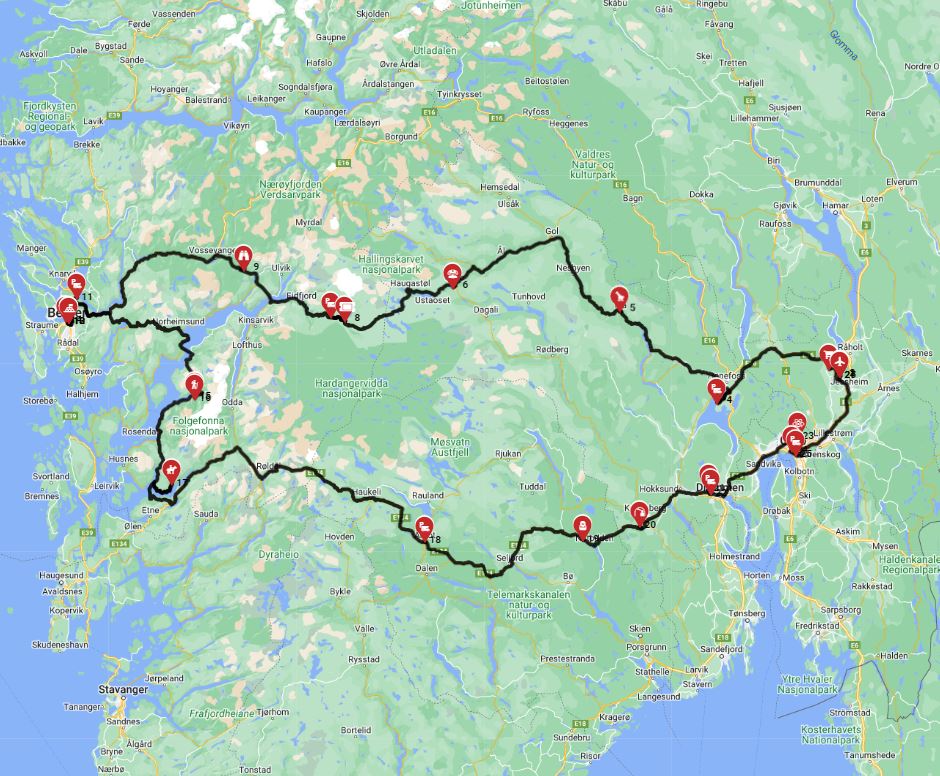
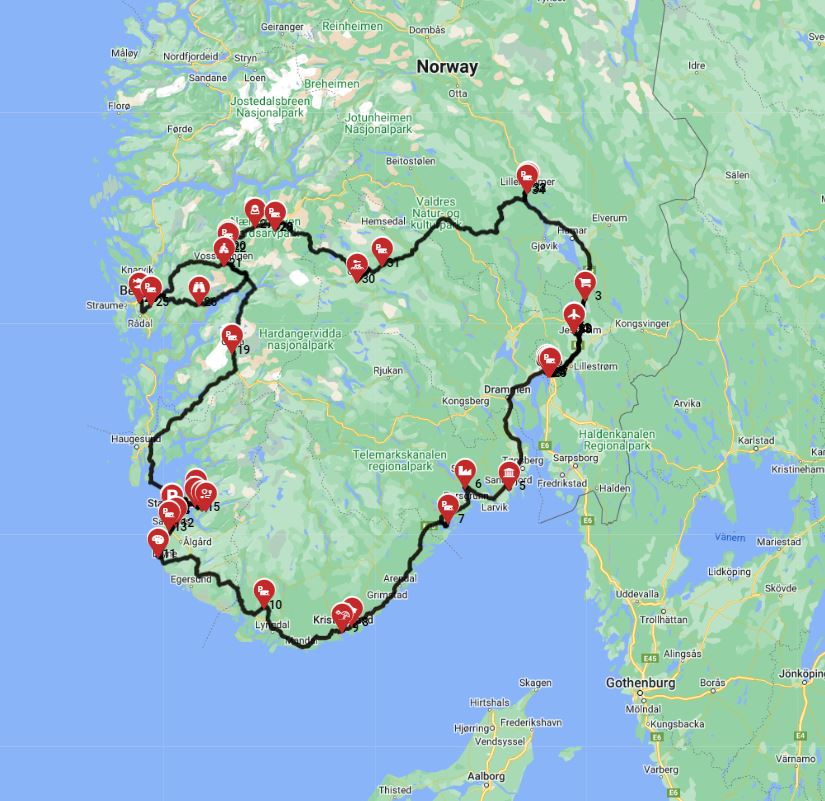
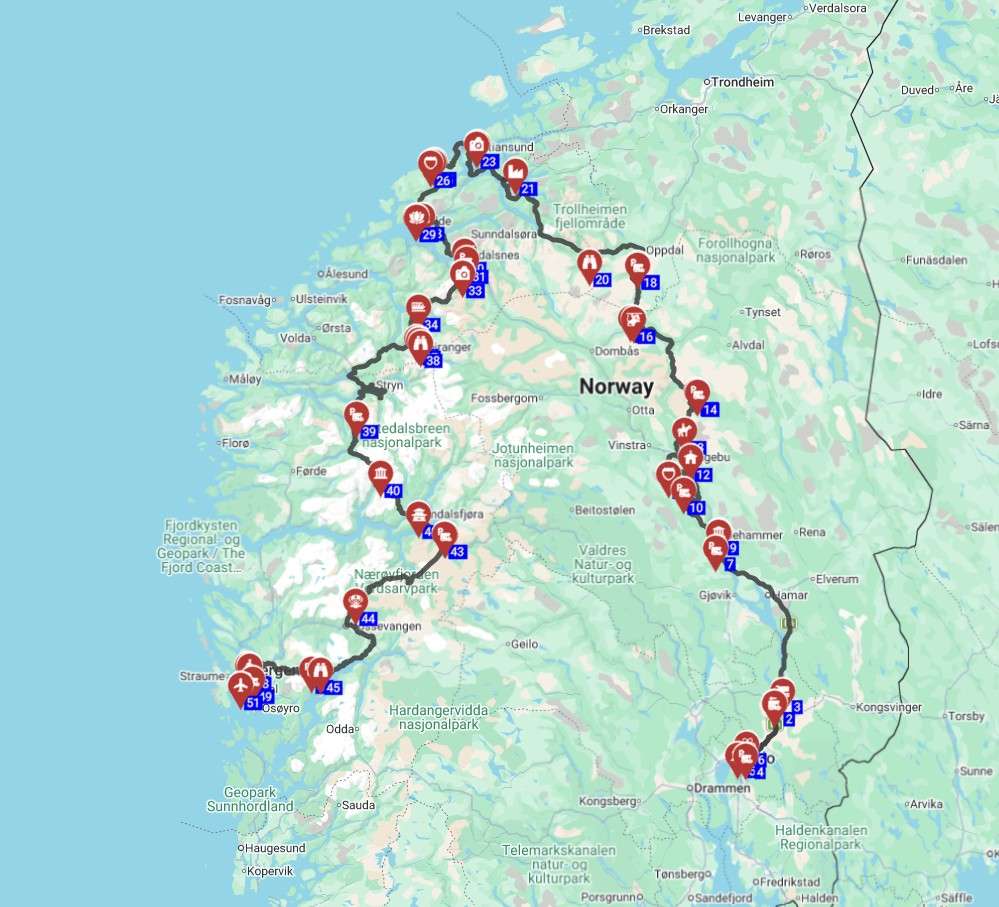
- Embark on the 13-day route, covering 2,168.9 km and exploring 4 museums and 2 traditional markets right from Oslo. This itinerary is perfect for couples who want to experience Oslo's cultural heart and natural surroundings.
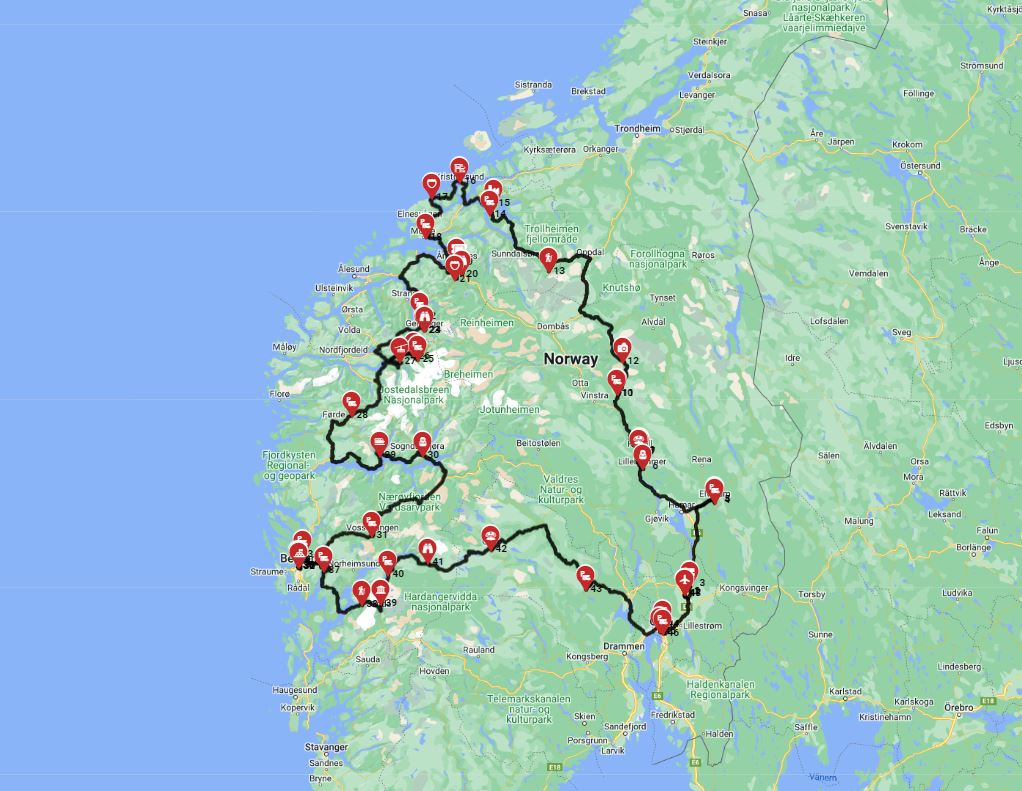
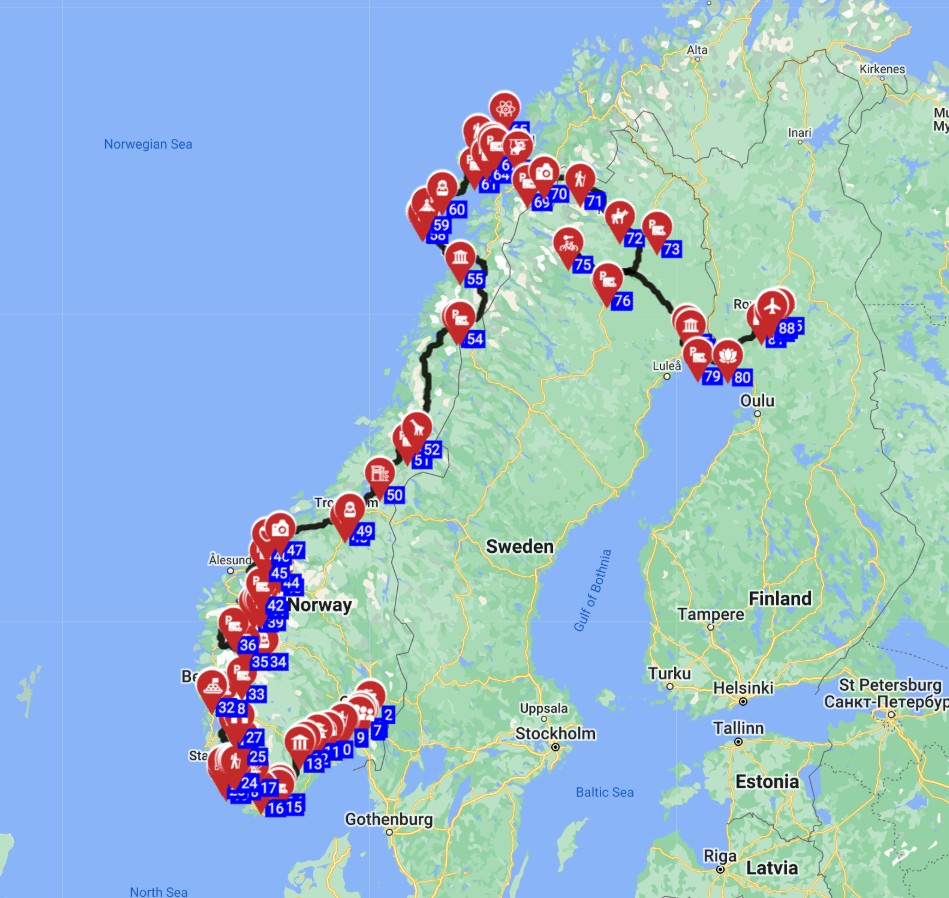
- For a grander adventure, consider the 20-day - Fjord & Peaks Discovery Drive, a 3,443.5 km journey that takes you from Oslo to Tromsø, including 4 stunning natural features and 4 cruise terminal / sailing opportunities.
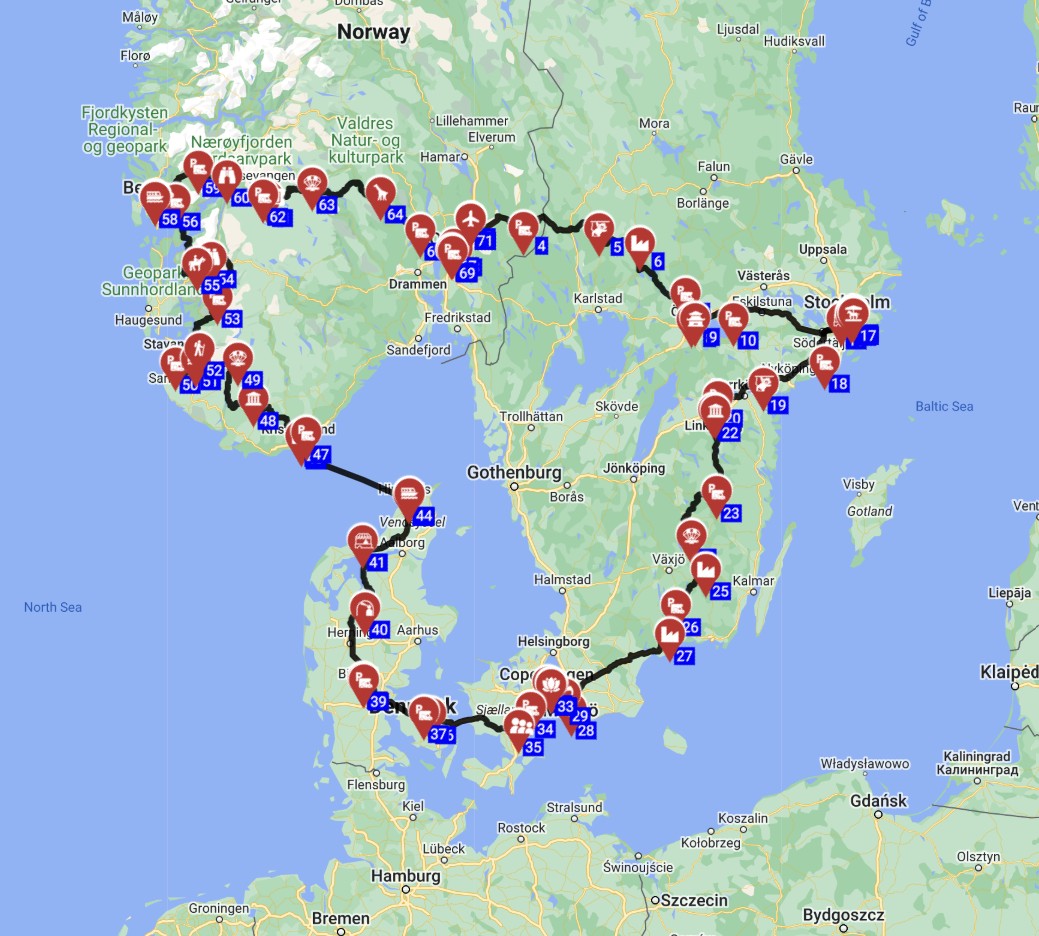
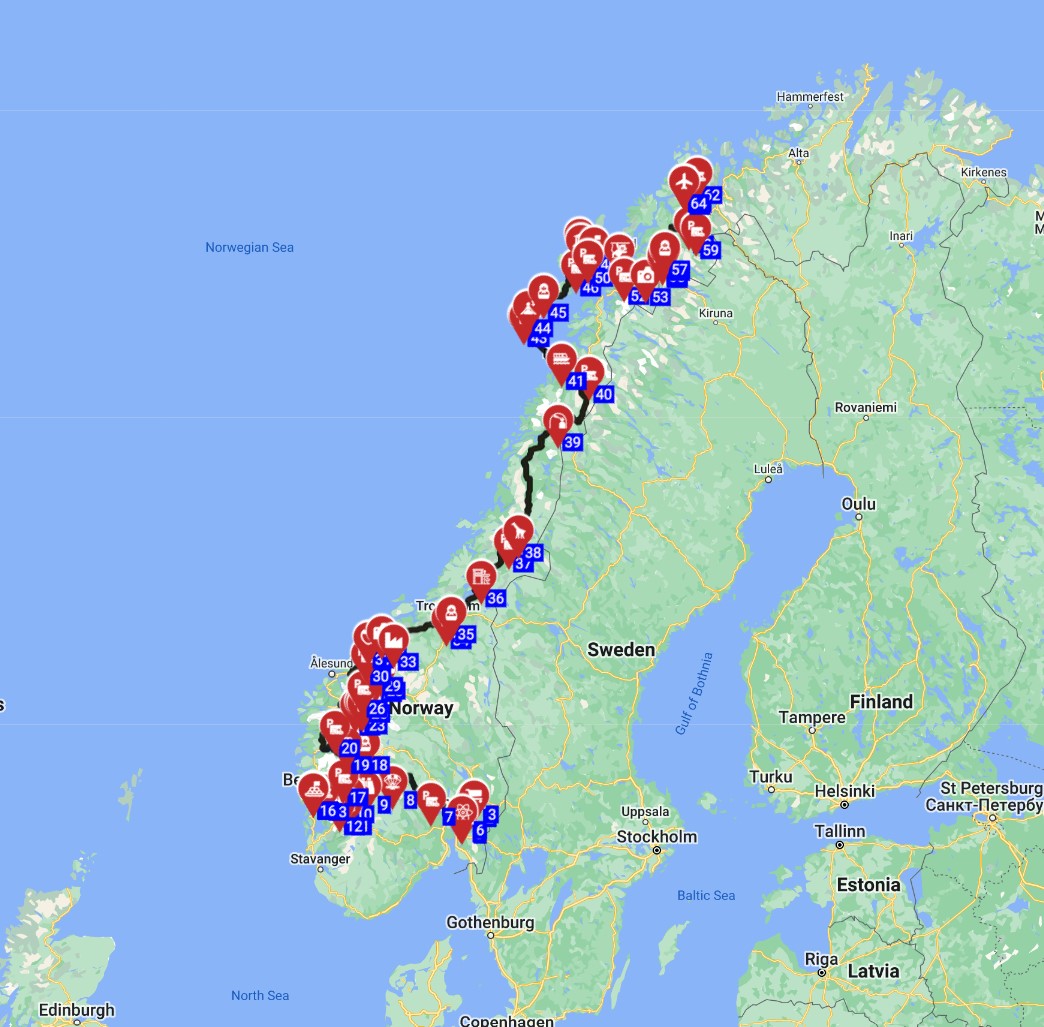
- Discover the dramatic landscapes on the return
route, "
," another 20-day adventure covering 3,389.7 km with 2 aquariums and 2 botanical gardens to visit.
 Tromsø to Oslo - Nordic Nature Escape
 - Take a romantic stroll through Vigeland Sculpture Park, a highlight of Oslo, and easily accessible by public transport from campsites just outside the city center.
- Explore the historic Akershus Fortress, offering stunning views of the Oslofjord, providing a perfect backdrop for memorable couple photos.
- Enjoy a leisurely afternoon at Bygdøy peninsula, home to several fascinating museums like the Fram Museum and the Viking Ship Museum, and beautiful beaches for a relaxing picnic.
Looking for expert insights from Avi Bandana? Top 5 Adventures - recommendations from Avi Bandana
🎬 Video coming soon
Final Thoughts
An RV rental for couples in Oslo promises an unforgettable blend of urban charm and breathtaking natural beauty. Imagine sharing quiet moments by the Oslofjord, venturing into the vast Marka forest, and enjoying the flexibility of your own mobile home. With Bandana RV, you're not just renting a vehicle; you're gaining a partner who understands the nuances of RV travel and is committed to making your romantic Norwegian adventure as seamless and enjoyable as possible. From navigating Oslo's roads with confidence to finding the perfect campsite with a view, we've covered the essentials to help you plan. Remember to travel slowly, savor each experience, and let Norway's magic unfold around you. We're here to handle the details, so you can truly live the journey. Find Motorhome Rentals in OsloOn the routes offered through RV PLANET routes, you can itemize and track every expense along the way for easy budgeting.