In This Guide
- Can You Drive an RV in Lyon? License & Age Rules
- Road Conditions & Terrain in Lyon
- RV Size Limits, Bridges & Restricted Zones
- Fuel: Diesel vs. Petrol & Cost per 100 km
- Tolls, Vignettes & Border Rules
- Driving Tips for rv rental for couples Travelers
- Recommended RV Class for Lyon Roads
- Should I Choose a Compact Van Instead of a Large RV in Lyon?
- Can I Park Anywhere? Free & Wild Camping Rules in Lyon
- Can I Drive an RV Into the City Center? Heights, Tunnels & Local Signage
- What do I need to drive my camper in France?
- Do you need a special license to rent and drive an RV?
- What is the 3 3 3 rule for RVs and campers?
- Is it cheaper to rent an RV or stay in hotels?
- Can you rent an RV in France?
- Can I rent an RV with a driver's license?
- What is the largest campervan you can drive on a car licence?
- How much does RV rental insurance cost?
- Where to buy RV rental insurance?
Can You Drive an RV in Lyon? License & Age Rules
To drive an RV in France, including around Lyon, most couples will find a standard B driving license (car license) is sufficient for vehicles up to 3,500 kg (3.5 tons) Maximum Authorized Mass (MAS), which covers the majority of campervans and smaller motorhomes suitable for two. Your standard B license is valid for RVs up to 3,500 kg. For RVs over 3,500 kg, a C1 (up to 7,500 kg) or C (over 7,500 kg) license is required, which is less common for couples' rentals. The minimum age for rental is typically 21 or 23, and drivers often need to have held their license for at least 2-3 years. Non-EU drivers generally need an International Driving Permit (IDP) alongside their valid national license. All vehicles in ZFE (Low Emission Zones) like Lyon require a Crit'Air sticker.
For couples renting an RV in Lyon, a standard Class B driving license, the same one used for cars, is generally all you need for most campervans and smaller motorhomes. These vehicles typically weigh under 3,500 kg (3.5 tons) Maximum Authorized Mass (MAS), which is the limit for a standard B license in France and across the EU. Should you opt for a larger, heavier RV, exceeding 3,500 kg but staying within 7,500 kg, you would need a C1 license, or a C license for anything over 7,500 kg – these are less common for typical couple rentals. Rental companies usually have a minimum age requirement, often 21 or 23, and a minimum period for holding your license, usually 2-3 years. For drivers with licenses issued outside the EU, it's highly advisable to obtain an International Driving Permit (IDP) to accompany your national license, ensuring smooth navigation through French regulations. Remember, when driving into Lyon's ZFE (Low Emission Zone), your rental RV must display the correct Crit'Air sticker.
Road Conditions & Terrain in Lyon
Road conditions in and around Lyon are generally excellent, offering a mix of well-maintained motorways, scenic rural routes, and some urban density that requires careful navigation, making it ideal for couples seeking diverse driving experiences. High-quality motorways (autoroutes) connect Lyon to major French regions, perfect for longer distances. Rural roads, especially in surrounding areas like Beaujolais or Ardèche, can be narrower and winding, encouraging a slower, more immersive pace. Urban driving in Lyon's city center requires attention due to one-way systems, tram lines, and increased traffic. The terrain around Lyon varies from the relatively flat Rhône valley to the rolling hills of the Beaujolais vineyards and the foothills of the Alps, offering picturesque routes for couples.
Couples embarking on an RV adventure from Lyon will find the road conditions generally superb. The well-maintained French motorways, known as 'autoroutes,' offer a smooth and efficient way to cover longer distances, connecting Lyon to various regions of France. As you venture into the picturesque countryside surrounding Lyon, such as the renowned Beaujolais wine region or the rugged landscapes of the Ardèche, you'll encounter more rural roads. These can be narrower and more winding, which, while requiring careful driving, also encourages a slower, more immersive pace, perfect for enjoying the scenery. Driving within Lyon's city center demands more attention due to its urban layout, which includes one-way systems, active tram lines, and generally higher traffic volumes. The terrain around Lyon is wonderfully varied, shifting from the gentle Rhône valley to the undulating hills of Beaujolais vineyards, and even reaching the dramatic foothills of the French Alps. This diverse topography ensures that couples can experience a wide array of beautiful and memorable routes.
RV Size Limits, Bridges & Restricted Zones
While most standard RVs rented by couples can navigate France, travelers must be aware of specific size limits, low bridges, and environmental restrictions, particularly within Lyon's designated ZFE (Zone à Faibles Émissions). Height limits (gabarit) are common on older bridges, tunnels, and parking garages, often indicated by circular red signs with white numbers; typically, RVs can be 3-3.5 meters high. Weight restrictions (limitation de tonnage) may apply on certain smaller bridges or rural roads, though most vehicles under 3.5 tons are unaffected. Lyon is a ZFE (Low Emission Zone) where all vehicles, including RVs, require a Crit'Air sticker to avoid fines; access restrictions apply based on the sticker's classification, especially during peak pollution events. Some historic city centers, while not technically restricted by height, might have very narrow streets unsuitable for larger RVs. Ferry limits for RVs are primarily based on length and height, influencing pricing and available spots for crossings (e.g., to Corsica).
When planning your RV journey around Lyon, it's crucial to be mindful of potential size and weight restrictions, as well as environmental regulations like the ZFE (Zone à Faibles Émissions) within Lyon itself. Height limitations, often indicated by circular red signs with white numbers signifying meters, are common on older bridges, in tunnels, and particularly in parking garages; most common rental RVs are designed to be around 3 to 3.5 meters high, but always check. Weight restrictions, marked as 'limitation de tonnage,' can also affect smaller bridges or specific rural roads, though most standard rental RVs under 3.5 tons are usually unaffected. Lyon operates a ZFE, meaning your rental RV will need a Crit'Air sticker to allow access, with restrictions potentially tightening during periods of high pollution. Some historic city centers, while not explicitly restricted by height, can feature incredibly narrow streets that may prove challenging for larger RVs. When considering ferry travel, be aware that length and height are key factors influencing pricing and availability.
Fuel: Diesel vs. Petrol & Cost per 100 km
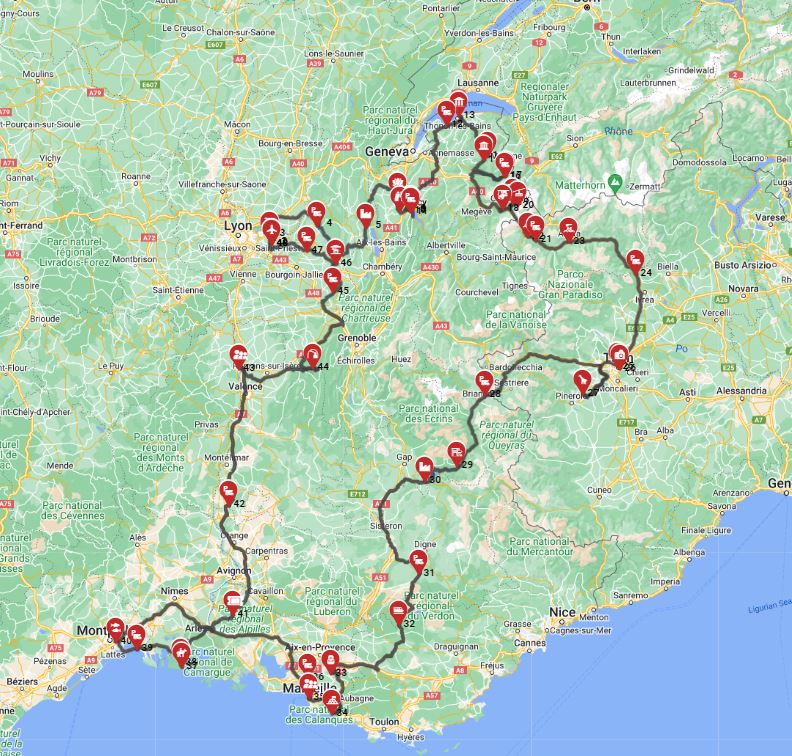
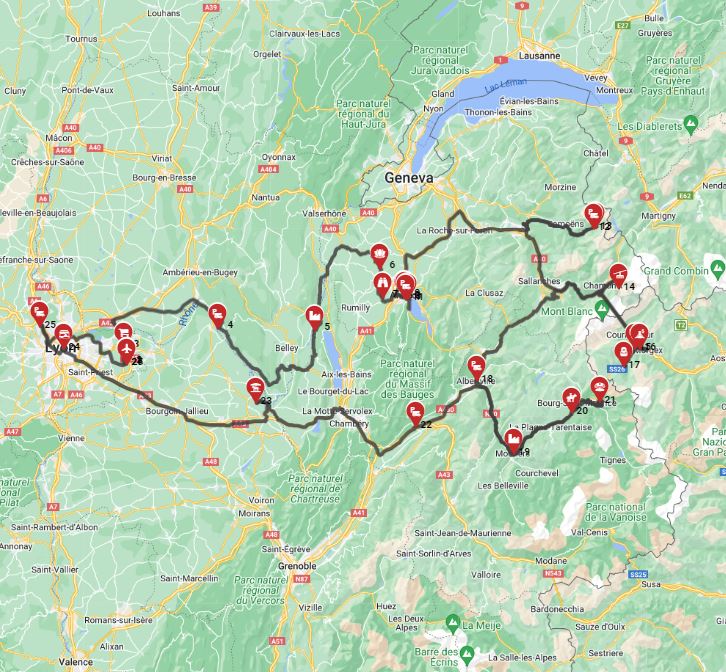
Most RVs in Bandana's fleet, including those commonly rented by couples, run on diesel fuel ("Gazole" or "Diesel" at pumps), which is widely available across France at varying prices. Based on Bandana's global fleet averages, Class SI - Semi-integrated RVs typically consume 10-11 Liters/100 km, Class B - Camper Vans average 8-10 Liters/100 km, and Class C - Alcove RVs typically consume 10-12 Liters/100 km. As of 2026, diesel prices in France fluctuate but can be estimated at €1.80-€2.00 per liter, meaning a couple might expect to pay approximately €18-€24 per 100 km in fuel costs. Petrol ("Essence" or "SP95/SP98") RVs are less common in rental fleets. On the routes offered through RV PLANET routes, you can itemize and track every expense along the way for easy budgeting.
When it comes to fueling your rental RV for a trip around Lyon, you'll primarily encounter diesel engines, indicated by "Gazole" or "Diesel" at the pumps. Petrol ("Essence" or "SP9 5/SP98") powered RVs are less common in rental fleets. Considering Bandana's fleet averages, you can expect Class B camper vans to consume around 8-10 liters per 100 km, while larger Class SI semi-integrated RVs typically use 10-11 liters per 100 km, and Class C alcove RVs might consume 10-12 liters per 100 km. As of 2026, French diesel prices can fluctuate, but a reasonable estimate for budgeting purposes is between €1.80 to €2.00 per liter. This translates to an approximate fuel cost of €18 to €24 for every 100 kilometers driven, a key consideration for planning your overall trip expenses.
Tolls, Vignettes & Border Rules
Toll roads (autoroutes à péage) are prevalent in France, especially around Lyon, and RV travelers should budget for these costs, as France does not use a vignette system. Toll costs for RVs are generally categorized based on height and axle count; most standard RVs fall into "Class 2" (vehicles between 2m and 3m high, with a maximum weight of 3.5t). For a typical journey, expect tolls to add a significant cost; for example, a trip from Lyon to the South of France could incur €20-€40 in tolls one way. Unlike some European countries, France does not require a vignette (pre-paid sticker for road use). Some rental providers may offer pre-purchased electronic toll passes (e.g., Liber-t badge) to streamline travel.
Be prepared for toll roads, or 'autoroutes à péage,' as they are common throughout France, particularly on routes radiating from Lyon. Unlike some European countries, France primarily uses a barrier toll system where you pay upon exiting a toll section, rather than requiring a vignette. Your RV's toll category will depend on its height and axle count; most standard RVs fall into "Class 2," which applies to vehicles between 2 meters and 3 meters in height and under 3.5 tons. A common route, like traveling from Lyon towards the south of France, could add approximately €20-€40 each way in tolls, so it's wise to factor this into your budget. If you plan to venture beyond France, remember that neighboring countries like Switzerland have different systems (e.g., requiring a vignette), so research border rules in advance. Some rental companies offer electronic toll passes, like the Liber-t badge, which can simplify payments and allow you to use dedicated toll lanes.
Driving Tips for rv rental for couples Travelers
Couples renting an RV in Lyon can enhance their travel experience by focusing on scenic routes, budgeting for realistic travel times, utilizing navigation tailored for larger vehicles, and embracing the flexibility of RV travel. Embrace Slow Travel: Lyon's surrounding regions (Beaujolais, Ardèche, Vercors) are best explored at a leisurely pace, allowing time for spontaneous stops at vineyards, markets, or hiking trails. RV-Specific GPS: Use a GPS system (or app like Campercontact, Park4night) that allows input of RV dimensions (height, length, weight) to avoid unsuitable roads, low bridges, or tight city centers. Crit'Air Sticker: Ensure your rental RV has the necessary Crit'Air sticker for Lyon's ZFE, or order one well in advance if bringing your own. Connectivity: Pre-purchase a local SIM card (e.g., Free Mobile, Orange) for reliable mobile data for navigation, research, and staying connected on the go. Seasonal Awareness: Be mindful of peak seasons (summer, school holidays) when campgrounds are busier and prices higher. Autumn (harvest season in Beaujolais) and spring offer beautiful weather and fewer crowds.
To make the most of your RV adventure as a couple exploring from Lyon, embrace the concept of 'Slow Travel.' This means taking your time, especially in regions like Beaujolais, Ardèche, or the French Alps, allowing for spontaneous detours to vineyards, local markets, or scenic hiking trails. For navigation, invest in or utilize an RV-specific GPS or app (like Campercontact or Park4night) that factors in your vehicle's dimensions – height, length, and weight – to help you avoid unsuitable routes, low bridges, or overly tight city centers. Crucially, ensure your rental RV is equipped with the required Crit'Air sticker for Lyon's Low Emission Zone (ZFE); if you're arranging your own vehicle, order this sticker well in advance. Staying connected is easy by purchasing a local SIM card from providers like Free Mobile or Orange for reliable data for navigation and research. Lastly, consider the season: while summer and school holidays are popular, they also mean busier campgrounds and higher prices. Spring and autumn often provide pleasant weather with fewer crowds, enhancing the relaxed RV experience.
Recommended RV Class for Lyon Roads
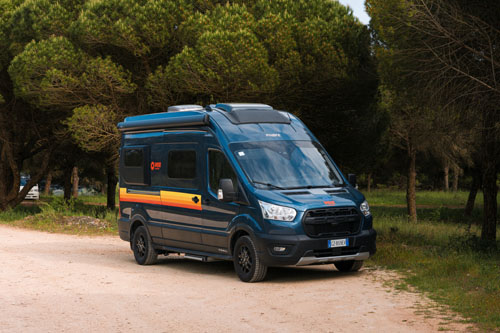
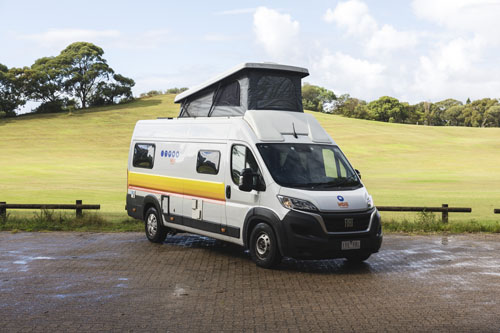
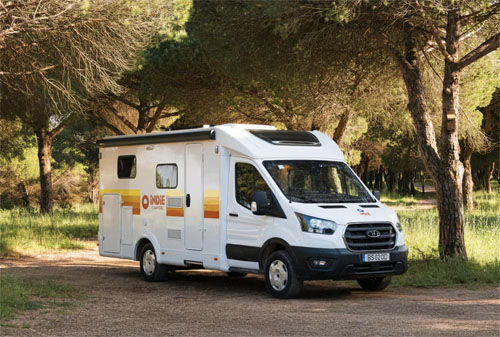
For couples exploring Lyon and its surrounding regions, Class B Camper Vans and Class SI Semi-Integrated motorhomes are highly recommended due to their balanced size, comfort, and maneuverability on both urban streets and scenic country roads. Class B Camper Vans, with an average length of 5.8 meters and sleeping capacity for 2-3 adults, are agile, easy to park, and feel more like driving a large car, perfect for navigating Lyon's tighter streets. Class SI Semi-Integrated RVs, averaging 6.9 meters in length and comfortably accommodating 2-4 adults, offer more living space, a separate shower/toilet, and a larger kitchen, providing excellent comfort for couples on longer trips. Both classes generally fall under the 3,500 kg weight limit, ensuring a standard B driving license is sufficient. Larger Class C Alcove (avg 7.5m) or Class A Integrated (avg 7.5m) RVs offer more luxury but can make navigating village roads or parking more challenging. For ideas you can prep on the road, watch our RV-friendly recipes playlist on YouTube.
When choosing the ideal RV for a couple's trip starting from Lyon, the Class B Camper Van and the Class SI Semi-Integrated motorhome stand out for their excellent balance of comfort and maneuverability. Camper vans, like Bandana's Class B models averaging around 5.8 meters in length, are particularly adept at navigating Lyon's more compact urban areas and winding country lanes, feeling more akin to driving a large car. For those seeking more space and amenities, the Class SI semi-integrated motorhomes, typically averaging 6.9 meters, offer a more expansive living area, a dedicated bathroom with a separate shower, and a more equipped kitchen, which is perfect for longer explorations. Crucially, both these classes usually remain within the 3,500 kg weight limit, making them drivable with a standard car license. While larger Class C alcove or Class A integrated motorhomes provide greater luxury and space, their increased dimensions can present more challenges when parking or maneuvering through smaller French villages.
Should I Choose a Compact Van Instead of a Large RV in Lyon?
For couples, choosing a compact van (like a Class B Camper Van) over a larger RV in Lyon offers advantages in maneuverability and parking, particularly within historic centers and on narrow rural roads, though larger RVs provide more indoor comfort and amenities. Compact Van Advantages: Smaller dimensions (e.g., Bandana's Class B Camper Vans average 5.8m in length) make them easier to drive and park in urban settings and navigate winding country lanes. Large RV Benefits: Larger RVs offer significantly more living space, a more spacious kitchen, a fixed bed, and a larger bathroom, enhancing comfort for couples on extended trips. Lyon Specifics: Navigating Lyon's historic Presqu'île or Vieux Lyon with a large RV can be challenging due to narrow streets, one-way systems, and limited parking; a compact van greatly simplifies this. The decision depends on priority: ease of access and parking (compact van) versus spaciousness and amenities (larger RV).
When deciding between a compact van and a larger RV for your couple's getaway in Lyon, consider your priorities. Compact vans, such as Class B camper vans (averaging 5.8m in length, like those offered by Bandana), excel in maneuverability. Their smaller footprint makes them significantly easier to drive and park in urban environments and navigate the charming, often narrow, country lanes of the surrounding regions. However, larger RVs do offer a considerable advantage in terms of living space, featuring more expansive kitchens, fixed beds for greater convenience, and more generous bathroom facilities, which can significantly enhance comfort on longer journeys. For exploring the historic heart of Lyon, particularly areas like the Presqu'île or Vieux Lyon, a compact van will undoubtedly simplify navigation and parking, which can be challenging with a larger vehicle. Ultimately, the choice hinges on whether ease of access and parking (favoring a compact van) or enhanced interior comfort and amenities (favoring a larger RV) is more important for your trip.
Can I Park Anywhere? Free & Wild Camping Rules in Lyon
Free and wild camping (bivouac) is generally restricted and not recommended within Lyon itself or most developed areas of France; couples should plan to stay in designated campgrounds or authorized parking areas. The general rule in France is that wild camping is prohibited on public roads, beaches, and protected natural sites, though it might be tolerated on private land with permission. Within Lyon's metropolitan area, overnight RV parking is typically permitted only in designated parking lots for leisure vehicles or official campgrounds. Excellent alternatives to wild camping include utilizing the abundant Campgrounds (Campings), dedicated Aires de Service/Aires de Camping-Car for essential services and limited parking, or the France Passion network for unique vineyard/farm stays. Rules vary significantly by commune and region, so always check local regulations before parking overnight to avoid fines.
When it comes to parking your RV overnight in or around Lyon, it’s important to understand that free or wild camping (known as 'bivouac') is generally restricted and not recommended. French law prohibits wild camping on public roads, beaches, and in protected natural sites, though it may be tolerated on private land with the owner's explicit permission. Within Lyon's metropolitan area, you'll typically find that overnight parking is officially permitted only in designated leisure vehicle parking areas or official campgrounds. Fortunately, France offers excellent alternatives to wild camping. The country has a vast network of official Campgrounds ('Campings'), alongside 'Aires de Service' or 'Aires de Camping-Car,' which are dedicated service areas for motorhomes, often providing water, waste disposal, and sometimes electricity at a low cost or even for free. For a truly unique experience, consider the France Passion network, which offers overnight stays on farms or vineyards. Always be aware that local rules can vary significantly by town ('commune') and region, so it's best practice to check local signage and regulations before settling in for the night.
Can I Drive an RV Into the City Center? Heights, Tunnels & Local Signage
Yes, you can generally drive an RV into parts of Lyon's city center, but it requires careful attention to local signage, particularly for height limits, low-emission zones (ZFE), and one-way streets, while parking within the most central areas is often challenging. Main boulevards and roads leading into Lyon are usually wide and accessible for most RV sizes. Remember that all vehicles entering Lyon's ZFE, which covers most of the central area, must display a valid Crit'Air sticker. Pay close attention to height limit signs ('gabarit') at tunnels, underpasses, and multi-story car parks; these are common, especially around older infrastructure like Lyon's Croix-Rousse tunnel. Historic areas like Vieux Lyon have very narrow streets, making navigation and turning a large RV difficult or impossible; these areas are best explored on foot. Finding suitable parking for an RV in the immediate city center is difficult; it's usually better to park on the outskirts and use Lyon's excellent public transport.
It is generally possible to drive an RV into parts of Lyon's city center, but it requires attentive navigation and awareness of local regulations. The main routes leading into the city are typically designed for larger vehicles, but once you're within the core, pay close attention to signage. This includes restrictions for low-emission zones (ZFE), which necessitate a Crit'Air sticker for all vehicles, and carefully observe height limit signs ('gabarit') that are common near tunnels, underpasses, and multi-story parking facilities – the Croix-Rousse tunnel is a notable example. Historic districts like Vieux Lyon are characterized by very narrow streets and one-way systems that can make driving larger RVs extremely difficult, if not impossible; these areas are best explored on foot. Parking an RV in the immediate city center is a significant challenge, so it's often more practical to park on the outskirts and utilize Lyon's efficient public transportation system to explore the city.
What do I need to drive my camper in France?
To drive your camper in France, you will need a valid driving license (often a standard B license for most RVs under 3,500 kg), an International Driving Permit if your license is non-EU, mandatory in-vehicle safety equipment, and a Crit'Air sticker for low-emission zones like Lyon. Ensure your driving license is valid and current. For non-EU licenses, an IDP is typically required. Always carry mandatory safety equipment such as a reflective vest for each occupant and a warning triangle. The Crit'Air sticker is essential for driving in ZFE zones (e.g., Lyon), so order it online in advance. Ensure you have all necessary vehicle documents and insurance, including comprehensive third-party liability and ideally a collision damage waiver (CDW).
Driving your camper in France requires a few key items to ensure compliance and a smooth journey. Primarily, you'll need a valid driving license; for most RVs and campers under 3,500 kg, your standard car license (Class B) will suffice. If your national license is not issued in the EU or EEA, you'll generally need an International Driving Permit (IDP) to accompany it. French law mandates certain safety equipment to be carried within the vehicle, including a reflective safety vest for every person on board and a warning triangle. For driving within low-emission zones (ZFE), such as in Lyon, a Crit'Air sticker is mandatory; this should be ordered online in advance. Make sure you also have all the required vehicle documentation, including registration and insurance papers, confirming you have at least third-party liability coverage and ideally a Collision Damage Waiver (CDW).
Do you need a special license to rent and drive an RV?
For the vast majority of RVs available for rent for couples, a standard B category driver's license (the same one used for cars) is sufficient, provided the vehicle's Maximum Authorized Mass (MAM) does not exceed 3,500 kg. This B license allows you to drive vehicles up to 3.5 tonnes (3,500 kg) and carry up to 8 passengers in addition to the driver. Many popular rental campervans and semi-integrated motorhomes designed for 2-4 people fall comfortably within this weight limit. Only for larger, heavier RVs (over 3,500 kg up to 7,500 kg) would you need a C1 license. Rental companies typically require drivers to be at least 21 or 23 years old and to have held their license for a minimum of 2-3 years.
The good news for couples looking to rent an RV for their French adventure is that a special license is rarely required. For the vast majority of rental RVs, particularly those suitable for couples and often categorized as campervans or semi-integrated motorhomes, your standard Class B driver's license – the same one you use for your car – is perfectly sufficient. This applies as long as the vehicle's Maximum Authorized Mass (MAM) does not exceed 3,500 kg (3.5 tonnes). This weight limit covers most popular rental models designed for 2 to 4 people. You'd only need a more advanced license, such as a C1 or C, if you were looking at significantly larger and heavier RVs, which are less common for standard rental purposes. Rental companies also typically stiprate a minimum driver age, often 21 or 23, and require you to have held your license for at least two to three years.
What is the 3 3 3 rule for RVs and campers?
The "3-3-3 rule" is a popular, informal guideline for responsible RV travel, suggesting you drive no more than 300 miles (approx. 500 km) in a day, arrive at your destination by 3 PM, and stay for at least 3 nights, promoting a relaxed and safe pace, particularly suitable for couples. This rule prioritizes a more enjoyable RV experience rather than a strict legal requirement. Driving a maximum of 300 miles (around 500 km) per day prevents driver fatigue and allows ample time for sightseeing. Arriving by 3 PM ensures you have daylight to find and set up your campsite or overnight parking. Staying for at least 3 nights allows couples to fully explore a region and truly relax without constant packing and moving.
For a truly relaxed and safe RV journey, many experienced travelers adhere to the informal "3-3-3 rule." This guideline suggests three key practices: driving no more than 300 miles (approximately 500 km) per day, arriving at your destination by 3 PM, and staying at least 3 nights. This approach is particularly beneficial for couples seeking a less hurried experience. Limiting your daily drive to around 500 km helps prevent driver fatigue and ensures you have daylight hours for sightseeing and enjoying spontaneous stops. Arriving by 3 PM provides ample time to locate your campground or overnight parking spot and set up comfortably before dusk. The recommendation to stay at least three nights allows you to immerse yourselves in a location, explore thoroughly, and truly unwind, rather than constantly moving.
Is it cheaper to rent an RV or stay in hotels?
Renting an RV for a couple in France can often be cheaper than staying in hotels, particularly for longer trips, when factoring in savings on accommodation, dining out, and the flexibility to cook your own meals. RV rental fees include your living, sleeping, and cooking space. The ability to prepare most meals in your RV's kitchen significantly reduces restaurant expenses. While you need to budget for campground fees (typically €15-€40 per night), these are generally less than hotel room rates. Remember to also factor in fuel costs (estimated at €18-€24 per 100km for a typical RV), toll fees, and potential insurance add-ons, but the overall flexibility and unique travel experience offered by an RV often provide excellent value.
When comparing the cost of an RV rental against traditional hotel stays for a couple's trip in France, an RV often emerges as the more economical choice, especially for extended journeys. The rental fee itself encompasses your accommodation, kitchen, and living space, eliminating separate hotel room costs. Furthermore, the flexibility to prepare most of your meals in the RV's well-equipped kitchen can dramatically cut down on dining-out expenses, a significant saving. While you will need to factor in campground fees, which typically range from €15 to €40 per night, these are generally more affordable than hotel rates. Don't forget to account for fuel costs – an estimated €18-€24 per 100 km for a typical RV – as well as tolls and any optional insurance add-ons. However, considering the freedom, flexibility, and unique experiences an RV provides, it often represents excellent value for money.
Can you rent an RV in France?
Yes, it is very easy to rent an RV in France, with numerous rental companies, including international platforms like Bandana, offering a wide selection of campervans and motorhomes from various pick-up locations, including Lyon. France is a highly popular destination for RV travel, leading to a robust rental market where you can find everything from compact campervans suitable for couples to larger, family-sized motorhomes. Major pick-up locations include international airports (Paris, Lyon, Nice) and major cities. Rental companies provide comprehensive insurance, roadside assistance, and often introductory briefings on how to operate the RV. Booking in advance, especially for peak season (summer), is highly recommended.
Absolutely, renting an RV in France is a straightforward and popular way to explore the country. The French RV rental market is well-developed, with numerous providers offering a diverse fleet, from compact campervans perfect for couples to larger motorhomes suitable for families. Platforms like Bandana connect you with various suppliers, allowing you to compare options and find the best fit for your trip, with convenient pick-up locations in major cities and international airports, including Lyon. Rental packages typically include comprehensive insurance, roadside assistance, and a thorough orientation on operating the vehicle. Due to high demand, especially during peak summer months and school holidays, it's highly advisable to book your rental RV well in advance to secure your preferred vehicle and dates.
Can I rent an RV with a driver's license?
Yes, you can rent and drive most RVs in France with a standard Class B driver's license – your regular car license – as long as the RV's Maximum Authorized Mass (MAM) does not exceed 3,500 kg. This standard license covers the vast majority of campervans and smaller to medium-sized motorhomes ideal for couples. Rental companies will verify your license is valid, current, and that you meet their minimum age and driving experience requirements. For non-EU licenses, an International Driving Permit (IDP) is typically required alongside your national license. Always double-check the specific MAM of the RV you intend to rent to ensure it falls within your license category.
Yes, in most cases, you can rent and drive an RV in France using just your standard Class B driver's license – the same license you use for driving a car. This is applicable provided the RV's Maximum Authorized Mass (MAM) does not exceed 3,500 kg (3.5 tonnes). This weight limit is quite common for most campervans and many of the smaller to medium-sized motorhomes that are ideal for couples. Rental companies will, of course, verify that your license is valid, current, and that you meet their minimum age and driving experience criteria. If your driver's license was issued outside the EU, you will typically need to present an International Driving Permit (IDP) along with your national license. It's always wise to confirm the specific MAM of the RV you plan to rent to ensure it aligns with your driving license category.
What is the largest campervan you can drive on a car licence?
The largest campervan or motorhome you can drive on a standard car (Class B) license in France has a Maximum Authorized Mass (MAM) of 3,500 kg (3.5 tonnes). This MAM limit includes most Class B Camper Vans and many Class SI Semi-integrated motorhomes, which are popular choices for couples. This 3,500 kg limit is consistent across the EU and many other countries. Vehicles like Bandana's Class B Camper Vans (averaging 5.8m in length) and Class SI Semi-integrated motorhomes (averaging 6.9m in length) are specifically designed to stay within this weight class. The "largest" vehicle is determined not solely by length but by its loaded weight; a longer RV might still be drivable on a B license if constructed from lightweight materials. Always confirm the MAM (sometimes listed as MTPLM - Maximum Technically Permissible Laden Mass) of the specific vehicle you intend to rent, typically found in its registration documents.
When driving on a standard car license (Class B) in France, the upper limit for the campervan or motorhome you can legally operate is determined by its Maximum Authorized Mass (MAM), which is capped at 3,500 kg (3.5 tonnes). This weight limit applies broadly across the EU, including France. Many popular rental options, such as Class B camper vans (typically around 5.8 meters long) and many Class SI semi-integrated motorhomes (around 6.9 meters long), are specifically engineered to stay within this weight category, making them suitable for couples with just a standard license. It’s important to remember that the "largest" vehicle isn't just about its physical length but its loaded weight. A longer motorhome could potentially be driven on a B license if it's built with lighter materials. Therefore, always verify the MAM (or MTPLM - Maximum Technically Permissible Laden Mass) of the specific rental RV you're interested in, usually found in the vehicle's documentation, to ensure it complies with your license.
How much does RV rental insurance cost?
The cost of RV rental insurance typically ranges from €15-€40 per day, but this varies significantly based on the level of coverage, the RV's value, the rental company, and whether you purchase supplemental policies. Basic coverage, often included, provides third-party liability insurance. Collision Damage Waiver (CDW), highly recommended, reduces your financial liability (deductible/excess) for damage to the rental RV, often costing €15-€30 per day. Even with CDW, a deductible (franchise) usually applies, which can range from €1,500-€3,000; supplemental insurance can reduce or eliminate this. Personal Accident Insurance (PAI) is an optional add-on covering medical expenses for occupants. Expect a security deposit, often matching the deductible, to be held on your credit card.
Understanding the cost of RV rental insurance is vital for budgeting your trip around Lyon. The price can fluctuate, generally ranging from €15 to €40 per day, depending on several factors: the level of coverage selected, the value of the RV itself, the specific rental company's policies, and any supplemental protection you choose. Most rentals will include basic third-party liability insurance as standard. However, it's highly recommended to opt for a Collision Damage Waiver (CDW). This is an optional add-on that significantly reduces your financial responsibility (the deductible or 'excess') should any damage occur to the rental RV, typically costing between €15 to €30 per day. Be aware that even with CDW, a deductible usually remains, often between €1,500 to €3,000, though further optional insurance can sometimes reduce or eliminate this. You might also consider Personal Accident Insurance (PAI) for medical coverage for occupants. Anticipate a security deposit, often equivalent to the deductible amount, which rental companies will hold on your credit card during the rental period.
Where to buy RV rental insurance?
RV rental insurance for your trip around Lyon can typically be purchased directly from your rental company, through independent third-party insurance providers, or sometimes via your existing travel insurance or credit card benefits. The rental company option is the most convenient, offering coverage packages at the time of booking or pick-up. Independent providers, such as RentalCover, may offer policies that are more comprehensive or cost-effective. It's also worth checking if your existing travel insurance includes RV rental coverage, although you must confirm the specifics. Some premium credit cards offer rental car insurance, but these often exclude RVs, so thorough verification is essential. When purchasing any insurance, always compare coverage details, deductible amounts, and review policy terms carefully.
Securing the right RV rental insurance for your French adventure is straightforward, with several avenues available. The most direct route is purchasing coverage directly from your chosen rental company, usually during the booking process or at the time of vehicle pick-up. Alternatively, you can explore specialized third-party insurance providers, such as RentalCover, which may offer more comprehensive or budget-friendly policies. It's also worth investigating whether your existing travel insurance plan extends to RV rentals; however, be sure to verify the exact details of coverage. Certain premium credit cards might provide rental car insurance benefits, but it's crucial to confirm if they specifically exclude RVs, as many do. Regardless of where you buy your insurance, always take the time to compare coverage levels, understand the deductible amounts, and thoroughly review the policy terms and conditions.
What You Shouldn't Miss
- Explore the historic districts of Vieux Lyon and Presqu'île on foot, soaking in the Renaissance architecture and charming cobblestone streets.
- Indulge in Lyon's renowned culinary scene by visiting Les Halles Paul Bocuse or sampling local delicacies at traditional bouchons.
- Take a scenic drive through the Beaujolais wine region, just north of Lyon, for vineyard tours and wine tastings.
- Hike in the nearby Monts d'Or for panoramic views of Lyon and the Rhône Valley.
- Visit the Basilica of Notre-Dame de Fourvière for breathtaking city vistas and impressive architecture.
- Discover the vibrant Croix-Rousse neighborhood, once the center of Lyon's silk industry, with its unique traboules (hidden passageways).
Final Thoughts
Renting an RV for a couple's getaway in Lyon offers an unparalleled blend of freedom, comfort, and immersion into the French lifestyle. From navigating scenic vineyard routes to exploring vibrant city centers, your mobile home base provides the perfect platform for creating lasting memories.
By choosing a vehicle that suits your needs, understanding the driving regulations, and planning thoughtfully, you're set for an unforgettable adventure. Bandana Caravan is here to help you find the perfect RV, ensuring a transparent and hassle-free booking process so you can focus on the joy of the open road.
Find Motorhome Rentals in Lyon