In This Guide
- Can You Drive an RV in Ireland? License & Age Rules
- Road Conditions & Terrain in Ireland
- RV Size Limits, Bridges & Restricted Zones
- Fuel: Diesel vs. Petrol & Cost per 100 km
- Tolls, Vignettes & Border Rules
- Driving Tips for rv rental for couples Travelers
- Recommended RV Class for Ireland Roads
- Should I Choose a Compact Van Instead of a Large RV in Ireland?
- Can I Park Anywhere? Free & Wild Camping Rules in Ireland
- Can I Drive an RV Into the City Center? Heights, Tunnels & Local Signage
- What are the Specific Legalities for Wild Camping and Overnight RV Parking in Ireland?
- What are the Specific Driving Challenges for RVs in Ireland?
- How Can Couples Save Money on an RV Trip in Ireland?
- Is RV Travel Safe for Couples in Ireland?
- How Can RVers Experience Local Culture in Ireland?
- Which RV Sizes and Types are Best for Ireland's Roads?
- How Does Irish Weather Impact RV Travel?
- Where Can RVers Find Waste Disposal and Water Refill Points in Ireland?
- What are Recommended RV Itineraries for Couples in Ireland?
Can You Drive an RV in Ireland? License & Age Rules
Most standard RVs up to 3,500 kg can be driven in Ireland with a regular car license (Category B). If you're renting a larger vehicle, typically between 3,501 kg and 7,500 kg, you'll need a Category C1 license. The minimum driver age for RV rentals in Ireland is usually between 21 and 25 years, with some suppliers imposing higher age limits for their largest motorhomes. For non-EU/EEA license holders, carrying an International Driving Permit (IDP) alongside your national license is highly recommended for smooth communication with authorities and rental companies.
Road Conditions & Terrain in Ireland
Ireland's road network offers a diverse driving experience, from excellent motorways (M roads) and well-maintained national roads (N roads) to the more challenging, often narrow, and winding regional (R) and local roads. Rural roads can be particularly narrow, sometimes single-track with designated passing places, demanding slow and careful driving. The terrain varies significantly, from the relatively flat midlands to the mountainous regions found in the southwest (like County Kerry) and northwest (County Donegal). The scenic beauty of Irish roads intrinsically encourages a slower, more deliberate pace, which is perfect for couples exploring at their leisure.
RV Size Limits, Bridges & Restricted Zones
While there are no overarching national RV size limits across Ireland, drivers must remain vigilant for local restrictions, especially height limits on low bridges, which are common in older towns and rural areas. Always check signage carefully before proceeding under any bridge or through narrow passages. Some city centers, including Dublin, may have bus-only lanes or environmental zones that larger vehicles might need to avoid, or for which specific rules apply. When planning ferry crossings, be aware that costs and availability are often based on the RV's length and height; booking in advance is strongly recommended, particularly for larger vehicles.
Fuel: Diesel vs. Petrol & Cost per 100 km
The majority of RVs available for rent in Ireland are diesel-powered, and diesel fuel is widely available at service stations nationwide. Petrol is less common for larger recreational vehicles. Based on Bandana's global fleet averages, a Class SI Semi-integrated RV typically consumes 10-11 Liters/100 km, while a Class B Camper Van uses 8-10 Liters/100 km. Budget approximately €1.80-€2.00 per liter for diesel in 2026, meaning a Class B Camper Van could cost roughly €14.40-€20 per 100 km. Some rental providers may include fuel discount cards, offering potential savings on your journey.
Tolls, Vignettes & Border Rules
Ireland features several toll roads, primarily located on its motorways. Most toll points allow payment via cash or card at a barrier, although the M50 Dublin orbital motorway operates an electronic-only tolling system (eFlow). There are no national vignettes required for driving in Ireland. Crossing the border between the Republic of Ireland and Northern Ireland is seamless, with no border checks or specific rules to follow beyond adherence to local traffic laws. Some rental providers may offer the option to pre-purchase toll passes or provide guidance on managing eFlow tolls, helping you avoid potential fines. On the routes offered through RV PLANET routes, you can itemize and track every expense along the way for easy budgeting.
Driving Tips for rv rental for couples Travelers
When driving an RV in Ireland, remember to always drive on the left-hand side of the road, and be mindful that many rural roads are exceptionally narrow, often single-track with high hedges, necessitating a slower pace. Sharing driving duties can significantly reduce fatigue and allow both partners to fully appreciate the stunning Irish scenery. Utilize a co-pilot for navigation, especially when encountering complex roundabouts or road signs that might be in Gaelic. Always be prepared to stop for livestock, such as sheep or cattle, on rural roads, and take frequent breaks at scenic spots or charming villages to truly immerse yourselves in the journey and prevent driving burnout.
Recommended RV Class for Ireland Roads
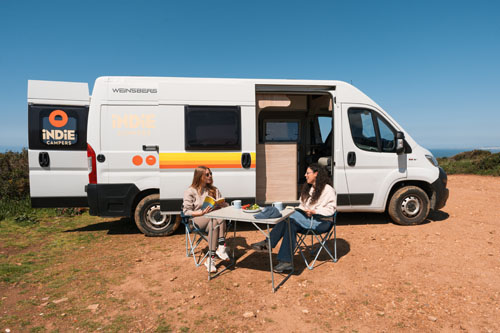
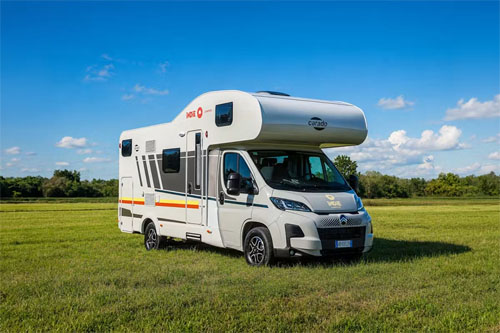
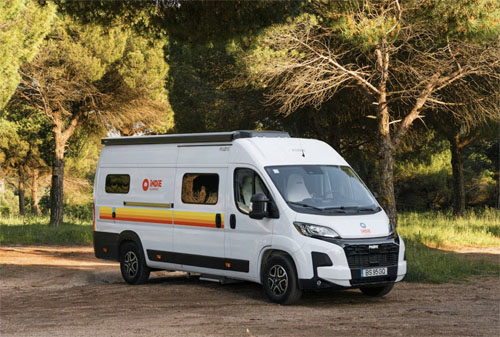
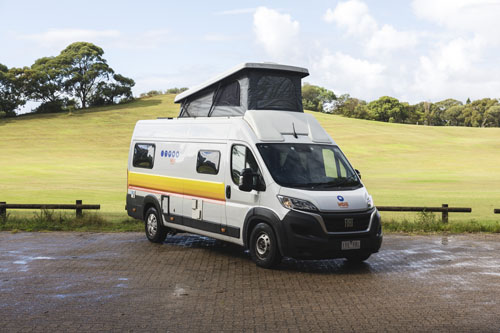
For couples planning to explore Ireland, a Class B Camper Van or a Class SI Semi-integrated RV from Bandana's fleet offers an excellent balance of comfort and maneuverability. Class B Camper Vans, averaging around 5.8 meters in length and typically accommodating 2.7 adults, are highly maneuverable, making them ideal for navigating narrow country lanes, parking in smaller towns, and accessing more remote scenic spots. Class SI Semi-integrated RVs, averaging 6.9 meters in length and suitable for about 3.4 adults, provide more interior space, a comfortable fixed bed, and better amenities while remaining manageable on most national and regional roads, making them perfect for longer trips. Both classes offer sufficient living and sleeping space for two, ensuring a comfortable and flexible travel experience.
Should I Choose a Compact Van Instead of a Large RV in Ireland?
While a compact van, such as a Class B Camper Van, offers superior maneuverability in very tight historic centers and extremely narrow mountain passes, most RV sizes can generally be driven throughout Ireland without significant issues. Larger RVs, however, provide substantially more indoor living space, a full kitchen, and a dedicated washroom, greatly enhancing comfort for couples embarking on an extended trip. Consider your itinerary carefully: if your primary focus is driving through very dense urban cores or exceptionally remote, single-track routes, a compact van might offer genuine benefits. Nevertheless, for a typical Irish RV itinerary that includes national roads and scenic routes, the added comfort and amenities of a larger Class SI Semi-integrated RV often outweigh the minor maneuverability advantages of a compact van. For ideas you can prep on the road, watch our RV-friendly recipes playlist on YouTube.
Can I Park Anywhere? Free & Wild Camping Rules in Ireland
In Ireland, wild camping with an RV is generally not permitted on private land without explicit landowner permission, and it remains a legal grey area on most public lands. Many local authorities have bylaws prohibiting overnight parking in non-designated areas, with regulations varying significantly by region. While sometimes tolerated in very remote, isolated locations, wild camping should always adhere to Leave No Trace principles and prioritize environmental protection. Official campsites (caravan parks) are the most reliable and legal option for overnight stays, offering essential facilities and security. Remember that rules vary significantly by region and specific municipality—always check local regulations and follow local law before parking overnight.
Can I Drive an RV Into the City Center? Heights, Tunnels & Local Signage
Yes, you can generally drive an RV into Irish city centers, as main access routes are typically designed to accommodate larger vehicles. The most crucial aspect is to pay close attention to local signage, particularly for height restrictions on low bridges, tunnels, and multi-story car park entrances. Be aware of bus lanes and environmental zones, as some city centers may have restrictions for larger vehicles or specific time-of-day limitations. Parking an RV in city centers can be challenging; consider utilizing park-and-ride facilities on the outskirts and using public transport to explore the city. Always heed local council parking regulations and look out for residents-only parking areas to avoid potential fines.
What are the Specific Legalities for Wild Camping and Overnight RV Parking in Ireland?
In Ireland, there is no automatic 'right to roam' for motorized vehicles, meaning wild camping with an RV is generally not legally sanctioned on most public or private land without specific permission. For private land, explicit consent from the landowner is always required, as trespassing laws apply if permission is not obtained. National Parks and protected areas strictly prohibit overnight parking or wild camping outside designated sites to safeguard sensitive ecosystems. Common 'no-go' zones include popular tourist hotspots, urban areas, and commercial car parks that explicitly display 'no overnight parking' signs. While sometimes tolerated in extremely remote, isolated areas (like some parts of Connemara or Donegal), this practice remains legally ambiguous and subject to local interpretation; prioritizing official campsites is always the safest and most legal option.
What are the Specific Driving Challenges for RVs in Ireland?
RV drivers in Ireland will encounter several unique challenges. **Narrow Roads:** Many rural roads, particularly in scenic areas and ancient villages, are extremely narrow, often single-track with high hedges, making passing difficult and necessitating slow speeds. **Livestock:** Be prepared for unexpected encounters with sheep, cattle, or other farm animals on rural roads, especially in agricultural regions; drive cautiously and be ready to stop. **Roundabout Etiquette:** Ireland utilizes many roundabouts; drivers must yield to traffic approaching from the right and signal clearly upon exit. **Reversing and Parking:** Maneuvering a larger RV can be difficult in tight spaces; practice reversing in open areas and use a spotter when parking, particularly in towns with limited space. **Steep Hills and Winding Routes:** Regions like the Ring of Kerry or the Burren feature steep ascents/descents and sharp bends, demanding careful driving and appropriate gear selection.
How Can Couples Save Money on an RV Trip in Ireland?
Couples can significantly save money on an Irish RV trip by adopting a few key strategies. **Fuel Efficiency:** Drive conservatively, adhere to speed limits, and leverage any fuel discount cards provided with your rental; Bandana's Class B Camper Vans, which typically consume 8-10 Liters/100 km, offer better fuel economy. **Groceries & Cooking:** Maximize the use of your RV's kitchen by preparing most meals, shopping at local supermarkets like Lidl or Aldi, which are considerably cheaper than dining out daily. **Free Attractions:** Focus on Ireland's abundant free natural attractions, such as national parks, stunning coastal walks, and picturesque drives. **Low-Cost Overnight Stays:** Seek out budget-friendly campsites or utilize designated motorhome parking bays (often for a small fee) where available and legal, rather than opting for expensive full-service parks every night. **Off-Peak Travel:** Consider traveling outside of the peak summer months (July-August) to benefit from lower rental rates, fewer crowds, and potentially cheaper campsite fees.
Is RV Travel Safe for Couples in Ireland?
RV travel for couples in Ireland is generally considered very safe, with the country boasting a low crime rate and a welcoming reputation for visitors. It's advisable to prioritize secure parking, especially overnight in urban areas; official campsites or well-lit, designated motorhome parking areas are highly recommended. Always lock your RV and keep valuables out of sight to deter opportunistic theft, as you would in any travel situation. Familiarize yourselves with Ireland's emergency numbers (112 or 999) and ensure you have roadside assistance contact details readily available for your rental provider. Irish locals are generally friendly and helpful; respectful interactions often lead to positive experiences and valuable local advice.
How Can RVers Experience Local Culture in Ireland?
To truly experience local culture in Ireland while RVing, engage with **Local Markets:** Visit farmers' markets and local food markets (like the English Market in Cork) for fresh produce, artisan crafts, and authentic regional flavors, fostering interactions with local vendors. **Traditional Music Sessions ('Trad Sessions'):** Seek out pubs in smaller towns and villages that host informal traditional Irish music sessions, which are often spontaneous and deeply immersive experiences. **Community Events:** Check local tourist information offices for village festivals, sporting events (such as Gaelic football or hurling matches), or craft fairs happening during your visit. **Farm Visits/Agritourism:** Look for opportunities to visit working farms or artisan producers, which can offer unique insights into rural Irish life and traditional crafts. **Small Village Stays:** Instead of rushing through, spend a night or two in charming smaller villages, allowing time to frequent local shops, pubs, and cafes, which helps foster genuine interactions.
Which RV Sizes and Types are Best for Ireland's Roads?
The ideal RV size for Ireland's roads depends significantly on your planned itinerary and comfort preferences as a couple. **Class B Camper Vans**, typically around 5.8 meters in length, are excellent for accessing the narrowest country roads, remote beauty spots, and offer the easiest urban parking, making them ideal for agile exploration. **Class SI Semi-integrated RVs**, averaging 6.9 meters in length, provide a good balance, offering more interior comfort and amenities for couples while remaining manageable on most national and regional routes. **Larger RVs**, such as Class C Alcove models (around 7.5 meters) or Class A Integrated (also around 7.5 meters), offer maximum comfort but may present challenges on very narrow rural lanes or in congested historic town centers. For larger rigs, strategic planning involving park-and-ride facilities or designated RV parking on city outskirts is recommended for urban exploration, minimizing stress on tight city streets.
How Does Irish Weather Impact RV Travel?
Irish weather is famously unpredictable, often delivering 'four seasons in one day,' meaning RV travelers must be prepared for quickly changing conditions. **Rain:** Expect frequent rainfall; pack waterproof clothing and plan indoor activities like visiting museums, distilleries, or simply enjoying a cozy pub. **Wind:** Strong winds, particularly along coastal routes like the Wild Atlantic Way, can affect driving stability for larger RVs; park strategically to minimize buffeting. **Temperature Fluctuations:** Layered clothing is essential, as temperatures can vary significantly from morning to evening, even during summer. **Alternative Routes:** Have backup routes or activities planned for inclement weather, such as exploring a sheltered valley instead of an exposed mountain pass, or finding a charming town to spend a rainy afternoon.
Where Can RVers Find Waste Disposal and Water Refill Points in Ireland?
The primary and most reliable locations for RV waste disposal (grey and black water) and fresh water refills in Ireland are dedicated campsites (caravan parks). Many larger petrol stations, especially those on motorways or main national routes, may offer some facilities for water and waste disposal, but this is not universal and should be confirmed in advance. A limited number of towns provide specific motorhome service points, often located in municipal car parks or designated areas, which might be free or incur a small fee. Utilizing apps like Park4Night or Campercontact can provide user-generated information on service points, including water, waste disposal, and even laundry facilities. If planning any wild camping, it's crucial to ensure you have a responsible plan for waste disposal and water replenishment to avoid environmental damage and adhere to 'Leave No Trace' principles.
What are Recommended RV Itineraries for Couples in Ireland?
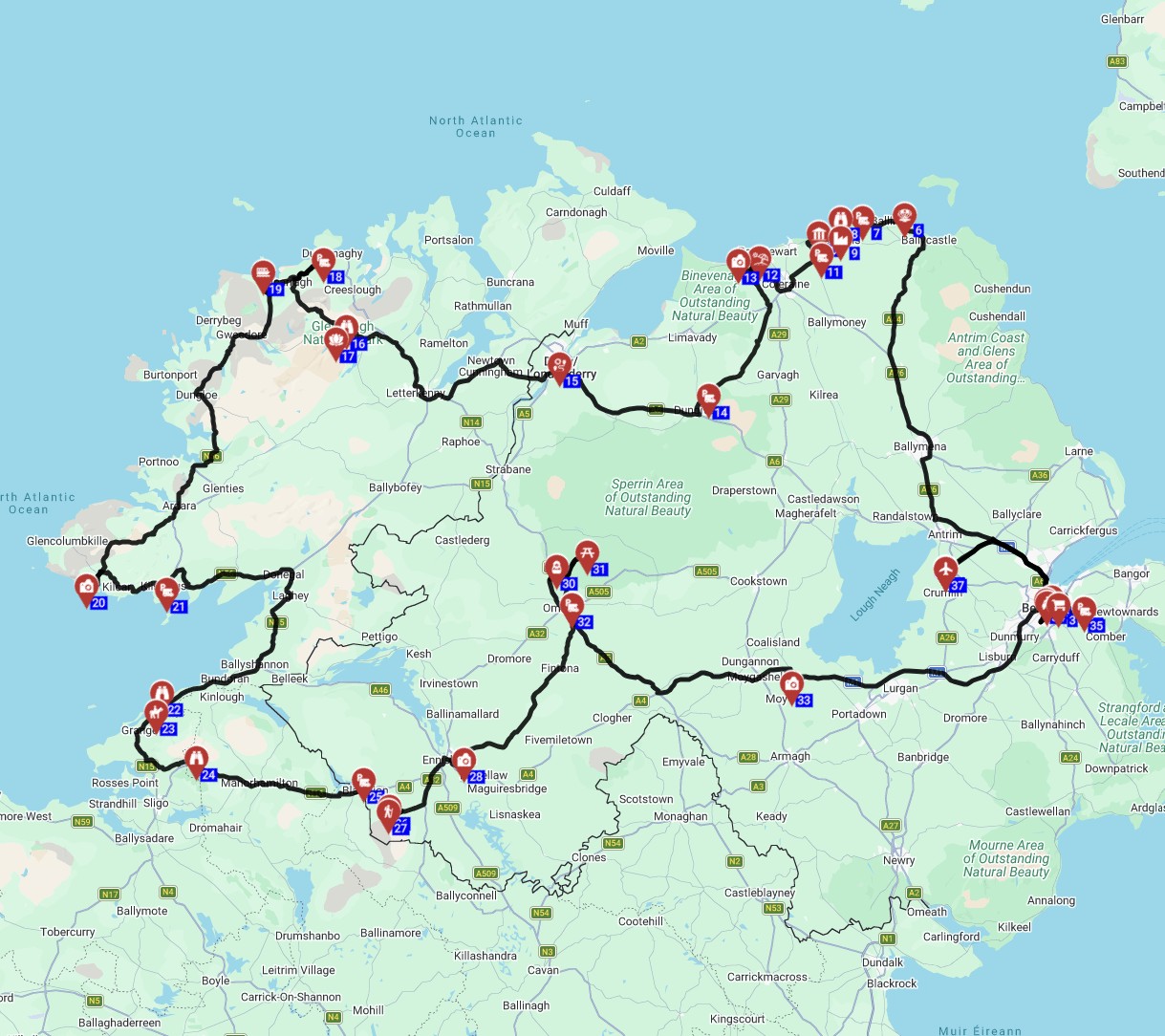
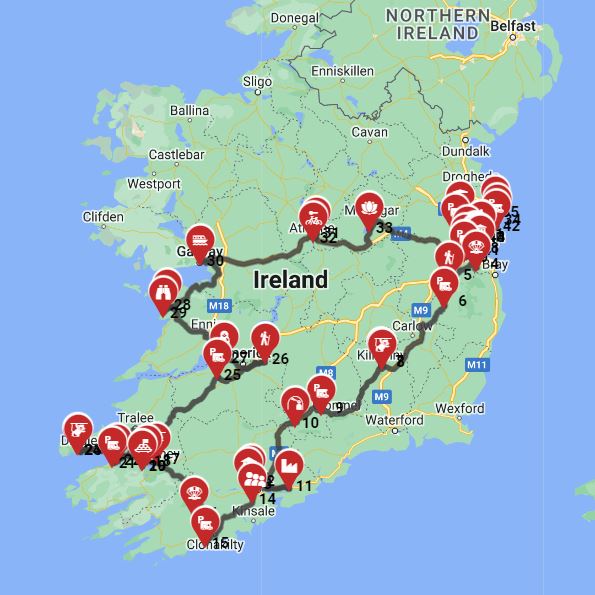
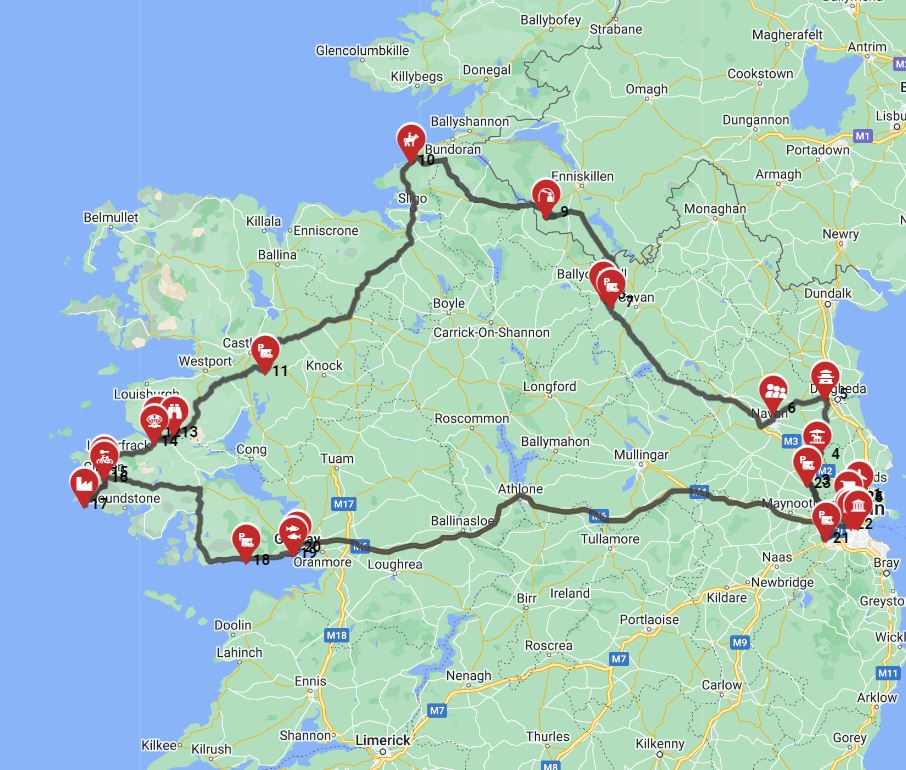
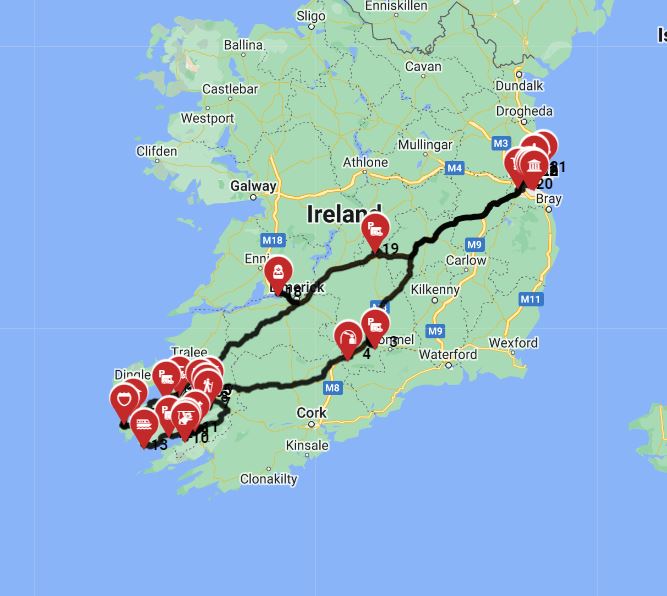
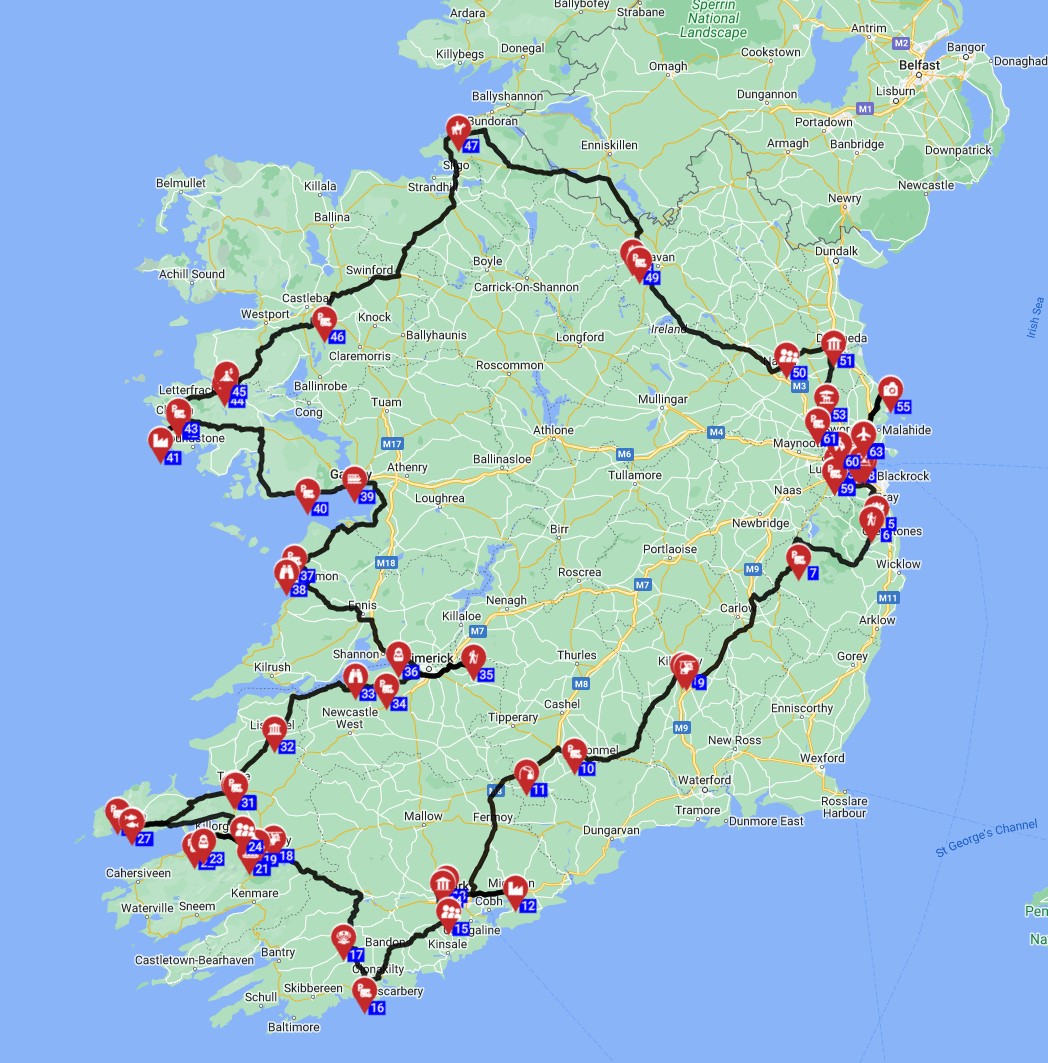
For couples exploring Ireland by RV, consider these tailored itineraries: **Wild Atlantic Way (7-10 Days):** Focus on a specific region like Kerry (Ring of Kerry, Killarney National Park) and Clare (Cliffs of Moher, The Burren); plan for frequent stops at scenic pull-offs and charming towns for resupply. **Ireland's Ancient East (5-7 Days):** Explore historical sites such as Newgrange, Glendalough, and Kilkenny Castle; driving is generally easier here, with numerous RV-friendly towns and attractions. **Northern Ireland & Causeway Coast (3-5 Days):** Seamlessly cross the border to discover the Giant's Causeway, Carrick-a-Rede Rope Bridge, and Belfast's Titanic Quarter; ensure your rental insurance covers Northern Ireland. **Practical Considerations:** Integrate grocery resupply stops in larger towns (e.g., Tesco, SuperValu) every 2-3 days; pre-map fuel stations, especially in more remote western areas; research RV-friendly attractions that offer adequate parking for your vehicle size. **Flexible Planning:** While itineraries are useful, maintain flexibility to adapt to the Irish weather or spontaneously discover local pubs, music sessions, and hidden gems that RV travel makes possible.
What You Shouldn't Miss
- Drive a portion of the Wild Atlantic Way, focusing on dramatic coastal scenery in counties like Clare or Donegal.
- Explore the historic streets of Kilkenny, perhaps visiting Kilkenny Castle, and find an RV-friendly spot nearby.
- Experience a traditional Irish music session in a cozy pub in Galway or Doolin.
- Marvel at the awe-inspiring Cliffs of Moher, ensuring you check parking availability for your RV beforehand.
- Wander through the unique karst landscape of The Burren in County Clare.
- Discover the ancient monastic site of Glendalough in County Wicklow, offering a peaceful retreat into history and nature.
Final Thoughts
Embarking on an RV adventure through Ireland as a couple offers an unparalleled blend of freedom, intimacy, and discovery. From the dramatic cliffs and rolling green hills to the vibrant pub culture and ancient historical sites, an RV allows you to experience the Emerald Isle at your own pace.
We're here to make your dream Irish road trip a reality. With our transparent pricing and dedicated support, planning your perfect couples' getaway is easier than ever. So pack your bags, charge your camera, and get ready to create unforgettable memories on the scenic roads of Ireland!
Ready to start planning? Explore our curated routes and compare RV rental options for Ireland today. Discover the magic of Ireland, one scenic mile at a time!