In This Guide
- Where to Camp in North East US — Top Options
- Campground Types in North East US (National, Private, Wild)
- Featured RV Park or Campground in North East US
- Hookups & Amenities — What to Expect
- Booking Windows & Reservations in North East US
- Nearby Supermarkets & Resupply Points
- Best RV Class for Camping in North East US
- How to Save on Campgrounds in North East US
- What is the 3-3-3 rule for RV travel?
- Is there anywhere I can park my RV for free?
- What state is most RV friendly?
- What is the 4-4-4 rule for RV travel?
- What is the 3-3-3 rule for RV camping?
- What is the nicest RV park in the United States?
- Is it cheaper to rent an RV or stay in a hotel?
- What is the cheapest way to rent an RV?
- What is the best RV rental company in the US?
Where to Camp in North East US — Top Options
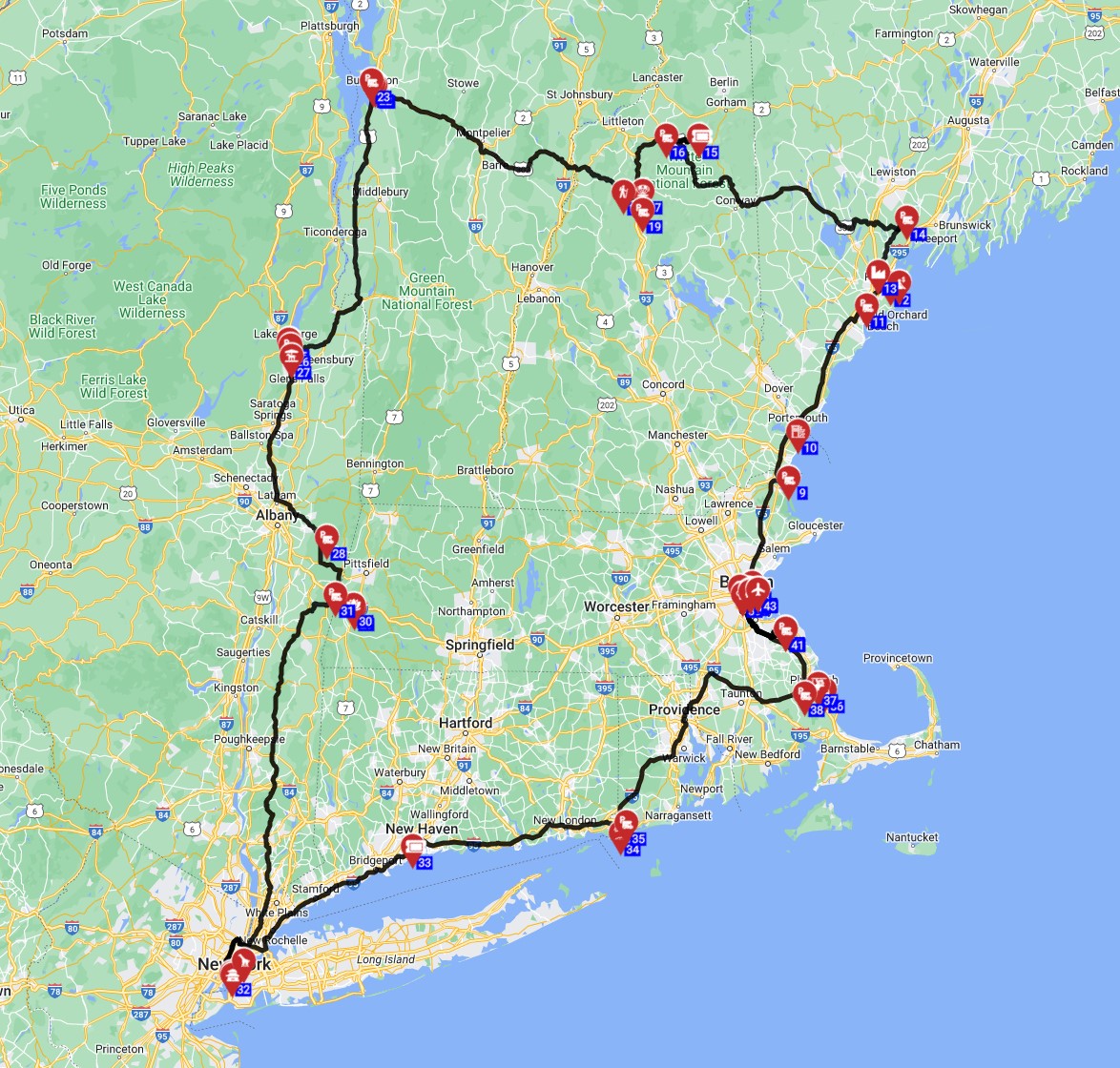
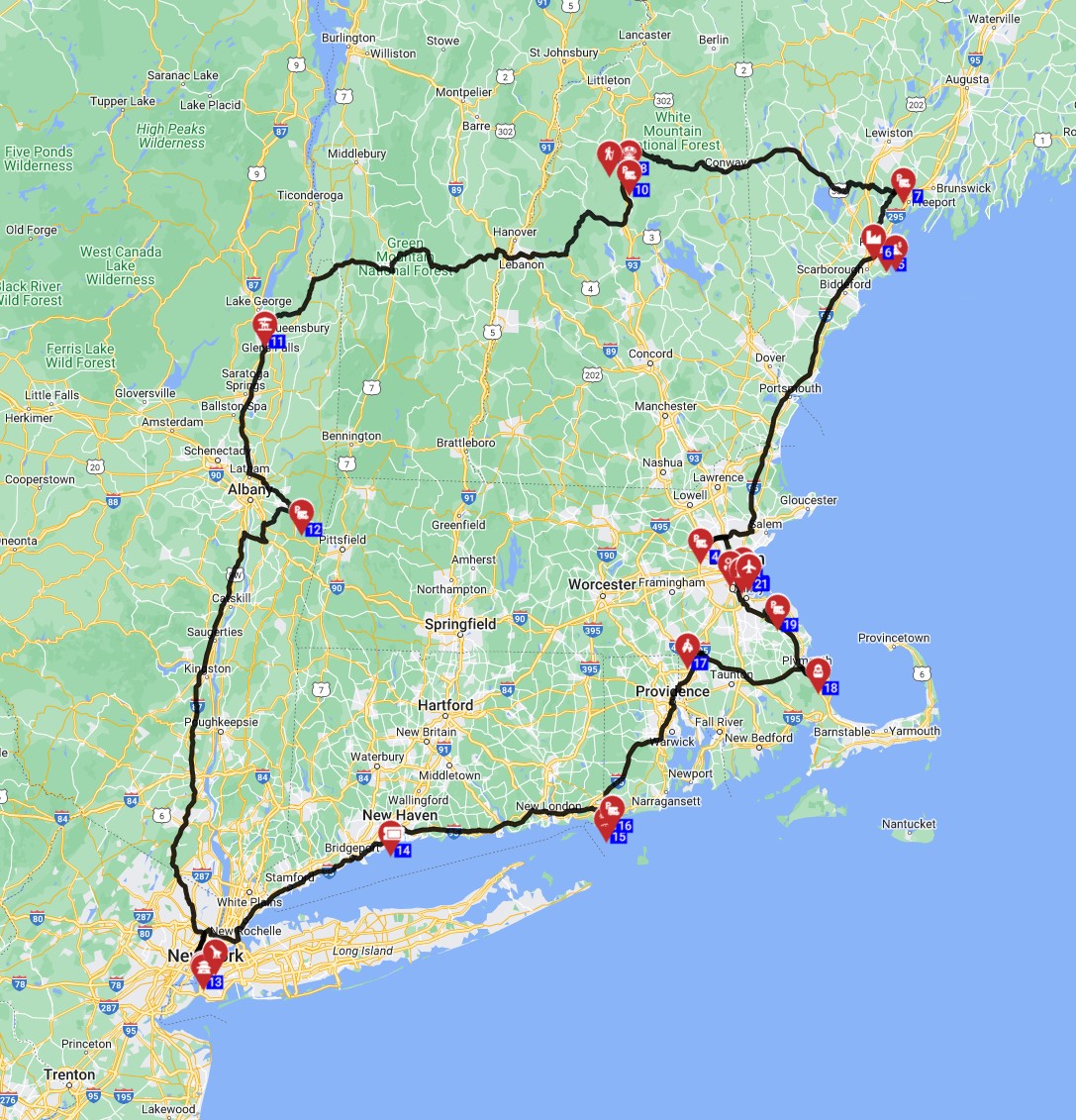
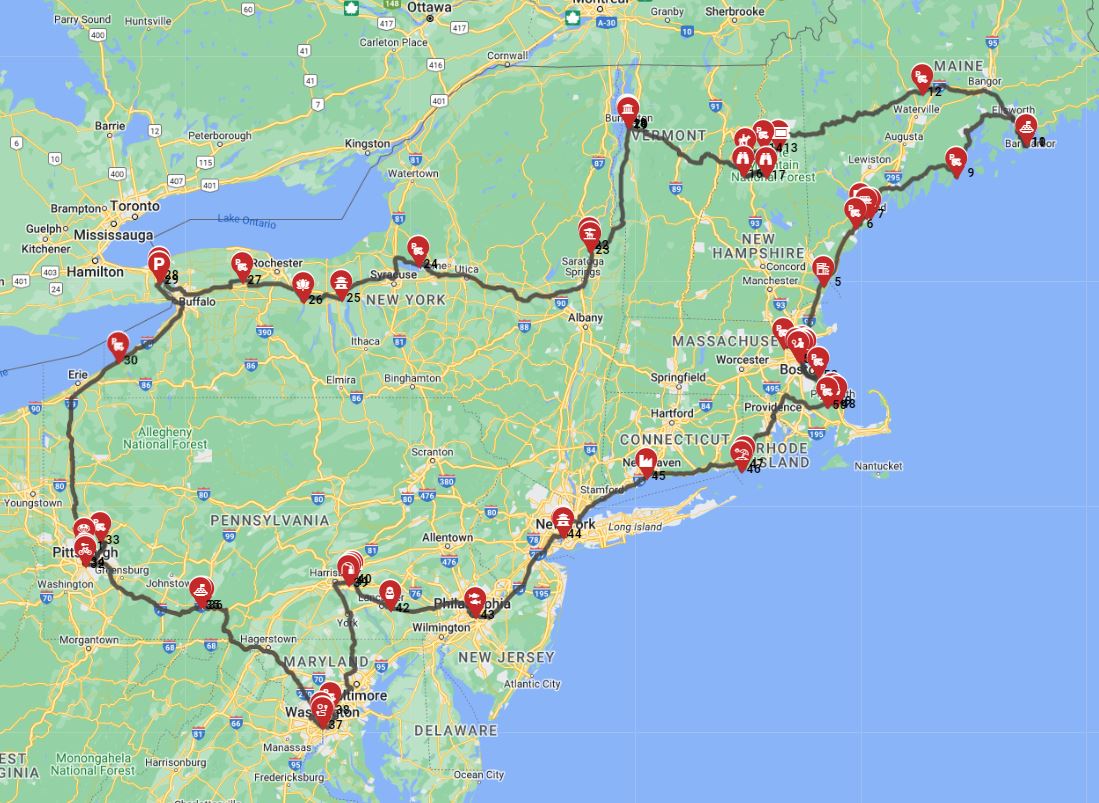
The North East US presents couples with a rich tapestry of camping experiences, from the rugged coastal beauty of Acadia National Park in Maine and the sandy shores of Cape Cod National Seashore in Massachusetts, to the serene mountain retreats of the Adirondacks in New York. When planning your RV journey through this historically significant and scenically diverse region, be mindful of potential challenges unique to the Northeast. Navigating narrow, winding historic roads, low-clearance covered bridges (particularly prevalent in states like Vermont and New Hampshire), and steep mountain grades are common considerations. Always verify the height and length restrictions for your chosen scenic routes to ensure a smooth and stress-free adventure. Acadia National Park, for instance, offers breathtaking ocean vistas and charming nearby towns, making it a popular choice for its natural splendor. Meanwhile, the vast wilderness of the Adirondack Mountains in New York provides ample opportunities for hiking and exploring numerous lakes. For those seeking a classic New England coastal experience, Cape Cod National Seashore in Massachusetts delivers beautiful beaches, quaint villages, and picturesque drives. Exploring these areas during the off-season, such as winter or spring, can offer unique activities, fewer crowds, and a different perspective on campground availability, often with more relaxed booking requirements.
Campground Types in North East US (National, Private, Wild)
RV travelers in the North East US have a variety of camping options, catering to different preferences and budgets. You can choose between the natural settings of national and state park campgrounds, which typically offer basic amenities and stunning scenery, or opt for the more amenity-rich private campgrounds. Legal wild camping or boondocking is quite scarce in this region and requires careful research into specific state and local regulations. National and State Parks often provide beautiful, natural settings with basic hookups or dry camping options, generally at more affordable rates, but they demand advance reservations, especially during peak season. Private campgrounds, on the other hand, usually come with full hookups (electric, water, sewer) and a broader range of amenities like swimming pools, on-site stores, and planned activities, though they typically come with a higher price tag. Opportunities for legal wild camping or dispersed camping are limited but can be found in specific National Forests, such as parts of the Green Mountain National Forest in Vermont or White Mountain National Forest in New Hampshire, on designated sites. It's always crucial to confirm local rules before setting up camp. While free overnight parking at businesses like Walmart can serve as a temporary stopover, it's not true camping, and local ordinances in the Northeast vary widely; always ask for permission first.
Featured RV Park or Campground in North East US
When selecting a featured RV park in the North East US for a romantic getaway, couples should prioritize locations that masterfully combine natural beauty with amenities designed for comfort and convenience. Look for campgrounds that offer direct access to outdoor activities, such as hiking and biking trails, or waterfront access for kayaking and fishing. Parks with well-maintained facilities, including clean restrooms, hot showers, and reliable utilities, are essential for a pleasant stay. Additionally, consider campgrounds that provide easy access to charming small towns, offering opportunities to explore local culinary experiences, farm-to-table dining, or unique artisan communities. These elements enrich your RV journey beyond the campground, providing memorable experiences that connect you with the local culture and landscape.
Hookups & Amenities — What to Expect
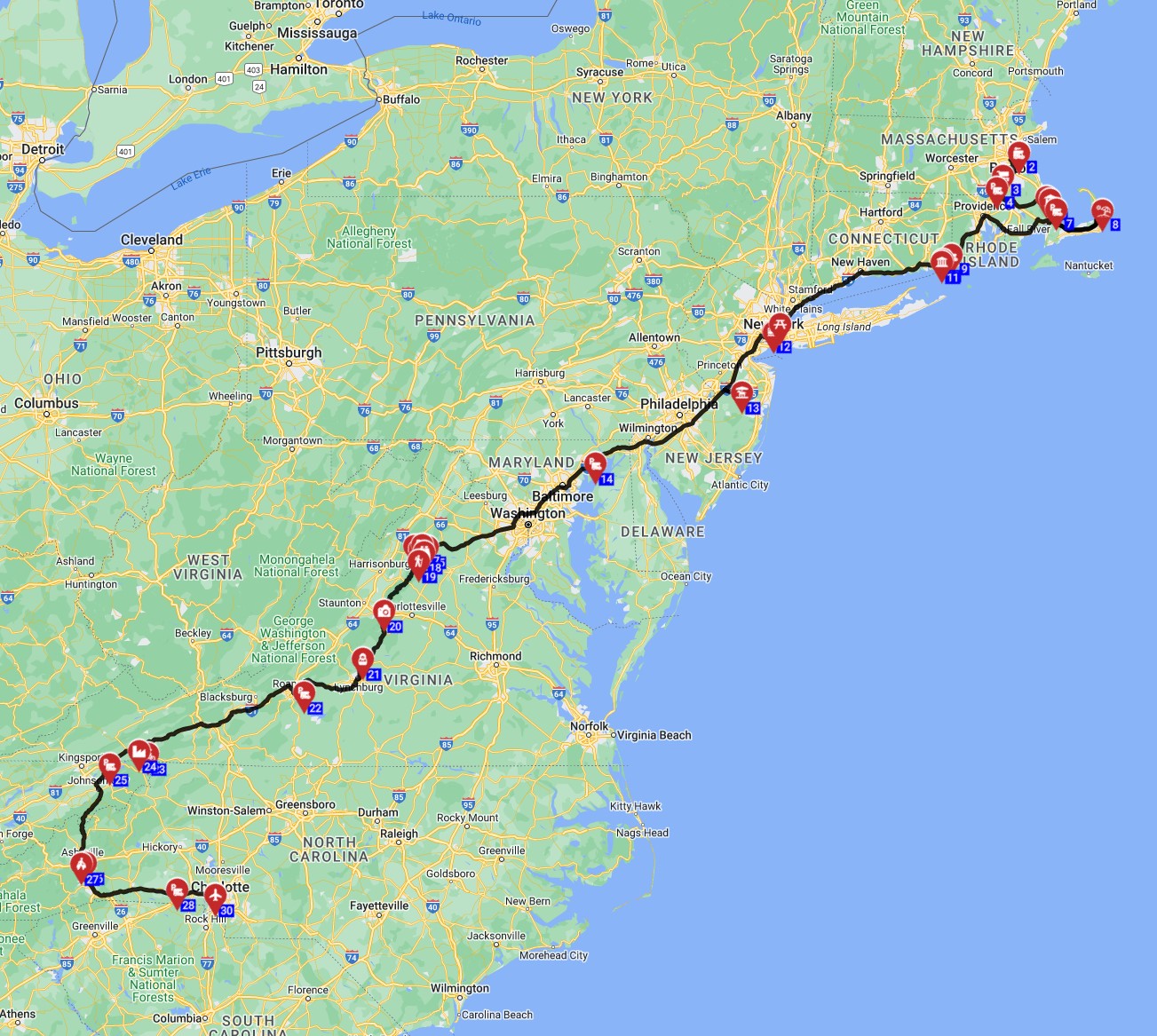
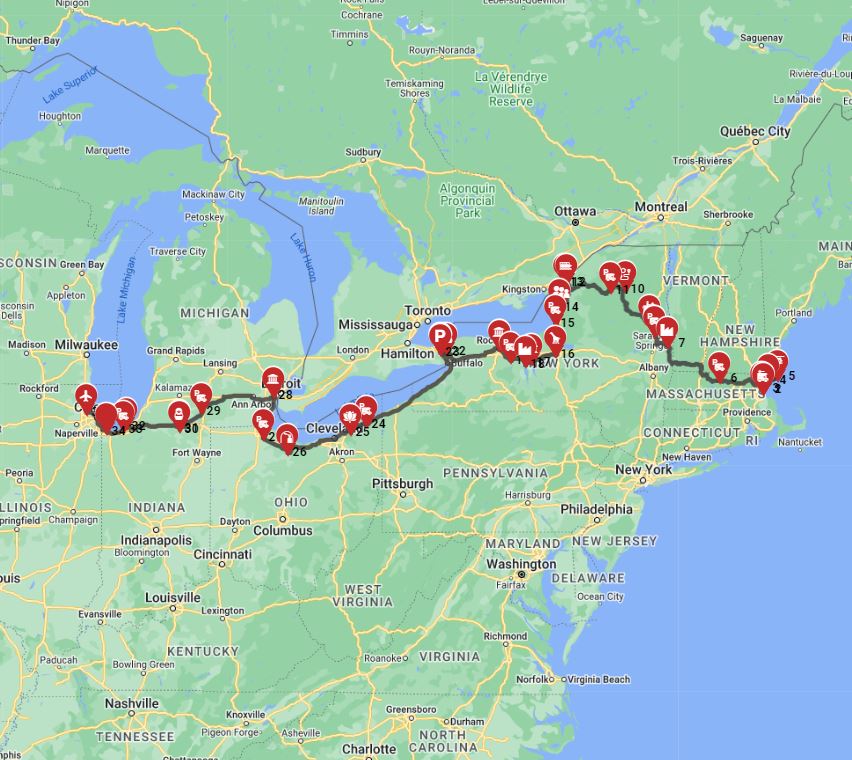
When RVing in the North East US, campgrounds typically offer a range of essential hookups and amenities to ensure a comfortable experience for couples. Expect to find standard electric hookups, usually with options for both 30-amp service, which is common, and 50-amp service for larger rigs needing more power. Potable water hookups provide a direct connection to fresh water for your RV, and sewer hookups are crucial for longer stays, allowing for direct waste disposal. Many campgrounds also provide communal dump stations, which are accessible even if individual sewer hookups are not available. Common amenities also include WiFi, though its strength and reliability can vary significantly, laundry facilities, and clean bathhouses with hot showers. For couples seeking enhanced comfort and the ability to extend their stays without frequent relocation, access to full hookups—electric, water, and sewer—is particularly beneficial, allowing for seamless cooking and living in the RV. For ideas you can prep on the road, watch our RV-friendly recipes playlist on YouTube. On the routes offered through RV PLANET routes, you can itemize and track every expense along the way for easy budgeting.
Booking Windows & Reservations in North East US
Securing RV campsites in popular North East US destinations, especially during peak season which typically runs from summer through the vibrant fall foliage, often requires planning well in advance, with many prime spots being booked 6-12 months ahead. However, for those who prefer a more spontaneous travel style, it’s often possible to find first-come, first-served (FCFS) sites or catch last-minute cancellations. Many national park campgrounds release a portion (around 25-30%) of their spots as FCFS, and calling campgrounds directly on the day of travel can sometimes yield results. Remember, the general advice is that "You will almost certainly find a place — if not the first campground, then the next," so maintaining flexibility in your plans is key. Couples who appreciate a more relaxed pace and fewer crowds might consider traveling during the shoulder seasons, such as late spring or early fall. This period often provides better availability, lower rates, and ideal weather for exploring, with opportunities to enjoy seasonal activities like apple picking or immersing yourselves in the stunning fall foliage tours.
For those planning a trip that includes multiple states, our guide RV Rental USA - Complete Guide 2026 offers broader insights into nationwide RV travel.
Nearby Supermarkets & Resupply Points
When RVing through the North East US, couples will find a plentiful supply of supermarkets and local stores to restock essentials. Major supermarket chains like Hannaford, Stop & Shop, and Shaw's are widely available across much of the region, making grocery runs straightforward. For a more authentic local experience, seek out farm stands and farmers' markets, which offer fresh, regional produce and unique culinary delights that can significantly enhance your RV journey with local flavors. It’s always wise to plan your grocery shopping, stocking up on staples and supplies before heading into more remote areas or national parks where options can become scarce. Utilizing your RV's kitchen to prepare meals not only saves money on dining out but also provides opportunities to experiment with local ingredients, creating your own unique culinary experiences on the road. For planning your resupply stops along your chosen route, the resources available through RV PLANET routes can be invaluable for itemizing and tracking expenses.
Best RV Class for Camping in North East US
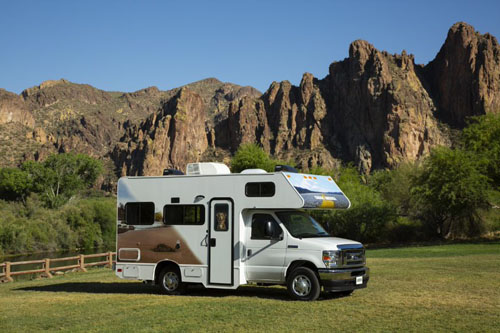
For couples exploring the North East US, the most suitable RV classes are often smaller, more maneuverable options like Class B Camper Vans or Class TC Truck Campers. These vehicles are particularly well-suited for navigating the region's characteristically narrow historic roads, charming small towns, and diverse terrain, while still offering comfortable amenities for two. For example, Class B camper vans, averaging around 5.8 meters in length and offering fuel efficiency, are excellent for easy parking and accessing various terrains. Truck campers provide great flexibility, allowing you to unhitch the truck for day trips, ideal for couples wanting to explore off-the-beaten-path destinations. If more interior space is desired without sacrificing too much nimbleness, a Class SI Semi-integrated motorhome, averaging about 6.9 meters, offers a good balance and is still more manageable than larger Class C or A RVs. When making your choice, consider the specific road conditions in the Northeast, such as the prevalence of low covered bridges and steep mountain grades, which generally favor shorter and lower-profile RVs to avoid restrictions and ensure a smoother travel experience.
Considering a family trip? Our guide on Family RV Rental in North East US - Pricing Guide 2026 offers valuable insights.
We have a diverse range of RVs perfect for couples, such as the Juliette Family 5, which is ideal for couples and offers compact maneuverability, or the Patagonia Camper 4x4, a small truck camper that provides excellent flexibility for adventurous couples.
How to Save on Campgrounds in North East US
To make your RV trip more affordable, couples can implement several strategies to save on campground fees in the North East US. Leveraging campground discount cards or memberships, often available through rental partners like Bandana Caravan, can unlock reduced rates at participating locations. Traveling during the shoulder seasons, typically late spring or early fall, not only offers lower rates and fewer crowds but also ideal weather for exploring, including the spectacular fall foliage. Prioritizing municipal, county, or state parks over private RV resorts generally provides more budget-friendly options while still offering beautiful natural settings. Always inquire about weekly or monthly rates, as longer stays of three or more nights can often significantly reduce the per-night cost. For those seeking truly free camping, explore opportunities for dispersed camping on designated public lands where permitted, as detailed in the 'Is there anywhere I can park my RV for free?' section, offering a true back-to-nature experience.
What is the 3-3-3 rule for RV travel?
The 3-3-3 rule is a popular guideline for RV travel that advises limiting daily driving to approximately 300 miles, arriving at your destination by 3 PM, and staying for at least 3 nights. This approach promotes a relaxed pace, allowing travelers to truly immerse themselves in each location rather than just passing through. Driving no more than 300 miles per day helps prevent driver fatigue, accounts for the slower speeds typical of RV travel, and leaves room for spontaneous stops. Arriving by 3 PM ensures ample daylight for navigating campgrounds, setting up your site comfortably, and still having time to explore the immediate surroundings or simply relax before dinner. Staying for a minimum of 3 nights at each destination encourages deeper exploration, reduces the frequency of packing and unpacking, and ultimately fosters a more leisurely and enjoyable travel experience for couples seeking a retreat.
Is there anywhere I can park my RV for free?
Yes, couples can find opportunities for free RV parking in the North East US. Boondocking on designated public lands, such as certain areas within National Forests like the Green Mountain National Forest in Vermont or White Mountain National Forest in New Hampshire, is possible, but you must research specific forest regulations for permitted areas. Many large retailers like Walmart, Cracker Barrel, and some truck stops often allow overnight RV parking, but it's essential to call ahead and secure permission, as policies vary by location and local ordinances. It's important to note that Bureau of Land Management (BLM) land, a common spot for dispersed camping in the Western US, is significantly less prevalent in the Northeast, making these opportunities limited. Regardless of where you choose to park, always adhere to 'Leave No Trace' principles and be aware that many Northeast towns have strict ordinances prohibiting overnight parking.
What state is most RV friendly?
While pinpointing a single "most RV-friendly" state is subjective and depends on individual needs, within the North East, states like New Hampshire and Vermont are often highly regarded. They are appreciated for their abundant natural beauty, extensive state park systems, and access to national forests ideal for RVing, generally having fewer restrictions on RV size compared to some more densely populated areas. Maine offers rugged coastal beauty and remote wilderness, with Acadia National Park being a major draw, although it can present challenges with longer distances between services. New York boasts the vast Adirondack Park with numerous camping options, though navigating its metropolitan areas requires careful planning for larger RVs. Pennsylvania and Massachusetts also have robust state park systems but may involve more traffic and tighter regulations or older infrastructure, such as low bridges, in historic or urbanized areas. When considering RV friendliness in the Northeast, specific regional challenges are worth noting: the prevalence of low covered bridges, particularly in Vermont and New Hampshire, requires meticulous route planning, while narrow historic roads in many New England towns naturally favor smaller RVs.
For those considering broader travel, our guide to Last-Minute RV Rental in North East US - What to Expect 2026 might offer useful tips.
What is the 4-4-4 rule for RV travel?
The 4-4-4 rule for RV travel is a guideline similar to the 3-3-3 rule, suggesting travelers aim to drive no more than 400 miles a day, stop driving by 4 PM, and stay for at least 4 nights at each location. This framework is designed to promote a relaxed and enjoyable RV trip, allowing for deeper immersion in each destination. Driving up to 400 miles a day enables travelers to cover more ground than the 3-3-3 rule while still avoiding excessive driving fatigue and allowing for the slower pace inherent in RV travel. Stopping by 4 PM provides ample time to set up camp, conduct any necessary maintenance checks, explore the surroundings, and prepare for the evening without feeling rushed. Extending stays to at least 4 nights encourages a more profound experience of each location, facilitating more day trips, relaxation, and reducing the frequency of campsite changes, which can be particularly beneficial for couples seeking a stress-free retreat.
What is the 3-3-3 rule for RV camping?
The 3-3-3 rule for RV camping is often used interchangeably with the 3-3-3 rule for RV travel, advising campers to limit daily driving to approximately 300 miles, arrive at their campsite by 3 PM, and stay for a minimum of 3 nights. This philosophy centers on maximizing relaxation and enjoyment by avoiding the rush often associated with road trips. For couples planning a romantic getaway, adhering to this rule can transform a potentially stressful journey into a truly leisurely and restorative experience. Arriving by 3 PM allows ample daylight for comfortably setting up the RV, connecting utilities, and unpacking without pressure, while staying for at least three nights enables a genuine opportunity to settle into the campsite, explore the local area at a relaxed pace, and fully savor the joys of RV camping.
What is the nicest RV park in the United States?
Determining the "nicest" RV park in the United States is highly subjective, as preferences for amenities, location, and atmosphere vary greatly among travelers. However, top contenders often include luxury resorts boasting extensive facilities or pristine campgrounds situated in iconic natural settings. Many such exemplary parks can be found or mirrored in the North East's premium offerings. Some RVers define "nicest" by luxury resorts featuring amenities like spas, golf courses, swimming pools, and concierge services, often found in popular tourist regions. Others might prioritize a pristine campground nestled in a stunning natural setting, offering direct access to hiking trails, lakes, or oceanfront views. In the North East, look for RV parks that successfully blend upscale amenities with proximity to charming towns, ensuring access to natural beauty such as coastal Maine, Adirondack lakes, or the Vermont mountains, and offering unique local experiences for couples, like wine trails or artisan communities.
When considering your options, our guide to RV Rental Deals in North East US - Latest Offers 2026 can help you find great value.
Is it cheaper to rent an RV or stay in a hotel?
For couples traveling in the North East US, renting an RV can often prove more cost-effective than staying in hotels, particularly for longer trips or multi-destination itineraries. The overall cost comparison hinges on several factors, including the daily rental rate, fuel expenses (which can be higher for RVs, especially on the hilly terrain common in the Northeast), campground fees, insurance, and any potential mileage charges. RV costs also include the rental rate, fuel, campground fees (ranging from free boondocking to expensive resorts), insurance, and potential mileage charges. Conversely, hotel stays involve room rates that can be very high in popular Northeast tourist destinations like coastal Maine or Cape Cod during peak season, plus the added expense of dining out for most meals, and potential costs for car rental or public transportation. The primary savings potential with an RV comes from preparing meals in the onboard kitchen, utilizing free or low-cost camping options, and avoiding the need for multiple hotel bookings and the constant unpacking required when moving between different locations. When conducting your cost comparison, be sure to account for all potential ancillary costs unique to the Northeast, such as specific RV tolls, propane refills, and dump station fees, in addition to the initial rental and fuel expenses.
What is the cheapest way to rent an RV?
The most economical way for couples to rent an RV often involves a combination of strategies. Booking well in advance or looking for last-minute cancellations can frequently lock in better rates. Choosing smaller, more fuel-efficient RV classes, such as Class B Camper Vans or Class TC Truck Campers, typically comes with lower rental fees and reduced fuel consumption, a significant factor on longer trips through the Northeast. Exploring peer-to-peer rental platforms, where RV owners connect directly with renters, can sometimes offer more competitive pricing and a wider variety of unique vehicle options compared to traditional rental companies. Planning your trip during the shoulder seasons (spring or fall) or even winter in the Northeast can drastically reduce rental costs and campground fees. Crucially, always compare the total cost, factoring in mileage allowances, insurance, cleaning fees, and any included amenities, to avoid unexpected expenses and ensure you're getting the best value for your budget.
What is the best RV rental company in the US?
While the "best" RV rental company is subjective and depends on individual priorities, top considerations for couples planning a North East adventure include companies known for their reliable fleets, transparent pricing, comprehensive insurance options, 24/7 roadside assistance, and excellent customer service. Bandana Caravan stands out by offering a wide range of suitable RV options and a platform to compare choices that meet these key criteria. Prioritize companies that provide a diverse and well-maintained fleet, including RV types suitable for couples and the specific challenges of Northeast travel, such as compact Class B or maneuverable Semi-integrated models. Look for transparent pricing structures that clearly outline rental fees, mileage costs, and any additional charges to prevent unwelcome surprises. Ensure the company offers robust insurance coverage and dependable 24/7 roadside assistance for peace of mind throughout your journey. Finally, reviewing customer testimonials and feedback can provide valuable insights into a company's reputation for service quality and responsiveness, helping you make an informed decision for a successful and enjoyable North East RV exploration.
Discover more about RV rental options by checking out our RV Rental in North East US - Prices and Best Deals 2026 guide.
What You Shouldn't Miss
- Drive the Kancamagus Highway in New Hampshire: This scenic byway (NH-112) offers stunning mountain vistas, waterfalls, and hiking opportunities, perfect for a leisurely RV drive, though larger RVs should be mindful of narrower sections and potential for wildlife.
- Explore the Maritime Charm of Coastal Maine: Visit charming towns like Kennebunkport or Bar Harbor near Acadia National Park, enjoying fresh seafood, lighthouse tours, and picturesque harbor views.
- Cycle or Hike Acadia National Park's Carriage Roads: Park your RV at a designated lot and explore these historic, car-free roads by bike or on foot for a truly immersive natural experience.
- Savor Fall Foliage in Vermont: Rent a Class B camper van and cruise scenic routes through Vermont, stopping at apple orchards and enjoying the breathtaking autumn colors.
- Discover Historic Boston by RV: While navigating Boston with an RV requires care, its rich history, from the Freedom Trail to its vibrant neighborhoods, makes it a worthwhile destination. Research RV-friendly parking options or consider staying at a campground just outside the city and using public transport.
- Indulge in Culinary Delights on a New England Food Trail: Many regions in the Northeast offer dedicated food trails, from Vermont's cheese and maple syrup routes to Rhode Island's seafood trails, providing delicious opportunities to explore local flavors.
Final Thoughts
Embarking on an RV adventure through the North East US as a couple offers an intimate way to experience the region's stunning landscapes and rich history. From the charming coastal towns of Maine to the majestic peaks of the Adirondacks, your rented RV becomes a cozy mobile basecamp for exploration and relaxation.
By considering the best RV classes for navigating the area, planning your bookings strategically, and utilizing the wealth of resources available, you can craft an unforgettable journey. Remember to embrace the slow travel philosophy, take your time to connect with the places you visit, and truly savor the experience of discovering the diverse beauty of the North East together.