In This Guide
- Where to Camp in Germany - Top Options
- Campground Types in Germany (National, Private, Wild)
- Featured RV Park or Campground in Germany
- Hookups and Amenities - What to Expect
- Booking Windows and Reservations in Germany
- Nearby Supermarkets and Resupply Points
- Best RV Class for Camping in Germany
- How to Save on Campgrounds in Germany
- How much does it cost to rent an RV in Germany
- What is the cheapest way to RV in Germany
- Do you need an international drivers license to drive an RV in Germany
- Can I park my RV anywhere in Germany
- What side of the road do you drive on in Germany
- How do I get an RV in Germany
- How old do you have to be to rent an RV in Germany
- How long can I drive an RV in Germany
- Is it easy to drive an RV in Germany
- What You Shouldn't Miss
- Why Book with Bandana Caravan
- Final Thoughts
- Frequently Asked Questions
Imagine yourself on a romantic escape through Germany, winding through ancient forests, past majestic castles, and alongside serene lakes, all from the comfort of your own rented motorhome. An RV rental for couples in Germany offers an unparalleled sense of freedom and intimacy, allowing you to craft a personalized adventure at your own pace. With Bandana, your trusted RV specialists, you're set for an incredible journey across this diverse country, known for its picturesque landscapes and charming towns.
As true RV specialists, we at Bandana Caravan have been helping tens of thousands of travelers explore the world by RV since our founding in 2001. We partner directly with over 50 leading RV suppliers worldwide, including trusted names like Apollo and Britz, ensuring you get the best selection and transparent pricing with no hidden fees or surprises.
For live availability and current prices, start with our RV Rental Germany - Complete Guide 2026.
Where to Camp in Germany - Top Options
Germany offers diverse camping experiences for couples, from scenic lakeside spots to mountain retreats, including regions like the Bavarian Alps, the Black Forest, and the Baltic Sea Coast. The Bavarian Alps provide stunning mountain views and numerous hiking opportunities, ideal for active couples seeking adventure with over 200 mountain trails. The Black Forest (Schwarzwald) is perfect for nature lovers, offering dense forests, charming villages like Gengenbach, and thermal spas in Baden-Baden. For coastal relaxation, the Baltic Sea Coast (Ostseeküste) features beautiful sandy beaches, islands like Rügen, and vibrant maritime culture with over 1,700 kilometers of coastline. Travel slowly, aiming for a maximum of 100-150 km per day on average, to truly immerse yourselves in each region's unique atmosphere, local food, and scenery.
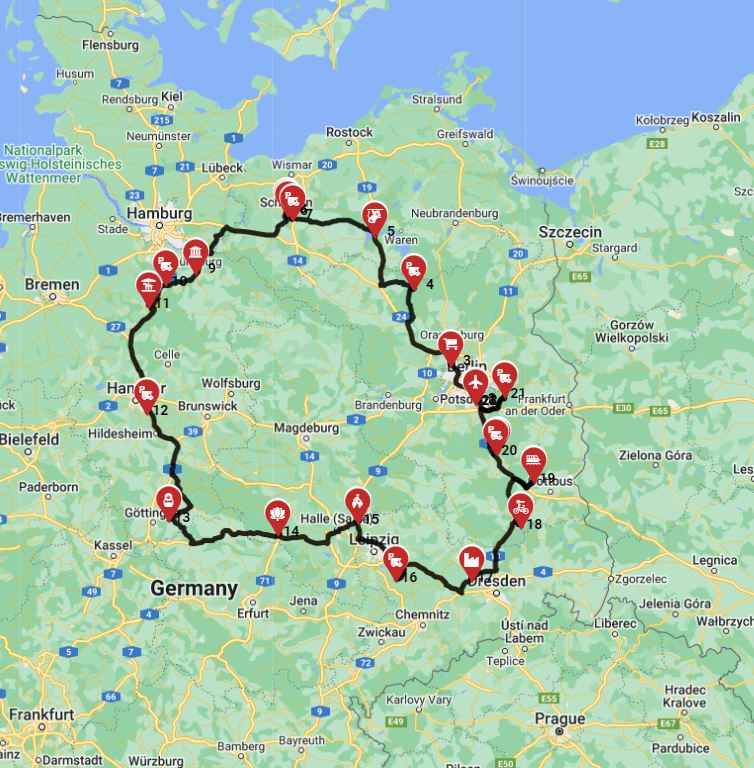
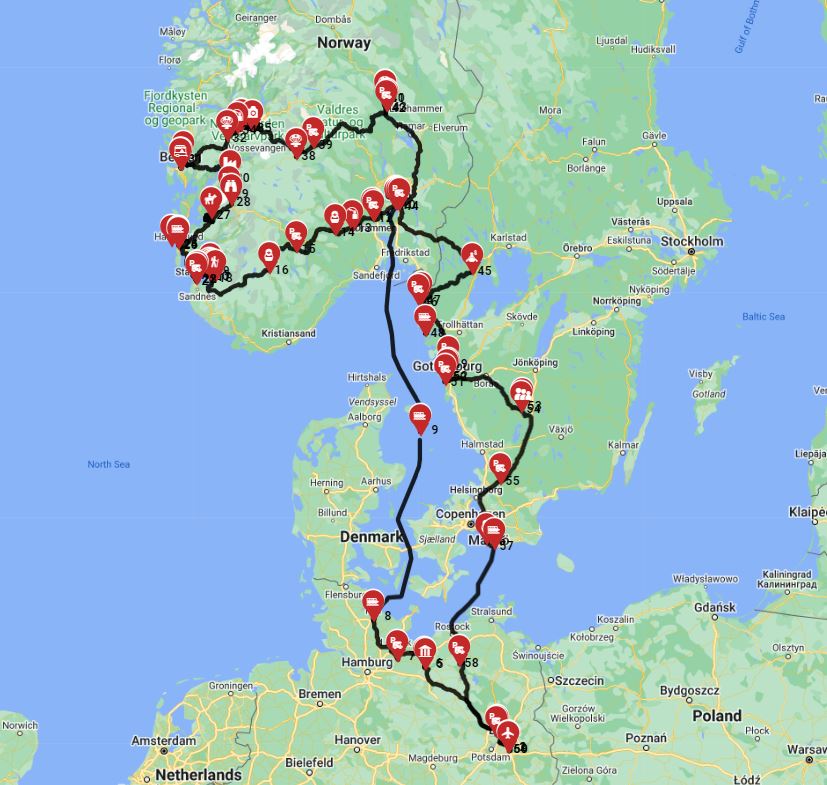
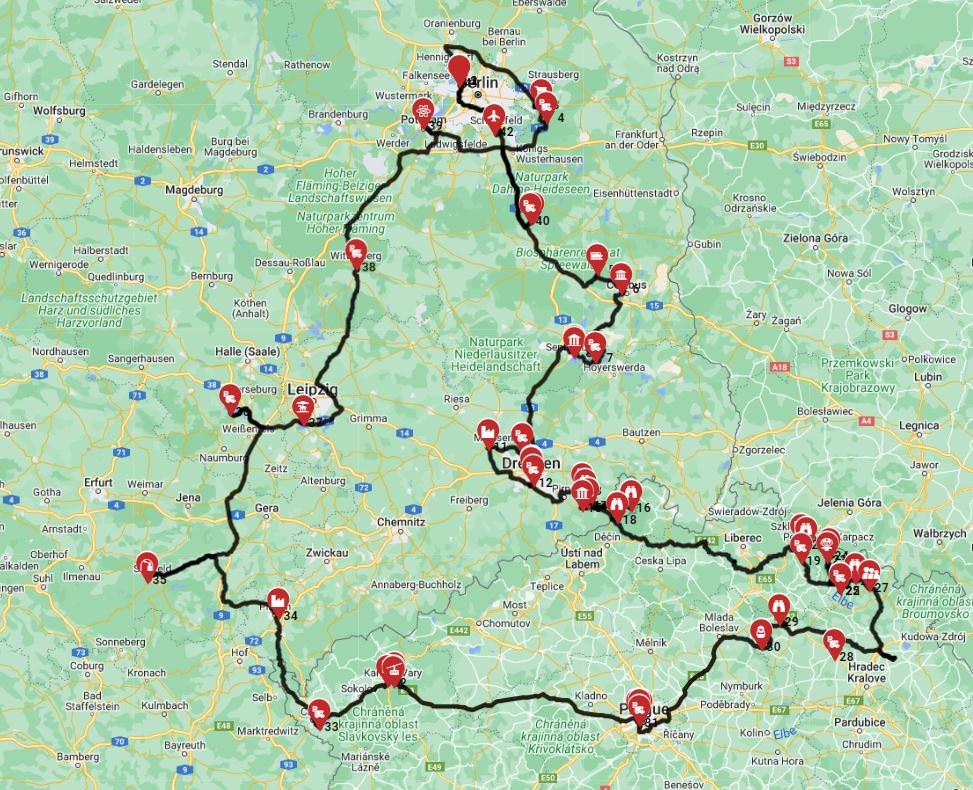
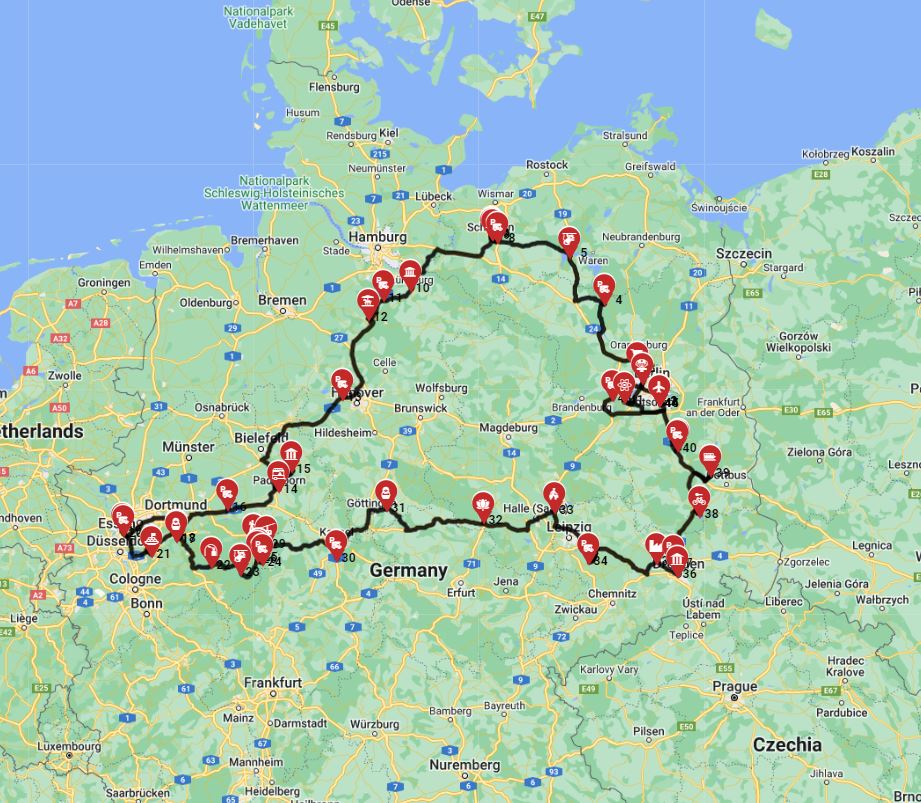
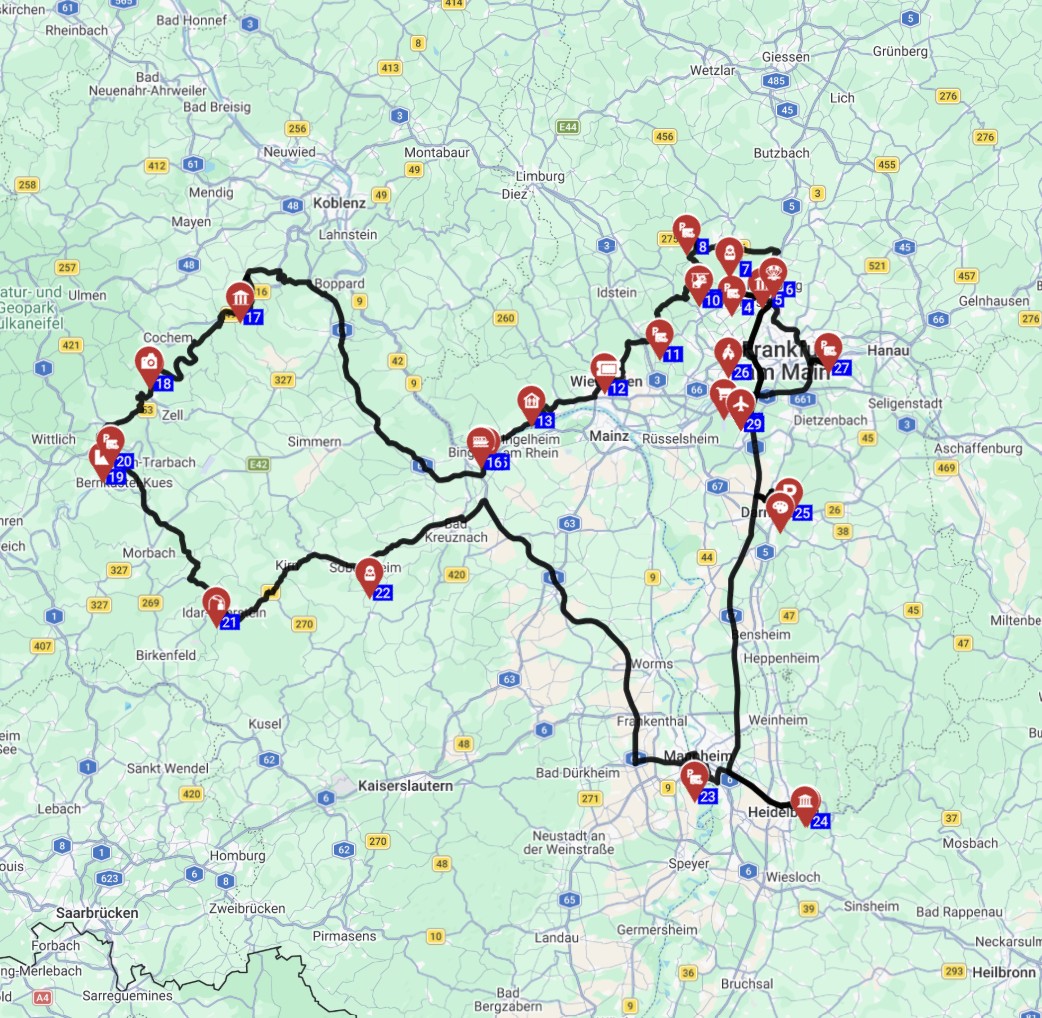
Consider a route like the "
Campground Types in Germany (National, Private, Wild)
Germany primarily offers two legal types of RV overnight stays: dedicated campgrounds (Campingplätze), which number over 2,000, and designated motorhome parking areas (Stellplätze), with wild camping generally illegal but tolerated in specific, remote circumstances. National park campgrounds often provide basic amenities in natural settings, sometimes with limited reservation slots (only 25-30% often reservable), catering to those seeking a raw nature experience. Private campgrounds (Campingplätze) are abundant, offering a wide range of amenities from basic pitches to full-service resorts with shops, restaurants, and entertainment. Stellplätze are typically less amenity-rich, often found near towns or attractions, and are usually for motorhomes only for a maximum of one to three nights, focusing on convenience over extensive facilities. Wild camping, or 'Freistehen', is generally prohibited in Germany; however, overnight parking for one night to 'restore driving fitness' is often tolerated if no camping behavior (e.g., setting up tables, awnings) is displayed and no signs forbid it.
Featured RV Park or Campground in Germany
When selecting an RV park in Germany, couples should look for establishments that balance convenience, desired amenities, and proximity to attractions, such as a well-regarded Stellplatz near a charming town or a private campground offering excellent facilities. Ideal spots for couples often include scenic locations with good access to hiking or cycling paths, a pleasant atmosphere, and perhaps an on-site restaurant or shop. Consider factors like pitch size, quiet zones, and access to local public transport if urban exploration of cities like Berlin or Munich is planned. Many top-rated Stellplätze offer basic services like fresh water, waste disposal, and electricity for a fee, providing an excellent base for exploration without the full cost of a private campground. For instance, consider a Stellplatz near the Romantic Road, offering direct access to historical villages and vineyards.
Hookups and Amenities - What to Expect
In Germany, rented RVs typically rely on a standard suite of hookups and amenities at most campgrounds and Stellplätze, including electricity, fresh water, and waste disposal facilities, essential for comfortable travel. Electricity hookups are generally 230V with a CEE blue plug, so carrying appropriate Schuko adapters for standard outlets is crucial. Fresh water (Frischwasser) refill points are common, often requiring a hose and various nozzle adapters, while grey water (Grauwasser) and black water (Schwarzwasser) dump stations are standard at most sites, sometimes incurring a small fee of €2-€5. Propane (Gas) refills typically use specific German bottles, and a European adapter set is highly recommended for connecting to your RV's system, as direct tank refills are rare. Many larger campgrounds offer additional amenities like Wi-Fi (often for a fee of €5-€10/day), laundry facilities, hot showers, and sometimes even supermarkets or restaurants. Couples should also consider the availability of eco-friendly waste disposal and recycling options, which are increasingly common in German campgrounds, supporting sustainable travel. On the routes offered through RV PLANET routes, you can itemize and track every expense along the way for easy budgeting.
When planning your route and budgeting for these ancillary costs, remember that RV PLANET routes allow you to itemize and track every expense along the way for easy budgeting.
Booking Windows and Reservations in Germany
For RV couples planning a trip to Germany, booking popular campgrounds and Stellplätze well in advance, especially during peak season (June-August) and national holidays, is highly recommended to secure desired spots and potentially save up to 25% on daily rates. While many national park campgrounds reserve only 25-30% of their spots for advance booking, leaving the rest for first-come, first-served arrivals, it is wise to call ahead before driving to ensure availability. Spontaneous travelers, particularly during the shoulder seasons (April-May, September-October), will often find same-day or next-day availability at a wide range of sites. You will almost certainly find a place; if not at the first campground, then the next one. Calling ahead to specific campgrounds is an effective strategy for couples to confirm vacancies and amenities tailored to their preferences, avoiding disappointment. Using apps like 'park4night' or 'Campercontact' can help locate available Stellplätze and campgrounds, even on short notice.
Remember that RV Rental in Germany - Prices and Best Deals 2026 can fluctuate based on demand, so early booking is often advantageous for securing competitive rates and your ideal motorhome for your romantic adventure.
Nearby Supermarkets and Resupply Points
Maintaining a well-stocked rented RV is easy in Germany due to the widespread availability of supermarkets and discount stores, ensuring couples can conveniently resupply with groceries and essentials. Look for major supermarket chains like Edeka, Rewe, and Netto for a wide selection of fresh produce, meats, and pantry staples, often open until 8 PM or later on weekdays. Discount supermarkets such as Aldi and Lidl are excellent for budget-friendly options and are found in almost every town, offering significant savings on daily expenses. Many larger towns also feature 'dm' or 'Rossmann' drugstores for toiletries, cleaning supplies, and some food items, complementing your grocery runs. Familiarity with common German phrases for shopping, such as 'Was kostet das?' (How much does that cost?) or 'Wo finde ich…?' (Where do I find…?), can enhance your shopping experience.
Cooking your own meals in your campervan is a fantastic way to enjoy local ingredients and save on dining out. Here's our RV-friendly recipes playlist for inspiration!
Best RV Class for Camping in Germany
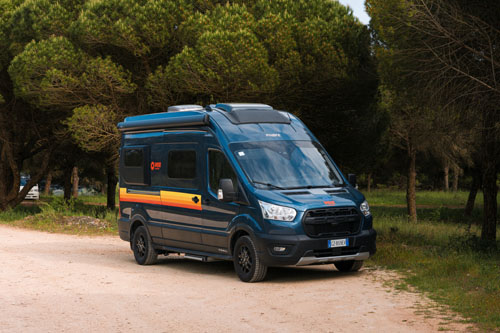
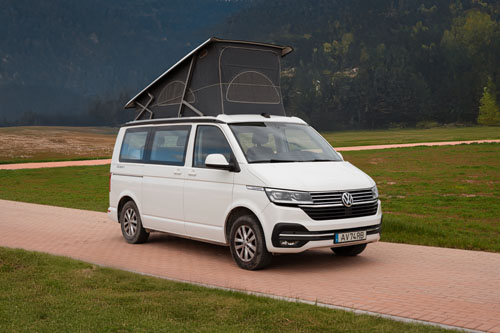
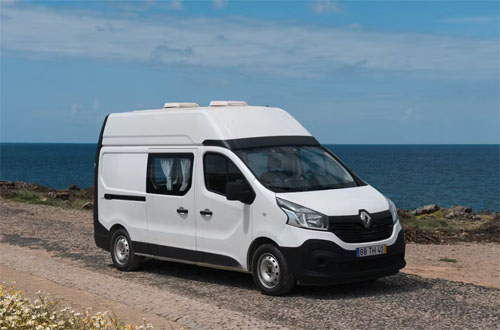
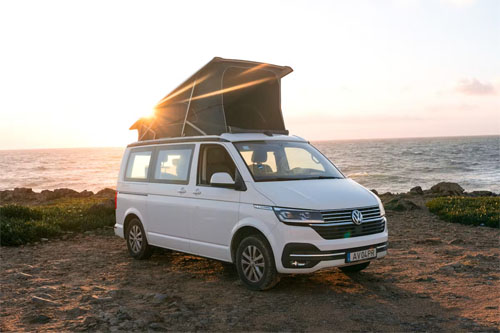
For couples exploring Germany, the Class B Camper Van and Class SI Semi-integrated RVs are generally considered the best choices, offering an optimal balance of maneuverability, comfort, and sufficient amenities for two travelers. Class B Camper Vans, with an average length of 5.8 meters across Bandana's global fleet, are highly maneuverable, making them ideal for navigating narrower German roads and finding parking in smaller towns or at crowded Stellplätze. These compact vans (avg. sleeping places 3.2, avg. adults 2.7) offer efficient fuel consumption, typically around 8-10 liters/100 km, and are perfect for couples who prioritize agility and a more integrated driving experience, allowing for both boondocking and full hookup stays. Class SI Semi-integrated RVs provide more living space and amenities (avg. length 6.9 meters, avg. sleeping places 3.8, avg. adults 3.4) while still being relatively easy to drive on German roads, consuming about 10-11 liters/100 km. The slightly larger Class SI offers a comfortable fixed bed, a more spacious kitchen, and often a separate shower/toilet, catering to couples who desire more comfort and convenience for longer trips, making them suitable for both extended stays at campsites and shorter hops between locations. Consider renting a unit like the 'Category Van' or 'Active Classic' for your romantic German adventure.
How to Save on Campgrounds in Germany
Couples can significantly reduce their campground expenses in Germany by utilizing discount cards, opting for off-peak travel, and choosing municipal or regional sites over luxury private resorts. Consider purchasing campground discount cards, such as the ADAC CampCard, which can provide savings of up to 20% on daily pitch fees at participating campgrounds during certain periods. Traveling during the shoulder seasons (spring and autumn) not only offers milder weather and fewer crowds but also generally comes with lower campground rates, often 15-30% less compared to the peak summer months. Municipal (kommunal) or regional campgrounds and Stellplätze are often more affordable than large, privately-owned holiday parks, while still providing essential services like water and waste disposal for €10-€25 per night. Many campgrounds offer weekly rates that are cheaper per night than booking for just 1-2 nights, so planning longer stays at fewer locations can lead to savings. If you're flexible, exploring our Cheap RV Rental in Germany - Budget Guide 2026 can offer additional cost-saving tips.
How much does it cost to rent an RV in Germany
The cost of renting an RV for couples in Germany varies significantly based on RV class, rental duration, season, and provider, with budget considerations extending beyond the rental fee to include fuel, tolls, and daily expenses. A compact camper van (Class B) for two, like a 'V3' or 'Duo', might range from €70-€150 per day in the low season to €150-€250+ in peak summer, with larger semi-integrated models (Class SI) typically costing €100-€200 in low season and €200-€350+ in peak. Beyond the rental rate, comprehensive budgeting should account for fuel (with Bandana's Class B vans typically consuming 8-10 liters/100 km and Class SI 10-11 liters/100 km), tolls (Autobahn tolls apply primarily to vehicles over 3.5 tons, but some tunnels may have fees of €5-€15), and campsite/Stellplatz fees (€10-€40+ per night). Factor in additional costs for waste disposal (sometimes included, sometimes a small fee), water refills, propane, and everyday living expenses like groceries (estimated €30-€50 per day for two) and activities. Insurance, mileage limits, and one-way fees (if applicable, typically €150-€500 for within Germany) are also critical components of the total rental cost. Off-season rentals or booking well in advance can often lead to more favorable pricing for couples, potentially saving 10-20%.
What is the cheapest way to RV in Germany
The cheapest way to RV in Germany for couples involves strategic planning around rental choices, travel times, and minimizing daily expenditures, focusing on efficiency and cost-effective alternatives. Opting for a smaller, more fuel-efficient RV like a Class B Camper Van (Bandana's fleet averages 8-10 liters/100 km) will significantly reduce fuel costs, a notable expense in Germany. Traveling during the shoulder seasons (April-May, September-October) avoids peak rental prices, which can be 30-50% higher, and crowded, more expensive campgrounds. Utilize free Stellplätze (motorhome parking areas), which often provide basic overnight parking without the cost of full-service campgrounds, and look for municipal sites with lower fees, usually under €20. Cooking your own meals with groceries from discount supermarkets like Aldi and Lidl, where a week's groceries for two might cost €70-€100, significantly cuts down on dining expenses compared to eating out. Consider an RV rental that includes basic amenities and unlimited mileage to avoid unexpected fees, and inquire about any discount cards for campgrounds or attractions. Exploring options through our Weekly RV Rental in Germany - Pricing 2026 guide might also reveal cost-effective longer-term rental rates.
Do you need an international drivers license to drive an RV in Germany
For non-EU citizens, possessing an International Driving Permit (IDP) alongside your valid national driver's license is officially recommended and often required when driving an RV in Germany to ensure legal compliance and ease of communication with authorities. While many rental companies may accept a valid national license from countries like the US, Canada, Australia, or the UK for up to six months, German law officially requires an IDP for translation purposes for non-EU licenses. The IDP acts as an official translation of your national license, facilitating easier identification and understanding for local police or in the event of an accident. Ensure your national driver's license is valid for the entire duration of your trip and covers the weight class of the RV you intend to rent; for most standard RVs for couples, a B category license is sufficient, meaning no special license or CDL is required for any of our rental motorhomes.
Can I park my RV anywhere in Germany
No, you cannot park your RV just anywhere in Germany; specific regulations govern where RVs can legally park and spend the night, with a strong emphasis on designated areas like Stellplätze and campgrounds. Overnight parking to 'restore driving fitness' (Wiederherstellung der Fahrtüchtigkeit) is generally tolerated for one night in public parking spaces where no signs explicitly forbid it, provided no camping behavior (e.g., setting up awnings, chairs outside) is displayed. Wild camping (Freistehen) outside of designated areas is generally illegal and can result in fines, particularly in nature reserves, national parks, and private land. Environmental zones (Umweltzonen) exist in many German cities, requiring vehicles, including RVs, to display a specific 'Umweltplakette' (emissions sticker) to enter, so check your RV's classification and acquire the sticker if urban exploration is planned. Parking rules for larger RVs (especially over 3.5 tons) can differ from regular cars, with restrictions on time, location, and sometimes requiring commercial vehicle parking spots; always pay attention to local signage.
What side of the road do you drive on in Germany
In Germany, all vehicles, including RVs, drive on the right-hand side of the road, meaning the steering wheel is on the left side of the vehicle, which is standard across most of mainland Europe. Traffic flows counter-clockwise at roundabouts, and overtaking is generally done on the left. Visitors from countries that drive on the left (e.g., UK, Australia, South Africa) should practice and remain extra vigilant, especially at intersections and roundabouts, to adjust to the right-hand traffic flow. German road signs are internationally recognized and largely pictorial, making them generally easy to understand even without extensive German language knowledge. Speed limits for RVs vary: generally 50 km/h in urban areas, 100 km/h on non-Autobahn roads, and an 'advisory' unlimited speed on some Autobahn sections for cars, though RVs over 3.5 tons have specific lower speed limits (e.g., 100 km/h on Autobahns, 80 km/h on other roads). Drive slowly and carefully, and you can drive almost anywhere without issues. No need to stress - just use common sense and pay attention.
How do I get an RV in Germany
Securing an RV for your German adventure primarily involves renting from reputable platforms or local providers, ensuring all necessary documentation, and preparing for logistical aspects like pet travel and urban navigation. Start by booking your RV online through platforms like Bandana, selecting the RV class (e.g., Class B or SI for couples) and dates that suit your travel plans and budget. Ensure you meet the rental company's age requirements (typically 21, with some companies like El Monte and Cruise America allowing younger drivers in certain vehicle types) and have a valid driver's license, often accompanied by an International Driving Permit for non-EU citizens. When planning your itinerary, consider strategies for urban exploration: park your rented RV outside city centers and use Germany's excellent public transport to navigate environmental zones (Umweltzonen) and parking challenges. For couples traveling with pets, ensure you have all required documentation (pet passport, vaccinations, microchip) and be aware of Germany's specific leash laws and entry requirements for animals; always confirm the RV rental company's pet policy and any associated fees upfront to avoid surprises.
🎬 Video coming soon
How old do you have to be to rent an RV in Germany
The minimum driver age for an RV rental in Germany is typically 21 years old, with Bandana not imposing young driver surcharges or vehicle class restrictions based on age. Drivers must generally have held a valid driver's license for a minimum of 1 to 3 years, depending on the rental company and the size of the RV. For couples, both drivers wishing to operate the RV must meet the age and license requirements and be listed on the rental agreement. Always confirm specific age and license requirements directly with your chosen rental provider as policies can vary. Ensure your national driver's license, possibly accompanied by an International Driving Permit for non-EU citizens, is valid for the class of RV you intend to rent for the entire duration of your trip.
How long can I drive an RV in Germany
The duration you can drive a rented RV in Germany depends on your visa status (for non-EU citizens, typically up to 90 days within any 180-day period in the Schengen Area), the rental agreement's terms, and personal stamina, with practical considerations for seasonal travel and vehicle maintenance. Rental agreements usually define the maximum rental period, with long-term rentals (e.g., a month-long trip) often offering better daily rates, making extended trips more economical. Consider the season: off-season or winter RV travel presents challenges such as colder weather, potential road closures, fewer open campsites, and the need for vehicle preparation like winter tires and antifreeze. Regular breaks every 2-3 hours are crucial for safety during long driving days, adhering to German traffic laws that mandate breaks for professional drivers and are good practice for all travelers.
For ideas on extended adventures, check out "RV Rental Europe - Complete Guide 2026" which offers broader insights for longer trips across the continent.
Is it easy to drive an RV in Germany
Driving a rented RV in Germany is generally considered straightforward for couples due to well-maintained roads and clear, internationally recognized signage, though familiarity with RV-specific regulations and urban navigation strategies is key. German Autobahns are excellent, but RV drivers, especially those in vehicles over 3.5 tons, must adhere to specific speed limits (e.g., 100 km/h) and often stick to the right-most lanes. Navigating cities can be challenging due to narrow streets, limited parking, and environmental zones (Umweltzonen); consider parking at out-of-town Stellplätze and using Germany's excellent public transport for urban exploration. Familiarize yourself with common German road signs, even if they are largely pictorial, and be prepared with useful German phrases for interactions at fuel stations, campgrounds, or in emergencies. While generally safe, implement specific security tips for RVs, such as locking all doors and windows, using additional security locks, and not leaving valuables in plain sight, especially when parked in less supervised areas. Drive slowly and carefully, and you can drive almost anywhere without issues. No need to stress - just use common sense and pay attention. Modern RVs are designed for ease of driving, but practice with reversing and maneuvering in tighter spaces is recommended for those new to RVing.
What You Shouldn't Miss
Looking for expert insights from Avi Bandana? Top 5 Adventures - recommendations from Avi Bandana:
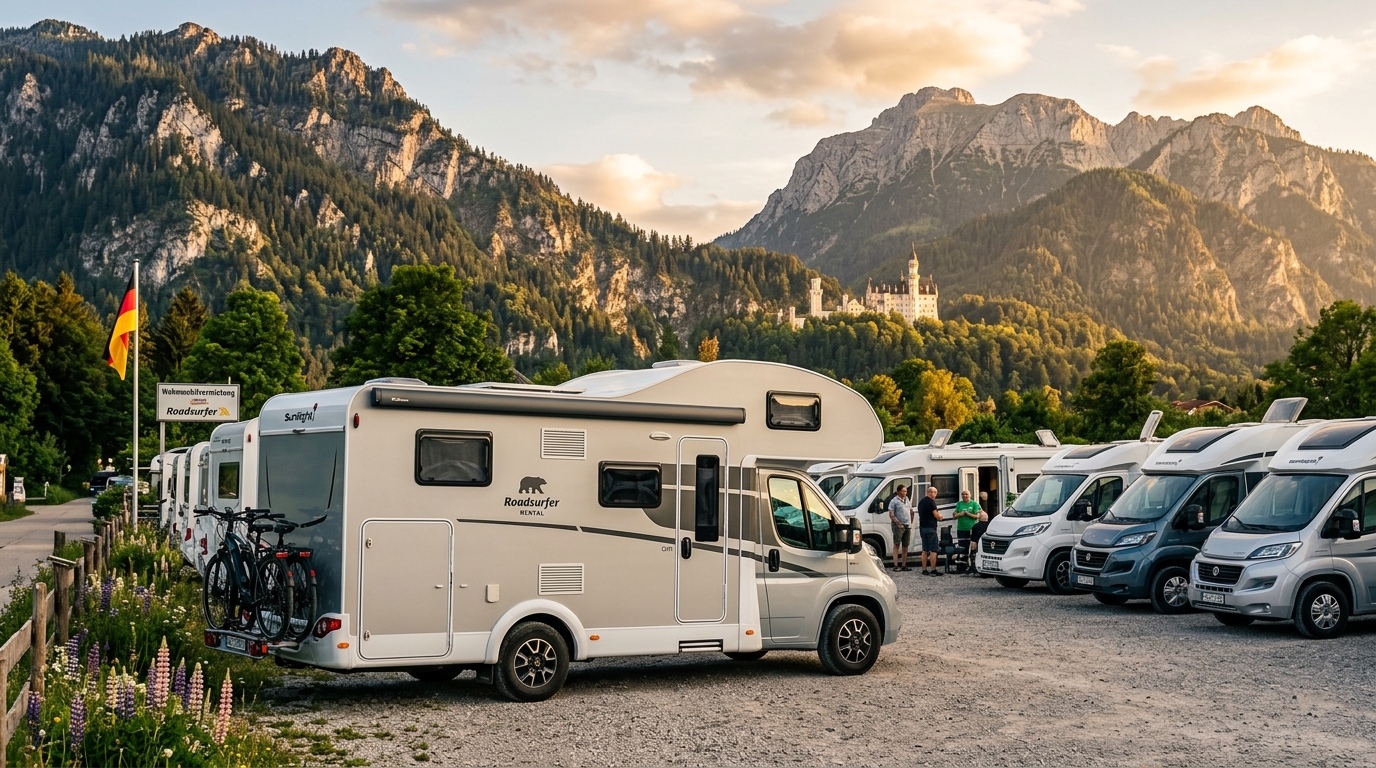
- Bavarian Alps Road Trip: Drive the scenic Alpine Road, visit Neuschwanstein Castle, and hike in the Berchtesgaden National Park. Park your campervan at picturesque lakeside campgrounds for breathtaking views.
- Black Forest Spa & Nature Tour: Explore charming villages like Gengenbach and Triberg, indulge in thermal spas in Baden-Baden, and enjoy forest walks. Look for smaller, intimate Stellplätze nestled within the woods.
- Rhine Valley Castle Cruise: Park your motorhome near towns like Bacharach or St. Goar, take a river cruise past medieval castles, and enjoy local Riesling wine tastings. Many vineyards offer small, inviting spots for RVs.
- Baltic Sea Coast Adventure: Discover the white sand beaches of Usedom or the rugged cliffs of Rügen. Enjoy fresh seafood and explore historical Hanseatic cities like Stralsund or Rostock.
- German Fairy Tale Route: Follow the path of the Brothers Grimm across approximately 600km, visiting towns like Hamelin (of Pied Piper fame) and castles that inspired Sleeping Beauty. It's a whimsical journey perfect for two.
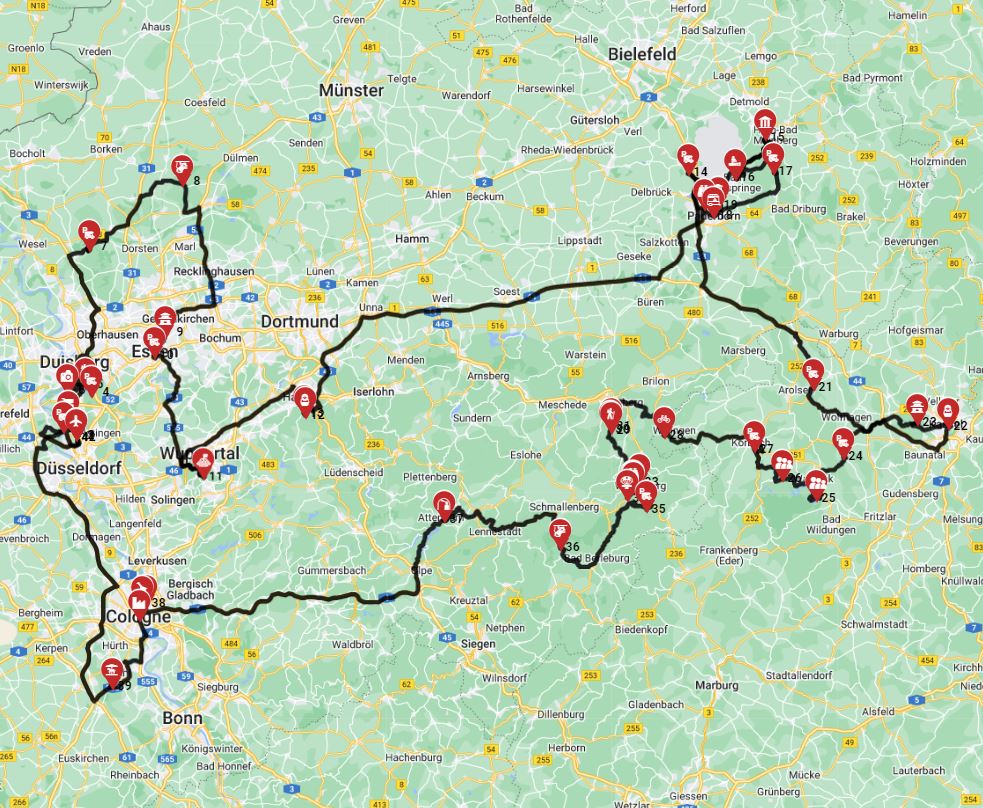
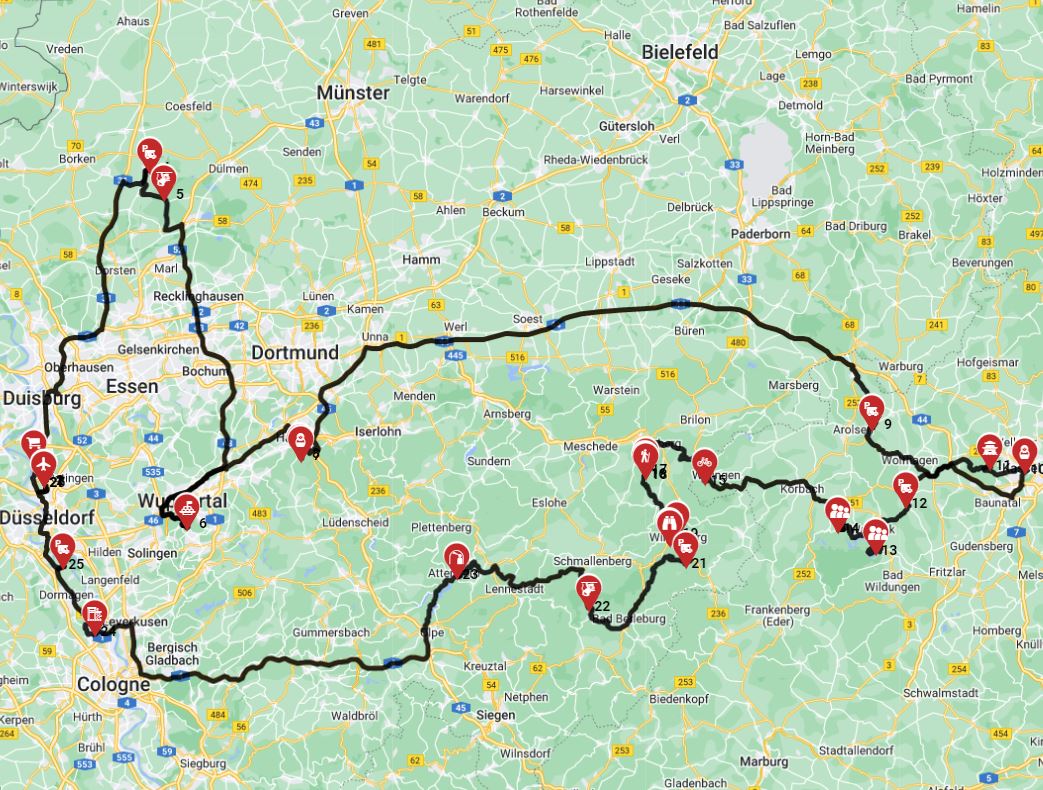
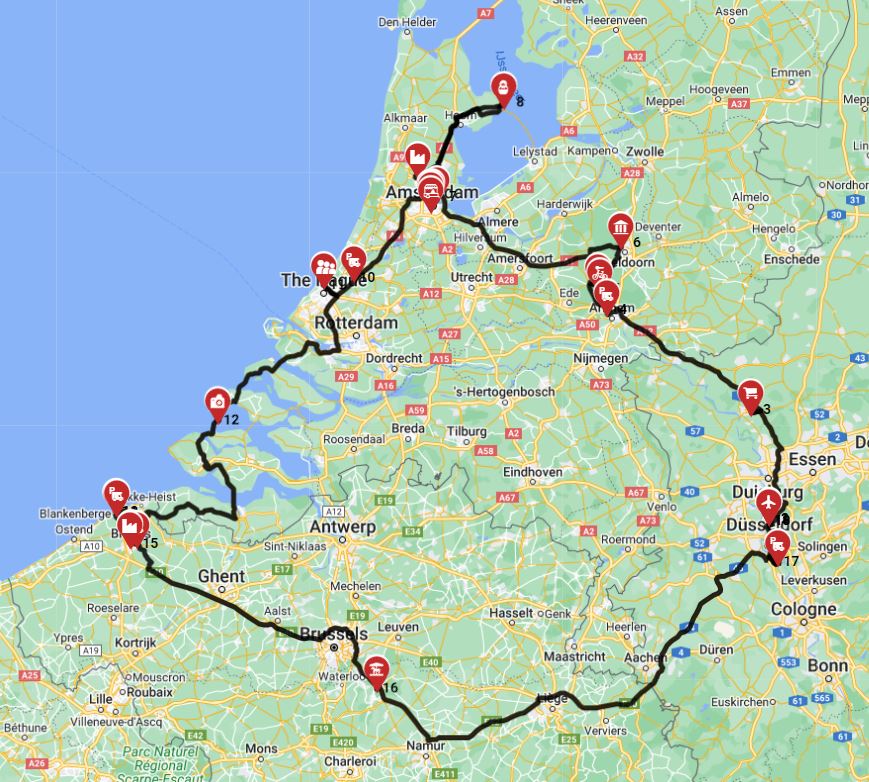
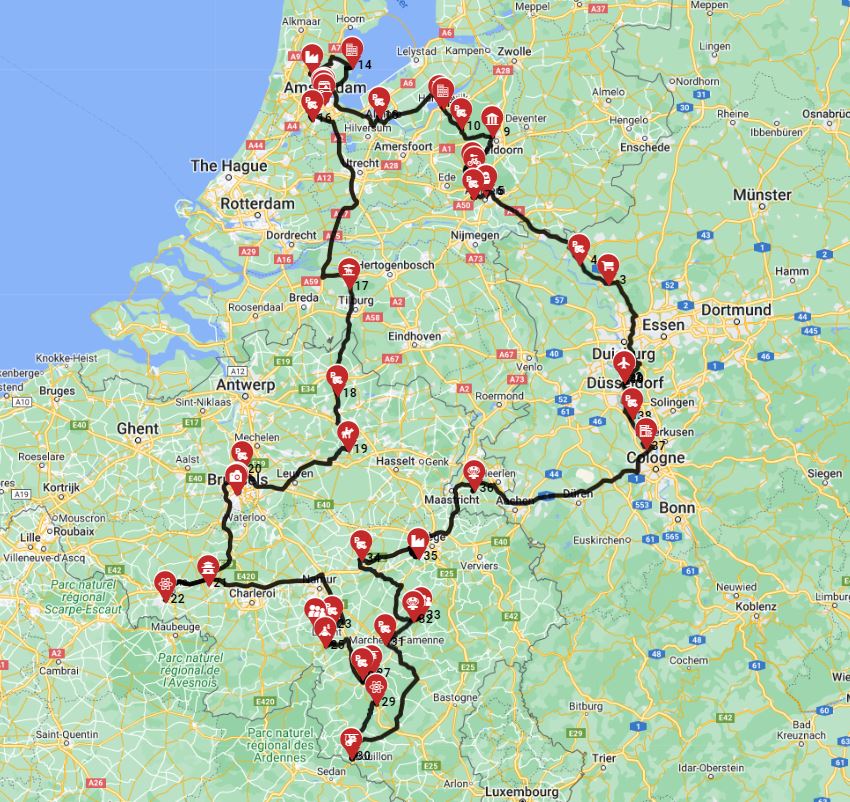
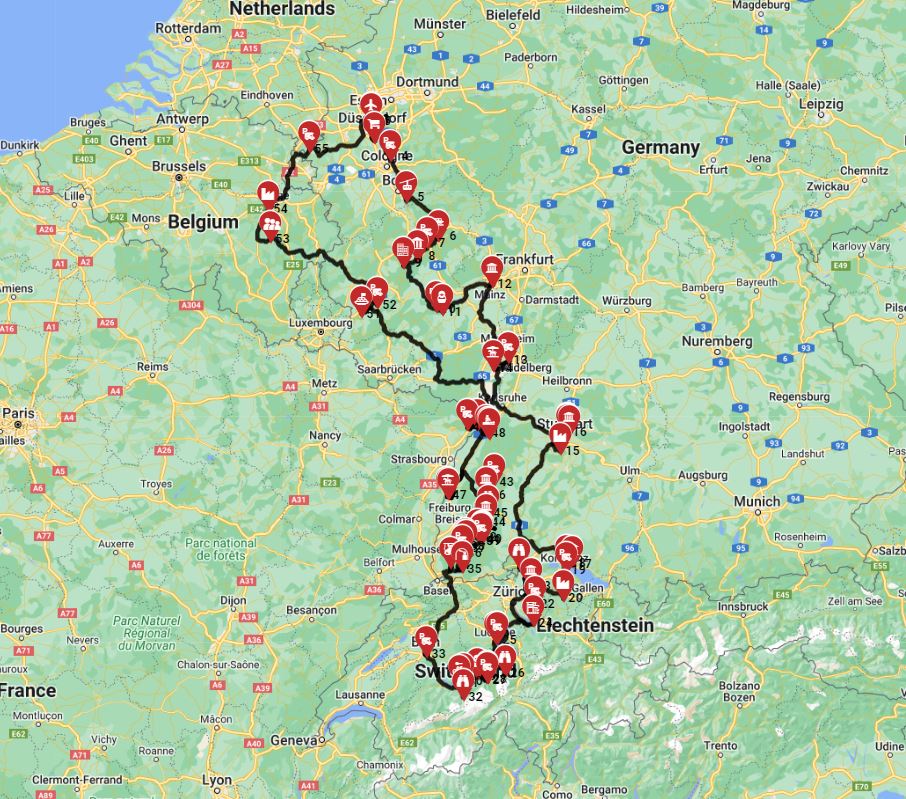
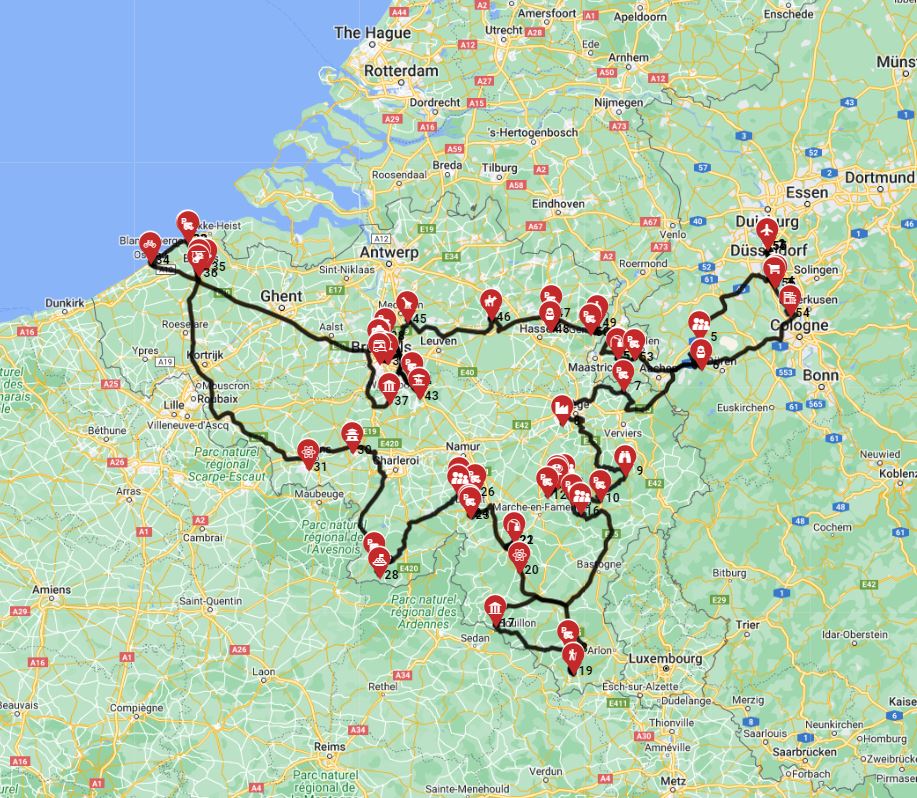
Consider the "Dusseldorf Roundtrip - Germany / Netherlands / Belgium" for an 8-day, 1076.2 km adventure including 2 cruise terminals and 1 amusement park, or the longer "Frankfurt Roundtrip - North Germany - Including Hamburg & Berlin" at 15 days and 2230.1 km, which features 2 historical sites and 2 museums, offering varied experiences for couples.
Final Thoughts
Embarking on an RV adventure through Germany as a couple is an incredible way to create lasting memories, offering the ultimate blend of romance, flexibility, and discovery. From the dramatic peaks of the Bavarian Alps to the tranquil shores of the Baltic Sea, your rented motorhome becomes your cozy home on wheels, taking you wherever your heart desires. Remember to travel slowly, allowing yourselves to truly connect with Germany's rich culture, delicious food, and stunning scenery. We're here to support you every step of the way, from comparing prices across top suppliers to helping you plan the perfect route.
Don't wait to start dreaming up your perfect German RV escape. Get inspired for your next trip and plan a trip itinerary in advance with minimal effort and maximum enjoyment. Your romantic German road trip awaits!
Compare RV Rental Prices for Germany Now and discover the ideal campervan or motorhome for your couples' adventure.