In This Guide
- Top 5 Tips for pet friendly rv rental RV Rental in France
- Before You Book - Class, Dates, Insurance
- Pre-Trip Prep - Packing Checklist for France
- On the Road - Driving, Fueling, Navigation
- At the Campground - Setup, Hookups & Etiquette
- pet friendly rv rental-Specific Tips for France
- Common Mistakes to Avoid in France
- What are the requirements for renting an RV in France?
- Is it easy to wild camp with an RV in France?
- Can you take a dog on a train in France?
- What documents do I need to travel with my dog from the UK to France?
- How much does it cost to rent an RV in France?
- What is the best month to RV in France?
- Is it safe to sleep in a campervan in France?
- What are the driving rules in France for RVs?
- Top Cities for RV Rental in France
- What You Shouldn't Miss
- Why Book with Bandana Caravan
- Final Thoughts
- Frequently Asked Questions
France, with its picturesque countryside, historic cities, and stunning coastline, is an ideal destination for a pet-friendly RV adventure. Imagine exploring the lavender fields of Provence or the majestic peaks of the Alps with your furry companion right by your side in your rented motorhome. Traveling with a pet in France offers unparalleled freedom and flexibility, allowing you to discover hidden gems and charming villages at your own pace. For live availability and current prices, start with our RV Rental France - Complete Guide 2026 guide. Bandana Caravan is here to ensure your journey is smooth, transparent, and utterly unforgettable.
Top 5 Tips for pet friendly rv rental RV Rental in France
Ensuring a fantastic pet-friendly RV rental experience in France begins with careful planning, especially when your beloved animal is coming along. First, always confirm that your chosen RV rental company explicitly offers pet-friendly vehicles and clarify any associated fees or cleaning deposits upfront. Many suppliers, such as El Monte and Apollo, have specific guidelines for pets, and understanding these from the start means no surprises. Secondly, it is critical to ensure your pet's documentation, such as an EU Pet Passport or Animal Health Certificate, microchip, and up-to-date rabies vaccination, meets stringent French entry requirements; a rabies vaccination must be at least 21 days old before entry.
Third, thorough research and booking of pet-friendly campgrounds and attractions along your planned itinerary are essential, as not all locations in France welcome animals. Websites like rvplan.net can help you find suitable stops. Fourth, pack a comprehensive pet kit including sufficient food, water bowls, a sturdy leash, plenty of waste bags, a comfortable bed or crate for safety during travel, and any necessary medications. Lastly, familiarize yourself with local French pet etiquette, such as keeping dogs leashed in public spaces and promptly cleaning up after them, to ensure a respectful and pleasant trip for everyone you encounter.
Before You Book - Class, Dates, Insurance
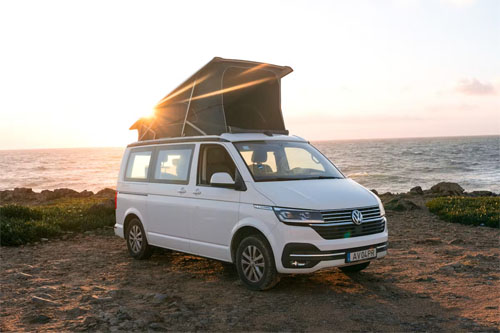
When preparing for your pet-friendly RV trip to France, selecting the right motorhome class, booking dates, and understanding insurance options are paramount. Choosing an appropriate RV class for your pet-friendly trip in France is crucial for comfort, ensuring enough space for your pet's crate or bed, especially on a longer two-week adventure. Smaller campervans like an "Active Compact Select" are nimble for city navigation, while a larger Class C motorhome like a "29′ Class C Motorhome" with a 151-liter fresh water tank offers more living space and amenities, perfect for families or multiple pets.
Locking in your RV rental dates well in advance is highly recommended, particularly for peak seasons (June-August) or school holidays, to secure pet-friendly options and potentially better rates. While spontaneity is part of the RV charm, popular pet-friendly motorhomes can book up quickly. Prices for RV rentals in France are dynamic, much like flight tickets, so booking earlier often means better availability and competitive deals. Basic insurance is always included with your rental. To see prices including the most comprehensive coverage, select that option during your search on Bandana Caravan's platform; then all relevant insurance options will be shown, allowing you to easily upgrade to a top-level deductible for extra peace of mind, an optional enhancement to your travel security.
At Bandana Caravan, we pride ourselves on full transparency: what you see is what you pay, with no surprise fees at pickup, reflecting our commitment to honest and straightforward booking experiences. We compare final prices across 50+ suppliers, including partners like Apollo and Britz, so you don't have to, ensuring you find the easiest, safest, and most affordable way to rent an RV in France.
Pre-Trip Prep - Packing Checklist for France
A well-prepared packing checklist is essential for a smooth and enjoyable pet-friendly RV adventure across France's diverse regions. Your rented motorhome typically comes equipped with basic kitchenware and linens, but personal items and pet necessities are on you. Remember layers of clothing for varying climates, rain gear, and comfortable walking shoes. For cooking delicious meals in your RV kitchen, you might bring special seasonings or check our RV-friendly recipes playlist for inspiration.
Mandatory & Recommended Items:
- Layers of clothing (for varying climates, average daytime temperatures range from 15°C in spring to 28°C in summer)
- Rain jacket and umbrella (France can have unexpected showers, even in summer)
- Comfortable walking shoes (for exploring charming French towns and trails)
- Swimsuit (if visiting coastal or lake areas like the French Riviera or Lake Annecy)
Kitchen & Dining:
- Basic cooking utensils and dinnerware (usually included, but check with your supplier)
- Reusable water bottles (to reduce plastic waste and stay hydrated)
- Coffee maker (if you have a specific preference for your morning brew)
- Cooler bag for market shopping (perfect for fresh produce from local 'marchés')
Safety & Emergency:
- First-aid kit (for humans and pets, including any prescription medications)
- Reflective vests and warning triangle (legally required for all vehicles in France)
- High-visibility jacket (for roadside emergencies)
- Fire extinguisher (typically provided in rental RVs, but good to know)
Documents & Pet Essentials:
- Driver's license (standard B category is sufficient for all motorhome classes) and International Driving Permit (IDP) if applicable (recommended for non-EU licenses)
- Passport/ID cards
- RV rental confirmation and insurance documents
- Pet passport/Animal Health Certificate, vaccination records (especially rabies), and microchip details.
- Sufficient pet food and treats
- Water bowls and a portable water bottle for walks
- Leash, harness, and plenty of waste bags
- Pet bed or travel crate (ensures comfort and safety during drives)
- Favorite toys for enrichment
At the Campground - Setup, Hookups & Etiquette
Setting up your rented RV at a French campground is straightforward, typically followed by adhering to site-specific rules and general etiquette for a pleasant stay with your pet. Upon arrival, first park your motorhome, then connect to electricity (often requires a 2-pin adapter, readily available at camping stores or even some camp receptions), then fresh water, and finally position your grey water hose for drainage. Many sites offer 6-amp or 10-amp electrical hookups, which are generally sufficient for basic amenities and charging.
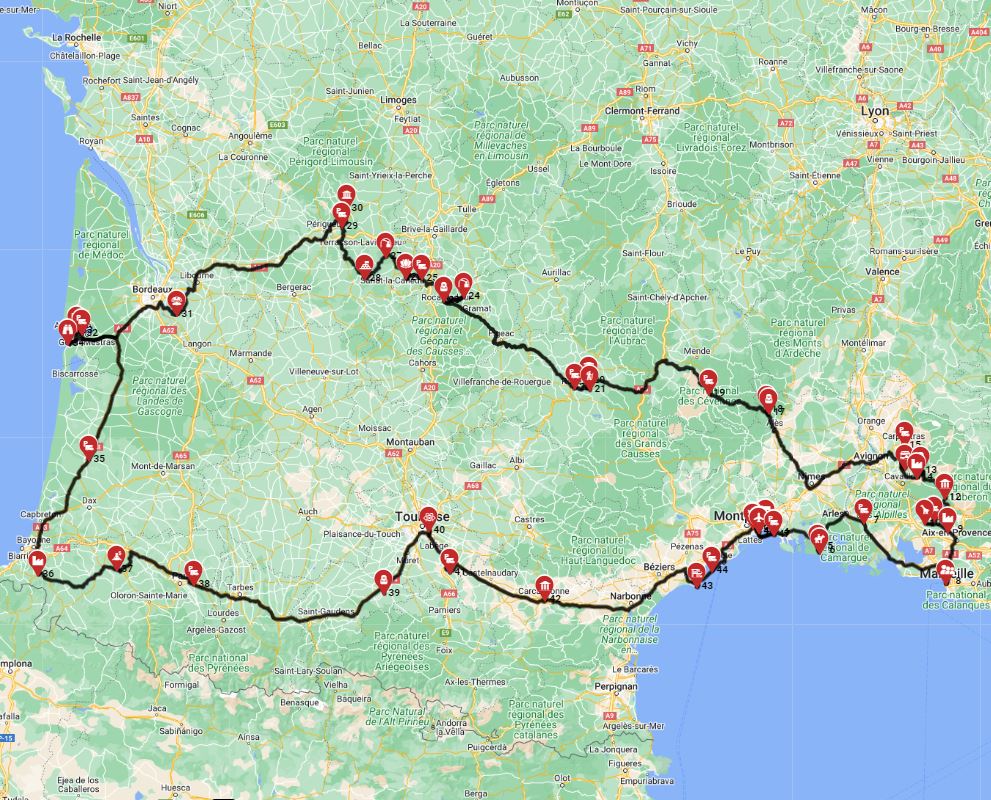
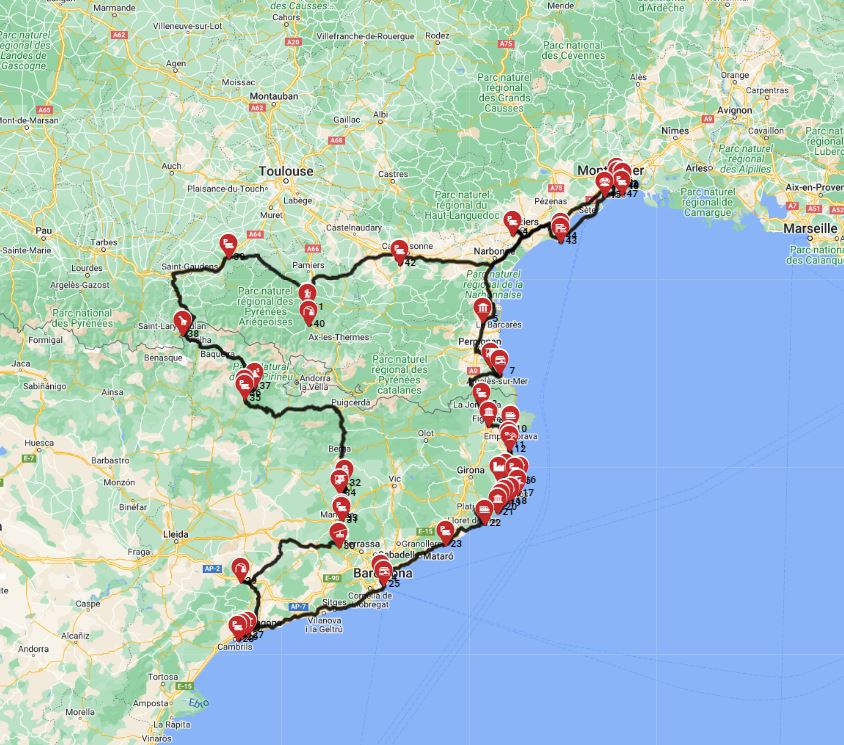
Respect quiet hours, generally observed from 10 PM to 7 AM; ensure your pet does not create excessive noise that could disturb other campers. Always keep your pet on a leash within the campground, clean up their waste immediately, and dispose of it in designated bins to maintain hygiene and good relations with other campers. Most French campsites are very welcoming to pets, but adherence to these simple rules ensures a harmonious environment for everyone. For finding campsites and campgrounds during your trip, we recommend using RV PLANET (rvplan.net) - a great resource for locating available spots along your route, ensuring you always find a welcoming place for you and your companion.
pet friendly rv rental-Specific Tips for France
Tailoring your RV trip to accommodate your pet's needs and French regulations ensures a more enjoyable and compliant journey throughout France. Always carry your pet's complete documentation at all times; French authorities may conduct random checks, and vets will require it for any treatment. This includes their EU Pet Passport or Animal Health Certificate, microchip details, and up-to-date rabies vaccination.
It's wise to research pet-friendly attractions in advance; while many outdoor sites like national parks and walking trails welcome leashed dogs, most museums, shops, and indoor restaurants have restrictions. You can often find designated dog parks in larger cities or communal areas for pets to socialize and run free. Locate veterinary clinics along your route using mobile apps or local inquiries, particularly for emergencies or any required deworming treatments before returning to certain countries, like the UK, which mandates treatment 1 to 5 days before re-entry. Plan your daily driving with frequent stops for your pet to stretch, hydrate, and relieve themselves, utilizing designated pet-friendly areas at rest stops or one of the many 'aires de service'. This country-specific advice ensures a seamless and happy adventure with your furry friend.
Common Mistakes to Avoid in France
Awareness of common errors can significantly enhance your pet-friendly RV rental experience in France, transforming potential issues into smooth travels. A frequent mistake is neglecting pet documentation; instead, verify all pet passports, vaccination records, and microchip details are current and comply with French entry and travel requirements well before your trip. Another common oversight is improper waste disposal; instead, utilize designated 'aires de service' for black and grey water, and ensure all pet waste is bagged and disposed of correctly in public bins to respect local environmental standards.
Many travelers also overlook city access restrictions; instead, be aware that many French cities have 'Crit'Air' zones requiring specific emission stickers, and some areas may restrict RV or pet access. Plan alternative parking or routes for cities like Paris, Lyon, or Grenoble, which have stricter rules. Finally, not booking pet-friendly campsites in advance, especially during high season (July and August), can lead to availability issues. Instead, secure your preferred campsites, particularly those known for welcoming pets, to avoid last-minute stress. Remember, you'll find a spot; if not at the first campground, then the next one. Always call ahead before driving to confirm availability for you and your pet.
🎬 Video coming soon
What are the requirements for renting an RV in France?
Renting an RV in France typically requires the driver to be at least 21 years old, hold a valid driver's license for a minimum of 2-3 years, and provide a credit card for the security deposit. Most standard motorhomes and campervans, up to 3.5 tonnes, can be driven with a Category B driving license, which is equivalent to a standard car license, and no special license, CDL, or additional permits are required. An International Driving Permit (IDP) is highly recommended for visitors from non-English-speaking countries but is not mandatory in most cases for short stays.
You will also need a valid passport or national ID card and potentially proof of address to complete the rental agreement. Some suppliers might have slightly varying age or license duration requirements, so always check the specific terms of your chosen RV. Bandana Caravan, a true RV specialist, provides full transparency on all requirements upfront, so you'll never face hidden fees or surprises at pickup.
Is it easy to wild camp with an RV in France?
While strict 'wild camping' is generally prohibited in France, free overnight parking for RVs is often made easy and accessible through its extensive network of 'aires de service' and by local tolerance in rural areas. France boasts thousands of 'aires de service' specifically for motorhomes, many offering free or low-cost overnight parking along with essential services like fresh water and waste disposal points. These are a fantastic solution for budget-conscious travelers and are often pet-friendly.
Responsible free overnight parking is more feasible in less populated, rural locations, always adhering to 'no camping' signs and respecting private property; avoid setting up camp with awnings or chairs as this is considered camping. For safety, choose well-lit, visible spots, avoid highly isolated areas, and utilize apps like Park4Night or Campercontact to find trusted locations that welcome overnight stays for your rented camper. Remember that many national and state parks reserve only 25-30% of spots for pre-booking, with the rest being first-come, first-served, so being spontaneous in quieter areas is certainly possible.
Can you take a dog on a train in France?
Yes, you can generally take a dog on a train in France with SNCF services, though specific rules regarding size, carrier requirements, and ticket purchases apply. Small dogs weighing under 6kg typically travel in a suitable carrier (maximum dimensions usually 45cm x 30cm x 25cm) placed on your lap or at your feet, requiring a fixed, reduced-price 'animal' ticket, often around €7-€10. Larger dogs must be muzzled and kept on a leash throughout the journey, and they require a specific 'animal' ticket, usually priced at 50% of a second-class fare.
Assistance dogs for passengers with disabilities are generally permitted without a muzzle or additional charge, traveling free of charge. These rules apply to domestic train travel within France; for international routes, additional regulations may apply. If you plan to combine your motorhome rental with train travel for certain city explorations, be sure to check the latest SNCF pet policies when booking your train tickets to ensure a smooth transition for your furry companion.
What documents do I need to travel with my dog from the UK to France?
To travel with your dog from the UK to France, the primary documents required include an EU Pet Passport or an Animal Health Certificate (AHC), proof of microchipping, and a valid rabies vaccination record. Your dog must be microchipped before receiving its rabies vaccination, and the vaccination must be at least 21 days old before your planned entry into France. This strict timeline is crucial for compliance, so plan your vaccinations well in advance of your one-week or longer RV rental trip.
A tapeworm treatment, administered by a registered vet 1 to 5 days before your scheduled entry into France, is mandatory for dogs traveling from the UK. Ensure all details on the documents, including vaccination dates and microchip number, accurately match your pet's identity. Always check the official government guidelines (e.g., UK Defra and French Ministry of Agriculture) for the most up-to-date requirements, as regulations can change. Having all paperwork in order guarantees a stress-free border crossing and an enjoyable pet-friendly RV trip to France.
How much does it cost to rent an RV in France?
The cost to rent an RV in France can range significantly, from €70-€200 per night for smaller campervans in off-peak season to over €400 per night for luxury Class A motorhomes during high season (July-August), depending on vehicle class, rental duration, and pick-up location. For example, a compact campervan like an "Acer" (ideal for a couple, with shower/toilet) might be on the lower end, while a spacious "Motorhome MC6 Gold" (ideal for a big family/group of friends, with large fresh water tanks) would be on the higher end.
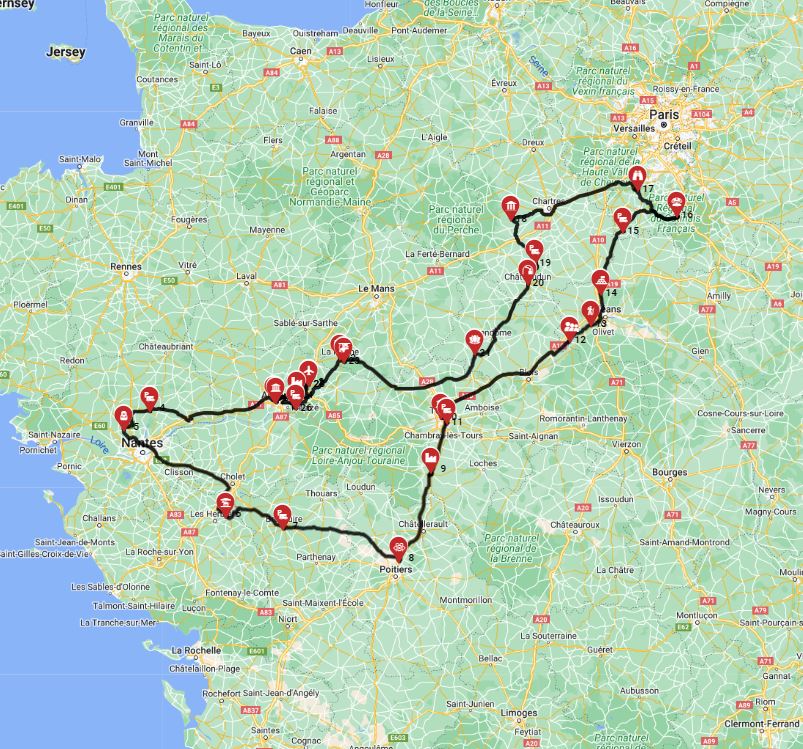
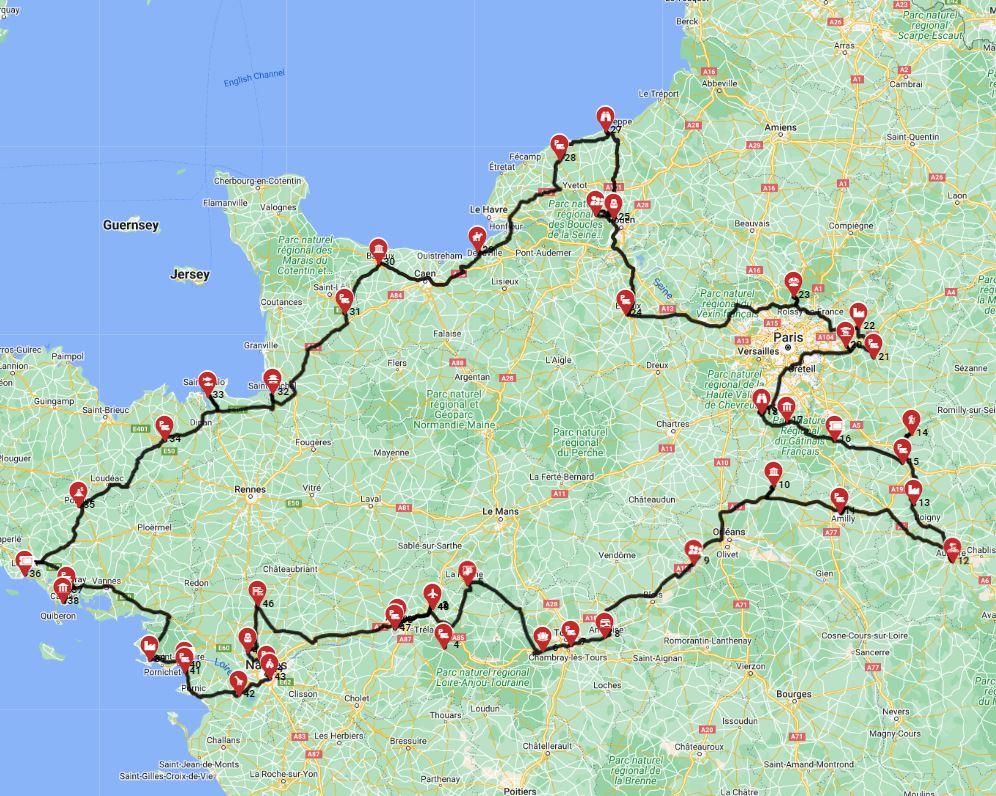
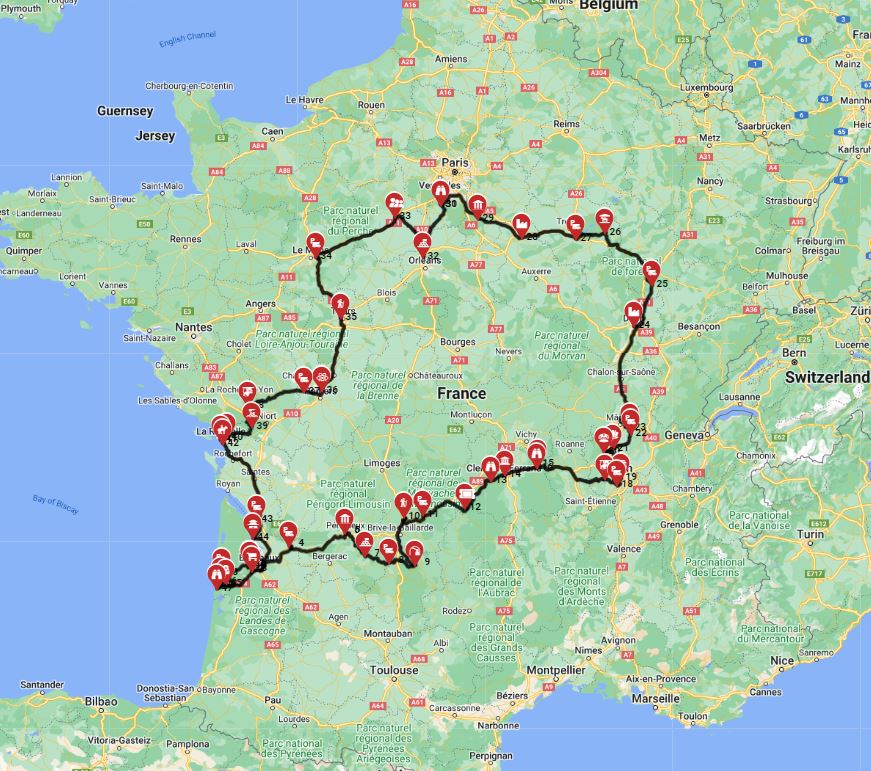
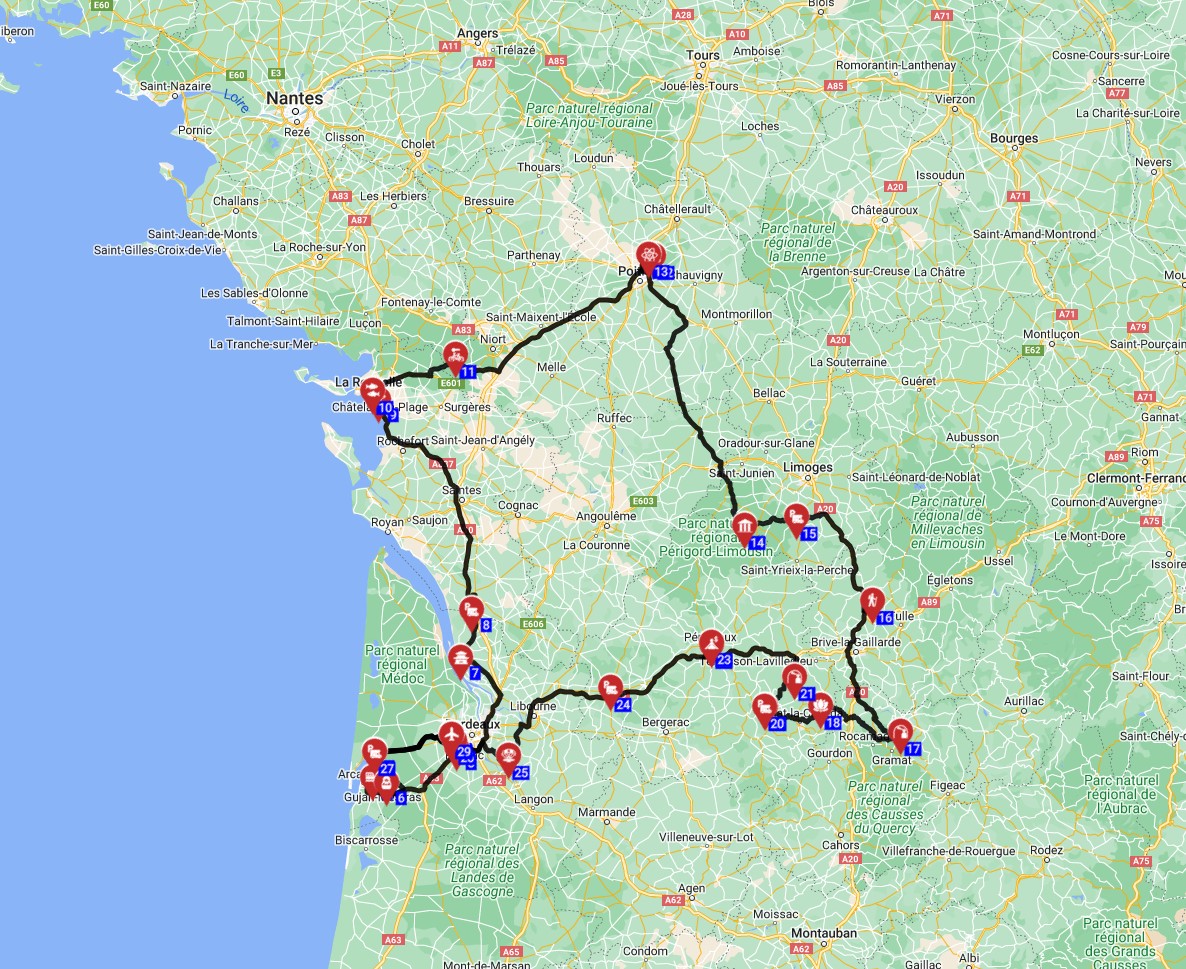
Beyond rental fees, it's essential to budget for ancillary costs such as fuel (current 2026 prices around €1.80-€2.00 per liter for diesel are common), motorway tolls ('péage' can add €20-€50 per 100km on some routes), and campsite fees (€15-€50 per night, typically higher for pet-friendly pitches). Food expenses can be managed by shopping at local markets ('marchés') for fresh produce and supermarkets (e.g., Carrefour, Leclerc) for staples, which are typically more affordable than eating out regularly. Additionally, factor in costs for attractions, parking in cities like Paris or Lyon, and potential unexpected expenses like additional pet cleaning fees or emergency vet visits. For easy budgeting and to itemize and track every expense along the way, our RV PLANET routes provide a detailed breakdown for your travel plan. Comparing prices for a pet-friendly RV rental in France through Bandana Caravan ensures you get the best deal with full transparency on all costs. For more detailed insights, check out our Pet-Friendly RV Rental in France - Pricing 2026 guide.
What is the best month to RV in France?
The best month to RV in France largely depends on your travel preferences, but the shoulder seasons of May-June and September-October generally offer ideal weather, fewer crowds, and better availability for pet-friendly campsites. May and June provide pleasant, warm temperatures perfect for exploring blooming landscapes in regions like the Loire Valley or for hiking in the Alps before the peak summer rush. Expect average temperatures between 15°C and 22°C during these months, making outdoor activities with your pet very comfortable.
September and October offer mild, stable weather, ideal for visiting the vineyards of Bordeaux, the vibrant (post-bloom) lavender fields of Provence, or enjoying coastal areas without extreme heat, with temperatures typically ranging from 12°C to 20°C. July and August are peak season, characterized by hot weather, crowded attractions, and higher prices, making it more challenging to find tranquil spots with your pet, particularly in popular tourist areas. However, for those who love bustling atmosphere and don't mind the heat, the summer months offer a vibrant cultural experience. Whether you prefer the tranquility of shoulder seasons or the energy of summer, a pet-friendly motorhome rental in France awaits your discovery.
Is it safe to sleep in a campervan in France?
Sleeping in a rented campervan in France is generally considered safe, particularly when utilizing official campsites or designated 'aires de service', but it's important to practice standard security precautions. Always choose well-lit, reputable, and official parking areas or campgrounds over isolated or suspicious-looking spots, especially in urban environments or remote areas. France's extensive network of 'aires de service' provides a reliable and often free solution for overnight stays, many with other RVers present.
Secure your RV by ensuring all doors and windows are locked, utilizing internal blinds for privacy, and keeping valuables out of sight. Consider implementing additional security measures like an RV alarm system, wheel clamps, or a GPS tracking device for enhanced peace of mind, especially when leaving your vehicle unattended or camping remotely. Generally, exercising common sense and caution, as you would in any unfamiliar location, will ensure a safe and restful night's sleep for you and your pet during your motorhome adventure in France. Rest assured, with a little preparation, your overnight stays will be serene and secure.
What are the driving rules in France for RVs?
Driving a rented RV in France requires adherence to specific regulations, including adjusted speed limits, mandatory safety equipment, and awareness of particular road signs. For motorhomes over 3.5 tonnes, the speed limit is often 110 km/h on motorways (instead of 130 km/h) and 80 km/h on national roads, though lighter campervans generally follow car speed limits. Mandatory equipment includes a reflective safety vest for each occupant, a warning triangle, and often a spare set of light bulbs (though enforcement varies for the latter).
Be vigilant for French road signs indicating low bridges, weight restrictions, and environmental zones ('Crit'Air' zones) in cities, which may require a special vignette and restrict access for certain vehicles. Drive slowly and carefully, and you can drive almost anywhere without issues. No need to stress - just use common sense and pay attention. An International Driving Permit (IDP) is recommended for non-EU license holders but not strictly mandatory for short visits. Familiarizing yourself with these rules ensures a safe and compliant journey across beautiful France, making your trip with a rented RV a pleasure.
Top Cities for RV Rental in France
France offers numerous fantastic starting points for your pet-friendly RV adventure. Whether you're seeking historic sites, coastal beauty, or mountain escapes, there's a city to kickstart your journey. Here are some top picks:
- Paris: While navigating a motorhome in the capital might seem daunting, Paris offers excellent access to surrounding regions like the Loire Valley. Pick up your RV rental outside the city center to avoid traffic, then explore iconic landmarks like the Eiffel Tower (with your leashed dog in nearby parks). You can then easily venture to destinations like Agen for canal-side tranquility or Alencon for its lacemaking history.
- Nice (French Riviera): For sun-drenched coasts and charming towns, a pet-friendly RV rental from Nice is perfect. Explore the stunning Côte d'Azur, visit pet-friendly beaches, and enjoy scenic drives along the Mediterranean. Day trips to coastal gems like Antibes and Saint-Tropez are easily managed.
- Lyon: As France's gastronomic capital, Lyon is an excellent central hub for exploring the Auvergne-Rhône-Alpes region. Enjoy delectable food, then head out to the pet-friendly national parks in the Alps. You can also drive to nearby Angoulême for its comic book murals or Annecy with its beautiful lake.
- Bordeaux: Wine lovers rejoice! Rent a motorhome in Bordeaux and explore the world-renowned vineyards, many of which are pet-friendly and offer unique 'France Passion' overnight stays. The Atlantic coast is also within easy reach for beach walks with your dog.
- Marseille: This vibrant port city in the south offers direct access to Provence and the Calanques National Park (check specific pet access rules for different trails). It’s an excellent starting point for a cultural and natural exploration of the south of France, including the city of Alès, known as the gateway to the Cévennes.
- Nantes: Located in western France, Nantes is a gateway to Brittany and the Vendée coast. It's a great base for exploring medieval castles, wild coastlines, and charming fishing villages, many offering pet-friendly activities. The city itself boasts unique attractions like Les Machines de l'île.
- Toulouse: In the southwest, Toulouse offers a blend of pink-hued architecture and access to the Pyrenees mountains. It's an ideal starting point for exploring the rural charm of Occitanie, with plenty of hiking opportunities for you and your pet.
- Strasbourg: For an experience blending French and German cultures, a motorhome rental in Strasbourg provides access to the charming Alsace wine route and the Black Forest just across the border. Its unique architecture and Christmas markets (in winter) are a delight, with many outdoor areas welcoming leashed pets.
From any of these starting points, you can easily venture further, exploring the unique character of destinations like Ajaccio - Corsica, or the tranquil beauty found near smaller towns such as Andeville and Auteuil. Each region offers its own delights for you and your pet in your rented motorhome.
What You Shouldn't Miss
Looking for expert insights from Avi Bandana? Top 5 Adventures - recommendations from Avi Bandana:
- Drive the Alsace Wine Route with Wine Tasting Stops: Explore charming villages like Colmar and Riquewihr. Many vineyards participate in schemes like France Passion, allowing overnight stays for RVers (often in exchange for purchasing a bottle or two), offering a perfect pet-friendly 'stop N' taste' experience.
- Hike in the Vanoise National Park (select trails): While some areas of national parks have restrictions, many trails in the French Alps offer incredible hiking opportunities for you and your leashed dog. The fresh mountain air and stunning scenery are truly invigorating.
- Explore the Loire Valley Châteaux: Visit majestic castles like Château de Chambord and Chenonceau. While pets aren't typically allowed inside the châteaux, their extensive grounds and gardens often welcome leashed dogs, providing ample space for walks and picnics.
- Wander the Markets of Provence: Immerse yourself in the vibrant colors and aromas of local Provençal markets in towns like Aix-en-Provence or Saint-Rémy-de-Provence. Many market towns are accustomed to dogs (on leash) and offer a sensory feast for both you and your pet.
- Relax on a Mediterranean Beach (off-season): During shoulder seasons (May, June, September), many coastal areas, particularly in the south of France, have more relaxed rules about dogs on beaches. Enjoy a stroll along the shore or a refreshing dip in the sea with your furry friend.
Final Thoughts
Embarking on a pet-friendly RV adventure in France is an incredible way to experience this diverse and beautiful country with your furry family member. From the rolling vineyards of Bordeaux to the dramatic cliffs of Normandy, a rented motorhome gives you the freedom to explore at your own pace, creating memories that will last a lifetime. With careful planning, a solid understanding of local regulations, and the right support, your trip will be nothing short of extraordinary.
At Bandana Caravan, we're passionate about making RV travel accessible and enjoyable for everyone. We’re here to help you navigate the options, ensure full transparency in pricing, and provide the insights you need for a worry-free journey. So, pack your bags, grab your pet's favorite toys, and get ready to discover the magic of France on four wheels!
Ready to start planning your dream getaway? Compare Pet friendly rv Rental Prices for France today and let the adventure begin!