In This Guide
- What pet friendly RV Rental Costs in West Canada (2026)
- Seasonal Pricing - Peak vs. Shoulder vs. Off-Season in West Canada
- What's Included vs. What's an Add-On
- Hidden Costs to Budget For in West Canada
- How to Save on pet friendly RV Rental in West Canada
- How much does it cost to dump an RV in BC?
- How much is an RV campsite in British Columbia?
- What is boondocking in West Canada?
- Can you RV in Canada in winter?
- What documents do I need to rent an RV in Canada as a US citizen?
- What are some safety tips for RVing in the Canadian Rockies?
- How far in advance should I book an RV in West Canada?
- What You Shouldn't Miss
- Why Book with Bandana Caravan
- Final Thoughts
- Frequently Asked Questions
Embarking on a pet-friendly RV adventure through West Canada offers unparalleled freedom and stunning natural beauty. From the majestic Canadian Rockies to the rugged Pacific coastline, a rented motorhome allows you and your furry companions to explore at your own pace. For live availability and current prices, start with our RV Rental West Canada - Complete Guide 2026 guide.
What pet friendly RV Rental Costs in West Canada (2026)
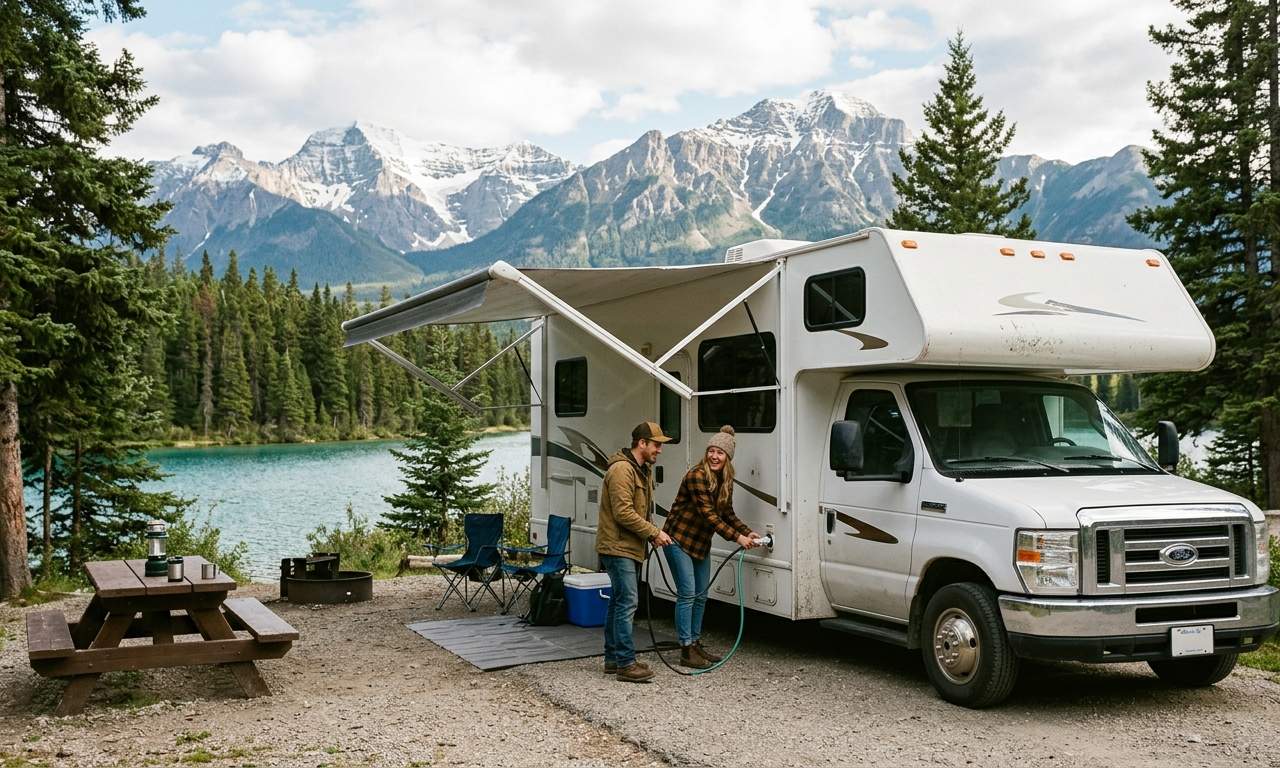
Pet-friendly RV rental prices in West Canada for 2026 are dynamic, changing daily based on factors like vehicle class, duration, and seasonality, but typically range from $120 CAD per day for a compact campervan in the off-season to over $300 CAD per day for a larger Class C motorhome during peak summer.
For example, a Class C motorhome like the `24' Class C Motorhome`, ideal for a family of 2 adults and 2 kids (4 people), might cost around $180-$250 CAD per day during shoulder season. Meanwhile, a larger unit such as the `32' Class C Motorhome` with three double beds, perfect for up to 6 people and their pets, could be $250-$350 CAD daily in high demand periods. The price also fluctuates based on supplier specials and how far in advance you book. Keep in mind that a pet fee, generally a one-time charge of $50-$150 CAD, is usually added to the total rental cost.
To give you an immediate overview of estimated costs for different RV types and trip lengths, refer to the live price comparison. Our platform offers full transparency, ensuring you won't encounter hidden fees or surprises when comparing pet-friendly campervan or motorhome options.
🎬 Video coming soon
Remember that the final price is always set at the actual booking time, so early comparison through Bandana's platform is key.
Seasonal Pricing - Peak vs. Shoulder vs. Off-Season in West Canada
RV rental prices in West Canada fluctuate significantly by season, with peak summer months commanding the highest rates, while shoulder and off-seasons offer more economical options. Peak season (July-August) experiences the highest demand and premium pricing, with daily rates often 25-50% higher than shoulder season, often requiring bookings many months in advance for popular pet-friendly Class C motorhomes.
Shoulder seasons (May-June and September-October) offer a fantastic balance of good weather and moderate prices, making them ideal for budget-conscious travelers with pets. You might find a compact pet-friendly campervan like the `Acer` for $150-$200 CAD per day during these months, a significant saving compared to peak rates. Off-season (November-April), with April typically being the lowest-priced month, presents the most significant savings, with rates potentially dropping to $100-$150 CAD per day, but also comes with challenges like limited services and potential road closures, especially in mountainous areas.
Understanding these seasonal shifts allows you to plan your pet-friendly RV trip effectively. For example, a week-long trip in a `24' Class C Motorhome` during September could save you hundreds of dollars compared to a July rental. Bandana Caravan helps you compare these fluctuating prices across various suppliers, ensuring you find the best deal for your desired travel time.
What's Included vs. What's an Add-On
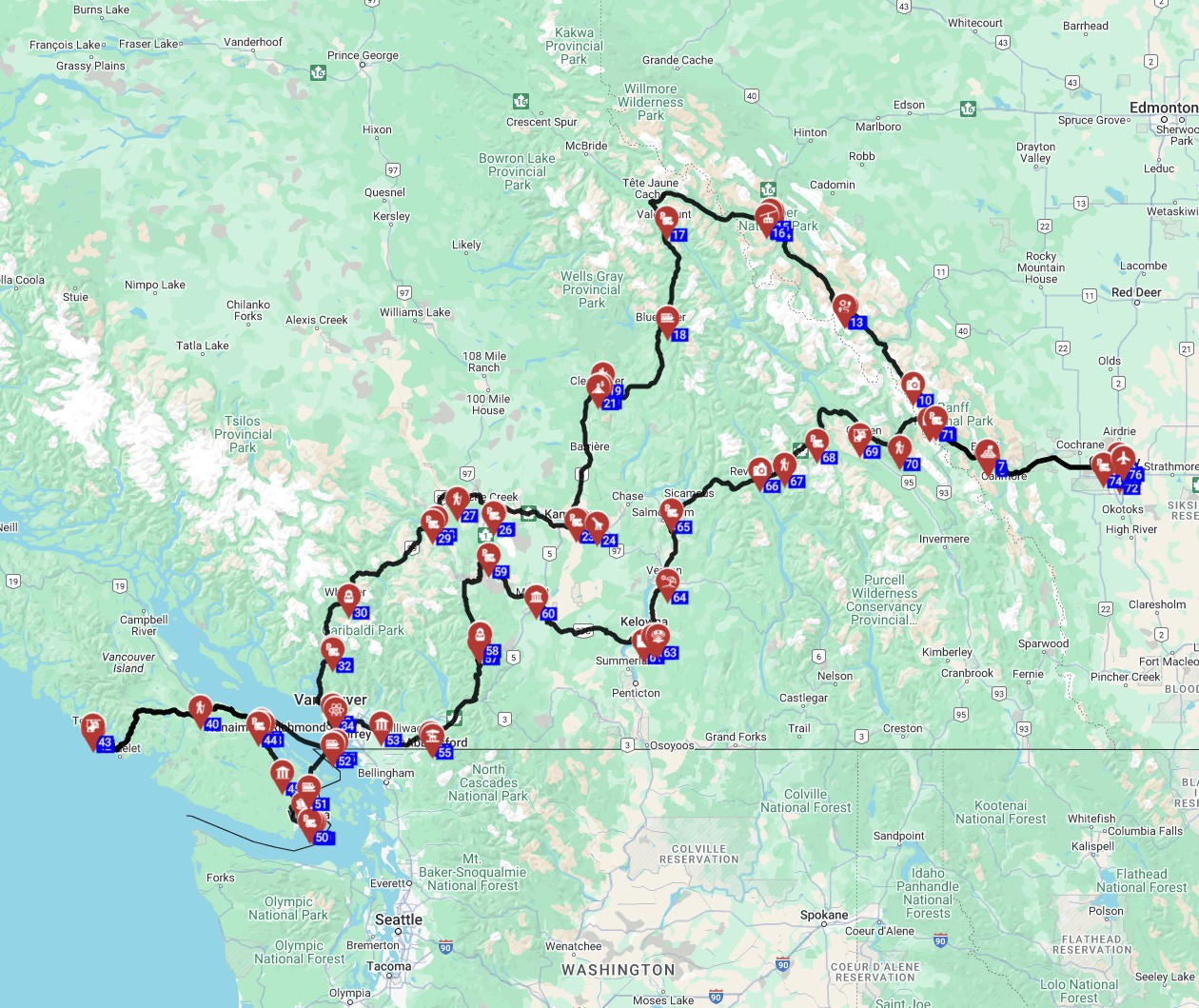
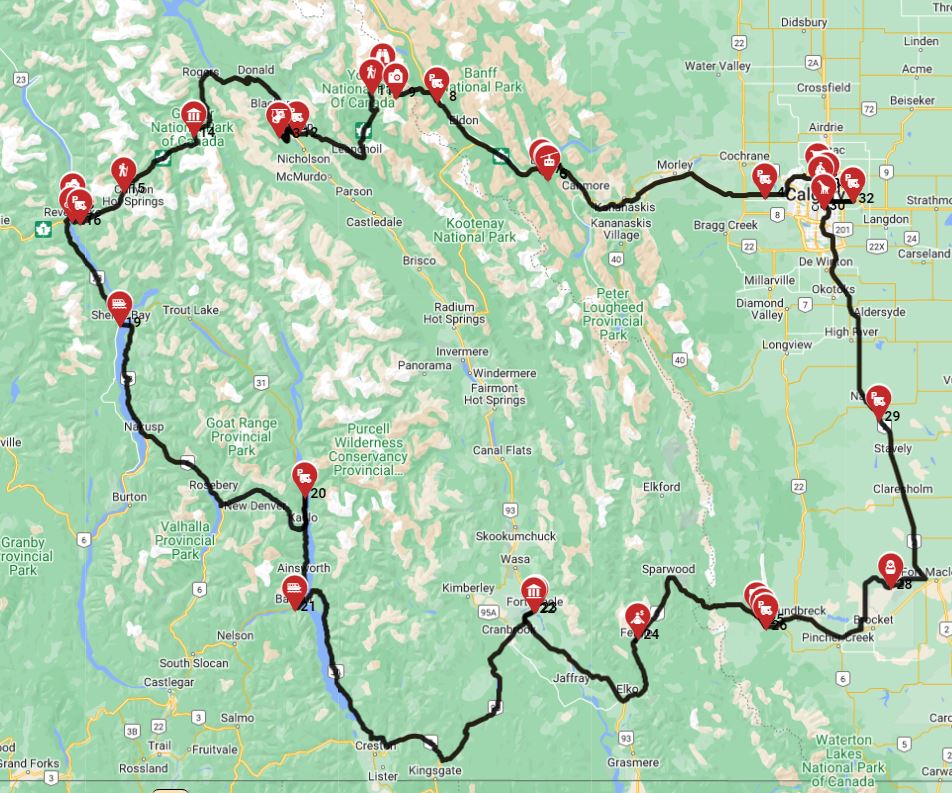
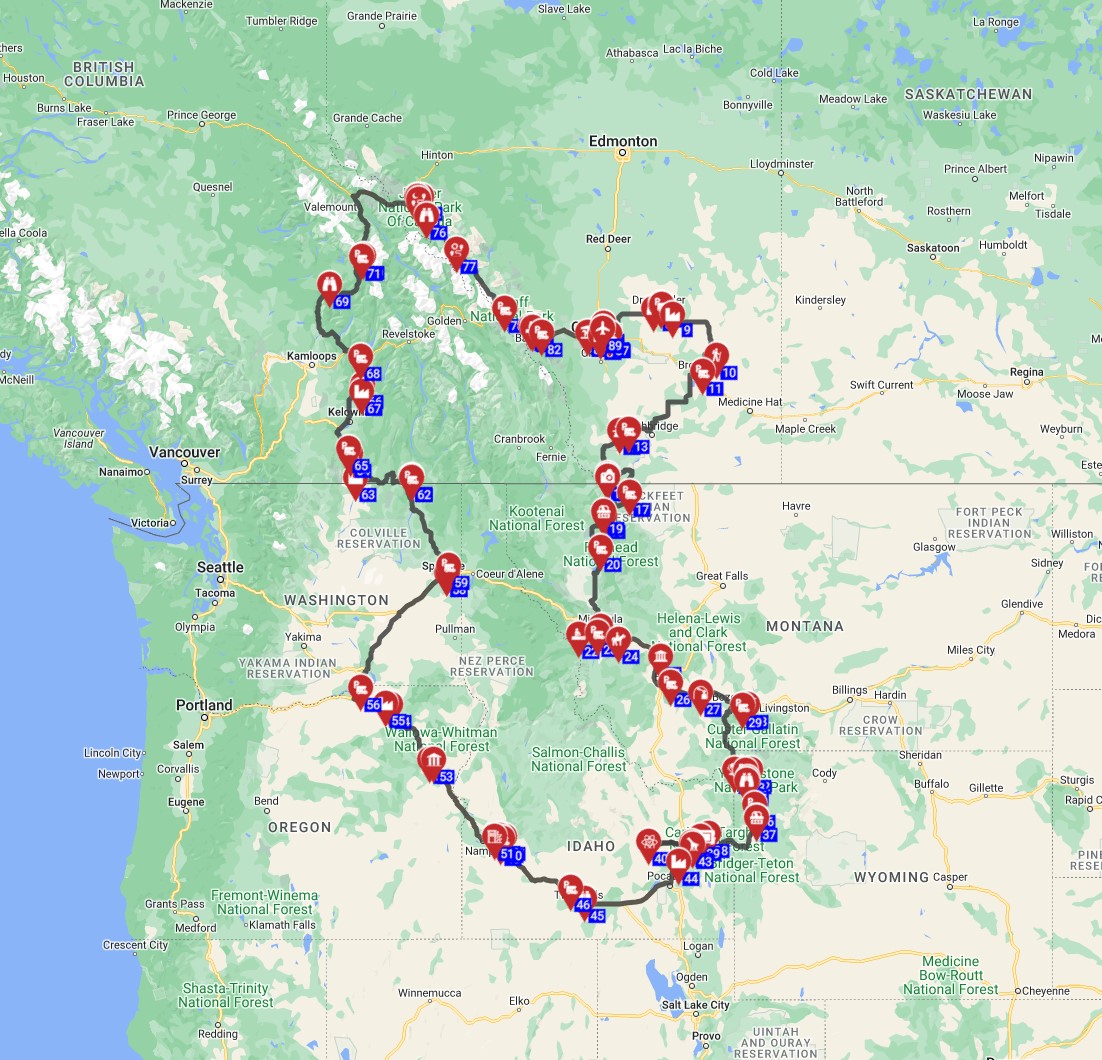
While basic insurance and essential vehicle components are generally included in pet-friendly RV rentals in West Canada, many amenities like comprehensive insurance tiers, additional mileage, generator usage, and convenience kits are typically offered as add-ons. Inclusions usually cover the rental motorhome itself, basic liability insurance, and sometimes a small amount of initial propane, though specific details vary by rental company and RV model. On the routes offered through RV PLANET routes, you can itemize and track every expense along the way for easy budgeting.
Common add-ons include comprehensive insurance upgrades for greater peace of mind (you can upgrade to a top-level deductible for extra peace of mind), mileage packages (some rentals have limited free mileage, such as 100 km/day, with additional kilometers costing $0.35-$0.50 CAD), generator usage fees (often $3-$8 CAD per hour for built-in generators), and convenience kits (kitchen utensils, bedding, towels) which can cost $50-$100 CAD per person. For a large Class C motorhome like the `MH-A` with a 302-liter refrigerator and oven, a kitchen kit is often a wise addition, allowing you to prepare RV-friendly recipes playlist onboard.
Bandana's comparison platform allows you to clearly see what's included and what's an extra, letting you toggle options for kitchen utensils, tableware, and bedding to tailor your rental to your exact needs. This full transparency ensures you understand your total cost upfront, avoiding hidden fees and surprises.
Hidden Costs to Budget For in West Canada
Beyond the rental fee, travelers should budget for additional expenses such as fuel, provincial and national park entrance fees, campsite fees, propane refills, and dump station charges when renting a pet-friendly RV in West Canada. Fuel costs can be substantial, especially for larger Class A motorhomes like the `MHLUX` (with a 320L fuel tank and consumption around 25 Liters / 100Km) navigating West Canada's mountainous terrain; expect to pay around $1.60-$2.00 CAD per liter for gasoline.
Campsite fees vary widely by location and amenities, from basic provincial park sites around $20-$35 CAD per night to full-service private campgrounds with pet facilities, costing $45-$80+ CAD per night. National and provincial park entrance fees (e.g., a Parks Canada Discovery Pass for $145.25 CAD for a family or group) are separate from campsite fees and required for park access. Propane for heating and cooking, as well as dump station charges for waste disposal (typically $10-$25 CAD), are additional costs to anticipate. Some RVs allow pre-purchase of toll-road usage to avoid surprise charges and fines, which is a useful Bandana perk. For easy budgeting, RV PLANET routes allow travelers to itemize and track every expense along the way.
How to Save on pet friendly RV Rental in West Canada
Maximizing savings on a pet-friendly RV rental in West Canada involves strategic booking during the shoulder or off-season, opting for longer rental durations, and taking advantage of available discounts and pre-payment options. Booking in the shoulder season (May-June, September-October) or off-season (November-April) can significantly reduce daily rental rates by 15-30% compared to peak summer. For instance, a Class B campervan like the `Deuce` might cost $160 CAD/day in May versus $250 CAD/day in August.
Pre-paying for tolls and utilizing fuel or campground discount cards (offered by some Bandana partners) can minimize unexpected expenses. Choosing a smaller RV class that comfortably fits your group and pets, such as a Class B campervan, can save on both rental costs and fuel consumption (e.g., a `DVC` campervan consumes 11–15 Liters/100 km). Opting for longer rental durations often results in a lower daily rate compared to shorter trips, providing better overall value. Monitoring flexible rental rates and being adaptable with your travel dates can allow you to capitalize on temporary price drops. Consider exploring our "Budget RV Driving in West Canada - Save on Fuel 2026" guide for more tips.
How much does it cost to dump an RV in BC?
In British Columbia, RV dump station costs typically range from free to around $10-$25 CAD, depending on whether it's a municipal facility, a private campground, or a dedicated RV service center. Many provincial parks, some municipal facilities, and certain rest stops offer free dump station services, particularly if you are staying as a registered guest at a campground that includes the service.
Private campgrounds often charge non-guests a fee to use their dump stations, which typically includes water for rinsing, with prices usually in the $10-$15 CAD range. Dedicated RV service centers might charge a higher fee, sometimes up to $25 CAD, but often include additional services like fresh water refills or even propane. Always call ahead or check for signage, especially in smaller towns, to confirm availability and fees.
How much is an RV campsite in British Columbia?
RV campsite fees in British Columbia vary widely, generally ranging from $20 CAD for basic provincial park sites to $70+ CAD per night for full-service private campgrounds with amenities like hookups, showers, and pet facilities. Basic provincial park sites (without hookups) are generally the most affordable, often starting around $20-$35 CAD per night, perfect for a `4x4 Truck Camper Bronze` with basic needs.
National Park campsites in BC (e.g., Kootenay, Yoho) tend to be moderately priced, usually $30-$50 CAD per night, with demand often requiring early booking several months in advance. Private campgrounds offer a range of amenities, with full hookups (water, sewer, electricity), Wi-Fi, and pet-friendly features driving prices higher, typically from $45-$80+ CAD per night. Some premium resorts might even exceed $100 CAD. Always inquire about pet fees at campgrounds, which can be an additional $5-$15 CAD per night.
What is boondocking in West Canada?
Boondocking, also known as dispersed camping or wild camping in West Canada, refers to camping in a rented RV on public lands without hookups or designated facilities, offering a free and more secluded experience away from developed campgrounds. In BC and Alberta, boondocking is often permitted on Crown Land, subject to specific provincial regulations regarding duration (e.g., a 14-day limit in one spot for British Columbia) and location, meaning it's crucial to research local bylaws.
Responsible boondocking requires adherence to Leave No Trace principles, including packing out all waste (both human and pet waste), minimizing environmental impact, and respecting wildlife. Self-sufficiency is crucial, as boondocking sites lack water, electricity, or waste disposal; travelers must carry all necessary supplies, including ample fresh water (e.g., a `MHC30` motorhome has a 160L fresh water tank). Safety precautions for boondocking include awareness of wildlife, understanding local fire bans, and having a reliable communication plan for remote areas where cell service may be absent.
Can you RV in Canada in winter?
RVing in Canada during winter is possible but requires significant preparation, including winterized RVs, awareness of road closures, limited services, and specialized gear for cold weather and snowy conditions, especially in West Canada's mountainous regions. Many standard rented RVs are not fully winterized, meaning their water systems can freeze at temperatures below freezing; ensure your rental explicitly states it is rated for winter use, like some models labeled "Winter Ready" such as the `2 Berth Hi Top` campervan.
Road closures, such as sections of the Icefields Parkway, are common during winter, requiring careful route planning and monitoring of road conditions via provincial highway alerts. Campsite availability is significantly reduced in winter, with many provincial and national parks closing or offering only basic, unserviced sites, so calling ahead is essential. Challenges include maintaining interior warmth with consistent propane consumption (a 46 Kg propane tank like in the `C-30` would be crucial), driving on icy or snowy roads, and reduced access to services in smaller towns. For those interested in winter RVing, our "RV Travel Guide to West Canada - Tips and Top Spots 2026" might offer more insights.
What documents do I need to rent an RV in Canada as a US citizen?
US citizens renting a pet-friendly RV in Canada primarily require a valid passport, a valid US driver's license, and a major credit card for the rental deposit, with specific insurance and international driving permits potentially recommended for certain situations. A valid US passport is essential for crossing the US-Canada border, and a driver's license from your home state is generally accepted for driving in Canada for all motorhome classes (Class A, Class B, Class C) as no special license or CDL is required.
A major credit card is required for the security deposit, which can be substantial (often $1,000-$2,500 CAD), and to cover any incidentals or additional charges. While US auto insurance may not extend to international RV rentals, most rental companies offer comprehensive supplemental insurance packages, which are highly recommended. For pets, specific import requirements such as a valid rabies vaccination certificate (issued at least 30 days prior to entry) and sometimes a veterinary health certificate are necessary for border crossings, so prepare these documents well in advance. Always confirm pet travel regulations with the rental supplier and Canadian Border Services Agency (CBSA) before your trip.
What are some safety tips for RVing in the Canadian Rockies?
Ensuring safety while RVing in the Canadian Rockies involves diligent preparation for wildlife encounters, understanding mountain driving techniques, preparing for unpredictable weather, and having reliable communication in remote areas. For wildlife safety, store all food and scented items (including pet food) in bear-proof containers or securely inside the RV, never feed animals, and carry bear spray (and know how to use it) when hiking, especially with pets.
Mountain driving requires using lower gears on descents to prevent brake overheating, maintaining safe speeds on winding roads, and being aware of steep grades and switchbacks, as covered in our "Driving an RV in West Canada - Complete Guide 2026" itinerary. Drive slowly and carefully, and you can drive almost anywhere without issues. No need to stress - just use common sense and pay attention. Weather in the Rockies can change rapidly; pack layers, monitor forecasts, and be prepared for sudden rain, snow, or high winds, especially when selecting campsites. Connectivity can be limited in remote areas; consider a satellite communication device or research cellular coverage maps for major carriers if staying connected is essential. Keep pets leashed at all times to protect them from wildlife and to prevent them from disturbing natural habitats, and ensure they have adequate water and shade in the RV.
How far in advance should I book an RV in West Canada?
For popular travel periods like summer (July-August) and holidays, booking a pet-friendly RV in West Canada is highly recommended 6-12 months in advance, especially for specific RV classes or popular pick-up locations like Calgary or Vancouver, with campsite reservations often needing similar lead times. Peak season RV rentals, particularly for sought-after pet-friendly models such as the `Comfort Family Select` (a Class C with capacity for up to 6 people), can be fully booked up to a year in advance due to high demand.
For shoulder seasons (May-June, September-October), booking 3-6 months ahead is generally sufficient to secure your preferred vehicle and potentially save up to 20% on daily rates. Campsite reservations, particularly for popular Parks Canada National Parks like Banff or Jasper, can open as early as January for summer bookings and fill within minutes, necessitating proactive planning. Being flexible with your travel dates or pick-up locations can sometimes allow for shorter booking windows, even in busier periods. Many national and provincial parks reserve only 25-30% of spots for advance booking; the rest are first-come-first-serve, so you'll find a spot. If not at the first campground, then the next one – just call ahead before driving.
Consider the "

What You Shouldn't Miss
- **The Icefields Parkway:** Drive the iconic 232 km route between Banff and Jasper National Parks. This scenic highway offers breathtaking views, numerous hiking trails suitable for leashed pets, and opportunities to spot wildlife like elk and bighorn sheep.
- **Banff National Park:** Explore the charming town of Banff, visit Lake Louise, and take a gondola ride up Sulphur Mountain. Many trails are dog-friendly, offering stunning vistas of the Canadian Rockies.
- **Pacific Rim National Park Reserve:** On Vancouver Island, discover the rugged coastlines, ancient rainforests, and expansive beaches of this incredible reserve. The Long Beach Unit offers designated pet-friendly areas and trails.
- **Okanagan Valley Wine Route:** Experience a different side of British Columbia with a tour of the Okanagan Valley's vineyards. Many wineries in cities like Kelowna and Penticton are pet-friendly, allowing you to enjoy tastings with your dog.
- **Whistler & Squamish:** North of Vancouver, these towns offer world-class outdoor activities. Take the Sea to Sky Gondola in Squamish (dogs allowed in specific cabins) for panoramic views, or explore the numerous trails around Whistler Blackcomb in the warmer months.
- **Looking for expert insights from Avi Bandana? Top 5 Adventures - recommendations from Avi Bandana**
Final Thoughts
A pet-friendly RV rental in West Canada is more than just a vacation; it's an opportunity to create cherished memories with your entire family, including your beloved pets. With breathtaking landscapes, diverse activities, and the freedom of the open road, West Canada truly offers an unforgettable experience for motorhome travelers.
By understanding the costs involved, planning wisely, and leveraging expert resources like Bandana Caravan and RV PLANET, you can ensure a smooth, enjoyable, and surprisingly affordable adventure. We're here to support you every step of the way, from comparing options to ensuring a seamless booking process.
So, why wait? Imagine yourself and your furry companion exploring the vast wilderness and charming towns of British Columbia and Alberta. Discover top destinations, planning tips, all in one place! Plan a trip itinerary in advance with minimal effort and maximum enjoyment.
Find Pet-Friendly RV Rentals in West Canada