In This Guide
- The 5 RV Families Compared for Scandinavia
- Class A (Integrated) — Best For
- Price Comparison by RV Class in Scandinavia
- Class SI (Semi-integrated) — Best For
- Class C (Alcove) — Best For
- Class B (Campervan) — Best For
- Class TC (Truck Camper) — Best For
- Side-by-Side Comparison Table
- Our Recommendation for pet friendly rv rental Travelers in Scandinavia
- What is the best way to travel Scandinavia with a dog
- Is it expensive to RV in Scandinavia
- Can you wild camp in an RV in Scandinavia
- What are the road conditions like in Scandinavia
- What is the best month to RV in Scandinavia
- How many days do you need for an RV trip in Scandinavia
- Which Scandinavian country is best for RV travel
- How do you get around Scandinavia with an RV
The 5 RV Families Compared for Scandinavia
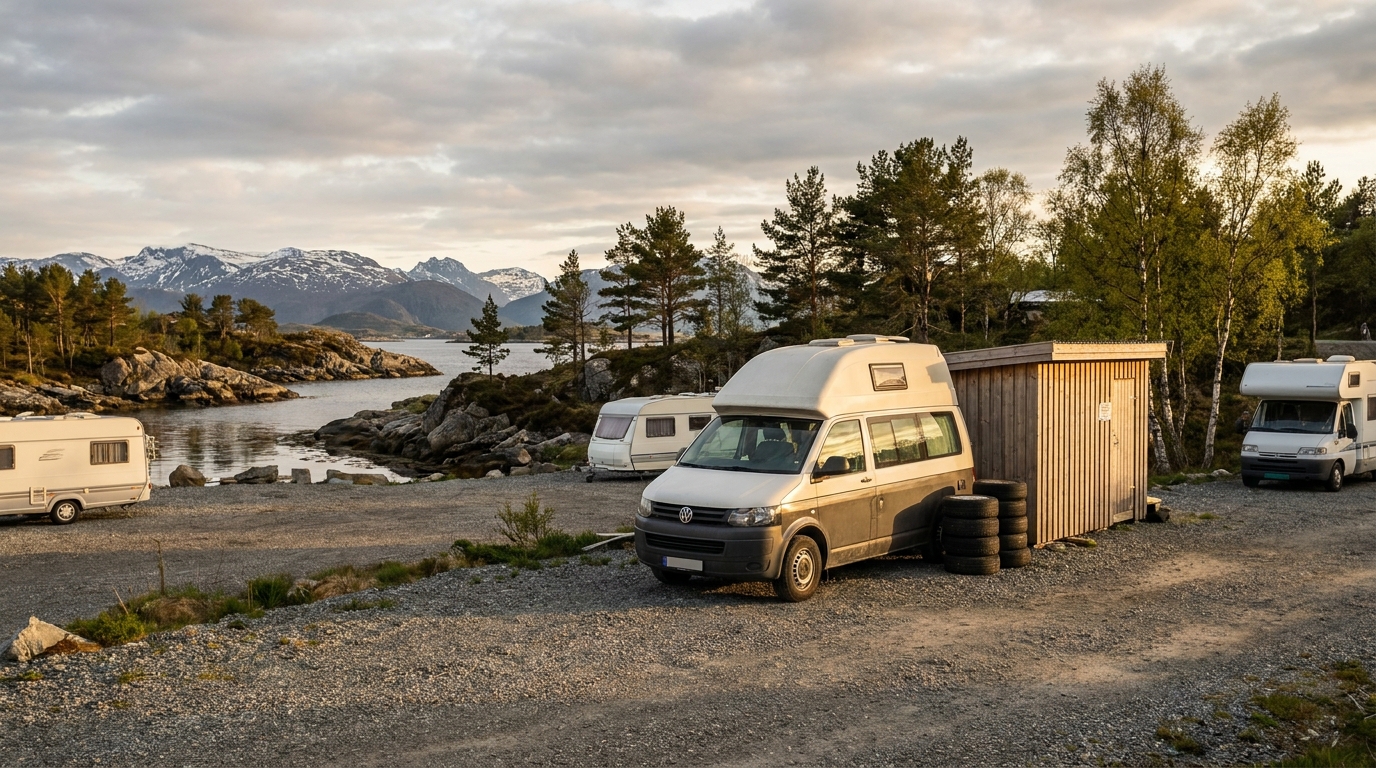
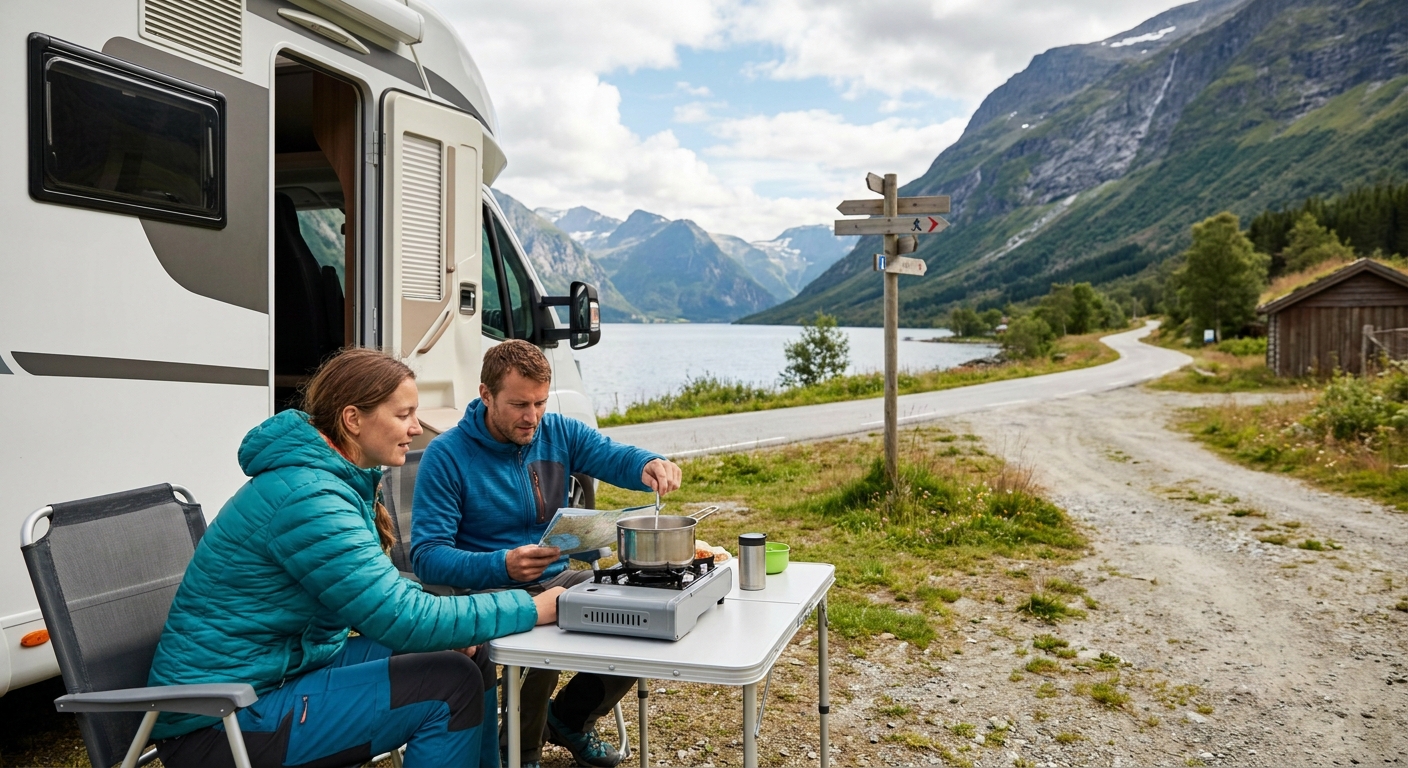 Choosing the right RV family for your Scandinavian adventure is crucial, especially when traveling with pets. The size and maneuverability of your rented RV will significantly impact your experience on the region's diverse roads, from coastal highways to mountain passes. Considerations include the rugged terrain, the potential for convenient wild camping in Sweden and Norway, your desired trip length, and the size of both your human and furry travel companions. Understanding the nuances of each RV class ensures a comfortable and enjoyable journey through Scandinavia's breathtaking landscapes. Bandana RV offers a wide selection, allowing you to find the perfect fit for your specific needs, whether you prioritize luxury, compact agility, or family-friendly space. For a broader overview of options, our RV Rental Scandinavia - Complete Guide 2026 is an excellent starting point.
Class A (Integrated) — Best For
Class A (Integrated) motorhomes, averaging 7.5 meters in length and typically sleeping 4.4 people based on Bandana's global fleet data, offer the most spacious and luxurious RV experience for exploring Scandinavia. These large, comfortable vehicles are ideal for pet-friendly travelers who prioritize ample living space, especially for larger dogs or multiple pets, and for those embarking on longer trips where amenities like larger kitchens and bathrooms are highly valued. These motorhomes generally consume 11-12 liters per 100 km and boast an impressive average load capacity of around 209.5 kg, providing plenty of room for gear and pet supplies. The main trade-off for this comfort is their size, which can present challenges on smaller Scandinavian roads, lead to higher ferry costs, and typically come with a premium rental price. For those seeking the utmost in comfort and space, a Class A rented RV is an excellent choice. If you're considering this class, exploring options through Bandana Caravan's platform will present a clear comparison of available models and pricing.Price Comparison by RV Class in Scandinavia
Because pricing for RV rentals is dynamic and operates on a flexible rate system, similar to airline tickets, the table below pulls real example prices from Bandana's live search for various trip durations and RV classes. Remember that these prices are estimates and fluctuate daily based on availability, demand, and the season; use the search box at the top of the page for the most current live numbers. Bandana Caravan's commitment to transparency means no hidden fees or surprises, ensuring you know the final cost upfront. For a more detailed look at budget-friendly options, our Cheap RV Rental in Scandinavia - Budget Guide 2026 can provide additional insights.Live April Price Comparison — RV Class × Trip Length
| Trip length | Class A | Class B | Class C | Class SI | Class TC |
|---|---|---|---|---|---|
| 1 week 15/04 → 22/04 | Check prices | 1,041.60 $ AU | 1,638.00 $ AU | 1,463.00 $ AU | 1,251.19 $ AU |
| 2 weeks 15/04 → 29/04 | Check prices | 1,739.25 $ AU | 2,954.70 $ AU | 2,581.00 $ AU | 2,060.55 $ AU |
| 1 month 01/04 → 30/04 | Check prices | 3,298.50 $ AU | 5,648.13 $ AU | 4,651.63 $ AU | 3,770.82 $ AU |
Estimates only — flex-rate prices change daily based on availability and season.
Class SI (Semi-integrated) — Best For
Class SI (Semi-integrated) motorhomes, with an average length of 6.9 meters and typically sleeping 3.8 people according to Bandana's fleet data, strike an excellent balance between comfort and maneuverability, making them a popular choice for pet-friendly RVers in Scandinavia. They offer sufficient living and sleeping space for a small family and a pet without being overly cumbersome on Scandinavian roads, which can often be narrow and winding. Bandana's fleet data indicates these RVs typically consume 10-11 liters per 100 km, providing better fuel efficiency than their larger Class A counterparts. These are ideal for travelers seeking a more compact, fuel-efficient option than a Class A, while still providing dedicated living areas, a functional kitchen, and a bathroom – all essential for comfortable travel with a pet. Their versatility makes them suitable for both highway driving and navigating smaller towns and scenic routes.
Class C (Alcove) — Best For
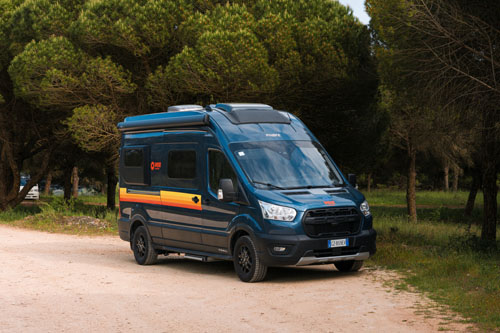
Class C (Alcove) motorhomes, easily recognizable by their distinctive sleeping area above the driver's cab, are exceptionally family-friendly and well-suited for larger groups with pets traveling in Scandinavia. Averaging around 7.5 meters in length and sleeping approximately 5.8 people, they offer significant sleeping capacity, often at a more accessible price point than Class A motorhomes. Their robust build and typical fuel consumption of 10-12 liters per 100 km make them practical for the varied Scandinavian road conditions. These RVs are a cost-effective choice for those needing extra sleeping space, ensuring both human and pet companions have comfortable areas. While generally handling well on main Scandinavian routes, their size still requires mindful navigation. For exploring Scandinavian landscapes with a larger family and pets, a Class C motorhome is a strong contender.Class B (Campervan) — Best For
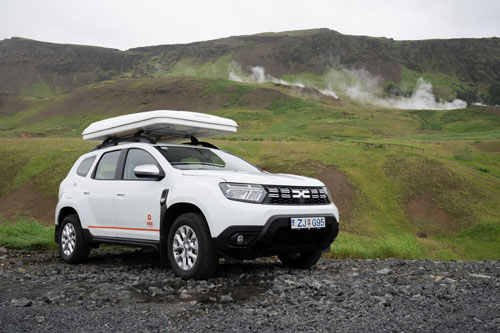
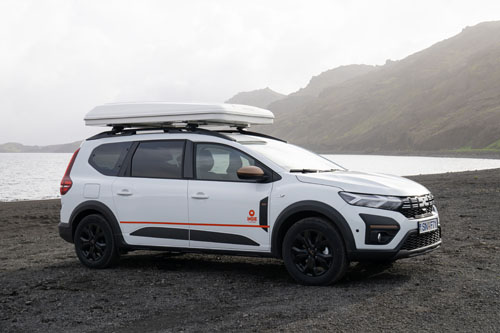
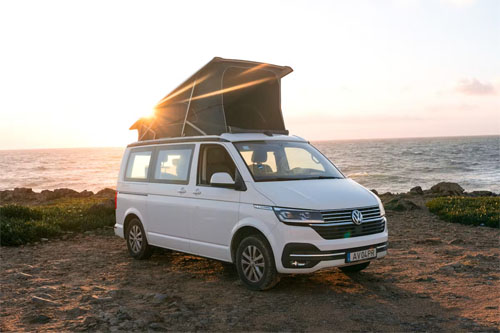
Class B (Campervan) models are champions of maneuverability and fuel economy, making them perfect for adventurous pet owners looking to explore Scandinavia's winding roads and charming smaller towns. These compact RVs, averaging just 5.8 meters in length and typically sleeping 3.2 people, offer the convenience of driving a large van while providing essential amenities such as a bed, a kitchenette, and often a small, self-contained bathroom. Bandana's fleet data shows typical fuel consumption in the range of 8-10 liters per 100 km, making them the most economical choice for longer drives. They are particularly favored by solo travelers, couples, or small groups with a single, well-behaved pet who prioritize flexibility, access to more remote areas, and the ease of fitting into regular parking spots in cities or popular tourist sites where larger RVs might struggle. If agility and fuel efficiency are paramount, a rented campervan is an excellent option.Class TC (Truck Camper) — Best For
Class TC (Truck Camper) RVs offer unparalleled flexibility and impressive off-road capability, positioning them as an excellent choice for pet-friendly travelers seeking true wilderness adventures in Scandinavia. Averaging about 5.5 meters in length and sleeping approximately 2.4 people, these units attach to the bed of a pickup truck, allowing for detachment at a campsite to use the truck for day trips. With typical fuel consumption ranging from 12-17 liters per 100 km, they are built for rugged terrain, making them perfect for accessing more remote wild camping spots, especially in Norway's fjords or Sweden's vast forests. They are best suited for intrepid couples or solo adventurers with a pet who value extreme versatility, the ability to navigate unpaved roads, and a more intimate connection with nature, even if it means slightly less interior space compared to other motorhome classes.Side-All-Side Comparison Table
To aid in your decision for a pet-friendly RV rental in Scandinavia, here's a side-by-side comparison of the key features of each RV family, based on Bandana's fleet averages:| Family | Avg Length (m) | Sleeps | Fuel Use (L/100 km) | Best Use Case in Scandinavia |
|---|---|---|---|---|
| Class A (Integrated) | 7.5 | 4.4 | 11-12 | Luxury, spacious pet travel, long trips, comfort |
| Class SI (Semi-integrated) | 6.9 | 3.8 | 10-11 | Balanced comfort and maneuverability, small families + pet |
| Class C (Alcove) | 7.5 | 5.8 | 10-12 | Larger families + pet, cost-effective extra sleeping, main routes |
| Class B (Campervan) | 5.8 | 3.2 | 8-10 | Maneuverability, fuel efficiency, couples/solo + pet, remote access |
| Class TC (Truck Camper) | 5.5 | 2.4 | 12-17 | Off-grid adventure, rugged terrain, extreme flexibility, 4x4 capability |
Our Recommendation for pet friendly rv rental Travelers in Scandinavia
For most pet-friendly RV travelers aiming to explore Scandinavia, a Class SI (Semi-integrated) motorhome stands out as the primary recommendation. This choice is driven by its optimal balance of comfort, ample space for pets, and a manageable size that is well-suited for the varied Scandinavian roads and ferry systems. It provides sufficient amenities for extended trips with a pet without the bulk of a larger Class A, making it versatile for both scenic drives and navigating smaller towns. A close runner-up, particularly for budget-conscious or adventurous couples traveling with a small pet, is the Class B (Campervan). This option offers excellent maneuverability and fuel economy, allowing for easier access to more remote locations or simply enjoying the freedom of less restrictive parking. While providing essential facilities, it’s crucial to consider its more compact nature. If you're planning a broader trip, our guide RV Rental Scandinavia - Complete Guide 2026 covers everything you need to know about the region.What is the best way to travel Scandinavia with a dog
Traveling Scandinavia with a dog by RV is an excellent choice, offering significant flexibility for your pet's comfort, easy access to diverse outdoor environments, and adherence to the 'Allemansrätten' (freedom to roam) principles in Sweden and Norway. Before you embark, ensure your dog meets EU pet passport regulations, which include microchipping, rabies vaccination, and deworming, as entry requirements are strict and vary slightly between countries; for instance, Norway has specific tapeworm treatment rules, and Iceland has very strict quarantine regulations, generally making it less pet-friendly for visitors. When choosing an RV, opt for one with adequate space for your dog to move comfortably during travel, ensuring good ventilation and considering crates or safety harnesses for road safety. While most of Scandinavia is wonderfully dog-friendly outdoors, always verify specific rules for national parks, public transport, indoor attractions, and some campgrounds. Look for designated dog parks and beaches to make their experience even more enjoyable. Remember to always carry waste bags and dispose of pet waste properly, especially in natural areas, to help maintain the pristine environment and show respect for local etiquette. Planning your route with pet-friendly stops in mind will enhance your Scandinavian adventure. For insights into specific route planning, check out our content on RV Travel Guide to Scandinavia - Tips and Top Spots 2026.Is it expensive to RV in Scandinavia
RVing in Scandinavia can be more expensive compared to other European regions, primarily due to higher fuel costs, ferry fares, and often inflated prices for groceries and campground fees. However, savvy planning can significantly reduce expenses. Expect daily costs to range from €100-€300+, depending heavily on your chosen RV class, trip duration, and lifestyle habits; fuel prices typically fall between €1.80-€2.50 per liter, while paid campground fees can vary widely, often from €20-€60 per night. To save money, consider these strategies: utilize fuel-saving apps like 'Fuelio' or 'Tanker' to locate cheaper petrol stations and potentially fill up in less expensive countries, such as Denmark, which is often cheaper than Norway. Shop at discount supermarkets like Rema 1000, Kiwi, Netto, or Lidl and prepare most of your meals in your RV kitchen to save substantially over dining out. For tolls and ferries, particularly in Norway, plan routes to minimize reliance on toll roads and expensive fjord ferries; when using ferries, pre-booking with an RV, especially for popular routes or longer crossings, is highly recommended. Take advantage of the generous wild camping rules ('Allemansrätten') where permitted, opting for free overnight spots over paid campgrounds, but always ensure you adhere to all local regulations and practice 'leave no trace' principles. Finally, focus on the abundant free outdoor activities like hiking, fishing (with a permit), foraging, and enjoying scenic viewpoints rather than solely relying on paid attractions. For travelers prioritizing budget, exploring Cheap RV Rental in Scandinavia - Budget Guide 2026 will offer practical tips.Can you wild camp in an RV in Scandinavia
Yes, wild camping in an RV is largely permissible across much of Scandinavia, thanks to the deeply ingrained principle of 'Allemansrätten' (the Right to Roam) in Swedish, Norwegian, and Finnish law, although rules do vary slightly by country and specific locations. Generally, you can camp for one or two nights on uncultivated public land, provided you are out of sight of private dwellings and do not disturb residents or damage nature; this typically extends to motorhomes, but parking restrictions can apply in certain areas. Specifically:- Norway & Sweden: Generally very permissive for RVs on uncultivated public land, emphasizing distance from private property and strict adherence to 'leave no trace' principles.
- Finland: Similar to Sweden and Norway, with a strong emphasis on respectful and non-damaging access to nature.
- Denmark: Significantly stricter, with wild camping generally restricted to designated areas, often requiring permits, and never permitted on beaches or cultivated land.
- Iceland: Wild camping outside designated campsites is highly restricted and often prohibited to protect its fragile ecosystems; RVers are generally required to stay in official campgrounds.
What are the road conditions like in Scandinavia
Road conditions in Scandinavia vary significantly, generally ranging from excellent, multi-lane highways in Denmark and southern Sweden to narrower, winding, and sometimes unpaved roads in the more mountainous and remote regions of Norway and Finland. These conditions necessitate careful driving, particularly when operating an RV.- Denmark & Southern Sweden: Primarily feature well-maintained, smooth roads and highways.
- Norway: Offers stunning scenic routes, often including numerous tunnels, bridges, and winding mountain passes with steep inclines and declines. Some high mountain roads are seasonal and may be closed in winter.
- Finland: Generally boasts good quality roads, with fewer mountainous areas. Many well-maintained roads lead through forests and lake districts, though gravel roads are more common in remote regions.
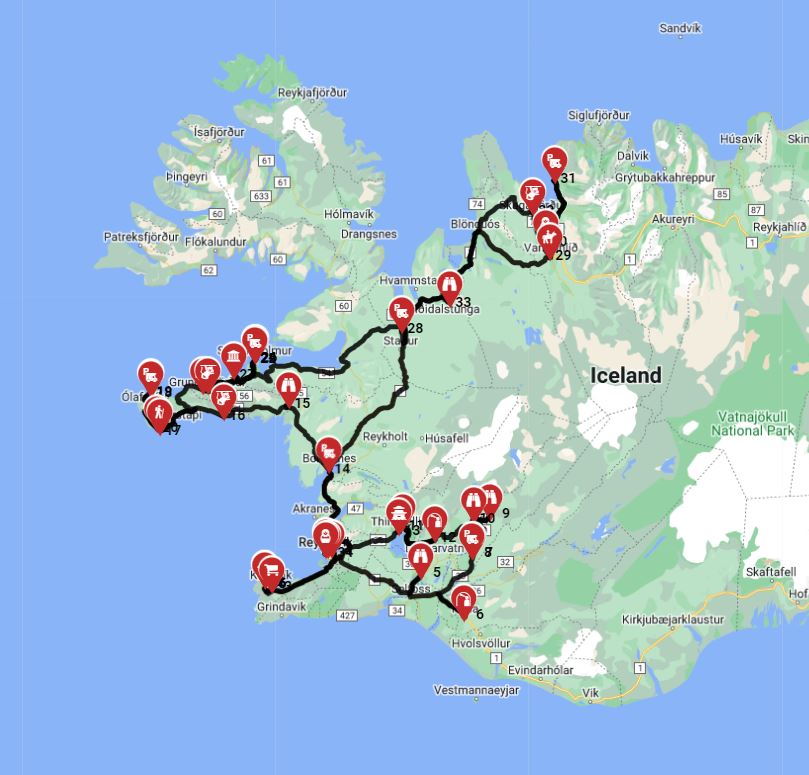
- Iceland: The Ring Road (Route 1) is mostly paved and well-maintained, but many interior roads (F-roads) require 4x4 vehicles and are unsuitable for most RVs.
What is the best month to RV in Scandinavia
The best months to RV in Scandinavia, offering pleasant weather, long daylight hours, and full accessibility to roads and attractions, are generally June, July, and August. However, the shoulder seasons – May and September – also present unique advantages for travelers.- Peak Season (June–August): Provides the warmest temperatures, the longest daylight hours (including the magical Midnight Sun in the far north), and ensures all roads and facilities are typically open. This period is ideal for hiking, outdoor activities, and enjoying coastal areas, but it also means higher prices and more crowds at popular destinations.
- Shoulder Seasons (May & September):
- May: Spring brings blossoming landscapes and fewer crowds; many attractions begin opening, though some mountain passes might still be closed, and temperatures can be cooler.
- September: Autumn showcases stunning fall foliage, particularly inland; crowds thin out, and prices may drop slightly. Most facilities remain open, but daylight hours shorten, and temperatures cool, especially in the northern regions.
- Winter (October–April): RV travel during winter presents significant challenges due to snow, ice, limited daylight, and many campgrounds and attractions being closed. It requires specialized RVs (winterized with proper heating and snow tires), prior experience with winter driving, and a focus on specific winter activities like skiing or Northern Lights viewing.
How many days do you need for an RV trip in Scandinavia
For a comprehensive RV trip exploring the diverse landscapes of Scandinavia, a duration of 10 days to 3 weeks is generally recommended. This timeframe allows sufficient time to cover significant distances, experience varied natural beauty, and enjoy activities without feeling rushed, which is particularly important when traveling with pets.- 10–14 Days: Ideal for focusing on one or two countries, such as exploring southern Norway's iconic fjords or completing a loop through Sweden and Denmark. A focused itinerary like 'Norway in a Nutshell,' combined with pet-friendly stops, can also be managed within this period.
- 2–3 Weeks: This duration allows for a deeper exploration of 2-3 countries, perhaps a grand tour encompassing Norway, Sweden, and Denmark, or an extended exploration of Finland's tranquil lake districts. This offers ample time for spontaneous detours, enjoying the freedom of wild camping, and integrating rich cultural experiences.
- 1 Month+: Recommended for those wishing to cover all Nordic countries – Norway, Sweden, Finland, Denmark, and potentially Iceland. Note that Iceland often requires a separate RV rental due to ferry logistics and specific RV regulations, but a month or more allows for a truly leisurely pace, extensive hiking, and deep local immersion.
Which Scandinavian country is best for RV travel
The "best" Scandinavian country for RV travel ultimately depends on your priorities, but Norway and Sweden frequently stand out due to their spectacular natural scenery, permissive wild camping rules, and extensive RV infrastructure. Denmark offers easier driving conditions and charming coastal towns, while Finland presents vast, tranquil wilderness.- Norway:
- Pros: Unrivaled fjord landscapes, dramatic mountains, abundant hiking opportunities, generally good roads, and strong 'Allemansrätten' for wild camping.
- Cons: Typically the most expensive, with numerous tolls and ferries; winding roads can be challenging for larger RVs.
- Best For: Epic scenic drives, mountain adventures, coastal exploration.
- Sweden:
- Pros: Varied landscapes including coastlines, forests, and lakes; excellent infrastructure, generally lower costs than Norway, and very strong 'Allemansrätten'.
- Cons: Scenery can be less dramatic than Norway; distances between major attractions can be long.
- Best For: Outdoor activities, cultural exploration, balancing nature and city visits, budget-conscious travelers.
- Finland:
- Pros: Vast, tranquil lake and forest regions, the phenomenon of the Midnight Sun, numerous saunas, similar wild camping rights to Sweden and Norway, and generally fewer crowds.
- Cons: Long driving distances, a generally flatter landscape that might not appeal to mountain enthusiasts, and fewer dramatic fjords.
- Best For: Wilderness solitude, lake activities, unique cultural experiences, and viewing the Northern Lights in winter.
- Denmark:
- Pros: Flat terrain making for easy driving, charming coastal towns, rich history, close proximity to Central Europe, and generally good for shorter trips.
- Cons: Stricter wild camping rules, fewer dramatic natural landscapes, and can feel more crowded in peak season.
- Best For: Relaxed touring, exploring charming towns, and visiting family-friendly attractions.
- Iceland (often considered Nordic but distinct for RV travel):
- Pros: Unique volcanic landscapes, geysers, hot springs, and stunning glaciers.
- Cons: Very strict wild camping rules (requiring use of official campgrounds), expensive, and often necessitates separate RV rental due to ferry logistics.
- Best For: Geological wonders and otherworldly landscapes, often best explored as a dedicated trip.
How do you get around Scandinavia with an RV
Getting around Scandinavia with an RV involves a combination of driving on generally well-maintained roads, strategically utilizing ferries, and understanding local logistics for essential services like fuel, waste disposal, and connectivity.- Driving: Primarily by road, with excellent signage in English. Be mindful of speed limits, which are often lower for RVs, and be aware of wildlife hazards like moose and reindeer, especially at dusk or dawn.
- Practical Ferry Logistics:
- Fjord Ferries (Norway): These are frequent and essential for crossing fjords. Many operate on a pay-on-board basis, but larger ferries can often be pre-booked, especially for RVs, to save time and guarantee space. Costs vary based on vehicle size and passenger numbers.
- International Ferries: Connections exist between Denmark, Sweden, Norway, and even to Finland and the Baltic states. Pre-booking is highly recommended as RV space is limited and significantly more expensive than for cars. Websites for companies like Fjord Line, Stena Line, and DFDS Seaways are crucial resources.
- Strategic Planning: Utilize mapping apps that include ferry options, such as Google Maps or Norgeskart, to plan your routes effectively, either minimizing ferry reliance or integrating them seamlessly.
- RV-Specific Logistics & Setup:
- Electrical Hookups: European standard two-pin 'Schuko' plugs (Type F) are common at campgrounds. Ensure your RV has the correct adapter, often a 16A CEE blue plug to Schuko.
- Gas Bottles: Most RVs use propane (LPG) bottles, but European systems differ. Consider renting an RV with refillable LPG tanks or obtaining an adapter kit for local bottle types (e.g., German/Nordic standard). Plan your refills carefully, as not all stations refill non-local bottles.
- Water & Waste Disposal: 'Tømmeanlegg' (dump stations for grey/black water) and fresh water points are readily available at most campgrounds and many petrol stations. Never dump waste in natural areas.
- Internet/SIM Cards: Purchasing a local SIM card (e.g., from Telia, Telenor, or DNA) upon arrival provides reliable mobile data across all Nordic countries, leveraging EU roaming rules for seamless connectivity for navigation and communication.
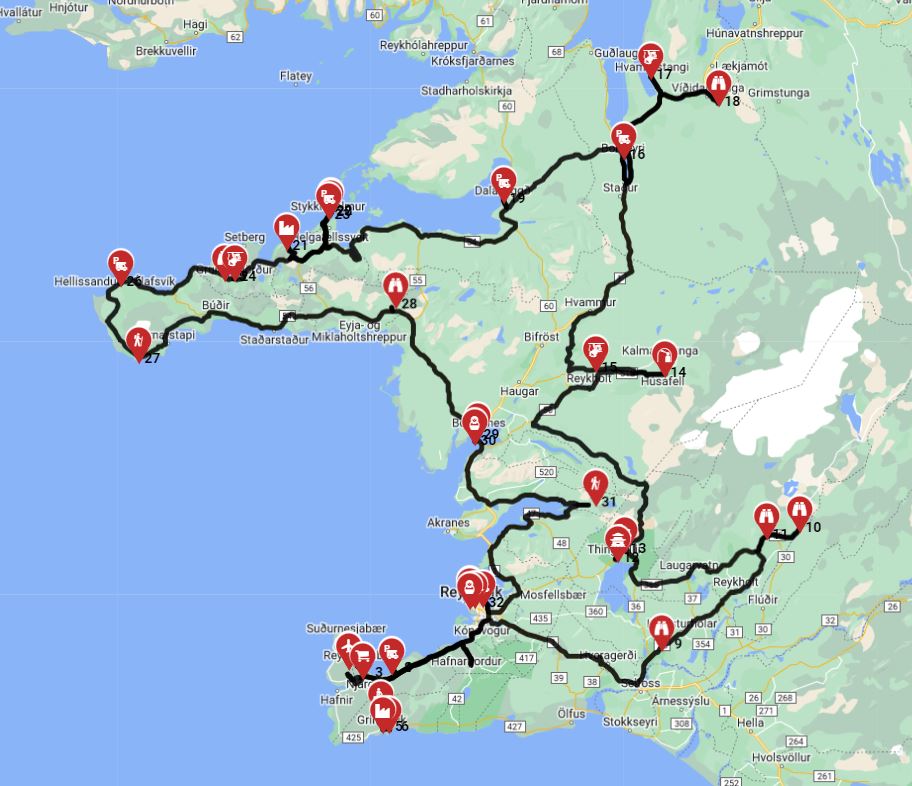
What You Shouldn't Miss
- Drive Norway's Atlantic Road: Experience the dramatic coastal route with its iconic bridges and stunning ocean views, perfect for RV photography.
- Explore Stockholm's Archipelago: Rent a kayak or take a boat trip from the city to discover the thousands of islands in Sweden's beautiful archipelago, a unique way to connect with nature.
- Witness the Midnight Sun in Northern Norway/Sweden/Finland: For those traveling in summer, experiencing 24-hour daylight above the Arctic Circle is an unforgettable phenomenon.
- Hike in the Lofoten Islands, Norway: With dramatic peaks, crystal-clear waters, and charming fishing villages, Lofoten offers some of the most iconic RV-friendly scenery in Scandinavia.
- Visit the Swedish Icehotel in Jukkasjärvi: Even if not traveling in winter, the Icehotel offers year-round art installations and unique accommodation built from ice and snow.
- Discover Finnish Lapland's Wilderness: Explore vast forests, pristine lakes, and the opportunity to spot reindeer or even the Northern Lights (in winter) from the comfort of your RV.
Final Thoughts
Renting an RV in Scandinavia for a pet-friendly adventure offers an unparalleled way to experience the region's stunning natural beauty and unique culture. By carefully selecting the right RV class for your needs and planning your route with both comfort and practicality in mind, you can create an unforgettable journey.
Remember to book in advance, especially for peak season travel, and utilize resources like RV PLANET (rvplan.net) for route planning and site discovery. With Bandana Caravan's commitment to transparency and support, your Scandinavian RV adventure promises to be smooth, enjoyable, and filled with incredible memories.
For ideas you can prep on the road, watch our RV-friendly recipes playlist on YouTube.
On the routes offered through RV PLANET routes, you can itemize and track every expense along the way for easy budgeting.