In This Guide
- Can You Drive an RV in Oslo? License & Age Rules
- Road Conditions & Terrain in Oslo
- RV Size Limits, Bridges & Restricted Zones
- Fuel: Diesel vs. Petrol & Cost per 100 km
- Tolls, Vignettes & Border Rules
- Driving Tips for Pet-Friendly RV Rental Travelers
- Recommended RV Class for Oslo Roads
- Should I Choose a Compact Van Instead of a Large RV in Oslo?
- Can I Park Anywhere? Free & Wild Camping Rules in Oslo
- Can I Drive an RV Into the City Center? Heights, Tunnels & Local Signage
- Is Norway RV friendly?
- Can I bring my dog from the USA to Norway?
- Can I put my dog in my camper while driving?
- What are the pet laws in Norway?
- How pet friendly is Norway?
- How to travel with pets in an RV?
- What to do in Oslo with a dog?
- How much is insurance on a $200,000 RV?
- Does RV insurance cover animal damage?
- What You Shouldn't Miss
Can You Drive an RV in Oslo? License & Age Rules
A standard B driving license is sufficient for RVs up to 3,500 kg, which covers many compact and medium-sized camper vans and motorhomes like the Combi Van (average 5m length) or a similar Class B Camper Van. For rented RVs exceeding 3,500 kg, a C1 license (or equivalent) is typically required in Norway, though this is less common for standard rental fleets. The minimum driver age for most RV rentals in Norway is 21 years old, with some suppliers requiring drivers to be 23 or 25 for larger Class A or specific luxury vehicles, but generally, there are no young driver surcharges or age-based vehicle class restrictions. Foreign drivers will need a valid national driving license, and an International Driving Permit (IDP) is strongly recommended, especially if your license is not in English or a Nordic language, to ensure smooth interactions with local authorities and rental agencies. For live availability and current prices, start with our RV Rental Oslo - Complete Guide 2026 guide.Road Conditions & Terrain in Oslo
Oslo's urban roads are generally well-maintained, but traffic can be dense, especially during peak hours around areas like the National Theatre and Karl Johans gate, and one-way systems are common. The terrain immediately surrounding Oslo can vary from gentle hills to more rugged, forested areas, requiring careful driving and attention to your rented motorhome’s size. Roads leading out of the city and towards popular natural attractions, such as those towards the Oslomarka forest or the coast, may include winding routes, tunnels, and occasional gravel sections, though main roads are paved and suitable for all RV classes. Driving at a moderate pace, typically keeping to 100-150 km per day on average, ensures a comfortable and safe journey for both human and pet passengers, allowing enjoyment of Norway's scenic beauty without stress. For a broader overview of Norwegian roads, explore our RV Rental Norway - Complete Guide 2026.RV Size Limits, Bridges & Restricted Zones
While Norway generally accommodates RVs of various sizes, Oslo's city center has congestion zones, and some tunnels or historic areas might have height or width restrictions. For example, some multi-story parking garages in central Oslo, like those near the Aker Brygge waterfront, may have height limits of 2.1 meters, which most motorhomes will exceed, necessitating street parking or designated RV lots. Drivers should pay close attention to signage indicating maximum height (often around 3.5-4 meters for tunnels), weight, or length limits, particularly when navigating underpasses, bridges, or entering specific urban areas. Oslo also operates low emission zones, typically requiring vehicles to meet certain emission standards, which most modern rental RVs comply with, but it's always good to confirm with your supplier. Ferry travel, common along Norway's coast and fjords (such as the Hvaler islands south of Oslo), bases pricing on vehicle length, so be aware of your RV's dimensions for accurate budgeting.Fuel: Diesel vs. Petrol & Cost per 100 km
Most RVs in Norway operate on diesel fuel, which is readily available at service stations across Oslo and the wider country, including major stations like Circle K and Esso located along main routes such as E6 and E18. Based on Bandana's global fleet averages, a Class SI - Semi-integrated RV, like a "2 Berth Tamar" model, typically consumes 10-11 liters/100 km, while a Class B - Camper Van, such as an "Active Classic," generally uses 8-10 liters/100 km. Fuel prices in Norway are among the highest in Europe, often fluctuating around €2.00 per liter, making budgeting for fuel a significant consideration for your trip. Some RV rental agreements may include fuel discount cards or offer options to pre-pay for fuel, potentially offering minor savings on your overall travel expenses, which can be tracked precisely when using RV PLANET routes for trip planning.Tolls, Vignettes & Border Rules
Norway primarily uses an automatic toll collection system called AutoPASS, with numerous toll points around urban centers like Oslo and on major highways. Vignettes are not used in Norway; instead, tolls are automatically registered via a transponder (often provided with rental RVs) or by registering your license plate online with AutoPASS. Oslo specifically has a congestion charge system that applies to all vehicles, including rented RVs, entering specific zones within the city, with charges varying by vehicle type and time of day (e.g., higher during peak morning and afternoon hours), adding to the overall cost of city driving. Many rental companies like El Monte or Apollo offer the option to pre-register your RV or provide a toll transponder for a daily fee, which streamlines payment and helps avoid potential fines for unpaid tolls.Driving Tips for Pet-Friendly RV Rental Travelers
Planning regular stops every 2-3 hours is crucial for pets to stretch, drink water, and relieve themselves, especially on longer journeys from Oslo towards the fjords or the north. Always keep pets secured in a crate or with a safety harness while the rented RV is in motion to prevent injury during sudden stops or accidents, as required by Norwegian law. Familiarize yourself with local speed limits, which are typically 80 km/h on rural roads and 50 km/h in urban areas unless otherwise signed, and pay attention to road signs, as rules can differ from your home country; be particularly mindful of other road users, including cyclists in Oslo and wildlife like moose on rural roads. Utilize navigation apps that can warn about potential road closures, ferry schedules (like those for crossing the Oslofjord), or height restrictions, which are crucial when traveling with a motorhome. Embrace 'Allemannsretten' (the right to roam) responsibly; park respectfully, dispose of waste properly (including all pet waste), and be considerate of local residents and nature. For further tips, check out our RV Travel Guide to Oslo - Tips and Top Spots 2026.Recommended RV Class for Oslo Roads
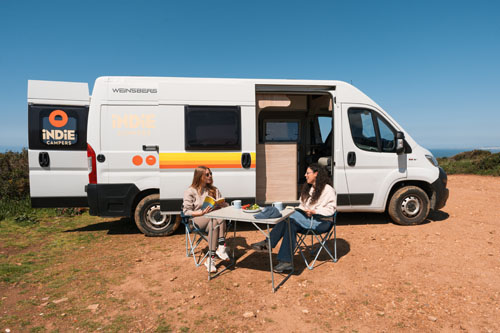
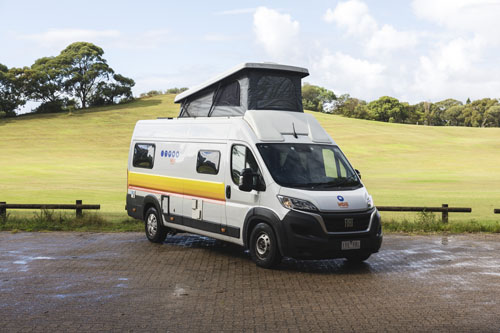
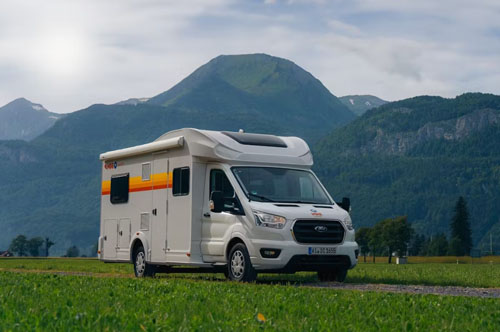
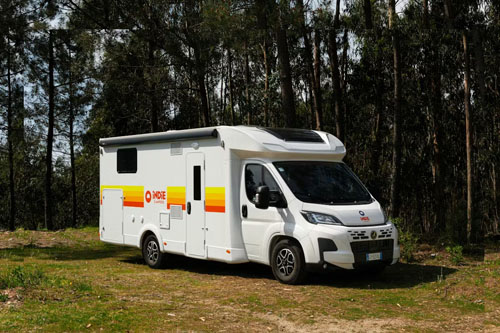
For navigating Oslo's roads and accessing surrounding natural areas with a pet, Class B Camper Vans and Class SI Semi-integrated RVs are highly recommended due to their optimal balance of size and interior space. Class B Camper Vans, like the "2 Berth Hi Top" or "Active Standard Auto", with an average length of 5.8 meters from Bandana's fleet, offer excellent maneuverability for city driving, easier parking on narrower streets, and better access to certain attractions in and around Oslo. These are ideal for 2-3 adults and a pet. Class SI Semi-integrated RVs, such as the "2 Berth Tamar" or "Active Standard Select", averaging 6.9 meters in length, provide more interior space and comfort for longer trips or larger pets, suitable for 3-4 adults. This class offers features like larger kitchens, often with a "Gas Stove - 3 Burners" and "Refrigerator - 100 Liter," making meal preparation more comfortable for everyone, including furry family members. Both classes strike a balance between sufficient living space for pets and drivers, and practicality for varying road conditions from urban streets to scenic routes.Should I Choose a Compact Van Instead of a Large RV in Oslo?
A compact van (like a Class B Camper Van with an average length of 5.8m) offers superior maneuverability, easier parking in tight urban spaces around Oslo's historical areas or popular neighborhoods like Grünerløkka, and potentially lower fuel consumption (8-10 liters/100 km). For pet-friendly travel, a larger RV (such as a Class SI Semi-integrated at 6.9m or a Class C Alcove at 7.5m, like a "24' Class C Motorhome") provides significantly more interior space, which can enhance comfort for pets by allowing for dedicated sleeping or play areas. While a compact van might seem appealing for city navigation, most major roads and campsites throughout Norway, including those near Oslo like Ekeberg Camping or Bogstad Camping, can accommodate larger RVs, meaning the trade-off for onboard comfort is often worthwhile for extended road trips. The decision largely depends on your travel style, the size of your pet, and the duration of your trip, balancing the ease of city driving with onboard living space and amenities.Can I Park Anywhere? Free & Wild Camping Rules in Oslo
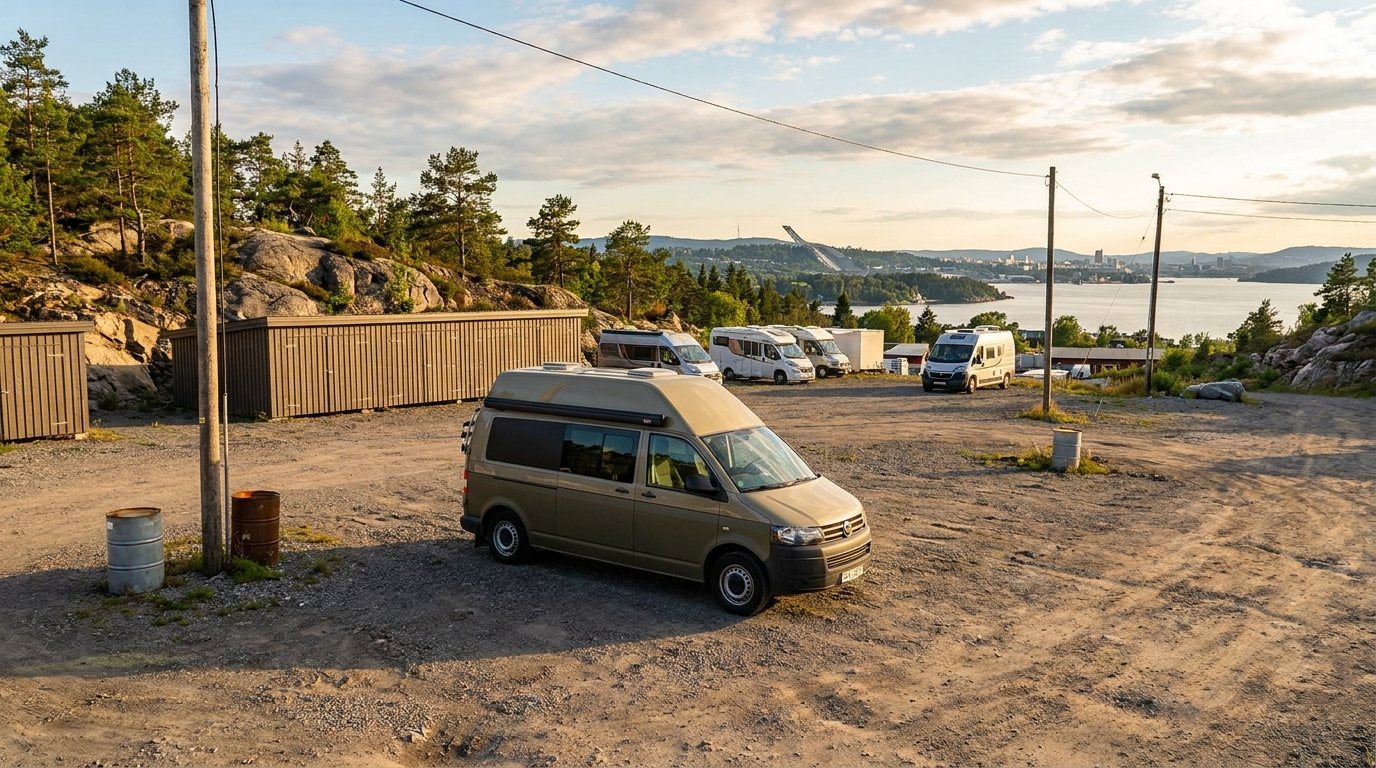
While Norway's 'Allemannsretten' (right to roam) allows for free camping in undeveloped areas, specific rules apply to motorized vehicles, particularly near urban centers like Oslo. Wild camping with a rented RV is generally restricted to at least 150 meters from inhabited houses or cabins, and is not permitted in cultivated land, fenced fields, or designated conservation areas, including much of the immediate Oslomarka forest accessible by road. Within Oslo and its immediate surroundings, such as the areas around Fornebu or along the inner fjord, wild camping with an RV is largely prohibited, with strict rules against overnight parking outside of designated campsites or specific parking areas (e.g., parking lots for recreational areas often have no overnight RV signs). Always check local regulations and follow local law before parking overnight, as rules can vary significantly by municipality and region, especially in sensitive natural or urban environments. For finding campsites and campgrounds during your trip, we recommend using RV PLANET (rvplan.net) - a great resource for locating available spots along your route.Can I Drive an RV Into the City Center? Heights, Tunnels & Local Signage
Yes, you can generally drive a rented RV into Oslo city center, but it requires careful attention to local signage regarding height limits, tunnels, and environmental zones. Oslo operates congestion zones that apply to all vehicles, including RVs, upon entry, adding to the cost of driving within the city, with charges collected automatically via the AutoPASS system. Some tunnels, underpasses, and multi-story parking garages in central Oslo, particularly beneath major shopping areas like Oslo City or around the National Gallery, may have height restrictions (e.g., 2.1-2.5 meters) that could limit access for larger RVs. Always observe local traffic signs, which clearly indicate restrictions, speed limits, and directions, ensuring a smooth and compliant journey through the city. Drive slowly and carefully, and you can drive almost anywhere without issues. No need to stress - just use common sense and pay attention.Is Norway RV friendly?
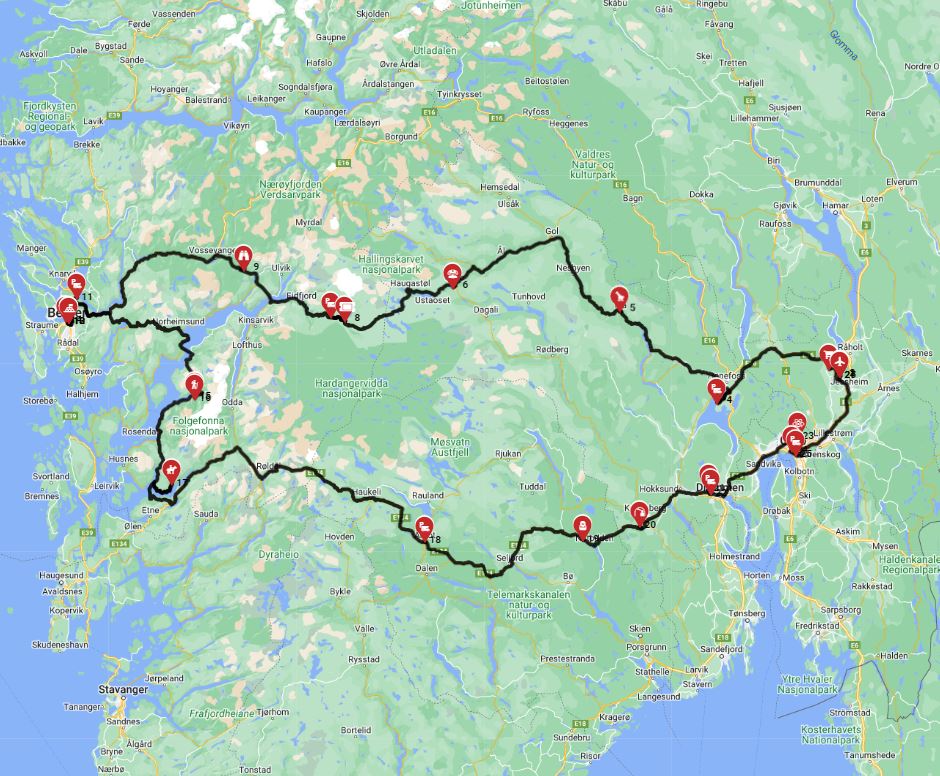
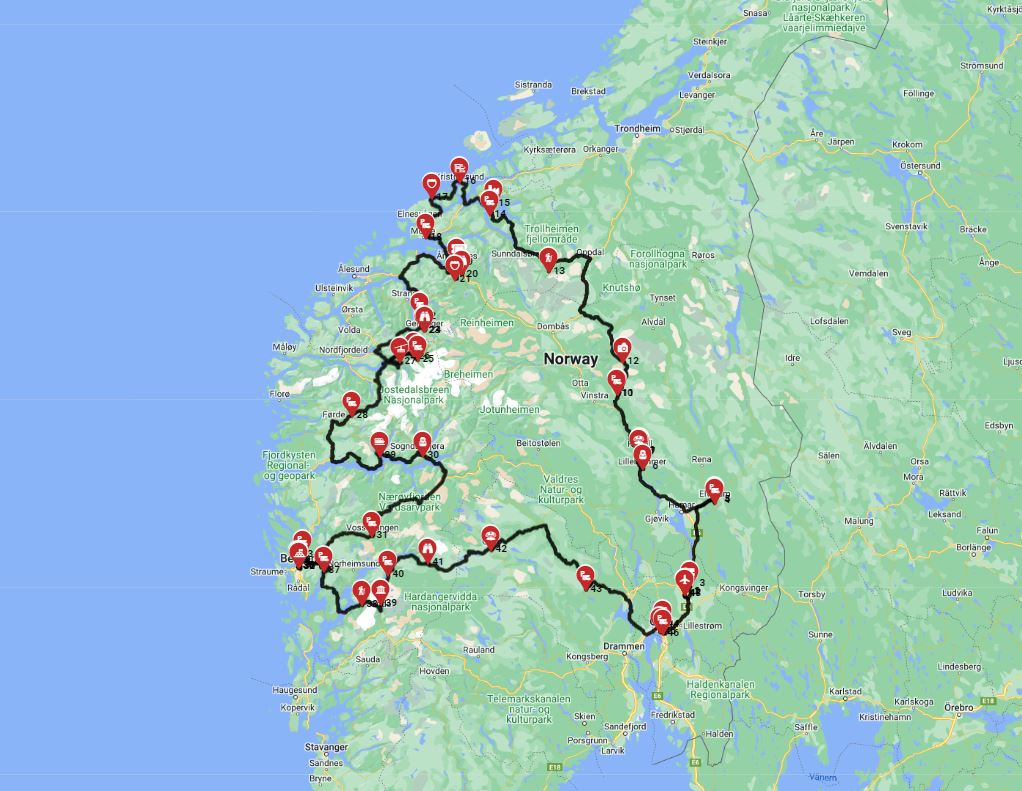
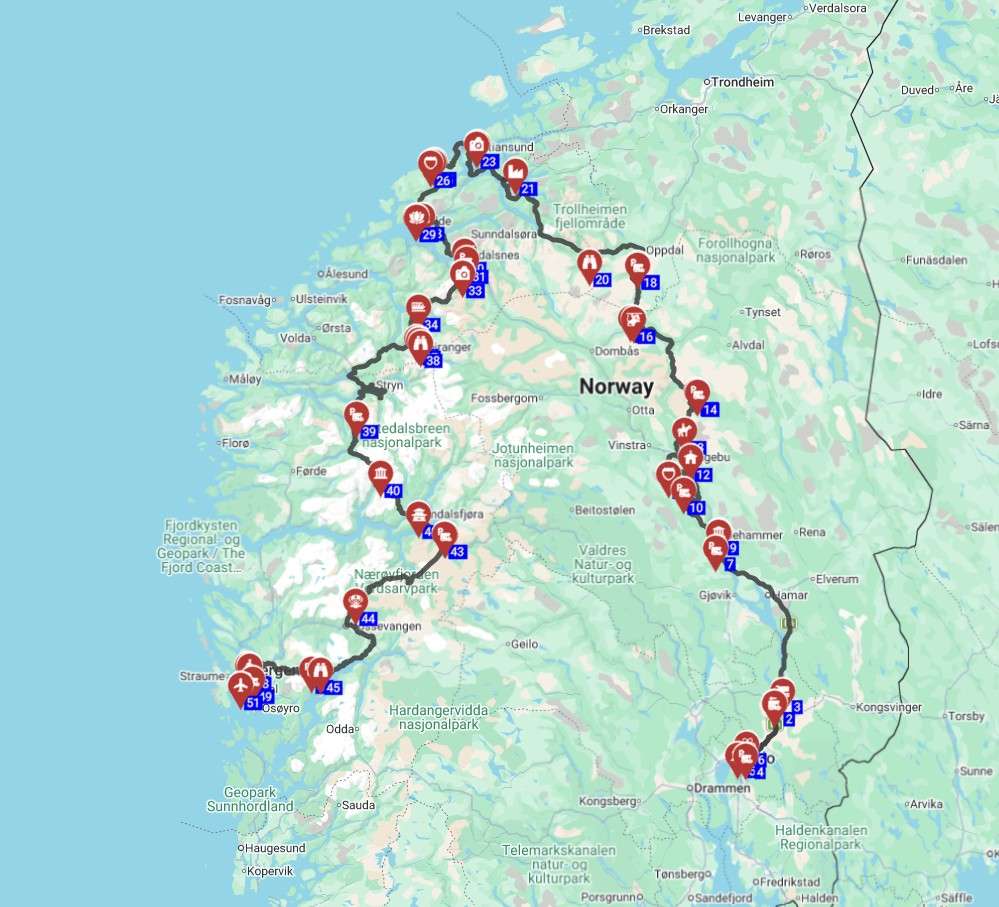
Norway is exceptionally RV-friendly, boasting an extensive network of scenic routes, well-maintained roads, and numerous campsites equipped for motorhomes. The country's stunning fjords, mountains, and coastal areas are perfectly suited for exploration by RV, offering unparalleled access to nature and incredible vistas, like those found along the Oslofjord or further north. Many towns and tourist attractions throughout Norway provide dedicated RV parking, and the concept of 'Allemannsretten' (the right to roam) supports responsible wild camping, though with restrictions for motorized vehicles, particularly near urban centers like Oslo. The comprehensive infrastructure, combined with a cultural emphasis on outdoor life, makes Norway an ideal destination for RV travel, including with pets. We've helped tens of thousands of travelers explore Norway since our founding in 2001. Imagine yourself on the route:Can I bring my dog from the USA to Norway?
Yes, you can bring your dog from the USA to Norway, but it requires meticulous planning and strict adherence to specific veterinary health regulations enforced by the Norwegian Food Safety Authority (Mattilsynet). Your dog must be microchipped with an ISO-compliant 15-digit chip for identification, vaccinated against rabies (after microchipping), and have a current rabies antibody titration test if traveling from an unlisted country, ensuring the vaccine is effective. A health certificate, completed by a USDA-accredited veterinarian and endorsed by the USDA within 10 days of travel, is mandatory. Dogs typically require tapeworm treatment (Echinococcus multilocularis) administered by a veterinarian 24-120 hours before entering Norway, or on a regular treatment schedule if staying long-term. These rules are part of Norway's stringent biosecurity measures.Can I put my dog in my camper while driving?
Yes, you can transport your dog in your rented RV while driving in Norway, provided they are safely secured to prevent injury to themselves or passengers, as per traffic regulations. Norwegian law, like many European countries, requires animals to be secured during transit to prevent distraction to the driver and to protect the animal in case of sudden braking or collision. Common methods include using a sturdy, well-ventilated travel crate that is properly secured to the floor or a seat, or a crash-tested safety harness attached to a seatbelt, offering protection during sudden stops. Ensure your dog has enough space to lie down comfortably and that the RV's interior temperature is regulated to prevent overheating or chilling, especially during summer travel when the cabin might warm up.What are the pet laws in Norway?
Norway has comprehensive pet laws covering import regulations, animal welfare, and public conduct, which all RV travelers with pets must adhere to. All dogs must be microchipped and vaccinated against rabies, with specific requirements for health certificates and tapeworm treatment for entry, as detailed by Mattilsynet. Leash laws are generally strict, especially in urban areas like Oslo, and during specific periods (e.g., nesting season for birds, usually April to August) when dogs must be leashed in all public outdoor areas, even in the Oslomarka forest. Pet owners are legally responsible for cleaning up after their pets in public spaces, including dog parks like Hundejordet in Frogner, and adherence to waste disposal rules is expected to maintain Norway's pristine environment.How pet friendly is Norway?
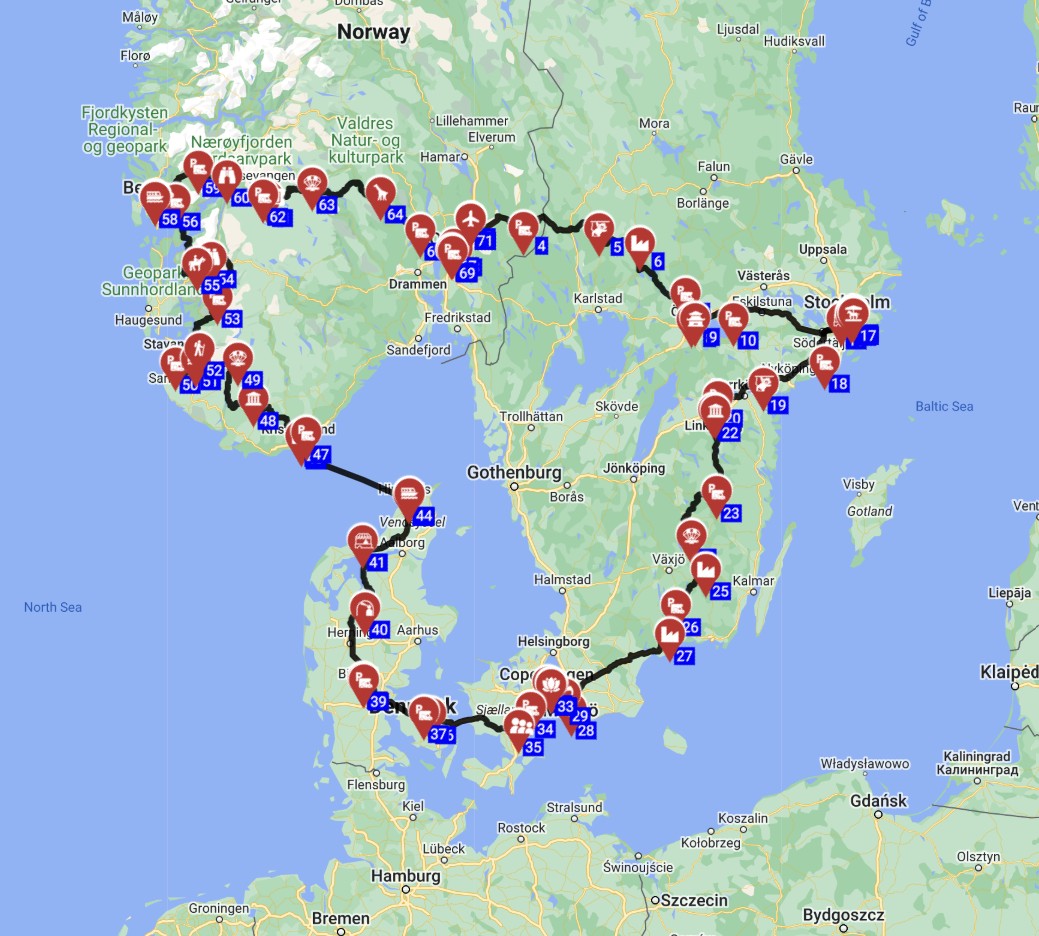
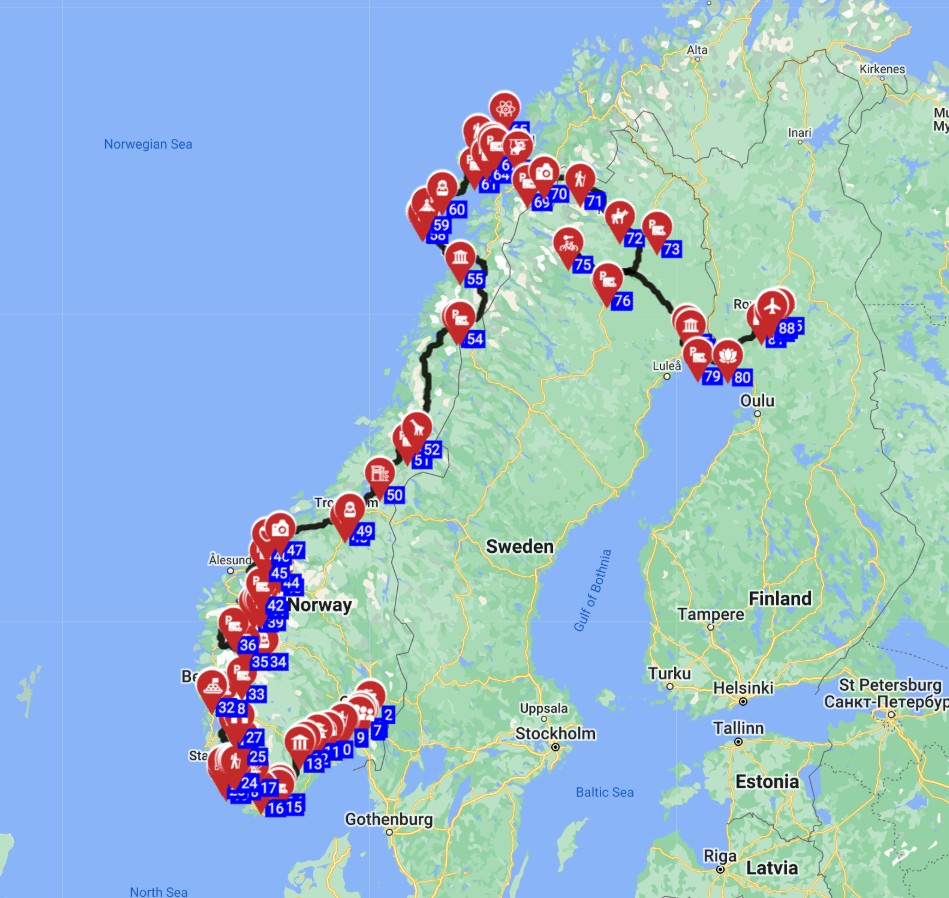
Norway is generally very pet-friendly, particularly for outdoor activities and RV travel, embracing a culture that values nature and animal companionship. Numerous hiking trails (many in the Oslomarka forest), national parks (though some trails have seasonal restrictions), and rural areas welcome dogs, making it an excellent destination for active pets and their owners. While many campsites, such as Bogstad Camping or Ekeberg Camping near Oslo, are pet-friendly, urban areas like Oslo and public transportation may have stricter rules regarding pet access; for instance, dogs are often allowed on Oslo trams and buses but sometimes require a child's fare ticket. Respect for local rules, especially leash laws and proper waste disposal, is crucial for maintaining Norway's welcoming environment for pets. Discover top destinations, planning tips, all in one place, like this amazing route:How to travel with pets in an RV?
Traveling with pets in a rented RV requires careful planning to ensure their safety, comfort, and compliance with local regulations, starting with proper documentation like health certificates and vaccination records. Prioritize safety by securing your pet in a crash-tested crate or with a safety harness while driving, and ensure they have easy access to fresh water and proper ventilation throughout your journey. Pack a pet-specific travel kit including enough food, any necessary medication, familiar bedding and toys to provide comfort, a pet first-aid kit, and plenty of waste bags to adhere to local cleanup laws. Planning for regular breaks every few hours, identifying pet-friendly attractions and campsites in advance through resources like RV PLANET, and always being mindful of your pet's comfort levels, especially regarding temperature inside the motorhome, are key to a successful trip. Cooking delicious meals for your family and pet in your RV kitchen is also part of the fun, and you can find many ideas on our RV-friendly recipes playlist.What to do in Oslo with a dog?
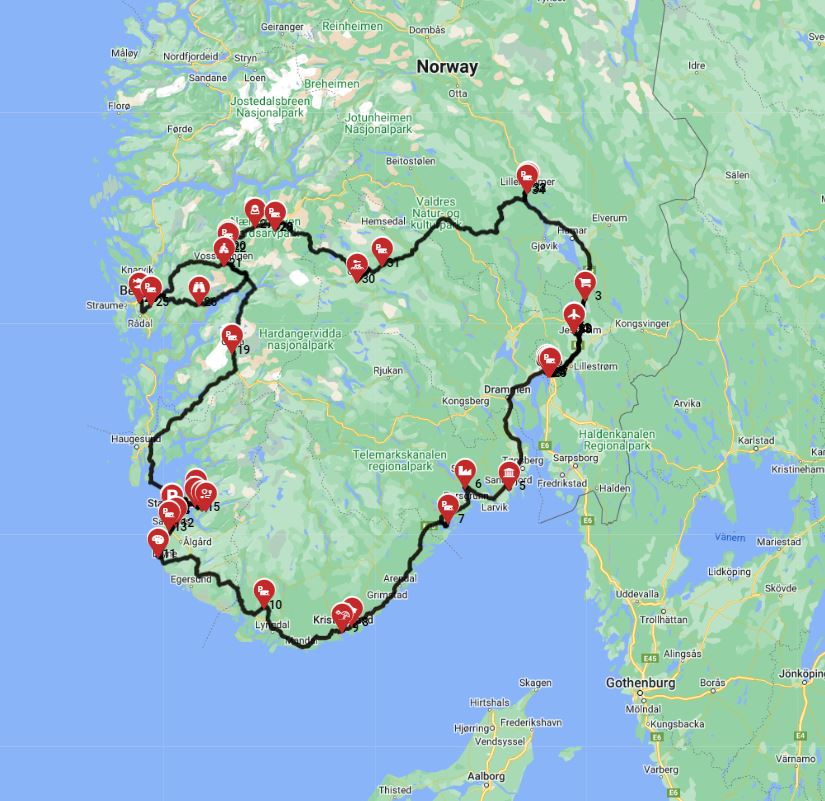
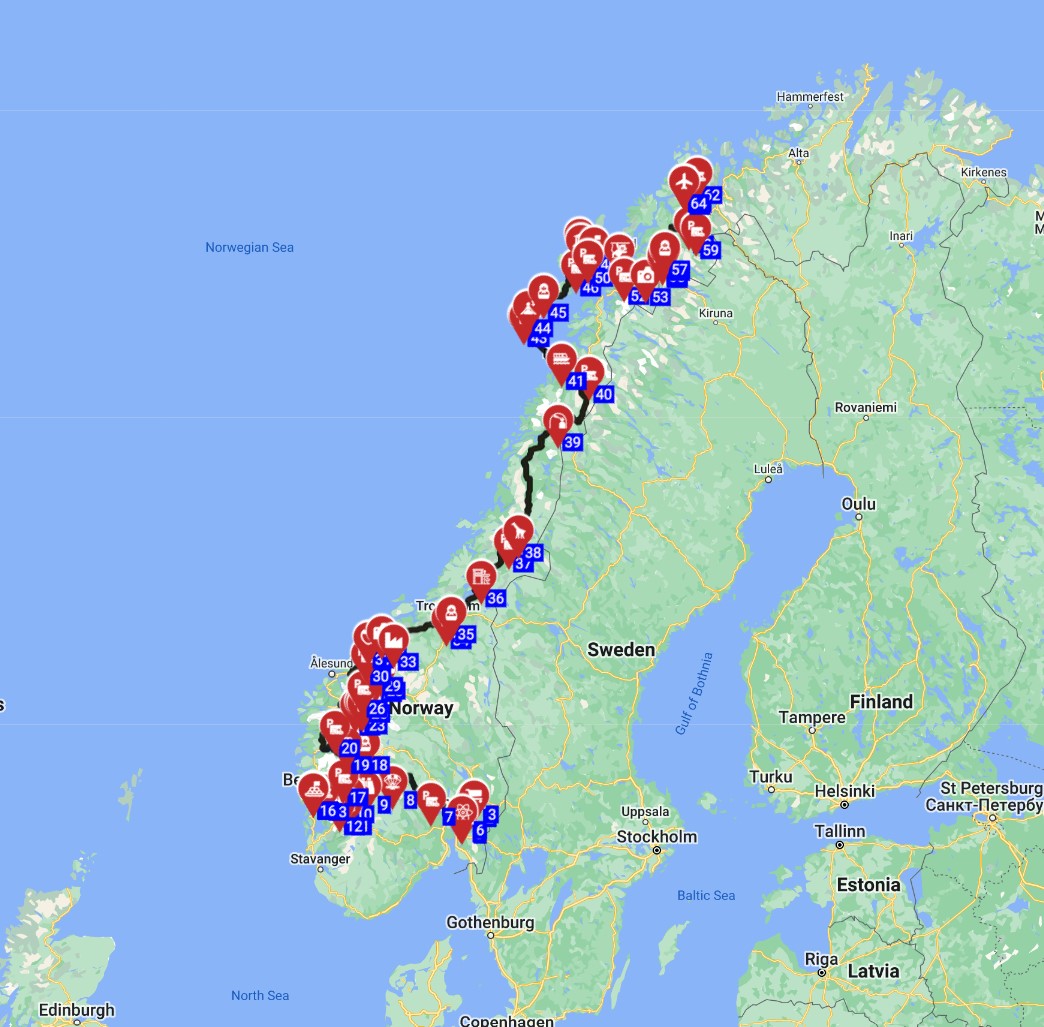
Oslo offers several dog-friendly parks, walking trails, and outdoor spaces suitable for exploration with your canine companion, provided they are kept on a leash in most public areas. Popular dog-friendly areas include Frogner Park, home to the Vigeland Sculpture Park, where leashed dogs are welcome to explore the extensive grounds and sculptures. Ekebergparken Sculpture Park also offers outdoor areas and forest trails with fantastic views of the city and fjord, perfect for a leashed dog walk. Numerous walking paths along the Akerselva River, which flows through the city, provide green corridors for urban strolls. While dogs are generally not allowed inside museums or public buildings (e.g., the Munch Museum), many outdoor cafes and restaurants with terraces in areas like Grünerløkka or Aker Brygge welcome well-behaved dogs. Research specific dog parks or designated off-leash areas in Oslo, like Hundejordet, and always check individual venue policies before visiting to ensure a smooth experience. For extended adventures with your furry friend, consider a route plan like:How much is insurance on a $200,000 RV?
The cost of RV insurance for a $200,000 personal RV varies widely, typically ranging from a few hundred to over a thousand dollars annually for comprehensive policies, influenced by numerous factors. When renting an RV through Bandana Caravan, basic liability insurance is usually included in the rental cost, but additional comprehensive coverage or collision damage waivers are often available for purchase to reduce your financial liability. This optional upgrade to a top-level deductible for extra peace of mind is one of our brand differentiators, ensuring you travel without unnecessary stress. For a pet-friendly RV rental in Oslo, it's crucial to understand what is covered in your rental agreement, especially concerning potential pet-related damages, which might require a separate deposit or specific waiver at pickup.Does RV insurance cover animal damage?
Standard RV insurance policies generally do not cover damage caused by pets *inside* the vehicle (e.g., chewing upholstery, scratching surfaces), as this is typically considered wear and tear or owner responsibility. However, comprehensive insurance coverage on a personal RV policy might cover damage *from* an animal, such as a collision with wildlife (e.g., hitting a deer or moose on a Norwegian road), or theft/vandalism involving animals, depending on the specific policy terms. For rented RVs, any internal damage caused by pets, like scratches on the flooring or tears in seating, is usually covered by a specific pet damage waiver that you can purchase, an increased security deposit, or could result in charges against your credit card after inspection, highlighting the importance of reading your rental agreement carefully. Always review your rental agreement or personal insurance policy carefully to understand the scope of coverage regarding pet-related incidents before your trip to Oslo.What You Shouldn't Miss
- **Explore Frogner Park and Vigeland Sculpture Park:** This vast, dog-friendly park in Oslo is home to over 200 sculptures by Gustav Vigeland, offering a unique cultural experience amidst beautiful green spaces perfect for a leisurely walk with your leashed pet.
- **Wander the Akerselva River Walk:** Follow the scenic Akerselva River as it winds through Oslo, passing waterfalls, historic industrial buildings, and vibrant urban gardens. Many sections are perfect for a dog walk, connecting different city neighborhoods.
- **Hike in Oslomarka Forest:** Just a short drive or public transport ride from central Oslo, this expansive forest offers countless trails for hiking, biking, and cross-country skiing in winter. It’s an ideal spot to let your dog truly enjoy nature, adhering to local leash laws (especially April-August).
- **Ferry to the Oslofjord Islands:** Take a local ferry from Aker Brygge to car-free islands like Hovedøya or Gressholmen. While dogs might have specific rules on board and on the islands, exploring these tranquil spots offers stunning fjord views and a unique perspective of Oslo.
- **Visit Bygdøy Peninsula's Museums (Exterior):** While dogs aren't allowed inside most museums, Bygdøy Peninsula is a beautiful area for a scenic drive or walk with your rented RV. You can admire the exteriors of the Viking Ship Museum, Fram Museum, and Kon-Tiki Museum, and enjoy the surrounding green spaces and beaches.
- **Enjoy Outdoor Dining in Grünerløkka:** This trendy neighborhood boasts numerous cafes and restaurants with outdoor seating that often welcome well-behaved, leashed dogs. It's a great way to experience Oslo's vibrant culinary scene with your pet by your side.
Final Thoughts
Embarking on a pet-friendly RV adventure in Oslo is an incredible way to experience Norway's stunning blend of urban charm and breathtaking nature. With the right preparation, understanding local rules, and choosing the perfect campervan or motorhome, you and your furry companion are set for an unforgettable journey. Remember to drive slowly, savor the scenery, and embrace the freedom that a rented RV provides, creating memories that will last a lifetime. At Bandana Caravan, we are dedicated to making your RV rental experience in Oslo as smooth and enjoyable as possible, from your first search to the moment you hit the road. Our commitment to full transparency, unmatched expertise, and supportive service means you can book with confidence, knowing we've got your back. Get inspired for your next trip and let us help you find the ideal pet-friendly RV for your Norwegian escape. Find Motorhome Rentals in OsloOn the routes offered through RV PLANET routes, you can itemize and track every expense along the way for easy budgeting.