In This Guide
- Can You Drive an RV in New Orleans? License & Age Rules
- Road Conditions & Terrain in New Orleans
- RV Size Limits, Bridges & Restricted Zones
- Fuel: Diesel vs. Petrol & Cost per 100 km
- Tolls, Vignettes & Border Rules
- Driving Tips for pet friendly rv rental Travelers
- Recommended RV Class for New Orleans Roads
- Should I Choose a Compact Van Instead of a Large RV in New Orleans?
- Can I Park Anywhere? Free & Wild Camping Rules in New Orleans
- Can I Drive an RV Into the City Center? Heights, Tunnels & Local Signage
- Can you take dogs on streetcar New Orleans?
- What do I need to know about driving an RV in New Orleans?
- Can you sleep in an RV in New Orleans?
- How much does it cost to rent an RV in New Orleans?
- What is the best time of year to visit New Orleans in an RV?
- Are RVs allowed in the French Quarter?
- Is New Orleans pet friendly?
- Where can I park an RV near New Orleans attractions?
- What are the pet policies for RV rentals in New Orleans?
- How safe is it to travel with an RV in New Orleans?
Can You Drive an RV in New Orleans? License & Age Rules
A standard Class D driver's license is typically sufficient to operate most recreational vehicles (RVs) weighing under 26,000 pounds (11,793 kg) in New Orleans and throughout Louisiana. You won't need a special Commercial Driver's License (CDL) for a rented motorhome, which simplifies your travel plans significantly. For live availability and current prices, start with our RV Rental New Orleans - Complete Guide 2026 guide. Most RV rental companies require drivers to be at least 21 years old, and Bandana RV offers options with no young driver surcharges or vehicle class restrictions based on age. If you're visiting from a non-English-speaking country, an International Driving Permit (IDP) is highly recommended for easy translation of your valid foreign license, though it's not strictly mandatory in most cases for up to 90 days of travel. Our extensive network, with direct partnerships with 50+ leading RV suppliers worldwide including El Monte and Cruise America, ensures you'll find a suitable vehicle and clear policies for your pet-friendly adventure.Road Conditions & Terrain in New Orleans
New Orleans features predominantly flat terrain, making it relatively easy to navigate a rented RV without steep inclines or winding mountain roads. Drivers should be prepared for varying road quality, however, including potholes and uneven surfaces, particularly in older parts of the city. We recommend driving slowly and carefully, and you can drive almost anywhere without issues. No need to stress - just use common sense and pay attention, especially when traveling with pets who appreciate a smooth ride. Urban density means you'll encounter busy streets, one-way systems, and areas with heavy pedestrian traffic, particularly around popular tourist destinations like the Garden District. Remember that slow travel is the key to truly experiencing a place: aim for a maximum of 100-150 km per day on average. This allows you to take time to feel the unique atmosphere, connect to the vibrant culture, savor the incredible food, and soak in the scenery without rushing.RV Size Limits, Bridges & Restricted Zones
While New Orleans does not have widespread RV size restrictions for general travel, specific areas like the historic French Quarter have exceedingly narrow streets and limited parking that make larger RVs impractical. Louisiana's state highways and major routes readily accommodate all standard motorhome and campervan sizes, but drivers should always observe local signage for specific height and weight limits on smaller city streets or underpasses, especially around the I-10 corridor. There are no specific environmental zones or ferry limits that significantly restrict typical RV travel in New Orleans. However, checking for any temporary road closures or festival-related restrictions, like those for Mardi Gras or Jazz Fest, is always a good practice. Be especially mindful of low-hanging tree branches and utility lines in older neighborhoods, which can pose a risk to taller rented RVs. Avoiding routes that lead directly into highly pedestrianized or congested historic zones will help ensure a smoother journey.Fuel: Diesel vs. Petrol & Cost per 100 km
RV rentals in New Orleans typically include both petrol (gasoline) and diesel engine options, with Class B Camper Vans and Class C Alcoves often running on petrol, while some larger Class A Integrated motorhomes may use diesel. Fuel availability is ample across New Orleans and the wider Louisiana state, with numerous gas stations providing both fuel types at competitive prices. While specific average cost per 100 km varies significantly based on the RV model, driving style, and fluctuating fuel prices, a Class C - Alcove (averaging 8 meters in length) might consume around 20-25 liters/100km (approximately 8-10 MPG). A Class B - Camper Van (averaging 6.1 meters in length) typically consumes less, around 15-20 liters/100km (approximately 12-15 MPG). For budgeting ancillary costs like fuel, campground fees, and tolls during your trip, we highly recommend using RV PLANET routes, which allow travelers to itemize and track every expense along the way for easy budgeting.Tolls, Vignettes & Border Rules
New Orleans and the surrounding Louisiana region primarily utilize electronic tolling systems on some bridges and highways, rather than requiring vignettes. The iconic Crescent City Connection bridges, which span the Mississippi River and offer stunning views of the city, are tolled and often require electronic payment methods such as tolls-by-plate or transponders compatible with systems like LA Wallet, GeauxPass, or EZ-Pass. We always recommend checking local signage for tolling information. There are no international border rules to consider when driving a rented RV within the contiguous United States, allowing for seamless travel across state lines. However, drivers should always be aware of state-specific traffic laws, which can vary slightly. Many of our partner RV rental companies may offer pre-purchased toll passes or include transponders with your booking, which can significantly streamline your journey through toll booths and help you avoid unexpected fines. This commitment to full transparency, with no hidden fees or surprises, is a cornerstone of Bandana Caravan’s service.Driving Tips for pet friendly rv rental Travelers
Planning frequent stops every 2-3 hours for pet exercise and bathroom breaks is essential, utilizing pet-friendly rest areas or parks along your New Orleans route. Always keep your furry companions secured in their carriers or with safety harnesses while the RV is in motion, ensuring their water bowls are spill-proof for a comfortable journey. Be extra cautious of potholes and uneven roads common in New Orleans, driving slowly to ensure a comfortable and stable ride for your pets and prevent any discomfort. Consider opting for a rented RV with robust air conditioning, especially during New Orleans' notoriously hot and humid summers, to maintain a comfortable temperature for your pets. We offer 24/7 support from real people behind you, ready to assist with any questions before, during, and after your booking, including advice on pet-friendly amenities. Prioritize researching pet-friendly campgrounds near New Orleans in advance, ensuring they have amenities like dog parks or walking trails for your pets to enjoy their outdoor time. Remember that pets generally aren't allowed on public transport in New Orleans, so plan alternative pet transport for city excursions.Recommended RV Class for New Orleans Roads
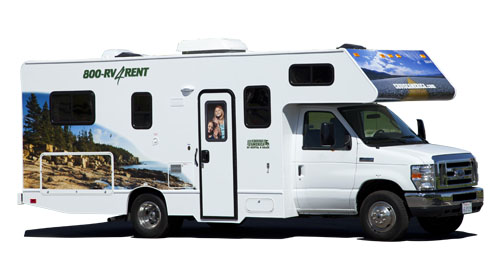
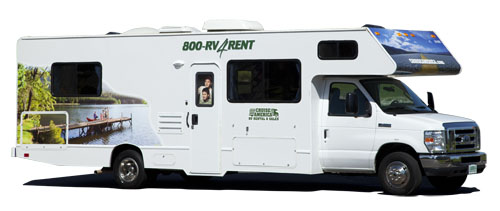
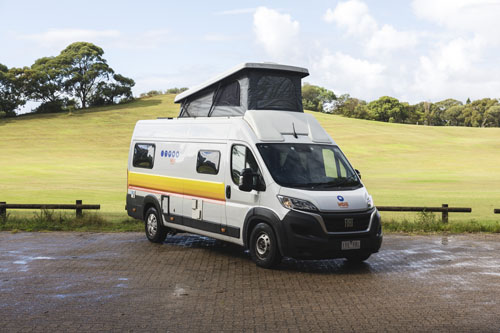
For navigating New Orleans roads, a Class B - Camper Van or a smaller Class C - Alcove is highly recommended due to their excellent balance of comfort and maneuverability. Bandana's Class B - Camper Vans, averaging 6.1 meters in length, offer superior agility for city driving and easier parking, while still providing comfortable sleeping places for up to 4 adults. These are perfect for couples or small families exploring the city with a pet. Bandana's Class C - Alcoves, with an average length of 8 meters, provide more interior space, sleeping up to 6 people, and additional amenities like more extensive kitchens and bathrooms, making them suitable for families or those seeking more comfort. These vehicles remain manageable for most New Orleans-area roads, especially when sticking to main thoroughfares. Larger Class A - Integrated RVs (Bandana's average 8.9 meters, sleeping up to 8 adults) offer luxurious space but may prove more challenging for navigating narrow city streets and finding parking within New Orleans itself. They are better suited for parking at campgrounds outside the city with convenient shuttle access, a strategy many travelers employ.Should I Choose a Compact Van Instead of a Large RV in New Orleans?
While a compact van, such as a Class B Camper Van, offers superior maneuverability and easier parking in urban settings like New Orleans, a larger RV, like a Class C Alcove, often provides a better trade-off for comfort and amenities, especially for pet-friendly travel. For New Orleans, where urban parking and navigating some narrow streets are indeed challenges, a compact van genuinely helps, particularly if you plan extensive daily driving into the city center. Vehicles like the "Aero - Campervan" or "Kuga Campervan" are great options in this category. However, for pet owners, the additional indoor space, dedicated sleeping areas, and larger kitchen/bathroom facilities of a Class C motorhome can significantly enhance the travel experience, offering more room for pets to relax and for you to manage their needs more comfortably. Think of models like the "29′ Class C Motorhome" with a slide-out, providing ample living space. It's generally feasible to drive most RV sizes on major New Orleans thoroughfares; the main consideration is your comfort level with parking and navigating away from the tightest historic areas. We believe in providing full transparency and expert advice, helping you choose the best RV rental for your New Orleans adventure.Can I Park Anywhere? Free & Wild Camping Rules in New Orleans
Free or wild camping, which refers to overnight parking outside designated campgrounds, is generally not permitted within the city limits of New Orleans, similar to most major U.S. cities. Parking a rented RV overnight on public streets or in commercial parking lots without explicit permission can lead to fines or towing, and is not recommended for safety and legal reasons. Designated RV parks and campgrounds outside the immediate city center, such as those in Metairie (e.g., New Orleans KOA Holiday) or Slidell (e.g., Jude Travel Park), are the legal and safest options for overnight RV stays. While some rest stops along highways may allow overnight parking for a few hours, they typically do not offer amenities and are not suitable for extended stays or for enjoying the city's attractions. Rules vary by region and individual rest stop, so always check local regulations and follow local law before parking overnight. Many national and state parks, while not within New Orleans, reserve 25-30% of their spots for first-come-first-serve campers, so you'll find a spot; if not at the first campground, then the next one. It's always a good idea to call ahead before driving a long distance.Can I Drive an RV Into the City Center? Heights, Tunnels & Local Signage
You can generally drive a rented RV into most parts of the New Orleans city center, but parking and navigating the narrow, often one-way streets, particularly in the French Quarter and surrounding historic districts, can be exceptionally challenging. Pay close attention to local signage, which will indicate specific height limits for underpasses or garages, residents-only parking restrictions, and areas where large vehicles are prohibited. New Orleans does not have significant tunnels or low bridges that would typically restrict standard RV passage on main routes, but drivers should always be vigilant for unexpected obstacles like low-hanging wires or tree branches. For exploring the most congested areas like the French Quarter or the Central Business District, it's highly recommended to park your RV at a dedicated campground outside the immediate city center and use public transportation, ride-sharing services, or shuttles to access attractions. This "park-and-ride" strategy minimizes stress and enhances your ability to connect to the culture and unique vibe of the city. We also recommend consulting RV Travel Guide to New Orleans - Tips and Top Spots 2026 for more local insights.Can you take dogs on streetcar New Orleans?
In New Orleans, typically, only service animals are allowed on public transportation, including the iconic streetcars, meaning pets (including dogs) are generally not permitted. This policy is standard for public transit systems across many U.S. cities to ensure the comfort and safety of all passengers. Pet owners traveling with non-service animals should plan to use private vehicles, ride-sharing services (confirming pet policies with the driver beforehand), or explore the city's charming neighborhoods on foot when venturing into pet-friendly areas. Always confirm current regulations with the New Orleans Regional Transit Authority (RTA) for any updates or specific allowances, as policies can occasionally change. Despite public transport limitations, New Orleans is a very walkable city, and many outdoor spaces are welcoming to well-behaved, leashed pets, offering plenty of opportunities to explore together.What do I need to know about driving an RV in New Orleans?
Driving a rented RV in New Orleans requires awareness of urban traffic, variable road conditions, and unique parking challenges, making careful planning essential for a smooth trip. Expect flat terrain, which simplifies navigation, but be prepared for potholes and uneven surfaces on city streets, necessitating slower speeds and increased caution to ensure a comfortable ride for everyone, especially your pets. Navigating the historic districts, like the French Quarter, is impractical with an RV due to narrow streets, limited turning radii, and severe parking restrictions; it's best to park your motorhome outside these areas and use alternative transport. Be mindful of all street signs, which clearly indicate one-way streets, height clearances, and parking regulations, especially important for RV-specific safety and security to prevent incidents or citations. Always secure pets and any loose items inside your RV before driving, and plan your routes in advance to avoid unexpected difficult maneuvers or dead ends. We at Bandana Caravan are true RV specialists, not a travel agency side department, meaning we genuinely know RV travel and are here to help you anticipate and manage these details effectively, offering full transparency from day one.Can you sleep in an RV in New Orleans?
Sleeping in a rented RV directly within the city limits of New Orleans is generally not permitted outside of designated RV parks or campgrounds, as local ordinances prohibit overnight parking on public streets and in most commercial lots. To ensure a legal and secure overnight stay, travelers should book a spot at one of the many RV parks located in the greater New Orleans area, such as those in Metairie (e.g., New Orleans East KOA), Slidell (e.g., Cajun RV Park), or Westwego. These commercial campgrounds offer essential amenities like full hookups for water, electricity, and sewage, dump stations, and often provide better RV-specific safety and security features than attempting boondocking. While some Walmart locations or truck stops may unofficially allow overnight parking, it's crucial to obtain permission from management first and understand these are not designed for extended stays or tourist exploration. Always prioritize your safety and peace of mind by choosing reputable campgrounds, allowing you to relax and enjoy your week-long trip.How much does it cost to rent an RV in New Orleans?
The cost to rent an RV in New Orleans can range from approximately $75 to $300+ per night, heavily depending on the RV class, rental duration, season, and included amenities. Detailed RV budgeting should account for the base rental fee; for instance, a compact Class B - Camper Van might start around $100-150 per night, while a more spacious Class C - Alcove, like the "24' Class C Motorhome," could be around $150-250 per night. For an extended road trip, these daily rates can offer better value. Additional expenses typically include mandatory insurance, a non-refundable pet fee (usually $50-150 per rental), fuel costs (which vary based on the vehicle's fuel consumption, e.g., 15-25 liters/100km), campground fees ($30-70 per night for full hookups), and potential add-ons like kitchen kits or linen packages. Seasonal demand significantly impacts pricing, with peak seasons such as Mardi Gras or major spring festivals seeing higher rates and limited availability. For insights into saving money, check out Cheap RV Rental in New Orleans - Budget Guide 2026 or RV Rental Deals in New Orleans - Latest Offers 2026. Remember, prices are dynamic, much like flight tickets, and the final price is set at the actual booking time. We provide full transparency with no hidden fees, helping you compare prices across 50+ suppliers for your optimal choice.What is the best time of year to visit New Orleans in an RV?
The best time of year to visit New Orleans in a rented RV is typically during the spring (March to May) and fall (October to November) when the weather is mild, humidity is lower, and the city's vibrant festival season is in full swing. During these months, average temperatures are comfortable for outdoor activities and pet travel, ranging from the 60s to 70s Fahrenheit (15-25°C), making it ideal for exploring the historic streets and parks. Our Family RV Rental in New Orleans - Pricing Guide 2026 can help you plan your budget for these popular times. Summer (June to September) brings extreme heat and oppressive humidity, posing significant challenges for RV air conditioning and pet comfort, and also coincides with hurricane season, requiring vigilance for weather advisories. Winter (December to February) offers cooler, pleasant temperatures, though occasional cold snaps can occur, making it a good option for those wishing to avoid crowds and high temperatures, often with more availability for pet friendly rv rental. For planning your itinerary, consider:Are RVs allowed in the French Quarter?
RVs are generally not allowed for driving or parking within the historic French Quarter in New Orleans due to its exceedingly narrow streets, pedestrian-heavy areas, and strict parking regulations. Attempting to navigate this iconic district in a rented RV, especially larger classes like a Class C - Alcove, is highly impractical and could result in extreme difficulty turning, potential damage to your vehicle, or costly fines. The French Quarter is best explored on foot, by streetcar, or via ride-share services, leaving your motorhome safely parked at a dedicated campground or a peripheral parking facility designed for oversized vehicles. Many local RV parks, including those mentioned in "RV Rental New Orleans - Complete Guide 2026," offer shuttle services or are conveniently located near public transportation routes that provide easy access to the French Quarter without the stress of urban RV maneuvering. This allows you to truly immerse yourself in the rich history and vibrant atmosphere.Is New Orleans pet friendly?
New Orleans is generally considered a pet-friendly city, especially with its numerous outdoor patios, expansive parks, and picturesque walking areas, making it a great destination for RVers traveling with their pets. Many restaurants with outdoor seating welcome well-behaved dogs, and specific dog parks like City Bark in City Park offer fantastic off-leash areas for exercise and socialization. Pet travel considerations for RVers in New Orleans should include researching pet-friendly campgrounds, understanding local leash laws, and crucially, ensuring pets are never left unattended in rented RVs during the city's intense heat and humidity. Walking through charming neighborhoods like the Garden District or along the Mississippi River levee provides excellent opportunities for pet owners to explore with their furry friends. Imagine preparing delicious meals in your RV's kitchen after a day of exploration with your pet – our RV-friendly recipes playlist can offer some inspiration!Where can I park an RV near New Orleans attractions?
To efficiently visit New Orleans attractions, it is strongly recommended to park your rented RV at a dedicated RV campground outside the immediate city center and utilize public transportation or ride-sharing services to reach specific attractions. Campgrounds such as the New Orleans KOA Holiday in River Ridge, Jude Travel Park in Slidell, or Bayou Segnette State Park in Westwego offer full hookups and amenities, and many provide shuttle services or are conveniently located near bus/streetcar lines for easy city access. For closer, temporary access to the outskirts of the city, some peripheral parking lots might accommodate RVs for day use, but specific availability should always be verified in advance, and security considerations are paramount. RV-friendly logistics for urban exploration often involve a "park-and-ride" strategy, where you secure your motorhome and then navigate the dense urban areas more easily without the vehicle. This approach allows you to travel slowly, truly feel the place, and connect to the culture without the stress of city driving. Our 24/7 support is available before, during, and after your booking to help with pre-trip coordination and comparisons.What are the pet policies for RV rentals in New Orleans?
Pet policies for RV rentals in New Orleans vary significantly by rental company, but commonly include a non-refundable pet fee, specific weight or breed restrictions, and requirements for pets to be kenneled or crated when left alone in the vehicle. Most Bandana partner suppliers offering pet-friendly RVs require an additional cleaning fee, typically ranging from $50-$150 per rental, to cover potential pet-related wear and tear or deep cleaning. These fees are always transparently communicated during the booking process, reflecting our "no hidden fees, no surprises" philosophy. Renters are generally responsible for any damages caused by their pets and are expected to ensure pets are well-behaved and do not disturb other renters at campgrounds. Always review the specific pet policy of your chosen RV rental before booking to understand all requirements, fees, and restrictions to ensure a smooth, pet-friendly trip. You can upgrade to a top-level deductible for extra peace of mind, protecting your adventure and your furry family members.How safe is it to travel with an RV in New Orleans?
Traveling with a rented RV in New Orleans is generally safe, provided travelers exercise typical urban precautions, prioritize secure parking, and remain vigilant about their surroundings. RV-specific safety and security measures include ensuring all doors and windows are locked, valuables are stored out of sight, and utilizing secure, well-lit RV campgrounds with gate access or security patrols for overnight stays. Campgrounds in Metairie or Slidell offer these enhanced security features. While exploring the city, avoid leaving pets unattended in the RV for extended periods, especially during hot weather, and always use robust locks on your RV doors. Research neighborhoods and consult local advice on areas to avoid, and when parking for attractions, choose reputable, supervised lots rather than isolated street parking. Our expertise as true RV specialists, founded in 2001 and having helped tens of thousands of travelers, means we understand these concerns and prioritize your peace of mind with full transparency and dedicated support before and during your booking process. For planning your adventures, check out the "
What You Shouldn't Miss
- **Stroll Through City Park with Your Pet:** Explore one of the oldest and largest urban parks in the country, offering miles of walking trails, picturesque lagoons, and pet-friendly areas.
- **Discover the Garden District's Mansions:** Drive your smaller campervan or motorhome slowly through the tree-lined streets, admiring the stunning historic architecture, then park on the outskirts and take a leisurely walk with your leashed pet.
- **Visit the Jean Lafitte National Historical Park and Preserve:** Just a short drive from New Orleans, this national park offers pet-friendly hiking trails through bayous and swamps, where you might spot unique wildlife.
- **Experience a Louisiana Bayou Tour:** While pets generally aren't allowed on tour boats, you can easily park your RV at a nearby facility and enjoy a fascinating airboat or pontoon tour of the wetlands.
- **Savor the Local Cuisine:** Many restaurants with outdoor seating welcome pets. Find a cozy spot and enjoy a pet-friendly al-fresco meal, soaking in the vibrant culinary scene.
- Looking for expert insights from Avi Bandana? Top 5 Adventures - recommendations from Avi Bandana
Why Book with Bandana Caravan
Full Transparency, No Surprises
We believe in honest pricing. What you see is what you get, with no hidden fees or unexpected charges, making your pet-friendly RV rental in New Orleans straightforward and stress-free.
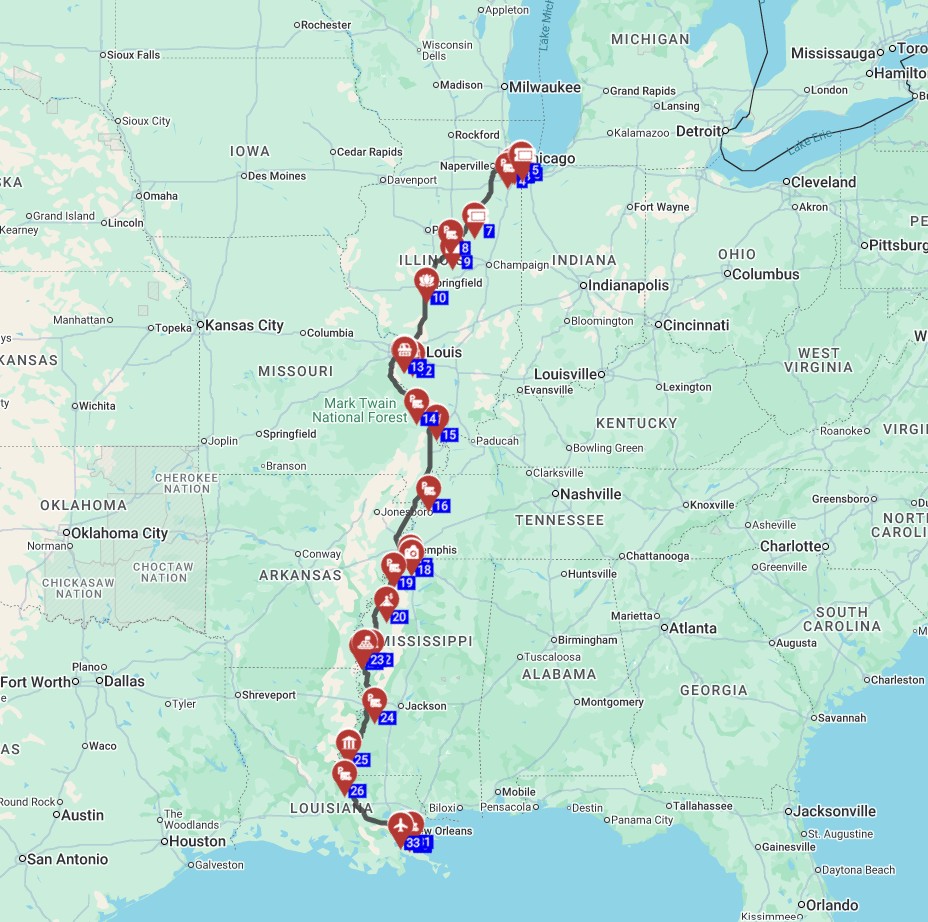
Rent&Plan: Expertly Crafted Routes
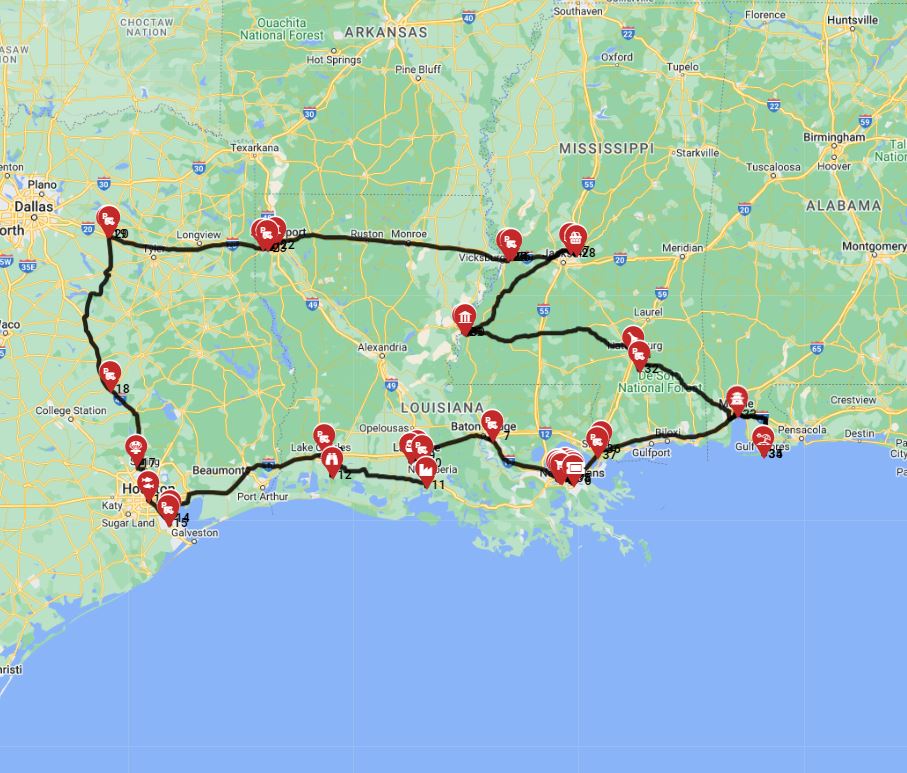
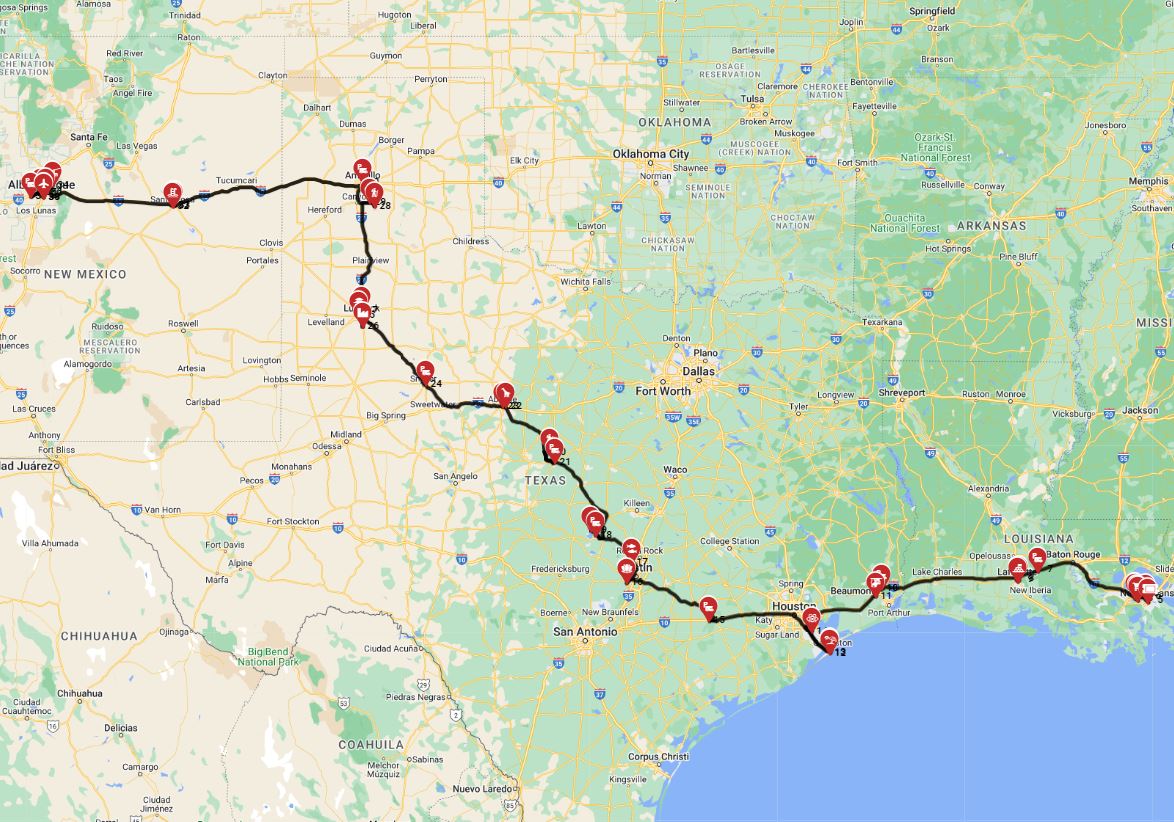
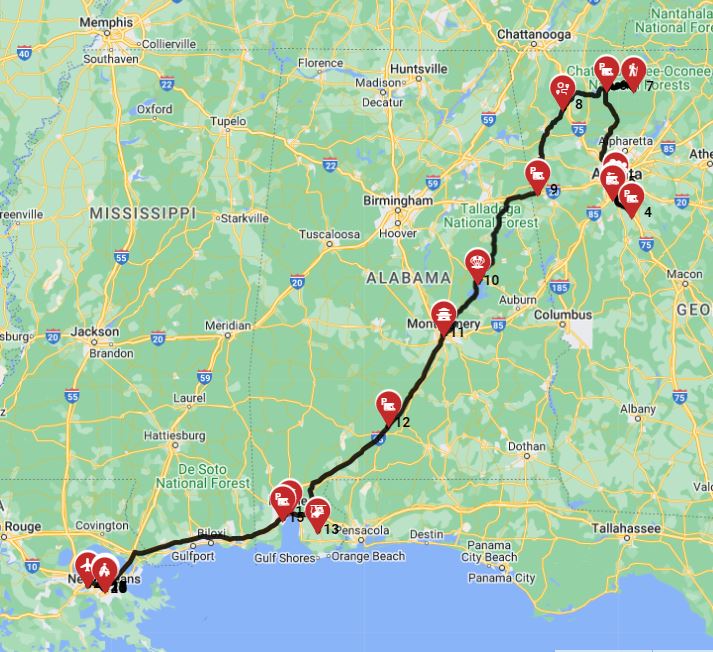
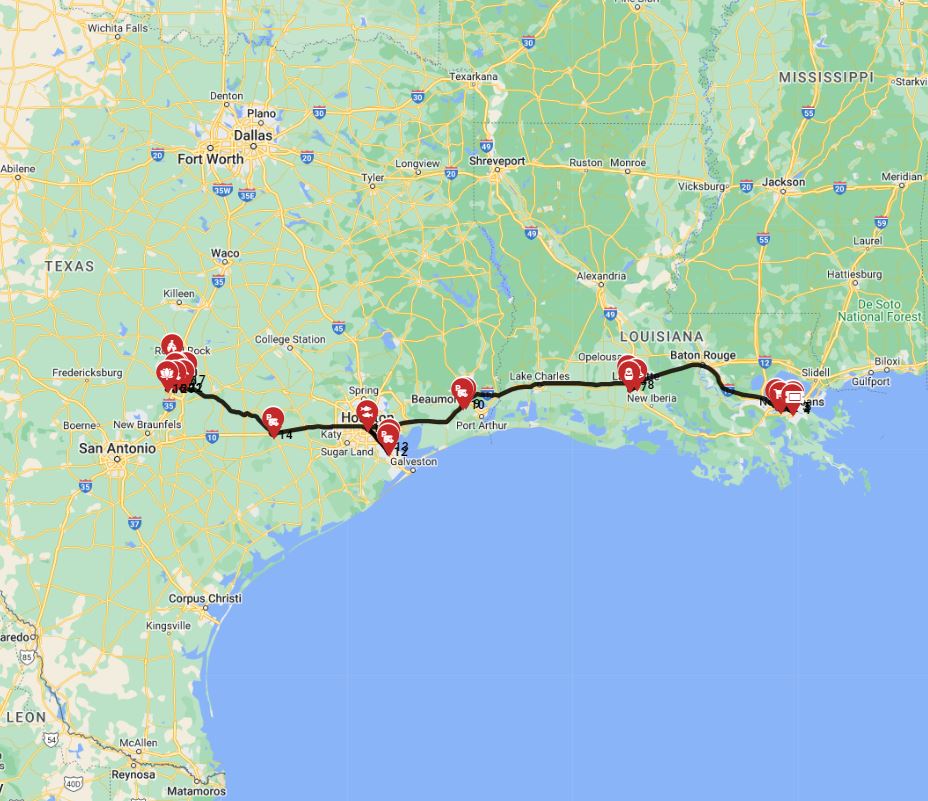
Gain access to 1,300+ pre-planned routes across 5 continents via our sister company, RV PLANET (rvplan.net). These professionally designed itineraries, including options like the "
True RV Specialists
Unlike general travel agencies, we live and breathe RV travel. Our team consists of genuine motorhome experts who provide unmatched personal experience and attention to the smallest details for your New Orleans adventure.
Peace of Mind on Every Journey
Travel confidently knowing you have the option to upgrade to top-level deductible reimbursement, ensuring extra peace of mind for your entire trip. We handle the details, you live the journey, supported by a company founded in 2001 that has helped tens of thousands of travelers explore the world by RV.
Bandana Caravan, founded in 2001, has over 20 years of experience helping tens of thousands of travelers explore the world by RV. We have direct partnerships with 50+ leading RV suppliers worldwide, including trusted names like El Monte, Cruise America, Apollo, and Britz. Our bookings are available in 30+ currencies with full price transparency, meaning no hidden fees and no conversion commissions, making budgeting for your RV Rental in New Orleans - Prices and Best Deals 2026 effortless. We cover 50+ countries with local expertise and support, ensuring your adventure is seamless from start to finish. On the routes offered through RV PLANET routes, you can itemize and track every expense along the way for easy budgeting.
Compare Motorhome Prices for New Orleans