In This Guide
- Can You Drive an RV in Ireland? License & Age Rules
- Road Conditions & Terrain in Ireland
- RV Size Limits, Bridges & Restricted Zones
- Fuel: Diesel vs. Petrol & Cost per 100 km
- Tolls, Vignettes & Border Rules
- Driving Tips for pet friendly rv rental Travelers
- Recommended RV Class for Ireland Roads
- Should I Choose a Compact Van Instead of a Large RV in Ireland?
- Can I Park Anywhere? Free & Wild Camping Rules in Ireland
- Can I Drive an RV Into the City Center? Heights, Tunnels & Local Signage
- What are the best places to visit in Ireland with a dog in an RV?
- Can you take a dog on a ferry to Ireland?
- Are dogs allowed in pubs in Ireland?
- How much does it cost to rent a pet friendly RV in Ireland?
- What is the best time of year to rent an RV in Ireland?
- What are the requirements for bringing a dog to Ireland from the UK?
- What is the cheapest way to rent a campervan in Ireland?
- How do you get from Dublin airport to an RV rental?
- Are RVs allowed on all roads in Ireland?
- What documents do I need to rent an RV in Ireland?
Can You Drive an RV in Ireland? License & Age Rules
Most standard car licenses (Category B) issued by EU/EEA countries allow drivers to operate RVs up to 3,500 kg MAM (Maximum Authorised Mass) in Ireland. For visitors from non-EU/EEA countries, an International Driving Permit (IDP) is recommended in conjunction with your national license, though not always legally mandatory. If you plan to rent an RV over 3,500 kg but under 7,500 kg, an EU Category C1 license is required. The minimum driver age for a pet-friendly RV rental in Ireland is typically 21 years old across our partner suppliers, with many requiring at least 2 years of driving experience, and there are no young driver surcharges or vehicle class restrictions based on age. We make sure you know exactly what’s needed so you can travel with confidence.Road Conditions & Terrain in Ireland
Irish road conditions vary significantly, from well-maintained motorways (M-roads) with speed limits of 120 km/h (75 mph) to narrow, winding regional roads (R-roads) and local lanes with designated passing places, particularly in scenic rural and coastal areas. The terrain includes flat plains, rolling hills, and mountainous regions like the MacGillycuddy's Reeks in County Kerry, which require careful driving, especially with a rented RV. For pet-friendly RV travelers, slower, scenic driving is highly encouraged to fully enjoy the stunning landscape and allow for frequent stops for your pets to stretch their legs and explore. Always be prepared for changing weather conditions, including wet surfaces, and remember to drive on the left side of the road. Embracing slow travel, aiming for max 100-150 km per day, allows you to truly feel the place, connect to the culture, the food, and the scenery.RV Size Limits, Bridges & Restricted Zones
While there are no universal RV size limits in Ireland, drivers of a rented motorhome must always be aware of their vehicle's specific dimensions for various routes, especially concerning low bridges (often marked with height limits in meters or feet). Many urban areas, particularly historic city centers, may have height or width restrictions, or be pedestrianized, making larger RVs challenging to navigate. When planning your route with a larger Class C motorhome, such as the `cruise america rv rental example Explorer` which is 7.1 meters long, it's wise to consult your GPS and local maps for any potential restrictions. Ferry limits for vehicle length and weight are also important for those considering routes to offshore islands or between Ireland and Great Britain. Fortunately, there are currently no widespread environmental zones in Ireland restricting RV access based on emissions, but it's always prudent to check local council websites for any new regulations before your extended road trip.Fuel: Diesel vs. Petrol & Cost per 100 km
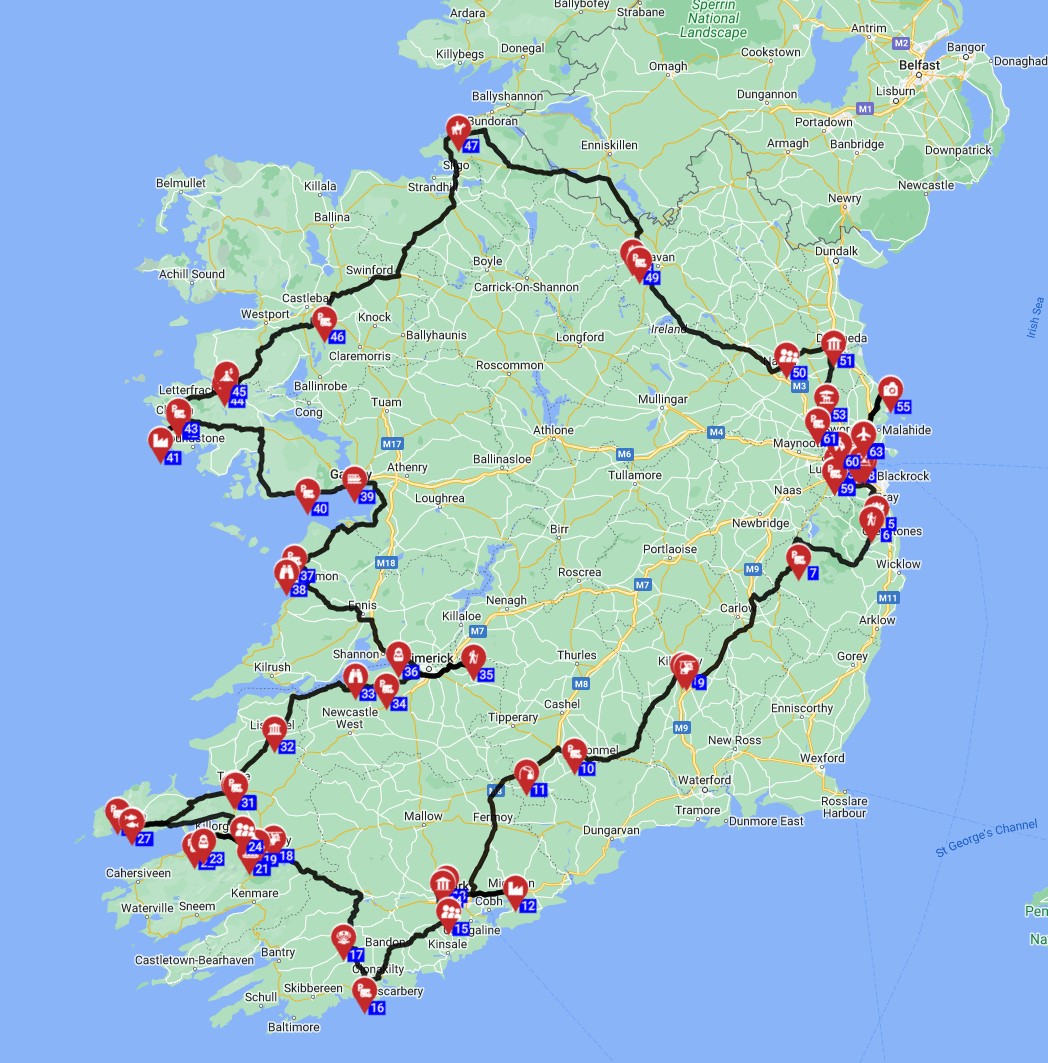
Diesel (also known as 'Gasoil' or 'Auto Diesel') is the predominant fuel type for rented motorhomes and campervans in Ireland and is widely available at service stations nationwide. While petrol is also readily available, most RVs are diesel-fueled, so always confirm your specific vehicle's fuel type before departure. Based on Bandana's global fleet averages, a rented RV typically consumes between 8-17 liters per 100 km, with compact Class B Camper Vans averaging 8-10 L/100km and Class SI Semi-integrated RVs averaging 10-11 L/100km. Fuel costs in Ireland can fluctuate but are generally higher than in many other European countries; it's essential to budget accordingly for these ancillary trip costs. For efficient budgeting and tracking expenses, remember that RV PLANET routes allow travelers to itemize and track every expense along the way.Tolls, Vignettes & Border Rules
Ireland operates a system of tolled motorways, primarily around major cities like Dublin and Limerick, including the M50 Dublin orbital motorway which uses barrier-free eTolls. There are no vignette systems in Ireland, meaning tolls are paid per use, either at barrier plazas or electronically for eToll sections. Travelers planning to cross the border into Northern Ireland (UK) will find an open border with no physical checkpoints or separate tolling systems, allowing seamless travel between the Republic of Ireland and Northern Ireland. Some Bandana partner suppliers may offer options to pre-purchase toll passes or use electronic tag systems, which can help avoid fines and streamline your travel. For those interested in extended RV adventures, consider our "RV Rental Europe - Complete Guide 2026" for broader European travel advice.Driving Tips for pet friendly rv rental Travelers
Always drive on the left side of the road in Ireland and be mindful of slower speeds on rural routes, allowing plenty of time for your journey with your pets. Plan frequent stops (every 2-3 hours) at pet-friendly rest areas or scenic spots to allow your dog to stretch its legs, hydrate, and relieve itself. Be aware of local etiquette: a friendly wave thanks drivers who pull over in passing places on narrow roads, greet locals politely, and respect quiet hours at campsites. Pack for Ireland's unpredictable weather, including waterproof gear for both yourself and your pet, even in summer, to enjoy all outdoor activities. Familiarize yourself with emergency procedures and local contacts before setting off, including vet services along your route, in case of breakdowns or pet health issues. Remember, "God is in the small details, and we take care of them. That's what makes the big difference" in your travel experience. For a week-long trip exploring Ireland, remember that local markets and traditional music sessions can be fantastic for cultural immersion and are often welcoming to pets in outdoor areas. You might even find yourself cooking up some delicious local produce on your rented motorhome's stove, perhaps from our RV-friendly recipes playlist.Recommended RV Class for Ireland Roads
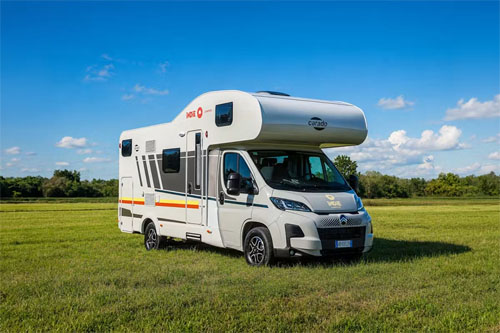
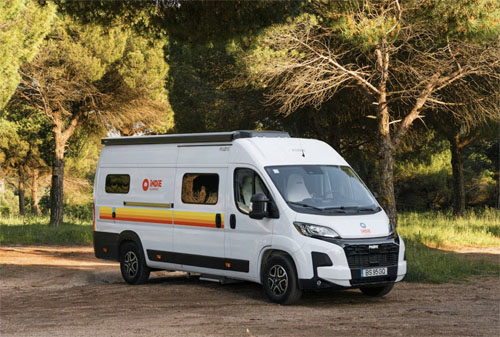
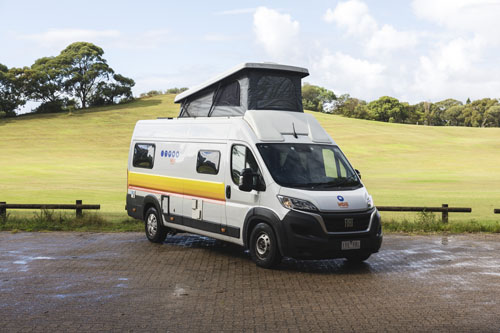
For navigating Ireland's diverse road network, a Class B Camper Van or a Class SI Semi-integrated RV is often recommended due to their balanced size and comfort for pet-friendly travel. Bandana's Class B Camper Vans, with an average length of 5.8 meters, such as the `Active Original` or `Juliette 2-3`, offer excellent maneuverability for narrow rural lanes and easier parking in towns, while providing comfortable sleeping for 2-3 adults. Class SI Semi-integrated RVs, averaging 6.9 meters in length like the `Elnagh Baron 579` or `Category Medium`, provide more living space and amenities without being overly cumbersome, suitable for small families or those desiring more comfort, typically sleeping 3-4 adults. Both classes offer a good compromise between interior space for pet and passengers and exterior dimensions suitable for typical Irish driving conditions, making them ideal for an extended road trip across the Emerald Isle.Should I Choose a Compact Van Instead of a Large RV in Ireland?
While a compact van, such as a Class B Camper Van, offers superior maneuverability for extremely narrow country lanes and urban parking, larger RVs (Class C Alcove or Class SI Semi-integrated) can generally be driven without significant issues on most Irish roads. The primary advantage of a compact van is navigating very tight historic village centers or single-track mountain passes with greater ease, providing a nimble driving experience. However, larger RVs often provide significantly more indoor space, better amenities, and greater comfort for extended trips, especially important when traveling with pets who need their own dedicated space. The choice depends on your priorities: prioritize maximum maneuverability and basic amenities with a compact van, or opt for increased comfort and space with a slightly larger RV, accepting that some very tight spots might require alternative parking or routes. Drive slowly and carefully, and you can drive almost anywhere without issues. No need to stress - just use common sense and pay attention.Can I Park Anywhere? Free & Wild Camping Rules in Ireland
Free or 'wild' camping in a rented RV is generally tolerated in Ireland, particularly in remote areas, but it is not explicitly legal nationwide and requires responsible practice. It is crucial to always seek permission from private landowners before parking overnight on their property, and consistently avoid parking in areas clearly marked 'No Overnight Parking' or 'Private Property'. Designated campsites and caravan parks are the safest and most reliable options for overnight stays, offering essential facilities like fresh water, waste disposal, and electricity. Rules regarding overnight parking vary by region- always check local regulations and follow local law before parking overnight, ensuring minimal environmental impact and respect for local communities. For finding campsites and campgrounds during your trip, we recommend using RV PLANET (rvplan.net) - a great resource for locating available spots along your route. Many national and state parks reserve only 25-30% of spots, leaving the rest for first-come-first-serve, so you'll find a spot. If not at the first campground, then the next one; just call ahead before driving.Can I Drive an RV Into the City Center? Heights, Tunnels & Local Signage
Yes, you can almost always drive a rented RV into city centers in Ireland, but paying close attention to local signage is critical. You must watch out for specific height limits on bridges, in car parks, or when entering tunnels, as well as width restrictions that may prevent larger vehicles from accessing certain streets. Many city centers have one-way systems, pedestrianized areas, or residents-only streets, which can make navigating a larger vehicle challenging; pre-planning routes is highly recommended. Consider parking your motorhome on the outskirts of cities in designated RV-friendly car parks and using public transport to explore the center, which is often more convenient and less stressful. Drive slowly and carefully, and you can drive almost anywhere without issues. No need to stress - just use common sense and pay attention.What are the best places to visit in Ireland with a dog in an RV?
Ireland offers numerous dog-friendly destinations ideal for RV travel, including the iconic Wild Atlantic Way with its expansive beaches (e.g., Dog's Bay, Strandhill in County Sligo) and coastal walks, where dogs can often roam freely, provided they are under control. National Parks like Killarney National Park offer walking trails suitable for leashed dogs, though specific trail regulations should always be checked beforehand. Many heritage sites, such as the outdoor areas of the Cliffs of Moher, allow dogs. Additionally, numerous glamping sites and private campsites across the country are explicitly pet-friendly, providing facilities for your furry companions. The Cooley Peninsula, Mourne Mountains, and parts of Wicklow Mountains National Park offer stunning scenery and trails where dogs are welcome, making them excellent choices for active pet owners on an extended road trip. To compare specific pet friendly rv rental in Ireland options, head over to Bandana RV.Can you take a dog on a ferry to Ireland?
Yes, most ferry operators traveling to Ireland from the UK or continental Europe allow dogs, though their policies vary significantly by company and route. Common options include booking a pet-friendly cabin (which can be expensive and limited), using onboard kennels (which must be pre-booked and are often in high demand), or keeping pets in your rented vehicle on the car deck. If you choose to leave your pet in the vehicle, ensure adequate ventilation, water, and food, and always check if you are permitted to visit them during the crossing. Always review the specific pet policy of your chosen ferry company, such as Irish Ferries or Stena Line, well in advance of travel, including vaccination requirements and necessary documentation, to ensure a smooth journey for your `Family RV Rental in Ireland - Pricing Guide 2026`.Are dogs allowed in pubs in Ireland?
Dogs are generally not permitted inside the food service areas of pubs or restaurants in Ireland due to health and hygiene regulations. However, many pubs, particularly in rural or tourist-focused areas, have designated outdoor seating areas or beer gardens where well-behaved, leashed dogs are welcome. Some 'dog-friendly' pubs may even allow dogs in specific non-food serving areas, such as snugs or traditional bar areas, but this is always at the discretion of the establishment owner. It's always best to check with the pub directly or look for 'dog-friendly' signage before entering with your pet to avoid any disappointment during your `Weekly RV Rental in Ireland - Pricing 2026` adventure.How much does it cost to rent a pet friendly RV in Ireland?
The cost to rent a pet-friendly RV in Ireland varies significantly based on factors like the RV class, rental duration, season, and the specific rental company, much like dynamic flight ticket pricing. A pet fee or additional cleaning charge is typically applied for pet-friendly rentals, ranging from €50 to €150 per rental. Expect daily rental rates for a compact Class B Camper Van to start from €80-€120 in the low season and go up to €150-€250+ in the high season. Larger RVs, such as a 6-berth Class C Alcove like the `6 Berth Deluxe` or a Class SI Semi-integrated model, will command higher prices, with peak season rates easily exceeding €250-€350 per day. For more detailed insights into pricing, consult our "RV Rental in Ireland - Prices and Best Deals 2026" guide. Remember, the final price is set at the actual booking time, so early booking can often secure better rates.What is the best time of year to rent an RV in Ireland?
The best time to rent a pet-friendly RV in Ireland depends on your preferences for weather, crowd levels, and pricing, with the shoulder seasons often offering the best balance. Late spring (April-May) and early autumn (September-October) provide milder weather, fewer crowds, and often better rental rates, making them ideal for a more relaxed trip with pets. Summer (June-August) offers the warmest weather and longest daylight hours, perfect for outdoor activities, but coincides with peak tourist season, higher prices, and more crowded attractions and campsites. While national and state parks reserve 25-30% of spots for spontaneous arrivals, peak season means more competition. Winter (November-March) can be very wet and cold, with shorter days and some attractions or campsites closed, though it offers the lowest prices and a unique, rugged beauty for hardy travelers. If you're looking for value, exploring a "Cheap RV Rental in Ireland - Budget Guide 2026" for off-peak travel is highly recommended.What are the requirements for bringing a dog to Ireland from the UK?
Since Brexit, bringing a dog from the UK (excluding Northern Ireland) to the Republic of Ireland requires specific documentation and health preparations, as the UK is now a 'Part 2 listed country' for pet travel. Your dog must have an EU Pet Passport or an official animal health certificate (AHC) issued by a vet in the UK, confirming microchipping, rabies vaccination, and a tapeworm treatment (if applicable for certain routes). The rabies vaccination must be administered at least 21 days before travel, and the AHC must be issued within 10 days of your travel date. Always confirm the latest official requirements with the Irish Department of Agriculture, Food and the Marine (DAFM) or your vet, as regulations can change. It's important to have all paperwork in order well in advance to avoid any disruptions to your pet-friendly adventure.What is the cheapest way to rent a campervan in Ireland?
To find the cheapest pet-friendly campervan rental in Ireland, consider booking during the off-peak season (November to March) and well in advance, especially if you plan to travel during popular times. Opt for a smaller, more basic campervan model like the 5.99-meter `cruise america example EX-Group A` rather than a larger, feature-rich RV, as smaller vehicles typically have lower daily rates and better fuel efficiency, consuming around 8 L/100km. Compare prices from multiple rental providers through a comparison platform like Bandana, including both local Irish companies and international partners. Be flexible with your pick-up and drop-off dates, as even a day or two's shift can impact pricing. Look for deals that include unlimited mileage or essential insurance, and be mindful of additional costs like pet fees, extra drivers, or premium equipment that can add up quickly. Explore "RV Rental Deals in Ireland - Latest Offers 2026" for current promotions.How do you get from Dublin airport to an RV rental?
Most RV rental depots serving Dublin are located outside the immediate airport vicinity, so you'll typically need to arrange onward transport from Dublin Airport (DUB). Many RV rental companies offer a shuttle service directly from the airport to their depot, often for an additional fee, which is usually the most convenient option, especially when traveling with pets and luggage. Alternatively, you can take a taxi or ride-sharing service from the airport to the rental depot, offering flexibility but potentially at a higher cost. Public transport, such as buses or local trains, can also be an option depending on the depot's exact location, though this may require transfers and can be cumbersome with luggage and a pet. Always check with your chosen supplier for their specific transfer options when you book your pet friendly rv rental in Ireland.Are RVs allowed on all roads in Ireland?
Generally, rented RVs are allowed on most public roads in Ireland, including motorways, national primary, and regional roads, but specific restrictions apply to certain routes and areas. Very narrow rural roads, local lanes with passing places (which require courtesy and careful maneuvering), and some particularly winding coastal routes might be challenging for larger RVs due to limited space for passing or turning. Drivers should always observe local signage for height, width, or weight restrictions, especially near historic bridges, in tunnels, or when entering specific urban zones. While technically allowed, using a large RV on extremely tight roads can be stressful and slow; therefore, it's often advisable to plan routes that favor national and regional roads for a more comfortable journey. Drive slowly and carefully, and you can drive almost anywhere without issues. No need to stress - just use common sense and pay attention.What documents do I need to rent an RV in Ireland?
To rent a pet-friendly RV in Ireland, you will typically need a valid driver's license (Category B for most RVs up to 3,500 kg MAM) that you've held for a minimum number of years, usually 2-3. If your license is not from an EU/EEA country, an International Driving Permit (IDP) in conjunction with your national license is often required for identification purposes, though it is not legally mandatory in all cases. You will also need a valid credit card for the security deposit and payment of rental fees, which must be in the main driver's name. Additionally, renters usually need proof of identity, such as a passport, and some companies may ask for proof of address. Ensure all your documentation is up to date before embarking on your `Luxury RV Rental in Ireland - Premium Prices 2026` adventure.🎬 Video coming soon
What You Shouldn't Miss
- **Drive the Ring of Kerry with Your Dog:** This iconic 179 km (111-mile) scenic drive offers breathtaking coastal views, charming villages, and numerous photo opportunities. Stop at Derrynane Beach, a designated dog-friendly beach, for a refreshing walk.
- **Explore Killarney National Park:** While dogs need to be leashed, Killarney offers miles of trails, historic Muckross Abbey, and stunning lake views perfect for outdoor adventures with your canine companion.
- **Walk the Cliffs of Moher Coastal Path:** Dogs are allowed on leash on the paved paths along these majestic cliffs. Witness the dramatic scenery and listen to the ocean's roar with your best friend beside you.
- **Wander through the Burren National Park:** This unique limestone landscape is a haven for wildflowers and offers gentle walking trails suitable for leashed dogs, providing a different side of Ireland's natural beauty.
- **Discover Dingle Peninsula:** Known for its rugged beauty, a `Pet-Friendly RV Driving in Ireland - Routes 2026` trip here allows for drives along Slea Head, stops at beautiful beaches like Inch Beach, and plenty of opportunities for dog walks.
- **Experience a Traditional Music Session:** While dogs aren't allowed inside pubs, many pubs in towns like Doolin offer outdoor seating areas where you can enjoy the lively atmosphere and traditional Irish music with your pet.
Looking for expert insights from Avi Bandana? Top 5 Adventures - recommendations from Avi Bandana: RV Travel Blog.
Final Thoughts
Traveling through Ireland in a rented motorhome with your pet is an experience like no other. Imagine the freedom of exploring ancient castles, sweeping green hills, and vibrant coastal towns, all with your best friend happily by your side. With a little planning and an understanding of local customs and regulations, you can embark on a truly magical adventure. From the moment you begin comparing options for a pet friendly rv rental in Ireland until you return your comfortable home on wheels, Bandana RV is here to support you every step of the way. We're true RV specialists, dedicated to making your journey smooth and unforgettable. So, what are you waiting for? Let the allure of Ireland's rugged beauty and warm hospitality call to you and your furry travel companion. Create memories that will last a lifetime, discovering hidden gems and iconic landmarks at your own pace.Ready to start your unforgettable journey? Check Ireland RV Rental Prices Now.
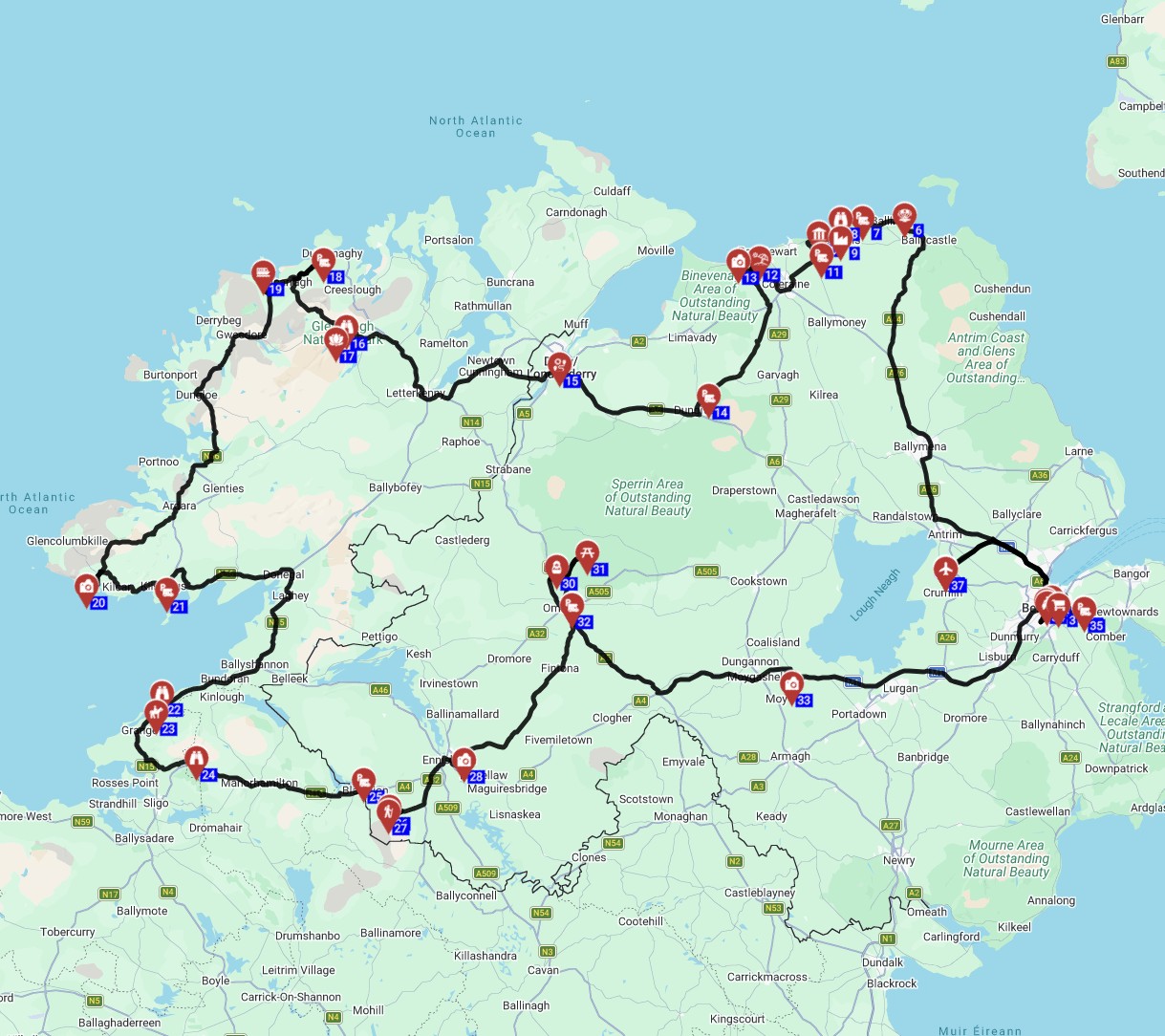
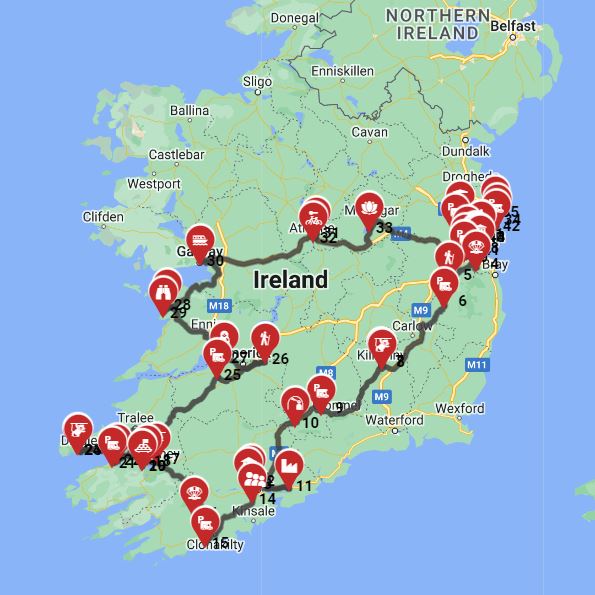
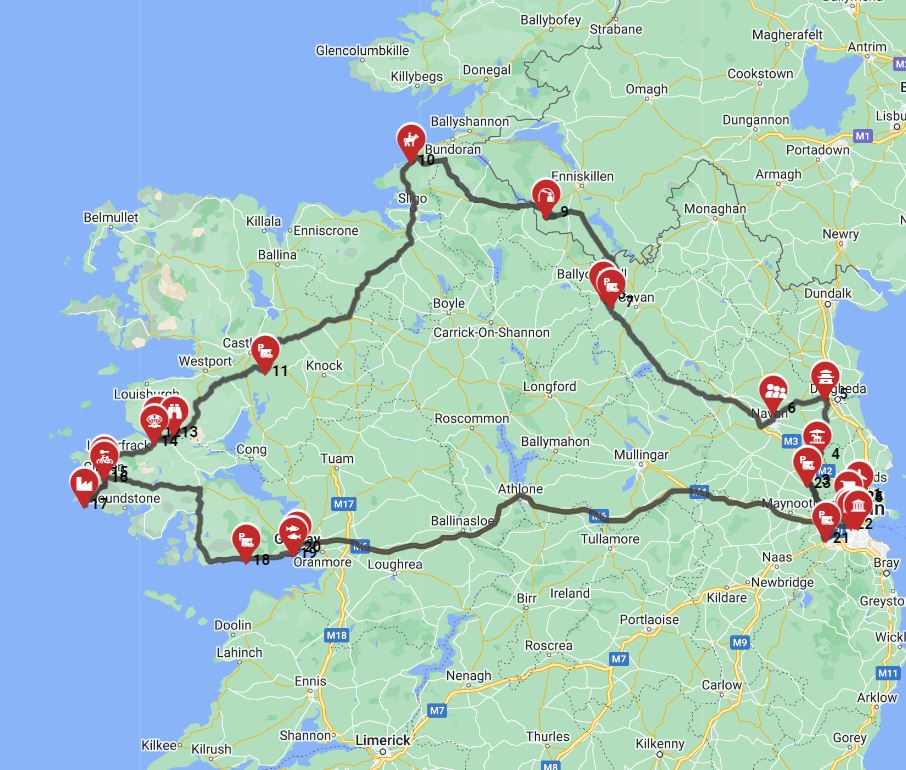
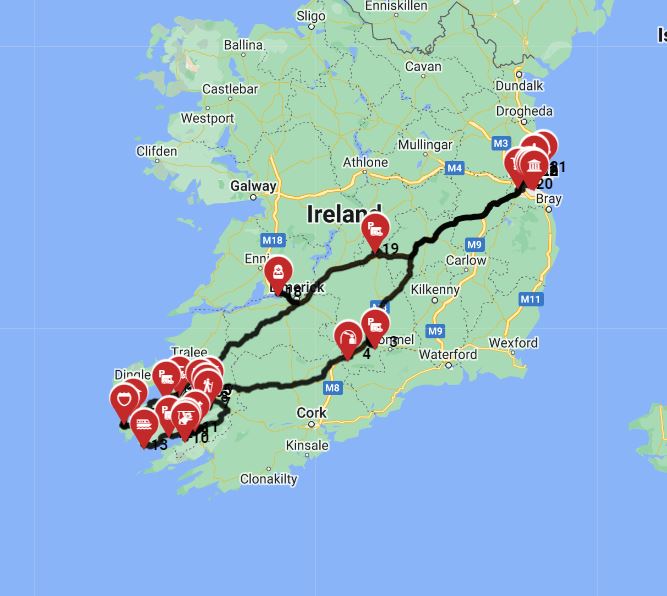
On the routes offered through RV PLANET routes, you can itemize and track every expense along the way for easy budgeting.