In This Guide
- Can You Drive an RV in France? License & Age Rules
- Road Conditions & Terrain in France
- RV Size Limits, Bridges & Restricted Zones
- Fuel: Diesel vs. Petrol & Cost per 100 km in France
- Tolls, Vignettes & Border Rules in France
- Driving Tips for Pet Friendly RV Travelers in France
- Recommended RV Class for France Roads
- Should I Choose a Compact Van Instead of a Large RV in France?
- Can I Park Anywhere? Free & Wild Camping Rules in France
- Can I Drive an RV Into the City Center in France? Heights, Tunnels & Local Signage
- How Much Does an RV Trip to France Cost?
- Do I Need a Visa to RV in France as a Non-EU Citizen?
- What RV Size is Best for French Roads?
- What Cultural Etiquette Should RVers Know in France?
- How Do I Stay Safe While RVing in France?
- How Do I Get Internet and Manage Utilities in an RV in France?
- How Can I Travel Sustainably by RV in France?
- Do RV Regulations Vary by Region in France?
- What are the Best Food and Drink Tips for RVers in France?
- How Can I Find Authentic Local Experiences with an RV in France?
- Top Cities for Pet-Friendly RV Rental in France
- What You Shouldn't Miss
Imagine yourself and your beloved furry companion winding through the picturesque French countryside, stopping at charming villages, or enjoying the serene coastline. A pet-friendly RV rental in France offers unparalleled freedom to explore this diverse and beautiful country at your own pace. With Bandana RV, we make sure your journey is as smooth and enjoyable as possible, providing full transparency with no hidden fees and dedicated support from real people who are true RV specialists.
France is an ideal destination for motorhome adventures, offering a rich blend of history, culture, and stunning natural landscapes. For live availability and current prices, start with our RV Rental France - Complete Guide 2026 guide. We’ve been helping tens of thousands of travelers explore the world by RV since 2001, fostering direct partnerships with over 50 leading RV suppliers worldwide, including trusted names like Apollo and Britz. Our mission is to handle the details so you can live the journey, ensuring you and your pet have an unforgettable French escapade.
Can You Drive an RV in France? License & Age Rules
Yes, you can absolutely drive a rented RV in France, with most standard B licenses allowing you to operate motorhomes up to 3,500 kg without issues. For rental purposes, drivers must typically be at least 21 years old, although some specific larger Class A motorhomes might have a higher age requirement of 25 years with certain suppliers. Non-EU citizens will need an International Driving Permit (IDP) in addition to their valid national license to drive in France, which is highly recommended even if not always strictly mandatory.
There are no young driver surcharges for RV rentals in France from Bandana RV, making it accessible for a wider range of travelers. Obtaining an IDP is a straightforward process in your home country, and it acts as a translation of your existing license, easing interactions with local authorities. Always carry both your national license and your IDP, along with your passport, when driving in France to ensure full compliance with local regulations.
Road Conditions & Terrain in France
France boasts an excellent road network, featuring well-maintained motorways (autoroutes), scenic national roads (routes nationales), and charming, albeit sometimes narrow, departmental roads (routes départementales). The terrain varies significantly across the country, from the flat plains of the Loire Valley to the rolling hills of Provence and the challenging mountain passes of the Alps and Pyrenees. Driving a rented motorhome, whether it's a compact campervan or a spacious Class C, can be managed with ease across these diverse landscapes.
While motorways are generally smooth and fast, rural roads and village streets can be narrower, often requiring slower driving and more careful navigation, especially with a larger RV and pets on board. There's no need to stress about driving in cities or through quaint towns; just use common sense, drive slowly and carefully, and pay attention to signage. You can drive almost anywhere without issues. Remember our philosophy to travel slowly- max 100-150 km per day on average, allowing you ample time to feel the place, connect to the culture, the food, and the scenery, without rushing your journey or your pet's comfort.
RV Size Limits, Bridges & Restricted Zones
Most rented RVs can navigate France's roads without major issues, but drivers must pay close attention to signage for height and weight restrictions, particularly under low bridges and in historic urban areas. Many French cities, including Paris and Lyon, have introduced environmental zones (Zones à Faibles Émissions or ZFEs) that require vehicles to display a Crit'Air sticker, restricting access for older, more polluting vehicles; ensure your rental complies or plan routes accordingly. Ferry services, especially to destinations like Corsica, may impose specific length, height, and weight limits for RVs, so booking in advance and checking these restrictions is crucial.
When selecting your pet-friendly RV, consider its dimensions for parking and city access. A Class C Alcove RV, like the "cruise america rv rental example Explorer" model, typically measures around 7.1 meters in length and 2.78 meters in width, which offers ample space for families of four while remaining manageable on most French roads. It is essential to communicate your travel plans with our true RV specialists during the booking process so we can help you choose the ideal vehicle that fits both your family and your pet's needs for comfortable exploration.
Fuel: Diesel vs. Petrol & Cost per 100 km in France
Diesel fuel (Gazole) is the most common type for RVs in France and is widely available at service stations across the country, making it the practical choice for most rental motorhomes. Bandana's global fleet of semi-integrated and alcove RVs typically consume between 10-12 liters per 100 km, while campervans, such as a "V3" model, average 8-10 liters per 100 km, offering more fuel efficiency for smaller groups.
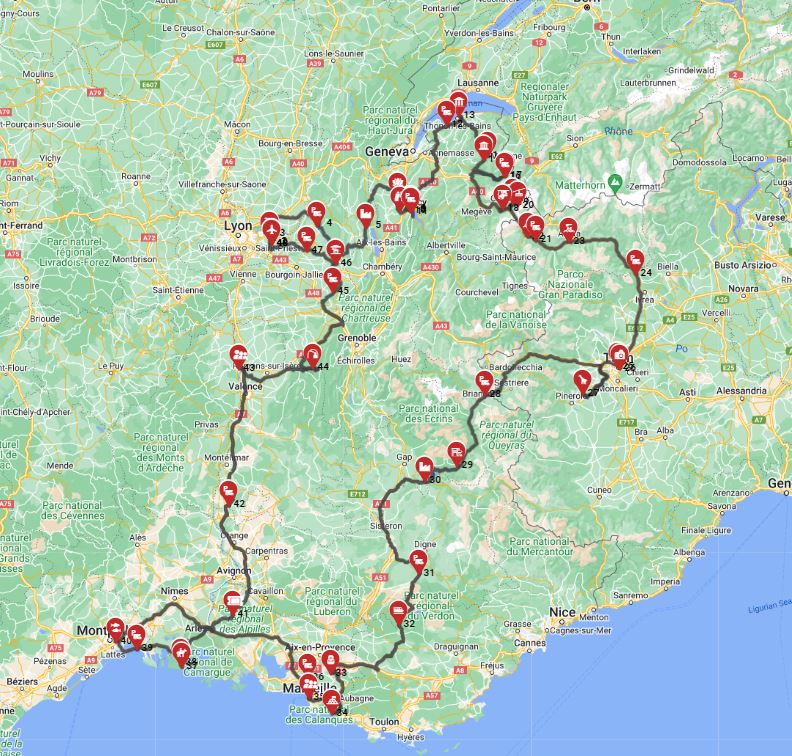
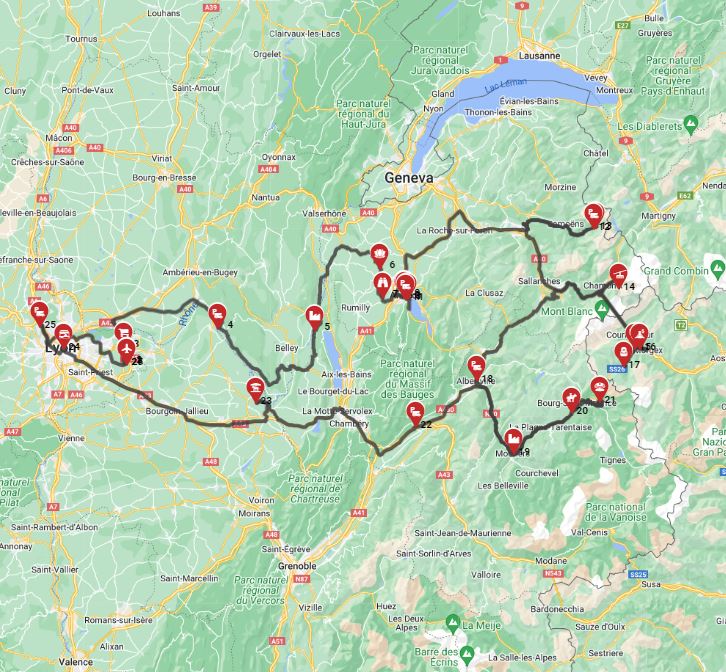
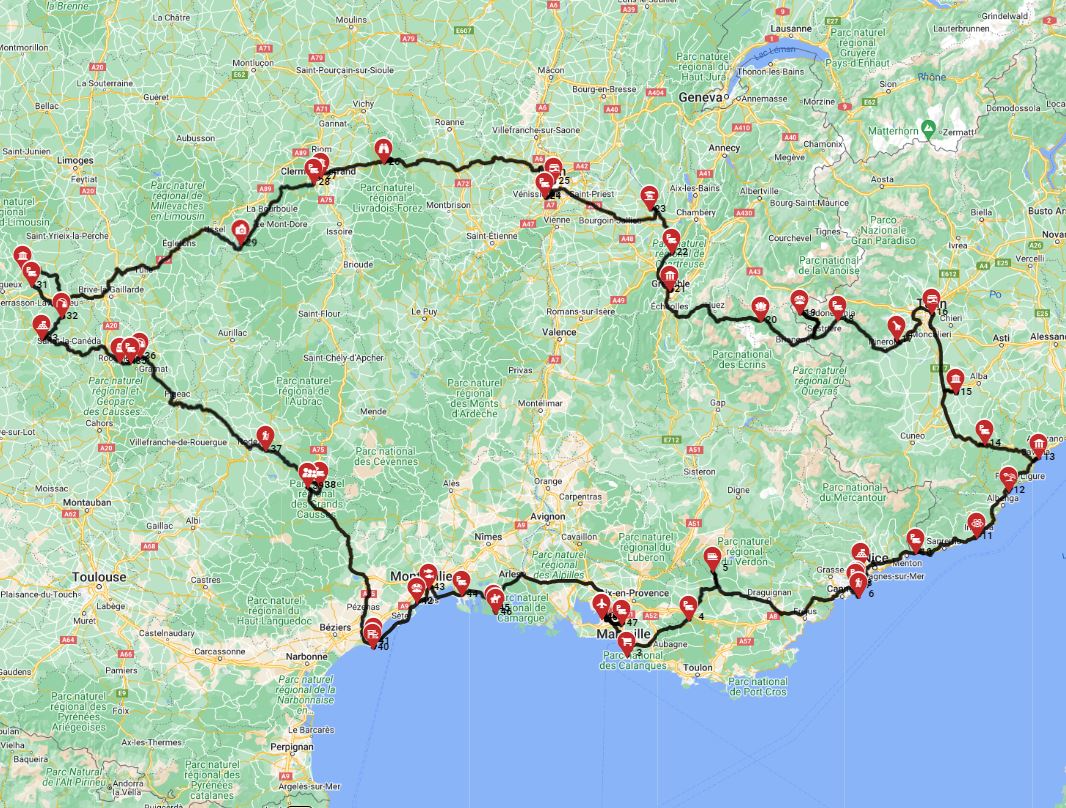
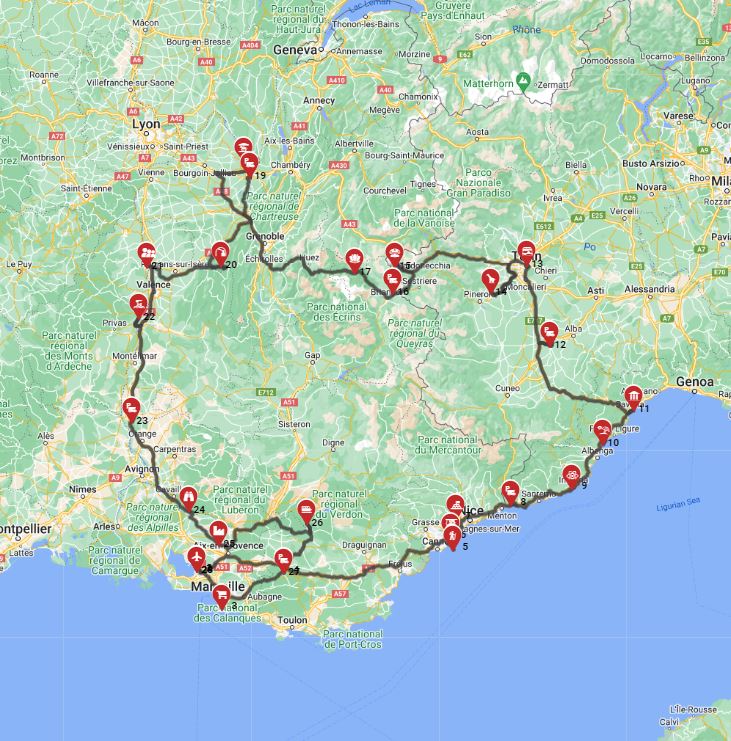
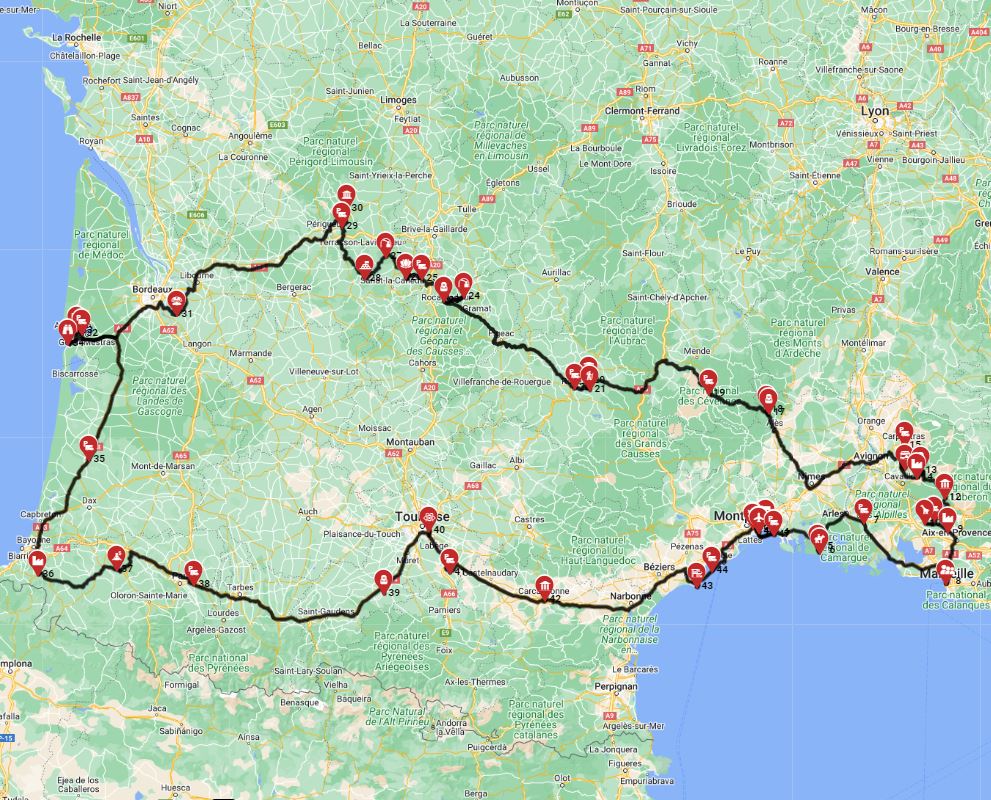
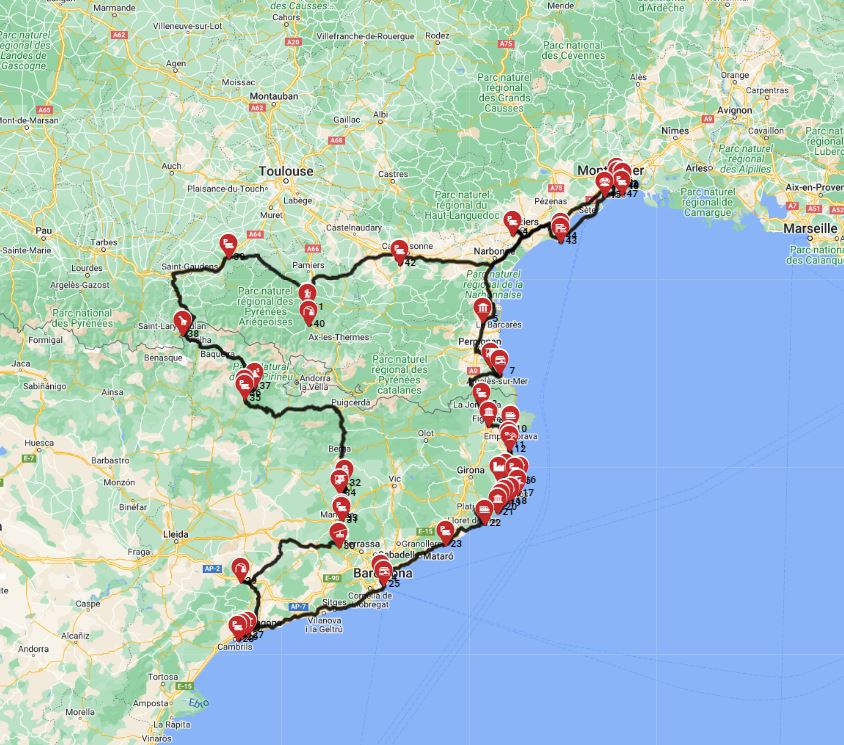
The cost per 100 km for an RV in France will fluctuate based on current fuel prices, but travelers can estimate by multiplying average consumption by the prevailing diesel price, a key part of comprehensive budgeting. When planning your route with RV PLANET routes, you can itemize and track every expense along the way for easy budgeting, including fuel, tolls, and campground fees. Fuel stations are plentiful along motorways and in towns, but it's always wise to refuel before heading into very rural or mountainous regions. On the routes offered through RV PLANET routes, you can itemize and track every expense along the way for easy budgeting.
Tolls, Vignettes & Border Rules in France
France's motorway network primarily operates on a toll system (péage), with most RVs classified as Class 2 vehicles, incurring higher fees than standard cars. Unlike some neighboring countries, France does not use a vignette system; tolls are paid per distance traveled or section used, manageable by cash, credit card, or electronic toll tag (like a 'Liber-t' badge for convenience). As part of the Schengen Area, border crossings between France and its EU neighbors are typically seamless, with no routine passport checks, simplifying multi-country RV itineraries for those holding appropriate travel documents.
Planning for tolls is an essential part of your budget; our RV Rental in France - Prices and Best Deals 2026 provides more information on overall costs. For seamless travel, consider acquiring an electronic toll tag before your trip or plan to use the manual lanes (marked with a green arrow or a credit card symbol) at toll booths. If your adventure extends beyond France, remember that our "RV Rental Europe - Complete Guide 2026" offers a broader overview of regulations for continent-wide travel.
Driving Tips for Pet Friendly RV Travelers in France
Planning for frequent stops every 2-3 hours to allow pets to stretch, hydrate, and relieve themselves is crucial for a comfortable pet-friendly RV trip in France, enhancing comfort and reducing stress for everyone. Ensure pets are safely secured during travel using appropriate harnesses, carriers, or crates, complying with safety regulations and preventing distractions. Familiarize yourself with local pet regulations, such as mandatory leashing in public areas and restrictions on pet access to certain attractions or beaches, which can vary by region.
Utilize RV-specific GPS navigation systems that account for vehicle dimensions to avoid unsuitable roads and parking areas, helping prevent unexpected detours or difficulties. Be prepared for slower driving speeds on winding rural roads and through charming, often narrow, French villages, allowing ample time for travel and sightseeing. Always keep fresh water and a bowl readily accessible for your pet, especially during warmer months, and carry proof of their vaccinations and a pet passport (for EU travel) or relevant health certificates for non-EU travelers.
🎬 Video coming soon
Recommended RV Class for France Roads
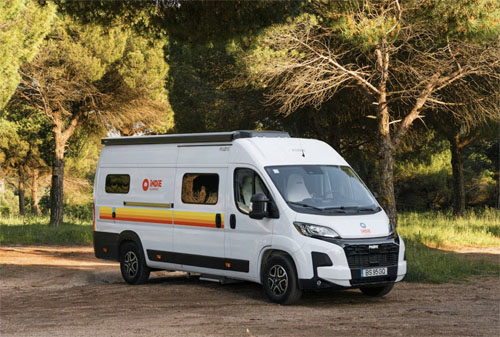
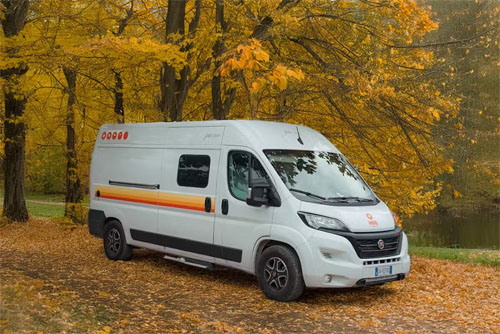
For pet-friendly travel in France, a Class SI - Semi-integrated RV is highly recommended, offering an average length of 6.9 meters and comfortable sleeping for 3-4 people, striking a balance between living space and maneuverability. These models, like the "2 Berth Rover" or "2 Berth Tamar," typically feature a comfortable living area, a compact kitchen, and a bathroom, providing all the necessary amenities for an extended road trip with your pet. The compact yet efficient design of semi-integrated motorhomes makes them well-suited for both motorways and navigating smaller towns and scenic routes.
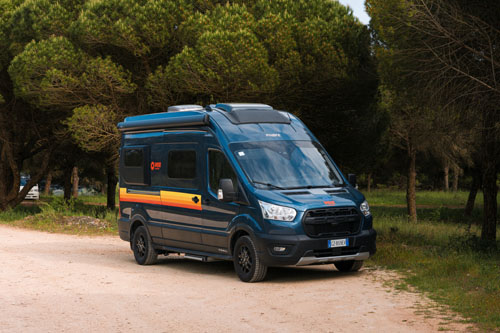
Alternatively, a Class C - Alcove RV, with an average length of 7.5 meters and sleeping for 4-6, provides more spacious living quarters and a dedicated bed over the cab, which can be ideal for families with larger pets requiring more room. These classes offer sufficient amenities for longer trips and pet comfort, while still being manageable on most French roads, avoiding the extreme length of some Class A models which might be less suited for very narrow roads or older town centers. Our goal is to help you select the perfect pet friendly rv rental in France that caters to your family's specific needs.
Should I Choose a Compact Van Instead of a Large RV in France?
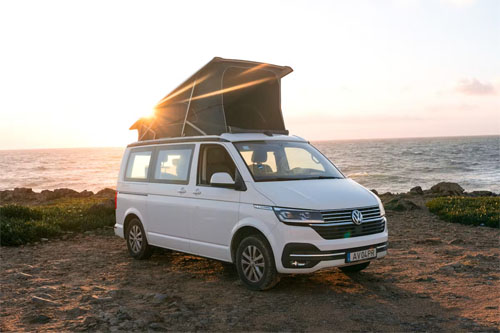
While a compact campervan (like Bandana's Class B models, averaging 5.8 meters in length, such as the "V3") offers superior maneuverability for navigating France's narrow village streets and parking in tight urban centers, a larger RV generally provides greater comfort and amenities essential for pet-friendly travel. A "Van - Economy" model, for instance, might be perfect for solo travelers or couples, but less ideal for pets needing more space to move around.
Opting for a larger RV, such as a Semi-integrated or Alcove model, provides more living space, a dedicated kitchen, and a bathroom, which significantly enhances the travel experience when sharing the space with pets. Consider a compact van if your itinerary prioritizes extensive city exploration and challenging mountain routes, but for overall comfort, pet space, and a more relaxed touring experience across diverse French landscapes, a larger RV often proves to be the better choice. Ultimately, the best choice depends on your travel style, the number of travelers, and your pet's specific needs.
Can I Park Anywhere? Free & Wild Camping Rules in France
Wild camping and free overnight parking in France are generally restricted and often prohibited, especially in protected areas, national parks, coastal zones, and private land. Travelers should utilize designated Aires de Service (service areas for RVs), municipal campsites, or private campgrounds for overnight stays, which offer necessary facilities like water, waste disposal, and electricity. Rules vary significantly by region and even municipality, making it crucial to always check local regulations and follow local law before parking overnight, as penalties for unauthorized camping can be significant.
For finding campsites and campgrounds during your trip, we recommend using RV PLANET (rvplan.net)- a great resource for locating available spots along your route. Many national and regional parks reserve only 25-30% of their spots, leaving the rest for first-come, first-serve arrivals, so don't be discouraged if a park looks fully booked online. You'll find a spot; if not at the first campground, then the next one. Just call ahead before driving to confirm availability, particularly when traveling with pets.
Can I Drive an RV Into the City Center in France? Heights, Tunnels & Local Signage
Yes, it is generally possible to drive an RV into French city centers, but drivers must be extremely vigilant for specific local signage indicating height limits, weight restrictions, and restricted access areas. Major cities like Paris and Lyon have environmental zones (ZFEs) and pedestrianized areas, where RV access may be restricted or require a valid Crit'Air sticker, so checking specific city rules beforehand is crucial. Always pay close attention to overhead signs for low bridges, tunnels, and narrow streets, particularly in older towns, and consider parking on the outskirts of major cities and using public transport to explore the center.
Driving slowly and carefully, and you can drive almost anywhere without issues. No need to stress- just use common sense and pay attention to signs. Many larger cities offer designated RV parking areas on their peripheries specifically designed for larger vehicles, which often provide convenient access to public transportation for city exploration. For example, when visiting the beautiful city of Annecy, it is often easier to park a rented motorhome just outside the historic center and walk or cycle in, enjoying the lakeside views without the worry of narrow streets.
How Much Does an RV Trip to France Cost?
The total cost of an RV trip to France includes rental fees, fuel (estimated from 8-12 liters per 100 km for Bandana's fleet), tolls, campsite fees (ranging from €15-€50+ per night depending on location and amenities), and pet-related expenses like specific pet-friendly campsite fees. Budgeting should also account for varying toll classes for RVs (Class 2 on motorways), food costs (leveraging local markets versus dining out), attractions, comprehensive travel insurance, and a contingency for unexpected expenses. Our "RV Rental in France - Prices and Best Deals 2026" guide provides more detailed information on typical expenditures.
On average, a pet-friendly RV trip to France can cost anywhere from €100-€200+ per day, depending on the RV class, itinerary, and spending habits, making a detailed budgeting guide essential for planning. For instance, a week-long trip during shoulder season (May or September) with a mid-size Class C motorhome like the "Explorer" might average around €1200-€1800 total, including typical expenses. Remember, prices are dynamic like flight tickets- they change daily based on availability, seasonality, and supplier marketing decisions, with the final price set at actual booking time. Our "Cheap RV Rental in France - Budget Guide 2026" offers more tips for optimizing your budget.
Do I Need a Visa to RV in France as a Non-EU Citizen?
Non-EU citizens generally do not need a visa for short stays (up to 90 days within any 180-day period) in France as part of the Schengen Area, provided their nationality has a visa-waiver agreement. For longer RV trips exceeding 90 days, non-EU citizens must apply for a specific long-stay visa before arriving in France, as Schengen rules strictly limit the duration of stay. It is crucial for non-EU RVers to carefully track their time within the Schengen Area and understand visa requirements to avoid overstaying, which can result in penalties or future travel restrictions.
Always verify the latest visa requirements with the French embassy or consulate in your home country well before your planned departure, as regulations can change. Having your passport, IDP, and proof of onward travel readily available is always recommended when traveling internationally by RV. This diligent preparation ensures your pet-friendly RV adventure through France, and potentially neighboring Schengen countries, remains hassle-free.
What RV Size is Best for French Roads?
The best RV size for French roads largely depends on your travel style and comfort preferences, with Semi-integrated (avg. 6.9m) and Alcove (avg. 7.5m) models offering a good balance of space for pet-friendly travel and manageable driving. These classes provide ample living space, a full kitchen, and a bathroom, which is often preferred by families or those on extended road trips. For example, a "Category Family 5" motorhome, approximately 7 meters in length, sleeps 6 and provides comfortable amenities for a family vacation.
Compact campervans (Class B, avg. 5.8m), such as a "Category Van" or the "V2L," excel in navigating very narrow village streets, mountain passes, and dense city environments, making them ideal for agile exploration and spontaneous detours. While larger Class A - Integrated RVs (avg. 7.5m or more, like a "Class A - Thor ACE 30") provide maximum comfort and storage for longer trips or larger families with pets, they may require more cautious navigation in extremely tight spots and often come with higher toll costs. We recommend discussing your itinerary with our specialists to match you with the perfect pet friendly rv rental in France.
What Cultural Etiquette Should RVers Know in France?
Understanding French cultural etiquette, such as greeting locals with 'Bonjour' (good day) or 'Bonsoir' (good evening) and using 's'il vous plaît' (please) and 'merci' (thank you), greatly enhances interactions, especially in rural areas. A polite and respectful approach goes a long way, and a simple "Excusez-moi" (excuse me) can smooth over any minor driving or parking inconveniences. When parking or staying at Aires or campsites, maintain cleanliness and quiet, particularly during 'heure de sieste' (siesta time) in the afternoon and late evenings, respecting local customs for a harmonious experience.
Be aware of dining customs; a respectful approach to meals, even in a rented RV, often involves appreciating local produce and wine. A simple 'bon appétit' is always appreciated, whether you're enjoying a meal at a local bistro or a homemade feast in your motorhome. Remember that "God is in the small details, and we take care of them. That's what makes the big difference" in creating a memorable cultural immersion during your pet-friendly RV trip in France.
How Do I Stay Safe While RVing in France?
To ensure safety while RVing in France, implement basic theft prevention measures such as securing valuables, locking doors, and parking in well-lit, designated areas or reputable campsites. Familiarize yourself with French road safety regulations, including mandatory reflective vests and warning triangles (easily purchased at most hypermarkets), and know the local emergency numbers (112 for all emergencies, 15 for medical, 17 for police, 18 for fire). Being prepared for potential breakdowns by having roadside assistance contact information readily available and understanding basic RV troubleshooting for prompt action is also highly recommended.
Always keep your pet secured while driving to prevent them from distracting the driver or becoming injured in case of sudden stops. When stopped, ensure your pet is leashed, especially in unfamiliar areas or near roads. Traveling slowly, max 100-150 km per day on average, also contributes to safety by reducing fatigue and allowing for more deliberate navigation. Our 24/7 support during the pre-booking and booking phase ensures you have all the necessary information and peace of mind before you even start your engine for your pet friendly rv rental in France.
How Do I Get Internet and Manage Utilities in an RV in France?
For internet access in an RV in France, purchasing a local prepaid SIM card with a data plan is often the most cost-effective and reliable option, offering better coverage than public Wi-Fi hotspots, especially in rural areas. Major French telecommunication providers like Orange, SFR, and Bouygues Telecom offer various prepaid options suitable for tourists, typically available at their stores or even in large supermarkets. Electrical hookups at French campsites typically use standard European two-pin plugs (Type E/F), so ensure you have the correct adapter and extension cables for 230V power, usually provided with your rental motorhome.
Waste disposal, including grey and black water management, is easily handled at Aires de Service and most campsites, which provide dedicated emptying points, ensuring responsible travel. These facilities are generally well-maintained and clearly marked. Fresh water refill points are also widely available at these locations. When you pick up your rented motorhome, our true RV specialists will walk you through all the onboard utility systems, ensuring you feel confident managing everything from the refrigerator (like the 170-liter unit in the "rv rentals utah example Sunrise Escape") to the toilet, allowing for a comfortable and self-sufficient adventure.
How Can I Travel Sustainably by RV in France?
To minimize environmental impact while RVing in France, prioritize waste reduction by sorting recycling diligently into designated bins, conserving water and electricity, and always disposing of waste at designated facilities. France has a robust recycling system, and separating your plastics, glass, paper, and organic waste is a simple but impactful way to contribute positively. Supporting local economies is also key; purchase produce from regional markets, dine at small, independent restaurants, and visit local artisans and businesses, which directly benefits the communities you explore.
Respect France's natural and historical sites by adhering to 'leave no trace' principles, staying on marked paths, and respecting signage at cultural landmarks. Avoid disturbing wildlife or natural habitats, and ensure any campfires are permitted and properly extinguished. By embracing these practices, your pet-friendly RV trip in France becomes a journey of appreciation and responsible tourism, leaving the beautiful country pristine for future visitors. Remember, the philosophy of Bandana RV is to "travel slowly- max 100-150 km per day," which naturally aligns with sustainable tourism by allowing deeper engagement with local environments and cultures.
Do RV Regulations Vary by Region in France?
Yes, RV regulations in France can vary significantly by region and even municipality, particularly concerning parking rules, overnight stays, and environmental access zones. For example, parking rules in coastal areas or popular tourist regions like the French Riviera might be stricter than in less-frequented inland areas, often restricting overnight parking in scenic spots or requiring specific permits. Environmental zones (ZFEs) and their specific requirements, such as Crit'Air sticker categories, can also differ between major cities, making it crucial to research local regulations for your specific itinerary.
Before traveling to specific areas like Ajaccio - Corsica or the charming towns of the Loire Valley, it is always wise to check the local tourism office websites or consult local RV-specific forums for the most up-to-date information. While the overall framework of French traffic laws applies nationwide, local ordinances can impact your choices for parking and overnight stays. This regional variation underscores the value of flexibility and planning when enjoying a pet-friendly RV rental in France, ensuring your journey remains enjoyable and compliant.
What are the Best Food and Drink Tips for RVers in France?
RVers in France should prioritize sourcing local produce from regional markets (marchés) for fresh, seasonal ingredients, which are more authentic and often more affordable than supermarkets. These vibrant markets, found in almost every town, offer an incredible array of cheeses, fresh breads, meats, and seasonal fruits and vegetables, perfect for preparing meals in your rented motorhome's kitchen. For some inspiration, check out our RV-friendly recipes playlist.
Explore France's renowned wine regions, following designated 'Routes des Vins' to discover local vineyards and enjoy tastings, remembering responsible consumption and driving at all times. Embrace simple, easy-to-prepare RV recipes using local ingredients like cheeses, baguettes, charcuterie, and fresh vegetables to enjoy authentic French flavors on the go. Whether you're in Agen enjoying local produce or in Angers tasting wine, savoring local specialties from the comfort of your rented campervan enhances the experience, and remember that our "RV Rental in France for Couples - Pricing 2026" guide often highlights culinary stops for a romantic escape.
How Can I Find Authentic Local Experiences with an RV in France?
To move beyond tourist traps and truly immerse yourself in French culture, leverage the flexibility of your rented RV to explore lesser-known regions and smaller towns off the main tourist routes, where authentic interactions and hidden gems often await. Seek out local markets (marchés), village festivals (fêtes), and community events that offer a genuine glimpse into regional traditions and daily life. You'll often discover these by simply driving through a village or checking local community boards.
Utilize resources like local tourism offices, which are usually well-stocked with information on regional attractions and events, and online forums for RVers to discover recommendations for unique activities, local restaurants, and scenic spots favored by residents. Programs like 'France Passion' allow you to stay overnight for free at farms and vineyards, offering a direct cultural exchange and a chance to taste local produce, truly connecting with the French way of life. This slow, immersive travel approach is exactly what a pet friendly rv rental in France is designed for.
Top Cities for Pet-Friendly RV Rental in France
France offers numerous fantastic starting points for your pet-friendly RV adventure, each providing unique access to different regions and attractions.
- Agen: Located in the heart of Nouvelle-Aquitaine, Agen is perfect for exploring the Lot-et-Garonne region's orchards, canals, and historic towns like Puy-l'Évêque. It's an excellent base for a tranquil, rural escape with your pet.
- Ajaccio - Corsica: For a coastal adventure, picking up your motorhome in Ajaccio on Corsica allows you to explore the island's dramatic landscapes, stunning beaches, and charming port towns. Many areas are pet-friendly, offering beautiful hiking trails. You can even fly into Ajaccio - Corsica Airport for convenience.
- Alencon: In Normandy, Alençon provides access to the verdant Perche Regional Natural Park, known for its rolling hills and picturesque villages. It's a great spot for nature lovers and their pets to enjoy serene drives.
- Angers: Situated in the Loire Valley, Angers is an ideal starting point for exploring majestic châteaux, vineyards, and the peaceful Loire River by RV. It's a region where cycling with your pet on tow paths is a popular activity.
- Annecy: This beautiful city in the French Alps offers breathtaking lake and mountain scenery. A rented motorhome here provides the freedom to discover alpine villages, hike scenic trails, and enjoy the pristine waters of Lake Annecy, with many outdoor activities suitable for pets.
- Auteuil: Close to Paris, Auteuil can be a convenient pickup location for those looking to start their trip near the capital before heading out to the countryside, blending urban access with rural exploration.
These cities offer diverse landscapes and experiences, ensuring that your chosen pet friendly rv rental in France can take you on the route that best suits your family and furry friends.
What You Shouldn't Miss
- The Lavender Fields of Provence: Drive your rented campervan through the Valensole Plateau in early summer (mid-June to mid-July) to witness endless fields of fragrant lavender. This iconic route offers breathtaking photo opportunities and charming villages.
- The Dordogne Valley's Châteaux and Caves: Explore the fairytale castles, medieval towns, and prehistoric cave art of the Dordogne region. Many outdoor sites are accessible with pets, and local markets are a delight for fresh produce.
- Driving the Alsace Wine Route: Wind through picturesque vineyards and flower-decked villages in your motorhome, stopping at local cellars for tastings (and perhaps a treat for your pet) and enjoying the unique Franco-German culture.
- Hiking in the French Alps: Discover stunning mountain landscapes, fresh alpine air, and countless trails suitable for you and your dog. Park your RV in a mountain-side campground and embark on unforgettable day hikes.
- Coastal Exploration in Brittany: Experience the rugged beauty of Brittany's coast, with its dramatic cliffs, sandy coves, and charming fishing villages. Many beaches have designated pet-friendly sections, perfect for a stroll with your companion.
- The Gorges du Verdon: Navigate Europe's grand canyon, with its turquoise waters and impressive cliffs. Enjoy scenic drives, watersports, and hiking trails, offering an active and adventurous experience for the whole family, including your pet.
Looking for expert insights from Avi Bandana? Top 5 Adventures - recommendations from Avi Bandana.
Final Thoughts
Embarking on a pet-friendly RV adventure in France is truly an experience of a lifetime. The freedom of the open road, combined with France's rich culture and diverse landscapes, creates unforgettable memories for you and your beloved pet. From the sun-drenched beaches of Corsica to the rolling vineyards of Alsace, your rented motorhome offers the perfect home-on-wheels.
At Bandana RV, we're passionate about helping you craft that perfect journey. With our transparent pricing, expert advice, and dedication to ensuring every detail is covered, you can book your pet friendly rv rental in France with complete confidence. So, why wait? Start dreaming, start planning, and get ready to discover the magic of France with your best friend by your side.
Discover top destinations, planning tips, all in one place! Check France RV Rental Prices Now.