In This Guide
- Can You Drive an RV in Europe? License & Age Rules
- Road Conditions & Terrain in Europe
- RV Size Limits, Bridges & Restricted Zones
- Fuel: Diesel vs. Petrol & Cost per 100 km
- Tolls, Vignettes & Border Rules
- Driving Tips for pet friendly rv rental Travelers
- Recommended RV Class for Europe Roads
- Should I Choose a Compact Van Instead of a Large RV in Europe?
- Can I Park Anywhere? Free & Wild Camping Rules in Europe
- Can I Drive an RV Into the City Center? Heights, Tunnels & Local Signage
- What is the 3-3-3 rule for RV travel?
- Can you drive an RV in Europe?
- Can I take my dog to France in a motorhome?
- Can you sleep anywhere in a campervan in Europe?
- Which country in Europe is most dog friendly?
- Is Europe RV friendly?
- Can Americans get an EU pet passport?
- Can any vet issue an EU pet passport?
- Can I travel with my dog from the USA to Europe?
Europe is an incredible continent to explore with your furry best friend by your side in a rented motorhome or campervan. Imagine waking up to a breathtaking mountain view with your dog by your feet, preparing a fresh breakfast in your mobile kitchen, and heading out for an epic hike. This comprehensive guide will equip you with the essential knowledge for a smooth and enjoyable pet-friendly RV trip across Europe. For live availability and current prices, start with our RV Rental Europe - Complete Guide 2026 guide.
Can You Drive an RV in Europe? License & Age Rules
Most standard B-category driving licenses from non-EU countries are valid for RVs up to 3,500 kg (7,700 lbs) in Europe for short-term stays, typically requiring an International Driving Permit (IDP) alongside your national license. For motorhomes over 3,500 kg, a C or C1 license category is usually required, depending on the country and specific vehicle weight, so always check the gross vehicle weight (GVW) of your chosen rental. The minimum driver age for pet friendly RV rentals in Europe is generally 21, and thankfully, Bandana offers transparent booking with no young driver surcharges or vehicle class restrictions based on age. Always carry your physical national driving license, an IDP (if applicable), and your passport/ID, as these may be checked by rental companies and local authorities. As your true RV specialists, we ensure you have all the information upfront, so there are no surprises about licensing and age requirements when you pick up your campervan.Road Conditions & Terrain in Europe
European roads generally range from excellent multi-lane motorways (Autobahns, Autoroutes) to narrower country lanes and challenging mountain passes, all of which are suitable for rented RV travel, though larger vehicles might navigate some older town centers with more caution. Pet-friendly RV travel encourages a slower, more scenic pace, allowing for frequent stops at dog parks, natural areas, and designated rest stops, which often feature pet relief areas. Mountainous regions, particularly in the Alps, Pyrenees, and Dolomites, offer stunning views but may present steep inclines, sharp bends, and occasional unpaved sections; ensure your rented RV is capable and drive conservatively. While main roads are well-maintained, be prepared for charming cobblestone streets in historic towns, gravel paths leading to secluded campsites, and varying road surfaces, especially in rural or less-developed areas. Remember to travel slowly, aiming for a maximum of 100-150 km per day on average, to fully feel the place and enjoy the journey.RV Size Limits, Bridges & Restricted Zones
Rented RVs in Europe are generally well-accommodated, but drivers must be aware of specific height, width, and weight restrictions, particularly on older roads, in tunnels, under low bridges, and within historic city centers. Low Emission Zones (LEZs) are prevalent in many European cities, requiring vehicles to meet specific emission standards or purchase a permit/vignette to enter, with fines for non-compliance; always check zone requirements for your route and rental vehicle's emission class. Drive slowly and carefully, and you can drive almost anywhere without issues. No need to stress - just use common sense and pay attention to signage. Ferry travel, common for island hopping or crossing bodies of water, imposes length, height, and weight limits, often with higher fees for larger RVs; always book in advance and confirm your rental vehicle's dimensions. Typical height limits in tunnels and under bridges can range from 3.5m to 4.5m, though some older structures may be lower; always observe local signage carefully to avoid damage to your rented RV. Our full transparency promise means you won't encounter hidden fees or surprises related to size or zone access if you research in advance.Fuel: Diesel vs. Petrol & Cost per 100 km
Most RVs in Europe, including many in Bandana's fleet, run on diesel, which is widely available at service stations across the continent. Bandana's Class SI - Semi-integrated RVs typically consume 10-11 Liters/100 km, while Class C - Alcove models average 10-12 Liters/100 km, and Class B - Camper Vans usually achieve 8-10 Liters/100 km. Fuel costs in Europe are generally higher than in the USA, varying significantly by country; for example, diesel prices in 2026 average around €1.60-€2.00 per liter. Some rental companies may offer fuel discount cards, and planning your route to refuel in countries with lower fuel taxes can help manage overall costs. For detailed cost tracking and budgeting for fuel, tolls, and other expenses, remember that RV PLANET routes allow you to itemize and track every expense along the way.Tolls, Vignettes & Border Rules
European road tolls are common and vary by country, with systems ranging from traditional barrier tolls (e.g., France, Italy) to time-based vignettes (e.g., Switzerland, Austria, Czech Republic) and electronic systems (e.g., Portugal, Scandinavia). A vignette is a sticker or digital pass required for specific periods (e.g., 10 days, 1 month, 1 year) to use motorways in certain countries; failure to display a valid vignette can result in substantial fines. Bandana ensures full transparency in all pricing, so you'll know what to expect. Some RV rental providers, including Bandana partners, allow pre-purchasing toll passes or electronic transponders, which can offer convenience and prevent fines, especially for frequent motorway users. While physical border checks within the Schengen Area are rare, always carry your passport, driving license, RV rental documents, and pet travel documents, as occasional stops or checks at external borders are possible. If you're exploring options like One-Way RV Rental in Europe - Price Guide 2026, factor in potential toll variations across borders.Driving Tips for pet friendly rv rental Travelers
For pet-friendly travel in a rented RV, planning stops every 2-3 hours for your dog to stretch its legs, hydrate, and relieve itself is crucial, ensuring a comfortable journey for all. Understanding local regulations is essential; research country-specific rules for RVs, such as mandatory reflective vests, warning triangles, fire extinguishers, and headlamp beam converters, as required in many European nations. Utilize GPS apps that show Low Emission Zones and plan your route to avoid them or purchase necessary permits/vignettes in advance; consider pre-purchasing toll passes with your RV rental to streamline travel and avoid fines. Be mindful of local customs, such as appropriate noise levels at campsites, proper waste disposal, and pet leash laws, to ensure a respectful and enjoyable experience. Always confirm your rental RV's insurance policy details, including comprehensive coverage, liability, and any specific endorsements for international travel or pet damage, considering upgrading to a top-level deductible for extra peace of mind. Our team is with you before and during the booking process to support these important planning steps.Recommended RV Class for Europe Roads
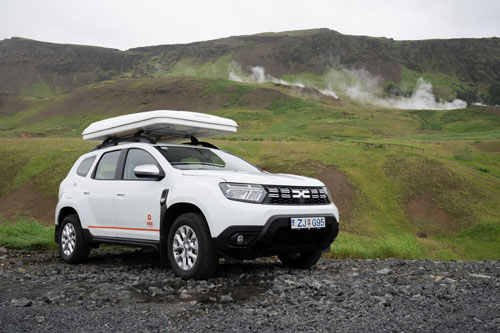
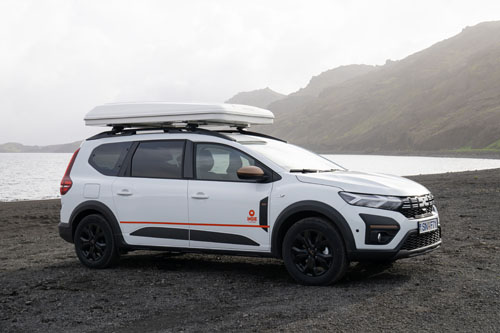
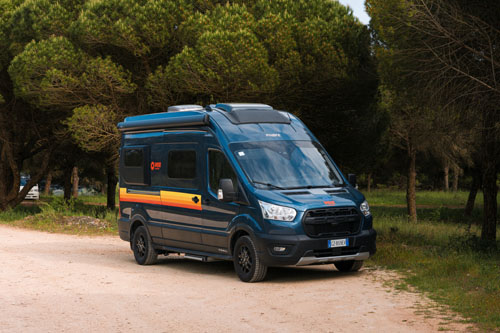
For pet-friendly travel in Europe, a Class B - Camper Van or Class SI - Semi-integrated RV is generally recommended due to their balanced size, maneuverability, and comfort. Class B - Camper Vans, with an average length of 5.8m, offer excellent agility for navigating smaller towns and winding country roads while providing sufficient space for 2-3 adults and a pet. Class SI - Semi-integrated models, averaging 6.9m in length, provide more living space and amenities, which can be ideal for longer trips with pets, without being overly cumbersome on European roads. While larger Class C - Alcove (avg. 7.5m) and Class A - Integrated (avg. 7.5m) motorhomes offer more sleeping places and load capacity, their increased length can make navigating very narrow streets or tight parking spots more challenging. For instance, a '24' Class C Motorhome' (sleeping 5) offers ample space for families with pets, while a 'Combi Van' (sleeping 4) provides better maneuverability for couples.Should I Choose a Compact Van Instead of a Large RV in Europe?
While Europe's roads are generally accommodating, a compact campervan offers superior maneuverability in very tight historic city centers, narrow mountain passes, and for easier parking. For pet owners, a compact van's smaller footprint might mean less interior space for your dog to move freely, especially on longer journeys or during inclement weather, compared to a larger motorhome. Ultimately, the choice depends on your priorities: a compact van excels in agility and accessing restricted areas, whereas a larger RV provides more comfort, storage, and amenities like a full bathroom and kitchen, which can significantly enhance a pet-friendly trip. Most mid-sized RVs, such as the semi-integrated Class SI models, offer a good compromise, providing adequate comfort and space without sacrificing too much maneuverability for general European travel. Consider the 'Group A' (sleeping 4) campervan for nimble city exploration, or a 'Group D' (sleeping 5) Class C motorhome for more space without being excessively large.Can I Park Anywhere? Free & Wild Camping Rules in Europe
Wild camping or free camping in a rented RV is generally restricted or outright illegal in many Western and Central European countries, including Germany, the Netherlands, and Switzerland. Rules vary significantly by region; while some countries like Norway, Sweden, and parts of France have more relaxed 'right to roam' laws allowing for overnight stays with restrictions, others enforce strict no-wild-camping policies. Designated campervan parking areas (Stellplätze in Germany, Aires de services in France) offer safe, often free or low-cost overnight parking with basic services, and are a legal alternative to wild camping. Always research local regulations for your specific destination, look for signage, and consider using apps like Park4Night to find legal overnight parking spots; breaking local laws can result in fines. For finding campsites and campgrounds during your trip, we recommend using RV PLANET (rvplan.net) - a great resource for locating available spots along your route.Can I Drive an RV Into the City Center? Heights, Tunnels & Local Signage
Yes, you can almost always drive a rented RV into European city centers, but it requires careful attention to local signage, which often indicates height limits, environmental zones, narrow street restrictions, and residents-only access. Be particularly vigilant for height and width restrictions when approaching tunnels, underpasses, and historic gateways, as seen in many ancient cities where RVs may be restricted. Many European cities have Low Emission Zones (LEZs) that restrict access for older or less environmentally friendly vehicles; ensure your rental RV complies or has the necessary permit. Drive slowly and carefully, and you can drive almost anywhere without issues. No need to stress - just use common sense and pay attention. Look for specific signage indicating RV parking (often on the outskirts), or park in designated car parks, being aware of any size or time restrictions; public transport is often a better option for exploring congested urban areas after parking your motorhome.What is the 3-3-3 rule for RV travel?
The 3-3-3 rule for RV travel is a widely adopted guideline encouraging safe and enjoyable journeys: drive no more than 300 miles (approximately 480 km) per day, arrive at your destination by 3 PM, and stay for at least 3 nights. This rule is particularly beneficial for pet-friendly RV travel as it reduces driving fatigue for the driver and minimizes stress for pets by establishing a routine and allowing ample time to settle into new surroundings. Sticking to 300 miles or less per day ensures you have time for spontaneous stops, pet breaks, and avoids rushing, which is especially important on winding European roads. Arriving by 3 PM allows daylight hours for campsite setup, exploring the local area with your pet, and addressing any unexpected issues, while staying 3 nights provides a relaxing pace and a chance to truly experience a location without constant packing and unpacking.Can you drive an RV in Europe?
Yes, driving a rented RV in Europe is a popular and rewarding way to explore the continent, offering flexibility and access to diverse landscapes and cultures. Europe's well-developed road network, numerous campsites, and designated RV parking areas make it highly accommodating for motorhome travel, including options for pet-friendly rentals. While you can drive an RV, be aware that vehicle dimensions, specific driving license requirements, and local road rules can vary by country; detailed license information is covered in the 'Can You Drive an RV in Europe? License & Age Rules' section. Navigating European cities with larger RVs can be challenging due to narrow streets and Low Emission Zones, but careful planning and using public transport into city centers can mitigate these issues. If you’re considering a long-term trip, our RV Rental in Europe - Prices and Best Deals 2026 provides valuable insights into budgeting. For families seeking cultural immersion and outdoor fun, consider the 'Toulouse Round trip - European Charms & Family Delights' itinerary, a 15-day, 2088.7 km route that includes an amusement park, an aquarium, 2 historical sites, and a zoo, ensuring plenty of pet-friendly stops. Another fantastic option is the '
Vienna Roundtrip - The epic Eastern European Christmas markets
Can I take my dog to France in a motorhome?
Yes, you can absolutely take your dog to France in a rented motorhome, provided you meet the specific pet import requirements set by the European Union and France. Your dog must be microchipped with an ISO-compliant microchip, have an up-to-date rabies vaccination administered after microchipping, and possess an EU pet health certificate issued by a USDA-accredited vet (if traveling from outside the EU). France is generally a dog-friendly country with many campsites, national parks, and even some restaurants welcoming well-behaved dogs, making it an excellent destination for pet-friendly RV travel. Always ensure your dog is on a leash in public areas, carry 'poop bags,' and be aware that some specific attractions or beaches may have restrictions for pets. For planning your journey, consider resources like RV PLANET which offers pet-friendly routes and camping options for Motorhome Rental in France - Prices, Routes & Tips 2026.Can you sleep anywhere in a campervan in Europe?
No, you generally cannot sleep anywhere in a rented campervan in Europe; 'wild camping' or 'free camping' rules vary significantly by country and region, often being illegal or heavily restricted. While some Northern European countries like Norway and Sweden have more permissive 'right to roam' laws allowing overnight stays in undeveloped areas, most of Western and Central Europe strictly regulate overnight parking outside of designated campsites. It is crucial to consult local regulations for each specific country and even local municipality you plan to visit, as fines can be substantial for illegal overnight parking. For detailed information on legal overnight parking, including designated Stellplätze or Aires, please refer to the 'Can I Park Anywhere? Free & Wild Camping Rules in Europe' section above.Which country in Europe is most dog friendly?
While 'most dog friendly' can be subjective, countries like France, Germany, Italy, Austria, and Switzerland are widely considered excellent destinations for pet owners traveling by rented RV in Europe. France offers numerous dog-friendly campsites, a relaxed attitude towards pets in many public spaces, and beautiful natural parks ideal for walks. Germany is known for its well-maintained walking trails, dog parks, and a generally pet-welcoming culture, with good access to veterinary services. Switzerland and Austria boast stunning alpine landscapes perfect for hiking with dogs, and often have specific pet-friendly accommodations and transport options. Factors contributing to a country's dog-friendliness include accessibility to vets, acceptance in public places (e.g., transport, restaurants), availability of pet-friendly accommodations and activities, and clear leash laws. For an unforgettable adventure, the '
Rovaniemi Roundtrip - End of Europe scenic roads
Is Europe RV friendly?
Yes, Europe is generally very RV friendly, offering a fantastic infrastructure for motorhome travel, including an extensive network of campsites, service areas (Aires/Stellplätze), and well-maintained roads. The continent's compact size means you can visit multiple countries and experience diverse cultures within a single RV trip, often with relatively short driving distances between points of interest. While generally friendly, navigating certain historic city centers can be challenging due to narrow streets and environmental zones, and specific country regulations regarding tolls, wild camping, and required equipment vary. The availability of pet-friendly rental RVs and numerous destinations that welcome dogs further enhances Europe's appeal for those traveling with their furry companions. Bandana's direct partnerships with over 50 leading RV suppliers worldwide ensure a wide selection of vehicles, making your European RV adventure effortless. For a budget-conscious trip, check out our Cheap RV Rental in Europe - Budget Guide 2026.Can Americans get an EU pet passport?
No, American citizens cannot directly obtain an EU pet passport, as these documents are exclusively issued by authorized veterinarians within EU member states to pets residing in the EU. Instead, American pet owners traveling to Europe must obtain an EU health certificate, also known as an Animal Health Certificate (AHC), issued by a USDA-accredited veterinarian in the United States. This EU health certificate serves as the official travel document for pets entering the EU from non-EU countries like the USA, validating their microchip, rabies vaccination, and overall health. The certificate is valid for 10 days for entry into the EU from the date of issuance and for onward travel within the EU for four months or until the rabies vaccination expires, whichever comes first. This process ensures full transparency and compliance with European pet import regulations.Can any vet issue an EU pet passport?
No, not any veterinarian can issue an EU pet passport; these passports can only be issued by an authorized or official veterinarian within an EU member country. If you are traveling from a non-EU country like the USA, a different document - an EU health certificate (AHC) - is required, and this must be issued by a USDA-accredited veterinarian and then endorsed by a USDA Veterinary Services office. The EU pet passport system is designed for pets residing permanently in the EU or those re-entering the EU after short trips to non-EU countries, simplifying subsequent travel within the EU. Ensuring your veterinarian is accredited and understands the specific requirements for international pet travel to Europe is crucial for a smooth entry process. We're here to support you in comparing options and coordinating your booking seamlessly.Can I travel with my dog from the USA to Europe?
Yes, you can travel with your dog from the USA to Europe, but it requires careful planning and adherence to specific European Union import regulations. Key requirements include an ISO-compliant microchip for identification, an up-to-date rabies vaccination administered after microchipping, and an EU health certificate (Animal Health Certificate) issued by a USDA-accredited vet and endorsed by a USDA Veterinary Services office. These regulations are designed to prevent the spread of diseases and ensure the safety of both animals and people; failure to meet them can result in your pet being quarantined or denied entry. Always check the latest specific requirements for your destination country, as regulations can occasionally be updated or have country-specific nuances, and consult with your veterinarian well in advance of your travel date. For more exclusive options, explore Luxury RV Rental in Europe - Premium Prices 2026.What You Shouldn't Miss
- Explore the Alps in Austria and Switzerland: Drive through breathtaking mountain passes in a rented campervan, stopping at charming alpine villages like Hallstatt (Austria) or Lauterbrunnen (Switzerland), which offer stunning views and pet-friendly hiking trails.
- Discover the Coastal Beauty of Croatia: Navigate the scenic Dalmatian coast with your motorhome, visiting historic cities like Split and Dubrovnik, and finding secluded beaches where your dog can enjoy the crystal-clear waters.
- Wander through the Black Forest, Germany: Immerse yourselves in the fairy-tale landscapes of Germany's Black Forest, with ample opportunities for forest walks and visits to picturesque towns such as Triberg, many of which welcome pets.
- Journey through Tuscany's Rolling Hills, Italy: Experience the heart of Italy in a rented RV, exploring vineyards, ancient towns like Siena and San Gimignano, and savoring local food. Many agriturismos offer pet-friendly stays. You can even whip up some RV-friendly recipes playlist with local ingredients!
- Visit the Fjords of Norway: Drive through dramatic landscapes, marveling at the towering fjords and cascading waterfalls. Many hiking routes are dog-friendly, offering incredible outdoor adventures for you and your pet.
Final Thoughts
Traveling through Europe with your beloved pet in a rented RV is an unparalleled adventure, offering freedom and flexibility to create lasting memories. From navigating historical city centers to unwinding in serene natural parks, a motorhome provides a comfortable and convenient home on wheels for both you and your furry companion. While planning involves understanding licensing, road conditions, and pet import rules, the journey itself is incredibly rewarding. Remember, Bandana Caravan is here to support you every step of the way, offering full transparency and expert guidance. We handle the details, you live the journey, ensuring your pet-friendly European road trip is nothing short of spectacular. So pack your bags, leash up your best friend, and get ready to discover the diverse charms of Europe with the open road stretching before you.🎬 Video coming soon
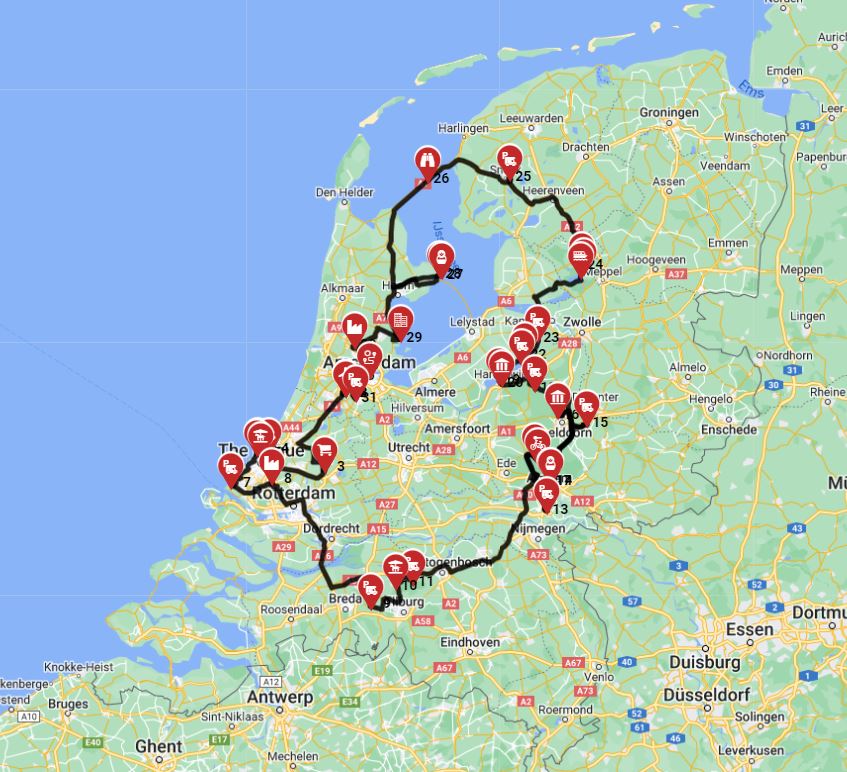
On the routes offered through RV PLANET routes, you can itemize and track every expense along the way for easy budgeting.