In This Guide
- Top 5 Tips for one way rv rental RV Rental in West Europe
- Before You Book - Class, Dates, Insurance
- Pre-Trip Prep - Packing Checklist for West Europe
- On the Road - Driving, Fueling, Navigation
- At the Campground - Setup, Hookups & Etiquette
- one way rv rental-Specific Tips for West Europe
- Common Mistakes to Avoid in West Europe
- How much does it cost to RV in Europe for a month
- What is the best way to travel Europe in an RV
- What is the best time of year to RV in Europe
- Is it easy to drive an RV in Europe
- Is wild camping legal in Europe RV
- What are the rules for driving an RV in Europe
- Sustainable and Responsible RV Travel in West Europe
Embarking on a one-way RV adventure through West Europe offers unparalleled freedom, allowing you to immerse yourself in diverse cultures and breathtaking landscapes at your own pace. Imagine winding through the scenic routes of the French countryside, waking up to Alpine views in Switzerland, or exploring coastal towns in Portugal, all from the comfort of your rented motorhome.
For live availability and current prices, start with our RV Rental West Europe - Complete Guide 2026 guide. Bandana RV has been helping tens of thousands of travelers explore the world by rented RV since 2001, providing a transparent and supportive booking experience. We're true RV specialists, not just a side department of a travel agency, meaning we genuinely know RV travel and love helping people discover its joys.
Top 5 Tips for one way rv rental RV Rental in West Europe
Planning your one-way RV rental in West Europe requires careful consideration of various factors to ensure a smooth and enjoyable trip. First, meticulous route planning is essential, including accounting for potential border crossings and varying country-specific regulations like mandatory equipment or low-emission zones. Second, secure your preferred motorhome or campervan well in advance, especially if you're traveling during peak season, to access the best selection and rates.
Third, familiarize yourself with European road signs and speed limits, which can differ significantly from what you might be accustomed to, and understand city access rules like ZTLs (Limited Traffic Zones) to avoid fines. Fourth, comprehend waste disposal etiquette and locate designated service points for grey and black water before you need them, using resources like RV PLANET (rvplan.net) to find available spots. Finally, budget realistically for all potential costs, including dynamic fuel prices, road tolls, and varying campsite fees, as these can add up on a multi-country one-way journey across West Europe. On the routes offered through RV PLANET routes, you can itemize and track every expense along the way for easy budgeting.
Remember, travel slowly, aiming for a maximum of 100-150 km per day on average, to truly connect with the culture, food, and scenery of West Europe.
Before You Book - Class, Dates, Insurance
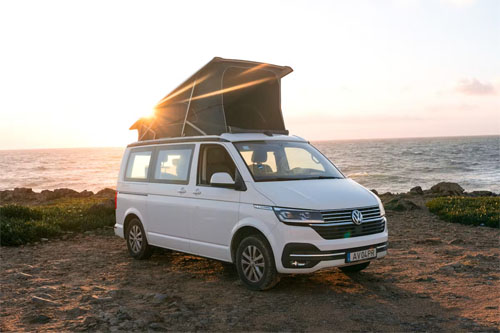
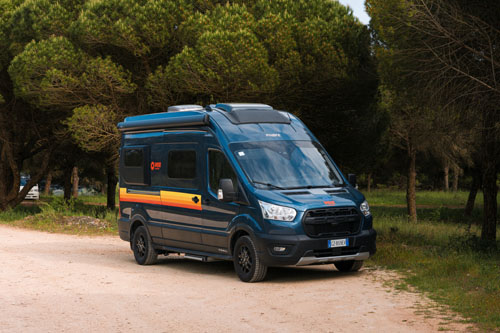
Choosing the right RV class for a one-way trip in West Europe involves balancing comfort, maneuverability on narrower roads, and fuel efficiency. For couples or solo travelers, a compact campervan like the "Luxury RV Rentals Example Carthago Malibu 600" or a "RV Rental Denver Example Category Van" offers excellent fuel economy (e.g., 8-11 liters/100 km) and easier navigation through historic towns. Families or larger groups might prefer a Class C motorhome, such as a "Cruise America RV Rental Example Explorer" (sleeping 4) or a "Group I" model (sleeping 6), which typically provides more living space, a full kitchen, and a shower/toilet, though they are larger and require more careful city driving. You can compare different options and prices, including those for a "One-Way RV Rental in West Europe - Price Guide 2026", on our platform.
Locking in dates for your one-way RV rental should happen as early as possible, especially if your travel dates are fixed or fall during popular holiday periods (June-August). Many pre-planners secure their bookings 3-6 months ahead to ensure availability and potentially lower prices, often saving up to 25%. However, spontaneous travelers can still find last-minute availability, as many national and state parks reserve only 25-30% of spots for advance booking, leaving the rest on a first-come-first-serve basis. You'll find a spot; if not at the first campground, then the next one. Just remember to call ahead before driving.
Basic insurance is always included with your RV rental. For extra peace of mind, you can upgrade to a top-level deductible for more comprehensive coverage during your one-way journey through West Europe. When searching on our platform, you can select the most comprehensive coverage option, and all relevant insurance details will be clearly shown, ensuring full transparency with no hidden fees or surprises.
Pre-Trip Prep - Packing Checklist for West Europe
A comprehensive packing checklist tailored for a West Europe RV adventure ensures you are prepared for varied climates and practical RV living. While many rental motorhomes, such as a "Group C" or "F2" model, come with basic kitchenware and linens, it is wise to confirm with your supplier what is included. Essential documents like your passport, domestic driver's license, and an International Driving Permit (IDP) - recommended for non-English speaking countries - are paramount. If you're traveling with pets, remember their passports and any necessary veterinary records for smooth border crossings.
For clothing, pack versatile layers suitable for fluctuating European weather, from cool mornings in the Alps to warm afternoons on the Mediterranean coast. Think waterproof jackets, comfortable walking shoes, and adaptable outfits. Don't forget adapters for European electrical outlets (Type F or E) if you plan to use shore power at campgrounds. For cooking on board your campervan, a diverse selection of ingredients allows for delightful meals; check out our RV-friendly recipes playlist for inspiration. Consider a small first-aid kit, reusable shopping bags, and a basic toolkit for minor on-the-road adjustments. A GPS with updated European maps and offline capabilities will be invaluable for navigation, especially if cellular data is unreliable in remote areas.
On the Road - Driving, Fueling, Navigation
Navigating West Europe in a rented RV requires an understanding of diverse road conditions, fueling procedures, and country-specific traffic laws. You'll find excellent motorways, but also charming, narrower roads in older towns and rural areas. Drive slowly and carefully, and you can drive almost anywhere without issues. No need to stress - just use common sense and pay attention. Always be aware of ZTLs (Limited Traffic Zones) in many European cities, which restrict vehicle access and can result in significant fines if ignored; pre-plan your routes to avoid these areas or utilize park-and-ride options outside city centers.
Fuel costs can vary significantly between countries in West Europe. Diesel (Gasoil/Gazole) is generally cheaper and more common for RVs than petrol (Essence/Benzin). Utilize fuel comparison apps to find the best prices along your route. You'll also encounter tolls and vignettes on many motorways, particularly in countries like France, Italy, Switzerland, and Austria. These are additional costs to budget for, and some, like Swiss vignettes (annual, typically CHF 40), must be purchased before entering the motorway. An International Driving Permit (IDP) is recommended alongside your standard license for identification, though your standard license is sufficient for driving any rental motorhome, from a compact "Active Bunk" campervan to a larger "6 Berth Deluxe" Class C motorhome. Remember to carry mandatory safety equipment, such as a reflective vest and warning triangle, which are required in many countries.
At the Campground - Setup, Hookups & Etiquette
Setting up your rented RV at a European campground involves understanding local hookup standards and adhering to site-specific etiquette. Most European campsites provide 230V electricity hookups, which typically require a CEE 7/4 (Schuko) or CEE 7/7 (French/Belgian) adapter, usually supplied with your rental motorhome. The standard hookup order involves leveling your RV using chocks, connecting electricity to your power pedestal, then connecting fresh water, and finally positioning your greywater and blackwater disposal systems. Fresh water connections often require a specific adapter that can be purchased locally or sometimes provided by the rental company.
Respect quiet hours, typically from late evening (around 10 PM) to early morning (7 or 8 AM), to ensure a peaceful environment for all campers. Always dispose of greywater and blackwater at designated service points, often clearly marked with a blue or green "WC" symbol or a specific RV service area. Never discharge waste water into natural environments. Recycling facilities are common at European campgrounds, so separate your waste according to local guidelines. Many campgrounds also offer amenities like laundry facilities, mini-markets, and playgrounds for children, making them comfortable bases for exploring. For finding campsites and campgrounds during your trip, we recommend using RV PLANET (rvplan.net) - a great resource for locating available spots along your route, which also features RV PLANET routes to itemize and track every expense along the way for easy budgeting.
one way rv rental-Specific Tips for West Europe
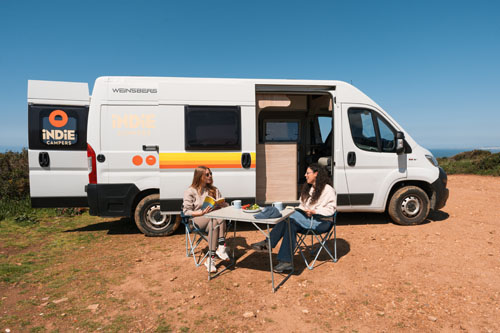
Tailoring your one-way RV rental experience in West Europe to your travel group enhances the journey for everyone. For families, plan routes with frequent, short drives (ideally under 150 km per day) and incorporate kid-friendly attractions like theme parks, historical sites with interactive exhibits, or playgrounds at campsites. Opting for a spacious Class C motorhome like a "Category Family 5" (sleeping 6) with bunk beds can provide individual sleeping areas and privacy. Retired couples might prefer smaller, automatic Class B campervans such as the "Duo" or "V3" for easier maneuvering and parking in charming villages, seeking out campsites with accessible facilities and nearby amenities. These smaller rented motorhomes offer the perfect balance of comfort and flexibility for a leisurely trip.
Budget travelers can significantly save money by utilizing France's 'Aires de Service' or Germany's 'Stellplätze' for free or low-cost (€5-€20 per night) overnight parking, rather than always staying at full-service campgrounds that can cost €20-€50 per night. Strategically planning fuel stops in countries with lower petrol/diesel prices (e.g., Luxembourg compared to France) also helps. Luxury renters can enhance their experience with premium add-ons like Wi-Fi hotspots, high-end kitchen kits, or specialized touring services. Many luxury Class A integrated motorhomes, for instance, offer spacious interiors, separate sleeping areas, and advanced features for ultimate comfort. Regardless of your group type, remember that our 24/7 support is there to assist you before and during your booking process, ensuring a smooth start to your West Europe adventure.
Common Mistakes to Avoid in West Europe
One common mistake for first-time RV renters in West Europe is relying solely on GPS for navigation. Instead, use a combination of up-to-date GPS systems with RV-specific settings (if available), supplemented by apps like Park4Night for campsite locations and even physical maps, especially to avoid ZTLs (Limited Traffic Zones) in cities and unsuitable narrow roads. Another pitfall is underestimating European road tolls and vignettes. Research and budget for these country-specific requirements in advance, as ignoring them can lead to significant fines. For instance, Swiss motorways require an annual vignette costing around CHF 40.
Many travelers also ignore waste disposal guidelines, which is a critical error in West Europe. Always use designated greywater and blackwater facilities at campgrounds or 'aires de service' to maintain hygiene and respect local environments. Never discharge waste illegally. Over-scheduling your itinerary is another frequent mistake; instead, allow flexibility in your travel plans to embrace spontaneous local experiences, linger in charming towns, and account for unforeseen delays. Remember our advice: travel slowly, no more than 100-150 km per day. Trying to cover too much distance too quickly detracts from the immersive experience a rented motorhome or campervan offers.
How much does it cost to RV in Europe for a month
The cost of RVing in West Europe for a month can range from €2,500 to €6,000+ for two people, depending heavily on the rental RV class, travel season, countries visited, and personal lifestyle choices. For a compact campervan like an "Active Small" in the shoulder season, daily rental rates might start around €80-€120, while a larger Class C motorhome like the "Family Standard" could be €150-€250 per day. These prices are dynamic, changing daily based on availability and supplier marketing decisions, so comparing options for "RV Rental in West Europe - Prices and Best Deals 2026" is always recommended.
Budget breakdowns typically include rental fees, fuel, tolls and vignettes, campsite fees, groceries, activities, and insurance. Fuel costs are a significant variable; diesel prices in West Europe typically range from €1.60 to €2.20 per liter, fluctuating by country and market conditions, so for a month-long trip averaging 100 km/day (around 3,000 km total) with a fuel consumption of 10-14 L/100km, fuel alone could cost €480-€924. Average campground prices for a powered pitch can range from €20-€50 per night, totaling €600-€1,500 for a month. More basic 'Aires' or 'Stellplätze' in countries like France and Germany offer cheaper or free overnight options. Groceries can range from €400-€800 for a month for two, depending on cooking habits (utilizing the RV's kitchen can save significantly). Unexpected expenses can include additional insurance, parking fines (e.g., ZTLs), ferry crossings, or minor repairs, so allocating an extra 10-15% (€250-€900) of your budget is advisable. Bandana RV offers full transparency with its pricing, ensuring no hidden fees or surprises at the time of booking.
What is the best way to travel Europe in an RV
The best way to travel West Europe in a rented RV involves meticulous planning, embracing local culture, and being prepared for diverse road conditions. Prioritize cultural immersion by seeking out local markets, festivals, and authentic eateries; this can often be achieved by exploring off-the-beaten-path routes found through resources like RV PLANET (rvplan.net) or by asking locals for recommendations. Utilizing apps like Park4Night or Campercontact to find suitable overnight parking, from official campsites to legal 'Aires de Service' or 'Stellplätze' (motorhome parking areas), ensures convenient and budget-friendly stops.
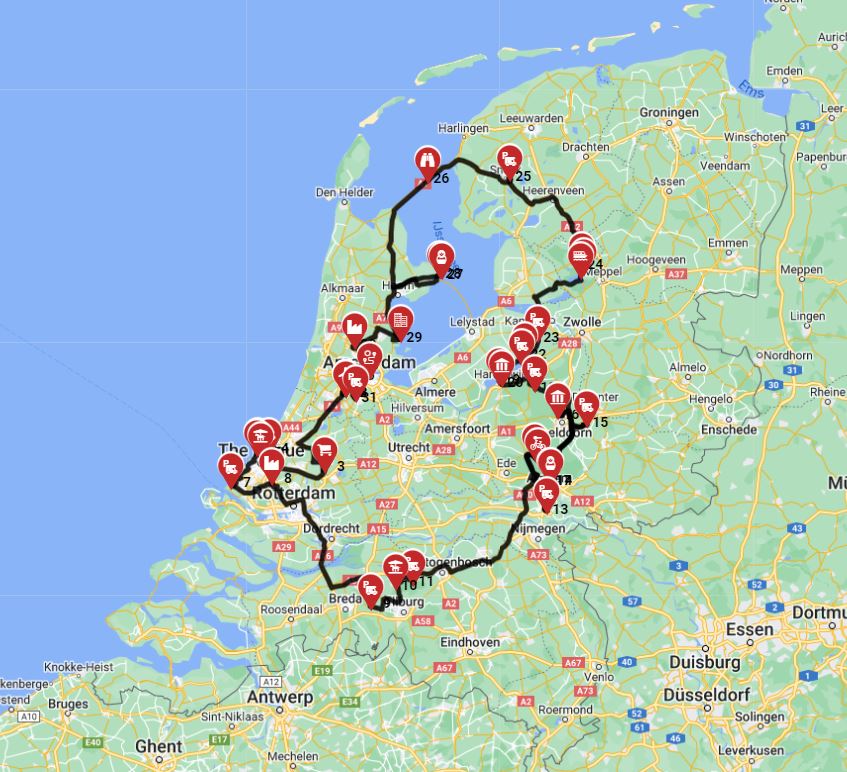
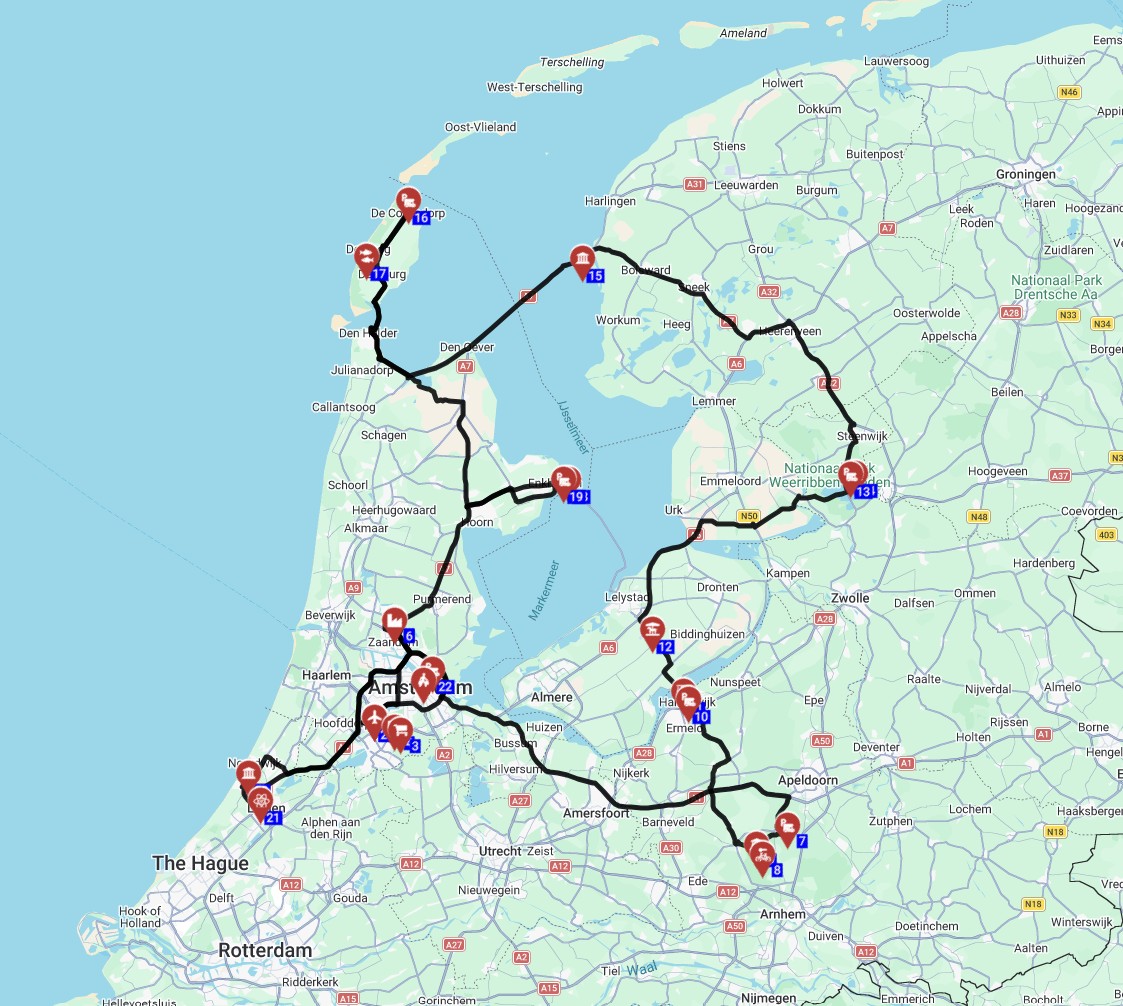
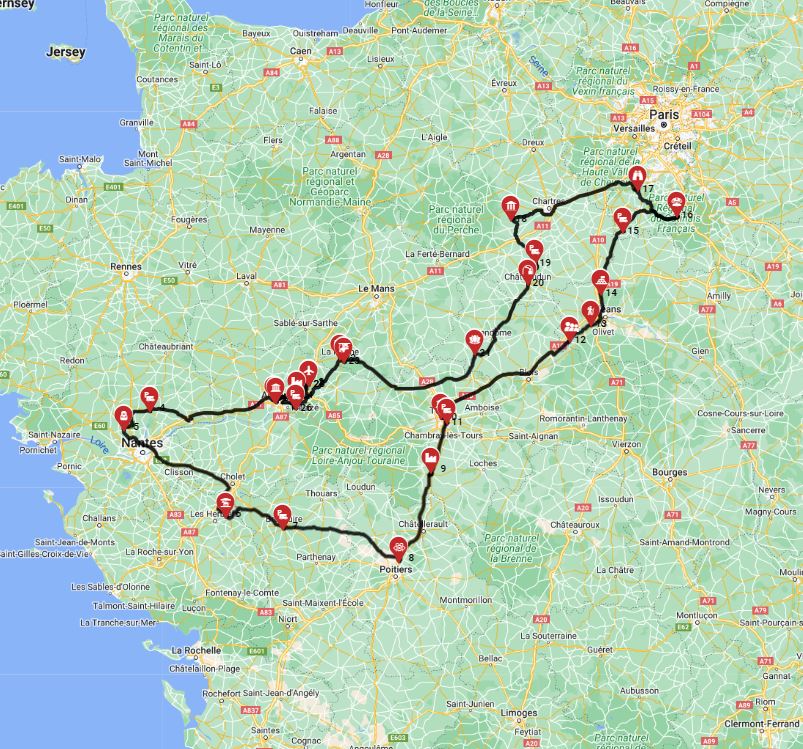
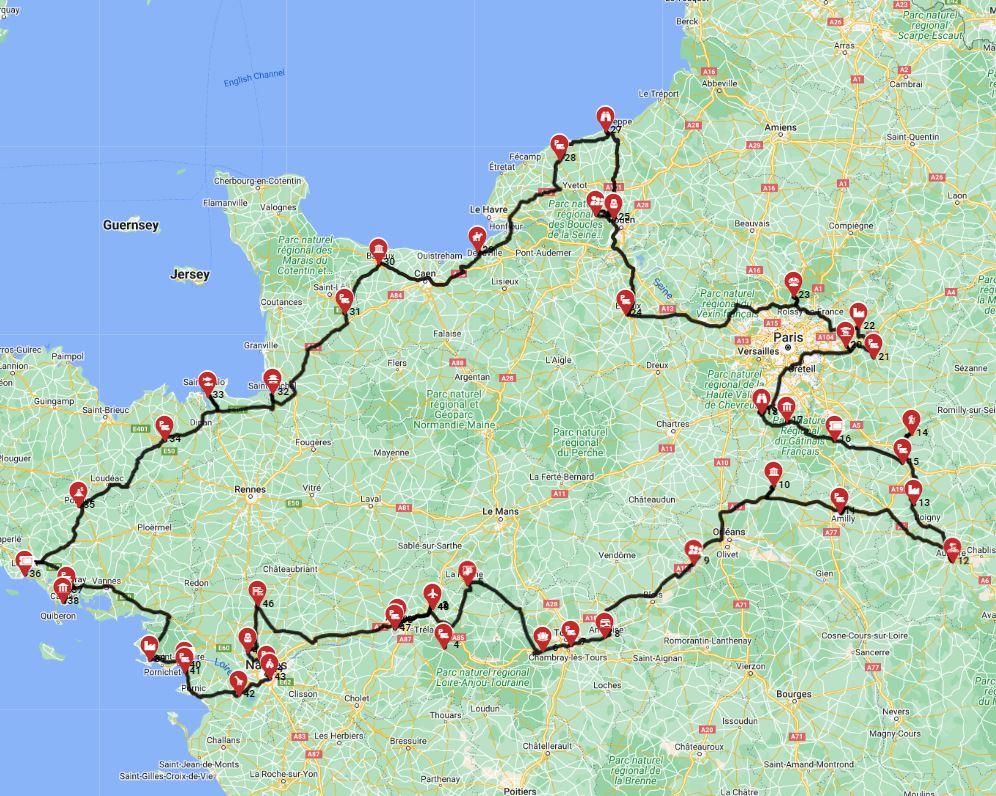
Consider an itinerary that balances popular landmarks, such as the Eiffel Tower in Paris or the Colosseum in Rome, with lesser-known regions to experience a broader spectrum of European life and reduce overcrowding. Traveling slowly, averaging 100-150 km per day, allows ample time to truly feel the place, connect to the culture, the food, and the scenery. Engage respectfully with locals, learn a few basic phrases in the local language, and always observe local customs regarding noise, waste, and privacy, especially when considering permitted overnight parking. Our Rent&Plan service offers pre-planned routes designed by professionals, making it easy to create an itinerary that maximizes enjoyment while handling the details.
What is the best time of year to RV in Europe
The best time of year to RV in West Europe generally falls during the shoulder seasons-late spring (April-May) and early autumn (September-October)-offering pleasant weather, fewer crowds, and often lower prices. Late spring provides blooming landscapes, moderate temperatures (averaging 15-20°C) perfect for outdoor activities, and most attractions and campsites are fully open. Early autumn features comfortable warmth (18-24°C), often stable weather for driving, vibrant fall foliage, and the grape harvest season in many regions, especially popular for a "Weekly RV Rental in West Europe - Pricing 2026" wine tour.
Summer (June-August) is the most popular time for RV travel, bringing higher temperatures (25-35°C+), peak crowds, increased prices (up to 30-50% higher rental rates), and can mean fully booked campsites, especially in coastal or major tourist areas. Winter (November-March) is ideal for those seeking ski trips in the Alps or warmer southern destinations like Portugal or Southern Spain, but expect limited campsite availability in northern areas, potential road closures due to snow in mountainous regions, and specific heating needs for the RV. Regardless of the season, booking 3-6 months in advance for your rented motorhome or campervan is wise, as prices are dynamic and availability decreases closer to travel dates, especially for "Luxury RV Rental in West Europe - Premium Prices 2026".
Is it easy to drive an RV in Europe
Driving a rented RV in West Europe is generally manageable for experienced drivers, though it requires adapting to narrower roads, varying speed limits, and specific city driving regulations. Many European countries boast excellent, well-maintained road networks, particularly their motorways. However, cities and older towns often feature tight streets and historical centers (many with ZTLs), requiring careful navigation for larger vehicles like a Class C motorhome. Smaller campervans, such as a "Category Van AT" or "Combi Van", offer greater maneuverability in urban areas and on scenic, winding routes, making them a popular choice for city exploration.
Familiarity with European road signs is crucial; these are typically standardized but can include specific symbols for RVs, motorhomes, and caravans, indicating parking restrictions or prohibited areas. Speed limits for RVs can differ from cars (e.g., lower limits on secondary roads or specific weight restrictions), so pay close attention to local signage. A standard car driver's license is sufficient for all motorhome classes (Class A, Class B, and Class C) in West Europe. An International Driving Permit (IDP) is highly recommended for visitors from non-English-speaking countries as it provides a translation of your license, though it is not legally mandatory in all cases. In the event of a breakdown, local roadside assistance numbers are vital to have, usually provided by your rental supplier. Bandana RV's 24/7 support is available for pre-booking comparisons, booking assistance, and post-booking coordination, making sure you feel confident and prepared.
Is wild camping legal in Europe RV
Wild camping (or boondocking) legality for rented RVs in West Europe varies significantly by country, with most nations having strict regulations or outright bans in many areas. While generally prohibited or heavily restricted in countries like Germany, France, and Switzerland to protect natural landscapes and manage tourism, legal and well-established alternatives are widely available and encouraged. For instance, France offers an extensive network of 'Aires de Service', dedicated rest areas and overnight parking spots for motorhomes, often found in charming small villages and providing water, electricity, and waste disposal for a minimal fee or sometimes free. Germany similarly provides thousands of 'Stellplätze', designated motorhome parking areas that range from basic overnight spots to mini-campgrounds, offering facilities like fresh water (averaging €1-€3 for 100 liters) and waste disposal (often free) for a modest fee or sometimes for free.
In Scandinavian countries, 'Allemansrätten' (the right to roam) or similar laws might permit more flexibility, but these typically apply to tents and non-motorized vehicles, with RVs often having more specific restrictions regarding overnight stays in designated areas. Always research the specific laws of each country and even individual municipalities you plan to visit, as local regulations can override national guidelines regarding overnight parking and camping outside official sites. To avoid fines and ensure responsible travel, prioritize using official campsites, motorhome parks, or permitted overnight spots. Always leave no trace, respect private property, and be mindful of environmental protection zones. RV PLANET (rvplan.net) is an excellent resource for finding legal and convenient overnight parking spots across West Europe, assisting travelers in planning their RV PLANET routes responsibly.
What are the rules for driving an RV in Europe
Rules for driving a rented RV in West Europe include adhering to varying speed limits, understanding vehicle size restrictions, and navigating country-specific traffic laws and toll systems. Speed limits for motorhomes often differ from cars, particularly for vehicles over 3.5 tonnes, and it's essential to observe local signage. For example, in France, RVs over 3.5t might have a lower speed limit on certain roads. An International Driving Permit (IDP) is often required or highly recommended for non-EU drivers alongside your domestic license, especially for identification purposes during traffic stops. However, a standard car driver's license (Class B or equivalent) is sufficient for all motorhome classes (Class A, B, and C) rented through Bandana RV, as none require a commercial driver's license (CDL).
Mandatory equipment such as reflective vests (required for every occupant in some countries), warning triangles, first-aid kits, and spare bulb kits are legally required in many European countries (e.g., France, Germany, Spain) and should always be carried in your rented RV. Be mindful of differing road signs, especially those indicating low bridges (some European bridges can be as low as 3.5 meters), weight limits, and 'Zone à Trafic Limité' (ZTLs) in cities, which restrict vehicle access to preserve historical centers. Familiarize yourself with vignette (toll sticker) systems and electronic toll tags required for motorways in countries like Switzerland, Austria, and Slovenia, as well as specific city congestion charges found in cities like London or Milan. Our "RV Travel Guide to West Europe - Tips and Top Spots 2026" offers more detailed insights into these regulations, ensuring you're prepared for a stress-free journey.
Sustainable and Responsible RV Travel in West Europe
Sustainable RV travel in West Europe involves minimizing environmental impact, respecting local communities, and practicing proper waste management throughout your journey. To conserve resources, use water sparingly, especially when not on a full hookup, and opt for energy-efficient appliances within your rented motorhome or campervan. Limit generator use to designated times and areas, choosing solar panels or shore power whenever possible. Many modern campervans, such as the "Koru 4 Freedom", come equipped with robust battery systems for extended off-grid stays.
Dispose of all waste responsibly at designated greywater and blackwater stations, which are readily available at campgrounds and 'aires de service' across West Europe. Separate recyclables according to local guidelines, never discharging waste into natural environments. Supporting local economies is another key aspect: purchase groceries from local markets, dine at independent restaurants, and participate in community-run activities. By engaging with local vendors, you contribute directly to the communities you visit. Reduce your carbon footprint by planning efficient routes, avoiding excessive idling, and considering slower, more scenic drives over high-speed motorways when possible, adhering to the recommended 100-150 km per day travel pace. Our commitment as true RV specialists means we advocate for respectful and environmentally conscious exploration, helping you to enjoy West Europe while preserving its beauty.
What You Shouldn't Miss
- The Romantic Road, Germany: Drive a rented motorhome along Germany's famous Romantic Road (Romantische Straße), a 460 km route through picturesque towns like Rothenburg ob der Tauber and Fussen, ending near Neuschwanstein Castle. This route is perfect for slow travel, offering numerous 'Stellplätze' for overnight stops.
- Swiss Alpine Passes: Experience the breathtaking vistas of the Swiss Alps by traversing passes like Grimsel, Furka, and Susten. While some roads are challenging for larger RVs, smaller campervans can easily navigate these iconic routes, offering unparalleled views and access to hiking trails.
- Dordogne Valley, France: Explore the medieval castles, prehistoric caves, and charming villages of France's Dordogne region in your rented campervan. The area is rich in 'aires de service', making it ideal for RVers looking for cultural immersion and exquisite local cuisine.
- Coastal Portugal, from Lisbon to Porto: Take a one-way RV trip along the stunning Atlantic coast of Portugal. Discover golden beaches, vibrant cities, and fresh seafood. This route is well-suited for extended road trips, allowing ample time to connect with the local culture and scenery.
- Austrian Lake District (Salzkammergut): Immerse yourself in the serene beauty of Austria's Salzkammergut region, with its crystal-clear lakes, majestic mountains, and charming lakeside towns like Hallstatt. Numerous campgrounds offer excellent facilities for your rented motorhome, providing a peaceful escape into nature.
Looking for expert insights from Avi Bandana? Top 5 Adventures - recommendations from Avi Bandana.
Final Thoughts
A one-way RV rental in West Europe promises an unforgettable adventure, offering the flexibility to explore diverse landscapes and vibrant cultures at your leisure. From the moment you begin planning to the day you return your mobile home, Bandana is here to support you every step of the way, ensuring full transparency and peace of mind. We handle the details, you live the journey, connecting with every place, person, and plate of food you encounter along the way.
Whether you're dreaming of a week-long trip through the vineyards of France or a month-long exploration of coastal Spain and Portugal, a rented motorhome or campervan is your ticket to freedom. Embrace the joy of slow travel, discover hidden gems, and create memories that will last a lifetime. Get inspired for your next trip and plan a trip itinerary in advance with minimal effort and maximum enjoyment. Your West Europe road trip awaits!
🎬 Video coming soon