In This Guide
- Top 5 Tips for one way rv rental RV Rental in Tokyo - Airport
- Before You Book - Class, Dates, Insurance
- Pre-Trip Prep - Packing Checklist for Tokyo - Airport
- On the Road - Driving, Fueling, Navigation
- At the Campground - Setup, Hookups & Etiquette
- one way rv rental-Specific Tips for Tokyo - Airport
- Common Mistakes to Avoid in Tokyo - Airport
- What RV size is best for navigating Japanese roads and cities?
- What is the true cost of an RV rental in Japan beyond the base fee?
- How do I get from Tokyo airports to the RV rental pickup?
- Where can I shop for groceries and supplies near Tokyo RV pickup locations?
- What is the driving experience like for foreigners renting an RV in Tokyo?
- What are the cultural etiquette rules for RV camping in Japan?
- How to handle emergencies while RVing in Japan?
Top 5 Tips for one way rv rental RV Rental in Tokyo - Airport
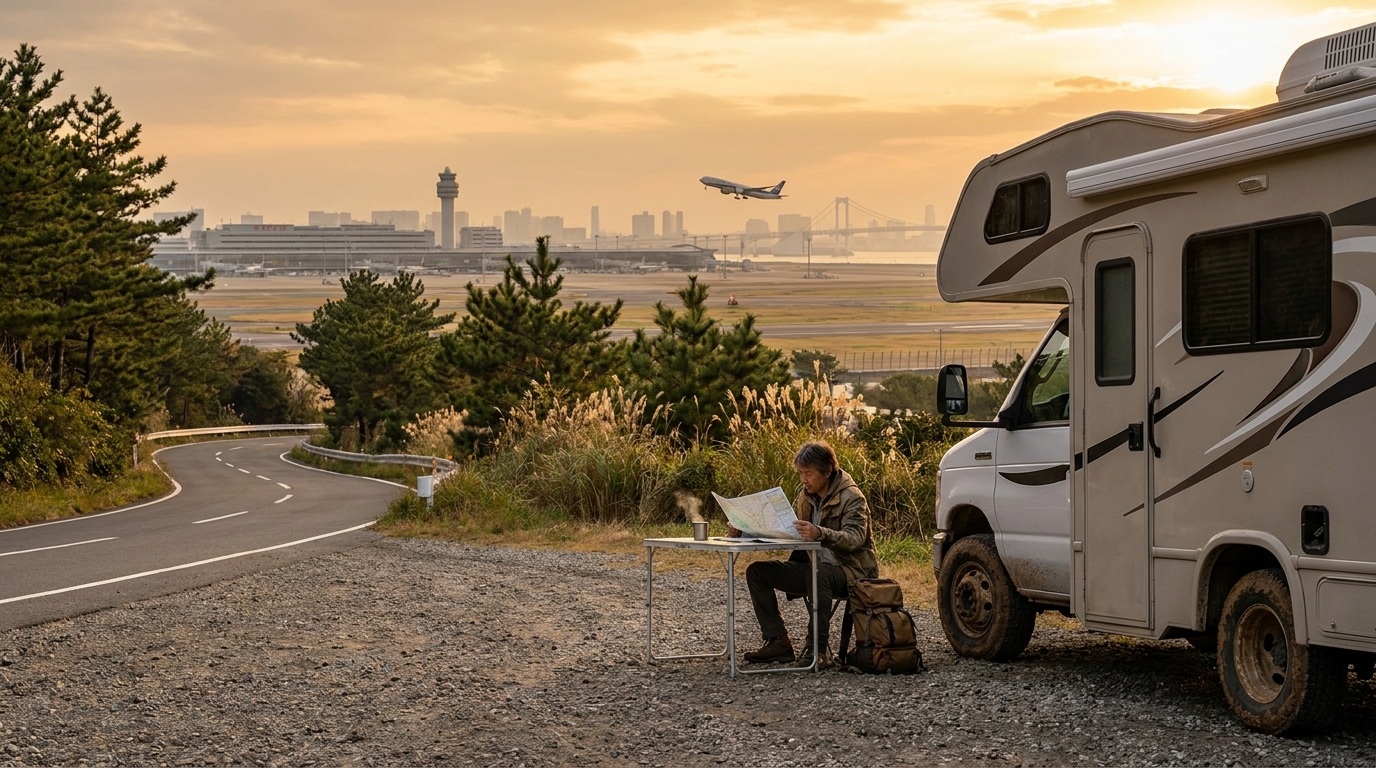
For a successful one-way RV rental adventure from Tokyo - Airport, detailed planning is your best friend. Imagine the freedom of exploring Japan with your mobile home base, driving from the bustling capital to tranquil mountains or serene coastlines. To ensure a smooth journey, remember to travel slowly, aiming for a maximum of 100-150 km per day on average, allowing you to fully immerse yourself in the culture, food, and scenery. For live availability and current prices, start with our RV Rental Tokyo - Airport - Complete Guide 2026 guide.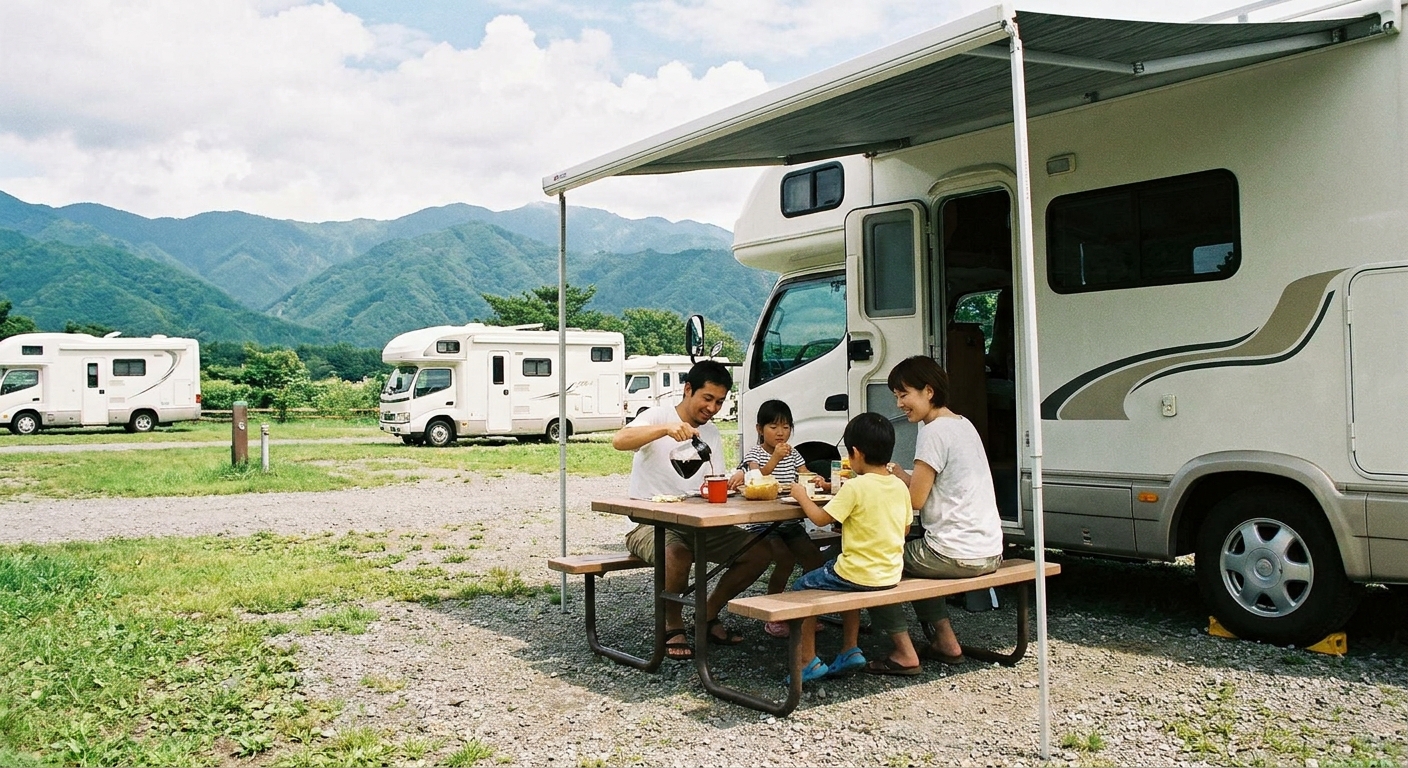
- Booking your RV well in advance, especially for peak seasons like cherry blossom (March-April) or fall foliage (October-November), ensures availability from Tokyo airports. Prices are dynamic and can fluctuate daily based on demand, so early booking often secures better rates.
- Familiarize yourself with Japan's left-hand driving rules and high expressway tolls before you begin your journey. Investing in an ETC (Electronic Toll Collection) card can streamline payments and may offer discounts, making your travel on major routes around Tokyo more efficient.
- Choose an RV size appropriate for Japanese roads, which can be narrower than expected in urban and rural areas. Compact Class C motorhomes or Class B campervans are often more suitable for navigating the intricate city streets of Tokyo and the winding routes of the countryside.
- Plan your airport-to-RV pickup logistics carefully, considering transportation time and potential for oversized luggage. Many rental depots are located outside the immediate airport vicinity, requiring public transport or a taxi.
- Learn basic Japanese cultural etiquette for camping, including waste disposal and quiet hours at facilities. Respecting local customs will enhance your experience and ensure a warm welcome at various Michi-no-Eki (roadside stations) and formal RV parks.
Before You Book - Class, Dates, Insurance
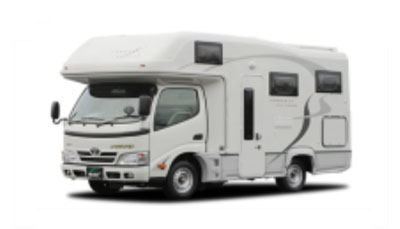
Choosing the right RV class for a one-way rental in Tokyo involves balancing comfort with maneuverability on Japan's roads. Smaller Class B campervans, such as a "Paradise S/T" or "Category Van" models, or compact Class C motorhomes like a `rv rentals example Comfort Class` (with 4 seats and 4 sleeping places, measuring approximately 7.1 meters long and 2.78 meters wide), are often more suitable for urban navigation and diverse routes, typically accommodating 2-4 travelers comfortably. Lock in your preferred RV class and one-way rental dates as early as possible, particularly if traveling during popular Japanese holidays or cherry blossom/fall foliage seasons, to secure the best availability and rates and potentially save up to 25% by booking 90+ days ahead. Consider the practicalities of RV size, as larger vehicles might face limitations on certain smaller roads, parking spaces, and toll booth widths around Tokyo and beyond, directly impacting your driving experience. Beyond the base rental fee, budget for additional costs such as Japan's notoriously high expressway tolls (which an ETC card can simplify), fuel, and potential campsite fees, ensuring a comprehensive understanding of your trip's expenses. For more financial insights, check out our "Luxury RV Rental in Tokyo - Airport - Premium Prices 2026" or "RV Rental in Tokyo - Airport for Couples - Pricing 2026" guides. Basic insurance is always included with RV rentals in Japan; however, you can upgrade to a top-level deductible for extra peace of mind and greater coverage against unforeseen events. Bandana Caravan facilitates transparent price comparisons across 50+ suppliers worldwide, helping you find the easiest, safest, and most affordable way to rent an RV with no hidden fees or surprises.Pre-Trip Prep - Packing Checklist for Tokyo - Airport
Preparing a tailored packing checklist for your one-way RV rental from Tokyo ensures you have essentials for varying climates and activities, making your post-flight and pre-departure experience smoother. Consider convenient supermarkets like Aeon or Ito-Yokado, camping supply stores, or SIM card retailers easily accessible from major RV pick-up points near Narita (NRT) or Haneda (HND) airports to efficiently stock up after a long flight.- Valid international driving permit (IDP) and home country driver's license.
- Passport and visa (if required).
- Rental confirmation and insurance documents.
- Copies of all important documents (digital and physical).
- Lightweight, quick-drying clothing suitable for layered dressing.
- Comfortable walking shoes.
- Rain gear (jacket/umbrella).
- Swimsuit (if planning onsen visits).
- Reusable water bottle and shopping bags.
- Basic cooking spices and non-perishable snacks. For inspiration on meals you can prepare, check out our RV-friendly recipes playlist.
- Coffee/tea supplies.
- Small cutting board and knife (if not provided by rental).
- First-aid kit with personal medications.
- Portable power bank for electronics.
- Japanese phrasebook or translation app.
- Emergency contacts (rental company, insurance).
On the Road - Driving, Fueling, Navigation
Navigating Japan's roads in a rented RV requires understanding left-hand driving, awareness of complex urban intersections near Tokyo, and readiness for potentially narrow routes. Drive slowly and carefully, and you can drive almost anywhere without issues; there's no need to stress - just use common sense and pay attention to local signs. A realistic driving experience for foreigners includes adjusting to Japan's left-hand traffic, managing high-density areas, and using GPS systems that may have limited English options or specific mapping accuracy challenges for smaller roads. For more detailed driving advice, refer to our "Driving an RV in Tokyo - Airport - Complete Guide 2026". Japanese expressway tolls are extensive; utilizing an ETC (Electronic Toll Collection) card, often available with rentals, significantly streamlines payment and provides potential discounts, making it a crucial tool for long-distance travel. Fueling an RV in Japan involves identifying appropriate gasoline (レギュラー) or diesel (軽油) stations and understanding the self-service pump operations, as full-service stations are becoming less common, especially outside major cities. Practicalities of parking larger RVs in urban areas or popular tourist spots often mean seeking out dedicated RV parks, 'Michi-no-Eki' (roadside stations), or larger shopping center lots, as standard car parks may have height or width restrictions.At the Campground - Setup, Hookups & Etiquette
Setting up your rented RV at a Japanese campground typically involves leveling the vehicle, connecting to available hookups in a specific order, and respecting the site's amenities and your neighbors. Hookup procedures generally start with plugging in the shore power, then connecting the fresh water, and finally attaching the waste hose, ensuring all connections are secure before use. Adhering to local cultural etiquette is crucial for a smooth RV experience in Japan, encompassing respectful noise levels, proper waste disposal, and mindful interactions with local communities, especially at Michi-no-Eki and designated campsites. Campsite and RV park fees in Japan are often structured per person in addition to a per-vehicle charge, so understanding these variable costs is essential for accurate budgeting. Many national and state parks offer a combination of reservable and first-come-first-serve spots; while some allow booking 3-6 months out, many reserve only 25-30% of their spots, leaving the rest for spontaneous travelers. Don't worry, you'll find a spot. If not at the first campground, then the next one; just remember to call ahead before driving. For finding campsites and campgrounds during your trip, we recommend using RV PLANET (rvplan.net) - a great resource for locating available spots along your route.one way rv rental-Specific Tips for Tokyo - Airport
For families with children, choose a rented RV class with sufficient sleeping and living space, ensuring nap-friendly routes and planning stops at parks or attractions with kid-friendly facilities around Tokyo - Airport. The `Group E` motorhome, for instance, offers sleeping for 6 with bunk beds (78/186cm) and a large refrigerator (97 Liter) for family provisions. Senior travelers may benefit from selecting RVs with ergonomic designs and automatic transmissions for ease of driving, and prioritizing routes with readily accessible rest stops and medical facilities. Budget-conscious travelers should research free overnight parking options at Michi-no-Eki (roadside stations), understanding they are rest stops not campgrounds, and planning meals to cook in the RV rather than eating out to save money. On RV PLANET routes, travelers can itemize and track every expense along the way for easy budgeting, which is especially useful for longer trips (one week or more). Luxury-oriented renters can explore premium add-ons like high-speed mobile Wi-Fi, specialized navigation systems, or enhanced kitchenware to elevate their travel experience; consider a premium Class A motorhome like `Luxury` with a 100 Liter fresh water tank and 86 litre refrigerator for comfort. Always consider the final drop-off location for your one-way rental; some companies offer flexible options or shuttle services that might influence your route planning, impacting relocation fees.Common Mistakes to Avoid in Tokyo - Airport
Instead of underestimating Japan's high expressway tolls, proactively budget for them and consider an ETC card for convenience and potential savings. These tolls can be a significant part of your overall one way rv rental cost in Tokyo - Airport, often adding hundreds of dollars to a week-long trip. Rather than solely relying on English GPS settings, familiarize yourself with basic Japanese road signs and consider a supplemental physical map or offline translation app, especially when navigating areas outside Tokyo's main hubs. Instead of attempting to park a large RV in standard city parking, research designated RV-friendly parking lots or Michi-no-Eki options in advance to avoid difficulties; typical urban parking structures around Tokyo might have height limits of 2.1-2.3 meters which many motorhomes exceed. Rather than arriving at the RV pickup unprepared, plan your airport transit and allow ample time (at least 2-3 hours after landing) to stock up on groceries and supplies from nearby stores before starting your journey, as depots may not have extensive retail options. Finally, instead of assuming universal camping etiquette, research and adhere to Japan's specific rules regarding waste disposal, quiet hours, and respectful use of public facilities like onsen; for more on this, check out our "RV Travel Guide to Tokyo - Airport - Tips and Top Spots 2026".What RV size is best for navigating Japanese roads and cities?
For navigating Japanese roads and cities, a smaller RV size, typically a compact Class C or a van-based Class B motorhome (like a `Combi Van` measuring 5 meters long with a 60 Liter fresh water tank), is generally recommended due to narrower roads, tighter parking spaces, and lower height clearances. Specific warnings apply to height and width restrictions: many urban parking garages, older tunnels, and even some toll booth lanes near Tokyo may have limitations (e.g., 2.5 meters height) that larger RVs cannot clear without issues. Consider the number of travelers and your luggage volume; while a smaller RV is more maneuverable, ensure it comfortably accommodates your group (e.g., a "Paradise Family 5" offers 5 sleeping places) without feeling overly cramped for extended periods.What is the true cost of an RV rental in Japan beyond the base fee?
The true cost of an RV rental in Japan extends significantly beyond the base rental fee, primarily encompassing notoriously high expressway tolls, fuel expenses, and variable campsite fees, often adding an extra $50-$150 per day to your budget. Expect expressway tolls to be a substantial part of your budget; an ETC card, often available with your rental, can help manage these costs and sometimes provide discounts, with typical one-way fees between Tokyo and Osaka ranging from $150-$400. Fuel costs in Japan are generally higher than in many Western countries (e.g., gasoline around 170-180 JPY per liter), so budget accordingly for either gasoline (レギュラー) or diesel (軽油) depending on your RV type, with an average fuel consumption of 10-15 liters per 100 km for a medium-sized motorhome. Campsite and RV park fees typically include charges per person in addition to a per-vehicle rate, varying widely by location and amenities; a spot at Keio Tamagawa Garden Camp near Tokyo can range from 3,000 to 6,000 JPY per night for a family of four. Additional potential costs include insurance upgrades (e.g., the optional top-level deductible for more peace of mind), optional bedding or kitchen kits (which might add $50-$150 to your total), and parking fees, especially when visiting urban attractions or popular tourist sites like Ginza or Shinjuku. For managing these expenses and finding RV Rental Deals in Tokyo - Airport - Latest Offers 2026, remember that Bandana Caravan provides full transparency, comparing final prices across 50+ suppliers with no hidden fees or conversion commissions.How do I get from Tokyo airports to the RV rental pickup?
Getting from Tokyo's airports (Narita or Haneda) to your RV rental pickup location typically involves a combination of public transport and, in some cases, a short taxi ride or pre-arranged shuttle, often taking 1-2 hours. For Narita (NRT), train lines like the Narita Express (N'EX) or Keisei Skyliner offer direct routes to major Tokyo stations (e.g., Tokyo Station, Shinjuku), with tickets costing around 3,000-4,000 JPY, from which you might take a local train or taxi (an additional 2,000-5,000 JPY) to the rental depot located in neighboring prefectures like Chiba or Kanagawa. From Haneda (HND), the Keikyu Line and Tokyo Monorail provide efficient connections to central Tokyo (e.g., Shinagawa, Hamamatsucho), with fares typically 500-700 JPY, offering multiple routes to reach areas near RV rental services. Consider taxi costs, especially if traveling with oversized luggage that might be cumbersome on public transport, as a direct taxi from NRT to a rental depot could exceed 20,000 JPY. Factor in potential language barriers when providing directions, and allocate sufficient time post-flight (at least 2-3 hours) for customs, baggage claim, transit to the rental location, and the RV handover process, which itself can take an hour or more for orientation.Where can I shop for groceries and supplies near Tokyo RV pickup locations?
Upon picking up your RV from Tokyo airports, convenient supermarkets and supply stores are typically accessible within a short drive (5-15 minutes), allowing you to stock up efficiently before embarking on your one-way journey. Look for major supermarket chains like Aeon, Ito-Yokado, Seiyu, or smaller local stores (often near train stations) in the vicinities of Narita (e.g., Aeon Mall Narita nearby) or Haneda (e.g., areas like Ota or Kawasaki), or along your initial route out of the city. While rented RVs usually come equipped with basic kitchenware (like in the `Combi Van` which includes a refrigerator and gas stove), consider specific camping supply stores if you require specialized gear, though basic cooking and living essentials can be found at supermarkets. Purchasing a local SIM card or renting a portable Wi-Fi device from electronics stores like Bic Camera or Yodobashi Camera (often found in major train stations in Tokyo) or airport counters early on is advisable for navigation and communication during your trip. Stocking up immediately after pickup is crucial, especially if your initial itinerary leads to more rural areas (e.g., heading towards Mt. Fuji or the Japanese Alps) where shopping options may be limited, ensuring your onboard refrigerator (like the 80 Liter one in the `V3` campervan) is full.What is the driving experience like for foreigners renting an RV in Tokyo?
Driving a rented RV in Tokyo as a foreigner presents a unique experience due to Japan's left-hand traffic, requiring initial adjustment, and the navigation of complex, often dense urban environments. Be prepared for high-density traffic, particularly during peak hours (7-9 AM and 5-7 PM), and intricate intersections that demand focused attention and quick decision-making; however, driving slowly and carefully allows you to navigate these areas without issues. GPS systems in Japan, while generally accurate, might pose challenges with non-English directions or present mapping nuances for smaller, lesser-known roads, so a backup plan or translation app (such as Google Translate) is beneficial. Maneuvering larger RVs (even Class C motorhomes that are typically 6-7 meters long) in tight city streets, narrow parking lots, and sometimes constricted routes outside urban centers requires caution and confidence; Class B campervans like the `Patagonia Camper 4x4 double cab` (RV size - Small) offer greater agility. Understanding and adhering to Japan's strict traffic laws, including speed limits (e.g., 80-100 km/h on expressways, 40-60 km/h in cities) and parking regulations, is paramount for a smooth and safe journey.What are the cultural etiquette rules for RV camping in Japan?
Cultural etiquette rules for RV camping in Japan emphasize respect for local communities, quietness, and meticulous waste management, ensuring a harmonious experience for all travelers. When parking overnight at Michi-no-Eki (roadside stations), remember they are primarily for rest and refreshment, not full-scale camping; maintain low noise levels, avoid running generators late at night, and refrain from extending awnings or setting up outdoor furniture. Strict waste disposal rules require sorting trash into specific categories (burnable, non-burnable, plastic bottles, cans, etc.), and it's essential never to dump gray or black water outside designated disposal points, which are typically found at larger campsites or dedicated dump stations. Maintain quiet hours, typically from late evening (around 9 PM) until early morning (around 7 AM), at all campsites and overnight parking spots to avoid disturbing fellow campers and local residents. Show respect in public spaces, including shared facilities like restrooms or communal kitchens found at many RV parks (RVパーク), and always leave your area cleaner than you found it. Our "RV Rental Japan - Complete Guide 2026" offers a broader overview of these customs.How to handle emergencies while RVing in Japan?
Handling emergencies while RVing in Japan requires knowing key contacts and basic procedures, especially given potential language barriers and the possibility of natural disasters (such as earthquakes or typhoons). In case of a vehicle breakdown, immediately contact your RV rental company's emergency roadside assistance line, which should be provided during pickup, and ensure you have their number readily accessible on your mobile phone. For medical emergencies, dial 119 for an ambulance or fire department, and be prepared to use a translation app to communicate your location and symptoms if you do not speak Japanese. Familiarize yourself with Japan's natural disaster protocols, particularly for earthquakes and typhoons; monitor local alerts (like the J-Alert system via mobile apps or TV news), know evacuation routes (often signposted in public areas), and follow local authority instructions. Always carry a charged mobile phone with a local SIM card or portable Wi-Fi, and learn a few essential Japanese phrases for emergencies (e.g., "Tasukete kudasai!" - "Please help me!") to aid communication with locals or authorities. Remember, Bandana Caravan offers support for your pre-booking comparison, booking, and post-booking coordination, ensuring you have clear information and assistance throughout your planning journey.What You Shouldn't Miss
- **Mount Fuji's Five Lakes (Fujigoko):** Drive your rented motorhome along the scenic roads connecting Lake Kawaguchiko, Lake Yamanakako, and others, offering stunning, iconic views of Mount Fuji and opportunities for camping, hiking, and boat trips.
- **Hakone's Hot Springs & Art:** Explore the volcanic beauty of Hakone, a mountainous town easily accessible from Tokyo, known for its relaxing onsen, open-air art museum, and views of Mount Fuji, perfect for a slow travel pace.
- **Nikko's UNESCO World Heritage Sites:** Head north from Tokyo - Airport to Nikko, home to ornate shrines and temples nestled in a gorgeous mountain setting. The autumn foliage here is particularly breathtaking, ideal for a memorable two-week adventure.
- **Izu Peninsula's Coastal Charm:** Take your campervan rental south to the Izu Peninsula for a captivating coastal drive, featuring beautiful beaches, dramatic cliffs, and an abundance of seafood, a refreshing contrast to Tokyo's urban energy.
- **Avi Bandana's Top Pick: Explore a Michi-no-Eki with an Onsen.** "Many Michi-no-Eki offer more than just a pit stop; finding one with an onsen is like hitting the jackpot. It's the perfect blend of local culture, relaxation, and convenience for RV travelers," says Avi. "Don't miss the chance to experience this unique Japanese roadside hospitality."
Looking for expert insights from Avi Bandana? Top 5 Adventures - recommendations from Avi Bandana
Final Thoughts
An RV rental from Tokyo - Airport truly opens up Japan in a unique and memorable way. Forget the stress of tight schedules and crowded trains; instead, imagine waking up to a different view each day, cooking breakfast in your rented campervan, and exploring at your own pace. With careful planning and attention to local customs, your Japanese road trip will be an unforgettable adventure. Whether you're embarking on a week-long trip to see Mount Fuji or a longer extended road trip through the countryside, remember to embrace the slow travel philosophy. Take time to connect with the incredible culture, savor the delicious food, and soak in the breathtaking scenery. Your journey begins with the right preparation and the perfect mobile home, ready to take you anywhere. Find Motorhome Rentals in Tokyo - AirportOn the routes offered through RV PLANET routes, you can itemize and track every expense along the way for easy budgeting.