In This Guide
- Top 5 Tips for one way rv rental RV Rental in North Canada
- Before You Book - Class, Dates, Insurance
- Pre-Trip Prep - Packing Checklist for North Canada
- On the Road - Driving, Fueling, Navigation
- At the Campground - Setup, Hookups & Etiquette
- one way rv rental-Specific Tips for North Canada
- Common Mistakes to Avoid in North Canada
- Is there such a thing as a one-way RV rental?
- Do RVs get searched at the Canadian border?
- What is the 4-4-4 rule for RVing?
- How much to rent an RV for 2 weeks in Canada?
- How much does it cost to rent an RV in Canada for a week?
- Does Outdoorsy do one-way RV rentals?
- What is the 3-3-3 rule for RV travel?
- What is the 4-4-4 rule for RV travel?
- Is it easy to drive an RV in Canada?
Top 5 Tips for one way rv rental RV Rental in North Canada
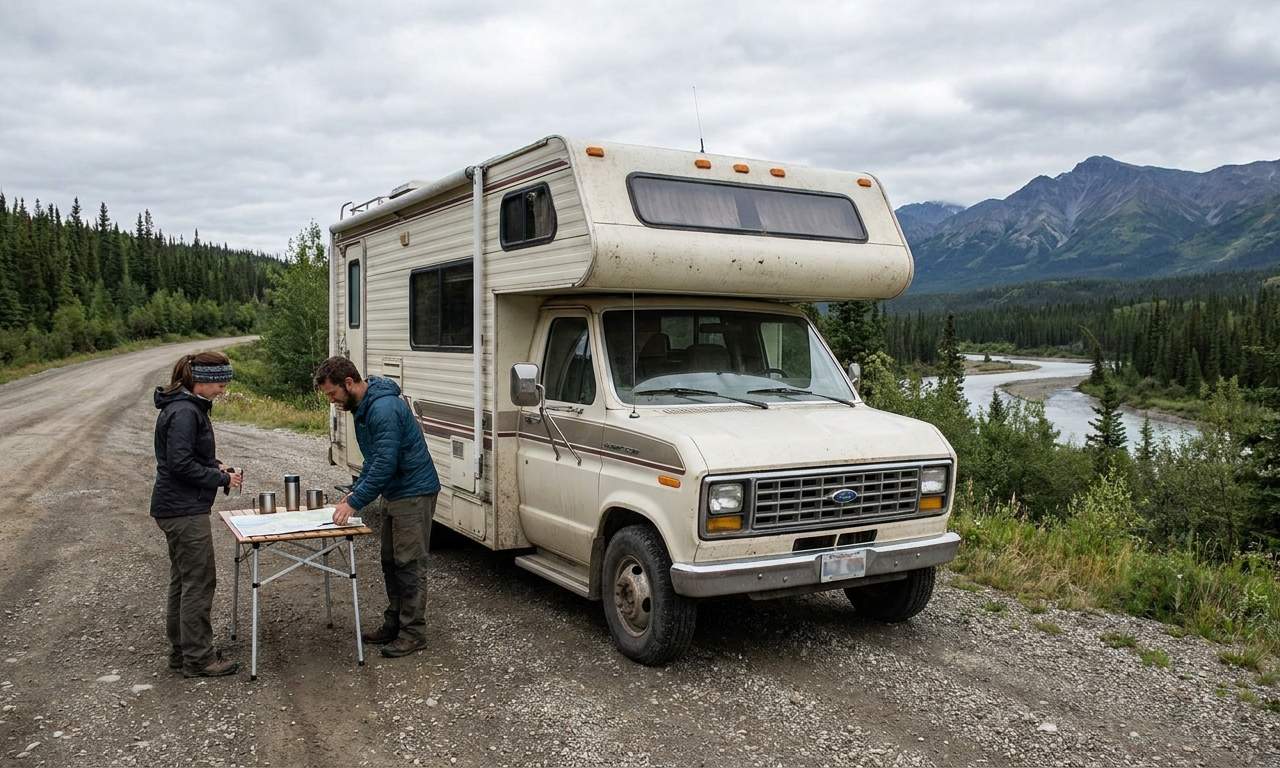
Embarking on a one-way RV rental adventure through North Canada requires careful preparation and an understanding of the region's unique demands. To make your trip smooth and enjoyable, here are our top 5 essential tips for a one-way RV rental in North Canada:
- **Plan your one-way route meticulously, considering specific drop-off locations and potential repositioning fees.** North Canada covers vast territories like Yukon, Northwest Territories, and Nunavut, where rental locations can be sparse and one-way fees between CAD $500 to $1,500 or more are common. For live availability and current prices, start with our RV Rental North Canada - Complete Guide 2026 guide.
- **Book your one-way RV rental well in advance, especially for summer travel, to secure preferred models and availability in remote areas.** Many travelers aim for peak season (June-August) in North Canada, making early booking, ideally 9-12 months ahead, crucial to ensure you get the Class C motorhome or campervan that best suits your family or group.
- **Prepare for remote northern conditions by stocking extra fuel, water, and essential emergency supplies.** Distances between services can be extensive in North Canada, sometimes hundreds of kilometers, so carrying 20-40 liters of extra fuel in approved containers and ample drinking water is a smart safety measure.
- **Familiarize yourself with specific Northern driving challenges, including extensive gravel roads and abundant wildlife.** Roads like the Dempster Highway feature long stretches of unpaved surfaces and frost heaves, requiring slower speeds, usually 50-70 km/h, and increased vigilance for large animals such as bison, moose, and bears. Remember, drive slowly and carefully, and you can drive almost anywhere without issues. No need to stress - just use common sense and pay attention.
- **Factor in potential one-way rental surcharges when budgeting, as these costs can vary significantly depending on the route.** These fees are transparently displayed when comparing prices on our platform, ensuring you face no hidden surprises when planning your trip. For a detailed breakdown of costs, check out "RV Rental in North Canada - Prices and Best Deals 2026".
We are true RV specialists, deeply understanding the intricacies of RV travel, which means we bring unmatched personal experience and attention to the smallest details, ensuring your adventure is seamlessly planned and executed.
Before You Book - Class, Dates, Insurance
Selecting the right RV class, booking dates, and understanding insurance options are critical steps when planning your one-way RV trip in North Canada.
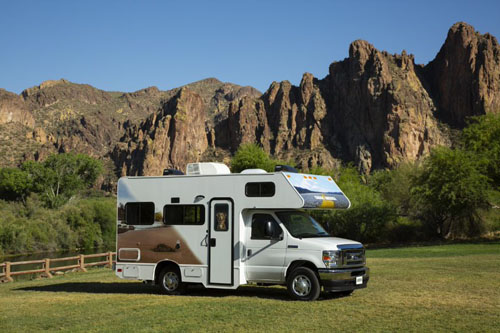
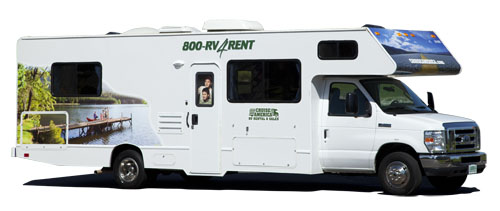
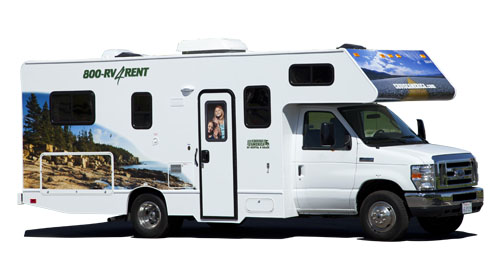
- RV Class: Class C motorhomes, like a "cruise america rv rental example Explorer" with 4 sleeping places and 82-liter fresh and waste water tanks, are often recommended for North Canada trips due to their balance of comfort, amenities, and relatively manageable size for diverse road conditions. For couples or smaller groups, a campervan like the "hire campervan example Paradise S/T" offers excellent maneuverability for tight spots and more urban exploration, while still providing essential facilities. Larger families or groups might consider a spacious Class A motorhome like the "rent rv example E3" which can accommodate up to 6-8 people comfortably, though it requires more careful driving on unpaved roads.
- Dates: For one-way RV rentals to or from North Canada, booking 9-12 months ahead is advisable for peak summer season (June-August) to ensure availability, while shoulder seasons (May, September) may offer more flexibility and potentially lower rates. Summer offers the best weather and access to all roads, including the scenic Top of the World Highway, but also sees the highest demand. Our platform allows you to compare final prices across suppliers, so what you see is what you pay, with no surprise fees at pickup.
- Insurance: Basic insurance is always included with your rental. To see prices including the most comprehensive coverage, select that option during your search – then all relevant insurance options will be shown. Consider additional coverage specifically for remote travel and potential damage from gravel roads. You can upgrade to a top-level deductible for extra peace of mind, protecting against unforeseen circumstances during your journey. Confirm mileage limits and inquire about unlimited mileage packages, which are crucial for long one-way trips through the vast northern territories, where daily distances can easily exceed 150-200 km.
For more detailed information on selecting the perfect vehicle for your group, you can explore our "Family RV Rental in North Canada - Pricing Guide 2026" or "RV Rental in North Canada for Couples - Pricing 2026".
Pre-Trip Prep - Packing Checklist for North Canada
Packing smart for a North Canada RV adventure means preparing for diverse weather, remote conditions, and potential wildlife encounters. Your comfort and safety depend on what you bring.
Clothing and Personal Items:
- Layered clothing (moisture-wicking base, insulating mid-layers, waterproof/windproof outer shell) is essential, as temperatures can fluctuate drastically, even in summer.
- Warm hat, gloves or mittens, and sturdy, waterproof hiking boots are crucial for outdoor exploration and changing conditions.
- High-potency insect repellent (DEET recommended) will be your best friend against mosquitoes and black flies, especially from May to August.
- Sunscreen, sunglasses, and a wide-brimmed hat provide protection from prolonged sun exposure, particularly during the long daylight hours of summer.
Food and Cooking Supplies:
- Non-perishable food items, spices, and cooking oil form the foundation of your RV kitchen, as grocery stores can be few and far between in remote areas. For some inspiration on meals on the road, check out our RV-friendly recipes playlist.
- Reusable water bottles and a water purification method (filter or tablets) are recommended, as potable water sources may be limited outside of established campgrounds.
- A separate cooler for drinks or additional perishables can extend your fresh food supply and reduce reliance on frequent grocery stops.
- Reusable bags for groceries and trash help minimize waste and keep your rental camper organized.
Safety and Navigation Equipment:
- Satellite communication device (e.g., satellite phone, Garmin InReach) is a necessity for areas without cell service, which are abundant in North Canada.
- Detailed paper maps and downloaded offline GPS maps ensure you can navigate even when technology fails.
- Comprehensive first-aid kit, bear spray (and knowledge of how to use it), and an emergency whistle are vital for safety in wilderness settings.
- Headlamp or flashlight with spare batteries is essential for navigating camp after dark or for early morning activities.
- Jumper cables, a basic tool kit, and a tire repair kit can be lifesavers on remote roads.
- Empty jerry cans for extra fuel, to be filled at gas stations along the way, are crucial given the vast distances between services in North Canada.
Documents:
- Valid driver's license (minimum age 21) and passport (if crossing international borders, e.g., to Alaska) are fundamental. An International Driving Permit (IDP) is recommended for visitors from non-English speaking countries but is NOT mandatory in most cases.
- RV rental agreement and insurance policy details should be readily accessible.
- Printed copies of all campground reservations and emergency contacts provide a backup for digital information.
Remember, Bandana RV specializes exclusively in RV rentals, and our expertise ensures you're equipped with the right information for your specific journey, much like our guide on "RV Rental USA - Complete Guide 2026" helps those planning wider North American tours.
🎬 Video coming soon
At the Campground - Setup, Hookups & Etiquette
Making the most of your RV experience in North Canada involves comfortable setup and respectful campground practices.
Setup:
Upon arrival at your campsite, first level your RV using blocks or an automatic leveling system to ensure comfort and proper appliance function. Then, extend any slide-outs (if your motorhome has them) to maximize living space. Next, connect to shore power, hook up the fresh water hose (using a pressure regulator), and finally, connect the sewer hose, ensuring the gray water valve is open for immediate drainage and black water valve is closed until ready to dump. Our partner suppliers like El Monte and Cruise America provide detailed instructions for vehicle setup.
Hookups:
Ensure your rented RV is compatible with the campground's electrical hookup (e.g., 30 amp or 50 amp) and always use a surge protector to safeguard your vehicle's electrical system. Always use a water pressure regulator when connecting to campground water to prevent damage to your RV's plumbing. When dumping tanks, connect the black water hose first, drain completely, then connect and drain the gray water tank to rinse the hose. Properly managing your RV's tanks is key to an enjoyable trip. For finding campsites and campgrounds during your trip, we recommend using RV PLANET (rvplan.net) - a great resource for locating available spots along your route.
Etiquette:
Observe campground quiet hours, typically from 10 PM to 7 AM, respecting fellow campers. Store all food and scented items securely inside your RV or in bear-proof containers to avoid attracting wildlife, especially bears, which are common in many North Canada regions. Always check for and adhere to local fire bans before starting a campfire. Proper disposal of trash and adherence to leave-no-trace principles are paramount in preserving the pristine northern wilderness. Many national/territorial parks only reserve 25-30% of their spots, leaving plenty of first-come-first-serve options; don't fret, you'll find a spot. If not at the first campground, then the next one – just call ahead before driving.
one way rv rental-Specific Tips for North Canada
One-way RV rentals open up incredible linear itineraries across North Canada, allowing you to explore unique landscapes without backtracking. Here's how to navigate the specifics of one-way travel:
- Confirm Drop-off Logistics: Double-check specific drop-off locations, hours, and any return procedures well in advance, as options in remote North Canada regions might be limited and require precise coordination. This is part of our full transparency promise – ensuring no surprises.
- Budget for One-Way Fees: Be aware that one-way rental surcharges can significantly impact your total cost. These fees, often ranging from CAD $500 to $1,500+, are always clearly itemized. Ensure this fee is clear and accounted for in your budget from the outset. You can track all ancillary costs, including one-way fees, when planning routes through RV PLANET routes.
- Maximize Your Route: Utilize the one-way advantage to craft a linear itinerary that covers maximum ground and unique sights without backtracking, such as driving from Yukon to Alaska. This allows you to truly experience the scale of the northern landscapes, ideally traveling slowly, averaging no more than 100-150 km per day. Discover top destinations and plan a trip itinerary in advance with minimal effort and maximum enjoyment using our resources.
- Early Booking is Paramount: Due to the specialized nature and limited inventory of one-way RV rentals, especially for Northern routes, aim to book at least 9-12 months in advance. This ensures better availability for specific vehicle types, such as a well-equipped Class C motorhome like the "MHC24" or a compact campervan for couples, and can lead to better deals. Our platform helps you compare options from 50+ leading RV suppliers worldwide, including El Monte, Cruise America, Apollo, and Britz.
- Document RV Condition: Thoroughly photograph and document the RV's condition at both pick-up and drop-off to avoid disputes over wear and tear, which can be more prevalent on northern roads. This aligns with our full transparency ethos, ensuring you have a clear record.
Common Mistakes to Avoid in North Canada
Navigating the vast and unique landscapes of North Canada by rented RV is an incredible experience, but avoiding common pitfalls will ensure a smoother journey. Here are the top mistakes first-time RV renters make in North Canada and how to avoid them:
- Underestimating Travel Times: Instead, assume slower speeds due to varied road conditions (including gravel and frost heaves) and plan for longer travel days, especially when factoring in stops for scenic views and wildlife. Travel slowly, max 100-150 km per day on average. Take time to feel the place, connect to the culture, the food, and the scenery.
- Not Carrying Sufficient Supplies: Instead, always top off your fuel tank, carry extra water, non-perishable food items, and essential emergency supplies before venturing into remote northern stretches. Fuel stations can be sparse, sometimes 300 km apart. Our "RV Travel Guide to North Canada - Tips and Top Spots 2026" offers more detail on preparedness.
- Ignoring Wildlife Preparedness: Instead, drive vigilantly, be bear-aware by securing all food and scented items, and know how to react safely in wildlife encounters. Store food inside your rented motorhome or in bear-proof containers, and carry bear spray if recommended.
- Solely Relying on Digital Navigation: Instead, pack detailed paper maps and a satellite communication device, as cell service and GPS signals can be unreliable or absent in many northern areas. We at Bandana RV want to ensure you're well-prepared before you leave, providing you with all the necessary information.
- Overlooking RV Age Restrictions for Borders: Be aware that RVs are generally subject to search at the Canadian border, and vehicles older than 15 years may face additional scrutiny or restrictions when crossing the US-Canada border, which could impact one-way return trips. Always check current border regulations.
- Failing to Book in Advance: Instead, secure your one-way RV rental and campground reservations several months ahead, particularly for peak season (June-August), to avoid disappointment in areas with limited options. Many national/state parks reserve only 25-30% of spots, with the rest being first-come-first-serve, so calling ahead for availability is always a good idea. For those seeking premium options, refer to "Luxury RV Rental in North Canada - Premium Prices 2026".
Is there such a thing as a one-way RV rental?
Yes, one-way RV rentals are a common offering from many major rental companies and peer-to-peer platforms, allowing travelers to pick up an RV in one city and drop it off in another, which is ideal for expansive trips such as those through North Canada. These rentals typically incur an additional 'one-way fee' or 'repositioning fee' to cover the cost of returning the vehicle to its original location, which can range from CAD $500 to $1,500+. Availability for one-way rentals, especially to or from remote locations like North Canada, can be limited and requires booking well in advance, usually 9-12 months for popular routes. One-way trips are perfect for exploring a region linearly without backtracking, maximizing the unique experiences of a vast territory, aligning perfectly with our recommendation for slow travel to truly immerse yourself in the journey.
Do RVs get searched at the Canadian border?
Yes, recreational vehicles (RVs), like all vehicles entering Canada, are subject to search by officers of the Canadian Border Services Agency (CBSA) to ensure compliance with import regulations and to prevent the entry of prohibited goods. While routine searches are generally brief, lasting typically 5-15 minutes, officers commonly question travelers about their itinerary, declarations, and items like firearms, cannabis, and certain food products that are restricted or prohibited. Specific agricultural products, such as raw potatoes, firewood, and some meats, are commonly restricted to prevent the spread of pests and diseases, and should always be declared or avoided. For a smooth border crossing, have all travel documents ready, declare all items truthfully, and be prepared for a thorough inspection if requested; this honest and transparent approach benefits everyone. Remember to check for any updates on border regulations from official government sources before your trip.
What is the 4-4-4 rule for RVing?
The "4-4-4 rule" for RVing is a popular guideline advising travelers to stop driving by 4 PM, drive no more than 400 miles (approximately 640 km) in a single day, and stay at least 4 nights in each location, promoting a safer and more relaxed travel experience. This rule is designed to prevent driver fatigue, allow ample time for campsite setup before dark, and encourage deeper exploration of destinations. While a guideline, adapting this rule for North Canada might involve adjusting the daily mileage down to 100-150 km due to varied road conditions (e.g., long stretches of gravel on the Alaska Highway) but still adhering to the spirit of unhurried travel. Following such rules helps ensure a more enjoyable trip, reducing the stress often associated with rushed itineraries and allowing for unexpected stops to truly connect with the culture, food, and scenery.
How much to rent an RV for 2 weeks in Canada?
Renting an RV for two weeks in North Canada can range from CAD $2,000 to over CAD $6,000, with costs significantly influenced by the RV class, rental season, booking lead time, included mileage, and critically, the one-way surcharge for North Canada routes. Daily rental rates for a mid-sized Class C RV can average CAD $150-$400, but expect additional one-way fees between CAD $500 and $1,500 or more for inter-provincial or cross-territory journeys in the North. Beyond the base rental and one-way fee, budget for higher fuel costs (especially in remote northern areas, where gas can be 20-30% more expensive), campsite fees (CAD $20-$60 per night), insurance upgrades, and provisioning. Booking during shoulder seasons (May, September) or well in advance for peak summer can help mitigate some of the higher costs associated with one-way rentals to Canada's North. For specific cost estimations and deals, check "RV Rental Deals in North Canada - Latest Offers 2026".
How much does it cost to rent an RV in Canada for a week?
The cost to rent an RV in North Canada for a week typically falls between CAD $1,000 and CAD $3,500, though one-way rentals to or from North Canada often command prices at the higher end or exceed this range due to specialized logistics and reduced availability. This estimate generally covers the daily rental rate (CAD $150-$500 per day) but does not include essential additional expenses such as one-way surcharges (often CAD $500+), mileage packages (if not unlimited), fuel, campsite fees (averaging CAD $30 per night), or optional insurance enhancements. For a week-long one-way trip in North Canada, anticipate significant fuel expenses due to vast distances and potentially higher prices in remote areas. To manage costs, consider booking several months in advance, especially for summer travel, and thoroughly compare total costs including all potential fees before finalizing your reservation, ensuring full transparency in your budget.
Does Outdoorsy do one-way RV rentals?
Yes, Outdoorsy does facilitate one-way RV rentals, but unlike traditional rental companies, availability and specific terms for these rentals depend entirely on individual RV owners listing their vehicles on the platform. Owners may offer one-way options, often for an additional fee agreed upon directly, and the feasibility of a one-way trip to or from North Canada would require direct communication and agreement with the specific owner. Renters should clearly communicate their one-way travel plans with the owner through Outdoorsy's messaging system to confirm arrangements, discuss any associated fees, and ensure the vehicle is suitable for the intended route. The flexibility of Outdoorsy's peer-to-peer model can sometimes lead to unique one-way opportunities not found with conventional rental agencies, but it requires more direct negotiation and understanding of the individual owner's terms.
What is the 3-3-3 rule for RV travel?
The "3-3-3 rule" for RV travel is a widely adopted guideline encouraging RVers to drive no more than 300 miles (approximately 480 km) in a day, stop driving by 3 PM, and stay for a minimum of 3 nights at each campground, fostering a more relaxed pace. This rule is particularly beneficial for trips through North Canada, as it accounts for potentially slower driving conditions due to gravel roads and varied terrain, allows ample time to set up camp before dark, and provides days for exploring unique northern attractions like the Liard River Hot Springs. Adhering to this guideline helps reduce driver fatigue and ensures travelers have sufficient daylight to navigate campgrounds and enjoy their surroundings. The 3-3-3 rule is a flexible framework that can be adjusted based on personal preference and specific road conditions, but its core principle enhances safety and enjoyment, promoting slow travel and deep cultural connection.
What is the 4-4-4 rule for RV travel?
The "4-4-4 rule" for RV travel is a common guiding principle that suggests travelers should aim to drive no more than 400 miles (approximately 640 km) in a day, stop by 4 PM, and ideally spend at least 4 nights at each location, promoting a balanced and less rushed journey. This guideline, often a variation of the 3-3-3 rule, offers a bit more flexibility in daily mileage while still prioritizing safety and allowing time for campsite setup and exploration. For North Canada, where distances are vast and points of interest are spread out, the 4-4-4 rule can be a useful framework, though drivers should be prepared to adapt mileage targets for sections with gravel roads or challenging conditions, possibly reducing daily driving to 100-150 km. The primary goal of the 4-4-4 rule is to ensure a more enjoyable and sustainable pace, preventing burnout from continuous long drives and allowing travelers to truly experience each destination.
Is it easy to drive an RV in Canada?
Driving an RV in Canada is generally straightforward on major highways, but it requires increased caution and specific preparations, especially when navigating the unique and often challenging conditions found in North Canada. While southern Canadian highways are well-maintained, northern routes (like the Alaska Highway or Dempster Highway) often feature long stretches of gravel, frost heaves (bumps from thawing permafrost), and vast distances between services, demanding slower speeds, typically 50-70 km/h, and vigilance. Key challenges in North Canada include frequent wildlife encounters (moose, caribou, bears), limited to no cell service in remote areas, and sparse availability of fuel and repair services, necessitating careful planning and preparedness, such as carrying extra fuel in approved containers. Drive slowly and carefully, and you can drive almost anywhere without issues. No need to stress - just use common sense and pay attention. Drivers should be comfortable handling a larger vehicle, such as a Class C motorhome like the "Adak Argonaut 21 - Gold", especially on unpaved roads and during potential adverse weather, making previous RV driving experience or thorough preparation highly advisable for a northern journey.
What You Shouldn't Miss
- Dempster Highway to the Arctic Ocean: Embark on an epic journey to Tuktoyaktuk, Northwest Territories, to dip your toes in the Arctic Ocean, a truly unique RVing achievement.
- Aurora Borealis in Yellowknife: Plan your trip between September and April for the best chance to witness the breathtaking Northern Lights, with Yellowknife often considered the best place in North America to see them.
- Liard River Hot Springs Provincial Park: Relax in natural, mineral-rich hot springs in northern British Columbia, accessible directly from the Alaska Highway, a perfect mid-trip oasis.
- Top of the World Highway: Drive this spectacular, mostly gravel road from Dawson City, Yukon, offering panoramic views and a unique border crossing experience into Alaska.
- Kluane National Park and Reserve: Explore this UNESCO World Heritage Site in Yukon, home to Canada's highest mountains and some of the world's largest non-polar icefields, offering unparalleled hiking and wildlife viewing.
- Looking for expert insights from Avi Bandana? Top 5 Adventures - recommendations from Avi Bandana.
Final Thoughts
A one-way RV adventure through North Canada promises an unforgettable journey through some of the world's most pristine and spectacular wilderness. It's a trip that rewards meticulous planning, a spirit of adventure, and a willingness to embrace the unique challenges of the North. With the right preparation, the perfect rental motorhome, and our transparent, supportive service, you're set for an experience of a lifetime.
Imagine the freedom of waking up to new horizons each day, the thrill of wildlife sightings, and the profound connection to nature that only an RV trip can offer. We're here to help you compare options, understand the details, and book with confidence, so you can focus on the excitement of the open road.
Get inspired for your next trip! Discover top destinations, planning tips, all in one place! Plan a trip itinerary in advance with minimal effort and maximum enjoyment. Your North Canada one-way RV journey awaits!