In This Guide
- Top 5 Tips for one way rv rental RV Rental in Miami
- Before You Book — Class, Dates, Insurance
- On the Road — Driving, Fueling, Navigation
- At the Campground — Setup, Hookups & Etiquette
- one way rv rental-Specific Tips for Miami
- Common Mistakes to Avoid in Miami
- Can you do a one way RV rental?
- RV-Friendly Activities and Itineraries in Miami
- Miami RV Parking and Local Regulations
- Seasonal Considerations for RV Travel in Miami
- Pet-Friendly RV Travel in Miami
- How much does a one way RV rental cost from Miami?
- What is the cheapest one way RV rental?
- Can I drop off an RV in a different state?
- What is the cheapest time to rent an RV?
Top 5 Tips for one way rv rental RV Rental in Miami
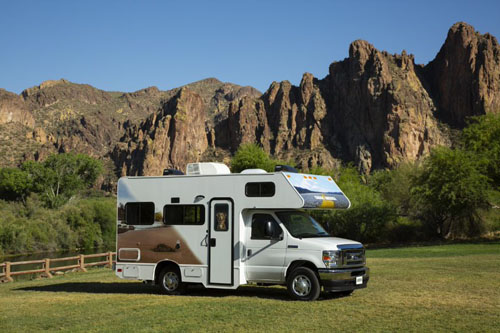
Embarking on a one-way RV rental adventure from Miami offers unparalleled freedom to explore diverse landscapes without the need to backtrack. To make the most of this unique travel experience, consider these essential tips. Firstly, booking your RV well in advance is crucial to secure specific models and favorable one-way routes, especially during peak seasons when availability can be limited. For example, if you're eyeing a particular Class C motorhome for a longer trip, securing it 3-6 months ahead is highly recommended.
Secondly, be aware of the distinct one-way fees that are a standard practice in the industry. These fees can vary significantly by provider and the chosen route, so it's important to compare them during your search to budget accurately. For instance, a popular one-way route might have different fees than a less common one.
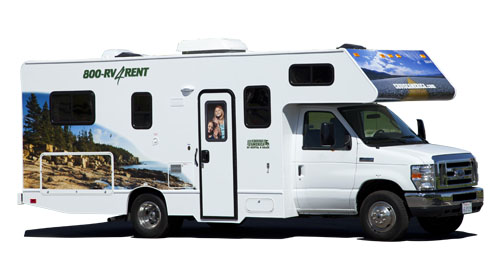
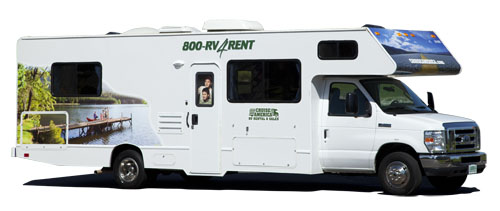
Thirdly, consider a smaller RV class, such as a Class C motorhome, for easier navigation and parking, especially when dealing with Miami's vibrant (and sometimes dense) traffic. These models often provide a balanced approach to space and maneuverability.
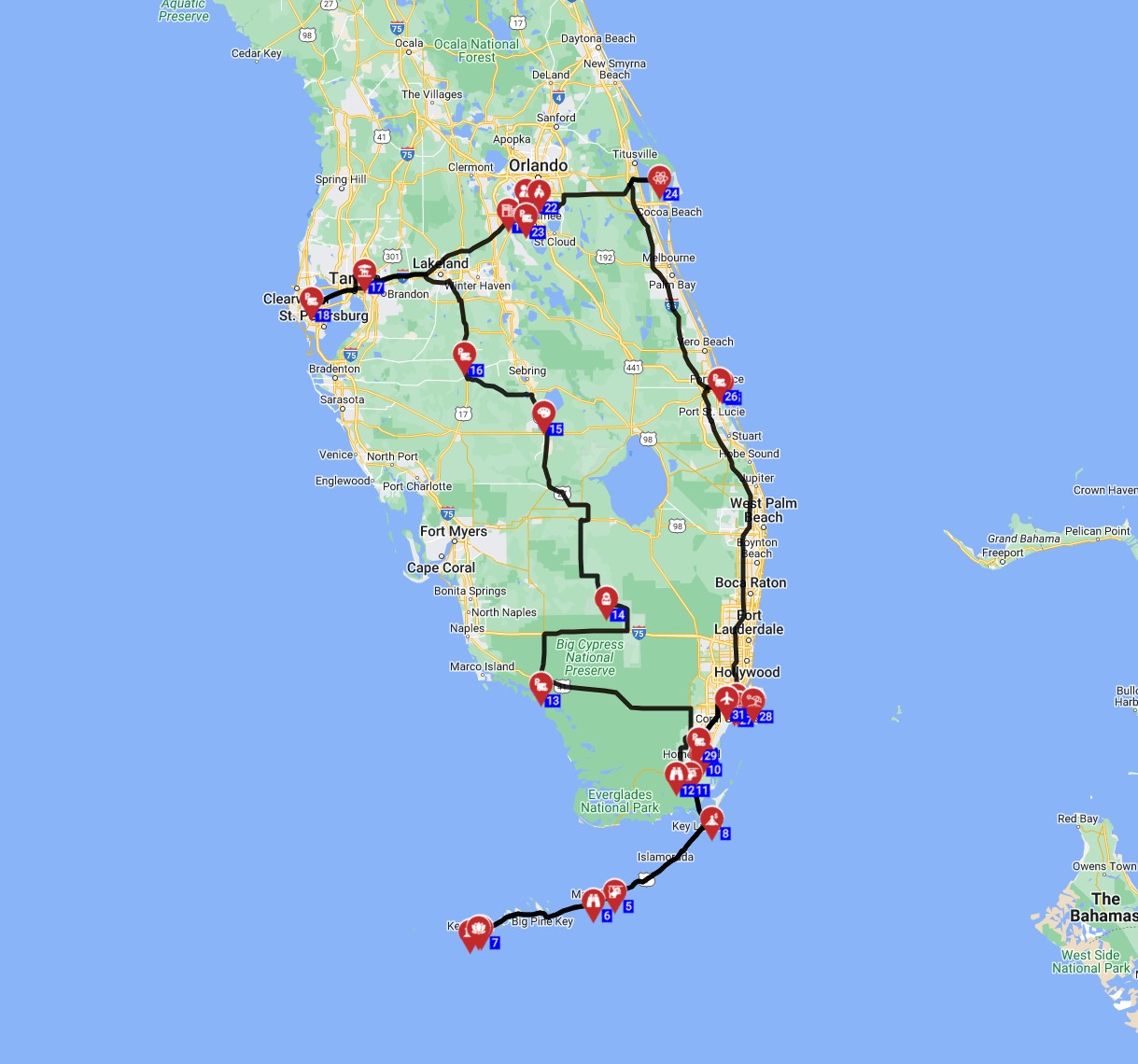
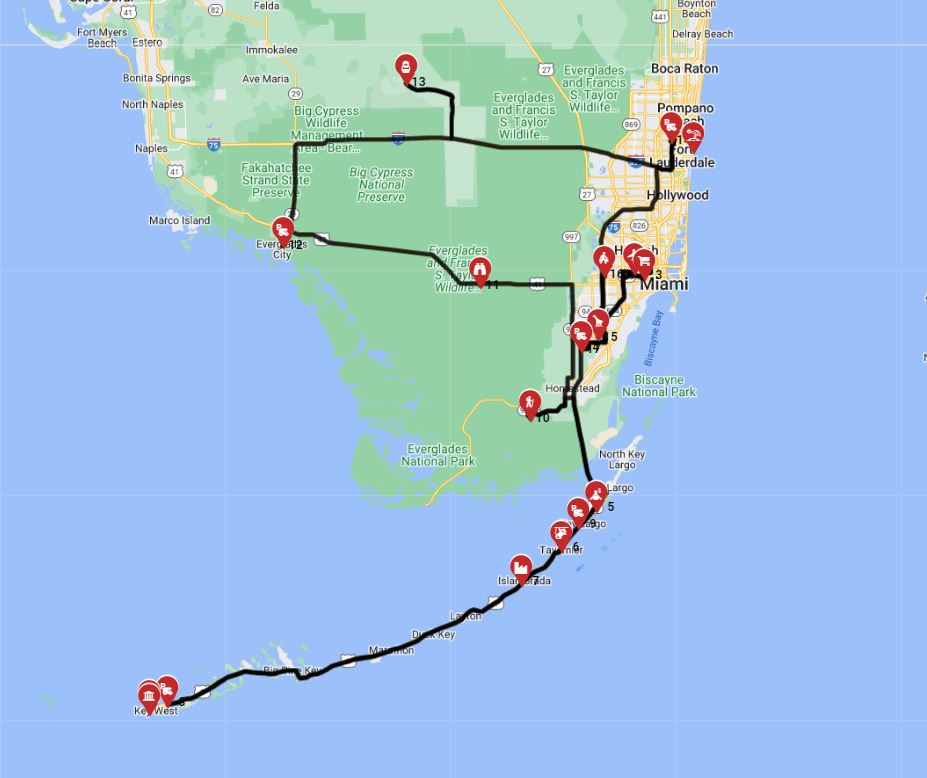
Fourth, plan your itinerary to maximize Miami's unique position as a launchpad to incredible nearby destinations. Whether you're drawn to the natural beauty of the Florida Keys or the unique ecosystem of the Everglades, a one-way rental allows you to seamlessly transition between these experiences.
Finally, pack efficiently. Focus on lightweight clothing suitable for Miami's famously warm and humid climate, but don't forget essentials like sunscreen, hats, and rain gear, as tropical weather can change quickly.
Before You Book — Class, Dates, Insurance
Choosing the right RV class is paramount for a comfortable and stress-free one-way rental experience in Miami. While larger Class A motorhomes offer ample space, a Class C motorhome is often recommended for its balance of living amenities and ease of driving, particularly navigating through city traffic and finding parking. If you're a couple or a smaller group, a nimble Class B campervan might be ideal for exploring narrower streets and tighter turns.
Locking in your travel dates is another critical step. For the best rates and availability, especially if you're traveling during Miami's peak season (typically November to May), aim to secure your booking 3-6 months in advance. This lead time ensures you have a wider selection of vehicles and can potentially save on rental costs.
Understanding insurance options is vital for peace of mind. Remember that basic insurance is always included with your rental. To see prices that incorporate the most comprehensive coverage, simply select that option during your search. This will display all relevant insurance choices, allowing you to tailor your protection to your needs. For instance, upgrading to top-level deductible reimbursement can provide extra peace of mind, knowing you're covered for unforeseen events.
Pre-Trip Prep — Packing Checklist for Miami
Proper packing is key to enjoying your RV adventure in Miami. Given the city's tropical climate, prioritize lightweight clothing, swimsuits, and rain gear, as sudden downpours are common, especially during the summer months. Including everyday essentials like a basic set of cooking utensils, non-perishable food items, and a cooler will enhance your on-the-go dining experience. Don't forget personal care items such as high-SPF sunscreen, effective insect repellent (essential for exploring the Everglades), and a comprehensive first-aid kit for any minor incidents. For ideas you can prep on the road, watch our RV-friendly recipes playlist on YouTube.
Ensure you have all necessary documents readily accessible, including your driver's license, the rental agreement, any campground reservations you've made, and an RV-specific GPS or reliable navigation app. These items are crucial for a smooth journey, helping you avoid unexpected detours and ensuring you reach your destinations efficiently.
On the Road — Driving, Fueling, Navigation
Navigating Miami in a rented RV requires a bit of planning, particularly when it comes to driving. Be prepared for dense traffic, especially during peak rush hours. Allow ample extra travel time for your journeys to avoid stress and ensure you arrive at your destinations relaxed. Utilizing an RV-specific GPS is highly recommended; these systems are programmed to avoid low bridges, weight-restricted roads, and other hazards that can pose challenges for larger vehicles.
When it's time to refuel, plan your stops at larger service stations or truck stops that are equipped to accommodate RVs. These locations typically offer easier access and more space for maneuvering. Researching RV-friendly parking options in advance for attractions and city exploration is also a smart move. Many popular Miami spots may have restrictions or limited availability for oversized vehicles, so knowing where you can park before you arrive will save considerable time and hassle.
At the Campground — Setup, Hookups & Etiquette
Once you've reached a campground, setting up your RV correctly ensures stability and proper function of your onboard systems. Always level your motorhome using leveling blocks or an automatic leveling system. This is crucial for appliances like refrigerators to operate efficiently and for your general comfort.
When connecting your RV to campground utilities, follow the correct hookup sequence: water, electricity, and then sewer. Ensure all connections are secure to prevent leaks or issues. Adhering to campground quiet hours, typically from 10 PM to 7 AM, is essential for respecting fellow campers. Be mindful of any generator usage restrictions, especially during designated quiet times.
Practicing good campsite etiquette also involves securing your food and trash properly. This deters local wildlife, from raccoons to the infamous Miami alligators, and helps maintain a tidy and pleasant environment for everyone. Properly disposing of waste and keeping your site clean is a courtesy that contributes to a positive camping experience for all visitors.
one way rv rental-Specific Tips for Miami
When planning a one-way RV rental from Miami, confirming the exact drop-off locations and operating hours with your chosen provider is key. One-way rentals often utilize specific centers, and knowing their accessibility is important for a smooth return.
Factor in the one-way rental fee when budgeting. This surcharge, which varies by provider and the specific route, is a common practice to cover the cost of repositioning the vehicle. It's also wise to be aware of any included mileage limits and potential per-mile overage charges, ensuring your planned itinerary stays within your budget. On the routes offered through RV PLANET routes, you can itemize and track every expense along the way for easy budgeting.
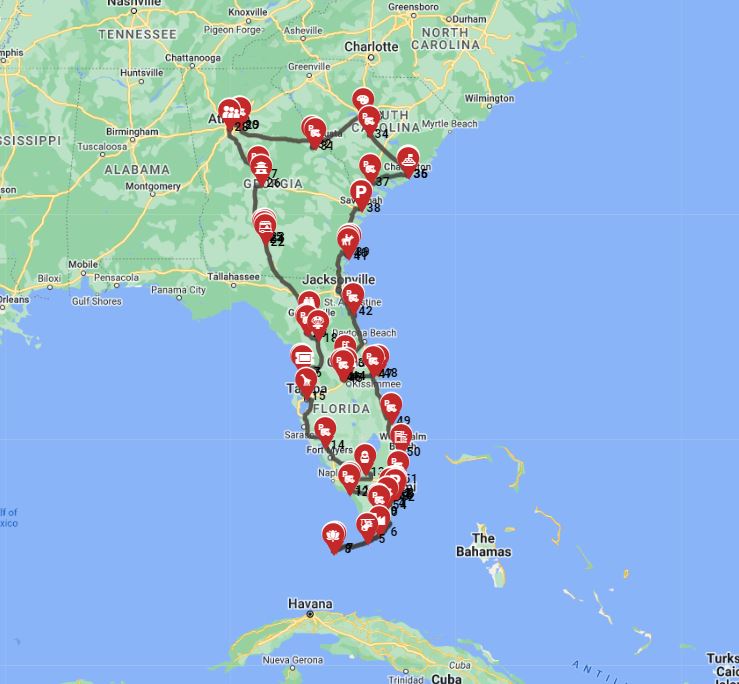
Leverage Miami's strategic location as a gateway to popular Florida destinations. Before your official drop-off, consider extending your trip south towards the stunning Florida Keys for incredible camping, or explore the unique natural wonders of the Everglades. Planning these excursions into your one-way route can transform your rental into a comprehensive exploration.
Finally, remember to plan for required cleaning or tank emptying before your drop-off to avoid additional fees. Most rental agreements require that holding tanks be emptied and the RV returned in a reasonably clean condition.
Common Mistakes to Avoid in Miami
To ensure a smooth one-way RV rental experience in Miami, it’s helpful to be aware of common pitfalls. One frequent mistake is neglecting advance bookings, particularly for RV campsites, which can often be reserved several months ahead, especially during peak season. This ensures you have a confirmed spot upon arrival at your destination.
Underestimating Miami's notorious traffic is another common oversight. Always plan your drives during off-peak hours and allow ample time for unexpected delays. This proactive approach will make your driving experience much more pleasant.
For those traveling between June and November, it's crucial to stay informed about hurricane season warnings. Have a contingency plan in place, as severe weather can impact travel significantly. Also, don't overlook the impact of one-way fees and mileage limitations; clearly budgeting for these potential additional costs from the outset is essential for accurate financial planning.
Lastly, relying solely on standard navigation systems can be a mistake. Always use RV-specific GPS to avoid potential issues like low bridges, weight restrictions, and tight turns that are not always accounted for on regular GPS devices.
Can you do a one way RV rental?
Yes, one-way RV rentals are a widely available and incredibly flexible option for travelers looking to explore different regions without the need to retrace their steps. This service allows you to pick up a rented RV in one city and drop it off in another, making linear road trips exceptionally convenient.
This option is ideal for those who wish to experience a variety of landscapes and attractions along a specific route, such as driving from the vibrant city of Miami down to the picturesque Florida Keys. Most major RV rental companies offer one-way services, although availability can fluctuate based on demand and specific popular routes.
It's important to expect a one-way drop-off fee when booking this type of rental. This fee covers the rental company's logistical costs for repositioning the vehicle, ensuring it's available for other renters at your destination.
RV-Friendly Activities and Itineraries in Miami
Miami offers a wealth of RV-friendly activities, with its unique position serving as a gateway to some of Florida's most celebrated natural attractions. Just a short drive from the city, Everglades National Park provides incredible opportunities for wildlife viewing, with designated RV parking available at various visitor centers, making it an accessible natural wonder.
Similarly, Biscayne National Park, while predominantly underwater, offers accessible land-based experiences. The Dante Fascell Visitor Center provides parking and ranger-led programs, serving as a gateway to exploring its marine life. For closer proximity to nature, consider Oleta River State Park, which offers RV camping and beach access, though direct RV beach parking can be limited.
Exploring Miami's vibrant cultural districts like Little Havana or the Wynwood Walls is easily manageable. After parking your rented RV at a designated lot or campground, utilize ride-sharing services to immerse yourself in the city's artistic and cultural hubs. For those extending their journey, the Florida Keys present excellent camping options, including John Pennekamp Coral Reef State Park and Bahia Honda State Park, renowned for their natural beauty and recreational activities.
Miami RV Parking and Local Regulations
When you're RVing in Miami, understanding local parking and regulations is crucial for a smooth trip. Overnight RV parking on public streets in Miami-Dade County is generally restricted or prohibited. Therefore, planning to stay in designated campgrounds or RV parks is the most reliable way to comply with local ordinances and ensure a comfortable night's rest.
Always be mindful of campground quiet hours, particularly concerning generator usage. Many campgrounds have specific restrictions in place to ensure a peaceful environment for all guests. Additionally, be aware that some residential areas or private communities might have their own specific rules or city ordinances regarding RV parking, so it's always wise to check local signage or inquire locally.
Practicing wildlife safety is also important in South Florida. Secure all food and trash properly to deter animals like raccoons and, of course, the famous alligators. Avoid transporting invasive plant or animal species by checking your RV and gear, especially when traveling through natural areas like the Everglades. This helps preserve the delicate local ecosystems.
Pet-Friendly RV Travel in Miami
Traveling with pets in your rented RV around Miami can be a wonderful experience, but it requires some specific planning. Always confirm pet policies with individual campgrounds and attractions in advance. Many campgrounds have restrictions regarding breeds, sizes, or require pets to be kept on a leash at all times.
Identify pet-friendly attractions that welcome your furry companions. While direct beach access for pets might be limited in Miami itself, many state parks and designated trails, like those in Tropical Park, allow leashed pets, offering great opportunities for exploration.
Never leave pets unattended in an RV without adequate air conditioning, especially in Miami's often extreme heat and humidity. Ensure they have constant access to fresh water and shade. It's also a good practice to research local veterinary clinics along your planned route, just in case of any pet emergencies.
Seasonal Considerations for RV Travel in Miami
Miami's climate offers distinct experiences throughout the year, making seasonal considerations important for RV travelers. The optimal time to visit Miami by RV is generally from November to May. During these months, you'll enjoy milder temperatures and lower humidity, which are ideal for outdoor activities and exploring the city and its surroundings.
For those planning trips during hurricane season, which runs from June through November, it's essential to monitor weather forecasts closely. Having a flexible evacuation plan in place can provide peace of mind. Be prepared for higher demand and potential price increases during the winter months, often referred to as "snowbird season," which necessitates booking your RV and campsites well in advance.
Summer months in Miami (June through September) can be very hot and humid, which might impact your comfort during outdoor excursions and increase reliance on the RV's air conditioning, affecting fuel consumption. However, these shoulder months can sometimes offer more competitive pricing if you're prepared for the heat.
How much does a one way RV rental cost from Miami?
The cost of a one-way RV rental from Miami is influenced by several factors, including the RV class, rental duration, final destination, seasonality, and the specific one-way fee charged by the provider. Generally, you can expect a base rental rate coupled with a distinct one-way surcharge, which can range from several hundred to over a thousand dollars, depending on the route and demand.
Peak season travel, typically during Miami's cooler, drier winter months, usually incurs higher prices for both the base daily rates and the one-way fees. Be prepared for additional costs such as fuel, insurance upgrades, cleaning fees if the vehicle isn't returned in the required condition, campground fees, and any optional add-ons like camping chairs or GPS units.
For the most accurate cost estimation, it's recommended to use comparison tools that allow you to input your specific dates, desired vehicle class, and route. This will provide transparent pricing across multiple suppliers, ensuring there are no surprise fees at pickup.
What is the cheapest one way RV rental?
Finding the cheapest one-way RV rental often involves strategic timing and flexibility. The most affordable options are typically available during off-peak seasons, such as late spring (May to early June) or early fall (September to October). These "shoulder seasons" often present a balance of pleasant weather and lower rental demand, translating to reduced rates.
Look out for RV relocation deals. Rental companies sometimes offer significantly discounted rates to move their vehicles between locations, which can be a fantastic way to save money on a one-way trip. Keep an eye on deal alerts or contact providers directly to inquire about such opportunities.
Opting for smaller RV classes, like Class B campervans or more compact Class C motorhomes, generally results in lower rental costs and better fuel efficiency. Flexibility with your travel dates and pick-up/drop-off locations can also unlock better prices; weekday rentals or less popular routes are often more budget-friendly.
Booking several months in advance is a proven strategy to secure competitive rates before demand inevitably drives prices higher, especially for popular one-way routes originating from or ending in cities like Miami.
Can I drop off an RV in a different state?
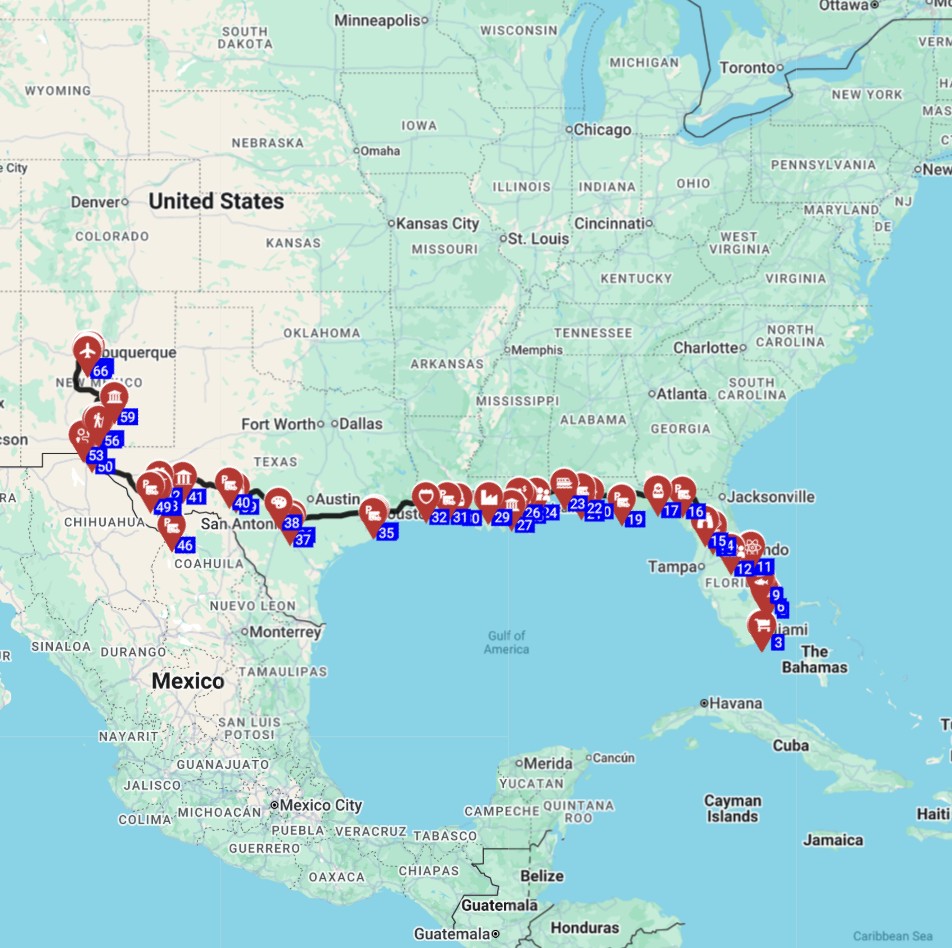
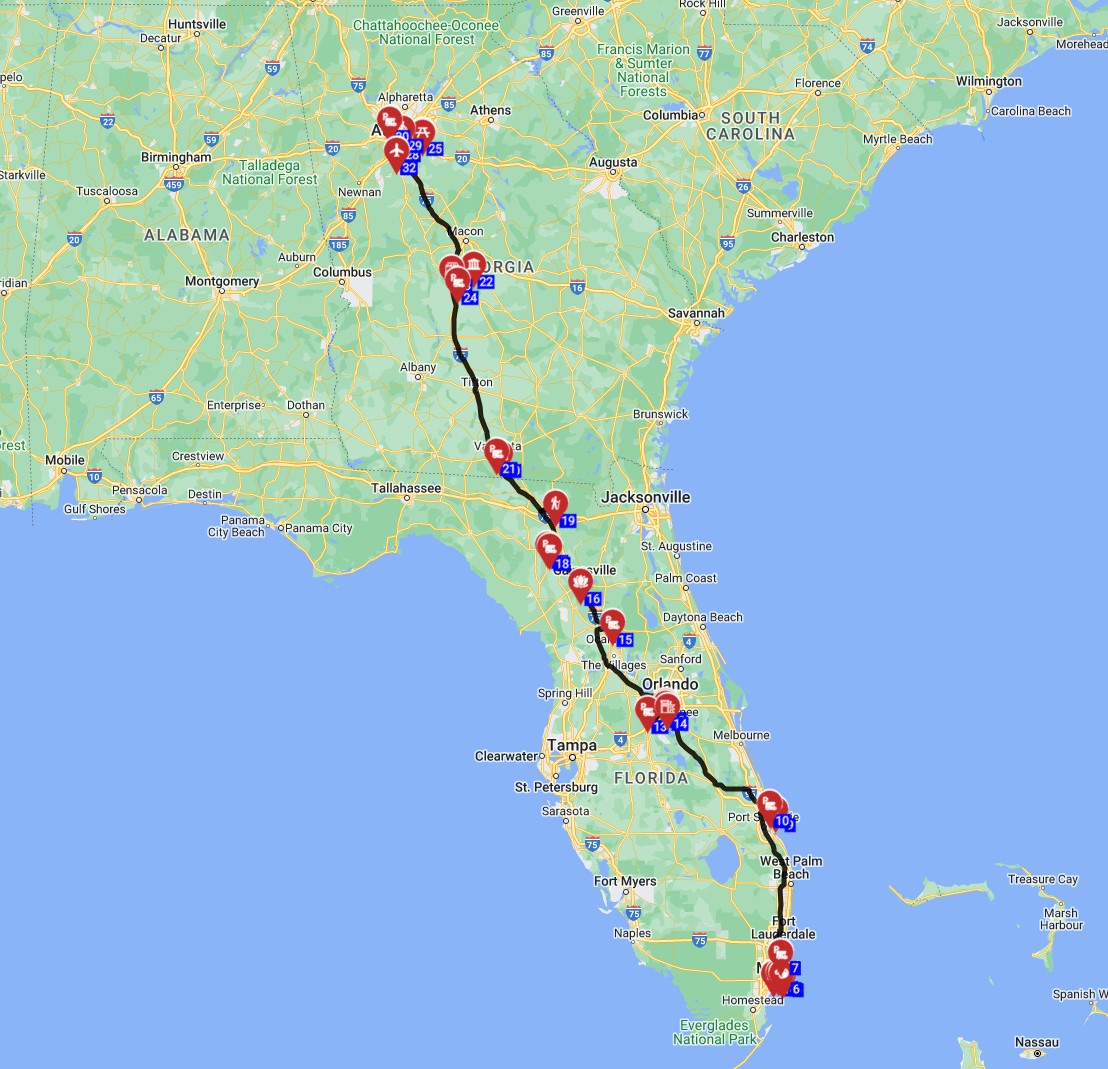
Absolutely! Dropping off an RV in a different state is a standard and highly convenient service offered by most major RV rental companies, making one-way trips incredibly feasible. This option is perfect for travelers planning extensive cross-state road trips who want to maximize their exploration without needing to return the vehicle to its original pick-up location.
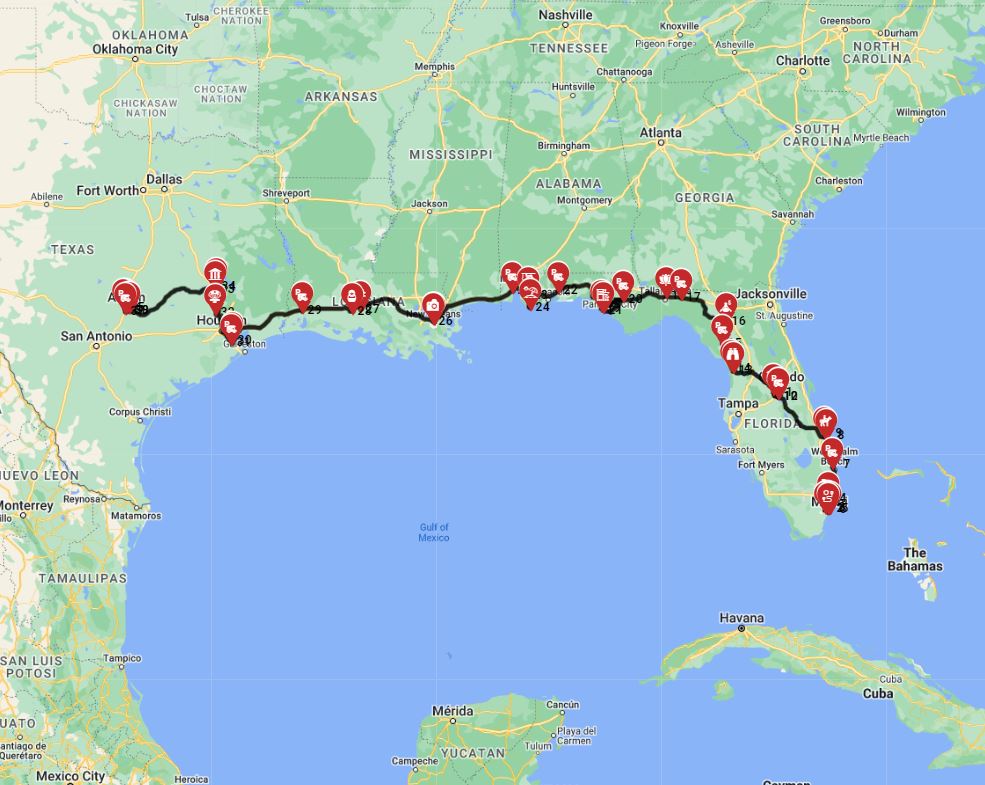
For example, after exploring Miami and South Florida, you could easily drop off your RV in a different state like Texas or Georgia, opening up further travel possibilities. Just be sure to confirm your exact drop-off state and location when you book your rental. This ensures a smooth transition and clarity on any associated costs.
As mentioned earlier, a one-way fee is typically applied to cover the logistical expenses for the rental company to reposition the vehicle. Always factor this into your budget to avoid any surprises.
What is the cheapest time to rent an RV?
The cheapest time to rent an RV, particularly for a one-way trip, generally falls during the off-peak seasons. For Miami and the surrounding South Florida region, this typically means traveling in the late spring (May to early June) or early fall (September to October). These shoulder seasons offer a sweet spot with generally pleasant weather and lower rental demand, often leading to more competitive pricing.
It's advisable to avoid major holidays and school breaks when demand surges, consequently driving up rental prices. While summer months in Miami (June-August) might seem like a budget option due to potentially lower demand, the intense heat and humidity, coupled with the possibility of hurricanes, might make them less appealing unless you're specifically seeking a warm-weather, budget-conscious getaway.
Embracing flexibility with your travel dates can also unlock better deals. Opting for mid-week rentals rather than weekend pick-ups or drop-offs can often lead to significant savings, as suppliers frequently offer lower rates to balance their fleet availability.
What You Shouldn't Miss
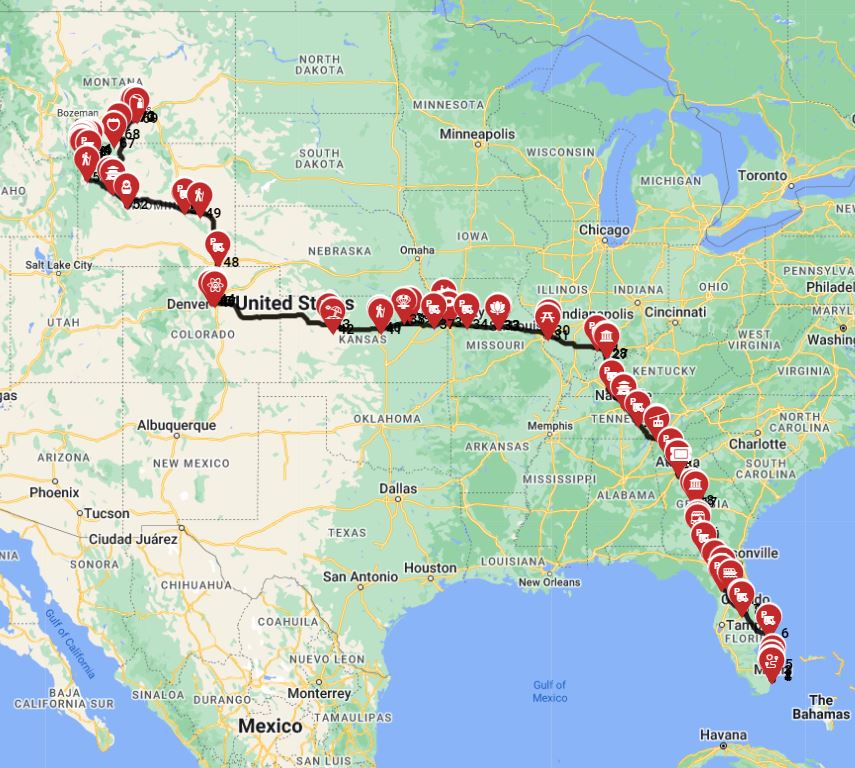
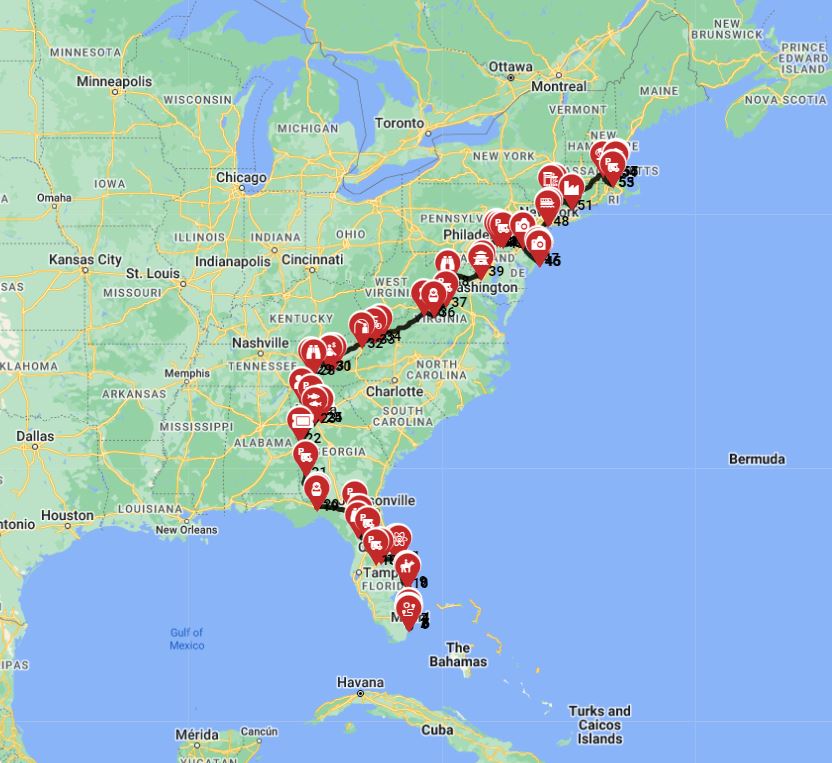
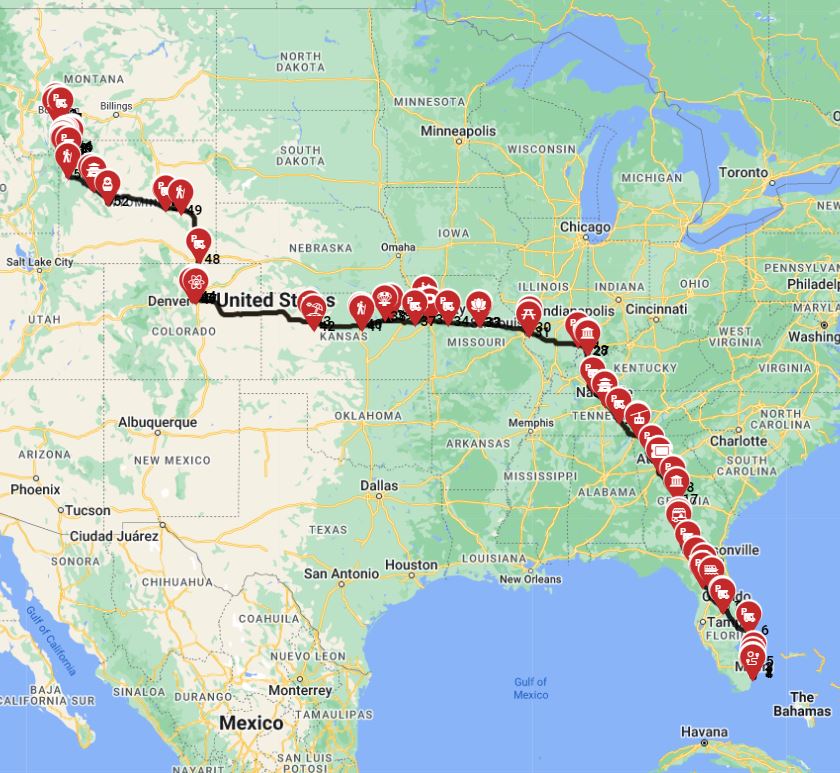
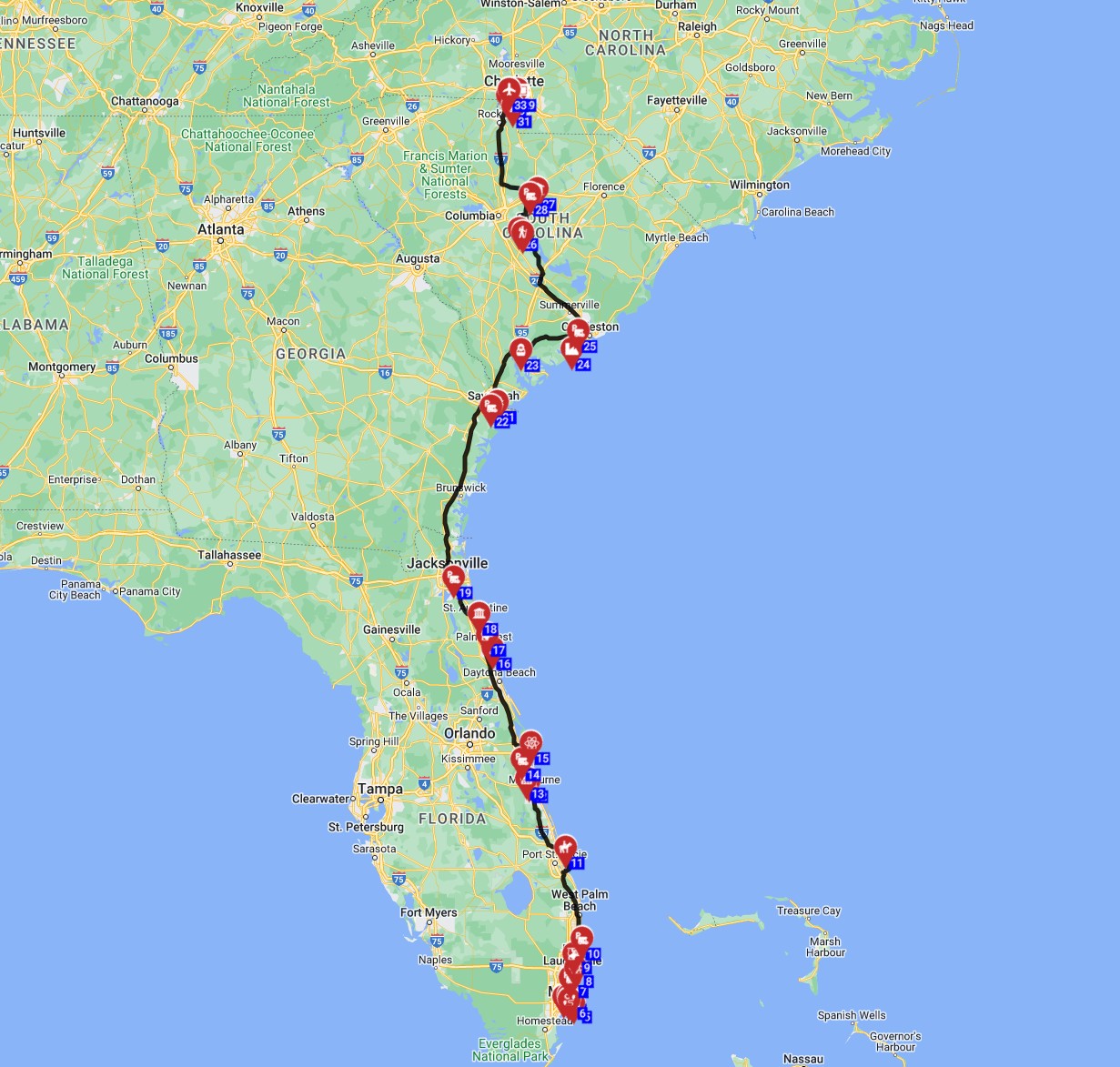
- Everglades National Park: Just a short drive from Miami, this unique "River of Grass" offers unparalleled wildlife viewing. Utilize the park's designated RV parking areas at visitor centers to explore its vast wetlands via boardwalks or boat tours. Consider the Miami to New York route which includes a stop here.
- The Florida Keys Scenic Drive: Extend your one-way rental south towards Key West, enjoying the iconic Overseas Highway. Many state parks along the route offer RV camping, with places like Bahia Honda State Park providing stunning views and access to the beautiful coastline.
- Wynwood Walls & Design District: Immerse yourself in Miami's vibrant art scene. After parking your RV, explore the colorful street art at Wynwood Walls and the chic boutiques of the Design District, easily accessible via ride-sharing or local transit.
- Biscayne National Park: While mostly underwater, the Dante Fascell Visitor Center offers RV parking and land-based access to this unique marine ecosystem. It's a great spot to learn about the area's diverse aquatic life.
- Little Havana Cultural Experience: Park your RV and stroll through this iconic Miami neighborhood. Savor authentic Cuban coffee, enjoy live music, and soak in the vibrant atmosphere for a true taste of local culture.
- Oleta River State Park: For a mix of nature and relaxation, this park offers RV camping and opportunities for kayaking or cycling amidst a tropical setting, providing a serene escape close to the city.
Final Thoughts
Renting a one-way RV in Miami unlocks a world of possibilities, from exploring the vibrant city to venturing into the unique natural landscapes of South Florida. By planning ahead, understanding the logistics, and packing smart, you're setting yourself up for an unforgettable road trip.
Remember, the key to a successful one-way rental is preparation and flexibility. Compare your options, book in advance for the best deals, and always prioritize safety and local regulations. Miami is an incredible starting point for diverse adventures, and with a rented RV, you have the ultimate freedom to discover it all at your own pace.
Find Motorhome Rentals in Miami