In This Guide
- Top 5 Tips for One Way RV Rental in Japan
- Before You Book - Class, Dates, Insurance
- Pre-Trip Prep - Packing Checklist for Japan
- On the Road - Driving, Fueling, Navigation
- At the Campground - Setup, Hookups & Etiquette
- One Way RV Rental-Specific Tips for Japan
- Common Mistakes to Avoid in Japan
- How Much Does a One Way RV Rental in Japan Cost
- What Are the Driving Rules and Challenges for RVs in Japan
- Where Can I Park and Camp Overnight in an RV in Japan
- How Do I Manage Waste and Utilities in an RV in Japan
- What Are the Best Navigation and Connectivity Options for RV Travel in Japan
- How Can I Be a Culturally Sensitive RV Traveler in Japan
- When Is the Best Time to Rent an RV in Japan
- What Should I Do in an Emergency While RVing in Japan
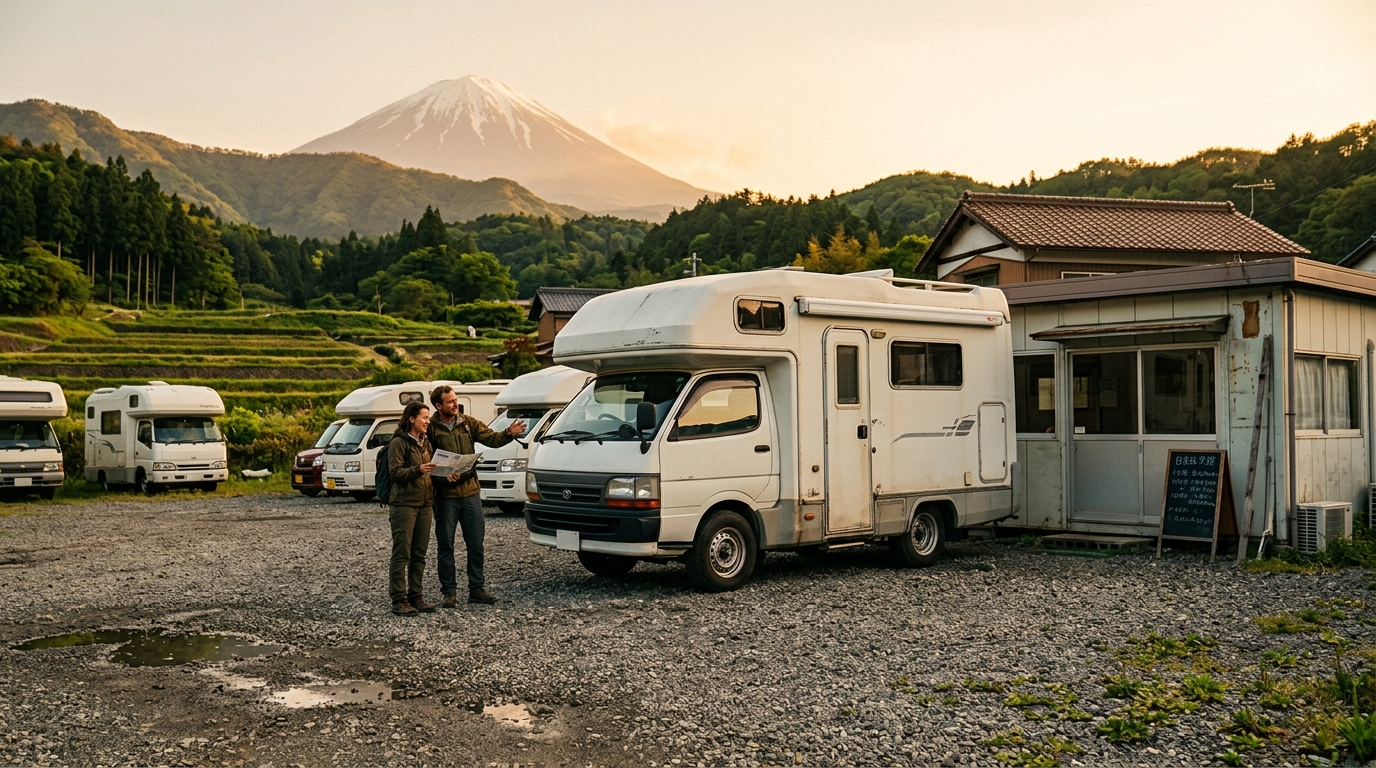
Japan, with its stunning blend of ancient traditions and futuristic cities, offers an extraordinary canvas for a one-way RV adventure. Imagine yourself driving through serene bamboo forests, parking your cozy campervan with a view of Mount Fuji, or exploring vibrant cityscapes from the comfort of your mobile home. An RV rental in Japan provides unparalleled freedom to delve deep into the country's diverse landscapes and rich culture on your own terms. For live availability and current prices, start with our RV Rental Japan - Complete Guide 2026 guide. We pride ourselves on full transparency, ensuring no hidden fees or surprises throughout your booking process, from the first click to the moment you pick up your keys.
Top 5 Tips for One Way RV Rental in Japan
Securing a one-way RV rental in Japan requires strategic planning and a good understanding of local specifics to ensure a smooth journey. First, always book one-way RV rentals well in advance due to limited availability, especially during peak travel seasons, and be prepared for potentially higher relocation fees which can range from $150 to $500 USD depending on the specific route and time of year. Second, meticulously plan your itinerary, carefully considering your desired pickup and drop-off locations to maximize efficiency and minimize unnecessary backtracking, as driving slowly (max 100-150 km per day on average) allows you to truly connect with the culture and scenery. Third, familiarize yourself thoroughly with Japanese driving rules, including the critical detail of left-hand traffic, unique road signs, and the presence of high expressway tolls which are a significant factor in trip budgeting. Fourth, learn to utilize Michi-no-Eki (roadside stations) for safe and convenient overnight parking and access to amenities, as wild camping is generally not permitted or culturally discouraged. Fifth, embrace and respect Japanese cultural etiquette, particularly regarding waste disposal and maintaining quiet hours at campsites and Michi-no-Eki, ensuring your adventure is harmonious with local customs. As true RV specialists, we at Bandana are here to support you with our expertise before, during, and after your booking, making sure you have all the information you need. On the routes offered through RV PLANET routes, you can itemize and track every expense along the way for easy budgeting.
Before You Book - Class, Dates, Insurance
Choosing the right RV class for a one-way rental in Japan is crucial and depends heavily on your group size and desired comfort levels. Smaller campervans, such as a "Category Van" or "Active Pop Top" (typically around 6 meters in length like the Indie Campers AU Active Pop Top), are often easier to navigate through Japan's sometimes narrow city streets and winding rural roads, offering agility and easier parking. For families or groups seeking more space and amenities, a Class C motorhome like the 6-berth 6 Berth Discovery (length 7.4m) or a Jayco Excursion provides comfortable sleeping for 4-6 people, with a shower, toilet, and a fully equipped kitchen. It's essential to lock in your rental dates as early as possible, especially for one-way rentals and during Japan's peak seasons, such as the cherry blossom season (March-April) or autumn foliage (October-November), to secure availability and potentially better daily rates. Basic insurance is always included with RV rentals in Japan; for enhanced peace of mind and more comprehensive coverage, you can easily select relevant insurance options during your search on our platform to see prices that include these upgrades. Remember, you can always upgrade to a top-level deductible for extra peace of mind, providing broader coverage in case of unexpected events. We believe in full transparency: what you see is what you pay, with no surprise fees at pickup.
🎬 Video coming soon
Pre-Trip Prep - Packing Checklist for Japan
Preparing for a one-way RV trip in Japan involves a thoughtful packing strategy tailored to the local climate, cultural norms, and specific RV living requirements. Consider packing versatile layers to adapt to Japan's varying temperatures, from cool mountain air to humid city environments, and prioritize quick-drying fabrics for convenience. Ensuring all necessary travel documents are secured before departure is paramount for entry and legal driving in Japan. Here's a comprehensive checklist:
- International Driving Permit (IDP) - Legally required for most foreign drivers.
- Valid Passport & Visa (if applicable).
- Credit Cards & ample Japanese Yen for cash-only establishments and small purchases.
- Reusable Water Bottle - Japan has excellent tap water.
- Power Bank & Adapters (Japan uses Type A/B outlets, 100V).
- Comfortable Walking Shoes for exploring temples, gardens, and city streets.
- Rain Gear (compact umbrella or lightweight waterproof jacket) - essential year-round.
- Layered Clothing (thermals for winter, light, breathable fabrics for summer) to adapt to temperature changes.
- Small Towel (tenugui) for onsen visits, following proper etiquette.
- Personal Toiletries & Medications - bring enough for your trip.
- Basic First-Aid Kit for minor scrapes and ailments.
- Reusable Shopping Bag - stores often charge for bags.
- Small Trash Bags for sorted waste - Japan has strict disposal rules.
- Portable Wi-Fi device or eSIM for reliable internet connectivity on the go.
- Offline Map Downloads - essential for areas with limited signal.
- Universal phone mount for dashboard - for safe navigation.
For those planning to cook meals in their rented campervan kitchen, packing a few favorite non-perishable spices or specialty ingredients can enhance your culinary experience on the road. Don't forget to check out our RV-friendly recipes playlist for inspiration!
On the Road - Driving, Fueling, Navigation
Navigating Japan's roads in a rented RV requires attentive driving, starting with adherence to left-hand traffic, which can be an adjustment for those accustomed to right-hand drive. While major cities may present urban parking challenges and narrower streets, driving slowly and carefully allows you to navigate almost anywhere without issues. For instance, a Class C motorhome like the "MHC24" (7.3m length, 2.51m width) can manage city driving with common sense and attention to surroundings. Understanding unique Japanese traffic signs, which often combine pictograms and Kanji, is essential; many navigation apps offer English translations or visual aids. Fueling up in Japan is straightforward but requires recognizing the different fuel types: 'Regular' (レギュラー), 'High Octane' (ハイオク), and 'Diesel' (軽油) at either self-service (セルフ) or full-service (フルサービス) stations. Be aware that diesel is often less common than gasoline, especially in rural areas, so plan your fuel stops accordingly. Reliable navigation for your one-way RV trip often involves a combination of the rented RV's built-in GPS, if available, and popular smartphone apps like Google Maps or Japan-specific navigators such as MAPCODE, which uses a unique numerical code for precise locations. Utilizing a portable Wi-Fi device or eSIM ensures you always have access to real-time traffic updates and map data, crucial for efficient travel. When planning your route, remember our recommendation for slow travel, aiming for a maximum of 100-150 km per day on average, allowing plenty of time to explore Japan's rich cultural tapestry and breathtaking scenery.
At the Campground - Setup, Hookups & Etiquette
Setting up at a Japanese campground or Michi-no-Eki involves understanding specific procedures for parking, utility hookups, and adhering to strict local etiquette. Designated campgrounds (オートキャンプ場 - auto-campjo) typically offer full facilities including electrical hookups, fresh water, and dump stations, while Michi-no-Eki often provide free overnight parking with clean restrooms, but usually no hookups or dump facilities. The hookup order for a fully equipped RV like the 4-berth 4 Berth Adventurer (a Class C motorhome with a 125L fresh water tank) typically involves connecting electricity first if available, then fresh water (using your own hose, as rental companies may not provide them), and finally positioning your waste hose at designated gray/black water emptying stations. It is paramount to observe quiet hours diligently, which are usually enforced from 8 PM to 7 AM, by keeping outdoor activities minimal, refraining from loud conversations, and avoiding setting up extensive outdoor furniture or awnings at Michi-no-Eki to respect other travelers and local customs. Additionally, proper waste separation is crucial; Japanese facilities often require meticulous sorting of burnable, non-burnable, plastic, and recyclable items into specific bins, a practice deeply ingrained in their culture. We encourage travelers to embrace these local customs to ensure a pleasant experience for everyone, reinforcing our commitment to helping you explore the world respectfully.
One Way RV Rental-Specific Tips for Japan
One-way RV rentals in Japan often incur a surcharge, so carefully factoring this into your overall budget and comparing pickup/drop-off locations is critical to minimizing costs. These relocation fees can vary significantly, from around $150 to $500 USD, depending on the demand for that specific route and the season. Planning your itinerary to flow seamlessly between your chosen pickup and drop-off points, such as from Tokyo to Kyoto or Osaka, will allow ample travel time without unnecessary backtracking or wasted fuel. Always confirm drop-off procedures and location specifics with your rental provider well in advance, especially concerning after-hours returns or required cleaning of tanks and interiors, to avoid unexpected charges. Be aware that specific RV classes, particularly larger Class A or popular Class C motorhomes for families, might have limited availability for one-way routes, making early booking absolutely crucial. Bandana Caravan, as true RV specialists with direct partnerships with leading suppliers, ensures full price transparency throughout this process. Explore our options for one way rv rental in Japan to find the perfect fit for your adventure.
Common Mistakes to Avoid in Japan
A common mistake for first-time RV renters in Japan is underestimating driving times, particularly due to narrow roads in rural areas and frequent, high expressway tolls. Instead, always allocate more time for travel between destinations, embrace the philosophy of slow travel (max 100-150 km per day on average), and factor in plenty of rest stops at Michi-no-Eki. Another significant error is improper waste disposal; Japan has extremely strict and complex trash sorting rules, so you must diligently adhere to these by separating waste into burnable, non-burnable, plastic, and recyclable items, and utilizing designated bins or facilities at campgrounds or Michi-no-Eki. Failing to carry an International Driving Permit (IDP) before traveling to Japan is a critical legal mistake; ensure you obtain your IDP in your home country as it is legally required for foreign drivers. Ignoring cultural etiquette, especially at Michi-no-Eki or public facilities, can also be a misstep; instead, practice quiet hours, avoid extensive outdoor setups, and engage respectfully with locals. Finally, don't miss out on pre-planning your route and campground stays, even if you enjoy spontaneity; while many national/state parks reserve only 25-30% of spots for advance booking, the rest are first-come, first-serve. You'll almost always find a spot; if not at the first campground, then the next one. Always call ahead before driving to confirm availability. For tailored route plans and more tips, exploring RV PLANET routes can save you 25% on planning services.
How Much Does a One Way RV Rental in Japan Cost
The cost of a one-way RV rental in Japan extends beyond the base rental fee, encompassing significant ancillary expenses like fuel, exceptionally high expressway tolls, and campground or Michi-no-Eki fees. A compact campervan, ideal for two travelers, might start from around $100 USD per day in the low season, while a larger Class C motorhome like the Jayco Excursion, suitable for a family of four to six, could range from $180-$300+ USD per day during peak season. Fuel in Japan is notably expensive, currently averaging around ¥170 per liter (approximately $1.08/liter or $4.08/gallon USD) for regular unleaded, making it a substantial portion of the overall budget, especially for longer one-way trips covering considerable distances. Expressway tolls are also exceptionally high; for instance, a one-way trip from Tokyo to Osaka can cost upwards of $100-$150 USD in tolls alone, so planning routes that balance scenic toll-free roads with necessary expressway segments is key for budget management. Campground fees vary, from free overnight parking at many Michi-no-Eki to around $20-$50 USD per night for a fully equipped auto-campjo with hookups. Other costs include food, attraction admissions, and any optional add-ons like extra mileage packages, bedding kits, or the top-level deductible reimbursement for peace of mind. Bandana offers full transparency, showing you the final price with no hidden fees. For detailed cost breakdowns and budgeting tools, explore RV PLANET routes where you can itemize and track every expense along the way.
What Are the Driving Rules and Challenges for RVs in Japan
Driving an RV in Japan primarily involves navigating left-hand traffic, which is a key adjustment for international drivers, along with challenges such as often narrow roads and urban parking limitations. Japanese roads are generally well-maintained, but city streets and some rural routes can be quite compact. However, remember to drive slowly and carefully, and you can drive almost anywhere without issues; no need to stress - just use common sense and pay attention. RV drivers should consider choosing appropriate vehicle sizes, such as a Class B campervan, which is typically around 5-6 meters in length like a "V3" or "Duo" model, to better navigate Japan's smaller roads and mountain passes. Low bridge clearances are not generally a widespread issue on main routes but always remain vigilant, especially in older areas or smaller towns. Unique Japanese traffic rules include the use of a narrow left-hand shoulder (路側帯 - Rosokutai) designated for slow-moving vehicles, allowing faster traffic to pass; RVs should stay within this lane when driving slowly to avoid obstructing traffic. Speed limits are strictly enforced: typically 80-100 km/h on expressways, 40-60 km/h on national highways, and 30 km/h in urban areas. An International Driving Permit (IDP) is legally required for foreign visitors to drive in Japan, so ensure you obtain one before your trip. Always be mindful of pedestrians and cyclists, and embrace defensive driving practices. For more in-depth planning, consider guides like RV Rental in Japan - Prices and Best Deals 2026 to ensure you're fully prepared.
Where Can I Park and Camp Overnight in an RV in Japan
For overnight parking and camping in Japan, 'Michi-no-Eki' (Roadside Stations) are the primary legal and culturally accepted spots, offering a safe and convenient place to rest. These government-designated facilities, numbering over 1,200 nationwide, typically feature incredibly clean restrooms (often with bidets and heated seats), local produce markets, restaurants, and sometimes even hot springs. While Michi-no-Eki generally allow overnight parking for RVs and campervans, they have specific rules: do not set up chairs, tables, or awnings outside your vehicle, respect designated quiet hours (usually 8 PM to 7 AM), and refrain from extensive camping activities. The focus is on resting rather than traditional camping. Designated campgrounds (オートキャンプ場 - auto-campjo) are also available across Japan, offering full facilities like electrical hookups (often 100V, requiring a converter for 120V or 240V appliances), fresh water, and waste disposal points for a fee, typically ranging from $20-$50 USD per night. These are ideal for longer stays or when you require full utility hookups. Wild camping, or parking overnight outside of designated areas, is generally not allowed or culturally frowned upon in Japan due to land ownership and respectful use of public spaces. Always plan your overnight stops in advance, and call ahead before driving to ensure availability, especially during popular seasons. Our RV PLANET routes offer pre-planned itineraries that include recommended overnight spots across Japan.
How Do I Manage Waste and Utilities in an RV in Japan
Managing waste and utilities in an RV in Japan requires careful attention to local regulations, particularly concerning trash sorting and proper disposal of grey and black water. Designated facilities at campgrounds (auto-campjo) or specific RV parks are the appropriate places to empty grey/black water tanks and refill fresh water. Many Michi-no-Eki offer fresh water spigots and sometimes gray water disposal, but black water disposal is less common. Japanese trash sorting is famously meticulous and highly specific, often requiring separate disposal for burnable items, non-burnable items, plastics, and various recyclables (cans, glass, paper). Collection schedules and sorting categories can vary even by municipality, so it's essential to familiarize yourself with the local rules at each stop. Always carry small trash bags to sort your waste within your campervan until you find appropriate disposal facilities. Most rented motorhomes, like a Cruise America Explorer Class C motorhome (82L fresh and waste water tanks), come equipped with a refrigerator that operates on gas, 12V, or 220V, and a gas stove, allowing for convenient meal preparation on the go. For those looking for more budget-friendly options, the "Cheap RV Rental in Japan - Budget Guide 2026" provides additional insights into managing overall trip costs, including utilities.
What Are the Best Navigation and Connectivity Options for RV Travel in Japan
For optimal navigation and connectivity during RV travel in Japan, travelers should utilize a combination of reliable offline maps, recommended navigation apps, and consider renting a pocket Wi-Fi device or purchasing a local eSIM. Pocket Wi-Fi devices are highly recommended and widely available for rent at major airports, through online providers, or even as an add-on from your RV rental supplier. These devices offer consistent, high-speed internet access for multiple devices (often with daily data limits of 5GB-10GB), crucial for real-time map updates, researching attractions, and staying connected. eSIMs provide a convenient digital solution for data, eliminating the need for physical SIM cards and offering flexible data plans from various providers like Docomo, au, or SoftBank. For navigation, Google Maps is generally reliable and offers real-time traffic updates, but downloading offline maps for areas with potentially spotty signal is a smart backup. Additionally, Japan-specific navigation apps like MAPCODE (which uses unique numerical codes for precise locations) or apps designed for larger vehicles, though less common, can be helpful. A universal phone mount for your dashboard is essential for safe and hands-free navigation while driving. With strong partnerships with 50+ leading RV suppliers worldwide, Bandana Caravan ensures you can compare and book your ideal RV, often with options for connectivity services.
How Can I Be a Culturally Sensitive RV Traveler in Japan
Being a culturally sensitive RV traveler in Japan involves thoughtful management of noise levels, proper trash disposal, respectful use of public facilities, and polite interactions with locals. Japan values harmony and cleanliness, so maintaining quiet hours, particularly at Michi-no-Eki and campgrounds (typically 8 PM to 7 AM), is essential. Always dispose of trash correctly according to Japan's famously strict sorting rules, carrying it with you until appropriate, clearly labeled bins are found, as bins are scarce in public spaces to deter littering. When using public facilities, including restrooms at Michi-no-Eki, always leave them as clean or cleaner than you found them. If visiting an *onsen* (hot spring), familiarize yourself with and strictly follow bathing etiquette, which typically includes washing thoroughly before entering the baths, refraining from wearing swimsuits (most are naked gender-segregated), and keeping voices low. Parking your rented campervan discreetly and avoiding sprawling outdoor setups at Michi-no-Eki demonstrates respect for the space and other users. Learning a few basic Japanese phrases like "Arigato" (thank you) and "Sumimasen" (excuse me/I'm sorry) can significantly enhance polite interactions with locals. Our comprehensive RV Rental Asia - Complete Guide 2026 provides broader insights into respectful travel in the region.
When Is the Best Time to Rent an RV in Japan
The best time to rent an RV in Japan largely depends on your desired experiences, with detailed advice on specific seasons to navigate challenges like typhoon season, snow driving in winter, or crowds during peak cherry blossom or fall foliage seasons. Spring (March-May) and Autumn (September-November) are generally considered the most pleasant seasons, offering mild weather and stunning natural scenery like cherry blossoms or vibrant autumn leaves, but also leading to higher prices and larger crowds. Summer (June-August) brings warmer temperatures and is ideal for coastal areas and exploring Hokkaido, but it also coincides with Japan's rainy season and typhoon season, requiring careful monitoring of weather forecasts and flexible travel plans. Winter (December-February) is excellent for skiing and snow activities, especially in areas like Nagano and Hokkaido, but requires an RV rental prepared for cold weather, often with winter tires and heating; some rural roads may close due to snow. For those seeking fewer crowds and potentially lower prices, consider traveling during the shoulder seasons (late May-early June, or late November-early December). Prices for RV rentals, like flights, are dynamic and change daily based on availability, seasonality, and supplier marketing decisions. Booking in advance can help secure better rates and vehicle availability, especially for popular models like the "Paradise Family 5" or a compact "rv rental denver example Category Van". For more insights into optimizing your budget, check out our "Weekly RV Rental in Japan - Pricing 2026" guide.
What Should I Do in an Emergency While RVing in Japan
Emergency preparedness for RVing in Japan includes understanding how to respond to natural disasters like earthquakes and typhoons, knowing how to access roadside assistance (especially with potential language barriers), and navigating medical emergencies. Japan is seismically active, so familiarize yourself with earthquake safety procedures: stay calm, seek cover under a sturdy table, and follow local emergency broadcasts. During typhoon season (typically May-October), closely monitor weather forecasts and be prepared to seek safe shelter or adjust your travel plans. In case of a roadside breakdown, first ensure your safety by pulling over to a safe location and activating your hazard lights. Then, contact your RV rental company directly; they will guide you through the process of arranging roadside assistance. While many Japanese people are helpful, language barriers can exist, so having a translation app on hand or a few key Japanese phrases for emergencies can be invaluable. For medical emergencies, call 119 for an ambulance or fire services, and 110 for police. Keep emergency contact numbers readily accessible, including your rental company, travel insurance provider, and the nearest embassy or consulate. Having a well-stocked first-aid kit is also a sensible precaution. Bandana RV's 24/7 support is available for pre-booking comparisons, booking assistance, and post-booking coordination, ensuring you have reliable help when you need it most. Our commitment is to handle the details so you can live the journey, supported every step of the way.
What You Shouldn't Miss
- Explore the Kyoto Countryside: Beyond the bustling city, take your rented motorhome to areas like Arashiyama's bamboo forest or the tranquil villages surrounding Lake Biwa for serene natural beauty.
- Drive the Panorama Line near Mount Fuji: Experience breathtaking views of Japan's iconic peak, finding a Michi-no-Eki with direct views for an unforgettable overnight stay.
- Discover Historic Nara and Its Deer Park: Park your campervan outside the city and use public transport to explore the ancient capital, interacting with its friendly free-roaming deer.
- Visit the Japanese Alps: Head to regions like Nagano or Takayama for stunning mountain scenery, traditional villages, and hot springs, perfect for a peaceful RV stopover.
- Coastal Drives of Ishikawa Prefecture: Experience picturesque drives along the Noto Peninsula, finding fresh seafood markets and relaxing at local onsen.
- Looking for expert insights from Avi Bandana? Top 5 Adventures - recommendations from Avi Bandana.
Final Thoughts
A one-way RV rental in Japan offers an unparalleled journey, providing the freedom to explore its rich tapestry of culture, nature, and modernity at your own pace. While navigating the unique aspects of Japanese roads and etiquette requires preparation, the rewards are immense. Imagine the feeling of waking up to a new, breathtaking view each day, whether it's the iconic Mount Fuji or a serene coastal vista, all from the comfort of your mobile home.
At Bandana, we're passionate about making your RV dreams a reality. We're here to guide you with transparency, expert advice, and unwavering support, ensuring every detail is handled so you can focus on the adventure. From finding the perfect campervan to understanding local customs, we've got your back. Embrace the open road, discover hidden gems, and create memories that will last a lifetime.
Ready to embark on your Japanese RV adventure? Start planning your unforgettable one-way journey today.