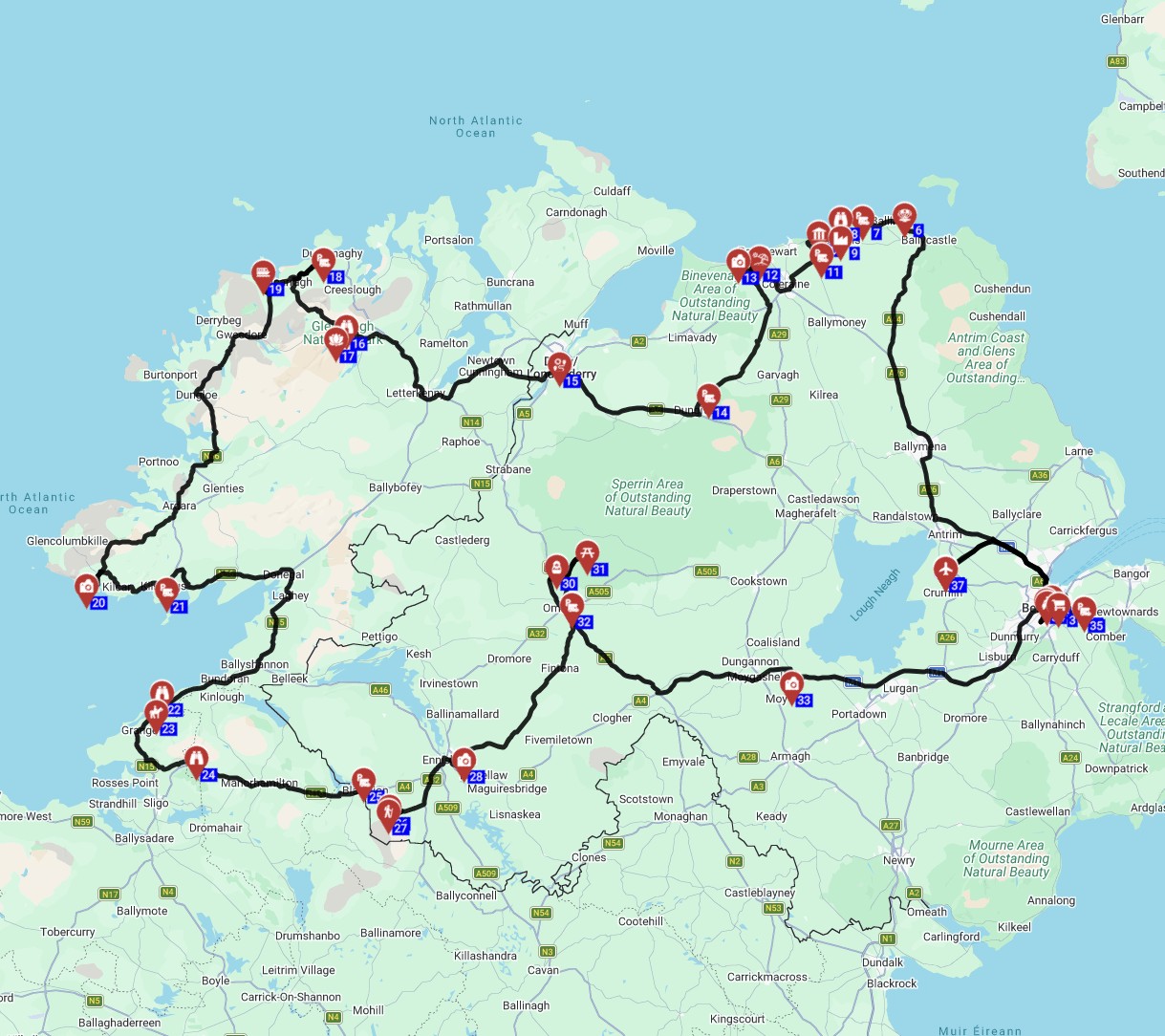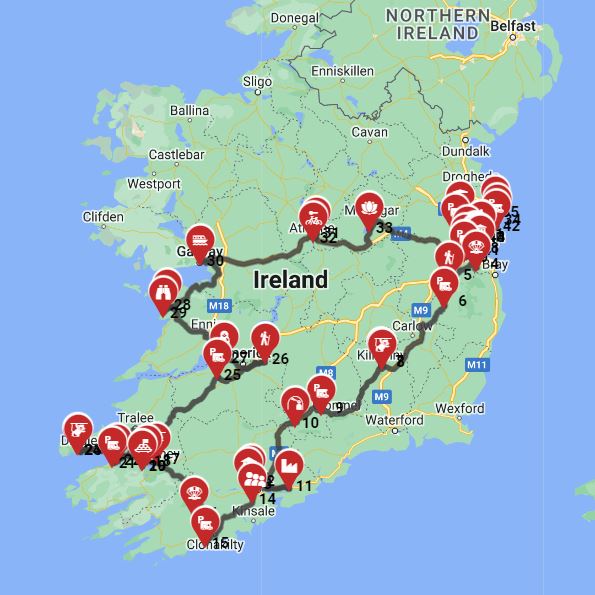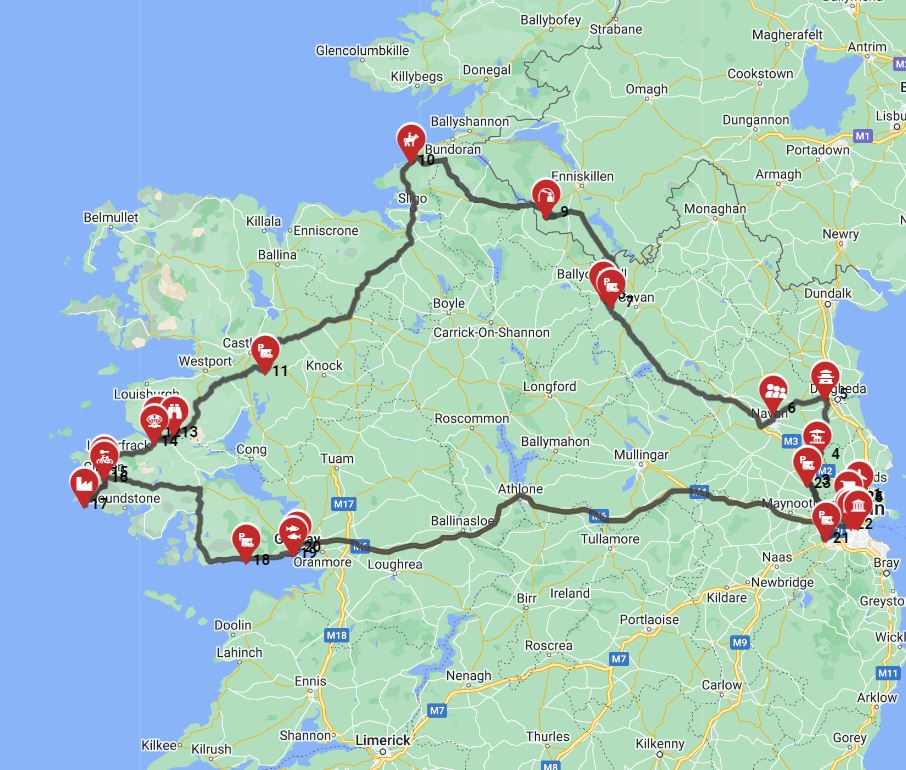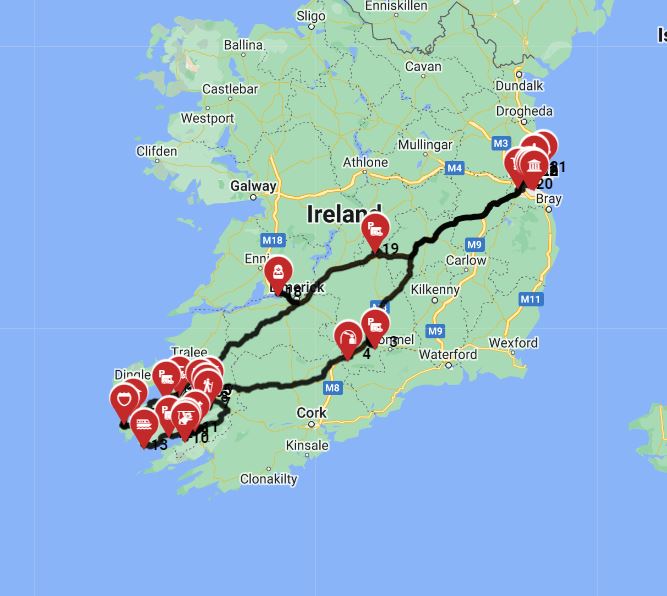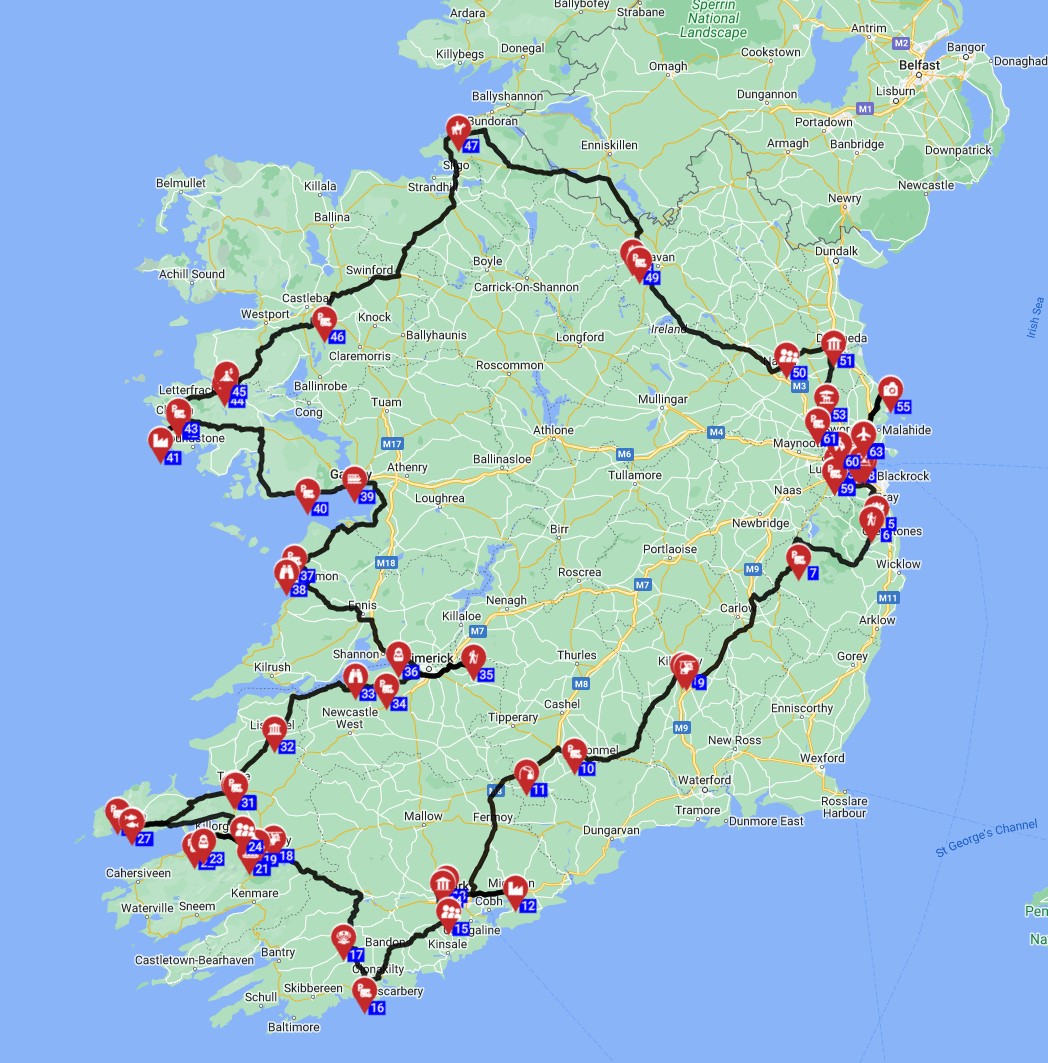
For live availability and current prices, start with our RV Rental Ireland - Complete Guide 2026 guide.
In This Guide
- Top 5 Tips for one way rv rental RV Rental in Ireland
- Before You Book - Class, Dates, Insurance
- Pre-Trip Prep - Packing Checklist for Ireland
- On the Road - Driving, Fueling, Navigation
- At the Campground - Setup, Hookups & Etiquette
- One Way RV Rental-Specific Tips for Ireland
- Common Mistakes to Avoid in Ireland
- How much does it cost to rent an RV in Ireland?
- Can you just park an RV anywhere in Ireland?
- What do I need to know about driving an RV in Ireland?
- Can you wild camp in Ireland in an RV?
- Is it worth renting an RV in Ireland?
- What side of the road do you drive an RV on in Ireland?
- What is the best time to RV in Ireland?
- Are there tolls in Ireland?
- Can you take an RV on a ferry to Ireland?
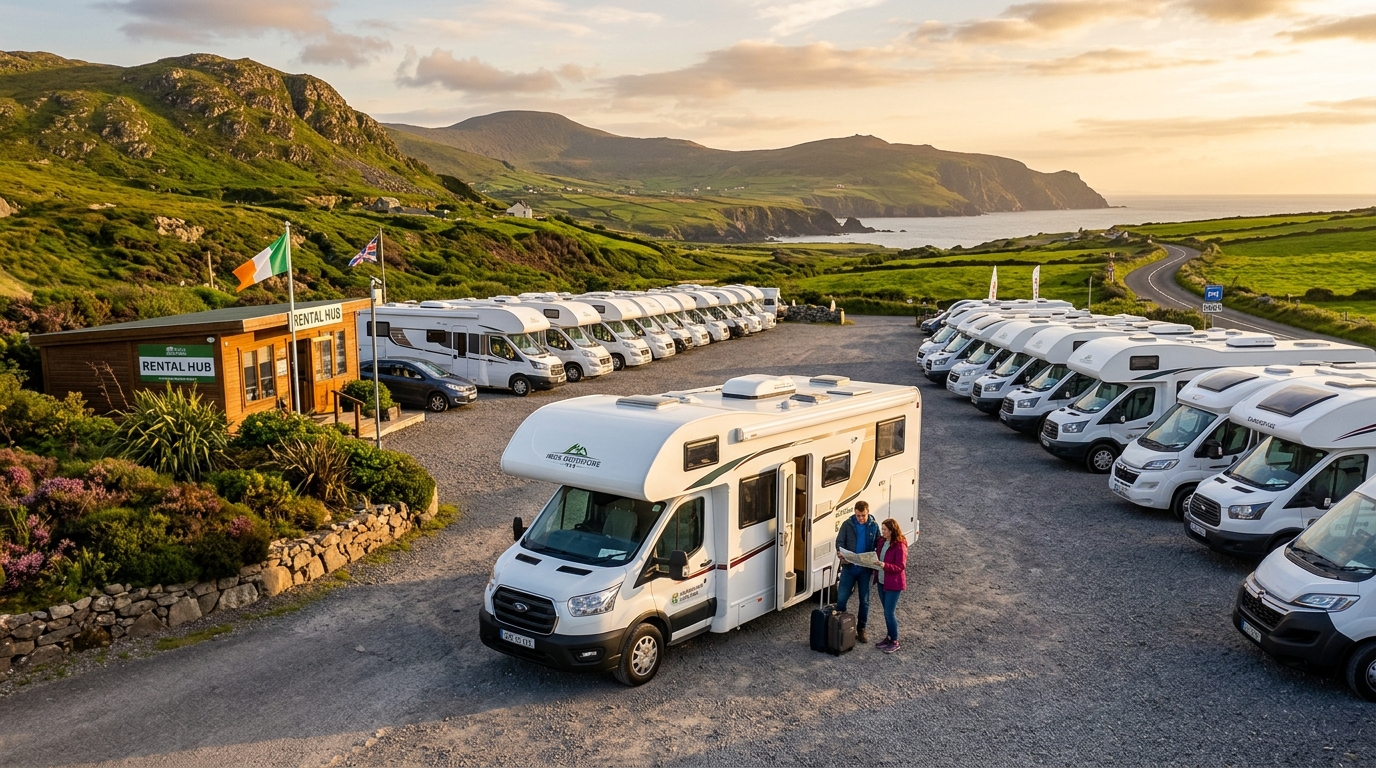
Imagine yourself on a winding coastal road, the fresh Atlantic breeze filling your lungs, and a vibrant green landscape stretching before you. That's the magic of a one-way RV rental in Ireland. This Emerald Isle, with its dramatic cliffs, ancient castles, and charming villages, is simply made for exploration by motorhome or campervan. With a rented RV, you gain unparalleled freedom to discover its hidden gems at your own pace, creating an unforgettable adventure across its diverse terrain. For live availability and current prices, start with our RV Rental Ireland - Complete Guide 2024 guide, which offers comprehensive insights into planning your journey.
Top 5 Tips for one way rv rental RV Rental in Ireland
Securing your ideal one-way RV rental in Ireland requires careful planning and attention to detail. First, book well in advance, especially for peak season from June to August, to ensure you get your preferred RV class and one-way route, potentially saving on dynamic pricing. Second, carefully review one-way rental fees and drop-off locations, as these can vary significantly between providers and impact your overall budget. Third, plan your itinerary with plenty of flexibility, allowing extra time for navigating smaller roads (often called 'boreens') and spontaneous stops at breathtaking viewpoints or cozy pubs. Fourth, familiarize yourself thoroughly with Irish driving rules, particularly driving on the left side of the road and navigating numerous roundabouts. Lastly, budget for all potential ancillary costs beyond the rental, such as tolls, fuel, campsite fees, and consider an optional upgrade to a top-level deductible for extra peace of mind. On RV PLANET routes, you can easily itemize and track every expense along the way for simple budgeting. On the routes offered through RV PLANET routes, you can itemize and track every expense along the way for easy budgeting.
Before You Book - Class, Dates, Insurance
Choosing the right RV class for a one-way trip in Ireland is crucial for balancing comfort and maneuverability on its unique roads. For couples, a compact campervan like the "hire campervan example Paradise S/T" (which is ideal for a couple and offers both shower and toilet) provides agility on narrower routes, while families of 2+2 might prefer a Class C motorhome for more space and amenities. Locking in your dates early, especially 3-6 months out for summer or major holidays, can provide better availability and potentially lower one-way rental rates due to dynamic pricing. Basic insurance is always included with RV rentals in Ireland; to see prices including the most comprehensive coverage, select that option during your search, and all relevant insurance options will be clearly shown. We offer full transparency with no hidden fees, so what you see is what you get, helping you avoid surprises. Consider additional insurance for excess reduction or specific coverages like tire and windshield protection to travel with complete peace of mind.
Pre-Trip Prep - Packing Checklist for Ireland
A well-organized packing list tailored to Ireland's variable climate is essential for a comfortable one-way motorhome adventure. Prioritize waterproof outerwear and layers, as Irish weather can change quickly regardless of the season; packing a rain jacket and trousers is always a good idea. Pack essentials for cooking and dining to fully utilize your rented RV's kitchen facilities and enjoy delicious meals on board, perhaps trying out some local ingredients you pick up along the way. Be sure to check our RV-friendly recipes playlist for inspiration! Ensure all necessary documents, including a standard car driver's license (which is sufficient for all motorhome classes) and an International Driving Permit (IDP) if you are from a non-English speaking country, are easily accessible. Even though an IDP is not mandatory in most cases, it is highly recommended for clarity.
- Waterproof jacket and trousers
- Warm layers (fleeces, sweaters)
- Comfortable walking shoes/boots
- Hat and gloves (even in summer)
- Quick-dry towels
- Reusable water bottles
- Basic cooking spices and oil
- Instant coffee/tea
- First-aid kit
- Headlamp or flashlight
- Reflective vest
- Maps (physical backup)
- Phone charger and power bank
- International Driving Permit (if needed)
- Passport/ID
- Rental confirmation and insurance documents
- Credit/debit cards (inform bank of travel)
On the Road - Driving, Fueling, Navigation
Driving a rented RV in Ireland requires adapting to left-hand traffic, which can be an adjustment for many international travelers. Irish roads, particularly in rural areas known as boreens, can be exceptionally narrow and winding, often without shoulders, requiring cautious driving. Drive slowly and carefully, and you can drive almost anywhere without issues. No need to stress - just use common sense and pay attention. You will encounter numerous roundabouts; yield to traffic coming from your right and signal clearly upon exit. Fueling stations are less common in rural areas, so it's wise to refuel whenever your tank is half full to avoid running dry. Utilize reliable navigation apps like Google Maps or dedicated RV navigation systems, but always carry a physical map as a backup for areas with poor signal. Practice defensive driving, particularly on winding roads, and be mindful of livestock and cyclists who may share the road.
At the Campground - Setup, Hookups & Etiquette
Upon arrival at an Irish campground, selecting a suitable pitch and leveling your rented motorhome or campervan is the first step for a comfortable stay. Connection to hookups typically follows a specific order: electricity first, then fresh water, and finally wastewater disposal, ensuring proper sanitation. Always double-check campground rules regarding waste disposal, as some sites may have specific requirements. Observing quiet hours, usually from late evening to early morning, and being respectful of neighboring campers' space are key aspects of campground etiquette. There are ample opportunities for pre-planners who like everything organized, as many national and state parks reserve 25-30% of their spots. For spontaneous travelers, many spots are first-come-first-serve; you'll find a spot, and if not at the first campground, then the next one. Just call ahead before driving. For finding campsites and campgrounds during your trip, we recommend using RV PLANET (rvplan.net) - a great resource for locating available spots along your route.
One Way RV Rental-Specific Tips for Ireland
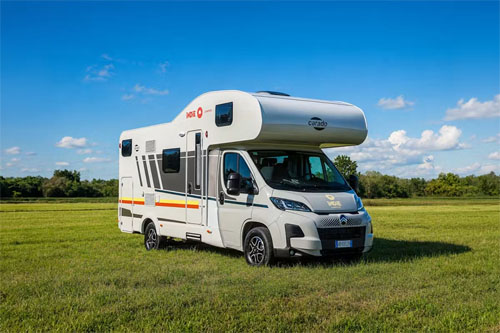
When planning a one-way RV rental in Ireland, carefully research drop-off fees and locations, as these can significantly impact your budget. One-way rentals offer the ultimate flexibility for exploring from, say, Cork to Belfast, without needing to backtrack. Consider a flexible itinerary for your one-way journey, allowing for spontaneous stops and discoveries while still meeting your drop-off schedule. Travel slowly, max 100-150 km per day on average, to truly feel the place, connect to the culture, the food, and the scenery. For families with young children, choose a motorhome class that offers separate sleeping areas and child-friendly amenities, such as a Class C model with bunk beds or an alcove model like the "Motorhome MC6 Gold" which is ideal for a big family and offers three double beds, ensuring nap-friendly drives and comfortable evenings. Solo adventurers might prioritize compact, easy-to-maneuver campervans for exploring remote areas, benefiting from the freedom of a one-way route. Always confirm cross-border travel policies if your one-way route might involve Northern Ireland, as some rental agreements have restrictions.
Common Mistakes to Avoid in Ireland
One common mistake to avoid in Ireland is underestimating the country's unique road conditions. Research routes in advance and allow ample extra time for travel on narrow country roads (boreens) and through villages. Don't rely solely on phone navigation; download offline maps or carry a physical map, especially in remote areas with unreliable signal. Another error is neglecting to budget for tolls and fuel; factor these into your overall trip cost, considering that fuel prices can vary across regions. You can compare Motorhome Prices for Ireland easily on our platform. Overlooking the importance of comprehensive insurance is another mistake; consider additional coverage to protect against unexpected incidents, such as our top-level deductible reimbursement option. Finally, instead of assuming wild camping is widely accepted, research legal overnight parking spots and adhere to local regulations and the local 'pub camping' etiquette. Being a true RV specialist means we're here to help you navigate these details before, during, and after your booking.
🎬 Video coming soon
How much does it cost to rent an RV in Ireland?
The cost to rent an RV in Ireland typically ranges from €100-€300 per day, depending on factors like the motorhome's size, rental season, and duration of your trip. One-way rental fees are an additional expense, usually varying from €150-€500, which covers the cost of returning the vehicle to its original depot. For instance, a small campervan might start around €100/day in the low season, while a large 6-berth Class C motorhome could reach €300/day in peak summer. Peak season (June-August) generally incurs higher rental prices and lower availability, while shoulder seasons (April-May, Sept-Oct) often offer a better balance of good weather and more moderate costs. A detailed budget breakdown should also include fuel, campsite fees, toll roads (like the M50 in Dublin), and potential add-ons such as bedding or kitchen kits. Our transparent pricing ensures no hidden fees, giving you a clear picture of your total rental cost.
Can you just park an RV anywhere in Ireland?
You cannot generally just park an RV anywhere in Ireland; designated campsites and approved overnight parking spots are the safest and most legal options. While strict 'wild camping' laws exist, some rural areas and local communities may tolerate overnight parking in specific lay-bys or car parks, especially for smaller campervans. Always seek permission from landowners or local authorities if considering an undesignated spot, and respect 'no overnight parking' signs to avoid issues. The unique 'pub camping' tradition is a popular way to find overnight parking legally, where many pubs offer their car parks for free if you patronize their establishment. Apps like 'Park4Night' can help locate both official campsites and tolerated overnight parking spots, along with available facilities, making it easier to plan your route.
What do I need to know about driving an RV in Ireland?
Driving an RV in Ireland requires adapting to left-hand traffic, which is a key consideration for drivers unfamiliar with this setup. Irish roads, particularly in rural areas known as 'boreens,' can be exceptionally narrow and winding, often without shoulders, demanding cautious driving. Drive slowly and carefully, and you can drive almost anywhere without issues. No need to stress - just use common sense and pay attention. You will encounter numerous roundabouts; yield to traffic coming from your right and signal clearly upon exit. Be aware of varying speed limits, which are posted in kilometers per hour (km/h), and watch for livestock (especially sheep!) on rural roads. A standard car driver's license is sufficient for all motorhome classes in Ireland, and while an International Driving Permit is recommended for non-EU drivers, it is not mandatory in most cases. Some rental companies may have restrictions on certain roads or areas for larger RVs, so always check your rental agreement for full clarity.
Can you wild camp in Ireland in an RV?
Wild camping in an RV in Ireland is generally not officially permitted on public land, and enforcement of these regulations varies by local authority. However, tolerated overnight parking, often referred to as 'freedom camping' or 'pub camping,' can be possible with explicit permission from landowners or pub owners. For example, many rural pubs actively welcome motorhomes to park in their car parks overnight if you enjoy a meal or a pint. It is crucial to be respectful of the environment, leave no trace, and obtain explicit permission before settling for the night outside a designated campsite. Specific apps and community resources, such as 'Park4Night' or online forums, can help identify spots where overnight parking might be accepted by locals, ensuring you respect local communities and enjoy your trip responsibly.
Is it worth renting an RV in Ireland?
Renting an RV in Ireland is often considered incredibly worthwhile for travelers seeking flexibility, the ability to explore off-the-beaten-path destinations, and a unique immersion into the country's stunning landscapes and rich culture. The primary benefits include the freedom to change itineraries spontaneously, the convenience of having accommodation and cooking facilities on board (which can be great for making RV-friendly recipes playlist with local ingredients), and the opportunity to stay in incredibly scenic locations, waking up to breathtaking views. For a one-way trip, an RV allows you to traverse the country without the need for backtracking, maximizing your exploration from one point to another. While potentially more expensive than budget hotels, a rented RV can offer significant savings on dining out and provides a more private, comfortable, and independent travel experience, making it a truly good value for adventurous couples, families, and groups of friends. Explore our "Week-Long RV Driving Tour in Ireland 2024" for some inspiring route ideas.
What side of the road do you drive an RV on in Ireland?
In Ireland, you drive on the left side of the road, and the steering wheel is typically on the right side of the vehicle. This is a crucial point for travelers coming from countries with right-hand traffic. Drivers unfamiliar with left-hand driving should take extra precautions, especially when pulling out onto roads, navigating roundabouts, and overtaking other vehicles. Many rental RVs for the Irish market will have a right-hand drive configuration, which greatly assists with visibility for left-side driving. Allow extra time for initial adjustment, particularly for larger motorhomes or campervans which require more spatial awareness. Driving slowly and carefully, especially in the first few days, will help you adapt quickly to Irish road customs and ensure a relaxed journey.
What is the best time to RV in Ireland?
The best time to RV in Ireland generally falls during the shoulder seasons of May-June and September-October, offering a superb balance of pleasant weather, fewer crowds, and more manageable campsite availability. During these months, you'll experience milder temperatures, lush green scenery, and often stunning golden light for photography. Summer (July-August) provides the warmest weather and longest daylight hours, but also brings the highest demand for RV rentals and campsites, leading to higher prices and more crowded attractions. Spring (April-May) is ideal for seeing wildflowers and baby lambs, while autumn (September-October) brings vibrant foliage and harvest festivals, alongside cooler temperatures. Winter RV travel (November-March) can be challenging due to shorter days, colder weather, and many campsites closing, though some main routes remain accessible for seasoned RVers. For the cheapest one way rv rental, consider booking during the low season or being flexible with your travel dates.
Are there tolls in Ireland?
Yes, there are tolls in Ireland, primarily on motorways (M-roads), which are important to budget for during your one-way RV rental journey. Most tolls are barrier tolls where you pay with cash or card, but the M50 Dublin orbital motorway uses a barrier-free electronic toll system called eFlow. For the M50, payment is required online by 8 PM the following day, so it's essential to plan accordingly. Familiarize yourself with the location of tolls along your planned route through rvplan.net and consider purchasing a toll tag from your rental provider, if available, for added convenience. Toll costs for RVs and other large vehicles can be higher than for cars due to their size, so factor this into your detailed budget breakdown to avoid any surprises. Our focus on full transparency means we want you to know all potential costs upfront.
Can you take an RV on a ferry to Ireland?
While this article focuses on renting an RV in Ireland, if a one-way rental involves cross-border travel (e.g., picking up in the UK and dropping off in Ireland, or moving between the Republic of Ireland and Northern Ireland as part of a longer trip), taking a rented RV on a ferry is indeed possible. Many ferry operators like Irish Ferries and Stena Line accommodate motorhomes and campervans on routes to and from the UK and mainland Europe. Specific vehicle dimensions and rental company permissions are critical, so always confirm with your provider if their RVs are permitted for ferry travel, as some may have restrictions or require additional insurance. Booking RV ferry travel in advance is highly recommended, especially during peak season, as space can be limited and prices vary significantly by vehicle size and season. We encourage you to check our RV Rental Europe - Complete Guide 2024 for broader European travel advice.
What You Shouldn't Miss
- The Wild Atlantic Way: Drive at least a section of this breathtaking 2,500 km coastal route from Donegal to Cork. It's perfect for slow travel, offering endless panoramic views and charming stops.
- Cliffs of Moher: Experience the sheer drama of these towering cliffs, rising 214 meters above the Atlantic Ocean in County Clare. Park your RV nearby and enjoy a majestic walk.
- Ring of Kerry: Embark on a spectacular 179 km scenic drive through County Kerry, renowned for its ancient monuments, picturesque towns, and stunning sea-scrapes.
- Dublin's Rich History: Explore Ireland's vibrant capital, immersing yourself in its Georgian architecture, literary heritage, and lively pub culture. Consider dropping off your RV at a nearby depot like Dublin Airport and using public transport for city exploration.
- Giant's Causeway (Northern Ireland): Venture into Northern Ireland to witness this UNESCO World Heritage Site, a geological marvel of hexagonal basalt columns. Remember to check cross-border rental policies.
- Traditional Irish Music Session: Seek out a local pub in any village and settle in for an evening of authentic 'trad' music. Many pubs offer 'pub camping' spots, making it an ideal way to experience local culture.
Looking for expert insights from Avi Bandana? Top 5 Adventures - recommendations from Avi Bandana
Final Thoughts
A one-way RV rental in Ireland offers an incredible opportunity to immerse yourself in the country's stunning landscapes and rich cultural heritage. From navigating the charming boreens to discovering ancient sites and enjoying the warmth of Irish hospitality in local pubs, your journey will be filled with freedom and discovery. Remember to embrace slow travel, allowing yourself to truly connect with each place you visit, whether it's a bustling city like Belfast or a tranquil coastal village. We are passionate about helping you have the best possible RV adventure, and our commitment to transparency and support is with you every step of the way.
So, why wait? Start planning your epic Irish road trip today. With Bandana Caravan, you'll find the perfect motorhome or campervan for your unique adventure, backed by specialist knowledge and unwavering support. Get inspired for your next trip and plan a trip itinerary in advance with minimal effort and maximum enjoyment.
Compare Motorhome Prices for Ireland and begin your unforgettable one-way journey!
In This Guide
- Top 5 Tips for one way rv rental RV Rental in Ireland
- Before You Book - Class, Dates, Insurance
- Pre-Trip Prep - Packing Checklist for Ireland
- On the Road - Driving, Fueling, Navigation
- At the Campground - Setup, Hookups & Etiquette
- One Way RV Rental-Specific Tips for Ireland
- Common Mistakes to Avoid in Ireland
- How much does it cost to rent an RV in Ireland?
- Can you just park an RV anywhere in Ireland?
- What do I need to know about driving an RV in Ireland?
- Can you wild camp in Ireland in an RV?
- Is it worth renting an RV in Ireland?
- What side of the road do you drive an RV on in Ireland?
- What is the best time to RV in Ireland?
- Are there tolls in Ireland?
- Can you take an RV on a ferry to Ireland?
Imagine yourself on a winding coastal road, the fresh Atlantic breeze filling your lungs, and a vibrant green landscape stretching before you. That's the magic of a one-way RV rental in Ireland. This Emerald Isle, with its dramatic cliffs, ancient castles, and charming villages, is simply made for exploration by motorhome or campervan. With a rented RV, you gain unparalleled freedom to discover its hidden gems at your own pace, creating an unforgettable adventure across its diverse terrain. For live availability and current prices, start with our RV Rental Ireland - Complete Guide 2024 guide, which offers comprehensive insights into planning your journey.
Top 5 Tips for one way rv rental RV Rental in Ireland
Securing your ideal one-way RV rental in Ireland requires careful planning and attention to detail. First, book well in advance, especially for peak season from June to August, to ensure you get your preferred RV class and one-way route, potentially saving on dynamic pricing. Second, carefully review one-way rental fees and drop-off locations, as these can vary significantly between providers and impact your overall budget. Third, plan your itinerary with plenty of flexibility, allowing extra time for navigating smaller roads (often called 'boreens') and spontaneous stops at breathtaking viewpoints or cozy pubs. Fourth, familiarize yourself thoroughly with Irish driving rules, particularly driving on the left side of the road and navigating numerous roundabouts. Lastly, budget for all potential ancillary costs beyond the rental, such as tolls, fuel, campsite fees, and consider an optional upgrade to a top-level deductible for extra peace of mind. On RV PLANET routes, you can easily itemize and track every expense along the way for simple budgeting.
Before You Book - Class, Dates, Insurance
Choosing the right RV class for a one-way trip in Ireland is crucial for balancing comfort and maneuverability on its unique roads. For couples, a compact campervan like the "hire campervan example Paradise S/T" (which is ideal for a couple and offers both shower and toilet) provides agility on narrower routes, while families of 2+2 might prefer a Class C motorhome for more space and amenities. Locking in your dates early, especially 3-6 months out for summer or major holidays, can provide better availability and potentially lower one-way rental rates due to dynamic pricing. Basic insurance is always included with RV rentals in Ireland; to see prices including the most comprehensive coverage, select that option during your search, and all relevant insurance options will be clearly shown. We offer full transparency with no hidden fees, so what you see is what you get, helping you avoid surprises. Consider additional insurance for excess reduction or specific coverages like tire and windshield protection to travel with complete peace of mind.
Pre-Trip Prep - Packing Checklist for Ireland
A well-organized packing list tailored to Ireland's variable climate is essential for a comfortable one-way motorhome adventure. Prioritize waterproof outerwear and layers, as Irish weather can change quickly regardless of the season; packing a rain jacket and trousers is always a good idea. Pack essentials for cooking and dining to fully utilize your rented RV's kitchen facilities and enjoy delicious meals on board, perhaps trying out some local ingredients you pick up along the way. Be sure to check our RV-friendly recipes playlist for inspiration! Ensure all necessary documents, including a standard car driver's license (which is sufficient for all motorhome classes) and an International Driving Permit (IDP) if you are from a non-English speaking country, are easily accessible. Even though an IDP is not mandatory in most cases, it is highly recommended for clarity.
- Waterproof jacket and trousers
- Warm layers (fleeces, sweaters)
- Comfortable walking shoes/boots
- Hat and gloves (even in summer)
- Quick-dry towels
- Reusable water bottles
- Basic cooking spices and oil
- Instant coffee/tea
- First-aid kit
- Headlamp or flashlight
- Reflective vest
- Maps (physical backup)
- Phone charger and power bank
- International Driving Permit (if needed)
- Passport/ID
- Rental confirmation and insurance documents
- Credit/debit cards (inform bank of travel)
On the Road - Driving, Fueling, Navigation
Driving a rented RV in Ireland requires adapting to left-hand traffic, which can be an adjustment for many international travelers. Irish roads, particularly in rural areas known as boreens, can be exceptionally narrow and winding, often without shoulders, demanding cautious driving. Drive slowly and carefully, and you can drive almost anywhere without issues. No need to stress - just use common sense and pay attention. You will encounter numerous roundabouts; yield to traffic coming from your right and signal clearly upon exit. Fueling stations are less common in rural areas, so it's wise to refuel whenever your tank is half full to avoid running dry. Utilize reliable navigation apps like Google Maps or dedicated RV navigation systems, but always carry a physical map as a backup for areas with poor signal. Practice defensive driving, particularly on winding roads, and be mindful of livestock and cyclists who may share the road.
At the Campground - Setup, Hookups & Etiquette
Upon arrival at an Irish campground, selecting a suitable pitch and leveling your rented motorhome or campervan is the first step for a comfortable stay. Connection to hookups typically follows a specific order: electricity first, then fresh water, and finally wastewater disposal, ensuring proper sanitation. Always double-check campground rules regarding waste disposal, as some sites may have specific requirements. Observing quiet hours, usually from late evening to early morning, and being respectful of neighboring campers' space are key aspects of campground etiquette. There are ample opportunities for pre-planners who like everything organized, as many national and state parks reserve 25-30% of their spots. For spontaneous travelers, many spots are first-come-first-serve; you'll find a spot. If not at the first campground, then the next one. Just call ahead before driving. For finding campsites and campgrounds during your trip, we recommend using RV PLANET (rvplan.net) - a great resource for locating available spots along your route.
One Way RV Rental-Specific Tips for Ireland
When planning a one-way RV rental in Ireland, carefully research drop-off fees and locations, as these can significantly impact your budget. One-way rentals offer the ultimate flexibility for exploring from, say, Cork - Airport to Belfast, without needing to backtrack. Consider a flexible itinerary for your one-way journey, allowing for spontaneous stops and discoveries while still meeting your drop-off schedule. Travel slowly, max 100-150 km per day on average, to truly feel the place, connect to the culture, the food, and the scenery. For families with young children, choose a motorhome class that offers separate sleeping areas and child-friendly amenities, such as a Class C model like the "Motorhome MC6 Gold" which is ideal for a big family and offers three double beds, ensuring nap-friendly drives and comfortable evenings. Solo adventurers might prioritize compact, easy-to-maneuver campervans for exploring remote areas, benefiting from the freedom of a one-way route. Always confirm cross-border travel policies if your one-way route might involve Northern Ireland, as some rental agreements have restrictions.
Common Mistakes to Avoid in Ireland
One common mistake to avoid in Ireland is underestimating the country's unique road conditions. Research routes in advance and allow ample extra time for travel on narrow country roads (boreens) and through villages. Don't rely solely on phone navigation; download offline maps or carry a physical map, especially in remote areas with unreliable signal. Another error is neglecting to budget for tolls and fuel; factor these into your overall trip cost, considering that fuel prices can vary across regions. You can compare Motorhome Prices for Ireland easily on our platform. Overlooking the importance of comprehensive insurance is another mistake; consider additional coverage to protect against unexpected incidents, such as our top-level deductible reimbursement option. Finally, instead of assuming wild camping is widely accepted, research legal overnight parking spots and adhere to local regulations and the local 'pub camping' etiquette. Being a true RV specialist means we're here to help you navigate these details before, during, and after your booking.
🎬 Video coming soon
How much does it cost to rent an RV in Ireland?
The cost to rent an RV in Ireland typically ranges from €100-€300 per day, depending on factors like the motorhome's size, rental season, and duration of your trip. One-way rental fees are an additional expense, usually varying from €150-€500, which covers the cost of returning the vehicle to its original depot. For instance, a small campervan might start around €100/day in the low season, while a large 6-berth Class C motorhome could reach €300/day in peak summer. Peak season (June-August) generally incurs higher rental prices and lower availability, while shoulder seasons (April-May, Sept-Oct) often offer a better balance of good weather and more moderate costs. A detailed budget breakdown should also include fuel, campsite fees, toll roads (like the M50 in Dublin), and potential add-ons such as bedding or kitchen kits. Our transparent pricing ensures no hidden fees, giving you a clear picture of your total rental cost. For more detailed insights, explore our "RV Rental in Ireland - Prices and Best Deals 2024" or "Cheap RV Rental in Ireland - Budget Guide 2024" articles.
Can you just park an RV anywhere in Ireland?
You cannot generally just park an RV anywhere in Ireland; designated campsites and approved overnight parking spots are the safest and most legal options. While strict 'wild camping' laws exist, some rural areas and local communities may tolerate overnight parking in specific lay-bys or car parks, especially for smaller campervans. Always seek permission from landowners or local authorities if considering an undesignated spot, and respect 'no overnight parking' signs to avoid issues. The unique 'pub camping' tradition is a popular way to find overnight parking legally, where many pubs offer their car parks for free if you patronize their establishment. Apps like 'Park4Night' can help locate both official campsites and tolerated overnight parking spots, along with available facilities, making it easier to plan your route.
What do I need to know about driving an RV in Ireland?
Driving an RV in Ireland requires adapting to left-hand traffic, which is a key consideration for drivers unfamiliar with this setup. Irish roads, particularly in rural areas known as 'boreens,' can be exceptionally narrow and winding, often without shoulders, demanding cautious driving. Drive slowly and carefully, and you can drive almost anywhere without issues. No need to stress - just use common sense and pay attention. You will encounter numerous roundabouts; yield to traffic coming from your right and signal clearly upon exit. Be aware of varying speed limits, which are posted in kilometers per hour (km/h), and watch for livestock (especially sheep!) on rural roads. A standard car driver's license is sufficient for all motorhome classes in Ireland, and while an International Driving Permit is recommended for non-EU drivers, it is not mandatory in most cases. Some rental companies may have restrictions on certain roads or areas for larger RVs, so always check your rental agreement for full clarity. For an extensive overview, consider our "Week-Long RV Driving Tour in Ireland 2024" article.
Can you wild camp in Ireland in an RV?
Wild camping in an RV in Ireland is generally not officially permitted on public land, and enforcement of these regulations varies by local authority. However, tolerated overnight parking, often referred to as 'freedom camping' or 'pub camping,' can be possible with explicit permission from landowners or pub owners. For example, many rural pubs actively welcome motorhomes to park in their car parks overnight if you enjoy a meal or a pint. It is crucial to be respectful of the environment, leave no trace, and obtain explicit permission before settling for the night outside a designated campsite. Specific apps and community resources, such as 'Park4Night' or online forums, can help identify spots where overnight parking might be accepted by locals, ensuring you respect local communities and enjoy your trip responsibly.
Is it worth renting an RV in Ireland?
Renting an RV in Ireland is often considered incredibly worthwhile for travelers seeking flexibility, the ability to explore off-the-beaten-path destinations, and a unique immersion into the country's stunning landscapes and rich culture. The primary benefits include the freedom to change itineraries spontaneously, the convenience of having accommodation and cooking facilities on board (which can be great for making RV-friendly recipes playlist with local ingredients), and the opportunity to stay in incredibly scenic locations, waking up to breathtaking views. For a one-way trip, an RV allows you to traverse the country without the need for backtracking, maximizing your exploration from one point to another. While potentially more expensive than budget hotels, a rented RV can offer significant savings on dining out and provides a more private, comfortable, and independent travel experience, making it a truly good value for adventurous couples, families, and groups of friends. For family-specific budgeting, check our "Family RV Rental in Ireland - Pricing Guide 2024" which provides detailed pricing for various family sizes.
What side of the road do you drive an RV on in Ireland?
In Ireland, you drive on the left side of the road, and the steering wheel is typically on the right side of the vehicle. This is a crucial point for travelers coming from countries with right-hand traffic. Drivers unfamiliar with left-hand driving should take extra precautions, especially when pulling out onto roads, navigating roundabouts, and overtaking other vehicles. Many rental RVs for the Irish market will have a right-hand drive configuration, which greatly assists with visibility for left-side driving. Allow extra time for initial adjustment, particularly for larger motorhomes or campervans which require more spatial awareness. Driving slowly and carefully, especially in the first few days, will help you adapt quickly to Irish road customs and ensure a relaxed journey.
What is the best time to RV in Ireland?
The best time to RV in Ireland generally falls during the shoulder seasons of May-June and September-October, offering a superb balance of pleasant weather, fewer crowds, and more manageable campsite availability. During these months, you'll experience milder temperatures, lush green scenery, and often stunning golden light for photography. Summer (July-August) provides the warmest weather and longest daylight hours, but also brings the highest demand for RV rentals and campsites, leading to higher prices and more crowded attractions. Spring (April-May) is ideal for seeing wildflowers and baby lambs, while autumn (September-October) brings vibrant foliage and harvest festivals, alongside cooler temperatures. Winter RV travel (November-March) can be challenging due to shorter days, colder weather, and many campsites closing, though some main routes remain accessible for seasoned RVers. For the cheapest one way rv rental, consider booking during the low season or being flexible with your travel dates, checking for "RV Rental Deals in Ireland - Latest Offers 2024".
Are there tolls in Ireland?
Yes, there are tolls in Ireland, primarily on motorways (M-roads), which are important to budget for during your one-way RV rental journey. Most tolls are barrier tolls where you pay with cash or card, but the M50 Dublin orbital motorway uses a barrier-free electronic toll system called eFlow. For the M50, payment is required online by 8 PM the following day, so it's essential to plan accordingly. Familiarize yourself with the location of tolls along your planned route through rvplan.net and consider purchasing a toll tag from your rental provider, if available, for added convenience. Toll costs for RVs and other large vehicles can be higher than for cars due to their size, so factor this into your detailed budget breakdown to avoid any surprises. Our focus on full transparency means we want you to know all potential costs upfront.
Can you take an RV on a ferry to Ireland?
While this article focuses on renting an RV in Ireland, if a one-way rental involves cross-border travel (e.g., picking up in the UK and dropping off in Ireland, or moving between the Republic of Ireland and Northern Ireland as part of a longer trip), taking a rented RV on a ferry is indeed possible. Many ferry operators like Irish Ferries and Stena Line accommodate motorhomes and campervans on routes to and from the UK and mainland Europe. Specific vehicle dimensions and rental company permissions are critical, so always confirm with your provider if their RVs are permitted for ferry travel, as some may have restrictions or require additional insurance. Booking RV ferry travel in advance is highly recommended, especially during peak season, as space can be limited and prices vary significantly by vehicle size and season. We encourage you to check our RV Rental Europe - Complete Guide 2024 for broader European travel advice.
What You Shouldn't Miss
- The Wild Atlantic Way: Drive at least a section of this breathtaking 2,500 km coastal route from Donegal to Cork. It's perfect for slow travel, offering endless panoramic views and charming stops.
- Cliffs of Moher: Experience the sheer drama of these towering cliffs, rising 214 meters above the Atlantic Ocean in County Clare. Park your RV nearby and enjoy a majestic walk.
- Ring of Kerry: Embark on a spectacular 179 km scenic drive through County Kerry, renowned for its ancient monuments, picturesque towns, and stunning sea-scapes.
- Dublin's Rich History: Explore Ireland's vibrant capital, immersing yourself in its Georgian architecture, literary heritage, and lively pub culture. Consider dropping off your RV at a nearby depot like Dublin Airport and using public transport for city exploration.
- Giant's Causeway (Northern Ireland): Venture into Northern Ireland to witness this UNESCO World Heritage Site, a geological marvel of hexagonal basalt columns. Remember to check cross-border rental policies.
- Traditional Irish Music Session: Seek out a local pub in any village and settle in for an evening of authentic 'trad' music. Many pubs offer 'pub camping' spots, making it an ideal way to experience local culture.
Looking for expert insights from Avi Bandana? Top 5 Adventures - recommendations from Avi Bandana
Final Thoughts
A one-way RV rental in Ireland offers an incredible opportunity to immerse yourself in the country's stunning landscapes and rich cultural heritage. From navigating the charming boreens to discovering ancient sites and enjoying the warmth of Irish hospitality in local pubs, your journey will be filled with freedom and discovery. Remember to embrace slow travel, allowing yourself to truly connect with each place you visit, whether it's a bustling city like Belfast - Airport or a tranquil coastal village. We are passionate about helping you have the best possible RV adventure, and our commitment to transparency and support is with you every step of the way.
So, why wait? Start planning your epic Irish road trip today. With Bandana Caravan, you'll find the perfect motorhome or campervan for your unique adventure, backed by specialist knowledge and unwavering support. Discover top destinations, planning tips, all in one place!
Compare one way rv Rentals in Ireland and begin your unforgettable one-way journey!