In This Guide
- What One-Way RV Rental Costs in Germany (2024)
- Seasonal Pricing - Peak vs. Shoulder vs. Off-Season in Germany
- What's Included vs. What's an Add-On
- Hidden Costs to Budget For in Germany
- How to Save on One-Way RV Rental in Germany
- How easy is it to drive an RV in Germany?
- What do I do in an RV emergency in Germany?
- Can I travel with my pet in a one-way RV rental in Germany?
- How can I combine RV travel with public transport in German cities?
- What are some unique one-way RV routes in Germany?
- How can I practice eco-friendly RVing in Germany?
- What You Shouldn't Miss
- Why Book with Bandana Caravan
- Final Thoughts
- Frequently Asked Questions
What One-Way RV Rental Costs in Germany (2024)
One-way RV rental costs in Germany are dynamic, changing daily based on availability, season, and vehicle type, typically starting from €90 per day in the low season for a smaller campervan, and extending up to €300+ per day for a larger, modern Class A motorhome during peak demand. For instance, a compact Class B campervan like the "V3" (with a 100L fresh water tank and 75L fuel tank, ideal for 2 people) might cost around €90-€150/day in April, while a spacious Class C motorhome like "Group D" (offering 125L fresh water, 70L fuel tank, and sleeping for 5) could range from €150-€250/day. For a week-long one-way trip, you might expect total rental costs (excluding relocation fees) to be between €630-€1750, a two-week trip between €1260-€3500, and a month-long journey from €2700-€7500. These prices are averages, and specific rates will be confirmed at the time of booking, but we at Bandana are committed to full transparency, ensuring you see the final price with no hidden fees or surprises. When considering a one-way trip, remember that a drop-off fee will also apply, typically ranging from €150 for shorter distances to €500 or more for cross-country routes, reflecting the cost of returning the vehicle to its original depot.Seasonal Pricing - Peak vs. Shoulder vs. Off-Season in Germany
Seasonal pricing for one-way RV rentals in Germany varies significantly, with peak season (July-August) seeing the highest rates, while shoulder season (May, June, September) offers a balance of pleasant weather and moderate prices, and off-season (November-March) provides the lowest rates. During July and August, a 4-berth Class C motorhome, like the "Explorer" model, might fetch daily rates upwards of €200-€300 due to high demand and warm weather perfect for exploring destinations such as the Black Forest or the Baltic coast. In contrast, shoulder season months like May or September can see daily rental prices drop by 15-20%, making a 10-day trip potentially €300-€600 cheaper, all while enjoying comfortable temperatures and fewer crowds. The off-season, particularly April, is a budget-friendly option, with some campervans or smaller motorhomes available for as little as €90-€120 per day, allowing travelers to explore Christmas markets or early spring landscapes at a reduced cost. Always remember that availability can be limited, especially for specific vehicle types, so comparing options and booking in advance is a smart strategy to secure the best deals, no matter the season.What's Included vs. What's an Add-On
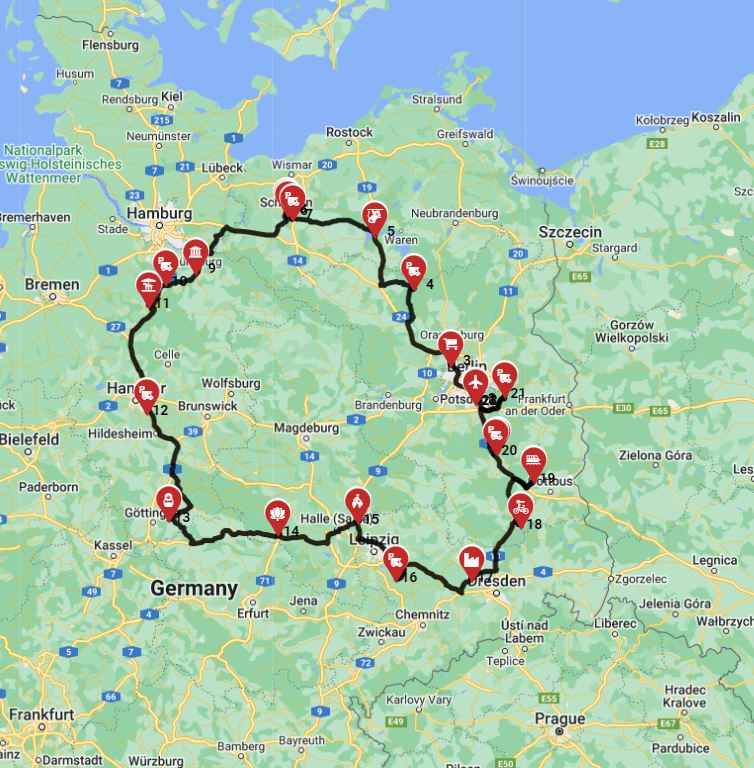
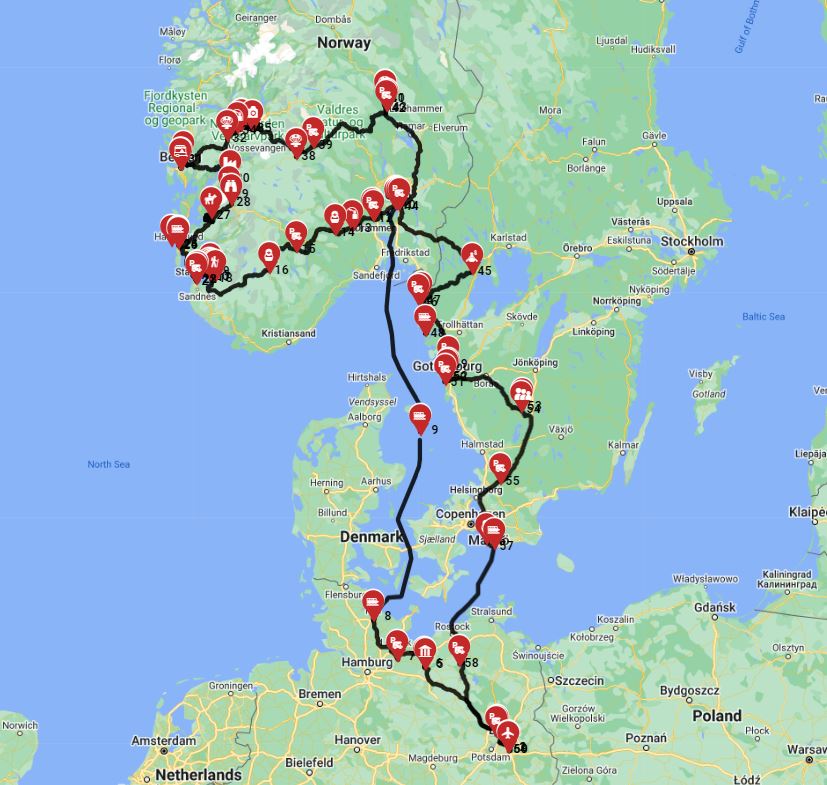
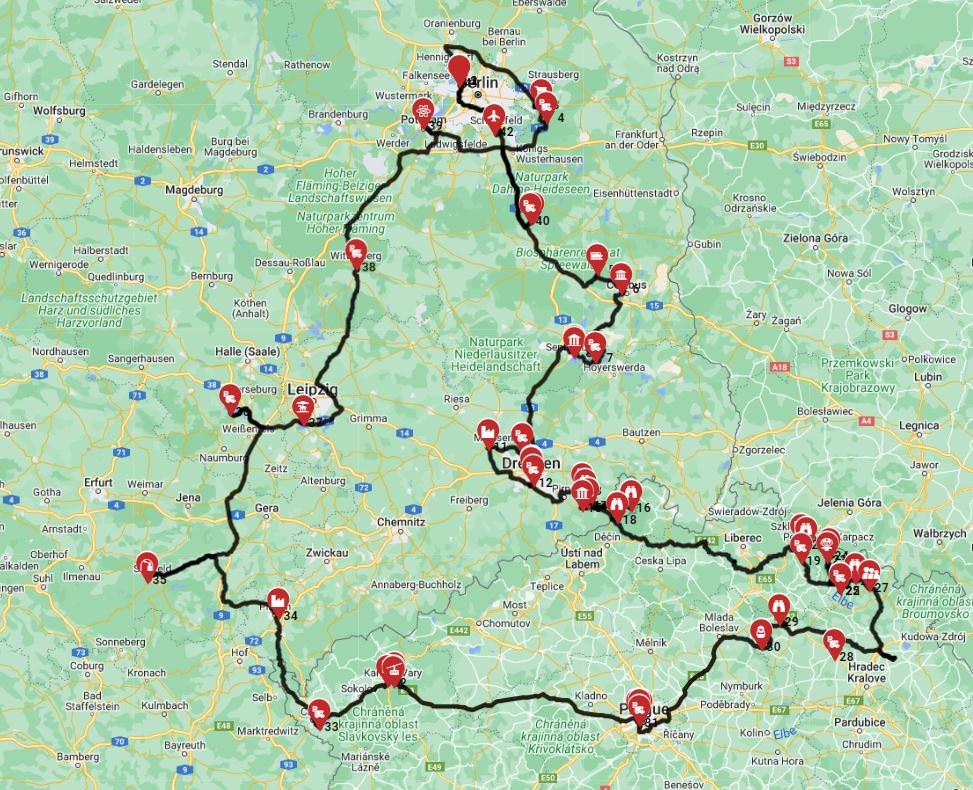
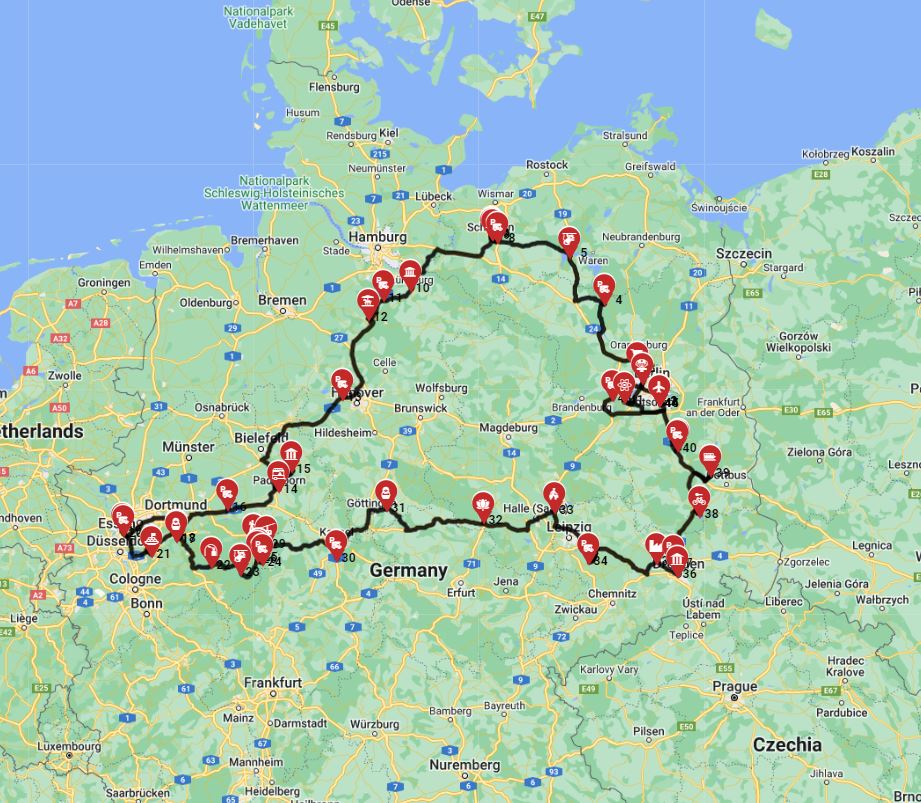
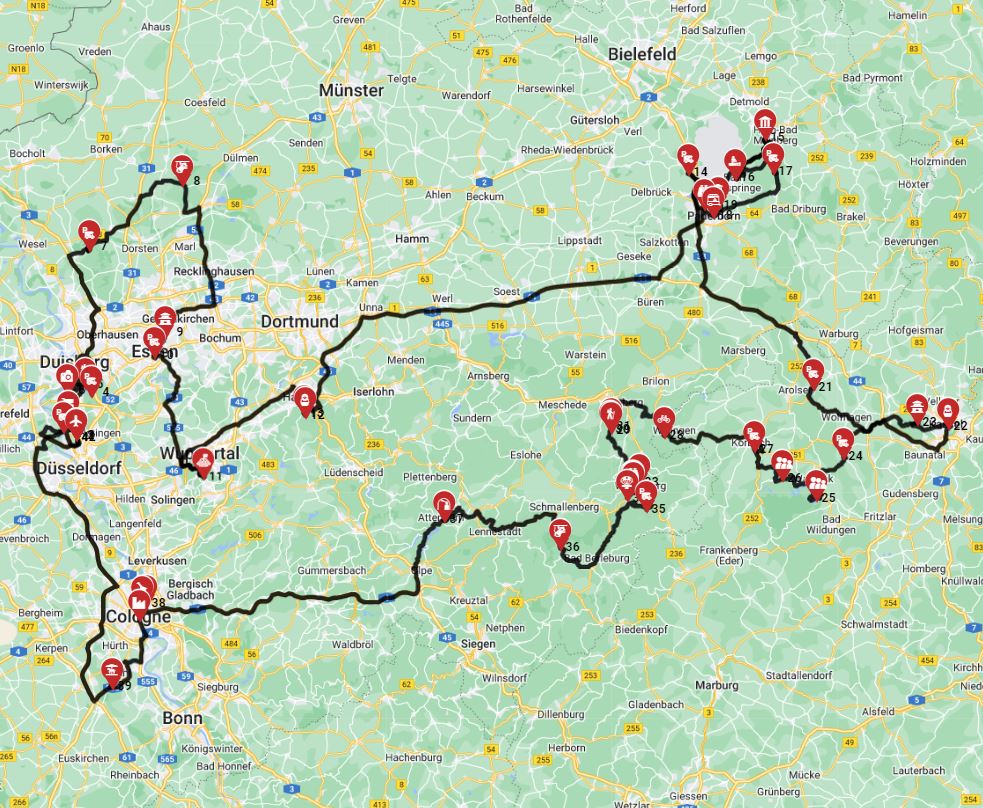
Basic liability insurance is always included with a one-way RV rental in Germany, protecting against major incidents, but comprehensive coverage for accidents or theft can be optionally selected during the booking process for enhanced peace of mind. Most rentals include a set amount of mileage, often between 200-300 kilometers per day, with additional mileage packages available for purchase if your route plans, like the 2230.1 km Frankfurt Roundtrip - North Germany - Including Hamburg & Berlin route, require more extensive driving. Essential items like kitchen kits (pots, pans, cutlery) and bedding/linen are typically optional add-ons, usually costing an extra €20-€50 per person or per kit, varying by supplier. Other common add-ons include GPS navigation (often €5-€10/day), outdoor camping furniture, bicycle racks (e.g., for 2-4 bikes, around €30-€50 per rental), and child safety seats. It’s critical to review the specific inclusions and optional extras for your chosen motorhome model and supplier during the booking process, ensuring no surprises upon pickup. Our platform offers full transparency, clearly itemizing what's included and what can be added, so you always know what you're paying for.Hidden Costs to Budget For in Germany
Several ancillary costs beyond the initial rental fee require budgeting for a one-way RV trip in Germany, ensuring a smooth and financially transparent adventure. Tolls are applicable for RVs over 3.5 tons on German motorways (Autobahns), processed via electronic devices like the Toll Collect system, so factor in these expenses which can add €0.15-€0.25 per kilometer. Campsite fees typically range from €20-€40 per night for a powered site, varying by location, amenities, and season, and reserving in advance is recommended especially during peak months. Fuel costs represent a significant variable, with diesel (averaging €1.70-€2.00/liter) generally cheaper than petrol, and an RV averaging 11-14 liters per 100 km can quickly add up over a 1000 km route. You might also encounter dump-station charges (often €5-€15, though frequently included with campsite fees) if not included at your chosen campground. Additionally, consider costs for propane refills (around €20-€30 for a 11kg bottle), groceries for cooking on board from your RV's kitchen, and unexpected repairs or consumables. For a comprehensive overview of expenses and to track every cost along your journey, RV PLANET routes allow you to itemize and budget with ease, helping avoid surprises.How to Save on One-Way RV Rental in Germany
Securing the most affordable one-way RV rental in Germany involves strategic planning and flexibility. Booking during shoulder season (May, June, September) or off-season (November-March) can reduce daily rates by 15-25% compared to peak summer prices. For example, a "Category Van" (like the small 4-berth VW California Ocean) might be €50-€100 cheaper per day in April than in August. Longer rental durations often lead to better daily pricing, so consider an extended two-week adventure instead of a short 7-day trip if your schedule allows. You can save on fuel by choosing a smaller Class B campervan, such as an "Active Classic" with an approximate fuel consumption of 9-11 liters/100km, rather than a larger Class C motorhome. Monitoring flex-rate drops on comparison platforms is also beneficial, as prices can fluctuate based on demand; being flexible with your pickup or drop-off dates by a few days can sometimes reveal significant savings. Lastly, look for suppliers who include perks like a starter mileage package or pre-purchased tolls, as these can chip away at ancillary costs.How easy is it to drive an RV in Germany?
Driving an RV in Germany is generally straightforward due to the country's excellent road infrastructure and clear signage. Germany's Autobahns are famous for their speed, but for RVs exceeding 3.5 tons (such as a large Class C or Class A motorhome like the "MHC30" with 9 sleeping places and 210L fuel tank), specific speed limits apply: 100 km/h on Autobahns and 80 km/h on other federal roads (Bundesstraßen). Drive slowly and carefully, and you can drive almost anywhere without issues. No need to stress - just use common sense and pay attention. Some historic town centers and narrow village streets may have restrictions for larger RVs, so it's wise to plan your city parking in advance using Park & Ride facilities or designated Stellplätze on the outskirts. Adhering to German road etiquette, including strict lane discipline (always keep right unless overtaking) and respecting speed limits, ensures a pleasant journey. Waste disposal (greywater and blackwater) and fresh water refilling are easily found at official campsites, designated Stellplätze, and some fuel stations. Internet access is widespread via mobile data or campground Wi-Fi, and repair shops for common RV issues are available in most major towns. You'll be pleased to know that a standard car driver's license is sufficient for all motorhome classes in Germany.What do I do in an RV emergency in Germany?
In the event of an RV emergency in Germany, the first step is to ensure safety: move your rental motorhome to a safe location if possible, activate your hazard lights, and wear a reflective vest (which is legally mandatory to carry in your vehicle). For any medical emergency or immediate danger, dial 112, the pan-European emergency number, which connects you directly to police, fire, or ambulance services. For mechanical breakdowns or non-urgent vehicle issues, immediately contact your specific RV rental provider's roadside assistance number, which should be provided in your rental agreement. Keeping all your insurance documents, including any top-level deductible reimbursement coverage you may have opted for, readily accessible is crucial, especially for non-EU specific coverage. Learning a few basic German emergency phrases like "Hilfe!" (Help!), "Ich brauche einen Mechaniker" (I need a mechanic), or "Ein Unfall ist passiert" (An accident has happened) can be incredibly beneficial for communicating effectively with local authorities or assistance services. Always prioritize the safety of yourself and your passengers above all else.Can I travel with my pet in a one-way RV rental in Germany?
Traveling with your pet in a one-way RV rental in Germany is often possible, as many Bandana partner suppliers offer pet-friendly vehicles, but specific policies and fees vary by company. It’s essential to confirm pet allowance during your booking and anticipate an extra cleaning fee, typically ranging from €50-€150, to ensure the vehicle is thoroughly cleaned for subsequent renters. Pets entering Germany must comply with strict EU entry regulations: they require an EU pet passport, be microchipped, and have up-to-date vaccinations, particularly for rabies. Always carry these documents with you. Campsite rules for pets vary widely across Germany; some campgrounds welcome pets freely, others require them to be leashed, and a few may have restrictions on certain breeds or designated pet-free areas. Always check the specific campground's pet policy in advance by calling ahead. Veterinary services are widely available in most German towns and cities, so access to care for your furry friend will not be an issue should the need arise. A rented "Category Van AT" is a great option for couples with a pet, providing comfort and agility.How can I combine RV travel with public transport in German cities?
Combining your one-way RV travel with Germany's efficient public transport system in cities is a smart way to explore urban centers without the hassle of navigating large vehicles through traffic. The most effective strategy is to park your motorhome at designated 'Park & Ride' (P+R) facilities located on the outskirts of major cities, which are usually well-connected to public transport networks. These P+R lots are often very affordable or even free for short stays, making them an ideal base. From there, you can easily utilize Germany's excellent public transport system, including trams, buses, U-Bahn (subway), and S-Bahn (suburban train), to reach city centers and tourist attractions. Consider purchasing day passes or group tickets (e.g., a "Familien-Tageskarte" for up to 5 people) for cost-effective city exploration, allowing unlimited travel within specific zones. This approach provides stress-free urban sightseeing by letting you leave your Class C motorhome like the "MHC24" (with 6 seat belts, ideal for a family) securely parked, while still enjoying the comfort and mobility of your RV for your overnight stays and onward journey.What are some unique one-way RV routes in Germany?
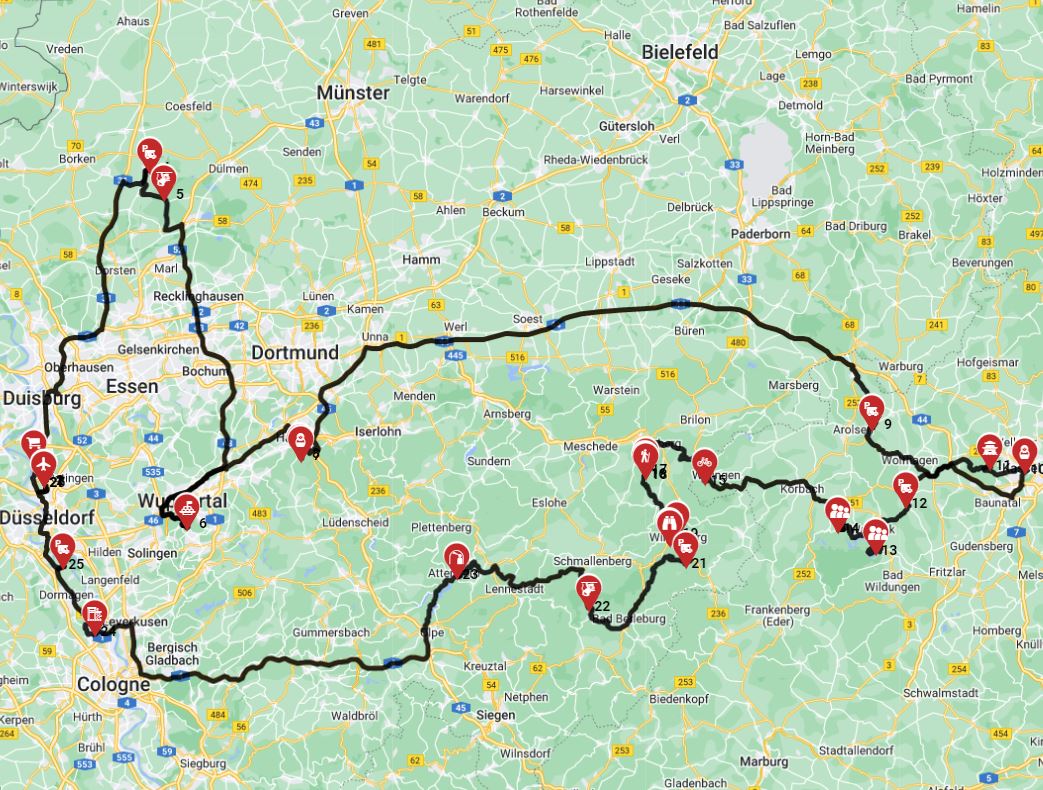
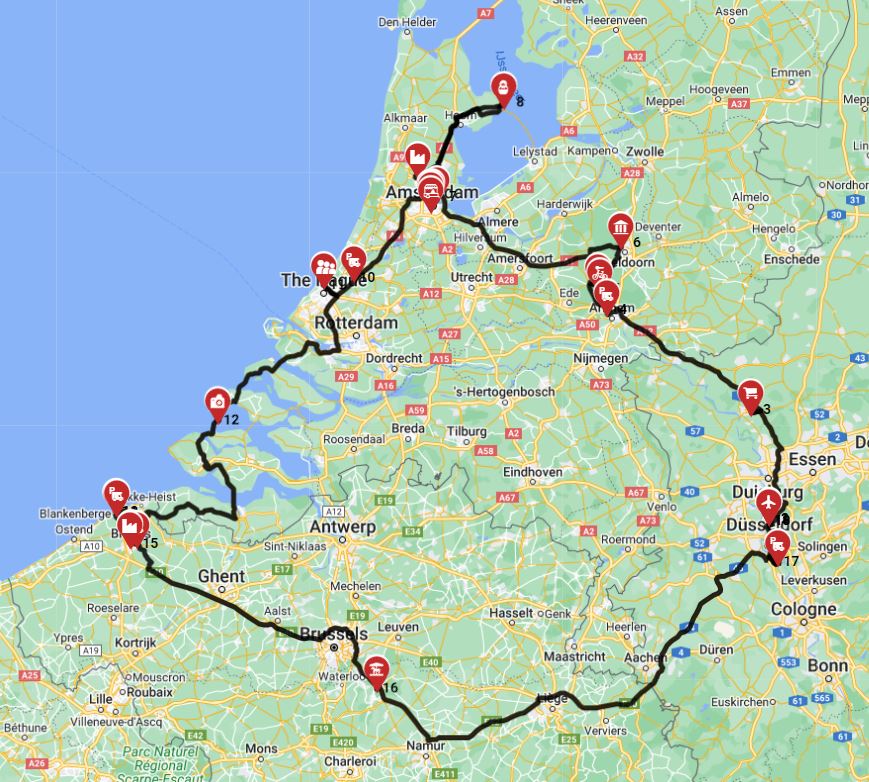
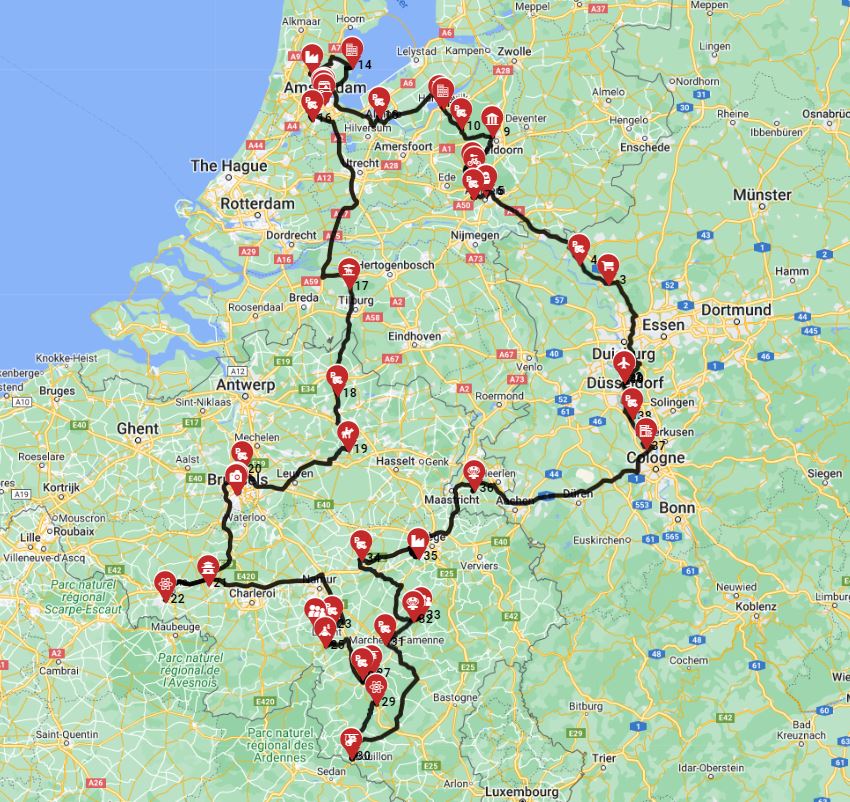
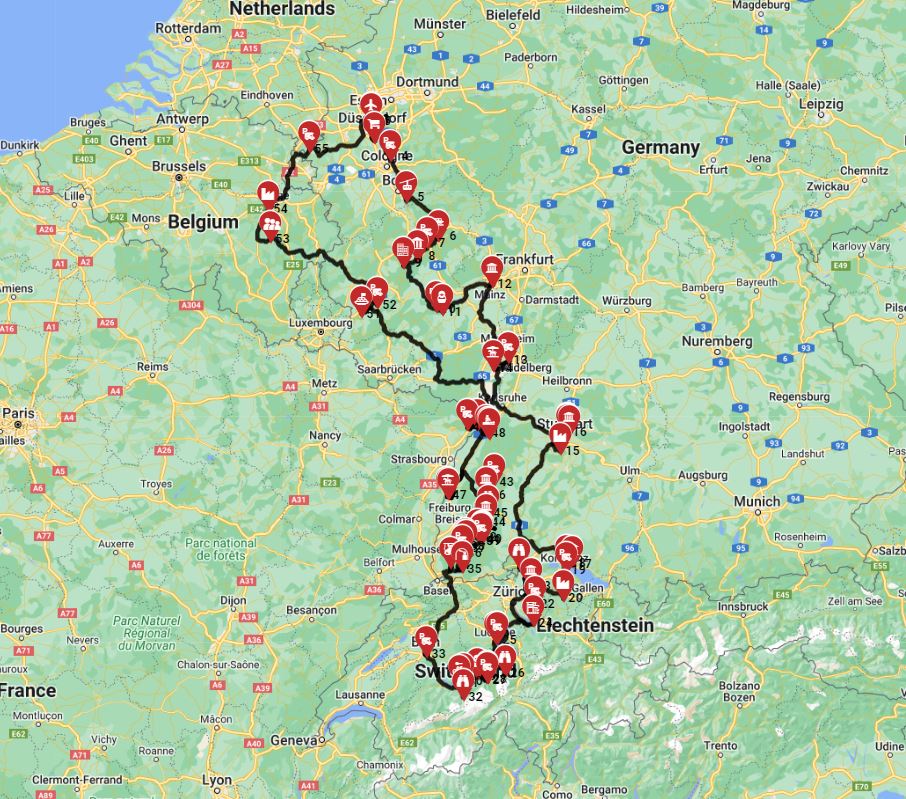
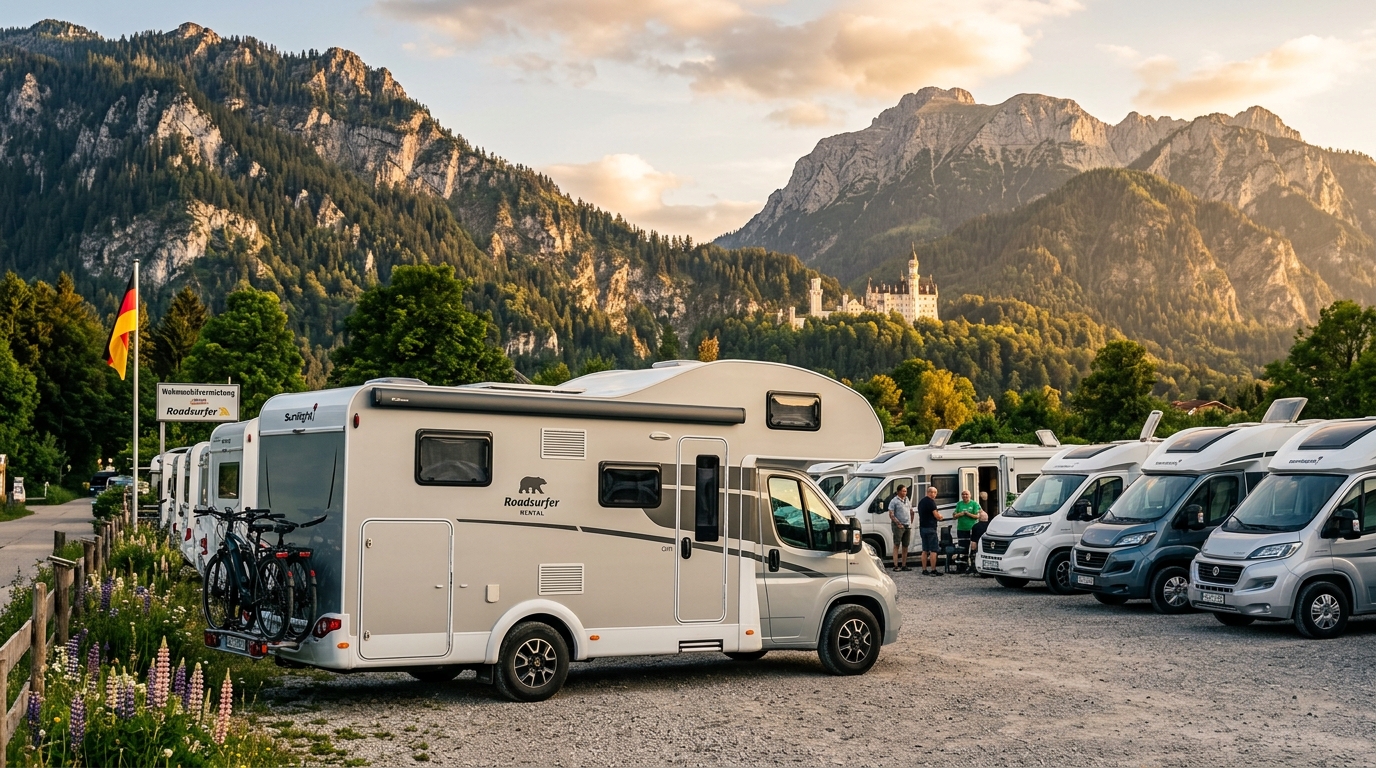
Germany offers several unique one-way RV routes that provide diverse cultural and scenic experiences, catering to different interests. One popular option is to explore the enchanting Romantic Road, starting in Würzburg and traveling south to Füssen, offering over 400 km of picturesque towns and historic sites, including the famous Neuschwanstein Castle and medieval gems like Dinkelsbühl. Another fantastic journey is the German Wine Route in Rhineland-Palatinate, a 85 km scenic stretch that winds through charming wine villages, offering opportunities to sample local wines and experience regional festivals. For history buffs and nature lovers, a one-way trip through the Harz Mountains, perhaps from Goslar to Quedlinburg, provides a rich blend of UNESCO World Heritage sites, hiking trails, and stunning half-timbered architecture, exploring areas with over 20 unique historical sites and museums. These routes are perfect for slow travel, averaging 100-150 km per day, allowing you to fully immerse yourself in Germany’s culture, food, and breathtaking scenery. Check out "One-Way RV Driving in Germany - Route Planner 2026" for more detailed itineraries. If you're seeking a longer excursion, consider the "Frankfurt Roundtrip - North Germany - Including Hamburg & Berlin" which covers 2230.1 km over 15 days, incorporating 2 zoos, 2 hiking areas, and multiple family activities. Planning these routes is made simple with services like Rent&Plan, providing pre-planned itineraries by professionals, and a 25% planning discount when you use rvplan.net.How can I practice eco-friendly RVing in Germany?
Practicing eco-friendly RVing in Germany is easy and highly encouraged, aligning with the country's strong environmental consciousness. Germany has a comprehensive recycling system, so separate your waste into designated bins for paper, plastic, glass, and organic waste (often labeled "Bioabfall") found at campsites or local recycling centers. Always dispose of greywater (from sinks and showers) and blackwater (from the toilet) strictly at designated dump stations, which are readily available at virtually all official campsites and many Stellplätze, preventing environmental contamination. Conserving water is key; take shorter showers in your rented motorhome (like the "MH4-5 - SIF" with a 120L fresh water tank) and turn off taps when not actively rinsing. Minimize energy consumption by utilizing natural light, unplugging devices, and using campground shore power when available. Planning efficient routes and opting for fuel-efficient campervans (many modern diesel models achieve 9-12 liters/100 km) can significantly reduce your carbon footprint. Finally, support local businesses by buying fresh produce and regional specialties, reducing transportation impacts and enriching your cultural experience.🎬 Video coming soon
What You Shouldn't Miss
For a truly immersive one-way RV adventure in Germany, here are a few expert recommendations that combine classic highlights with local flavor:- **The Rhine Valley Castles**: Drive along the Middle Rhine Valley (a UNESCO World Heritage site), specifically between Bingen and Koblenz, to witness over 40 medieval castles perched dramatically above the river. Park your rented RV at one of the many riverside campsites and take a boat cruise for unparalleled views.
- **Bavarian Alps Road Trip**: Head south for breathtaking mountain vistas, charming villages like Garmisch-Partenkirchen, and opportunities for hiking. Don't miss a stop at the Eibsee, a stunning turquoise lake with views of Germany's highest peak, Zugspitze.
- **Black Forest Scenic Route**: Wind through the dense, mysterious Schwarzwald, stopping in cuckoo clock workshops, enjoying a slice of Black Forest cake (Schwarzwälder Kirschtorte), and exploring quaint towns like Triberg and Freiburg.
- **Baltic Sea Coastline**: For a change of scenery, traverse the northern coast, discovering sandy beaches, chalk cliffs on Rügen Island, and historic Hanseatic cities suchs as Lübeck and Rostock. Many campsites offer direct beach access.
- **Historical Immersion in Saxony**: Explore the eastern region, visiting the vibrant city of Dresden with its reconstructed Frauenkirche, and the charming town of Leipzig, known for its musical heritage and rich history.
- **Mosel River Wine Villages**: Similar to the Rhine, the Mosel valley offers spectacular riverside scenery, steep vineyards, and picturesque wine towns like Cochem and Bernkastel-Kues, perfect for leisurely drives and wine tasting.
Final Thoughts
Embarking on a one-way RV rental in Germany promises an unparalleled journey through diverse landscapes, rich history, and vibrant culture. With the flexibility to pick up your motorhome in one city and drop it off in another, you unlock endless possibilities for discovery, from the historic grandeur of Berlin to the majestic Bavarian Alps. Remember to embrace slow travel, allowing yourself time to truly soak in the unique atmosphere of each town and region. We at Bandana Caravan are here to support you every step of the way, offering full transparency in pricing, expert advice, and a wide selection of motorhomes and campervans from trusted suppliers like "Group A" (4-berth, ideal for a family) and "K125" (3-berth van, perfect for a couple). Your German road trip should be about freedom and joy, not hidden costs or logistical worries. So, pack your bags, prepare your RV-friendly recipes playlist, and get ready to create lasting memories. Discover top destinations, planning tips, all in one place!On the routes offered through RV PLANET routes, you can itemize and track every expense along the way for easy budgeting.