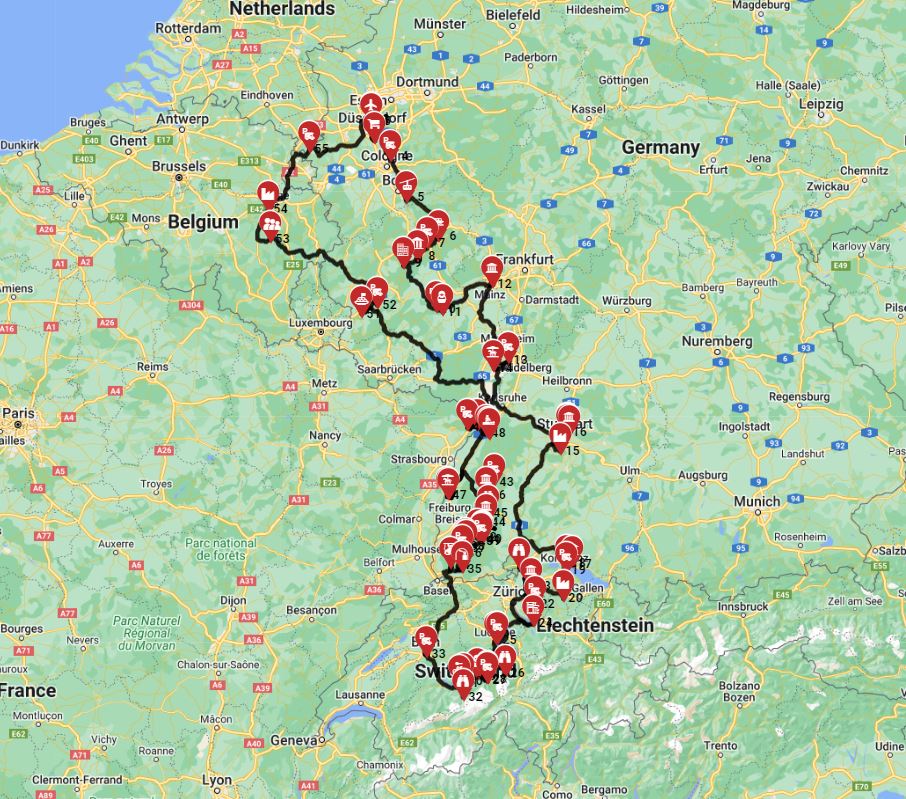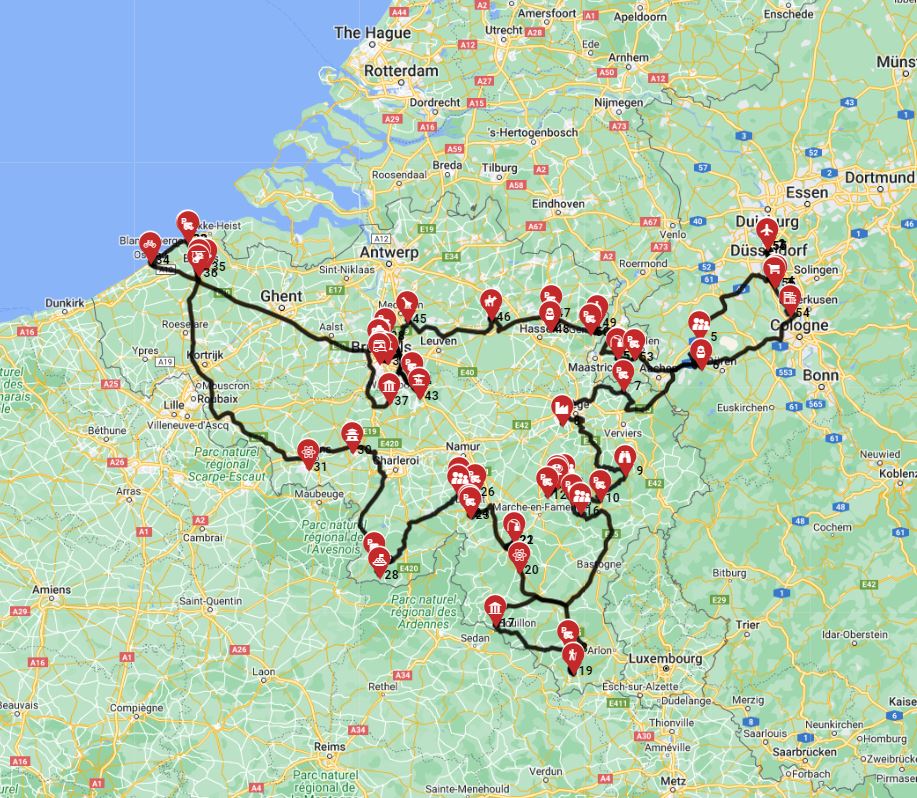
For live availability and current prices, start with our RV Rental Germany - Complete Guide 2026 guide.
In This Guide
- Can You Drive an RV in Germany? License & Age Rules
- Road Conditions & Terrain in Germany
- RV Size Limits, Bridges & Restricted Zones
- Fuel: Diesel vs. Petrol & Cost per 100 km
- Tolls, Vignettes & Border Rules
- Driving Tips for one way rv rental Travelers
- Recommended RV Class for Germany Roads
- Should I Choose a Compact Van Instead of a Large RV in Germany?
- Can I Park Anywhere? Free & Wild Camping Rules in Germany
- Can I Drive an RV Into the City Center? Heights, Tunnels & Local Signage
- How do 'Umweltzonen' (Environmental Zones) Affect RV Travel in Germany?
- What is the Total Cost of a One-Way RV Trip in Germany, Including Rental, Fuel, and Campsites?
- What Practical Tips Should I Know for Navigating German Roads in an RV?
- What Should I Look For During an RV Vehicle Check and When Choosing Insurance in Germany?
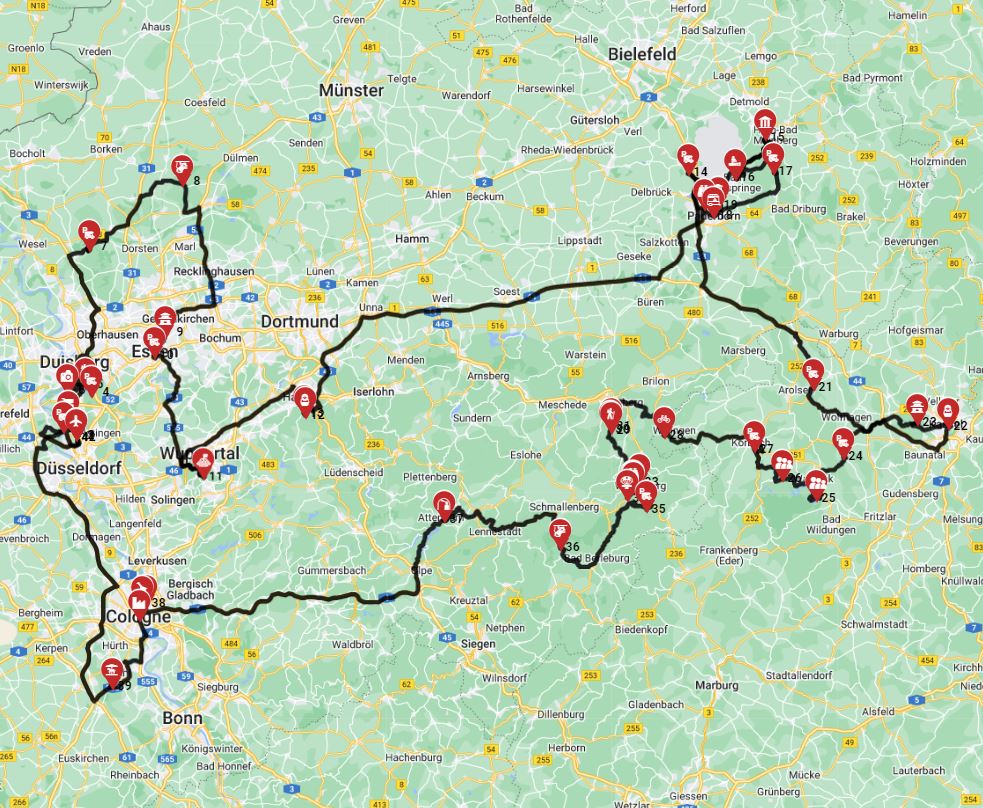
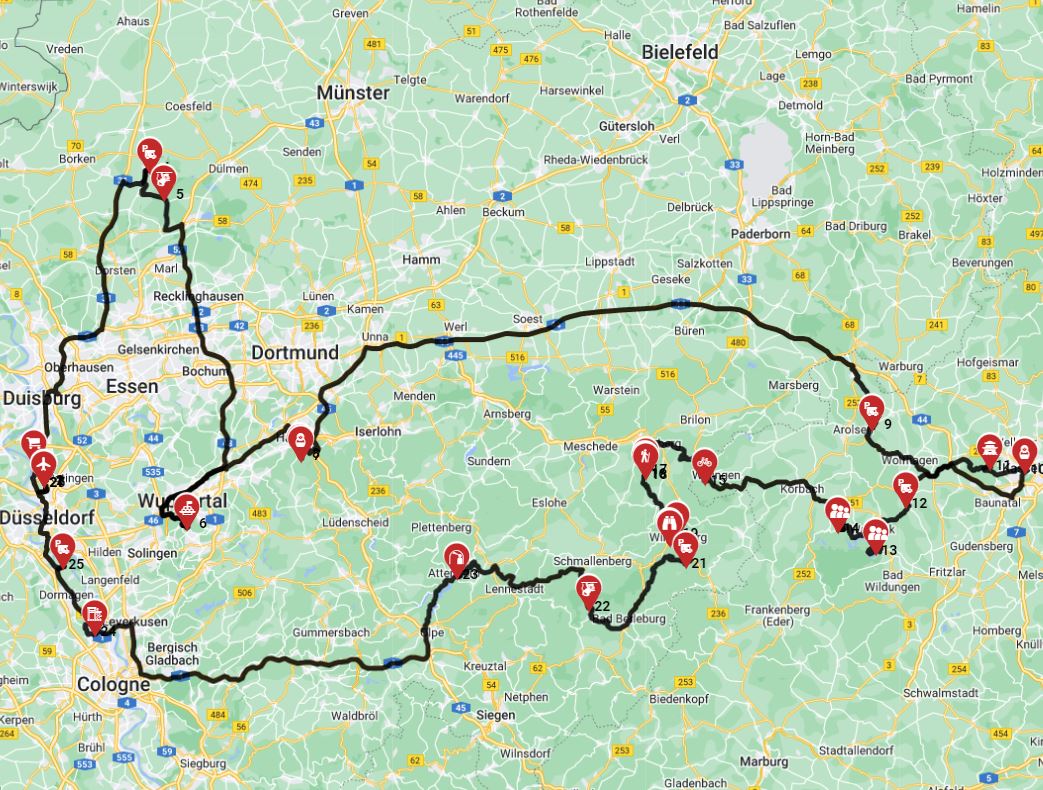
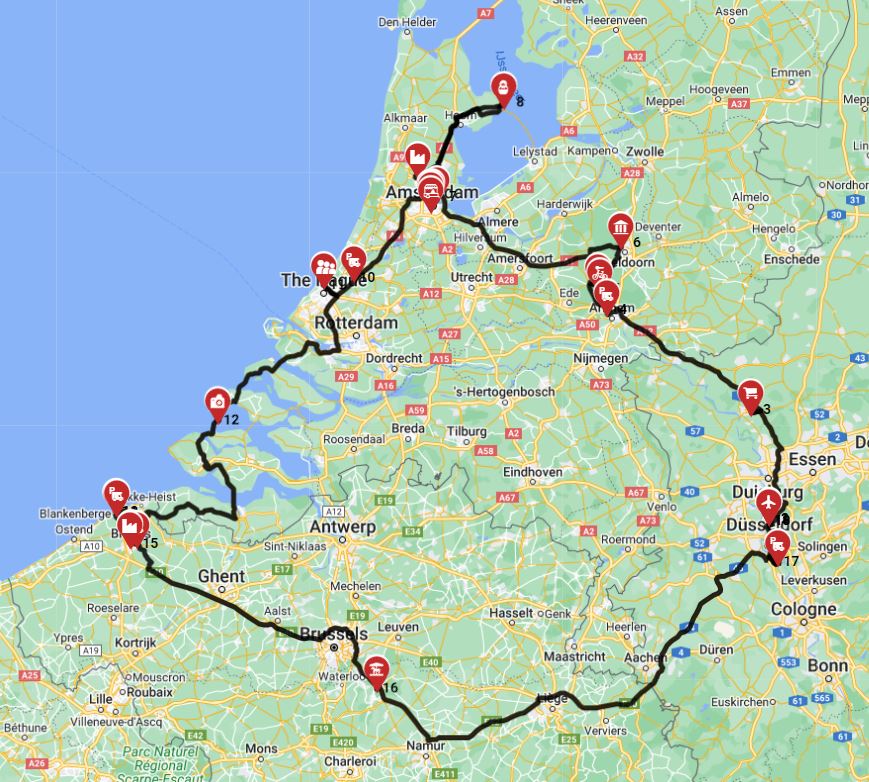
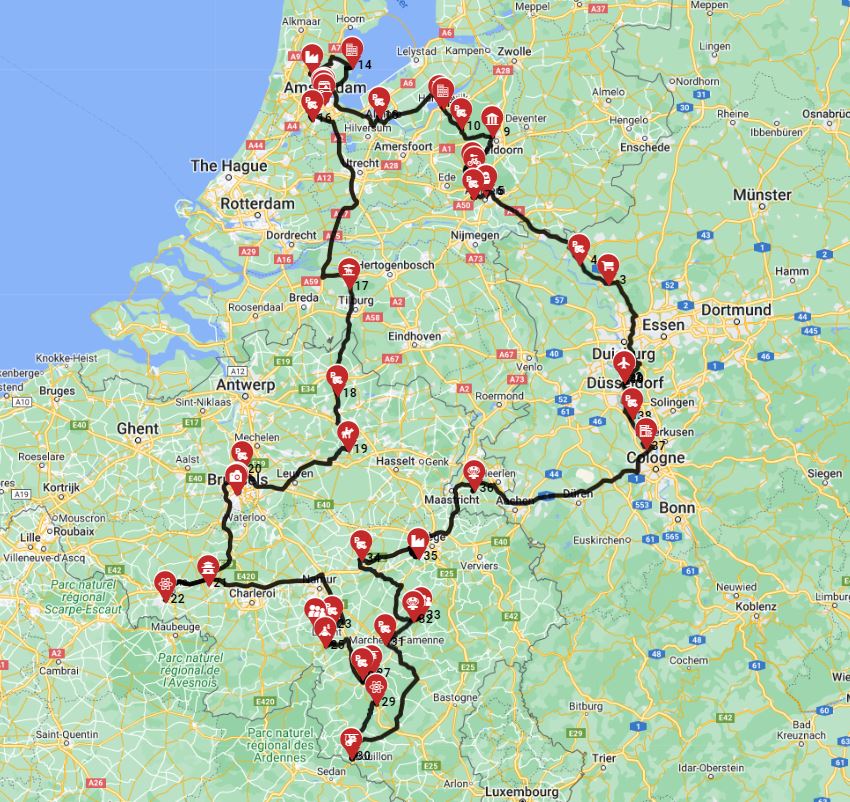
- What are Unique RV Itineraries and Local Experiences in Germany?
- How Does Seasonal Weather Impact RV Travel in Germany, and What Should I Pack?
- What are German RV Etiquette and Sustainable Travel Practices?
Can You Drive an RV in Germany? License & Age Rules
Yes, you can drive most rental RVs in Germany with a standard car driver's license. A valid Class B equivalent license, typically issued for vehicles up to 3,500 kg (7,700 lbs), is sufficient for most camper vans and smaller semi-integrated motorhomes found in Bandana's fleet. For larger motorhomes, often exceeding 3,500 kg and typically classified as Class A or larger Class C models, a C1 or C license category is required. Rental companies in Germany generally set the minimum driver age at 21, with some specific vehicles or insurance policies potentially requiring drivers to be 25 or older. For drivers holding non-EU licenses, obtaining an International Driving Permit (IDP) to accompany your national license is highly recommended and often required by rental providers and insurance policies for a seamless experience.
The minimum age for renting an RV in Germany is generally 21, though some suppliers may have a higher minimum age of 25 for larger or more powerful motorhome classes. Bandana's platform features a wide range of RVs, and the specific age requirements will be clearly stated during the booking process. There are no young driver surcharges, and all vehicle classes are available to drivers meeting the age criteria, ensuring accessibility for most travelers.
Road Conditions & Terrain in Germany
Germany's road infrastructure is renowned for its quality and efficiency, making RV travel a pleasure. The Autobahn network, famous for its high speeds, is generally smooth and well-maintained, although RVs must always adhere to posted speed limits, which are often lower for larger vehicles. Beyond the Autobahn, secondary roads, including the scenic 'Bundesstraßen' (federal roads) and 'Landstraßen' (state roads), are typically in good condition and offer a more immersive way to experience the diverse German landscape. These routes often wind through picturesque countryside, charming villages, and rolling hills, providing a more relaxed pace for your one-way RV adventure.
As you venture into rural or mountainous regions, such as the Bavarian Alps, you'll encounter narrower roads with more frequent curves and steeper inclines. Larger RVs, like Class A integrated motorhomes, will require extra caution and skillful maneuvering. Urban areas, especially in historic city centers, can present additional challenges, including cobblestone streets, tighter turns, and sometimes restricted access for larger vehicles. Always be prepared to adjust your driving style to suit the local conditions and the size of your rented RV.
RV Size Limits, Bridges & Restricted Zones
Navigating Germany in an RV requires an awareness of size and weight restrictions to avoid fines and ensure safety. Always pay close attention to posted height limits, commonly found near tunnels, parking garages, and underpasses, which are often around 3.5 meters (approximately 11.5 feet) but can be lower on older or more rural roads. Similarly, weight limits are strictly enforced; ensure your RV's Gross Vehicle Weight Rating (GVWR) is not exceeded by your passengers and luggage.
Many German cities have implemented 'Umweltzonen' (environmental zones) to combat air pollution, which restrict entry to vehicles that meet specific emission standards. To enter these zones, your RV must display a 'Grüne Plakette' (green sticker), typically indicating Euro 4 or higher emissions for diesel vehicles. It's advisable to obtain this sticker before entering a zone, as failing to do so can result in a significant fine. If your itinerary includes ferry travel, especially for international crossings or island excursions, always confirm your RV's dimensions (height, width, and weight) against the ferry operator's specific limitations to avoid issues.
Fuel: Diesel vs. Petrol & Cost per 100 km
The vast majority of modern RVs available for rent in Germany operate on diesel fuel, which is readily and conveniently available at petrol stations throughout the country. Bandana's global fleet predominantly consists of diesel models, with petrol-powered RVs being a rare exception, ensuring ease of refueling for your journey. Based on typical fuel consumption averages for Bandana's fleet, expect figures ranging from 8-10 liters per 100 km for compact camper vans (Class B), 10-11 liters per 100 km for semi-integrated models (Class SI), and 10-12 liters per 100 km for larger motorhomes like alcove (Class C) or integrated (Class A) types. Truck campers (Class TC) might consume slightly more, around 12-17 liters per 100 km.
Current diesel prices in Germany fluctuate but generally hover around €1.70 to €2.00 per liter. To estimate your fuel costs, multiply your RV's average consumption by the number of kilometers you plan to travel and the current fuel price. Some rental providers may offer fuel discount cards or other perks that can help manage these expenses. On the routes offered through RV PLANET routes, you can itemize and track every expense along the way for easy budgeting.
Tolls, Vignettes & Border Rules
For RV travel within Germany, there are generally no country-wide tolls or vignette requirements for vehicles under 7.5 tonnes using the Autobahns. Germany primarily utilizes a toll system for heavy goods vehicles (LKW-Maut), so your rented motorhome should be exempt unless specific private roads or tunnels impose their own charges.
However, it's crucial to be aware of differing regulations when crossing into neighboring countries. Nations like Austria and Switzerland require a vignette (a sticker or digital pass) for highway use, while countries such as France and Italy have extensive networks of distance-based toll roads. Many RV rental providers offer the convenience of pre-purchasing these toll passes for neighboring countries, which can help streamline your journey and avoid potential fines. Within the Schengen Area, border crossings are typically open, but always carry your passport or valid identification and familiarize yourself with the specific traffic laws and vehicle requirements of each country you plan to visit.
Driving Tips for one way rv rental Travelers
Embarking on a one-way RV trip in Germany offers incredible freedom, but a few key tips will ensure a smoother and more enjoyable experience. Meticulously plan your route, considering the drop-off location and any potential one-way fees, and always factor in ample buffer time for spontaneous detours to explore scenic viewpoints or charming villages. Familiarize yourself with common German road signs, such as those indicating 'Einbahnstraße' (one-way street) or parking restrictions, to navigate with confidence.
Pacing is essential; Germany's excellent roads can tempt you to speed, but a one-way RV adventure is best savored slowly. Build in extra time for rest stops, especially if traveling with family, aiming for breaks every two hours. Always look for designated RV parking spots ('Wohnmobilstellplätze') or larger car parks, particularly in urban areas. Learning a few basic German phrases like 'Guten Tag' (Hello), 'Danke' (Thank you), and 'Bitte' (Please) can greatly enhance your interactions with locals and make your journey more rewarding. Budget-conscious travelers should also consider pre-purchasing toll passes for neighboring countries if their itinerary involves border crossings, helping to avoid unexpected expenses.
Recommended RV Class for Germany Roads
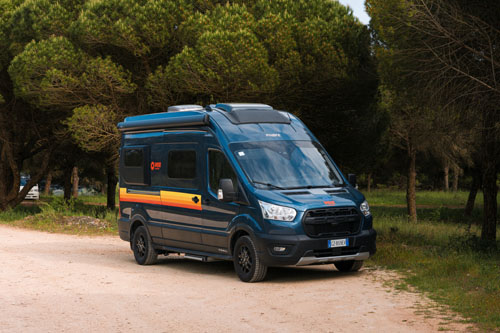
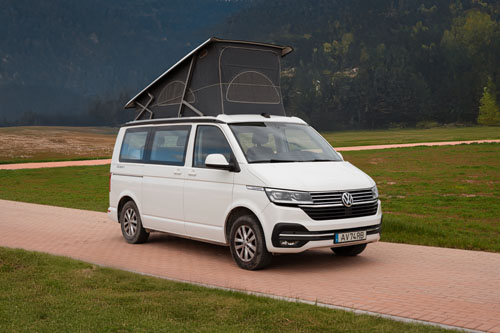
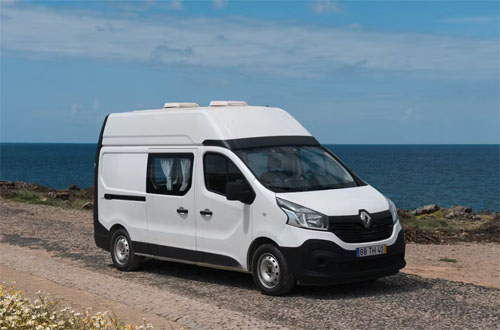
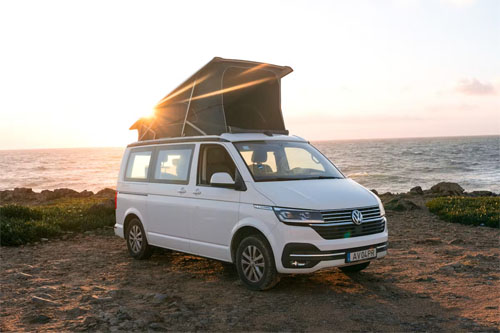
For navigating Germany's diverse roads and accessing both urban centers and scenic rural areas, a Class B Camper Van or a Class SI Semi-integrated RV is generally recommended. These classes offer an optimal balance of maneuverability and living space, making them ideal for most German road conditions.
Bandana's Class B camper vans, typically around 5.8 meters in length, provide excellent agility for city driving and fitting into smaller parking spaces, with fuel consumption around 8-10 Liters/100 km. The Class SI semi-integrated RVs, averaging 6.9 meters, offer a comfortable compromise, suitable for small families (3-4 people) and generally handling well on most roads while consuming around 10-11 Liters/100 km. While larger RVs like Class C alcove or Class A integrated models offer more interior space and amenities, their increased dimensions can present challenges in historic town centers and on narrower country lanes. The best choice depends on your itinerary: a compact Class B is perfect for city-focused trips, while a Semi-integrated offers more comfort for longer, mixed-terrain journeys without being overly cumbersome.
Should I Choose a Compact Van Instead of a Large RV in Germany?
While a compact van (Class B Camper Van) certainly offers superior maneuverability for navigating tight city streets and narrow country lanes, larger RVs often provide a better balance of comfort and essential living space, which is a significant advantage on longer trips. For example, Bandana's Class B camper vans average 8-10 Liters/100 km, making them fuel-efficient for urban exploration.
Larger RVs, such as semi-integrated or alcove models, typically feature more generous living areas, including larger sleeping arrangements, full kitchen facilities, and separate shower and toilet compartments. For itineraries heavily focused on exploring historic medieval towns with very restricted streets, or if prioritizing ease of urban parking, a compact van is the more practical choice. However, for a one-way trip that covers diverse German regions and prioritizes onboard comfort for a family or group, the enhanced amenities of a larger RV often outweigh the slightly increased awareness needed for driving and parking. For ideas you can prep on the road, watch our RV-friendly recipes playlist on YouTube.