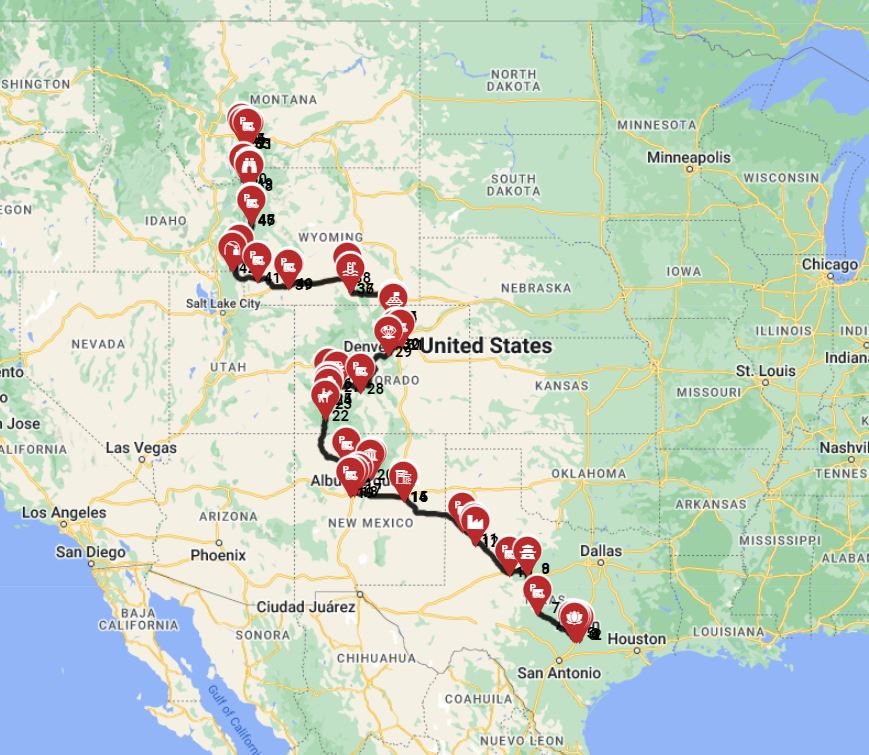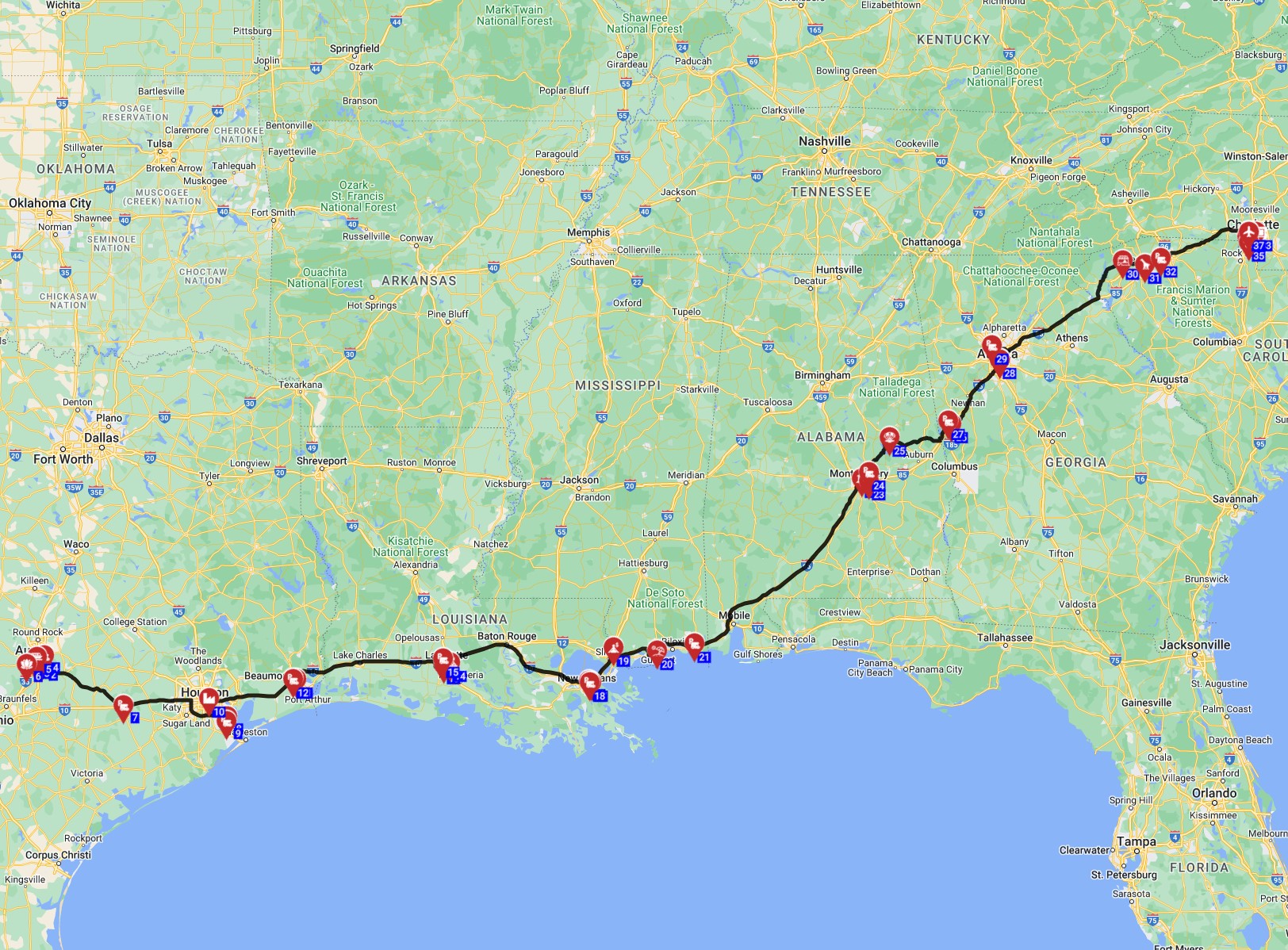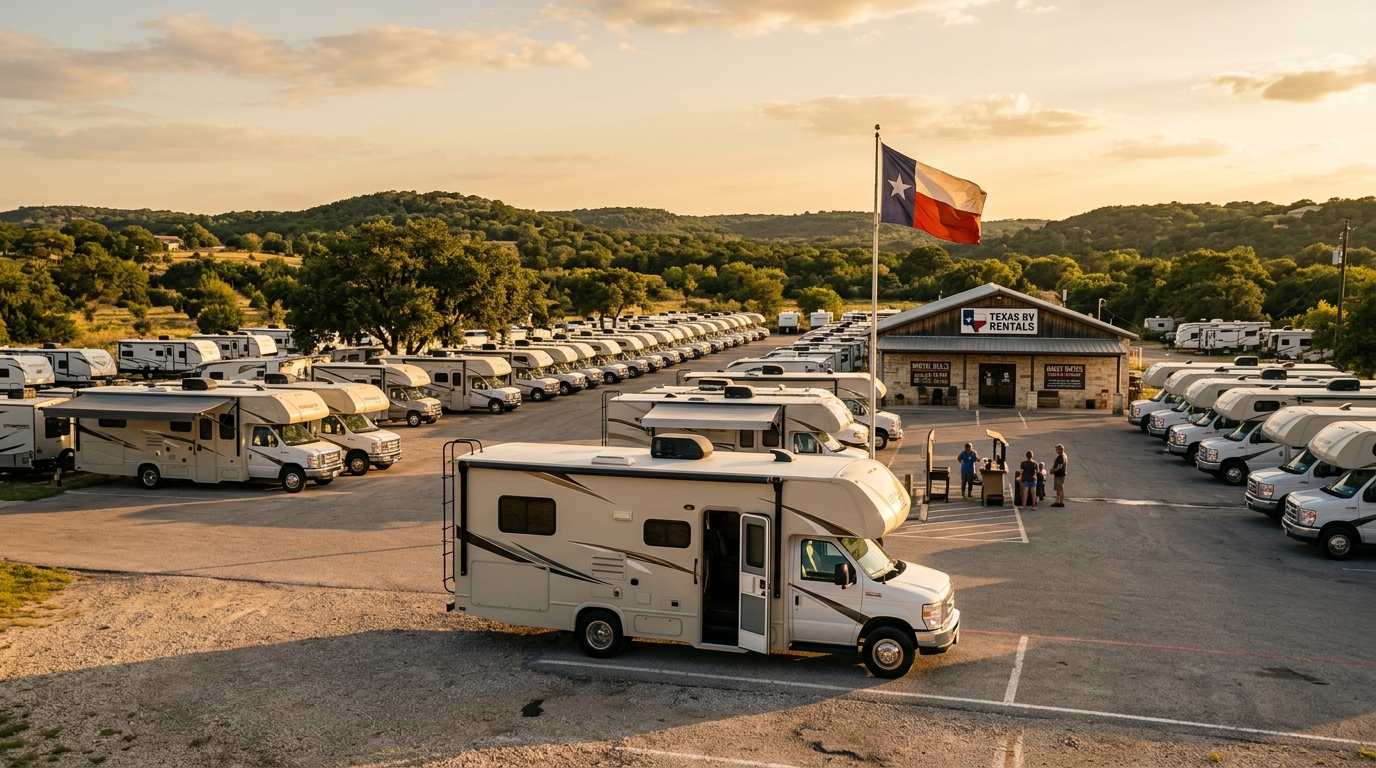
For live availability and current prices, start with our RV Rental Texas - Complete Guide 2026 guide.
In This Guide
- The 5 RV Families Compared for Texas
- Class A (Integrated) — Best For
- Price Comparison by RV Class in Texas
- Class SI (Semi-Integrated) — Best For
- Class C (Alcove) — Best For
- Class B (Campervan) — Best For
- Class TC (Truck Camper) — Best For
- Side-by-Side Comparison Table
- Our Recommendation for one way rv rental Travelers in Texas
- How much does a one way RV rental cost in Texas?
- What is the cheapest one way RV rental?
- Are one way RV rentals available in Texas?
- Can you rent an RV in Texas and drop it off in another state?
- What is the best RV rental company for one way in Texas?
- Are there any hidden fees with one way RV rentals?
- How far in advance should I book a one way RV rental in Texas?
- What is the best month to RV in Texas?
- Is it worth it to rent an RV for one way travel in Texas?
- Where can you find free camping for RVs in Texas?
- What are the best places to visit in Texas by RV?
- How do you plan an RV trip across Texas?
- How much money do you need to RV around Texas?
- What are the legal requirements for RVing in Texas?
- What are the disadvantages of one way RV rental?
- Can you live in an RV full time in Texas?
- What do you need to know about driving an RV in Texas?
- What do you do for internet in an RV in Texas?
- How do I get mail if I live in an RV in Texas?
- What is the Texas RV club?
- What happens if your RV breaks down in Texas?
- What are the best scenic routes in Texas for RVs?
- What are the rules for boondocking in Texas?
The 5 RV Families Compared for Texas
Choosing the right RV family for your one-way Texas adventure is crucial, impacting both comfort and practicality as you navigate the state's diverse terrain and climate. For one-way rentals, selecting an RV that perfectly suits your entire journey without the need for backtracking is a significant advantage. Your group size, the planned trip length, and your desired amenities are the key factors in determining the ideal RV class.
Class A (Integrated) — Best For
Class A integrated motorhomes are best for luxurious, spacious travel and longer one-way trips across Texas, particularly for larger families or groups. They offer extensive amenities and exceptional comfort. Bandana's global fleet average for Class A RVs shows an average length of 7.5 meters and a sleeping capacity for 4.4 people. With an average load capacity of 209.5 kg and typical fuel consumption of 8-11 Liters/100 km, these models are well-suited for extended journeys with significant cargo. While ideal for those prioritizing home-like comfort and amenities, their size can present challenges when maneuvering in tighter urban areas or specific scenic routes.
Price Comparison by RV Class in Texas
Pricing for one-way RV rentals in Texas is dynamic and varies significantly by RV class, trip duration, seasonality, and the specific drop-off location. Generally, smaller, more fuel-efficient models offer lower daily rates. Because pricing is flex-rate, the table below pulls real example prices from Bandana's live search for various durations. These prices are estimates and update daily; for the most current rates, please use the search box at the top of the page.
| Family | Avg Length (m) | Sleeps | Fuel Use (L/100km) | Best Use Case in Texas |
|---|---|---|---|---|
| Class A (Integrated) | 7.5 | 4.4 | 8-11 | Luxury, large groups, long hauls, comfort |
| Class SI (Semi-Integrated) | 6.9 | 3.8 | 10-11 | Couples/small families, balanced comfort and maneuverability |
| Class C (Alcove) | 7.5 | 5.8 | 10-12 | Families, cost-effective, ample sleeping, varied terrain |
| Class B (Campervan) | 5.8 | 3.2 | 8-10 | Solo/couples, maneuverability, fuel economy, urban/remote exploring |
| Class TC (Truck Camper) | 5.5 | 2.4 | 12-17 | Off-grid, rugged terrain, flexibility, adventure seekers |
Class SI (Semi-Integrated) — Best For
Class SI semi-integrated motorhomes are an excellent choice for one-way Texas adventures, striking a balance between the spaciousness of larger RVs and the maneuverability and fuel efficiency of smaller models. They are particularly suitable for couples or small families. Bandana's global fleet average for Class SI RVs indicates an average length of 6.9 meters and a sleeping capacity for 3.8 people. With an average load capacity of 72.2 kg and typical fuel consumption of 10-11 Liters/100 km, these models offer a great compromise for comfort and practicality on Texas roads. They often perform better than Class A RVs in terms of maneuverability and can sometimes outperform Class C RVs in sleek design and fuel economy, making them a modern, comfortable, and moderately sized option for many travelers.
Class C (Alcove) — Best For
Class C alcove motorhomes are an excellent option for one-way family RV trips across Texas. They provide ample sleeping capacity and essential amenities in a package that is relatively easy to drive, making them a popular and cost-effective choice. Bandana's global fleet average for Class C RVs shows an average length of 7.5 meters and a sleeping capacity for 5.8 people, largely due to the distinctive alcove bed situated over the cab. With an average load capacity of 42.4 kg and typical fuel consumption of 10-12 Liters/100 km, they offer a robust choice for families exploring Texas's diverse destinations. Their familiar truck-like chassis contributes to comfortable driving on various Texas road conditions, from highways to state park access roads, aligning well with the one-way rental priorities for ease of use.
Class B (Campervan) — Best For
Class B campervans are the optimal choice for solo travelers or couples embarking on a one-way Texas journey, offering superior maneuverability, excellent fuel economy, and potential for stealth camping. This makes them perfect for both urban exploration and remote boondocking. Bandana's global fleet average for Class B RVs indicates an average length of 5.8 meters and a sleeping capacity for 3.2 people. With an average load capacity of 37 kg and typical fuel consumption of 8-10 Liters/100 km, these campervans represent the most fuel-efficient option for traversing Texas's long distances. Their compact size makes them ideal for navigating city streets, parking in standard spaces, and accessing smaller campgrounds or more remote boondocking locations, catering to the adventurous one-way traveler.
Class TC (Truck Camper) — Best For
Class TC truck campers are an excellent choice for adventurous travelers seeking off-grid capabilities and flexibility for a one-way Texas journey. They allow access to rugged terrain and can be detached from the truck for local exploration. Bandana's global fleet average for Class TC RVs indicates an average length of 5.5 meters and a sleeping capacity for 2.4 people. While their fuel efficiency is tied to the truck's performance (typically 12-17 Liters/100 km), Bandana's global fleet data for load capacity often refers to the camper itself; the truck's payload capacity is the primary consideration. These campers are perfectly suited for reaching remote Texas destinations like undeveloped areas of Big Bend or national forests, offering unmatched versatility for those prioritizing wilderness experiences over extensive amenities.
Side-by-Side Comparison Table
To help visualize the differences between the RV classes available for one-way rental in Texas, consult this side-by-side comparison table, which summarizes key specifications and ideal use cases for each type of vehicle.
Our Recommendation for one way rv rental Travelers in Texas
For most one-way RV rental travelers in Texas, the Class C (Alcove) RV is our primary recommendation due to its balanced combination of space, amenities, and ease of driving. The Class B (Campervan) is an excellent runner-up, especially for solo adventurers or couples who prioritize maneuverability and fuel efficiency. The Class C's capacity for nearly six sleepers (average 5.8) and ample storage (average 42.4 kg load capacity) makes it ideal for families or small groups traversing Texas's diverse landscapes, from bustling cities to serene state parks. Its familiar driving dynamics and reasonable fuel consumption (10-12 L/100 km) provide a comfortable and practical experience for extended journeys. Meanwhile, the Class B Campervan excels in its compact size (average 5.8 meters) and superior fuel economy (8-10 L/100 km), making it perfect for those who value agility and a lower environmental footprint while exploring Texas's urban centers and remote natural beauty.
How much does a one way RV rental cost in Texas?
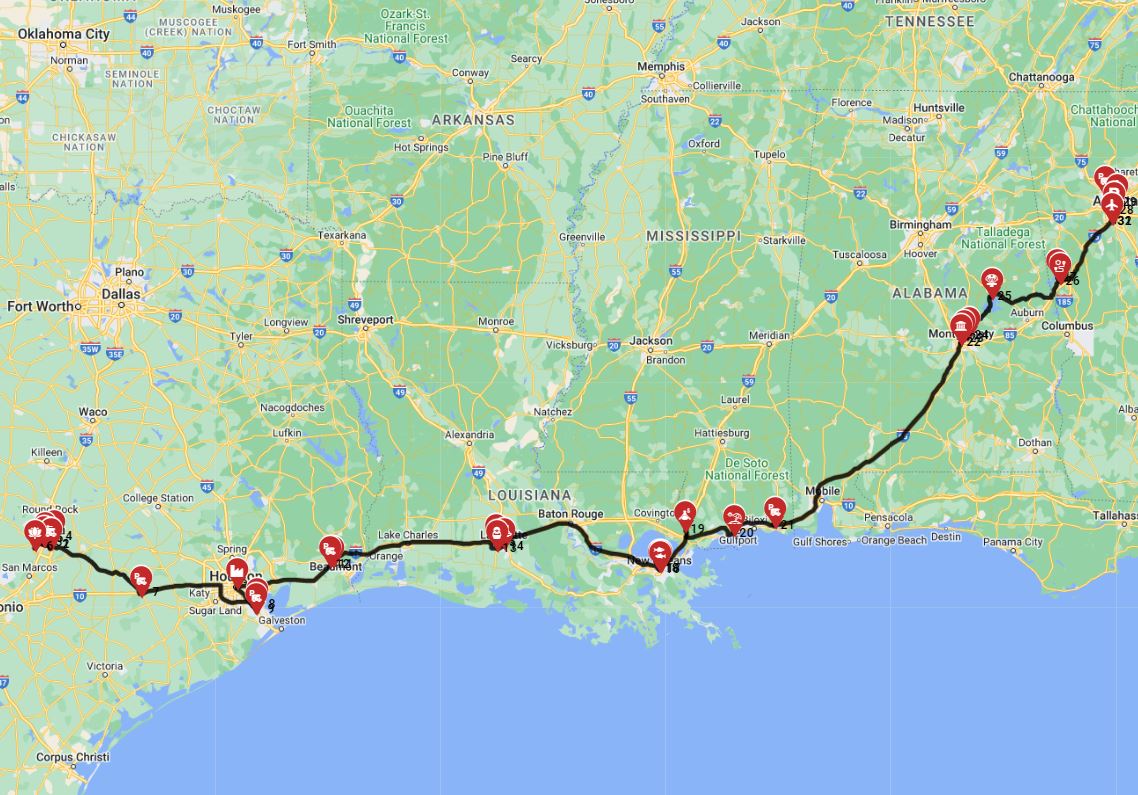
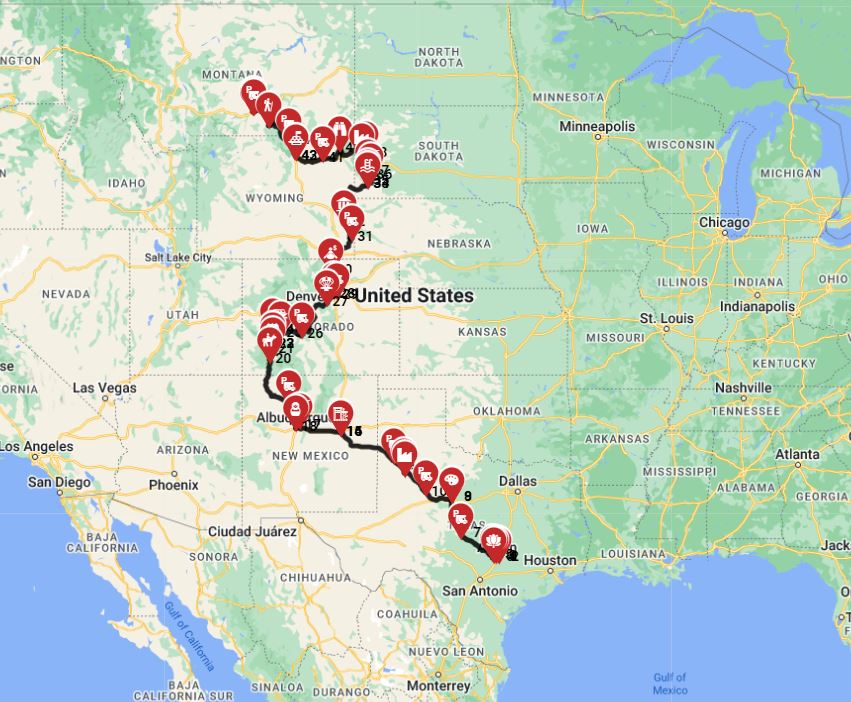
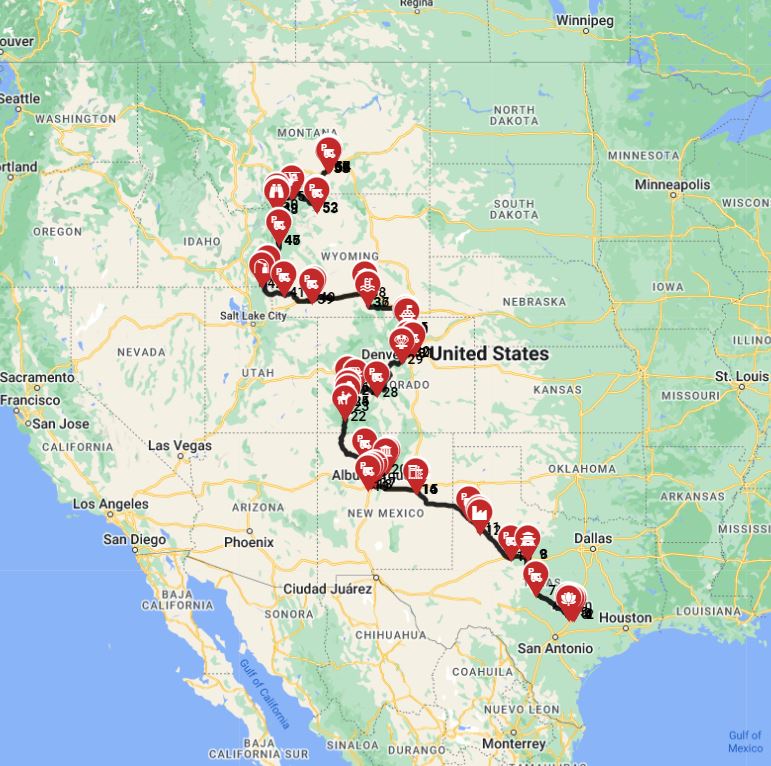
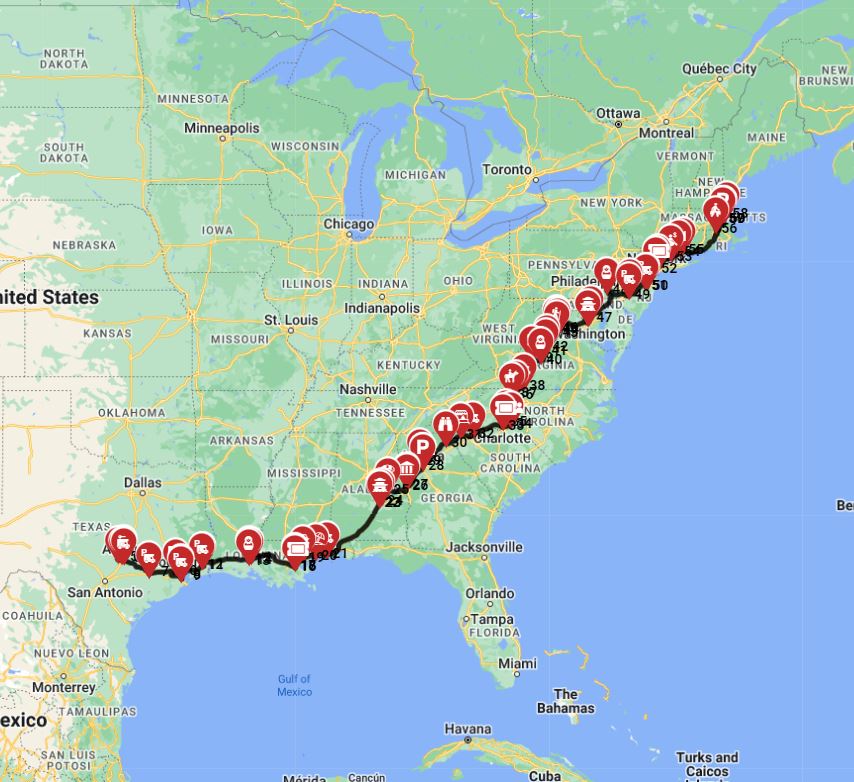
The cost of a one-way RV rental in Texas varies significantly based on RV class, trip duration, seasonality, and the specific drop-off location. However, a typical estimate ranges from a few hundred dollars for a short trip in a smaller campervan to several thousand dollars for a longer journey in a larger motorhome. One-way fees are a primary cost differentiator, often ranging from $150 to $700 or more, depending on the distance and demand for vehicle relocation. Beyond the base rental rate, factors like mileage charges (if exceeding included limits), generator usage fees, insurance premiums, road tolls, and campsite fees can significantly impact your total budget. Fuel costs, especially for longer distances across Texas in larger RVs, should be a major consideration, potentially requiring hundreds of dollars for a multi-day trip. On the routes offered through RV PLANET routes, you can itemize and track every expense along the way for easy budgeting.
What is the cheapest one way RV rental?
The most budget-friendly one-way RV rental option for a typical trip in Texas is generally a Class B (Campervan) or a smaller Class C (Alcove) model. This is primarily due to their better fuel efficiency and often lower daily rental rates compared to larger motorhomes. Class B campervans, with their average fuel consumption of 8-10 Liters/100 km, offer the most economical choice for fuel, a significant cost factor over Texas's vast distances. Booking during off-peak seasons (excluding holidays) and several months in advance can lead to lower daily rates across all RV classes. Additionally, opting for shorter rental durations and selecting a drop-off location within the same metropolitan area or on a high-demand route for the rental company can help minimize one-way fees.
Are one way RV rentals available in Texas?
Yes, one-way RV rentals are readily available in Texas through various providers, including Bandana. These rentals offer the flexibility to pick up an RV in one city and drop it off in another, whether that's within Texas or in a neighboring state. Major Texas cities such as Dallas, Houston, Austin, and San Antonio serve as popular pickup and drop-off hubs, facilitating one-way travel across the state or to adjacent regions. The availability of specific RV models for one-way trips can vary, making early booking crucial, especially for popular routes or during peak travel times. Rental platforms like Bandana allow users to easily search for one-way options by specifying different pickup and drop-off locations, clearly displaying available inventory.
Can you rent an RV in Texas and drop it off in another state?
It is generally possible to rent an RV in Texas and drop it off in another state, although availability depends on the rental company's network and may incur additional one-way relocation fees. Rental providers with extensive national networks, such as Bandana, frequently offer inter-state one-way options, connecting Texas to states like Louisiana, Oklahoma, New Mexico, or even further destinations. These cross-state rentals are subject to specific one-way fees, which are intended to cover the cost of relocating the RV back to its home base or to meet demand in another location. It is essential to confirm the exact drop-off locations and any associated fees directly with the rental company or through the booking platform to avoid unexpected charges.
What is the best RV rental company for one way in Texas?
Bandana stands out as a highly-rated option for one-way RV rentals in Texas, providing a comprehensive selection of RV classes and a user-friendly platform that simplifies comparing options to meet diverse travel needs. Bandana's extensive fleet includes Class A, B, C, SI, and TC RVs, ensuring travelers can find a vehicle perfectly suited to their group size, budget, and desired comfort level for a one-way journey across the Lone Star State. The platform's transparent pricing structure and comparison tools help travelers clearly understand costs upfront, including any applicable one-way fees. Furthermore, Bandana offers a reliable network of pickup and drop-off locations across Texas and beyond, making inter-state one-way trips both feasible and convenient.
Are there any hidden fees with one way RV rentals?
While reputable one-way RV rental companies strive for complete transparency, potential "hidden" or often overlooked fees can include one-way relocation charges, mileage overage fees, generator usage charges, cleaning fees, propane refills, and specific insurance surcharges. It is crucial that all these potential costs are clarified upfront. The most significant of these is often the one-way fee itself, which can range widely based on the distance and the rental company's demand for vehicle relocation. Other common fees include charges for exceeding allowed daily mileage, which can quickly accumulate on long Texas trips, and mandatory cleaning fees upon return of the vehicle. Thoroughly reviewing the rental agreement, asking detailed questions about all potential charges, and understanding insurance coverage options before finalizing your one-way RV rental is paramount.
How far in advance should I book a one way RV rental in Texas?
For a one-way RV rental in Texas, booking at least 3-6 months in advance is highly recommended, particularly for peak seasons like spring, summer, and major holidays, or if you have specific RV models in mind. This lead time helps ensure you secure the best rates and guarantee availability for your preferred vehicle class and features. Booking well ahead of time significantly increases your chances of securing the exact RV class and amenities you desire, as one-way inventory for specific routes can be limited. Dynamic pricing models generally reward early bookings with more favorable rates, especially for popular RV types such as Class C or Class B models. While spontaneous trips or off-season travel might present last-minute deals, flexibility with RV type and pickup/drop-off locations will be essential.
What is the best month to RV in Texas?
The optimal months for RV travel in Texas are generally spring (March to May) and fall (September to November). During these periods, temperatures are mild across most regions, offering comfortable conditions for outdoor activities and avoiding the extreme heat of summer or the cold of winter. Spring in Texas is particularly beautiful with wildflowers blooming, especially in the picturesque Hill Country, and the temperatures are perfect for hiking and exploring. Fall provides pleasant weather, vibrant foliage in eastern Texas, and numerous festivals and events without the intense summer heat. While summer (June-August) can bring extreme heat, particularly in West Texas, making RV travel challenging, winter (December-February) can be cold in the Panhandle but generally mild enough for enjoyable RVing in southern Texas and along the Gulf Coast.
Is it worth it to rent an RV for one way travel in Texas?
Renting an RV for one-way travel in Texas can be exceptionally worthwhile for those seeking flexibility, convenience, and the unique experience of exploring diverse landscapes without the need to backtrack. This is particularly true for multi-destination trips or when attending specific events. One-way RV rentals significantly save time by eliminating the need to return to the original pickup location, allowing for a more linear and comprehensive exploration of Texas's vastness. They provide the flexibility to visit disparate regions, such as starting in Dallas and ending near Big Bend National Park, without the logistical complexities of returning a personal vehicle. While one-way rentals typically incur an additional fee, the convenience and expanded itinerary possibilities often outweigh the extra cost for many adventurers.
Where can you find free camping for RVs in Texas?
Free camping for RVs in Texas is primarily available on public lands managed by the Bureau of Land Management (BLM) and in designated areas of National Forests. Dispersed camping opportunities also exist on state-managed lands, and some businesses, like Walmart or Cracker Barrel, may permit overnight parking. While Texas has less BLM land compared to western states, significant dispersed camping opportunities are found within the four National Forests: Davy Crockett, Sam Houston, Angelina, and Sabine. Primitive camping is often allowed without fees in these areas. Some Texas State Parks offer primitive or hike-in campsites that are free or very low cost, though they typically lack RV hookups. Additionally, many large retail stores (Walmart, Cabela's, Cracker Barrel) and truck stops permit overnight RV parking, often referred to as 'boondocking' or 'dry camping,' but it's always wise to confirm with management first.
What are the best places to visit in Texas by RV?
Texas offers a vast array of RV-friendly destinations, including the rugged beauty of Big Bend National Park, the charming Texas Hill Country, the vibrant cities of Austin and San Antonio, and the coastal allure of Padre Island National Seashore. For nature enthusiasts, Big Bend National Park and Big Bend Ranch State Park present unparalleled desert landscapes, incredible stargazing opportunities, and numerous RV campgrounds perfect for hiking. The Texas Hill Country, with its scenic drives through towns like Fredericksburg and its proximity to Enchanted Rock and Lyndon B. Johnson National Historical Park, is ideal for wine tasting and exploring historic sites. For urban adventures, Austin's live music scene, San Antonio's River Walk and historic missions, or Houston's Space Center are excellent choices, all offering nearby RV parks. Consider planning a 'Texas BBQ Trail' RV trip or a 'Dark Sky Stargazing Route' through West Texas for unique itineraries.
How do you plan an RV trip across Texas?
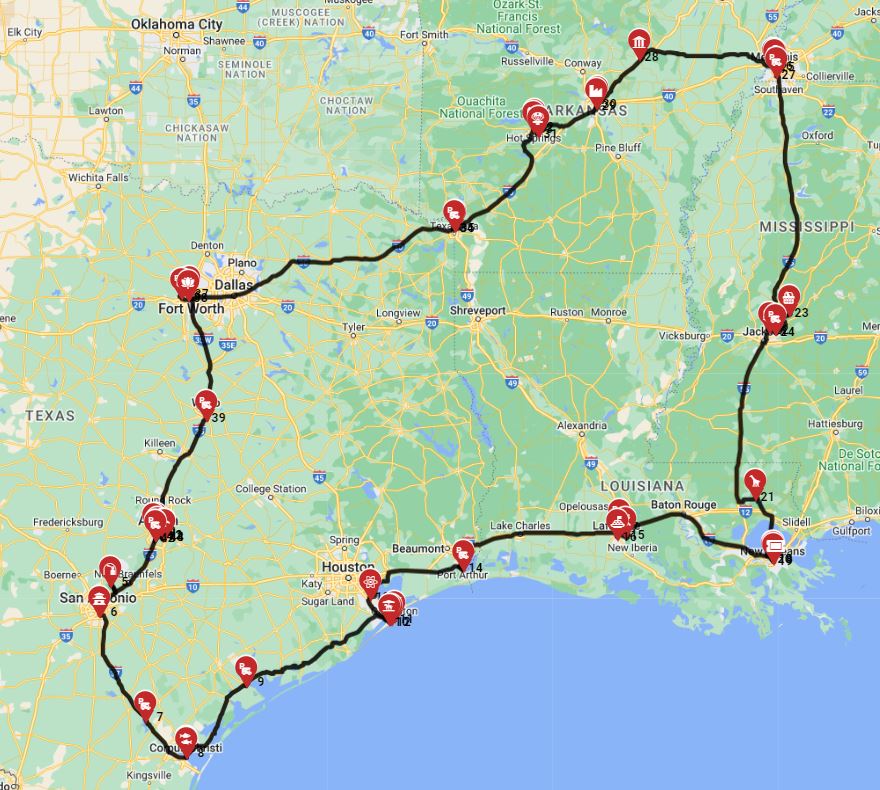
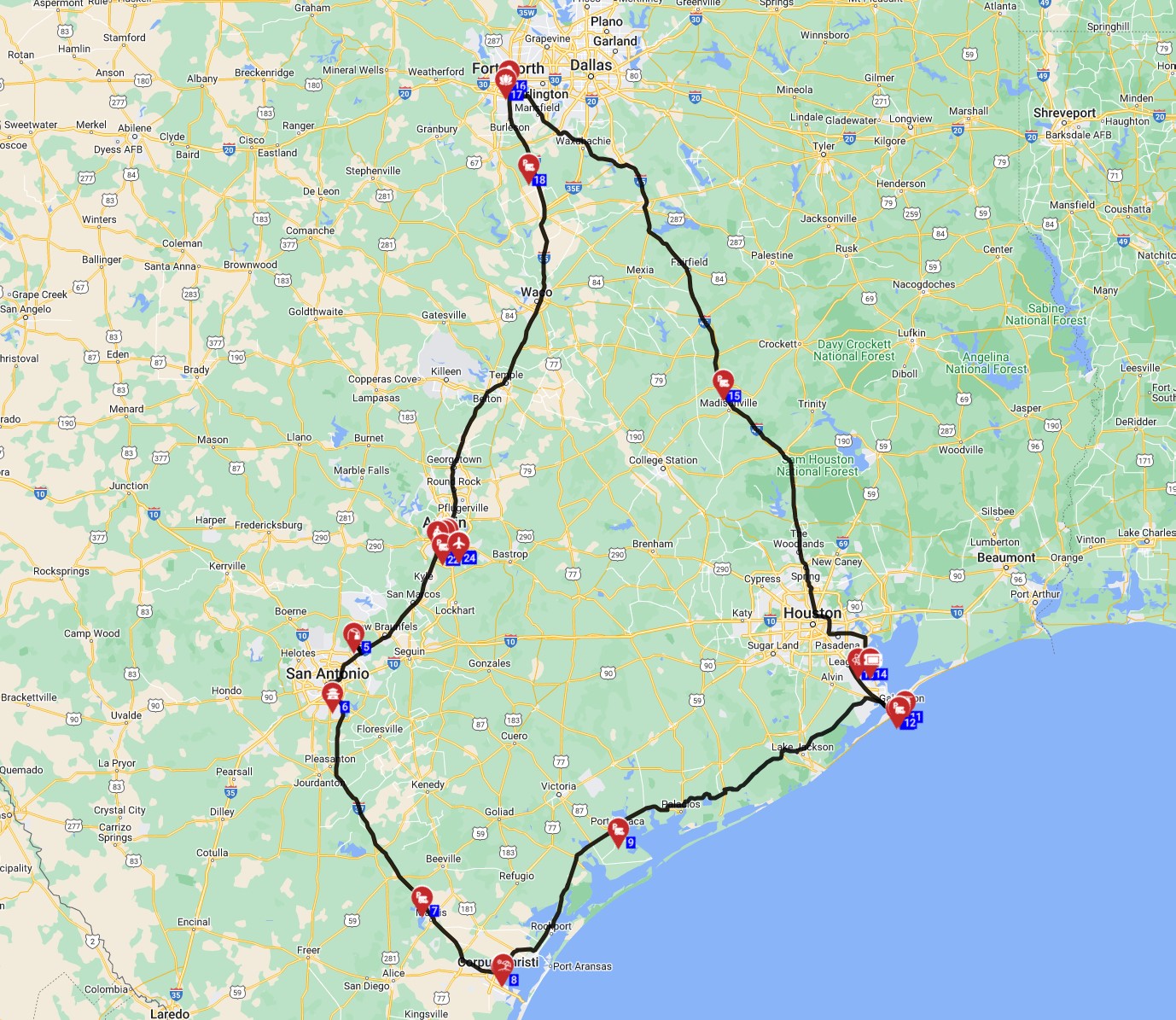
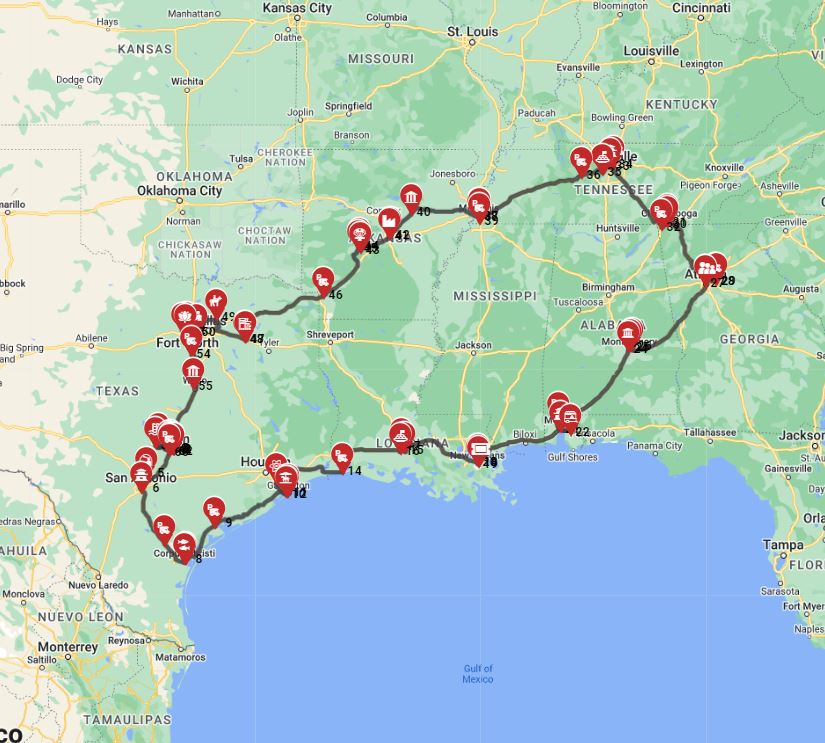
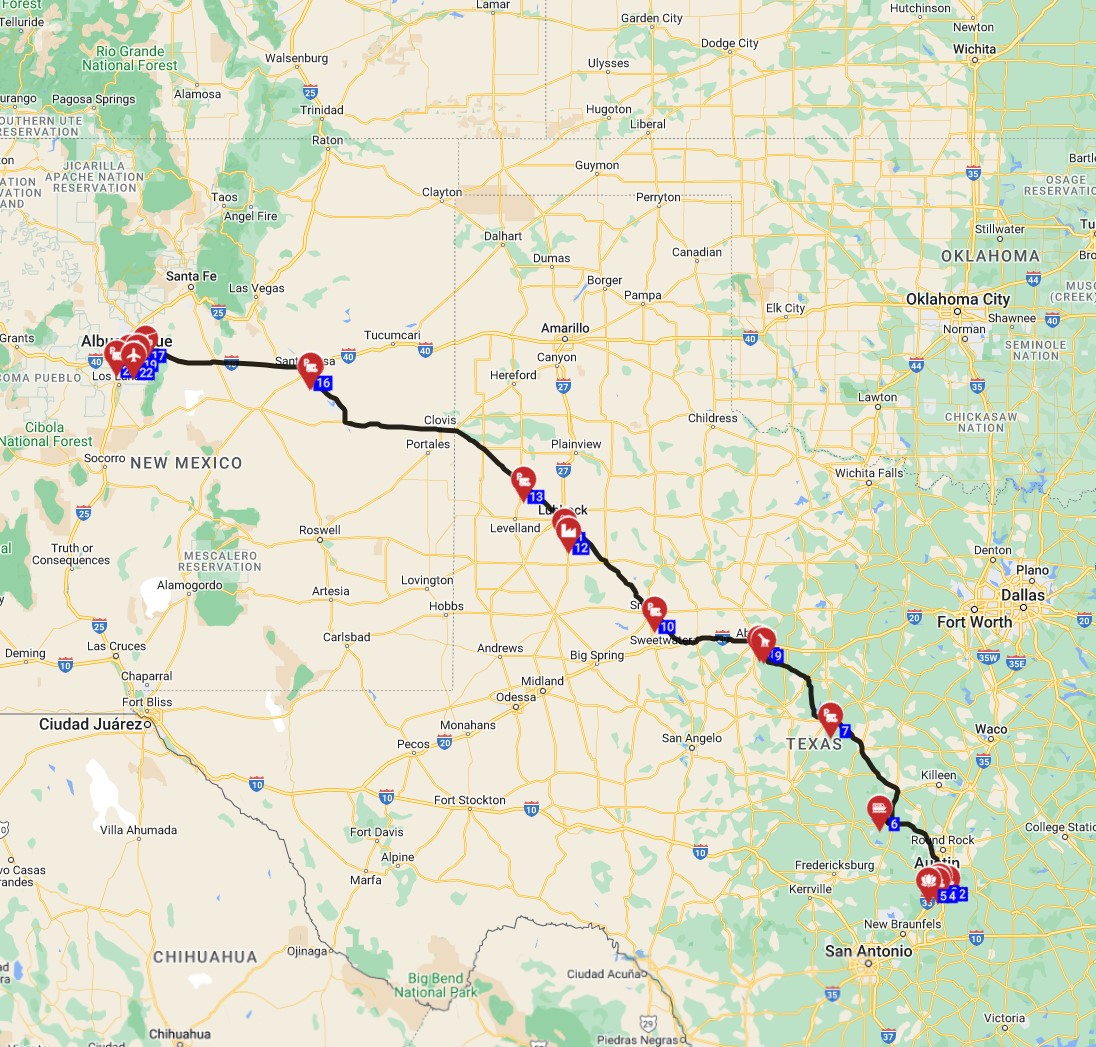
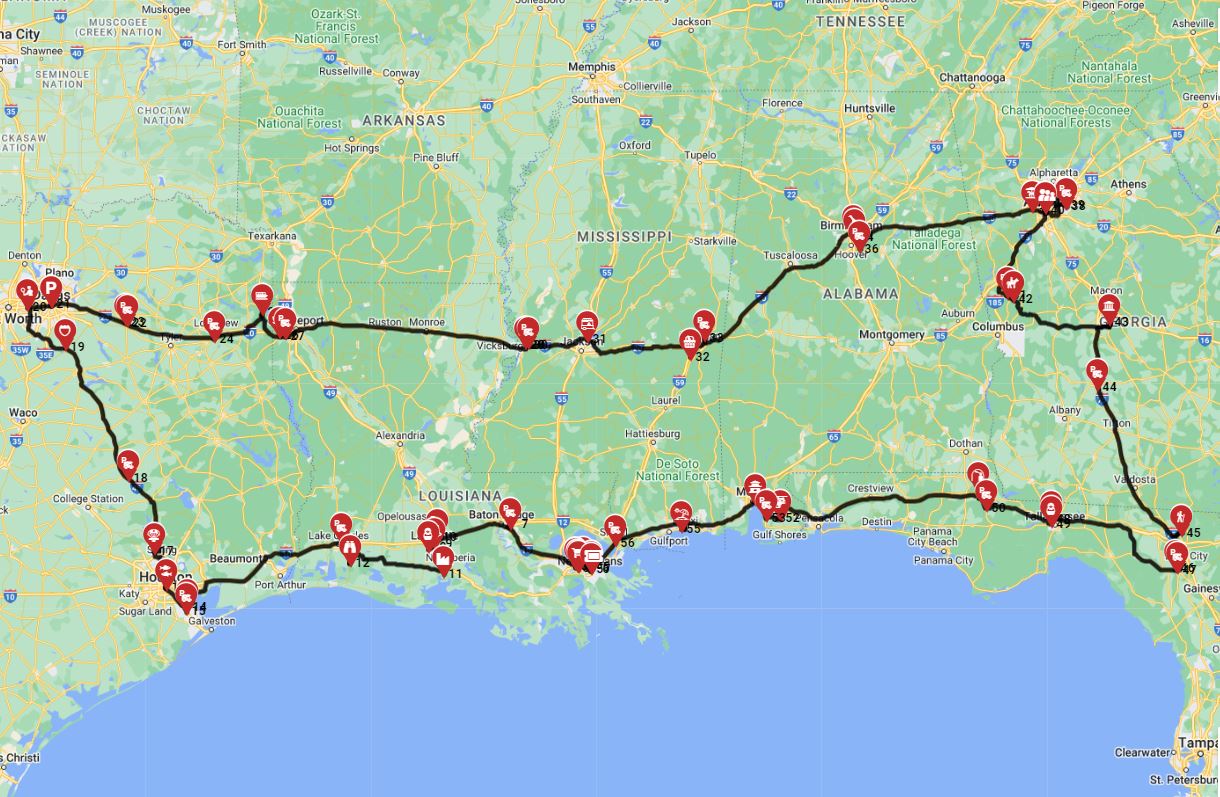
Planning an RV trip across Texas involves several key steps: selecting your one-way route, choosing the right RV class for your group and itinerary, budgeting for rental costs, fuel, and activities, and researching suitable campsites and essential logistics like dump stations and water fill-ups. Begin by mapping out your desired one-way route, considering major attractions, scenic drives, and the time you have available to traverse Texas's vast distances. For example, the
How much money do you need to RV around Texas?
The amount of money needed to RV around Texas for a one-way trip is heavily dependent on the RV class chosen, trip duration, mileage, campsite preferences, and activity level. However, a conservative daily estimate, including rental, fuel, and basic expenses, might range from $150 to $400. Key cost categories include the RV rental rate (which varies by class and season), one-way fees (if applicable), and estimated fuel costs, which are substantial given Texas's vast distances and often higher for larger RVs. Also budget for campsite fees (which can range from free dispersed camping to $70+ for full-hookup resorts), groceries, dining out, and entrance fees for national/state parks and attractions. Don't forget to factor in insurance, potential mileage overage charges, tolls, and a buffer for unexpected maintenance or emergencies; a detailed budget spreadsheet can help track these varied expenses.
What are the legal requirements for RVing in Texas?
The primary legal requirements for RVing in Texas involve possessing a valid driver's license (a regular Class C license is sufficient for most RVs under 26,000 lbs GVWR, which typically don't require a Commercial Driver's License), ensuring your RV is properly registered and insured (usually handled by the rental company but requires renter verification), and adhering to specific state laws regarding speed limits, parking, and camping. Texas has specific speed limits for large vehicles and trailers, which are generally lower than those for passenger cars. Regulations also dictate where you can legally park or camp overnight, particularly on public roads or private property. Always familiarize yourself with these regulations to ensure a smooth and legal journey across Texas.
What are the disadvantages of one way RV rental?
The primary disadvantages of one-way RV rentals often include higher overall rental costs due to relocation fees, potentially limited availability of specific RV models or preferred drop-off locations, and the necessity for more meticulous planning to align pickup and drop-off points. One-way fees represent a significant added expense, sometimes amounting to hundreds of dollars, to cover the cost of returning the RV to its home base or a location with high demand. Due to the logistical complexities involved, the selection of RV models or specific drop-off points can be more restricted compared to round-trip rentals. Planning for a one-way trip necessitates careful coordination of your itinerary with the available pickup and drop-off locations, which might occasionally limit spontaneous changes to your travel plans.
Can you live in an RV full time in Texas?
Yes, living full-time in an RV in Texas is legal and quite common, with the state offering several advantages such as no state income tax, a multitude of RV parks, and a welcoming community for RVers. However, it does require establishing legal residency and understanding local ordinances. Texas is a popular domicile state for full-time RVers due to its favorable tax laws and straightforward residency requirements, often facilitated by mail forwarding services. The state boasts an extensive network of RV parks, ranging from basic to luxurious resorts, alongside ample public lands suitable for boondocking, catering to various living styles. Full-time RVers should research local county and city ordinances regarding long-term parking or camping, ensure a robust mail forwarding system is in place, and connect with Texas RV communities for support and valuable local insights.
What do you need to know about driving an RV in Texas?
Driving an RV in Texas requires awareness of its vast distances and the varying road conditions, which can range from expansive urban highways to more secluded rural routes. Be prepared for the possibility of extreme weather and always check bridge clearances and turn radius, especially for larger rigs. Texas roads can be long and sometimes monotonous, demanding attention and careful planning for fuel stops. Larger Class A and C RVs require ample space for wide turns and careful navigation within cities. Always be mindful of your RV's height and weight for bridge clearances, particularly on secondary roads, and plan routes that avoid tight historical districts or very narrow country lanes. Practicing backing up in an empty lot before hitting the road is also highly recommended.
What do you do for internet in an RV in Texas?
For reliable internet access in an RV across Texas, common solutions include utilizing mobile hotspots via your smartphone or a dedicated device, employing portable satellite internet systems, or seeking out campgrounds and public libraries that offer Wi-Fi. It's important to note that reliable cell service can vary significantly in Texas's more remote areas. Mobile hotspots are the most popular solution, relying on cellular data networks, which are generally good in populated areas but can be spotty in vast, rural regions of Texas. Satellite internet options, while more expensive, provide broader coverage in remote areas where cellular service is non-existent, making them ideal for boondocking in places like Big Bend or other wilderness regions. Many RV parks and campgrounds offer Wi-Fi, but the quality can differ greatly, so having a backup plan or checking reviews is advisable. Public libraries or coffee shops in towns often provide free, reliable internet access.
How do I get mail if I live in an RV in Texas?
RVers living full-time in Texas typically manage their mail by using a commercial mail forwarding service, establishing a U.S. Post Office Box (P.O. Box), or utilizing the general delivery service at a post office in their chosen domicile location. Commercial mail forwarding services, often based in Texas (such as Escapees RV Club or Texas Home Base), provide a physical address for legal residency, receive all mail, and forward it to RVers as requested. A P.O. Box can serve as a consistent mailing address, though it does not offer a physical address for domicile purposes. For temporary mail receipt while on the road during your one-way Texas RV trip, the U.S. Postal Service's General Delivery service allows you to pick up mail at almost any post office for a limited time, which can be very convenient.
What is the Texas RV club?
The term "Texas RV club" commonly refers to various local or statewide organizations that bring together RV enthusiasts for social events, rallies, information exchanges, and group travel. While a single, overarching "Texas RV Club" is less common, numerous regional groups and chapters of national organizations like the Good Sam Club and the Family Motor Coach Association (FMCA) are very active in Texas. These groups frequently host rallies and offer discounts on campgrounds, fuel, and RV services. Numerous smaller, specialized RV clubs also exist, catering to specific RV types, brands, or interests (e.g., vintage RVs, boondocking enthusiasts), fostering a strong sense of community and shared experiences among members. Joining an RV club can provide invaluable local insights, establish emergency support networks, and offer opportunities to connect with fellow travelers during your one-way Texas adventure.
What happens if your RV breaks down in Texas?
If your rental RV breaks down in Texas during your one-way journey, your first priority is ensuring safety. Safely pull over to the side of the road, activate your hazard lights, and deploy any reflective triangles or flares as per safety guidelines. Immediately contact your rental provider's roadside assistance or emergency number, which is typically found in your rental agreement. They will guide you on the next steps, which may include dispatching assistance, arranging for towing, or facilitating vehicle replacement. Your rental agreement will clearly outline responsibilities for repairs and potential vehicle replacement scenarios. Ensure you understand your insurance coverage and the necessary documentation procedures for any incident.
What are the best scenic routes in Texas for RVs?
Texas offers several exceptional scenic routes perfect for RV travel, including the dramatic canyons of River Road (FM 170) near Big Bend, the picturesque drives through the Texas Hill Country (such as the Willow City Loop), and the coastal roads along Padre Island National Seashore. FM 170, famously known as "River Road" in West Texas, provides breathtaking views along the Rio Grande with rugged mountain landscapes, making it ideal for adventurous RVers seeking dramatic scenery. The Texas Hill Country is traversed by numerous scenic farm-to-market roads, with the Willow City Loop being particularly stunning during the spring wildflower season. The coastal drive along Padre Island National Seashore offers miles of unspoiled beach where some RVs can even drive and camp directly on the sand (with proper preparation), providing unique ocean views. For an extended journey, consider the

What are the rules for boondocking in Texas?
Boondocking, or dispersed camping, in Texas is generally permitted on designated public lands managed by the Bureau of Land Management (BLM) and within National Forests. This practice requires strict adherence to Leave No Trace principles, understanding specific stay limits, and checking for current fire restrictions. While Texas has limited BLM lands suitable for extensive boondocking compared to western states, significant opportunities exist within its four National Forests: Davy Crockett, Sam Houston, Angelina, and Sabine, where primitive camping is often allowed outside developed campgrounds. Always practice Leave No Trace principles by packing out all trash, properly disposing of human waste, and respecting wildlife and vegetation. It's crucial to check for current fire restrictions, especially during dry seasons, and be aware of stay limits, typically 14 days within a 30-day period on most federal lands. Confirming rules for water sources, dump stations, and cell service before venturing into remote areas is also advisable.
What You Shouldn't Miss
- Drive the scenic River Road (FM 170) through Big Bend's dramatic canyons for unparalleled West Texas vistas.
- Explore the Texas Hill Country, especially during spring for wildflower blooms and visits to charming towns and wineries.
- Witness the mysterious Marfa Lights from the designated viewing area on Highway 90 in West Texas.
- Experience the vast, rugged wilderness of Big Bend Ranch State Park, offering primitive RV camping and some of the darkest night skies in the U.S.
- Embark on a "Texas BBQ Trail" RV journey, sampling authentic regional flavors from various small-town eateries.
- Visit the historic missions in San Antonio, a UNESCO World Heritage site, accessible with most RVs.
Final Thoughts
Renting an RV one-way in Texas offers an unparalleled opportunity to experience the vastness and diversity of this incredible state at your own pace. By choosing the right vehicle and planning strategically, you can create an unforgettable adventure tailored to your interests, whether that's exploring national parks, indulging in local cuisine, or soaking in the unique culture.
Remember that flexibility with your dates and destinations can often lead to the best deals. Utilize resources like RV PLANET (rvplan.net) to discover curated itineraries and find the perfect route that matches your travel style. With Bandana Caravan, you're not just renting an RV; you're gaining a partner in planning an exceptional road trip.
Embrace the freedom of the open road and let Texas reveal its wonders to you, one mile at a time. Happy travels!