Can You Drive an RV in South West US? License & Age Rules
Most RVs under 26,000 pounds, such as Class B camper vans, Class C motorhomes, and many semi-integrated models, can be driven in the South West US with a standard US Class D driver's license, which is the most common license for personal vehicles. This makes RVing accessible to a broad range of travelers. The minimum driver age for renting an RV in the US is typically 21, though many rental companies, including Bandana Caravan, require drivers to be 25 years or older for insurance purposes. This age requirement ensures that most drivers have sufficient experience. Foreign visitors generally need a valid driver's license from their home country, often accompanied by an International Driving Permit (IDP) for translation, especially if their license is not in English. While not always mandatory, an IDP is highly recommended for smoother interactions with authorities. RVs exceeding 26,000 pounds Gross Vehicle Weight Rating (GVWR) or those towing heavy trailers might require a commercial driver's license (CDL) or a non-commercial Class A/B license; however, these are rarely encountered with standard one-way RV rentals booked through platforms like ours.
Road Conditions & Terrain in South West US
Road conditions across the South West US are generally excellent on its major interstates and state highways, featuring smooth pavement perfectly suitable for all RV classes, allowing for comfortable travel. However, the terrain varies drastically, presenting everything from vast, flat desert expanses to towering mountain ranges. Travelers will encounter long, straight stretches through arid deserts, significant elevation changes in mountainous regions like Arizona's Mogollon Rim or the routes through Utah's national parks, and winding roads carved through canyons, demanding careful driving. Extreme heat is a significant factor, particularly from May to September, necessitating vigilant vehicle monitoring, especially tire pressure and engine temperature, and consistent hydration. Sudden dust storms can dramatically reduce visibility to zero, requiring drivers to pull over safely. The monsoon season, typically from July to September, brings flash flood risks in washes and low-lying areas, so staying updated on weather forecasts and avoiding flooded roads is crucial. On secondary roads, especially those leading to dispersed camping areas on Bureau of Land Management (BLM) land or within National Forests, expect unpaved surfaces like gravel or dirt, requiring slower speeds and awareness of ground clearance.
RV Size Limits, Bridges & Restricted Zones
The South West US generally accommodates large RVs on its primary highway system, with very few blanket size restrictions, allowing most rental units to travel freely. However, specific height and length restrictions may apply within certain National Parks, State Parks, or on designated scenic byways. For instance, Zion National Park's Zion-Mount Carmel Tunnel has strict size limitations and requires an escort for larger RVs, often with associated fees. It's essential to check park-specific regulations before your visit. Low bridges are rare on major routes but can be encountered in older towns or on less-traveled roads; always pay close attention to posted height clearance signs. There are no widespread environmental zones or ferry limits that typically affect RV travel in the core South West US region, making navigation straightforward for most popular routes.
Fuel: Diesel vs. Petrol & Cost per 100 km
Fuel types for RVs in the South West US are predominantly diesel for larger Class A, Class C, and semi-integrated models, and petrol (gasoline) for Class B camper vans and smaller units. Bandana's global fleet averages provide a good indication of typical fuel consumption: Class SI (Semi-integrated) RVs generally consume 10-11 Liters/100 km, Class C (Alcove) RVs consume 10-12 Liters/100 km, and Class B (Camper Van) RVs are more efficient, averaging 8-10 Liters/100 km. For larger Class A (Integrated) RVs from Bandana's fleet, consumption typically ranges from 8-12 Liters/100 km, while Class TC (Truck Camper) units can average 12-17 Liters/100 km, showcasing the varied operational costs. Fuel stations are plentiful along interstates and in major towns, but can be sparse on remote routes, making it crucial to fuel up whenever opportunities arise. Budgeting for fuel should account for regional variations in gas prices, which can fluctuate. Some rental companies, like Bandana, may offer fuel discount cards on certain RVs to help manage these costs. On the routes offered through RV PLANET routes, you can itemize and track every expense along the way for easy budgeting.
Tolls, Vignettes & Border Rules
The South West US generally has very few toll roads or bridges compared to other regions of the United States, meaning travelers typically will not encounter frequent tolls, making for smoother journeys. There are no vignette systems required for RV travel in the South West US or any neighboring US states, simplifying cross-state travel. Any tolls encountered are usually for specific express lanes or private bridges and are clearly marked, with alternative free routes generally available. If planning to cross the US-Mexico border, specific insurance and explicit permission from the rental company are mandatory, as most standard RV rental agreements do not permit cross-border travel into Mexico to ensure compliance and safety. Some rent-motorhome RVs allow for pre-purchasing toll passes or electronic transponders, which can help avoid potential fines and streamline travel through any rare toll points.
Driving Tips for one way rv rental Travelers
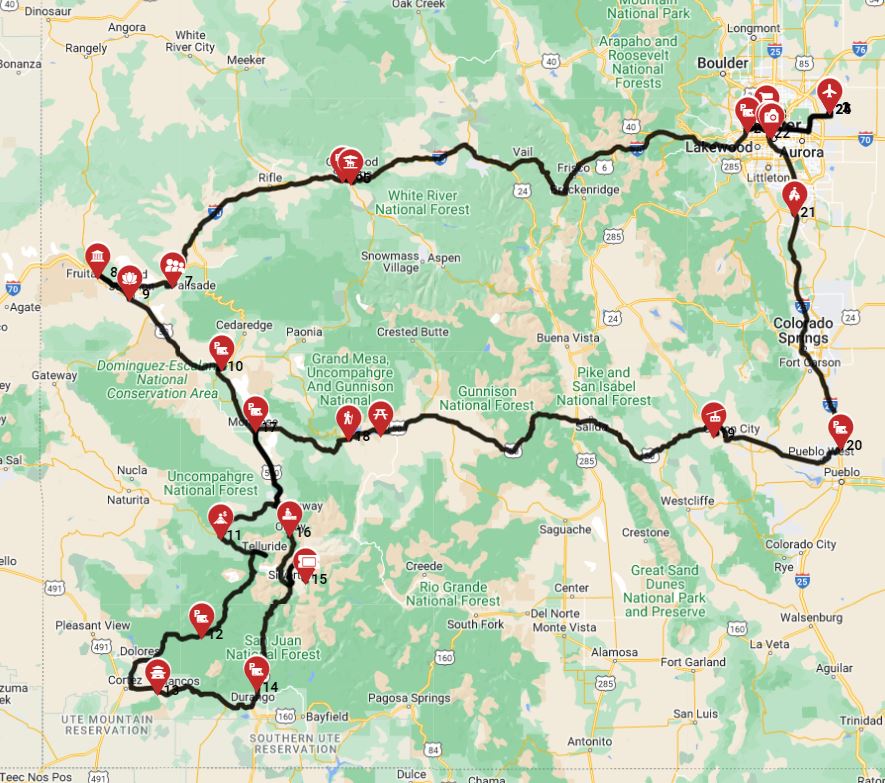
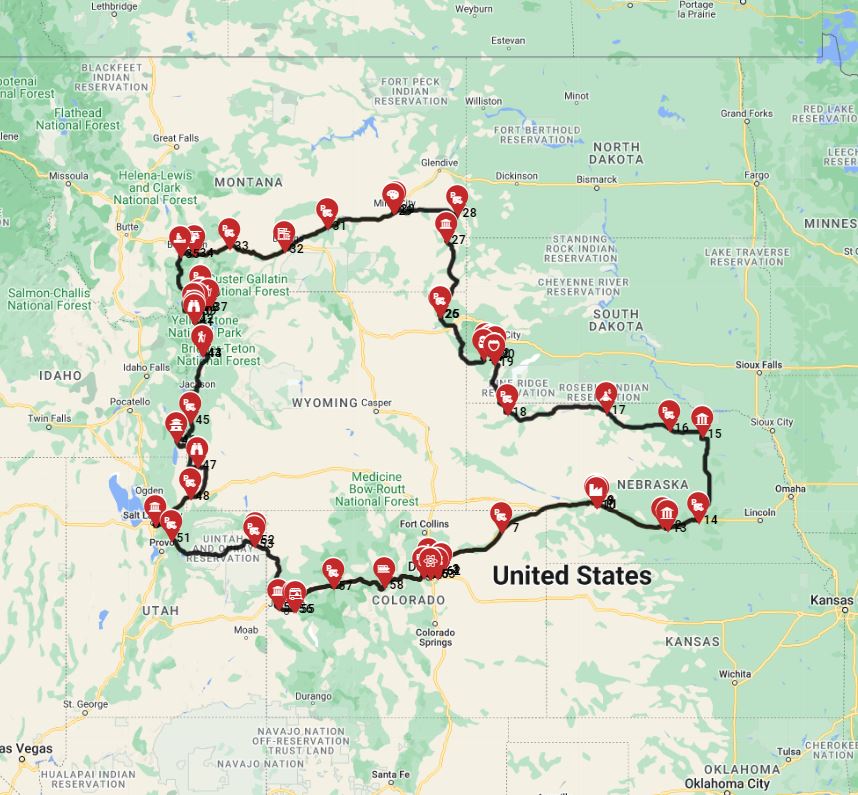
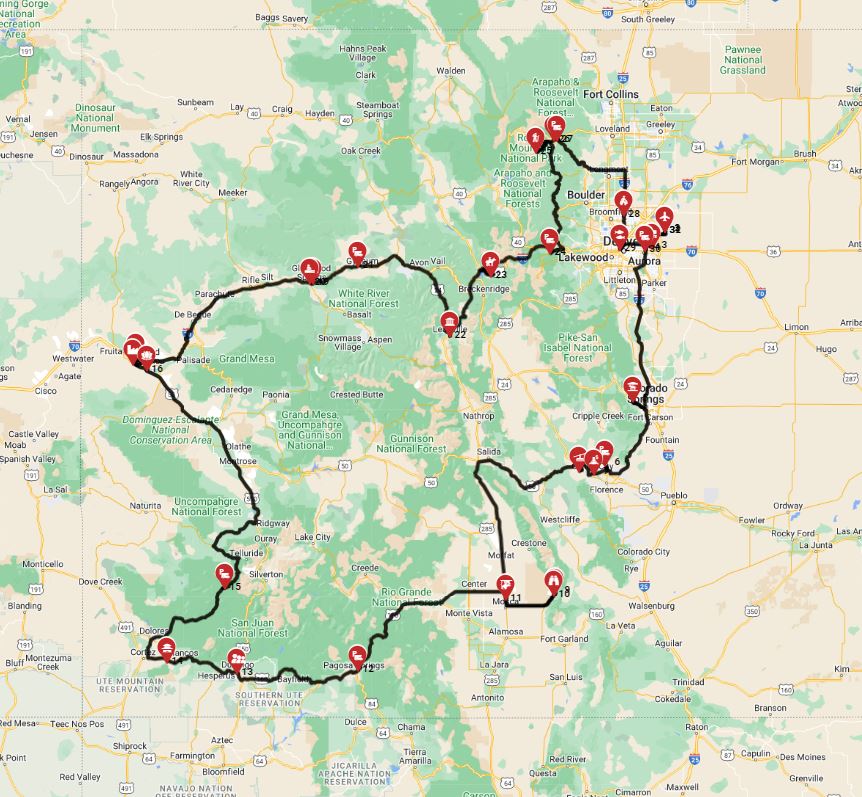
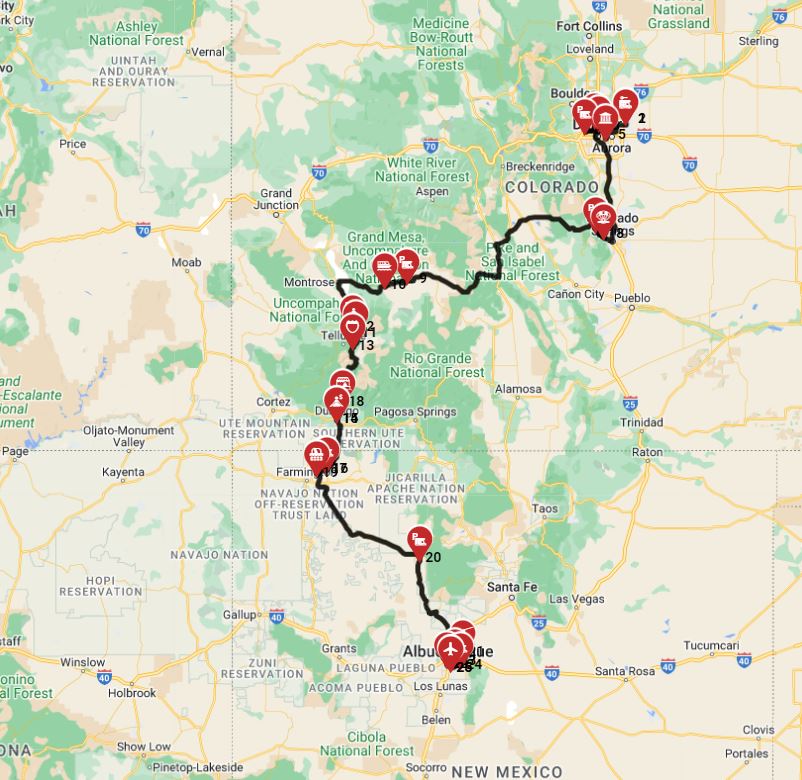
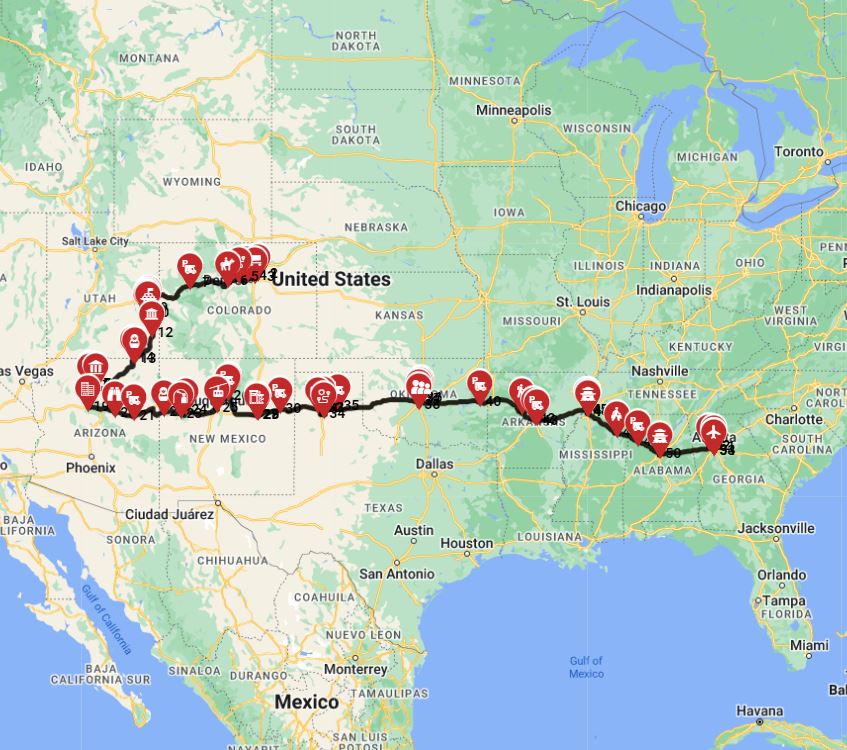
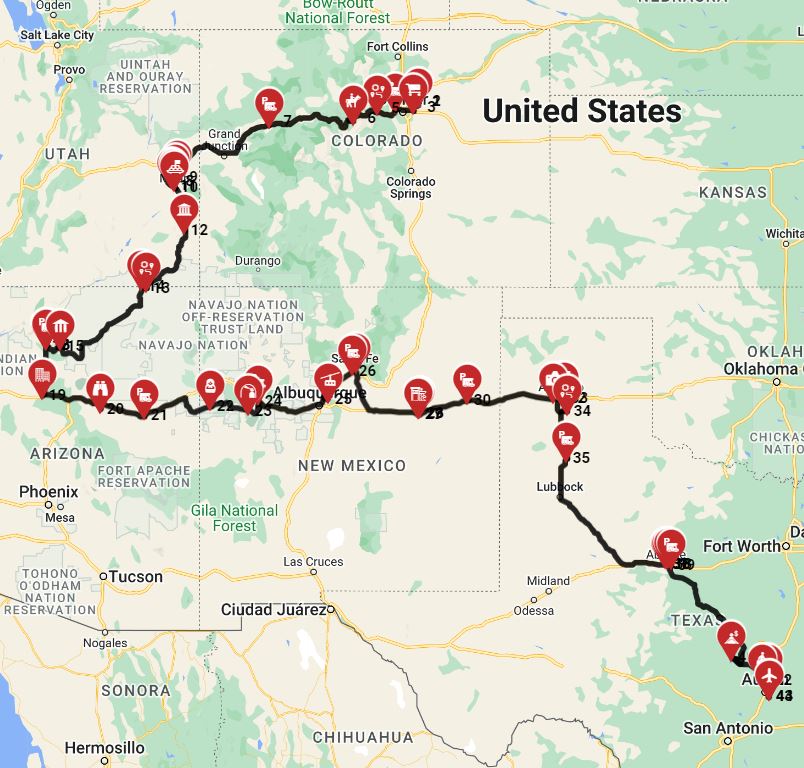
When planning your one-way RV rental adventure in the Southwest US, careful route planning is paramount. Utilize both GPS and physical maps, noting potential fuel stops and attractions, as cell service can be spotty in remote Southwest areas; a cell booster or satellite communicator can be essential for staying connected and ensuring safety. Always monitor weather and road conditions, being aware of extreme heat, dust storms, and monsoon season flash flood warnings, especially when driving through washes or low-lying areas, and be prepared to adjust travel plans accordingly. Manage your water and supplies diligently; carry significantly more water than you think you'll need, particularly for boondocking, understand your RV's grey/black tank capacities, and plan for dump station locations. Consider portable water solutions for longer stays. Drive defensively and manage your speed; remember that RVs are larger and slower, so allow ample stopping distance, maintain a safe speed especially on winding mountain roads, and be mindful of high winds common in desert expanses. Finally, practice Leave No Trace principles diligently, especially when boondocking or camping in fragile desert ecosystems, ensuring you pack out all trash, minimize campfire impacts, and respect wildlife to preserve the natural beauty for future generations. Be aware of potential wildlife encounters like snakes, scorpions, or javelinas, and carry a well-stocked first-aid kit, emergency supplies (food, water, blankets), and know how to call for help in remote areas.
Recommended RV Class for South West US Roads
For a balanced experience in the South West US, Class SI (Semi-integrated) RVs are highly recommended, offering a comfortable blend of maneuverability and living space. Bandana's fleet averages for these models show lengths around 6.9 meters, providing ample room without being overly cumbersome, and they generally offer good fuel efficiency. Class C (Alcove) RVs are also an excellent choice for families or groups, providing more sleeping places (averaging 5.8) and living space (averaging 7.5 meters in length) while still remaining manageable on most Southwest roads. For those prioritizing flexibility and easier access to smaller towns or tighter parking spots, Class B (Camper Van) RVs, averaging 5.8 meters in length, are ideal, offering better fuel economy. For ultimate luxury and space, Class A (Integrated) RVs, averaging 7.5 meters in length, navigate the main highways with ease, though parking in smaller towns or national park loops might require more planning. While less common for one-way rentals, Class TC (Truck Campers) offer unique off-road capabilities for adventurers looking to explore more rugged backcountry areas, given their higher ground clearance.
FAQs About Renting an RV in South West US
How much does a motorhome rental cost in South West US?
One-way RV rental costs in the Southwest US vary widely based on RV class, season, duration, and the distance between pick-up and drop-off locations, typically ranging from 100 to 400+ per day, excluding additional fees. Factors like RV size, amenities, time of year, and booking lead time significantly influence the daily rate.
What is the minimum driver age for one way rv rental in South West US?
The minimum driver age for one-way RV rentals in the South West US is typically 21 years old. However, many rental companies, including those on our platform, require drivers to be at least 25 years old for insurance purposes, especially for larger RV classes.
Can I pick up a one way rv in South West US and return it in a different city?
Yes, one-way RV rentals are available with most suppliers across the Southwest US. A drop-off fee typically applies, which varies depending on the route and distance between the pick-up and drop-off locations.
What are the best months for RV travel in the South West US?
The best months for RV travel in the South West US are generally spring (March-May) and fall (September-November). These periods offer pleasant temperatures for exploring national parks and scenic drives, avoiding the extreme heat of summer and potential winter closures in higher elevations.
What type of RV is best suited for Southwest roads?
For general travel in the Southwest US, Class SI (Semi-integrated) and Class C (Alcove) motorhomes are highly recommended for their balance of comfort and drivability. However, Class B camper vans are excellent for those prioritizing maneuverability and access to tighter spaces.
Can you do wild camping or dispersed camping in the South West US?
Yes, the South West US offers extensive opportunities for dispersed camping on BLM land and in National Forests, often referred to as boondocking. It's crucial to follow Leave No Trace principles and adhere to local regulations, including any posted stay limits.
How should I budget for ancillary costs when renting an RV?
When budgeting for an RV rental, account for fuel, campground fees (averaging 30-80 per night), propane, potential dump station fees, tolls, groceries, and a contingency for unexpected expenses. Utilizing RV PLANET routes can help itemize and track these expenses for better budgeting.
How much does it cost to rent an RV in South West US?
Motorhome rental in South West US typically starts around 30–50 $ US per night and can reach around 500–550 $ US per night.
When is it cheapest to rent an RV in South West US?
Among the upcoming quarters we sample, Jan–Mar 2027 is the cheapest: around 40–50 $ US per night for a one-week booking. This compares seasons with each other, so the lowest price for one specific date can be lower.
Is it cheaper per night to rent an RV in South West US for longer?
In our current weekly price samples for South West US, a one-month rental costs less per night than a one-week rental. Monthly rentals typically start around 30–50 $ US per night.