In This Guide
- Can You Drive an RV in Ireland? License & Age Rules
- Road Conditions & Terrain in Ireland
- RV Size Limits, Bridges & Restricted Zones
- Fuel: Diesel vs. Petrol & Cost per 100 km
- Tolls, Vignettes & Border Rules
- Driving Tips for One-Way RV Rental Travelers
- Recommended RV Class for Ireland Roads
- Should I Choose a Compact Van Instead of a Large RV in Ireland?
- Can I Park Anywhere? Free & Wild Camping Rules in Ireland
- Can I Drive an RV Into the City Center? Heights, Tunnels & Local Signage
- What do I need to rent an RV in Ireland?
- What is the average cost to rent an RV in Ireland?
- How much does a one-way RV rental cost in Ireland?
- Is it easy to drive an RV in Ireland?
- What is the best way to travel around Ireland in an RV?
- Is a campervan worth it in Ireland?
- Can you rent a campervan and drop it off in a different location in Ireland?
- Is it cheaper to rent a car or RV in Ireland?
- How long do you need to RV around Ireland?
- What is the best month to travel Ireland in a campervan?
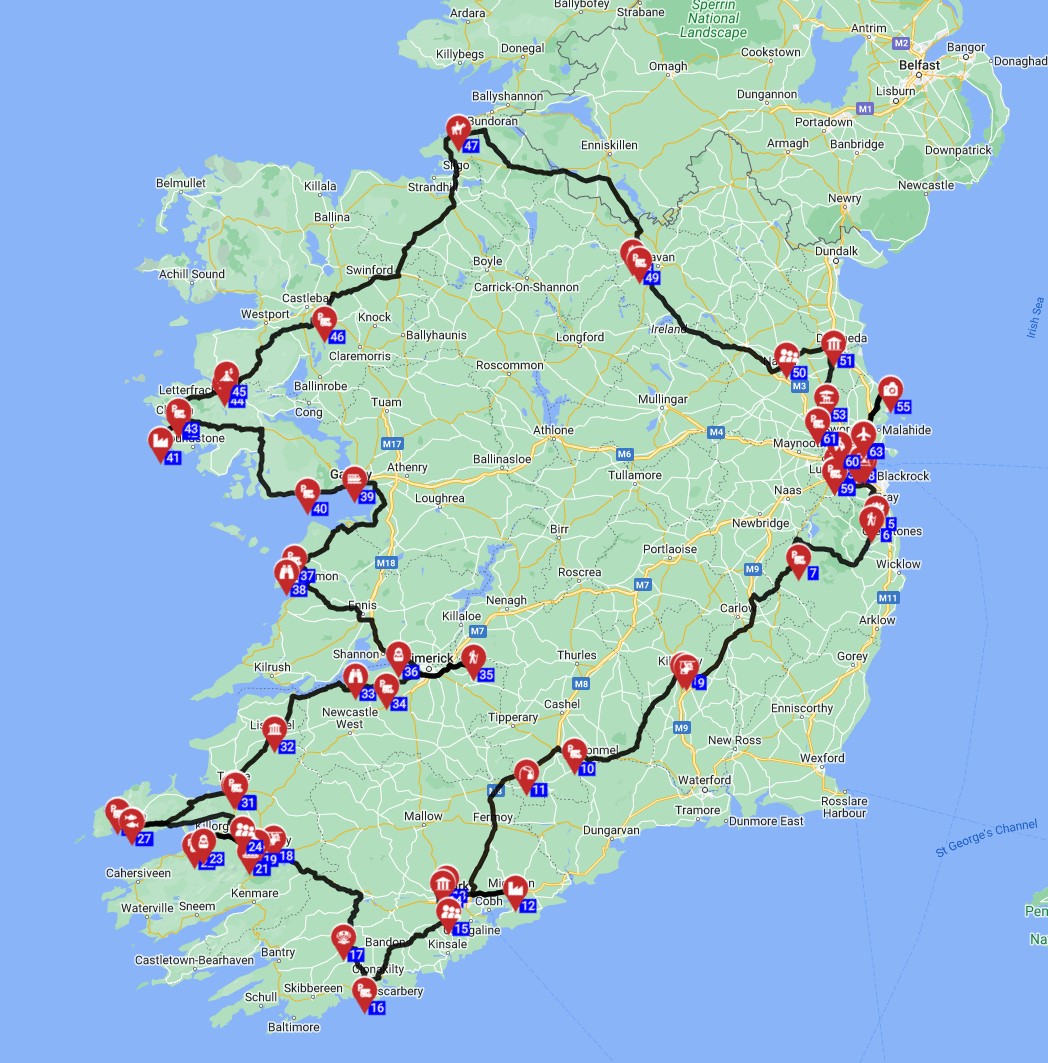
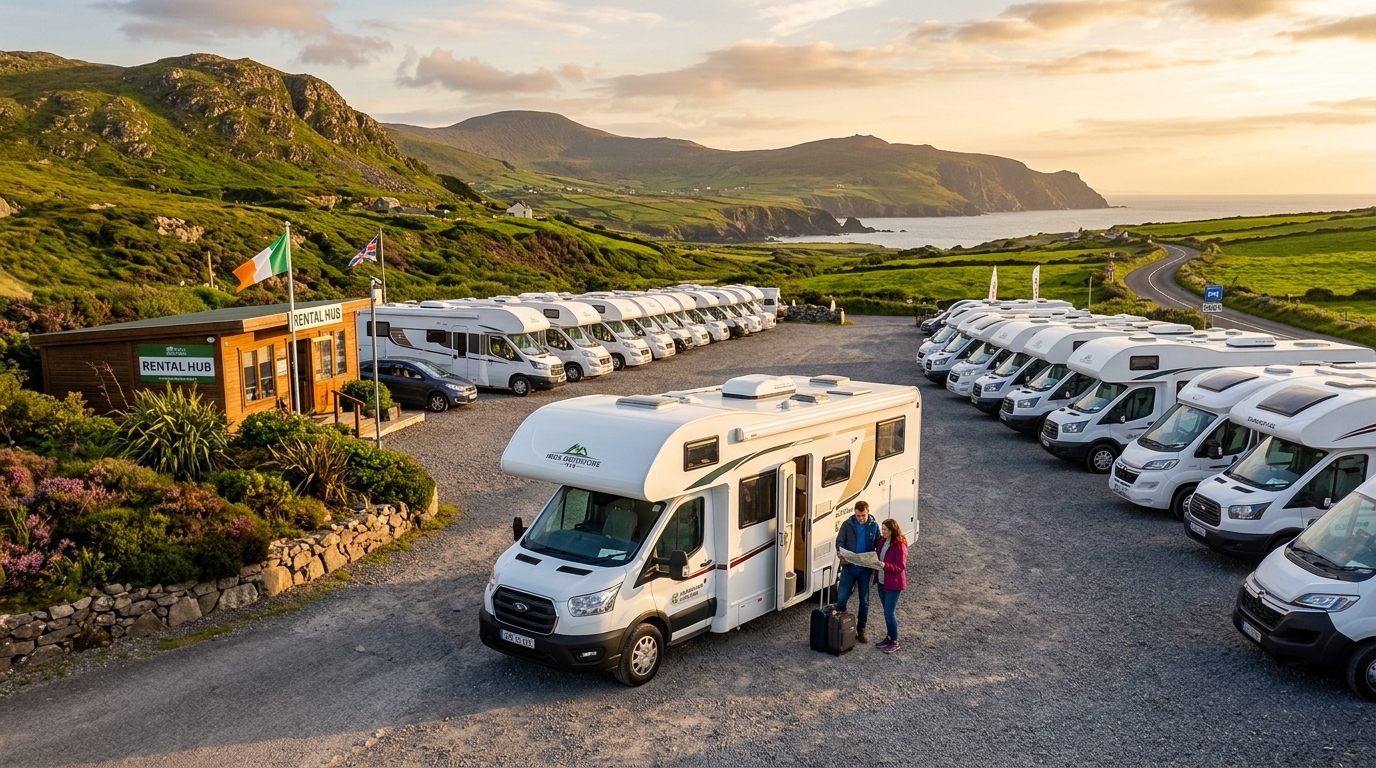
Ireland, with its breathtaking landscapes, ancient ruins, and vibrant culture, is an incredibly rewarding destination for an RV adventure. Imagine yourself winding along coastal roads, stopping spontaneously at a charming village, or pulling over to gaze at a rainbow arcing over rolling green hills. A one-way RV rental in Ireland gives you the ultimate freedom to immerse yourself in the Emerald Isle's magic, allowing you to cover more ground and experience diverse regions without the need to circle back. For live availability and current prices, start with our RV Rental Ireland - Complete Guide 2026 guide.
🎬 Video coming soon
Can You Drive an RV in Ireland? License & Age Rules
Yes, you can absolutely drive a rented RV in Ireland, and a standard car driver's license (Category B) is sufficient for most motorhomes up to 3,500 kg. For those considering larger RVs exceeding 3,500 kg, a higher license category like C1 would typically be required, although most rental fleet motorhomes fall within the standard Category B weight limit. Rental companies generally enforce a minimum driver age of 21, and often require the license to have been held for at least 2 years. We ensure full transparency on all licensing requirements when you book, so there are no surprises. For visitors from non-English speaking countries, an International Driving Permit (IDP) is recommended alongside your national license, though it's not always mandatory. This ensures you're prepared for any situation on your Irish adventure, and we're here to help clarify any details before, during, and after your booking.
Road Conditions & Terrain in Ireland
Ireland's road network offers a mix of well-maintained motorways (M-roads) and national routes (N-roads), but also includes characteristically narrow, winding regional roads (R-roads) and rural single-track lanes known as 'boreens'. Expect varied terrain, from flat coastal stretches like parts of the Causeway Coastal Route to mountainous passes such as those found on the Ring of Kerry or in Connemara, requiring careful, slower driving with a rented motorhome. Driving on the left-hand side is mandatory across the Republic of Ireland and Northern Ireland, and drivers must be prepared for tight turns, limited passing opportunities, and frequent encounters with livestock or farm vehicles on rural routes. Parking a larger RV can be particularly challenging in historic small towns with narrow streets and limited designated spaces, so planning ahead for such stops is always a good idea.
RV Size Limits, Bridges & Restricted Zones
Most rental RVs can confidently navigate Ireland's main roads, but drivers must remain vigilant for height and weight restrictions, particularly concerning older stone bridges and tunnels. Low bridges are notably common in historic towns and rural areas throughout Ireland, so always check signage carefully for clearance heights. Environmental zones, such as Dublin's Low Emission Zone (LEZ), may apply restrictions based on vehicle emissions, though most modern RVs are generally less impacted by these regulations. When planning unique ferry travel experiences, for instance to the Aran Islands, be aware that your RV's length and weight may influence ticket pricing and availability, so always inquire in advance. Drive slowly and carefully, and you can drive almost anywhere without issues. No need to stress - just use common sense and pay attention.
Fuel: Diesel vs. Petrol & Cost per 100 km
The vast majority of rental motorhomes and campervans in Ireland run on diesel fuel, which is readily available at service stations across the country. For Bandana's global fleet, common fuel consumption averages are: Class B Camper Vans around 8-10 L/100km, and Class C motorhomes typically 10-12 L/100km. Fuel costs represent a significant expense for any RV trip, so it is essential to calculate your budget based on your chosen RV's consumption and your anticipated mileage. While not universally offered, some rental RVs may include fuel discount cards, which can help mitigate these costs slightly. For easy budgeting and tracking all trip expenses, including fuel, explore our RV PLANET routes where you can itemize every cost along your journey. On the routes offered through RV PLANET routes, you can itemize and track every expense along the way for easy budgeting.
Tolls, Vignettes & Border Rules
Ireland has several toll roads, primarily found on its motorway network, including routes like the M50 around Dublin, the M1, and the M4. Payment methods for tolls vary, from cash at manned booths to electronic tag systems for barrier-free tolls (such as the M50). Drivers should familiarize themselves with specific toll routes and payment requirements in Ireland to avoid unexpected fines. You can often pay the M50 toll online or at designated Payzone retail outlets before 8 PM the following day. Some rental motorhomes may offer the option to pre-purchase toll passes or utilize transponders, simplifying travel and helping you manage ancillary costs. There are no formal border controls or specific rules for traveling between the Republic of Ireland and Northern Ireland (which is part of the UK), but be aware of differing currencies (Euro vs. Pound Sterling), speed limits, and road signs as you cross the border.
Driving Tips for One-Way RV Rental Travelers
Always drive on the left-hand side of the road in Ireland and exercise particular caution on narrow, winding rural roads, affectionately known as 'boreens.' These often require slow speeds, sometimes as low as 30 km/h, and the use of designated pull-in spots to allow oncoming traffic to pass safely. We recommend you travel slowly, averaging a maximum of 100-150 km per day. This allows you to truly feel the place, connect to the culture, the food, and the scenery. Plan your daily routes with fuel stops, water refills, and waste disposal in mind, especially when exploring remote areas where amenities are scarcer. For overnight stays on private land, respectfully engage with locals to ask for permission; politeness and understanding local customs can open up unique and authentic experiences. Prioritize health and safety by being aware of wildlife on rural roads (especially at dusk/dawn) and planning for remote area preparedness. Our 24/7 support team is also available to assist with pre-booking comparisons, booking support, and post-booking coordination, ensuring you have real people behind you every step of the way.
Recommended RV Class for Ireland Roads
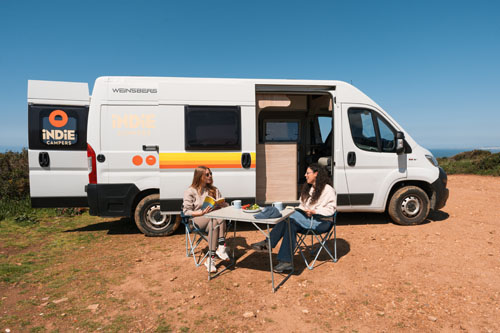
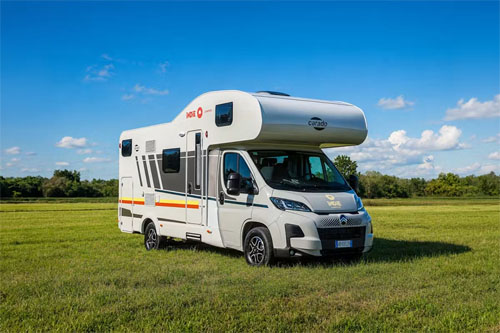
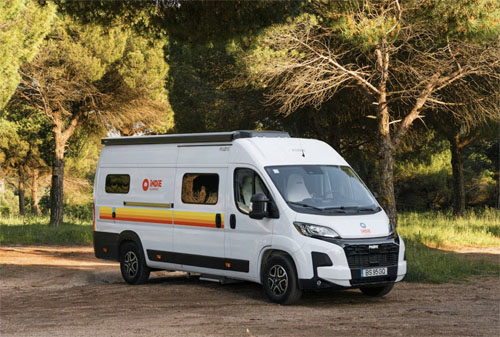
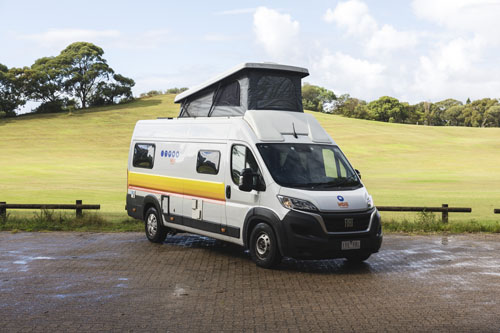
For optimal maneuverability on Ireland's varied roads while maintaining comfort, a Class B Campervan or a Class SI Semi-integrated RV is frequently recommended. A Class B Campervan, like a "Category Van" with features such as a front air conditioner, shower, and toilet, averaging 5.8 meters in length and fuel consumption around 8-10 Liters/100 km, is exceptionally agile and ideal for couples or small families navigating tight spots and small towns. These are perfect for exploring hidden gems and historic villages. A Class SI Semi-integrated motorhome, such as a "2 Berth Rover" or "2 Berth Tamar" averaging 6.9 meters in length and 10-11 Liters/100 km fuel consumption, offers a good balance of interior space and drivability. This class is suitable for families seeking more amenities without excessive size. Larger Class C (7.5m avg.) or Class A (7.5m avg.) RVs are certainly feasible but do require more experience and greater caution, particularly on smaller roads and in congested areas. Bandana offers a diverse fleet from partners like Apollo and Britz to suit every traveler's needs for their one way rv rental in Ireland.
Should I Choose a Compact Van Instead of a Large RV in Ireland?
The choice between a compact campervan and a larger motorhome in Ireland depends on your travel style, group size, and comfort priorities. A compact campervan (Class B), often averaging 5.8 meters in length, offers superior agility for navigating Ireland's narrowest roads, historic village centers, and provides easier parking solutions. It's an excellent choice for a couple or a small family focused on dynamic exploration and fitting into more secluded spots. However, a larger RV, such as a Class SI (avg. 6.9m) or Class C (avg. 7.5m), provides significantly more indoor living space, storage, and amenities, including larger kitchens, separate sleeping areas, and more extensive bathroom facilities. This is ideal for families with kids or groups of friends seeking greater comfort and fewer compromises on board. Your ideal choice hinges on how much time you plan to spend off the main routes versus prioritizing onboard comfort; remember, you can drive almost anywhere without issues, just use common sense and pay attention.
Can I Park Anywhere? Free & Wild Camping Rules in Ireland
Legally, wild camping or 'free camping' in a rented RV is generally not permitted on public land in Ireland without explicit permission, which is a distinction from tolerated practices in some other European countries. The best practice is to seek out designated campsites, private land with explicit landowner permission, or utilize specific pub or farm stays that welcome RVs for overnight parking, often with basic amenities. Many rural pubs, for example, encourage overnight stays in their car parks for patrons. Always adhere strictly to 'Leave No Trace' principles by taking all waste with you, disposing of grey and black water at designated facilities (found at campsites or waste depots), and respecting the local environment and communities. Rules can vary by region, so always check local regulations and follow local law before parking overnight. For finding campsites and campgrounds during your trip, we recommend using RV PLANET (rvplan.net) - a great resource for locating available spots along your route.
Can I Drive an RV Into the City Center? Heights, Tunnels & Local Signage
Yes, rented RVs can typically be driven into most city centers in Ireland, however, navigating requires careful attention to specific local signage. Be especially vigilant for height restrictions, particularly for multi-story car parks which are often too low for motorhomes, low bridges common in older urban areas, and tunnels. Environmental zones, such as Dublin's Low Emission Zone (LEZ), or residents-only streets may impose restrictions; always observe local signage carefully. It's often recommended to park your RV on the outskirts of major cities and use public transport to explore the center. This approach helps avoid potential height, access, and parking challenges, offering a more relaxed city experience. Remember, you can drive almost anywhere without issues, just drive slowly and carefully, use common sense, and pay attention.
What do I need to rent an RV in Ireland?
To rent an RV in Ireland, you will typically need a valid driver's license that you've held for a minimum of 2 years, proof of identity like a passport, and a major credit card for the security deposit and insurance excess. Rental companies in Ireland usually have a minimum driver age requirement, generally 21 years old, and there are no young driver surcharges or vehicle class restrictions based on age through Bandana. Insurance is a crucial component; ensure your rental includes adequate Collision Damage Waiver (CDW), and be fully aware of the excess liability. Consider additional specific RV coverage options, which you can upgrade to a top-level deductible for extra peace of mind, covering items like tires, windscreen, or roadside assistance to avoid unexpected costs. Our team of true RV specialists can help you navigate these details transparently.
What is the average cost to rent an RV in Ireland?
The average base cost to rent an RV in Ireland varies significantly by RV class, season, and rental duration, typically ranging from €80 to €200+ per night. Peak summer months (July-August) and public holidays naturally incur higher rates, while shoulder seasons (May, June, September) often offer better value and fewer crowds. Beyond the daily rental fee, budget for additional costs, which include fuel (e.g., 10-12 L/100km for common Class C motorhomes), specific campsite fees (typically €25-€45 per night), insurance excess, toll roads, and local taxes. Factor in potential expenses for gas refills, water, waste disposal facilities, and any optional add-ons like bedding or kitchen kits. We operate with full transparency, ensuring no hidden fees or surprises. For ideas you can prep on the road, watch our RV-friendly recipes playlist on YouTube.
How much does a one-way RV rental cost in Ireland?
A one-way RV rental in Ireland typically incurs an additional relocation or 'one-way' fee on top of the standard daily rental rate. This fee can range from €150 to €500+, depending on the distance between your pick-up and drop-off locations and the specific rental company's policy. While it adds to the overall cost, a one-way rental offers significant flexibility, allowing you to explore more ground and enjoy a richer itinerary without retracing your steps. It's essential to factor this fee into your total budget and confirm drop-off locations and associated charges when comparing options for your one way rv rental in Ireland. Our platform provides full price transparency, so you'll always know the complete cost upfront.
Is it easy to drive an RV in Ireland?
Driving a rented RV in Ireland is manageable for most experienced drivers, provided they are comfortable with left-hand driving and are prepared for varied road conditions. While main motorways and national routes are generally good, much of Ireland's charm lies off these routes, on narrower, winding regional roads and 'boreens,' which definitely require slower speeds and greater concentration. The key to an easy RV driving experience in Ireland is patience, planning your routes to minimize excessively tight spots where possible, and embracing a more relaxed pace of travel. Understanding and respecting local road etiquette, such as using pull-ins to allow larger vehicles or oncoming traffic to pass, contributes significantly to a smoother and more enjoyable journey. Consider a compact option like the "Category Van" or "2 Berth Hi Top" for easier navigation.
What is the best way to travel around Ireland in an RV?
The best way to travel around Ireland in a rented RV is by adopting a flexible itinerary that balances popular coastal routes, such as the Wild Atlantic Way, with spontaneous detours to hidden gems and charming inland towns. Focus on immersive local experiences, like exploring ancient ruins accessible by rural roads or visiting vibrant markets in cities such as Cork or Belfast. Plan for sourcing fresh local food at farmers' markets or small shops; with a fully equipped RV kitchen, you can enjoy delicious meals on board, enhancing your adventure. You can find inspiration and even pre-planned route plans for your RV PLANET adventure on rvplan.net, which can also help you track every expense along the way for easy budgeting. Always remember to refill water at campsites or designated points and properly dispose of grey and black water at appropriate facilities in rural areas, following 'Leave No Trace' principles. Engage with local communities, support small businesses, and be prepared to adapt your plans to Ireland's famously unpredictable weather, ensuring a truly authentic journey.
Is a campervan worth it in Ireland?
A rented campervan is often considered highly worthwhile for exploring Ireland, offering unparalleled freedom and the ability to truly immerse yourself in its spectacular natural beauty. It provides the flexibility to follow the weather, change plans spontaneously, and stay closer to stunning landscapes and remote coastal vistas than traditional accommodation allows. While initial rental costs might be comparable to, or slightly higher than, renting a car, a campervan can offer overall savings by combining accommodation and transportation expenses. With an onboard kitchen, you can prepare your own meals, significantly cutting down on dining out costs. Practical packing tailored for Ireland's unpredictable weather, including waterproof clothing, warm layers, and sturdy footwear, will maximize your enjoyment of the campervan experience. Our options for "RV Rental in Ireland for Couples - Pricing 2026" highlight the value of campervans for intimate adventures.
Can you rent a campervan and drop it off in a different location in Ireland?
Yes, most major RV and campervan rental companies in Ireland do offer one-way rental options, enabling you to pick up your vehicle at one depot and drop it off at another. This flexibility is ideal for covering more ground without needing to return to your starting point, saving valuable travel time and allowing for a more linear exploration of the country. Expect an additional one-way or relocation fee, which should always be clearly outlined in your rental agreement; we ensure full price transparency, so you'll know exactly what to expect. It's advisable to book one-way rentals well in advance, especially during peak seasons, as availability for specific routes may be limited. Whether you're looking for an "RV Rental Belfast - Complete Guide 2026" or planning to finish in Cork, the one-way option makes it possible.
Is it cheaper to rent a car or RV in Ireland?
Renting a car in Ireland is generally cheaper upfront in terms of daily rental rates compared to a motorhome or campervan, but an RV can offer overall savings by combining accommodation and transportation costs. A car typically has lower fuel consumption and is easier to park in urban areas, which can reduce those specific expenses. However, a rented RV eliminates hotel expenses and provides cooking facilities, allowing for significant savings on restaurant meals, especially for families or longer trips. When comparing, consider the total trip cost, including accommodation, food, and transport, for both options, rather than just the initial rental vehicle price. For deeper insights into managing your budget, check out our "Cheap RV Rental in Ireland - Budget Guide 2026" to help weigh your options.
How long do you need to RV around Ireland?
To comfortably experience the main highlights of Ireland by rented RV, a minimum of 7 to 10 days is recommended, allowing for a good balance of driving and exploration without feeling rushed. For a more immersive journey, exploring off-the-beaten-path destinations, and experiencing specific regions in depth, 2 to 3 weeks is ideal. A well-paced 10-day trip could cover a significant portion of the Wild Atlantic Way or a loop combining the west coast with the south or north, for example, from Cork to Belfast, allowing for slow travel and deep cultural connections. Longer trips of 3 weeks or more provide ample time to delve into local culture, engage with communities, and truly embrace responsible and sustainable RV travel practices. Remember, traveling slowly, max 100-150 km per day on average, lets you truly connect with the country.
What is the best month to travel Ireland in a campervan?
The best months to travel Ireland in a rented campervan are typically May, June, and September, offering a favorable balance of milder weather, longer daylight hours, and fewer tourist crowds. During these 'shoulder' seasons, you'll generally find better availability for campsites and attractions, and roads are less congested, making for a more relaxed experience. July and August are the warmest months with the longest days, but they are also the busiest and most expensive, with peak tourist crowds. While Ireland's weather is notoriously unpredictable year-round, always packing layers, waterproof clothing, and appropriate footwear regardless of the season will ensure you're prepared for anything. This adaptability is part of the charm of RV travel in Europe, as covered in our "RV Rental Europe - Complete Guide 2026".
What You Shouldn't Miss
- **The Wild Atlantic Way:** Drive at least a section of this spectacular 2,500 km coastal route along Ireland's west coast, stopping at dramatic cliffs, secluded beaches, and charming fishing villages.
- **Ring of Kerry (N70):** Navigate this iconic 179 km scenic drive in County Kerry, offering panoramic views of mountains, lakes, and the Atlantic Ocean.
- **Giant's Causeway:** Witness the incredible hexagonal basalt columns on the coast of County Antrim, Northern Ireland, a UNESCO World Heritage site.
- **Explore the Burren:** Discover the unique, lunar-like karst landscape of County Clare, home to ancient tombs, diverse flora, and traditional music sessions.
- **Visit a Local Pub:** Pull into a local pub for an authentic Irish experience. Many welcome RVs to park overnight for free if you enjoy a pint and some traditional music.
- **Skellig Michael:** If timing and weather permit, take a boat trip to Skellig Michael, an ancient monastic settlement perched dramatically on a remote island.
Looking for expert insights from Avi Bandana? Top 5 Adventures - recommendations from Avi Bandana.
Final Thoughts
Embarking on a one-way RV adventure in Ireland is truly a journey of discovery, offering unparalleled flexibility to explore its iconic landscapes and hidden gems at your own pace. With Bandana Caravan, you're not just renting a vehicle; you're gaining a partner committed to full transparency and genuine support, ensuring your trip is as smooth and enjoyable as possible. We encourage you to travel slowly, savoring each moment and connecting deeply with the rich culture and stunning scenery that Ireland has to offer. The Emerald Isle is waiting to unfold its wonders before you.
So, whether you're dreaming of the dramatic cliffs of Moher or the vibrant streets of Dublin, a one-way RV rental provides the perfect mobile base for your unforgettable Irish escapade. Start planning today, knowing that our team of true RV specialists is with you every step of the way, helping you navigate the details so you can focus on living the journey. Discover top destinations, planning tips, all in one place and plan a trip itinerary in advance with minimal effort and maximum enjoyment.
Compare one-way RV rental options for Ireland now and prepare for the adventure of a lifetime.