For live availability and current prices, start with our RV Rental Chicago - Complete Guide 2026 guide.
In This Guide
- Can You Drive an RV in Chicago? License & Age Rules
- Road Conditions & Terrain in Chicago
- RV Size Limits, Bridges & Restricted Zones
- Fuel: Diesel vs. Petrol & Cost per 100 km
- Tolls, Vignettes & Border Rules
- Driving Tips for one way rv rental Travelers
- Recommended RV Class for Chicago Roads
- Should I Choose a Compact Van Instead of a Large RV in Chicago?
- Can I Park Anywhere? Free & Wild Camping Rules in Chicago
- Can I Drive an RV Into the City Center? Heights, Tunnels & Local Signage
- Can you drive an RV one way?
- What is the 3-3-3 rule for RVs?
- What is the 4 4 4 rule for rving?
- Can you get temporary RV insurance?
- How much is insurance on a $200,000 RV?
Embarking on a one-way RV adventure from Chicago offers an incredible way to experience the vast American landscape, allowing you to seamlessly connect diverse destinations without the hassle of a round trip. For live availability and current prices, start with our RV Rental Chicago - Complete Guide 2024 guide. At Bandana Caravan, we're dedicated to making your journey as smooth and enjoyable as possible, whether you're planning a quick getaway or an extended road trip across multiple states. We believe in full transparency, ensuring no hidden fees or surprises, and providing you with robust 24/7 support from the moment you consider booking until your rental is confirmed.
Can You Drive an RV in Chicago? License & Age Rules
Yes, you can confidently drive a rented RV in Chicago with the appropriate license, as most motorhomes available for personal travel in Illinois have a Gross Vehicle Weight Rating (GVWR) of 26,000 pounds (11,793 kg) or less, requiring only a standard Class D driver's license.
A Commercial Driver's License (CDL) is typically not necessary unless you're operating a vehicle with a GVWR over 26,000 pounds or towing a large unit where the combined GVWR exceeds that threshold. For one way rv rental in Chicago, the minimum driver age is 21 years old, and rest assured, Bandana Caravan imposes no young driver surcharges or class restrictions based on age. International visitors can operate an RV in Illinois for up to one year with a valid license from their home country; an International Driving Permit (IDP) is highly recommended for non-English speaking countries, though not always mandatory.
Road Conditions & Terrain in Chicago
Chicago's road conditions are predominantly urban, characterized by generally flat terrain, well-developed multi-lane highways, and a structured city grid system that makes navigation straightforward, though you'll encounter some older pavement with occasional bumps.
Heavy traffic is a common consideration, especially during typical rush hours (6-9 AM and 3-6 PM), which requires patience and careful maneuvering of your rented motorhome. Once you venture beyond the immediate metropolitan area, Illinois roads generally remain flat and are well-maintained, providing an ideal environment for comfortable cruising on your one-way trip. Always be mindful of active construction zones, which are common throughout Chicago, as these can lead to unexpected detours or temporary lane closures. We encourage you to travel slowly, averaging no more than 100-150 km per day, to truly absorb the scenery and culture.
RV Size Limits, Bridges & Restricted Zones
While Illinois does not impose blanket RV size limits for general travel, drivers must be aware of specific low bridge clearances and narrow streets within urban Chicago, especially when operating a larger rented motorhome or campervan.
Bridge height limits, particularly on older parkways like Lake Shore Drive or underpasses in residential areas, can be as restrictive as 12-14 feet, making it crucial to always check posted signage and utilize an RV-specific GPS system for navigation. Certain historic or densely populated residential areas in Chicago may have restricted access or street widths that can make maneuvering large Class A or Class C motorhomes challenging; careful route planning to attractions is essential. Fortunately, there are no specific environmental zones in Chicago that restrict RV entry based on emissions, but always be aware of local temporary restrictions that might be in place for special events or ongoing construction.
Fuel: Diesel vs. Petrol & Cost per 100 km
RV fuel options in Chicago primarily include diesel and petrol, with most larger Class A and Class C motorhomes often running on diesel, while smaller Class B campervans and some Class C models typically use petrol.
Bandana's extensive global fleet data indicates that Class SI (Semi-integrated) and Class C RVs typically consume around 10-12 Liters/100 km, while more compact Class B campervans are more fuel-efficient at 8-10 Liters/100 km. Fuel availability is excellent in Chicago and the surrounding areas, but for larger rented RVs, it's wise to plan stops at RV-friendly stations that offer spacious pumps and easy ingress/egress. Fuel costs are dynamic and fluctuate daily, so factoring in efficient driving habits and potentially using any fuel-card perks, if offered with your rental, can help you manage your expenses throughout your one-way RV trip in Chicago. When planning your budget for these and other ancillary costs, remember that RV PLANET routes allow you to itemize and track every expense along the way, ensuring full transparency. On the routes offered through RV PLANET routes, you can itemize and track every expense along the way for easy budgeting.
Tolls, Vignettes & Border Rules
Travelers exploring Chicago and the broader Illinois region will encounter tolls predominantly on the Illinois Tollway system, which operates an electronic open road tolling system via I-Pass or E-ZPass transponders, or by plate lookup.
Cash payments are not accepted at toll booths, so it's essential to ensure your rented RV is equipped with a compatible transponder or to understand the online payment process to avoid potential fines. Be aware that multi-axle RVs generally incur higher toll charges than standard passenger vehicles; we recommend checking the Illinois Tollway website for precise rates based on your motorhome's axle count. Many Bandana partner suppliers, including El Monte and Cruise America, may offer options for pre-purchasing toll passes or include transponders within your rental package, which significantly simplifies travel and helps prevent unexpected fees on your one-way journey. For broader trips from Chicago, remember to also check our "RV Rental Illinois - Complete Guide 2024" for state-specific insights.
Driving Tips for one way rv rental Travelers
Navigating urban Chicago in a rented RV requires careful attention to detail, so utilizing an RV-specific GPS is highly recommended to identify potential low bridges, avoid narrow streets, and effectively manage heavy city traffic, especially around downtown attractions.
Plan your fuel stops in advance by identifying RV-friendly stations, as many standard city gas stations may have limited space for larger motorhomes. Always budget realistically for Illinois Tollway charges, which can be higher for multi-axle RVs, and consider city parking fees which add to your overall one way rv rental cost in Chicago. For accessing the city's core attractions like the Art Institute of Chicago or Navy Pier, consider parking your RV at an outlying campground or suburban RV park, then utilize the CTA (Chicago Transit Authority) for convenient public transportation into the city. To avoid Chicago's notorious rush hour traffic, typically 6-9 AM and 3-6 PM, strategically plan your entries and exits from the city.
Recommended RV Class for Chicago Roads
For navigating Chicago's dense urban environment and beyond, a Class B Campervan or a Class C motorhome is often recommended due to their excellent balance of maneuverability and interior comfort.
Class B Campervans, often around 5.8 meters (19 feet) in length with typical fuel consumption of 8-10 Liters/100 km, offer superior agility for city streets, easier parking, and a more car-like driving experience, making them ideal for couples or small families. Class C motorhomes, averaging 7.5 meters (25 feet) in length and consuming 10-12 Liters/100 km, provide more expansive living space and amenities for up to four or six people, while still being manageable for urban driving and extended one-way trips. While larger Class A motorhomes offer luxurious space, their increased length can present challenges for tight turns and parking in some older city infrastructure around Chicago.
🎬 Video coming soon
Should I Choose a Compact Van Instead of a Large RV in Chicago?
The choice between a compact campervan and a larger motorhome for your one-way RV rental from Chicago largely depends on your travel priorities, though larger RVs are generally manageable on most main roads and highways with careful driving.
A compact van, such as a Class B Camper Van, indeed offers superior maneuverability and ease of parking in densely populated areas like downtown Chicago, making it advantageous for frequent street parking and navigating very tight historic centers. However, larger Class C and Class A motorhomes provide significantly more indoor living space, amenities, and comfort for extended trips and families, which often outweighs the minor parking inconveniences if your itinerary includes more highway travel and campground stays. At Bandana, we offer many vehicle options like the "rv rentals example Comfort Class" which provides ample space for families or the more compact "Patagonia Camper 4x4 double cab" for couples seeking agility, allowing you to compare features and find the perfect match for your Chicago adventure.
Can I Park Anywhere? Free & Wild Camping Rules in Chicago
In Chicago, free or "wild camping" in a rented RV within city limits is generally not permitted and can lead to significant fines or towing; designated campgrounds or RV parks are the legal options for overnight stays.
Overnight parking for RVs on most Chicago city streets is strictly restricted and enforced by local ordinances, even if a spot appears vacant. RV-friendly parking can occasionally be found at certain private lots or suburban park-and-ride facilities on the outskirts of Chicago, which often offer convenient public transit access to the city center. For unique overnight parking options outside the immediate city, consider exploring resources like Harvest Hosts or Hipcamp for private land or business locations near Chicago, but always confirm their suitability for your RV size and adhere strictly to local rules to avoid issues. Remember, rules vary by region, so always verify local regulations before parking overnight.
Can I Drive an RV Into the City Center? Heights, Tunnels & Local Signage
Yes, you can generally drive a rented RV into Chicago's city center, but it absolutely requires careful attention to local signage, particularly regarding height restrictions and designated routes, to avoid potential issues.
Drivers of one way rv rental vehicles must be especially watchful for low bridges and underpasses, common on older roads or parkways; always know your specific RV's exact height (e.g., a Class C motorhome like the "cruise america rv rental example Explorer" has a height around 3.2m / 10.7ft) and strictly heed all posted warning signs. While Chicago's city center doesn't feature many restrictive tunnels, narrow streets and heavy traffic are more prevalent challenges, so planning your route to major destinations like Millennium Park or the Magnificent Mile carefully is crucial. It is highly recommended to park your rented RV at an accessible outer location, such as McCormick Place Lot B or a nearby campground, and then utilize Chicago's extensive public transportation system (CTA) for exploring the most congested downtown areas. This approach offers a more relaxed way to experience the city without the stress of urban RV parking.
Can you drive an RV one way?
Yes, one-way RV rentals are a very popular and convenient option, especially for travelers looking to explore different regions without the necessity of returning to their initial pick-up location, offering immense flexibility for route planning.
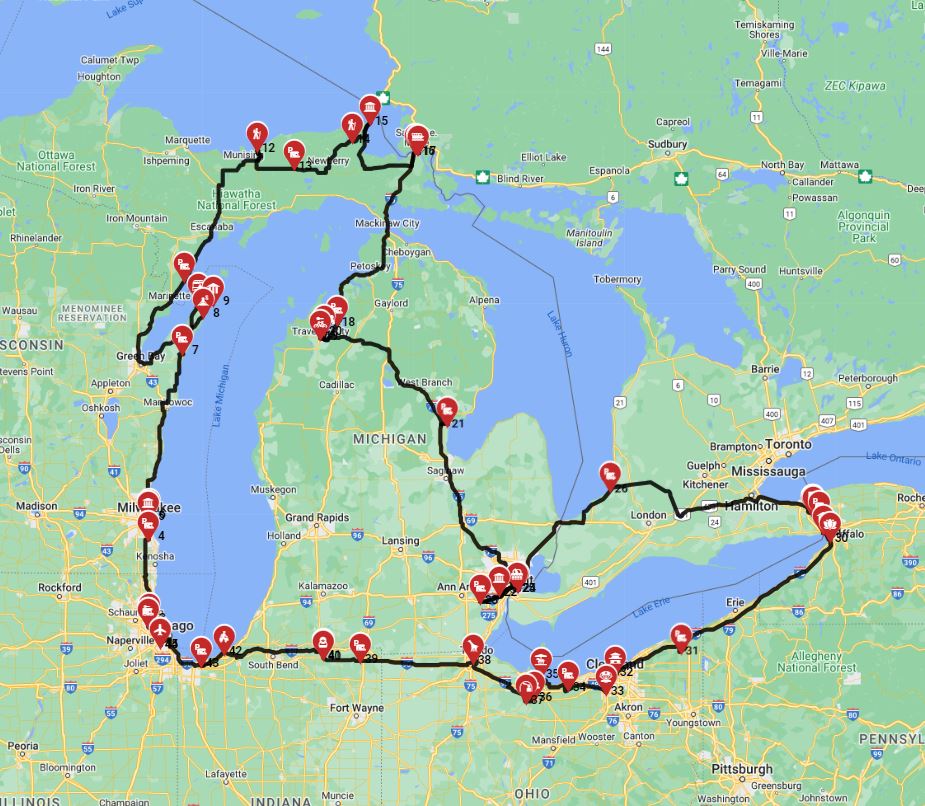
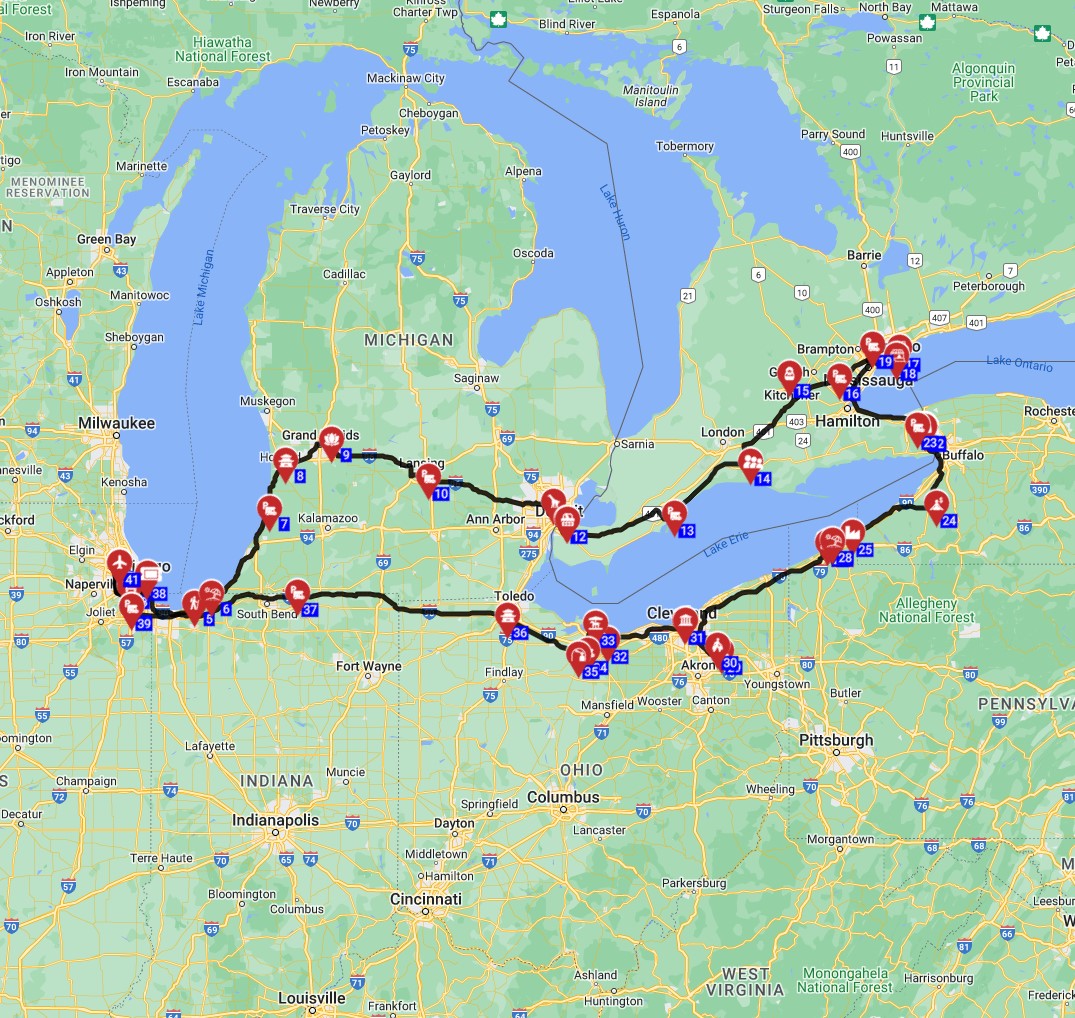
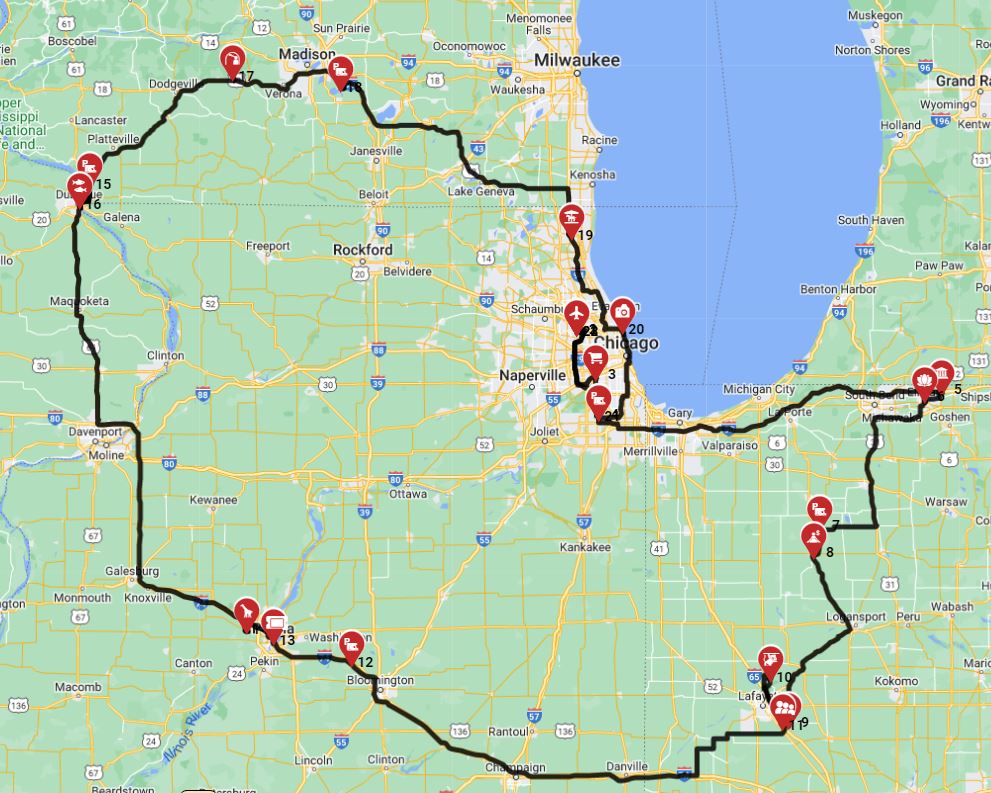
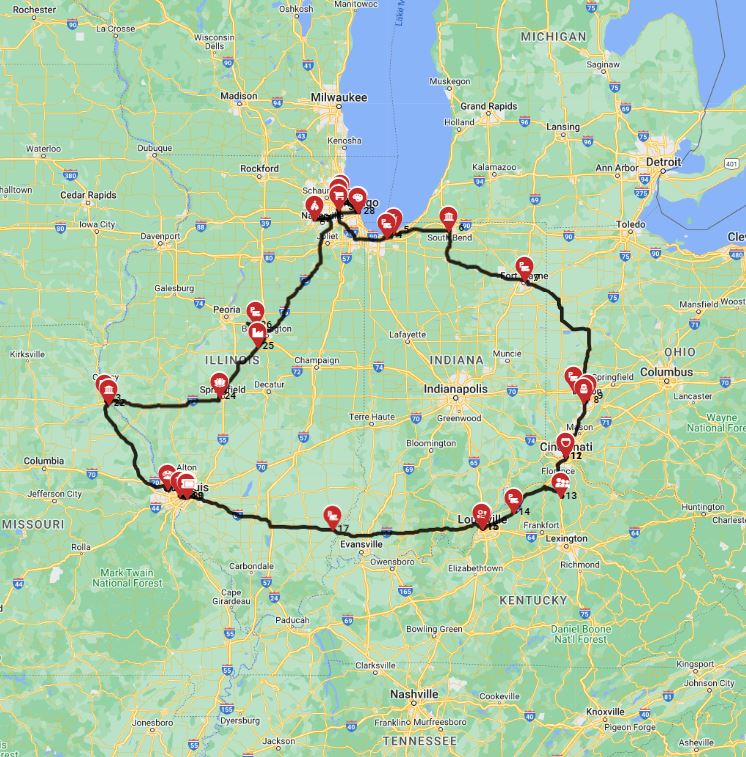
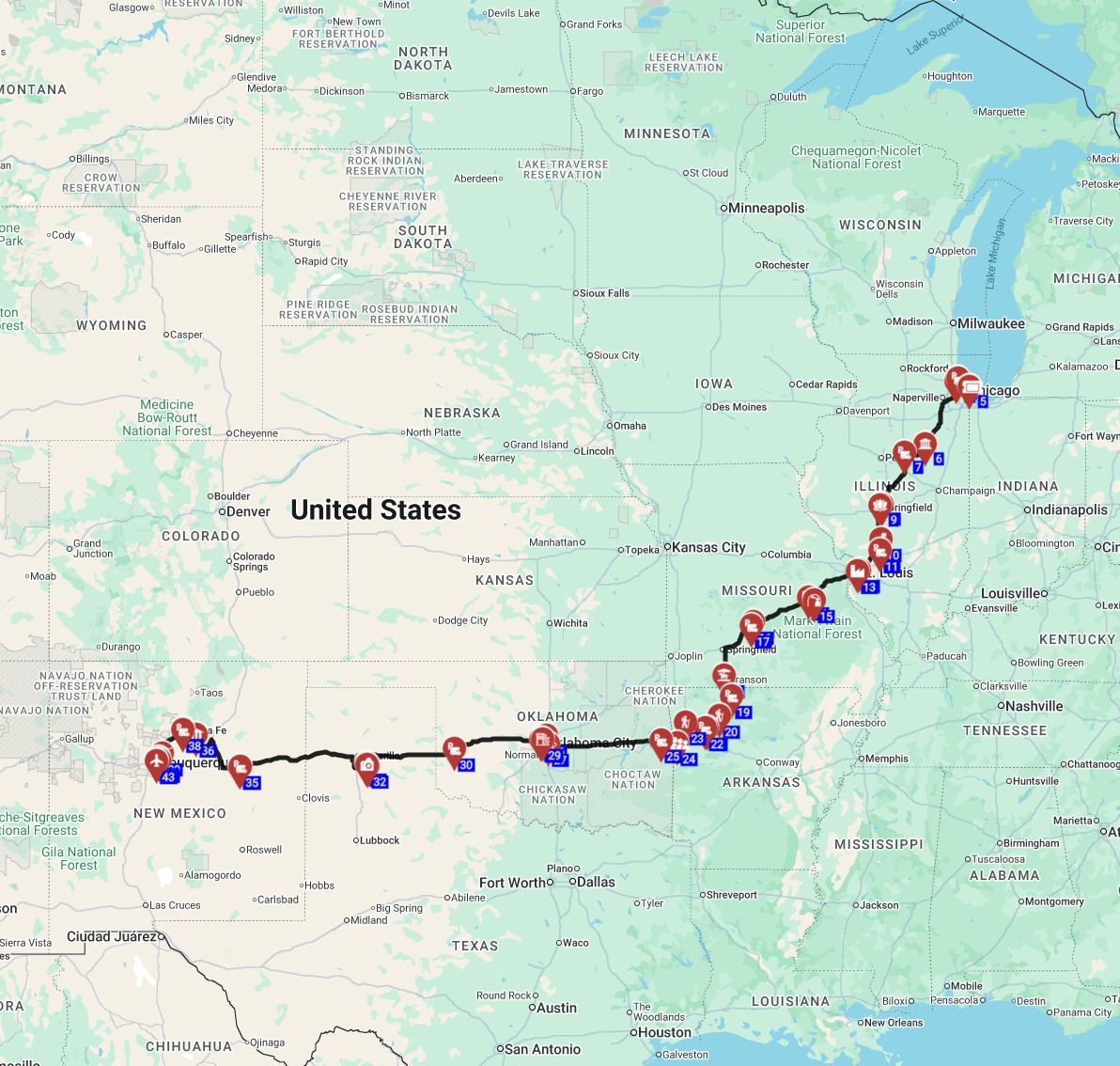
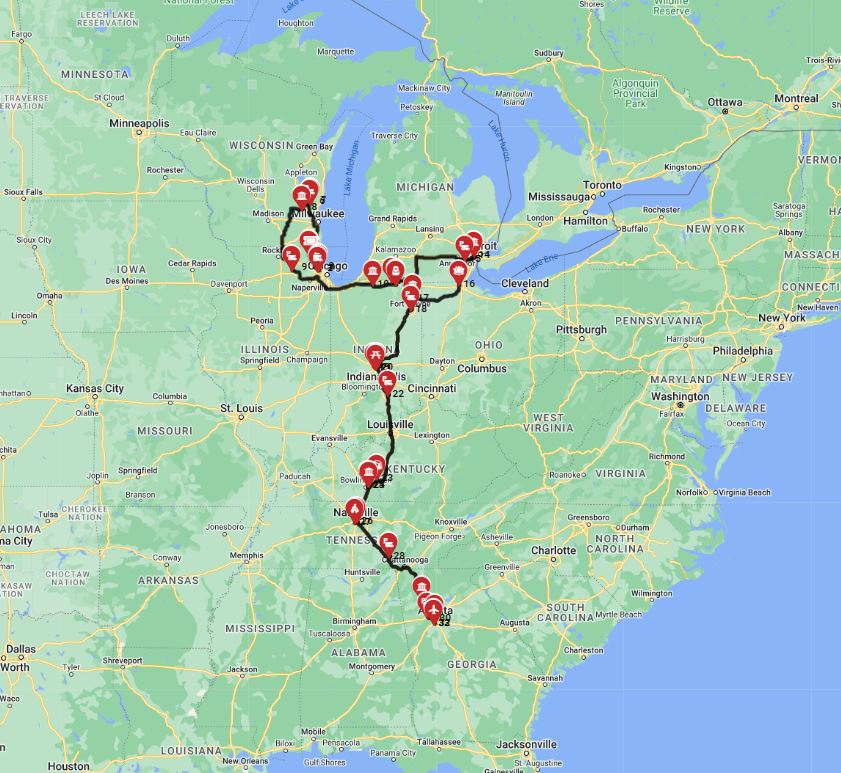
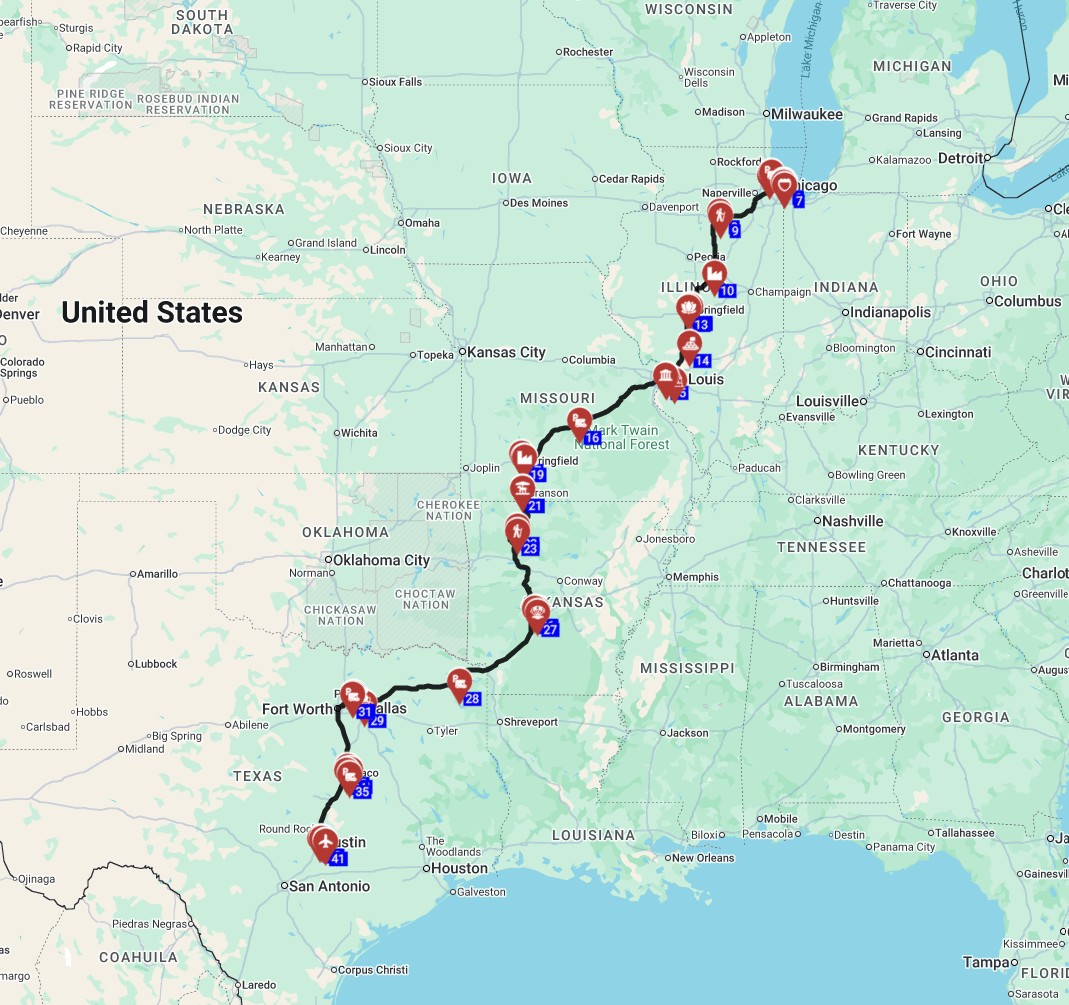
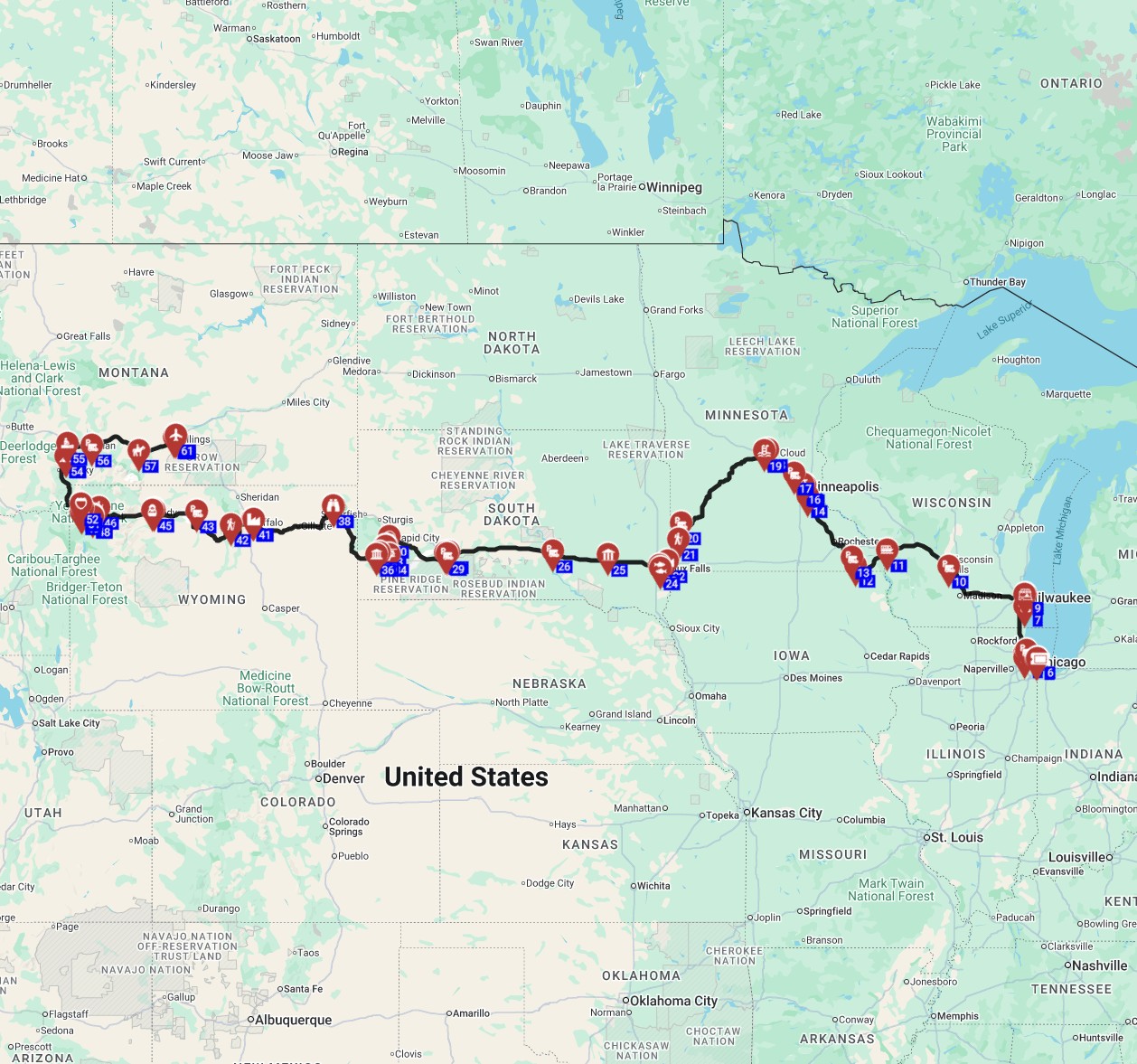
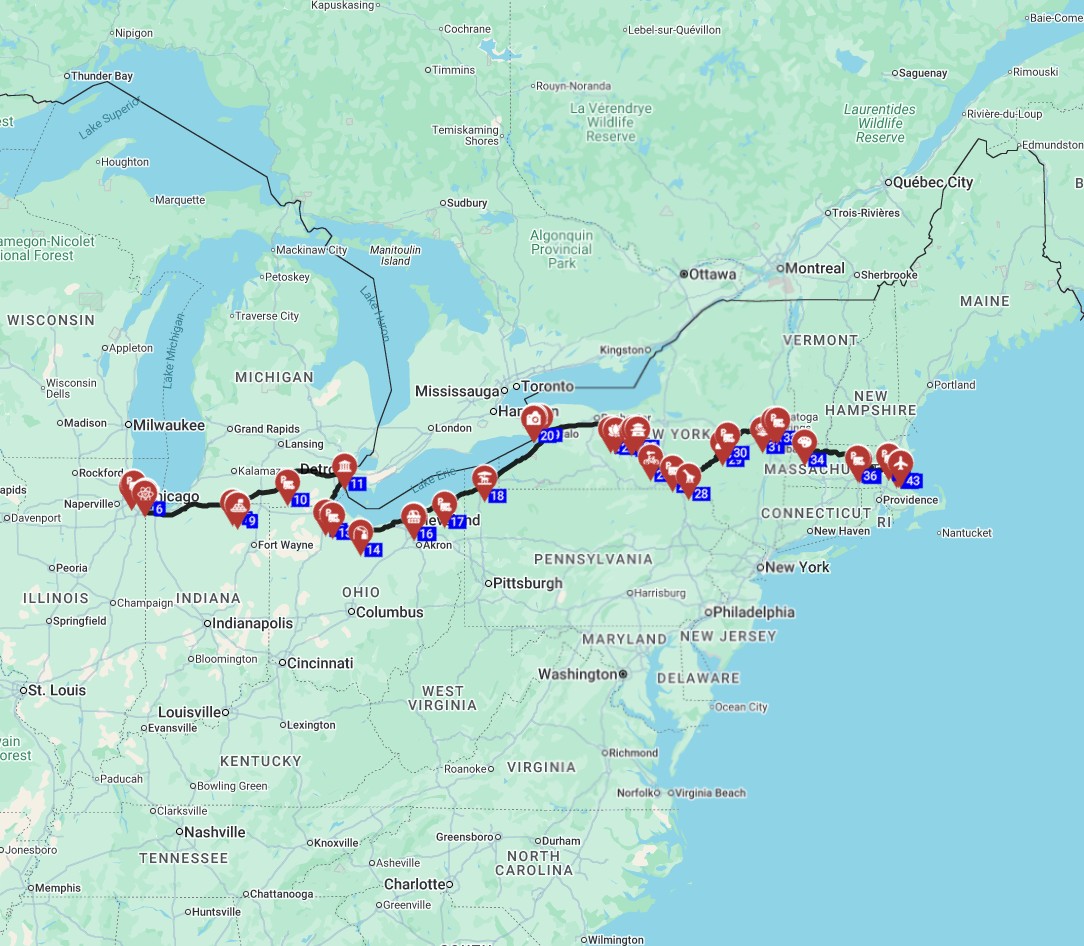
Many reputable RV rental companies partnered with Bandana, including industry leaders like El Monte, Cruise America, and Apollo, offer comprehensive one-way rental services. This allows you to pick up your rented motorhome in Chicago and seamlessly drop it off at a different specified location, whether that's another major city or a more distant destination like New Orleans. A relocation fee typically applies to cover the logistical costs for the rental company to reposition the vehicle; this fee is dynamic and varies based on factors such as the total distance of the trip, the time of year (e.g., peak season), and current vehicle demand. For instance, you could pick up a campervan in Chicago and embark on a memorable "Chicago To New Orleans - 61 Strings: A Musical Motorhome Trip Along the Blues Highway" 15-day route covering 2918.4 km, as planned by professionals on rvplan.net.
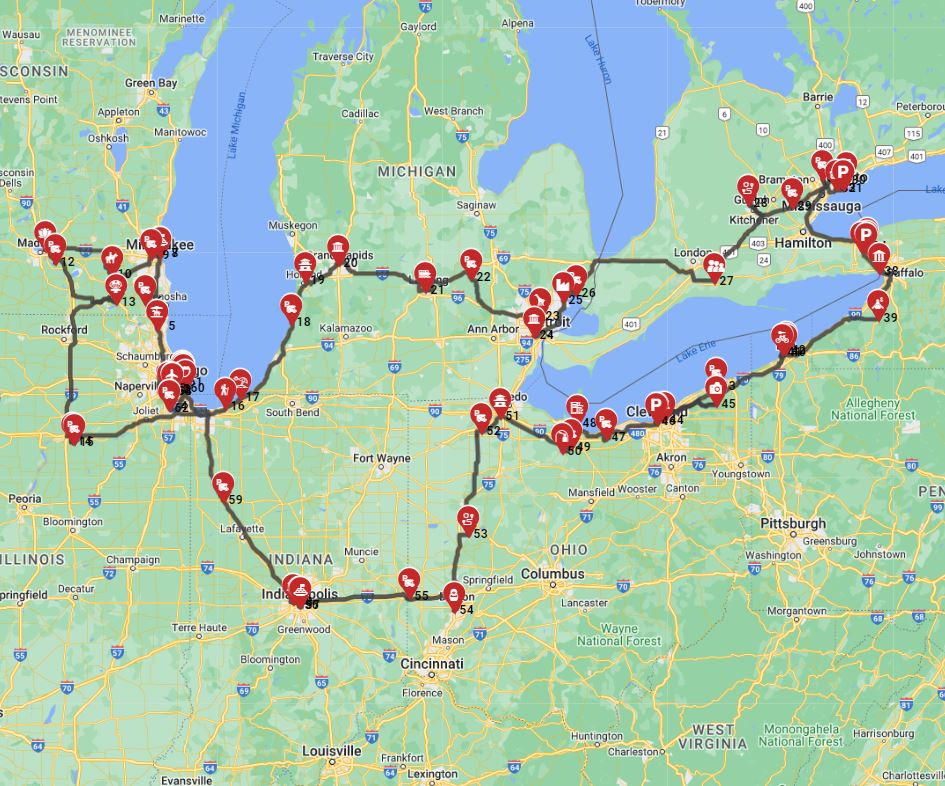
Another popular option, "New New Orleans to Chicago - Blues Highway Northbound", spans 14 days and 2657.0 km, offering 5 museums and 2 historical sites. Or, consider "
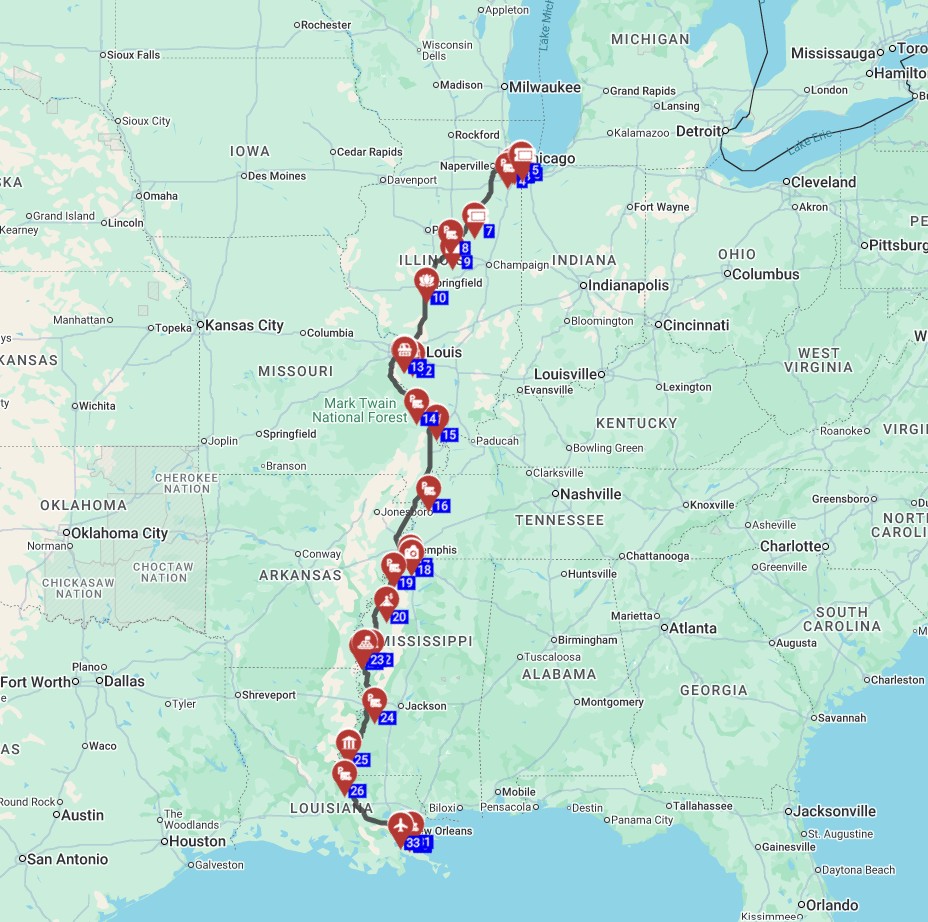
These curated RV PLANET routes are excellent for inspiring your journey. Our Rent&Plan service allows you to effortlessly integrate these professional itineraries into your one-way rv rental from Chicago, ensuring every detail is covered. Don't forget to check out our "One-Way RV Rental in Chicago - Price Guide 2024" for more detailed pricing information.
What is the 3-3-3 rule for RVs?
The 3-3-3 rule for RVs is a practical guideline, particularly favored by new RVers and families embarking on road trips from Chicago, designed to promote safe, enjoyable, and sustainable travel by limiting daily driving and encouraging longer stays at destinations.
This rule suggests driving no more than **300 miles (approximately 480 km)** in a single day, which helps prevent driver fatigue and allows ample time for unexpected stops, sightseeing, and enjoying the journey. It also recommends arriving at your chosen campsite by **3 PM**, providing sufficient daylight hours to comfortably set up your rented RV, settle in, and explore the immediate surroundings before dusk. Finally, the 3-3-3 rule advises staying a minimum of **3 nights** in each location, which fosters relaxation, allows for deeper exploration of the area's culture and attractions, and reduces the stress of constant packing and unpacking. This pacing is ideal for a one-way RV trip from Chicago, enabling you to truly feel the place and connect with the scenery, whether you're heading south on the Blues Highway or west towards new adventures.
What is the 4 4 4 rule for rving?
The "4-4-4 rule" for RVing is another valuable guideline, similar to the 3-3-3 rule, that emphasizes pacing your travel to maximize both safety and the overall enjoyment of your rented motorhome experience from Chicago.
This rule primarily suggests driving no more than **4 hours** in a day, which encourages more frequent stops, reduces driver fatigue, and allows for a more relaxed exploration pace, especially beneficial for longer one-way trips. It also recommends staying at least **4 nights** in each location, providing generous time for rest, thorough local exploration, and fully immersing yourself in your chosen destinations. The final "4" in this rule can sometimes refer to having a **four-hour "buffer"** or flexible travel window built into your daily schedule to account for unforeseen delays, traffic in areas like Chicago, or spontaneous discoveries along your route. This flexible approach ensures your one-way rv rental in Chicago remains an enjoyable adventure, not a rushed commute.
Can you get temporary RV insurance?
Yes, temporary RV insurance is often available and can be a highly suitable and flexible option for individuals renting an RV for a short duration, such as a week-long trip or a specific one-way journey from Chicago.
Many personal auto insurance policies offer an endorsement or rider that can extend certain coverages to rental RVs, so your first step should be to contact your existing provider to understand your current benefits. Additionally, specialized temporary RV insurance policies are offered by various insurers, providing tailored coverage specifically for your rental period, typically ranging from a few days to several weeks. When you book your rented RV through Bandana Caravan, our partner suppliers like Cruise America and El Monte will always offer their own insurance coverage options, or require proof of adequate coverage, which you can choose to supplement with temporary insurance for added peace of mind and protection against specific perils during your Chicago adventure. You can upgrade to a top-level deductible for extra peace of mind.
How much is insurance on a $200,000 RV?
The cost of insurance for a $200,000 RV can vary significantly, typically ranging from $1,000 to $4,000 or even more per year, influenced by a complex array of factors.
Key factors that directly impact premiums include the RV's specific class (e.g., a luxury Class A motorhome like "rent rv example E3" will differ from a Class C), its age, the policyholder's driving record, the geographical area of primary use (e.g., urban Chicago might incur higher rates due to traffic density), the chosen deductible amounts, and the types of coverage selected (e.g., liability, comprehensive, collision, personal effects). For Chicago travel, specific coverage considerations might include higher limits for liability due to congested urban traffic and robust comprehensive coverage for potential incidents related to city driving or parking. Since you are renting, your costs are related to the rental company's insurance, which typically includes basic coverage, and often offers optional supplemental protection. For transparent details on rental costs including insurance, consider checking our "Luxury RV Rental in Chicago - Premium Prices 2024" guide.
What You Shouldn't Miss
- Lincoln Park Zoo: A free, sprawling zoo offering a fantastic family-friendly experience right within the city, easily accessible via public transit from a nearby RV park.
- Millennium Park & The Bean: Park your RV at a designated spot outside the immediate downtown area, then take the CTA to explore iconic Chicago landmarks like Cloud Gate (The Bean), Lurie Garden, and the Crown Fountain.
- Chicago Riverwalk: Enjoy scenic strolls along the Chicago River, perhaps catching an architectural boat tour, after leaving your motorhome safely parked at an RV-friendly lot or suburban campground.
- McCormick Place Lot B: This secure, gated lot offers one of Chicago's largest and most convenient urban RV parking solutions, often allowing you to connect to downtown attractions via a short walk or quick public transit ride.
- Museum Campus: Home to the Field Museum, Shedd Aquarium, and Adler Planetarium, this area offers incredible educational experiences. Park your rented RV further out and use a ride-share or public transport.
- Historic Route 66 Start: Drive your RV to the official Mile 0 sign of Route 66 on Adams Street, a truly iconic starting point for any cross-country adventure.
Looking for expert insights from Avi Bandana? Top 5 Adventures - recommendations from Avi Bandana
Final Thoughts
Embarking on a one-way RV adventure from Chicago is an exceptional way to experience the freedom and flexibility that only a rented motorhome or campervan can offer. Imagine the open road stretching before you, from the bustling cityscapes of the Windy City to wherever your heart desires, all from the comfort of your mobile home.
At Bandana Caravan, we're with you every step of the way, providing honest advice, transparent pricing, and unparalleled support to ensure your Chicago one-way RV rental experience is seamless and truly unforgettable. Don't stress about the details; we handle them so you can focus on making incredible memories. Let us help you discover the joy of slow travel, connecting deeply with the places you visit.
Get inspired for your next trip! Discover top destinations, planning tips, all in one place and plan a trip itinerary in advance with minimal effort and maximum enjoyment. Your next great American adventure from Chicago is just a click away.
Find Motorhome Rentals in Chicago