In This Guide
- Can You Drive an RV in California? License & Age Rules
- Road Conditions & Terrain in California
- RV Size Limits, Bridges & Restricted Zones
- Fuel: Diesel vs. Petrol & Cost per 100 km
- Tolls, Vignettes & Border Rules
- Driving Tips for RV Rental Travelers
- Recommended RV Class for California Roads
- Should I Choose a Compact Van Instead of a Large RV in California?
- Can I Park Anywhere? Free & Wild Camping Rules in California
- Can I Drive an RV Into the City Center? Heights, Tunnels & Local Signage
- What are the detailed logistics for RV driving in California?
- How much does an RV rental in California cost, including hidden fees?
- What are the best seasons and regions for RVing in California?
- What are the best camping options in California beyond private parks?
- Where can I find unique experiences and hidden gems for my California RV trip?
- What are the rules for traveling with pets in an RV in California?
- How can I ensure connectivity and safety during my California RV adventure?
- How can I practice responsible and sustainable RV travel in California?
- Top Cities for RV Rental in California
California, often called the Golden State, offers an unparalleled backdrop for an unforgettable rented RV adventure. Imagine yourself cruising along sun-drenched coastlines, winding through towering redwood forests, or exploring vast desert landscapes, all from the comfort of your mobile home. With a rented RV in California, you have the freedom to explore at your own pace, creating memories that last a lifetime. Whether you're a seasoned RVer or planning your first motorhome trip, California's diverse scenery and attractions cater to every traveler. For live availability and current prices, start with our RV Rental California - Complete Guide 2026 guide, providing everything you need to plan your perfect trip.
Can You Drive an RV in California? License & Age Rules
Most motorhomes for rent in California can be driven with a standard Class C driver's license, which covers vehicles under 26,000 lbs (approximately 11,793 kg) gross vehicle weight rating. This means you won't need any special commercial driver's license or additional permits for the vast majority of rental units available, including spacious Class A motorhomes, versatile Class C motorhomes, and nimble Class B campervans. Rental companies typically require drivers to be at least 21 years old, and Bandana Caravan proudly maintains this minimum age without imposing any young driver surcharges or vehicle class restrictions based on age. Foreign drivers should carry their valid home country driver's license; an International Driving Permit (IDP) is recommended for visitors from non-English-speaking countries to aid verification, though it is not mandatory in most cases. This straightforward approach ensures your planning for an RV rental in California is as smooth as possible.
Road Conditions & Terrain in California
California's road conditions vary widely, from multi-lane interstates like I-5 to winding mountain roads in the Sierra Nevada and scenic coastal highways such as the Pacific Coast Highway (PCH), all generally navigable by a rented RV. You'll encounter diverse terrain, including the extensive Pacific Coast Highway, which offers breathtaking ocean views but requires slow, careful driving due to its curves and elevation changes. Challenging Sierra Nevada mountain passes, such as Tioga Pass in Yosemite National Park (typically closed in winter), demand attention and appropriate gear usage for descents. Arid desert roads in areas like Death Valley present their own considerations with extreme temperatures, while dense urban environments like Los Angeles and San Francisco require awareness of traffic and specific parking strategies. We always encourage slow, scenic driving, especially on mountain roads and along the coast, to fully appreciate the landscape and manage your RV safely and confidently. No need to stress - just use common sense and pay attention.
RV Size Limits, Bridges & Restricted Zones
While California generally accommodates rented RVs of various sizes, drivers must be vigilant for specific height and weight restrictions posted on certain bridges, tunnels, and in some urban or park areas. There are no statewide general height limits for RVs that would prohibit typical rental units, but local signage, particularly on older routes or park entrances (e.g., some national park roads), should always be observed. For instance, a Class C "rv rentals utah example Sunrise Escape" measuring 7.6 meters in length with a robust 167-liter fresh water tank would fit most standard routes, but always check for specific local advisories. Environmental zones, common in some European cities, are not a typical restriction for RVs in California. Furthermore, ferry travel with RVs is rare in California and generally not an option for popular island destinations like Catalina, so plan your routes accordingly to avoid any surprises. Remember, full transparency is a cornerstone of Bandana Caravan's service, ensuring you have all the information you need.
Fuel: Diesel vs. Petrol & Cost per 100 km
Most rented RVs in California operate on either diesel or petrol, with common fuel consumption for Bandana's global fleet averaging between 8 and 17 liters per 100 km depending on the RV class. Diesel is typically used by larger Class A motorhomes, offering better fuel economy, while Class B campervans and many Class C motorhomes often run on petrol. For instance, a Class SI motorhome averages 10-11 Liters/100 km, a Class C 10-12 Liters/100 km, and a Class B campervan 8-10 Liters/100 km. Larger Class A vehicles, like the "MHLUX" with its 320-liter fuel tank, might consume more (e.g., 20-25 Liters/100 km for some models). Fuel costs in California can fluctuate widely, often higher than the national average, so budgeting for significant fuel expenses is crucial for your RV adventure. When planning your route, remember that RV PLANET routes allow travelers to itemize and track every expense along the way for easy budgeting, helping you manage these dynamic costs effectively. On the routes offered through RV PLANET routes, you can itemize and track every expense along the way for easy budgeting.
Tolls, Vignettes & Border Rules
California primarily utilizes electronic tolls on specific bridge crossings and express lanes, predominantly in the San Francisco Bay Area. Iconic structures such as the Golden Gate Bridge and the Bay Bridge operate on these electronic systems, so it is important to be aware of how to pay tolls (e.g., FasTrak transponder or online payment after the fact) to avoid fines. California does not require vignettes, a common European toll system, for RV travel. Most major interstate highways in California do not have tolls for through-traffic, but express lanes on some urban freeways operate on a toll basis and are clearly marked. There are no specific border rules for driving an RV between California and neighboring U.S. states like Arizona, Nevada, or Oregon beyond standard vehicle registration and driver licensing requirements. Planning your route with toll awareness ensures a smoother journey; Bandana Caravan's pre-booking coordination helps clarify any such practical details.
Driving Tips for RV Rental Travelers
Navigating California's diverse landscapes in a rented RV is an exciting experience, and a few driving tips can make it even better. For families, planning frequent stops every 2-3 hours is essential to prevent driver fatigue and allow children to stretch and play, ensuring a more enjoyable journey for everyone. Budgeting fuel efficiently is also key; utilize apps to find the best gas prices and plan routes that avoid unnecessary detours, which is especially important for larger motorhomes with greater fuel consumption rates. When navigating California's famous mountain passes, like those in the Sierra Nevada, use lower gears to control speed on descents and prevent brake fade, employing engine braking where safe. On scenic coastal routes such as the PCH, be mindful of narrower sections, sharp curves, and limited pull-offs, always driving cautiously and respecting posted speed limits. For urban navigation, consider parking your RV on city outskirts and utilizing public transportation to explore congested centers, saving time and stress. Remember to travel slowly, max 100-150 km per day on average, to truly connect with California's culture, food, and scenery.
Recommended RV Class for California Roads
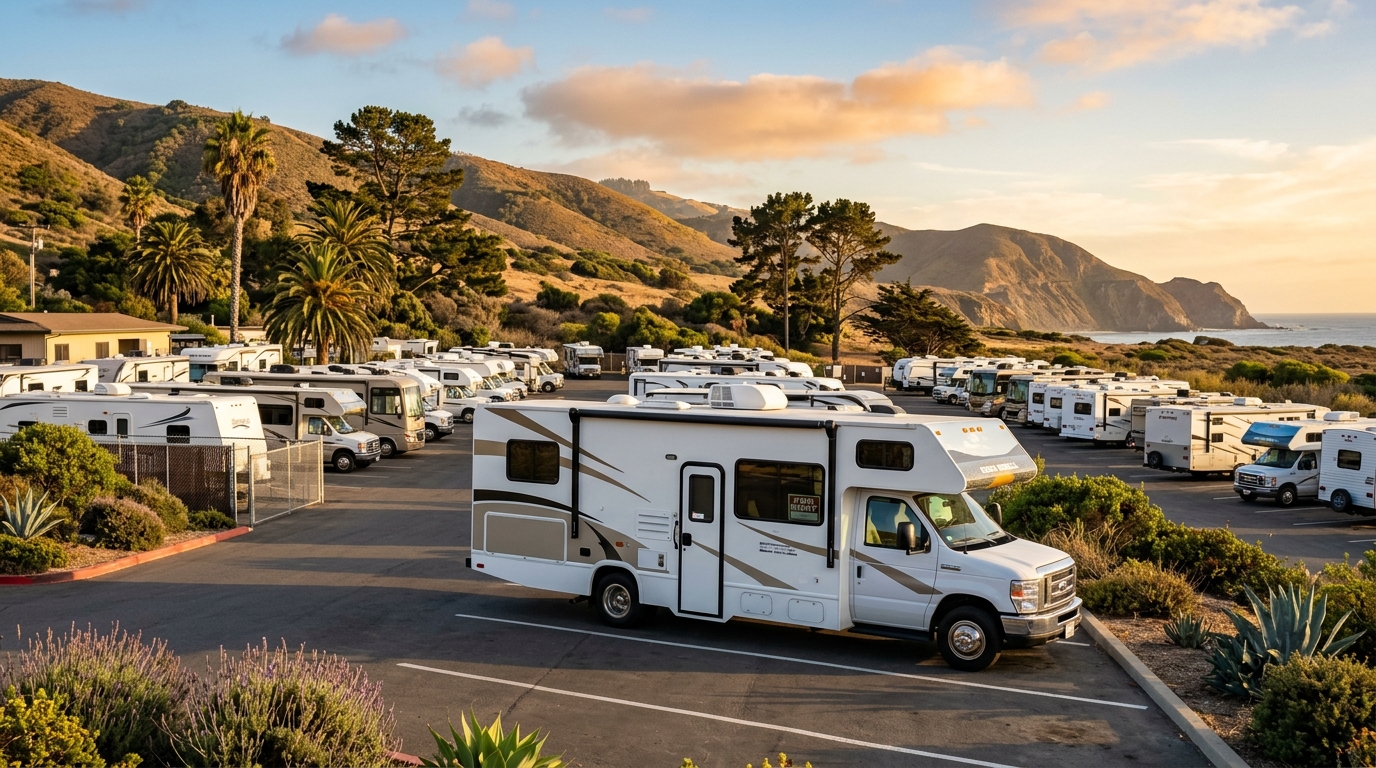
Class SI (Semi-integrated) and Class C (Alcove) RVs are highly recommended for navigating California's diverse road conditions, offering a balanced combination of comfort and maneuverability. These classes provide ample living space for couples or small families while remaining manageable on winding roads and in most campgrounds. For example, a Class C "cruise america rv rental example Explorer" has a length of 7.1 meters, seats 4, sleeps 4, and features a 75-liter fuel tank and 82-liter fresh water tank, making it a comfortable choice. A larger Class C model, like the "rv rentals utah example Sunrise Escape", with its 7.6-meter length and capacity for 5 sleepers, also offers an oven and a 170-liter refrigerator, perfect for longer family trips. Both classes generally provide good ground clearance for varied terrain and are well-suited for accessing state parks, national park campgrounds, and coastal routes without significant difficulty. If you're looking for even more space for a bigger group, a "C-30" Class C motorhome can accommodate 7 sleepers and offers a generous 208-liter fuel tank and 151-liter fresh water tank, ensuring a comfortable extended road trip across California.
Should I Choose a Compact Van Instead of a Large RV in California?
While compact campervans (Class B) offer superior maneuverability and easier parking, larger motorhomes like Class C or Semi-integrated (Class SI) are generally well-suited for California's extensive road infrastructure and provide significantly more comfort and amenities for longer trips. A compact van, such as the "luxury rv rentals example Carthago Malibu 600" with a length of 5.99 meters and seating for 2, genuinely helps in very tight historic centers like certain areas of San Francisco or on specific narrow mountain passes with length advisories, making urban exploration and parking simpler. However, for most of California's state and national parks, main highways, and a more comfortable multi-day journey with family, the added space, facilities (like a full shower and toilet), and sleeping capacity of a larger motorhome often present a better trade-off. For families, a Class C motorhome like the "MHC24," which is 7.3 meters long and sleeps 6, offers more room and amenities for an extended trip. There’s no need to stress about driving larger vehicles in cities; drive slowly and carefully, and you can drive almost anywhere without issues. Bandana Caravan specializes in helping you find the right size rental motorhome for your California adventure.
Can I Park Anywhere? Free & Wild Camping Rules in California
While California offers opportunities for free or dispersed camping on public lands, such as National Forests and Bureau of Land Management (BLM) areas, overnight parking rules are strict in many developed areas and state parks. Designated dispersed camping on National Forest or BLM land typically allows free overnight stays, but travelers must always check specific local regulations, current fire restrictions, and practice 'Leave No Trace' principles. State Parks and beaches generally prohibit overnight parking or camping outside of designated, paid campsites. Many cities in California also have ordinances that strictly outlaw street camping for RVs. Rules vary significantly by region, so always check local regulations and follow local law before parking overnight, as fines for illegal camping can be substantial. For finding campsites and campgrounds during your trip, we recommend using RV PLANET (rvplan.net) - a great resource for locating available spots along your route.
Can I Drive an RV Into the City Center? Heights, Tunnels & Local Signage
You can generally drive a rented RV into California city centers, but drivers must pay close attention to local signage regarding height limits, low bridges, narrow streets, and specific parking restrictions. Drive slowly and carefully, and you can drive almost anywhere without issues. No need to stress - just use common sense and pay attention. Cities like San Francisco have challenging terrain with steep hills and narrow streets that require careful navigation, while Los Angeles freeways are generally RV-friendly, though finding suitable parking in the urban core can be difficult. Always be on the lookout for posted height or weight restrictions, especially near older infrastructure or parking garages, and be aware that environmental zones are not a common RV restriction in California cities. It is often advisable to find dedicated RV parking on the outskirts of major cities and utilize public transportation to explore the central areas, saving you time and avoiding potential parking headaches. Our true RV specialists know what it takes to navigate urban areas confidently.
What are the detailed logistics for RV driving in California?
Navigating California's diverse landscapes in an RV requires careful attention to specific driving challenges like winding mountain passes, narrow coastal roads, and urban parking logistics. Mountain driving demands utilizing lower gears for descents and being aware of engine braking, crucial in areas like the Sierra Nevada. PCH segments, particularly around Big Sur, demand vigilance for narrow sections, sharp curves, and limited pull-offs; a slower pace (max 100-150 km per day) allows you to enjoy the unparalleled scenery safely. Urban parking strategies, especially in bustling cities like San Francisco or Los Angeles, often involve using RV-specific GPS to locate suitable lots, planning peripheral parking, and considering public transit for city exploration to avoid congestion and tight spaces. For larger rigs, effective fueling strategies are vital; research prices, plan stops, and monitor fuel consumption (e.g., a "C-30" motorhome has a 208-liter fuel tank). Performing basic on-road maintenance checks, like tire pressure and fluid levels, is also prudent. Power and water management are critical in various environments, requiring knowledge of hookups at developed campgrounds, responsible generator use, and water conservation practices for dispersed camping. Bandana Caravan ensures full transparency in vehicle details and offers 24/7 support for pre-booking, booking, and post-booking coordination, providing peace of mind as you plan your trip.
How much does an RV rental in California cost, including hidden fees?
The total cost of an RV rental in California extends beyond the base rental fee to include significant expenses such as fuel, camping fees, activities, food, and potential unexpected outlays, requiring comprehensive budgeting. Rental prices are dynamic, changing daily based on availability, seasonality, and supplier marketing decisions, much like flight tickets. For instance, a weekly RV rental in California during peak summer could be significantly higher than during the shoulder seasons. Budget for fuel by estimating usage; Bandana's fleet averages 8-17 liters/100 km, and current California gas prices can be higher than the national average. Camping fees range from free (dispersed camping on BLM lands) to $25-70+ per night for state/national parks and private campgrounds, often with extra charges for full hookups. When planning your meals, consider cooking inside your RV with our RV-friendly recipes playlist to save on dining out. Consider additional costs for optional insurance upgrades, cleaning fees, convenience kits (linens, kitchenware), activity passes for parks, groceries, and a contingency fund for unexpected repairs or roadside assistance. At Bandana Caravan, we pride ourselves on full transparency: what you see is what you pay, with no surprise fees at pickup. You can also upgrade to a top-level deductible for extra peace of mind. For a more detailed breakdown, explore our RV Rental in California - Prices and Best Deals 2026 guide.
What are the best seasons and regions for RVing in California?
The optimal time to RV in California highly depends on your desired region and activities, with distinct advantages and considerations for coastal, mountain, and desert areas across different seasons. Spring (April-May) and Fall (September-October) are generally ideal shoulder seasons across the state, offering mild weather, fewer crowds, and often lower prices for a luxury RV rental in California. Summer is best for exploring the majestic Sierra Nevada mountains and national parks like Yosemite and Sequoia, though requiring reservations months in advance due to high demand. Northern California's cooler coastal regions also shine in summer. Winter (November-March) is prime for desert destinations like Joshua Tree and Death Valley, providing comfortable temperatures, but mountain passes may require snow chains or be temporarily closed due to weather. Always be aware of California's wildfire season, typically from late spring through fall, and check current conditions and fire restrictions before traveling. Our expert team at Bandana Caravan, true RV specialists, can help you align your travel dates with your desired experiences, making planning easy.
What are the best camping options in California beyond private parks?
Beyond commercial RV parks, California offers a wealth of diverse camping options, including popular state and national park campgrounds, as well as opportunities for legal dispersed camping on public lands. National Park campgrounds (e.g., those in Yosemite, Sequoia, Joshua Tree, Death Valley) are highly sought after and often require reservations months in advance, typically through Recreation.gov. California State Park campgrounds offer beautiful settings, often closer to the coast or specific attractions like Big Sur, with reservations managed via ReserveCalifornia.com. For a more rugged experience, Bureau of Land Management (BLM) and National Forest lands provide opportunities for dispersed or boondocking camping in designated areas, where it is often free and away from developed sites. Always check local rules for fire restrictions, stay limits, and proper waste disposal when dispersed camping. Remember, many national/state parks reserve only 25-30% of spots; the rest are first-come-first-serve. You'll find a spot; if not at the first campground, then the next one. Call ahead before driving. For finding campsites and campgrounds during your trip, we recommend using RV PLANET (rvplan.net) - a great resource for locating available spots along your route.
Where can I find unique experiences and hidden gems for my California RV trip?
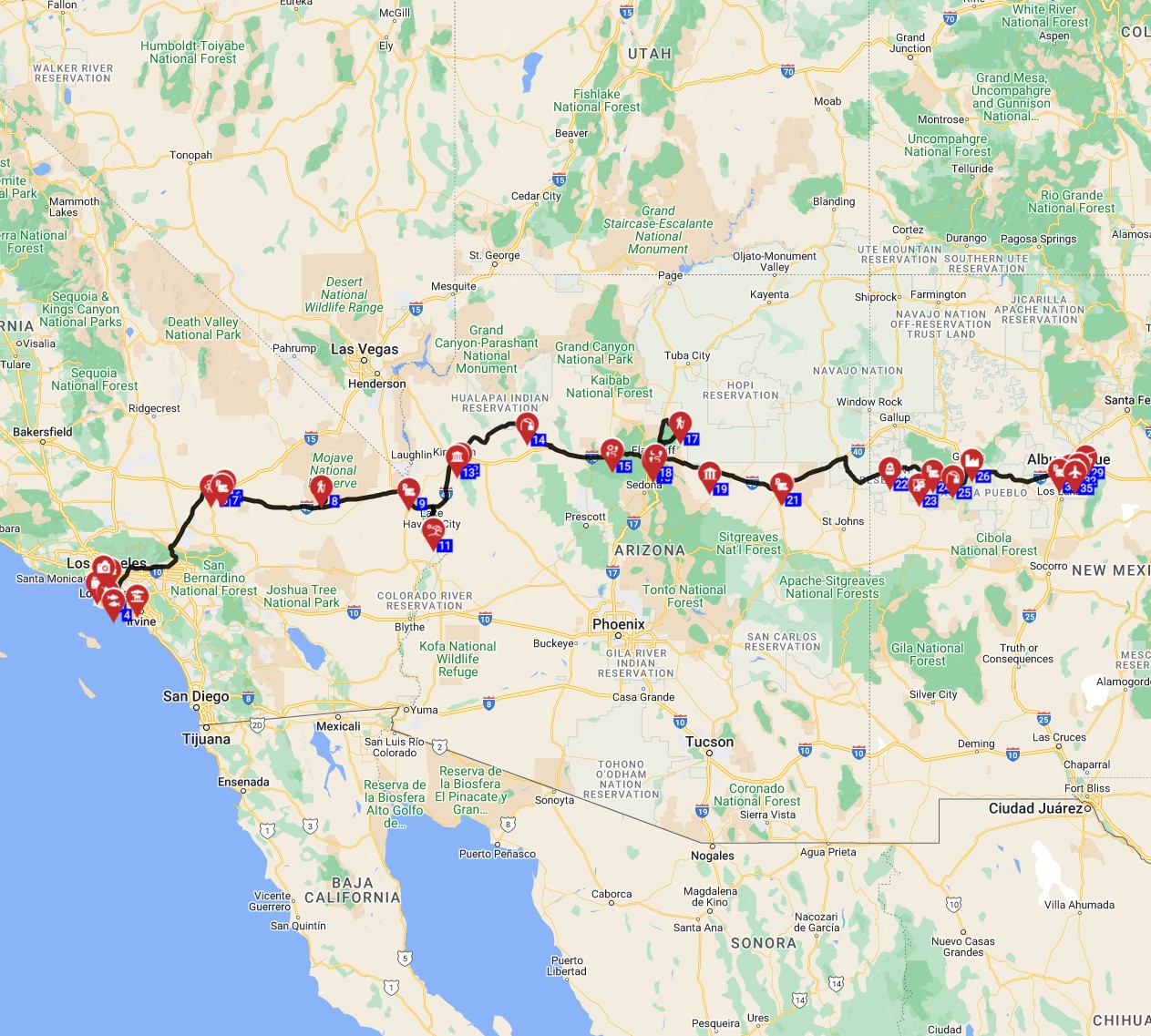
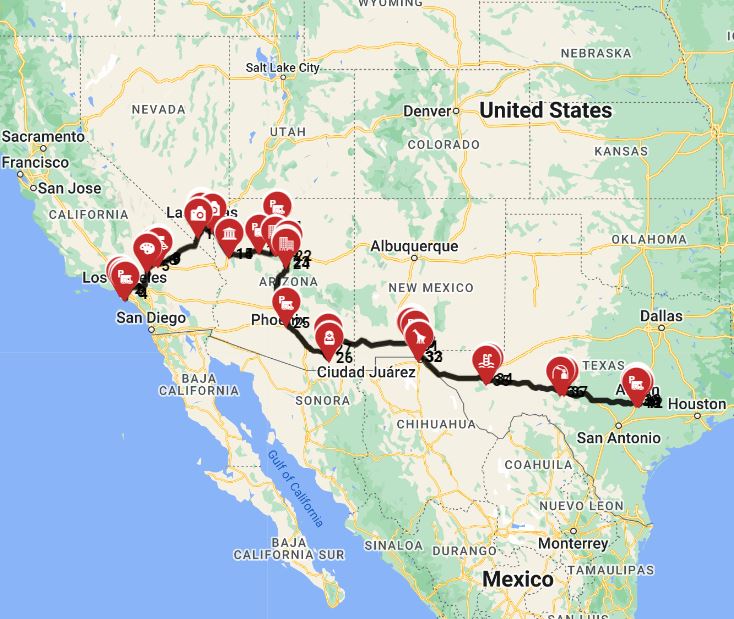
To uncover truly unique experiences during an RV trip in California, travelers should explore lesser-known state and regional parks, quirky roadside attractions, and engage with local communities beyond the most popular destinations. Consider visiting lesser-known state parks such as Anza-Borrego Desert State Park for stunning desert landscapes and stargazing, or Hendy Woods State Park for quiet redwood groves without the crowds of some larger parks. Seek out regional parks like those in the East Bay Area, which often offer beautiful natural settings and extensive hiking trails. Embrace the eccentric charm of California by exploring quirky roadside attractions along historic routes like Highway 395 or segments of old Route 66. Engage with local communities by visiting farmers' markets, local breweries, and small-town museums to discover authentic California culture and hidden culinary gems. Imagine preparing a fresh meal with local ingredients right in your rented campervan; our RV-friendly recipes playlist offers inspiration for delicious meals on the go. Plan a trip itinerary in advance with minimal effort and maximum enjoyment using RV PLANET, our sister company, which offers over 1,300 pre-planned routes across 5 continents, including fantastic options for California.
What are the rules for traveling with pets in an RV in California?
Traveling with pets in an RV across California requires adherence to specific rules and regulations that vary significantly across national parks, state parks, and local campgrounds. Most National Parks in California generally restrict leashed pets to paved areas, established campgrounds, and certain specific trails, prohibiting them on backcountry trails or inside park buildings. For example, in Yosemite, pets are allowed in developed areas but not on most hiking trails. California State Parks are generally more pet-friendly, allowing leashed pets in most campgrounds, picnic areas, and on paved roads or trails, but often exclude them from beaches, natural preserves, and unpaved wilderness trails. Private campgrounds typically welcome pets but may impose breed restrictions, size limits, and charge additional pet fees, always requiring pets to be leashed. Never leave pets unattended in an RV, especially during warmer months, as interior temperatures can quickly become life-threatening. Always check specific park and campground policies before you travel, ensuring a comfortable and compliant journey for you and your furry companions in your rented motorhome.
How can I ensure connectivity and safety during my California RV adventure?
Ensuring reliable connectivity and prioritizing safety are crucial aspects of RV travel in California, especially when venturing into remote areas with potential cell service dead zones and diverse wildlife. To combat cell service dead zones, consider investing in a cellular booster or a satellite communicator for emergencies, and always download offline maps and essential information before heading out. While some campgrounds offer Wi-Fi, it can be slow and unreliable; mobile hotspots or portable satellite internet solutions are options for more consistent connectivity in remote areas. Road safety tips for California include being prepared for mountain grades by using lower gears, monitoring weather changes (especially for snow in winter passes), carrying a comprehensive emergency kit, and knowing how to safely handle blowouts or breakdowns. Wildlife safety involves securing all food and scented items to deter bears and other animals, maintaining a safe distance from wildlife, and understanding basic precautions for encounters with native species. Personal safety includes securing valuables, being aware of your surroundings in urban and remote settings, and informing someone of your itinerary. Bandana Caravan is with you before, during (via booking support), and after your booking to ensure you have a smooth journey, offering that peace of mind for your California RV rental.
How can I practice responsible and sustainable RV travel in California?
Responsible RV travel in California involves adhering to 'Leave No Trace' principles and making conscious choices to minimize environmental impact, particularly within the state's often sensitive ecosystems. Always pack out everything you pack in, including all trash and waste, ensuring no litter is left behind in natural areas or campgrounds. Properly dispose of RV wastewater (grey and black water) at designated dump stations, never on the ground or in waterways, to prevent pollution and protect natural habitats. Respect wildlife by observing from a distance, never feeding animals (as this habituates them to human food and can lead to dangerous encounters), and storing food securely to deter scavengers. Stay on designated roads and campsites to protect fragile ecosystems, avoid creating new trails, and conserve water, especially in drought-prone California, by taking shorter showers and using water-saving methods for cooking and cleaning. Choosing an efficient rental motorhome can also contribute to lower fuel consumption. Traveling slowly, max 100-150 km per day on average, allows for a deeper appreciation of the environment and a lighter footprint on the land, aligning with Bandana Caravan's philosophy of mindful exploration.
Top Cities for RV Rental in California
California boasts a variety of fantastic cities that serve as excellent starting points or key destinations for your RV rental adventure. Each city offers unique attractions and access to different parts of the state's diverse geography, making it easy to tailor your trip. You can find many options for RV rental in California through Bandana, with multiple pickup locations.
- Los Angeles: This sprawling metropolis offers access to beautiful beaches, iconic theme parks like Disneyland (near Anaheim), and diverse culinary experiences. From here, you can easily head south to San Diego or east to the desert landscapes.
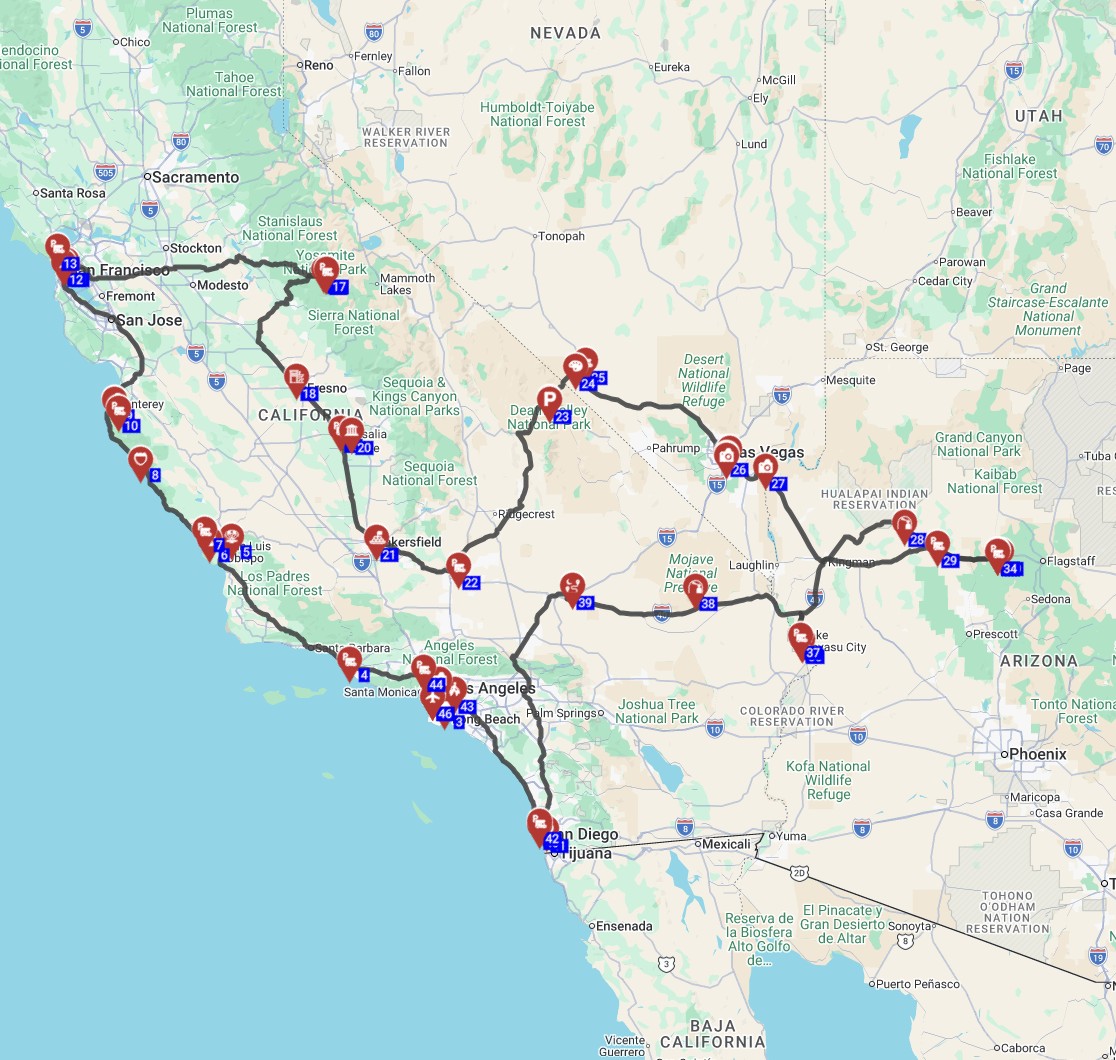
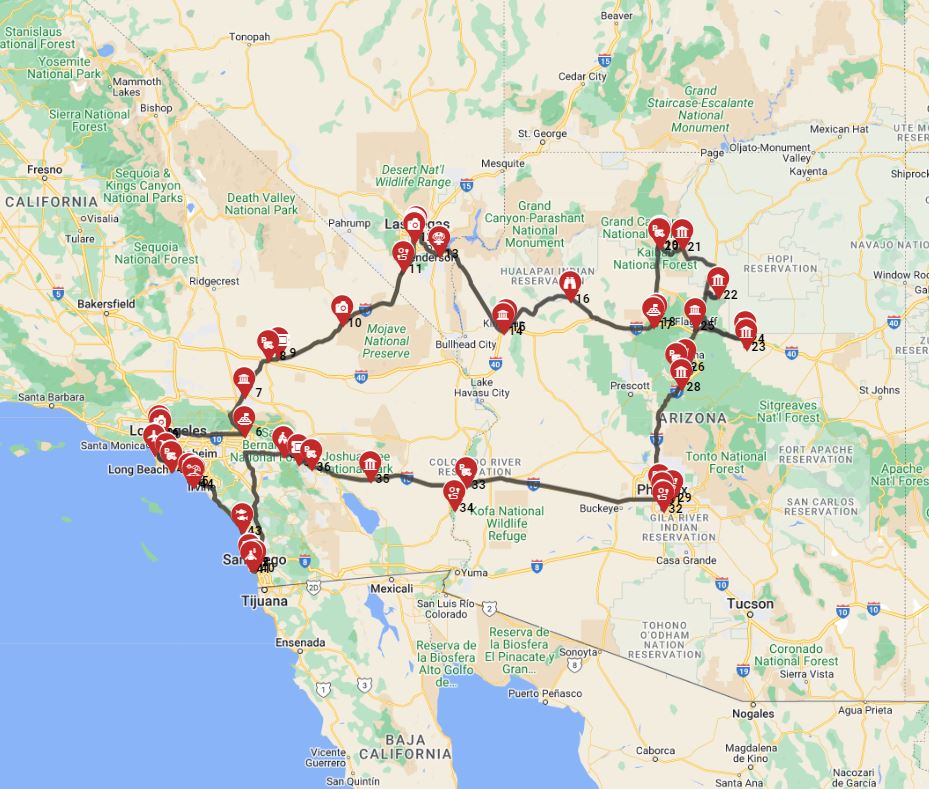
- San Francisco: Famous for its Golden Gate Bridge, vibrant culture, and proximity to Napa Valley's wine country. The city itself presents unique driving challenges with its steep hills, but outer parking and public transport are great solutions for your rented motorhome. You can even plan an incredible "
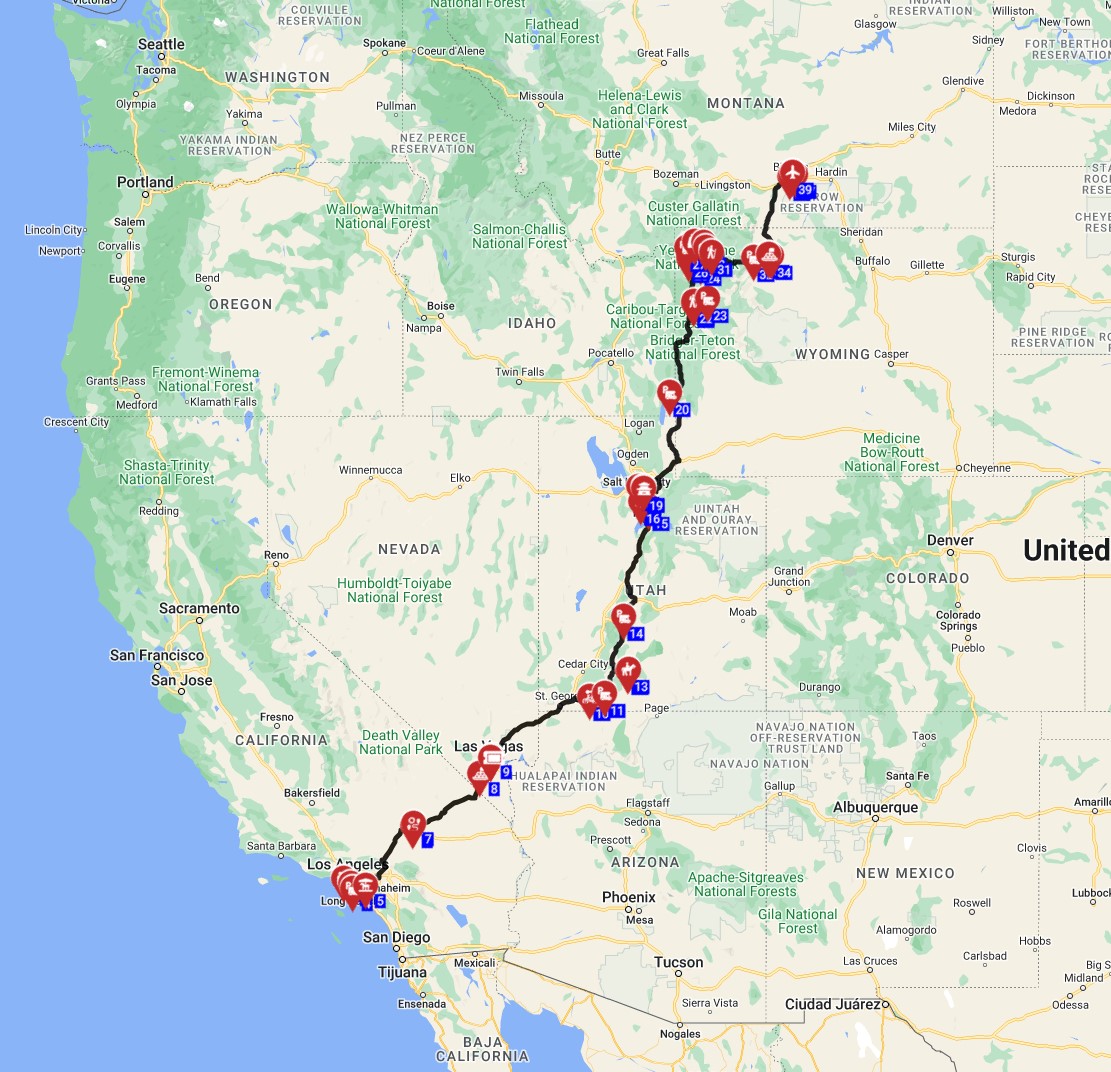
- The Best of the Southwest by Motorhome: From California’s Coast to Arizona’s Canyons" with RV PLANET.
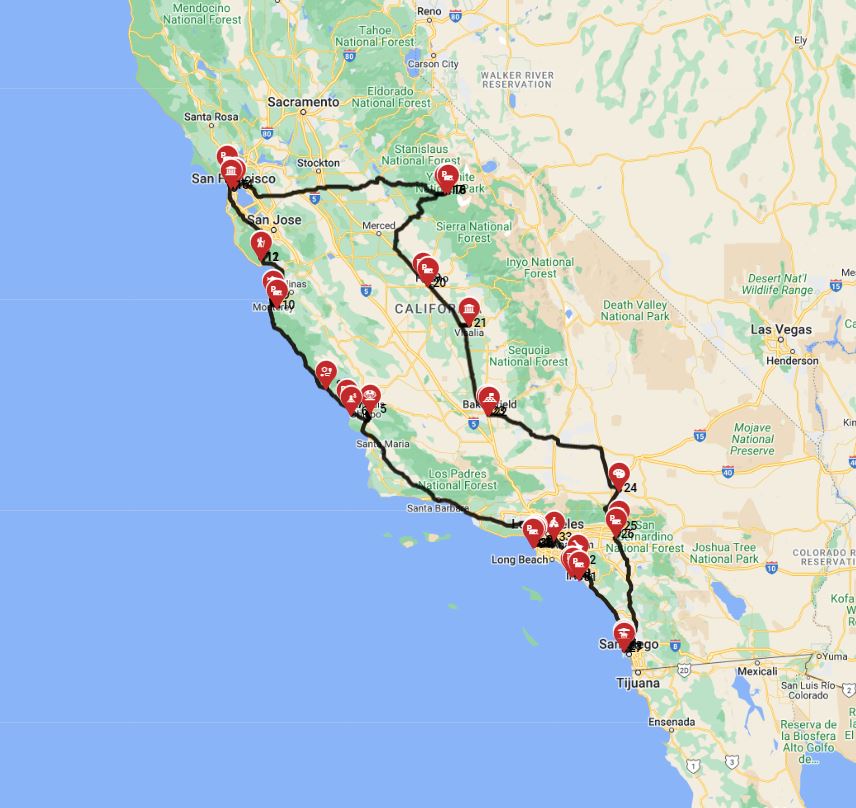
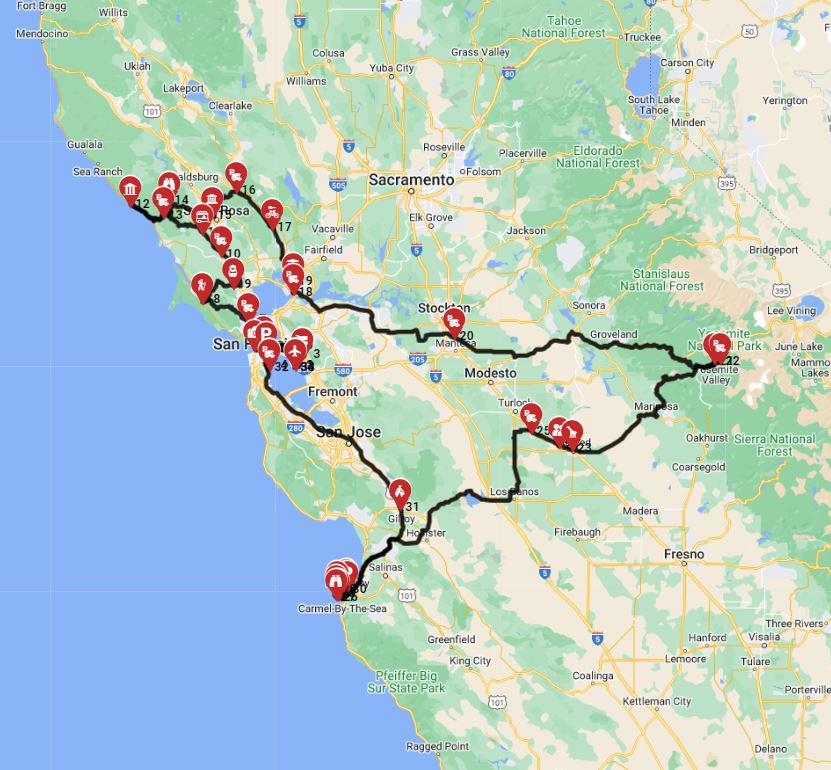 San Francisco Roundtrip
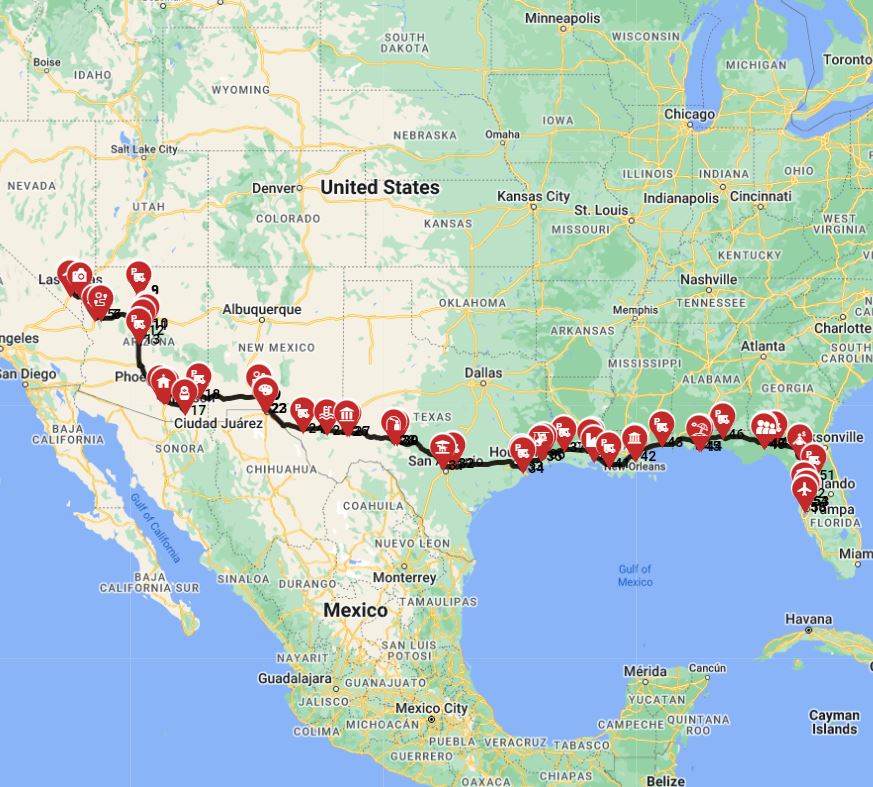
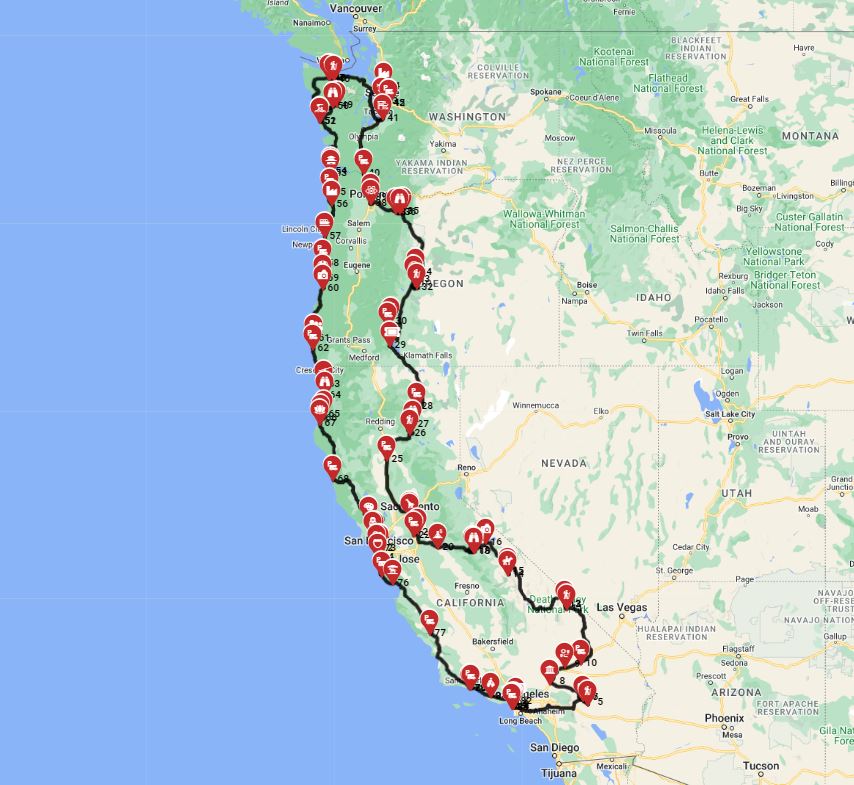
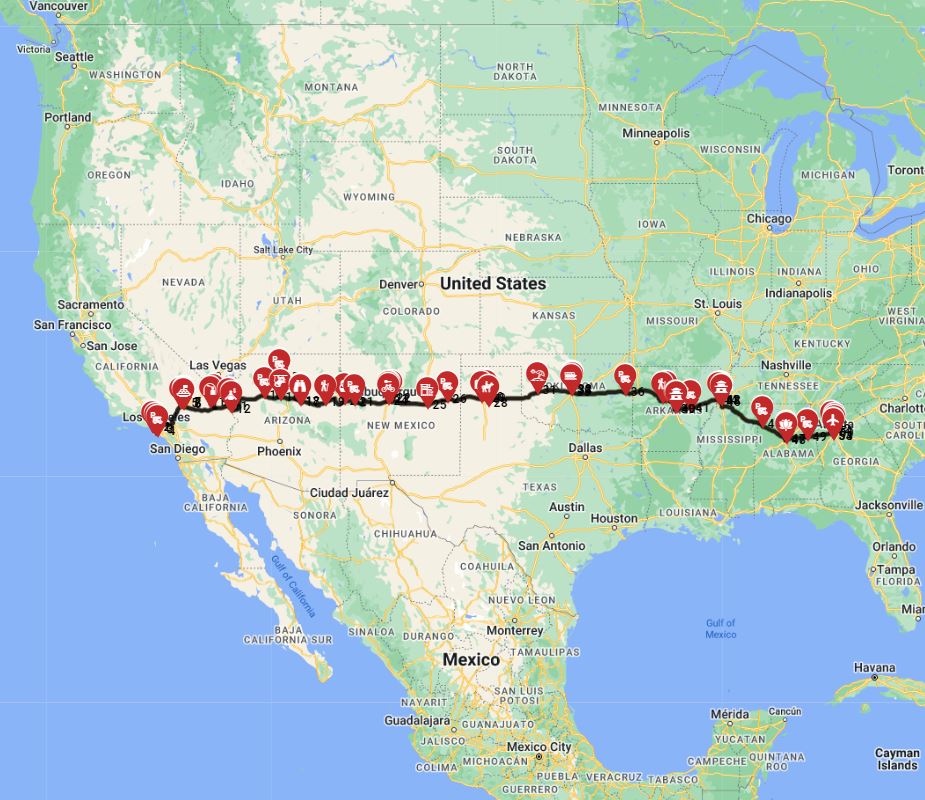
 - San Diego: Known for its pristine beaches, rich culture, and easy access to both the Pacific coastline and desert regions like Anza-Borrego. It is also an ideal starting point for longer journeys, such as the "
" route, covering over 3,370 km with 23 unique attractions.
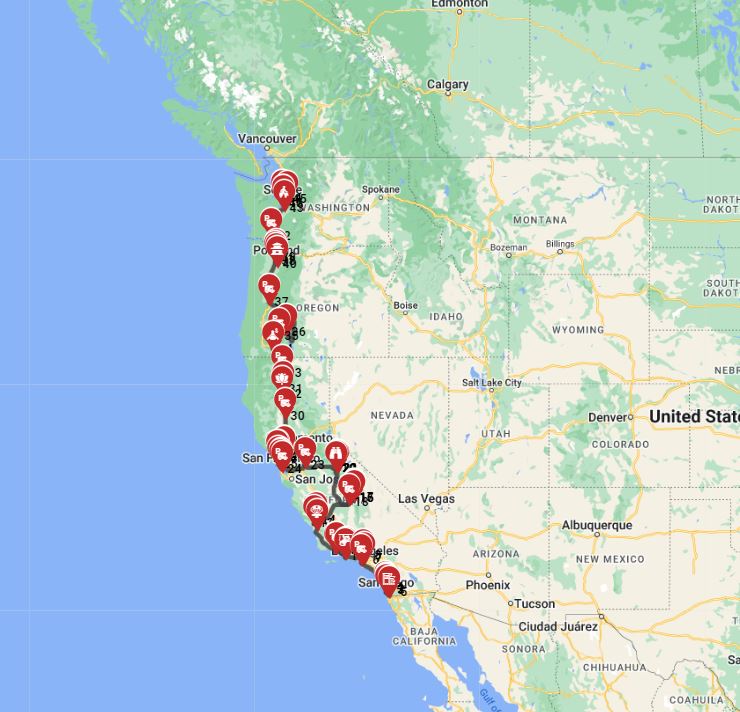 San diego to Seattle - California to the Pacific Northwest
 - Sacramento: As the state capital, Sacramento offers a blend of Gold Rush history, a revitalized waterfront, and proximity to the Sierra Nevada foothills and wine regions. It's a great base for exploring Central California in a rented campervan.
- San Jose: Located in the heart of Silicon Valley, San Jose provides a diverse culinary scene, interesting tech museums, and convenient access to both coastal drives and inland parks.
- Anaheim: Primarily known as the home of Disneyland, Anaheim also offers easy access to Southern California beaches and a family-friendly atmosphere, making it a popular choice for families looking to rent a motorhome.
- Palm Springs: A desert oasis renowned for its mid-century modern architecture, vibrant arts scene, and excellent hiking opportunities in the surrounding mountains. It's an ideal hub for exploring California's desert parks during cooler months.
🎬 Video coming soon
Final Thoughts
A luxury RV driving adventure in California is more than just a trip; it's an opportunity to discover breathtaking landscapes, charming towns, and incredible experiences at your own pace. With Bandana Caravan, you have a partner who understands the nuances of RV travel and is committed to making your journey seamless and enjoyable. We're here to provide the insights, support, and transparency you need to hit the road with confidence.
Whether you dream of waking up to the sound of crashing waves along the Pacific Coast Highway or stargazing under the vast desert sky, California by motorhome offers endless possibilities. Embrace the freedom of the open road, knowing that our dedicated team is behind you every step of the way. Compare Motorhome Prices for California today and start planning your unforgettable escapade!